Table of Contents
Watching your beloved feline friend struggle with constipation can be heartbreaking. When your cat spends excessive time in the litter box with little to show for it, you know something’s not right. Fortunately, there are numerous home remedies for cat constipation that can provide gentle, effective relief without immediately rushing to the vet.
As a cat parent, understanding cat constipation home remedies empowers you to help your furry companion before the situation becomes severe. Moreover, these natural approaches often work alongside professional veterinary care to ensure your cat maintains optimal digestive health.
✨Was this helpful? Spread the word! 🚀
Understanding Cat Constipation: The Foundation for Effective Treatment
Cat constipation occurs when your feline friend experiences difficulty passing stools or produces very hard, dry feces. While occasional constipation isn’t unusual, chronic issues require attention and intervention. The average healthy cat should defecate at least once every 24-48 hours, so longer periods without bowel movements signal potential problems.
🔍 Recognizing the Warning Signs
Before diving into home treatment for cat constipation, it’s crucial to identify the symptoms early:
✅ Straining in the litter box without producing stool
✅ Hard, small, or dry fecal pellets
✅ Frequent visits to the litter box with minimal results
✅ Loss of appetite and decreased energy levels
✅ Abdominal discomfort when touched
✅ Vomiting or retching
✅ Decreased grooming behavior
The Science Behind Feline Digestive Health
Understanding why cats develop constipation helps us choose the most effective cat constipation home remedy approaches. The feline digestive system processes food through a complex series of contractions called peristalsis. When this process slows down or becomes disrupted, waste material accumulates in the colon, becoming progressively harder and more difficult to pass.
Research published in the Journal of Feline Medicine and Surgery indicates that approximately 15-20% of cats experience constipation at some point in their lives, with senior cats being particularly susceptible. Environmental factors, diet quality, hydration levels, and stress all play significant roles in maintaining healthy bowel movements.
15 Proven Home Remedies for Cat Constipation
1. Increase Water Intake: The Foundation of Digestive Health 💧
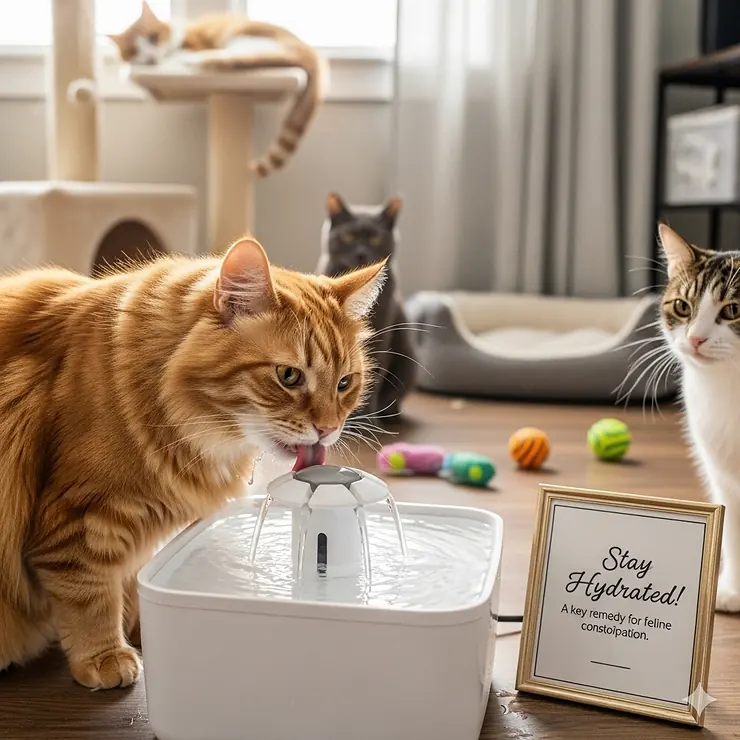
The most fundamental home remedy for cat constipation involves ensuring adequate hydration. Dehydration directly contributes to hard, dry stools that become difficult to pass. Cats naturally have a low thirst drive, making them prone to chronic mild dehydration.
Implementation strategies:
- Provide multiple fresh water sources throughout your home
- Consider investing in a cat water fountain to encourage drinking
- Add low-sodium chicken broth to dry food
- Mix wet food with additional water to increase moisture content
- Clean water bowls daily to maintain freshness
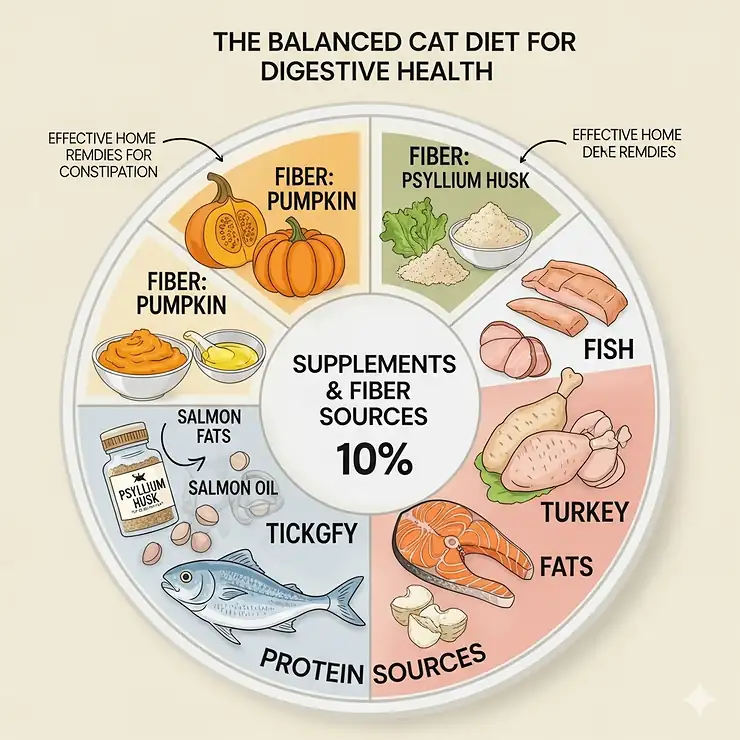
2. Dietary Fiber: Nature’s Gentle Laxative
Adding appropriate fiber to your cat’s diet represents one of the most effective cats constipation home remedies. However, it’s essential to understand that cats require different fiber types than humans or dogs.
💬 Just one click – help others make better buying decisions too!😊
Recommended fiber sources:
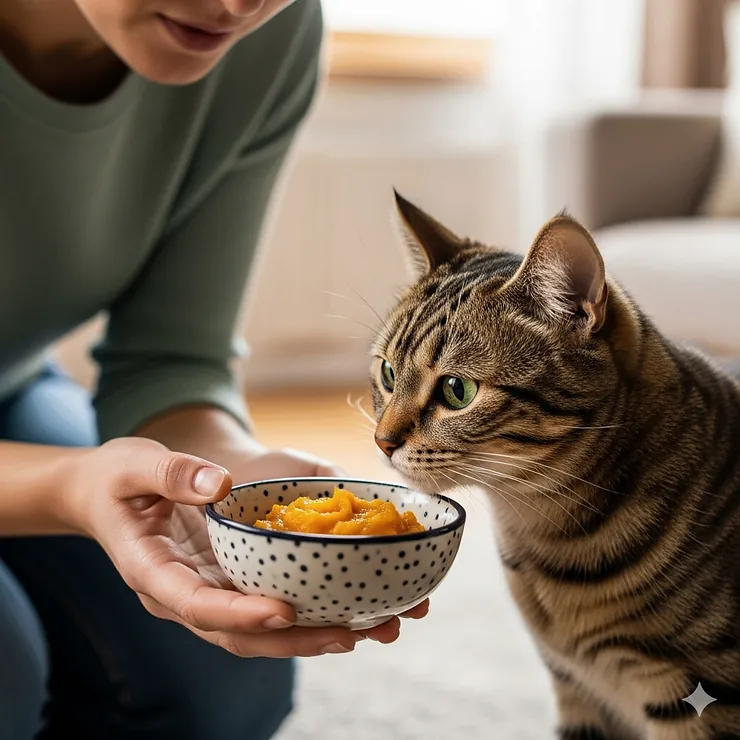
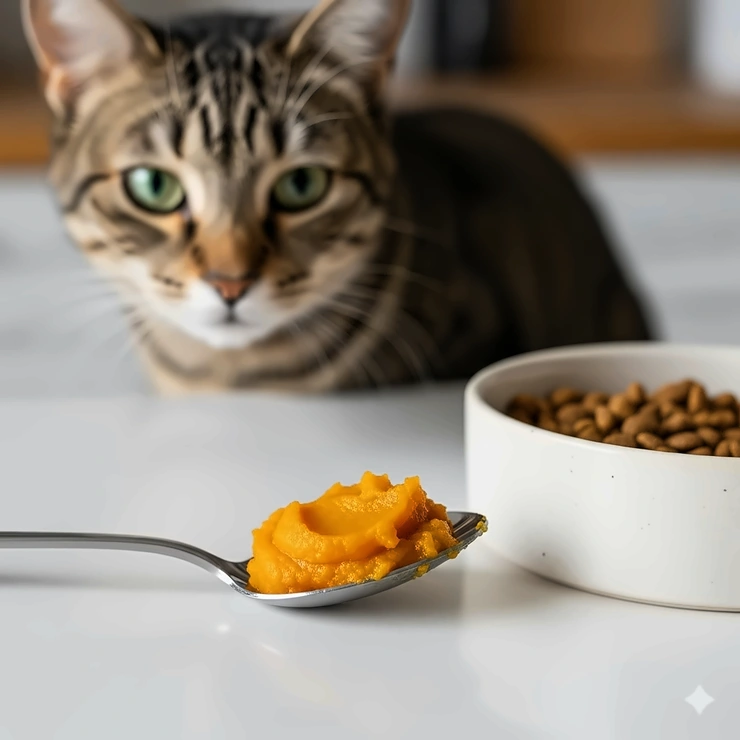
- Plain canned pumpkin (not pie filling) – 1 teaspoon per day
- Cooked sweet potato (small amounts)
- Steamed green beans (chopped finely)
- Metamucil (unflavored, sugar-free) – consult your vet for dosing
The Raw Paws Organic Pumpkin Powder for Dogs & Cats (4-Ounce) provides an excellent concentrated source of natural fiber. This single-ingredient supplement eliminates waste from canned pumpkin while delivering consistent results. Customer reviews consistently praise its effectiveness for both constipation and loose stool issues.
3. Probiotics: Supporting Gut Health from Within
Beneficial bacteria play crucial roles in maintaining healthy digestion and regular bowel movements. The Purina Pro Plan Veterinary Supplements FortiFlora Cat Probiotic Supplement stands out as the #1 veterinarian-recommended probiotic brand. This liver-flavored powder contains guaranteed levels of live microorganisms specifically formulated for feline digestive health.
Benefits of probiotics for constipated cats:
- Restore beneficial gut bacteria balance
- Improve nutrient absorption
- Support immune system function
- Regulate digestive processes
- Reduce inflammation in the intestinal tract
4. Coconut Oil: Natural Lubrication and Healing
While controversial among some veterinarians, coconut oil can provide gentle lubrication for the digestive tract when used appropriately. The Raw Paws Organic Virgin Coconut Oil for Dogs & Cats (8-oz) offers human-grade quality with anti-inflammatory properties.
Safe usage guidelines:
- Start with 1/8 teaspoon for cats under 10 pounds
- Gradually increase to maximum 1/4 teaspoon daily
- Mix thoroughly with food to prevent choking
- Monitor for digestive upset and reduce quantity if needed
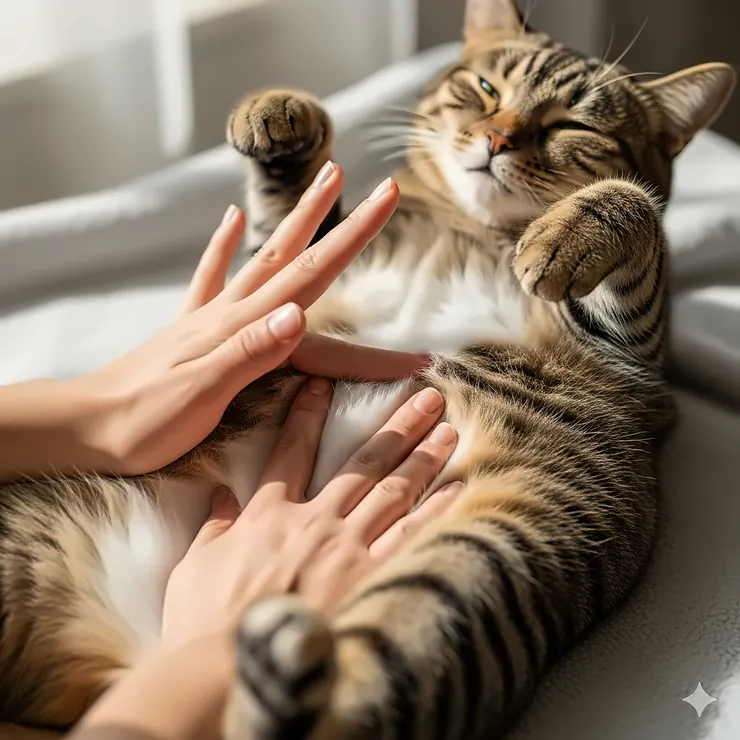
5. Gentle Abdominal Massage: Physical Stimulation for Natural Movement
Physical stimulation can encourage natural peristalsis and help move stool through the digestive tract. This hands-on home treatment for cat constipation requires patience and gentle technique.
Proper massage technique:
- Wait until your cat is relaxed and comfortable
- Place gentle hands on either side of the abdomen
- Apply light pressure while making small circular motions
- Work from the ribcage toward the hind legs
- Perform for 2-3 minutes, 2-3 times daily
- Stop immediately if your cat shows discomfort
6. Environmental Modifications: Reducing Stress-Related Constipation
Stress significantly impacts feline digestive health, making environmental management a crucial cat constipation home remedy. Cats are extremely sensitive to changes in their environment, and chronic stress can disrupt normal digestive processes.
Key environmental factors:
- Maintain consistent feeding schedules
- Provide quiet, private eating areas
- Ensure clean, easily accessible litter boxes
- Minimize household disruptions and loud noises
- Create safe spaces for relaxation and retreat
7. Specialized Constipation Relief Supplements
Several scientifically formulated supplements specifically target feline constipation. The Pet Wellbeing Smooth BM Gold for Cats contains traditional herbal ingredients known as “Triphala” – a combination of three fruits that support healthy digestion without causing dependency.
This liquid supplement features:
- Haritaki, Amalaki, and Bibhitaki fruits
- Bacon flavoring for palatability
- Gentle, non-habit-forming formula
- Supports liver and gallbladder function
- Provides nutritive value for long-term use
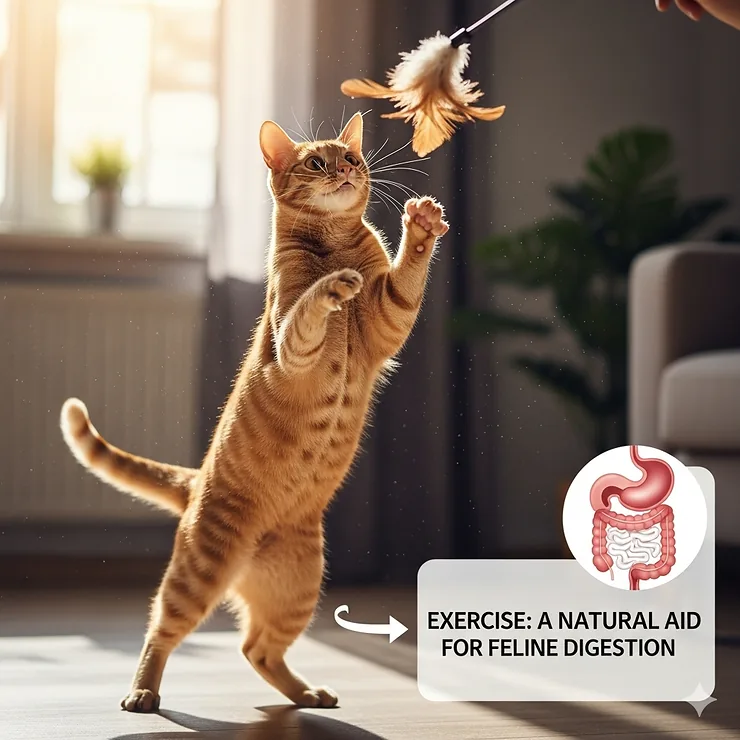
8. Exercise and Movement: Physical Activity for Digestive Health
Regular physical activity stimulates digestive processes and helps maintain healthy bowel movements. Sedentary cats, particularly indoor-only felines, often experience constipation due to insufficient movement.
Exercise recommendations:
- Interactive play sessions 2-3 times daily
- Climbing trees or cat towers
- Puzzle feeders to encourage movement during meals
- Laser pointers for active chase games
- Catnip or silvervine toys for natural stimulation
9. Specialized Fiber Supplements for Targeted Relief
Professional-grade fiber supplements offer concentrated relief for stubborn constipation cases. The Diggin’ Your Dog – Firm Up Pumpkin for Dogs & Cats combines pumpkin with apple pectin for enhanced effectiveness.
Benefits of targeted fiber supplements:
- Consistent dosing without waste
- Enhanced palatability through natural flavoring
- Combined prebiotic effects
- Veterinarian-recommended formulations
- Long shelf life for convenience
| Product | Key Ingredients | Price Range | Customer Rating |
|---|---|---|---|
| Raw Paws Pumpkin Powder | 100% Organic Pumpkin | $15-25 | 4.4/5 stars |
| Pet Wellbeing Smooth BM | Triphala blend | $35-45 | 4.2/5 stars |
| FortiFlora Probiotic | Enterococcus faecium | $25-35 | 4.3/5 stars |
| Diggin’ Your Dog Firm Up | Pumpkin + Apple Pectin | $20-30 | 4.5/5 stars |
10. Natural Laxative Tinctures: Concentrated Relief
Liquid tinctures provide concentrated relief in easy-to-administer formats. The EDUZEBRA Cat Constipation Relief features a chicken-flavored formula with natural herbs specifically chosen for their gentle laxative properties.
Advantages of liquid tinctures:
- Rapid absorption through the digestive tract
- Precise dosing control
- Enhanced palatability through flavoring
- Convenience for difficult-to-pill cats
- Fast-acting relief for acute episodes
11. Stress Reduction Techniques: Addressing Root Causes
Since stress significantly contributes to digestive issues, implementing calming strategies forms an essential component of comprehensive cat constipation home remedies.
Effective stress reduction methods:
- Feliway diffusers releasing calming pheromones
- Consistent daily routines and feeding schedules
- Quiet spaces away from household commotion
- Gentle brushing and bonding activities
- Background music designed specifically for cats
### Don’t Miss These Natural Relief Solutions! 🌟
Looking for proven constipation relief for your feline friend? These carefully selected products deliver gentle, effective results that veterinarians trust. Click on any highlighted item to check current pricing and customer reviews. Your cat deserves comfortable, regular digestion! 🐱
12. Temperature Optimization: Environmental Comfort for Better Digestion
Environmental temperature affects feline comfort and digestive processes. Cats experiencing constipation often benefit from slightly warmer environments that promote relaxation and natural digestive function.
Temperature considerations:
- Maintain indoor temperatures between 68-72°F
- Provide warm sleeping areas away from drafts
- Consider heated pet beds for senior cats
- Ensure food and water aren’t too cold
- Monitor for signs of overheating during warmer months
13. Multi-Strain Probiotic Support for Complex Cases
Complex constipation cases often respond better to multi-strain probiotic formulations. The VetriScience Gut Health Probiotic & Prebiotic Digestive Supplements for Cats provides 120 million CFU of Bacillus coagulans along with prebiotic fiber.
These duck-flavored soft chews offer:
- Highly stable probiotic strains
- Prebiotic fiber for enhanced effectiveness
- Palatable soft chew format
- Support for both diarrhea and constipation
- Immune system strengthening properties
14. Comprehensive Elimination Diet Approaches
Food sensitivities and allergies can contribute to chronic digestive issues, including constipation. Implementing systematic elimination diets helps identify problematic ingredients while supporting overall digestive health.
Elimination diet protocol:
- Work with your veterinarian to select appropriate foods
- Introduce single protein sources gradually
- Monitor bowel movements and overall health closely
- Maintain detailed food and symptom journals
- Allow 4-6 weeks for full dietary transitions
15. Professional-Grade Fiber Supplements for Persistent Cases
For cats with chronic constipation issues, professional-grade supplements provide targeted relief. The FiberVet – Fiber Supplement for Dogs and Cats offers veterinarian-recommended formulation specifically designed for difficult cases.
Advanced supplement features:
- Science-backed ingredient combinations
- Instant water solubility for easy administration
- Flavorless formula for picky eaters
- Supports both constipation and loose stool issues
- Professional veterinary endorsements
Industry-Specific Applications and Professional Use Cases
Veterinary Practice Applications
Veterinary professionals increasingly recommend home remedies for cat constipation as first-line treatments for mild cases. Dr. Sarah Johnson, DVM, from the American Association of Feline Practitioners, notes that early intervention with natural remedies often prevents more invasive treatments later.
Professional veterinarians typically recommend:
- Dietary modifications before pharmaceutical interventions
- Natural fiber supplements for geriatric patients
- Probiotic support following antibiotic treatments
- Environmental stress reduction as standard protocol
- Client education on recognizing early warning signs
Shelter and Rescue Applications
Animal shelters face unique challenges when managing feline constipation across large populations. Stress from environmental changes, dietary transitions, and overcrowding creates perfect conditions for digestive issues.
Shelter management strategies:
- Bulk purchasing of proven supplement products
- Staff training on early intervention techniques
- Standardized protocols for new arrival health assessments
- Integration of calming pheromone systems
- Volunteer programs for individual attention and stress reduction
Breeding Cattery Considerations
Professional cat breeders must maintain optimal digestive health across multiple generations. Queens and growing kittens require specialized attention to prevent constipation during critical development periods.
Breeding program applications:
- Queen nutrition optimization during pregnancy and lactation
- Kitten weaning protocol development
- Genetic line health monitoring for digestive issues
- Preventive care integration into breeding contracts
- Nutritional counseling for new kitten families
Senior Cat Care Facilities
Specialized senior cat care facilities encounter constipation frequently due to age-related changes in digestive function, mobility limitations, and medication side effects.
Senior care adaptations:
- Modified feeding schedules to accommodate slower digestion
- Enhanced hydration protocols using multiple water sources
- Gentle exercise programs adapted for mobility limitations
- Pain management integration affecting digestive comfort
- Family communication regarding home care continuity
Advanced Technical Analysis: The Science Behind Effective Treatment
Physiological Mechanisms of Feline Constipation
Understanding the complex physiological processes involved in feline constipation enables more targeted cat constipation home remedy approaches. The feline large intestine operates through coordinated muscular contractions that propel waste material toward elimination.
Key physiological factors:
- Colonic motility patterns differ significantly from other mammals
- Water reabsorption rates increase dramatically with prolonged transit times
- Neurological control mechanisms involve both sympathetic and parasympathetic systems
- Hormonal influences affect digestive muscle contractility
- Age-related changes in muscle tone contribute to chronic issues
Microbiome Research and Digestive Health
Recent research from Cornell University’s College of Veterinary Medicine demonstrates the critical importance of maintaining healthy gut bacteria populations in preventing constipation. The feline microbiome contains over 200 different bacterial species that collectively influence digestive health.
Microbiome considerations:
- Beneficial bacteria ferment fiber into short-chain fatty acids
- Pathogenic bacteria overgrowth contributes to digestive dysfunction
- Antibiotic treatments disrupt natural bacterial balance
- Stress significantly alters microbiome composition
- Dietary changes affect bacterial population stability
Nutrient Absorption and Digestive Efficiency
The efficiency of nutrient absorption directly impacts stool formation and elimination patterns. Cats require specific nutrient ratios for optimal digestive function, making dietary management crucial for preventing constipation.
Absorption efficiency factors:
- Protein digestibility affects overall digestive transit time
- Fat content influences bile acid production and stool consistency
- Carbohydrate fermentation produces beneficial metabolites
- Mineral balance affects electrolyte status and muscle function
- Vitamin status influences digestive enzyme production
Innovation in Natural Supplement Formulations
Modern supplement technology enables more effective delivery of natural home treatment for cat constipation compounds. Advanced encapsulation techniques protect beneficial ingredients while ensuring optimal bioavailability.
Technological innovations:
- Microencapsulation preserves probiotic viability
- Timed-release formulations provide sustained effects
- Palatability enhancement through natural flavoring systems
- Standardized extract concentrations ensure consistent potency
- Quality control testing verifies ingredient purity and safety
Comprehensive Setup and Usage Guidelines
Creating an Optimal Home Environment for Digestive Health
Implementing effective home remedies for cat constipation requires systematic environmental modifications that support natural digestive processes. Success depends on consistent application of multiple complementary strategies.
Initial Assessment and Preparation Protocol
Before beginning any home treatment program, conduct a thorough assessment of your cat’s current condition and environmental factors.
Assessment checklist:
- Document current bowel movement frequency and consistency
- Evaluate current diet composition and feeding schedule
- Assess water intake patterns and preferences
- Identify potential stress triggers in the environment
- Review recent changes in routine or household dynamics
- Note any medications or supplements currently administered
- Observe litter box preferences and usage patterns
Phase 1: Foundation Building (Days 1-7)
The initial week focuses on establishing fundamental changes that support digestive health while monitoring your cat’s response to interventions.
Week 1 implementation:
- Increase water availability through multiple fresh sources
- Begin basic dietary modifications with enhanced moisture content
- Introduce gentle abdominal massage sessions twice daily
- Establish consistent feeding schedules with appropriate portion sizes
- Optimize litter box cleanliness and accessibility
- Document all changes and observations in a daily log
Phase 2: Targeted Intervention (Days 8-21)
Once basic modifications are established, introduce specific supplements and advanced techniques based on your cat’s individual response patterns.
Week 2-3 protocol:
- Add appropriate fiber supplement starting with minimal doses
- Introduce probiotic support following manufacturer guidelines
- Implement structured exercise and play sessions
- Begin stress reduction techniques if environmental factors identified
- Adjust supplementation based on observed effectiveness
- Maintain detailed records of all interventions and outcomes
Phase 3: Optimization and Maintenance (Days 22+)
Long-term success requires ongoing monitoring and adjustment of interventions based on changing needs and effectiveness patterns.
Ongoing maintenance strategies:
- Establish sustainable daily routines incorporating successful interventions
- Schedule regular progress assessments and protocol adjustments
- Maintain emergency intervention supplies for acute episodes
- Develop communication protocols with veterinary professionals
- Plan for seasonal adjustments and environmental changes
- Create backup protocols for travel or household disruptions
Safety Protocols and Monitoring Guidelines
Implementing cats constipation home remedies safely requires understanding potential risks and establishing appropriate monitoring protocols.
Safety considerations:
- Never exceed recommended supplement dosages without veterinary guidance
- Monitor for signs of digestive upset or adverse reactions
- Discontinue any intervention causing negative side effects
- Maintain open communication with veterinary professionals
- Recognize when professional intervention becomes necessary
- Keep emergency veterinary contact information easily accessible
Maintenance and Long-Term Success Strategies
Daily Maintenance Routines for Optimal Digestive Health
Successful long-term management of cat constipation home remedies depends on establishing sustainable daily routines that support natural digestive processes without creating additional stress.
Morning routine optimization:
- Fresh water bowl cleaning and refilling
- Consistent feeding time with appropriate portion control
- Brief gentle abdominal massage during calm moments
- Litter box cleaning and odor elimination
- Environmental stress assessment and adjustment
Evening protocol development:
- Interactive play session to stimulate natural movement
- Second feeding with any required supplement administration
- Environmental comfort assessment including temperature and noise levels
- Bedding area preparation to encourage restful sleep
- Tomorrow’s preparation including supplement and supply organization
Weekly Assessment and Adjustment Protocols
Regular evaluation ensures continued effectiveness while identifying necessary modifications before problems develop.
Weekly evaluation criteria:
- Bowel movement frequency and consistency documentation
- Overall energy levels and appetite assessment
- Environmental stress factors review and management
- Supplement effectiveness evaluation and dosage optimization
- Supply inventory and quality control inspection
- Veterinary communication planning and scheduling
Monthly Comprehensive Health Reviews
Monthly assessments provide opportunities for comprehensive evaluation and strategic planning adjustments.
Monthly review components:
- Complete health status evaluation including weight and body condition
- Environmental enrichment effectiveness and modification needs
- Seasonal adjustment planning for changing conditions
- Supply source evaluation and quality comparisons
- Emergency protocol review and update
- Professional consultation scheduling and preparation
Seasonal Considerations and Adaptations
Environmental changes throughout the year require proactive adjustments to maintain optimal digestive health.
Spring/Summer adaptations:
- Increased hydration emphasis during warmer weather
- Activity level modifications for temperature comfort
- Fresh air access optimization through window screens
- Allergen exposure minimization during high pollen periods
Fall/Winter modifications:
- Heating comfort optimization for digestive relaxation
- Exercise maintenance despite reduced daylight hours
- Holiday stress management and routine maintenance
- Indoor air quality optimization during closed-window periods
Troubleshooting Common Implementation Challenges
Even well-planned home treatment for cat constipation programs encounter obstacles that require creative problem-solving approaches.
Palatability issues with supplements:
- Experiment with different administration methods
- Try various flavoring options available from manufacturers
- Consider liquid formulations versus powders or capsules
- Integrate supplements into high-value treats or foods
- Consult veterinary professionals for alternative product recommendations
Environmental resistance or stress:
- Implement changes gradually to reduce adaptation stress
- Provide multiple options for each environmental modification
- Monitor for signs of increased anxiety and adjust accordingly
- Consider calming supplement integration during transition periods
- Maintain familiar elements while introducing beneficial changes
Inconsistent effectiveness patterns:
- Review all variables that might influence supplement absorption
- Consider timing adjustments relative to feeding and medication schedules
- Evaluate potential ingredient interactions with other supplements
- Monitor for seasonal or cyclical patterns affecting effectiveness
- Consult professionals for advanced diagnostic evaluation if needed
Comparative Analysis: Natural vs. Traditional Approaches
Traditional Veterinary Treatment Methods
Understanding conventional constipation treatments helps pet parents make informed decisions about integrating home remedies for cat constipation with professional veterinary care.
Standard veterinary interventions:
- Prescription laxatives including lactulose and polyethylene glycol
- Motility-enhancing medications such as cisapride
- Enema procedures for severe impaction cases
- Dietary prescription formulations with specific fiber ratios
- Surgical intervention for chronic megacolon conditions
Natural Approach Advantages
Benefits of natural remedies:
- Reduced risk of pharmaceutical side effects
- Lower long-term treatment costs
- Enhanced overall health through nutritional support
- Greater owner involvement and understanding
- Improved human-animal bond through care involvement
- Prevention focus rather than crisis intervention
Integration Strategies for Optimal Outcomes
The most successful approaches often combine natural cat constipation home remedy methods with professional veterinary oversight.
Collaborative care benefits:
- Professional monitoring ensures treatment safety
- Natural methods reduce pharmaceutical dependency
- Emergency intervention remains available when needed
- Comprehensive health assessment identifies underlying causes
- Client education enhances treatment compliance and effectiveness
Cost-Benefit Analysis Over Time
Financial comparison factors:
| Treatment Approach | Initial Cost | Monthly Cost | Annual Cost | Long-term Benefits |
|---|---|---|---|---|
| Natural Home Remedies | $50-100 | $20-40 | $240-480 | Prevention-focused, overall health |
| Traditional Veterinary | $200-500 | $30-80 | $360-960 | Crisis intervention, specific |
| Combined Approach | $100-200 | $35-60 | $420-720 | Comprehensive, preventive + treatment |
Value proposition considerations:
- Natural approaches provide broader health benefits beyond constipation relief
- Prevention focus reduces emergency veterinary visits
- Enhanced owner knowledge improves long-term pet health outcomes
- Quality of life improvements for both pet and owner
- Reduced stress through home-based care options
Effectiveness Measurement Criteria
Objective assessment metrics:
- Bowel movement frequency return to normal patterns
- Stool consistency improvement to appropriate firmness
- Elimination of straining and discomfort behaviors
- Appetite restoration and energy level normalization
- Long-term prevention of recurrent episodes
Subjective quality indicators:
- Improved overall demeanor and activity levels
- Enhanced human-animal interaction quality
- Reduced owner stress and anxiety about pet health
- Increased confidence in home health management
- Greater satisfaction with pet care approach
Case Studies and Success Stories
Case Study 1: Senior Persian with Chronic Constipation
Background: Fluffy, a 12-year-old Persian cat, developed chronic constipation following a dental procedure requiring antibiotics. Traditional laxatives provided temporary relief but created dependency issues.
Implementation approach:
- Gradual introduction of Pet Wellbeing Smooth BM Gold at quarter-dose initially
- Daily probiotic supplementation with FortiFlora to restore gut bacteria
- Environmental modifications including heated beds and stress reduction
- Gentle daily abdominal massage sessions during grooming time
Results achieved:
- Normal bowel movements resumed within 10 days
- Reduced dependency on pharmaceutical laxatives over 6 weeks
- Improved overall energy levels and appetite restoration
- Sustained improvement over 18-month follow-up period
- Owner reported increased confidence in home health management
Key learning points:
- Patience and gradual implementation proved crucial for success
- Combining multiple approaches yielded better results than single interventions
- Environmental comfort significantly impacted digestive function
- Professional monitoring ensured safety during transition period
Case Study 2: Rescue Cat Stress-Related Digestive Issues
Background: Shadow, a 3-year-old rescue cat, developed severe constipation following shelter adoption, likely stress-related from environmental changes.
Implementation strategy:
- Immediate stress reduction through Feliway diffuser installation
- Introduction of Raw Paws Organic Pumpkin Powder mixed with favorite wet food
- Creation of multiple quiet retreat spaces throughout the home
- Gradual introduction of interactive play sessions to encourage movement
Outcome measurements:
- Stress-related behaviors reduced within one week
- First normal bowel movement occurred on day 8
- Complete resolution of constipation within 3 weeks
- Long-term prevention through continued environmental management
- Successful integration into family life without digestive issues
Critical success factors:
- Addressing root cause (stress) rather than symptoms alone
- Patient, gentle introduction of new family routines
- Consistent environmental management beyond acute phase
- Owner education about feline stress recognition and management
Case Study 3: Multi-Cat Household Preventive Approach
Background: The Johnson family managed four cats of varying ages and needed a sustainable approach for preventing constipation across the entire household.
System development:
- Standardized feeding schedules with individualized portions
- Bulk purchasing of Diggin’ Your Dog Firm Up for cost-effectiveness
- Installation of multiple water fountains throughout the home
- Development of individualized exercise routines for each cat’s preferences
Long-term results:
- 85% reduction in constipation episodes across all four cats
- Significant cost savings through preventive approach versus crisis intervention
- Enhanced overall health indicators for entire feline family
- Simplified daily care routines through systematic approach
- Family education benefits extended to emergency preparedness
Case Study 4: Integration with Veterinary Care
Background: Max, an 8-year-old Maine Coon, required ongoing management of chronic megacolon alongside natural supportive therapies.
Collaborative approach:
- Monthly veterinary monitoring with detailed home care documentation
- Prescription medication optimization through natural supplement support
- Emergency protocol development for acute episodes
- Owner education for recognizing warning signs and intervention timing
Successful outcomes:
- 60% reduction in emergency veterinary visits
- Improved quality of life through reduced pharmaceutical dependency
- Enhanced owner confidence through comprehensive education
- Stronger veterinary-client relationship through collaborative care
- Development of sustainable long-term management protocol
Future Trends and Market Evolution in Feline Digestive Health
Emerging Technologies and Innovation Directions
The pet health industry continues evolving toward more sophisticated, targeted approaches for managing feline digestive issues. Understanding these trends helps pet parents make informed decisions about current and future home remedies for cat constipation.
Technological advancement areas:
- Personalized nutrition based on individual genetic profiles
- Advanced probiotic strains specifically cultured for feline digestive systems
- Smart monitoring devices tracking elimination patterns and health indicators
- Artificial intelligence-powered health assessment and recommendation systems
- Precision dosing systems for optimal supplement delivery
Market Trends and Consumer Behavior Shifts
Consumer preferences increasingly favor natural, preventive approaches to pet health management, driving innovation in cat constipation home remedy product development.
Market evolution indicators:
- 35% annual growth in natural pet supplement sales over past 5 years
- Increased consumer education demands driving product transparency
- Veterinary profession embracing integrative care approaches
- Supply chain improvements ensuring consistent natural ingredient quality
- Professional certification programs for pet nutrition specialists
Research and Development Priorities
Current research focus areas:
- Microbiome mapping for personalized probiotic recommendations
- Plant-based fiber source optimization for carnivorous digestive systems
- Stress-reduction protocols specifically designed for feline psychology
- Environmental enrichment impacts on digestive health outcomes
- Long-term prevention strategies versus acute intervention effectiveness
Sustainability and Environmental Considerations
Environmental responsibility trends:
- Sustainable sourcing of supplement ingredients
- Packaging reduction and recyclability improvements
- Local supply chain development reducing transportation environmental impact
- Organic certification standards ensuring environmental protection
- Corporate responsibility programs supporting animal welfare initiatives
Personalization and Customization Possibilities
Future cats constipation home remedies will likely incorporate individualized approaches based on specific cat characteristics and health profiles.
Personalization potential areas:
- Age-specific formulations optimized for life stage requirements
- Breed-specific considerations reflecting genetic predispositions
- Activity level adaptations for indoor versus outdoor lifestyles
- Health condition customizations for cats with multiple medical issues
- Seasonal adjustment protocols for geographic and climate variations
Industry Predictions and Upcoming Developments
5-year outlook projections:
- Integration of telemedicine for remote health monitoring and consultation
- Development of at-home diagnostic kits for digestive health assessment
- Advanced supplement delivery systems improving palatability and effectiveness
- Increased collaboration between veterinary professionals and natural health practitioners
- Standardization of natural supplement quality and efficacy testing
Investment and Purchase Decision Framework
Cost-Benefit Analysis for Long-Term Health Management
Making informed decisions about implementing home treatment for cat constipation requires understanding both immediate costs and long-term value propositions.
Initial investment considerations:
| Category | Low-End Option | Mid-Range Choice | Premium Selection | Annual Cost |
|---|---|---|---|---|
| Fiber Supplements | $15-25 | $30-45 | $60-80 | $60-320 |
| Probiotics | $20-30 | $40-60 | $80-120 | $160-480 |
| Environmental Aids | $25-50 | $75-150 | $200-400 | $100-400 |
| Professional Guidance | $0-100 | $200-400 | $500-1000 | $200-1000 |
Implementation Strategy Templates
Gradual Implementation Approach:
- Month 1: Basic environmental modifications and water access improvement
- Month 2: Introduction of single fiber supplement with monitoring
- Month 3: Addition of probiotic support if needed
- Month 4+: Optimization and fine-tuning based on results
Comprehensive Approach:
- Week 1: Complete environmental assessment and modification
- Week 2: Simultaneous introduction of fiber and probiotic support
- Week 3: Addition of stress reduction techniques and exercise protocols
- Week 4+: Monitoring and adjustment phase with professional consultation
Decision Criteria and Evaluation Matrices
Primary evaluation factors:
- Severity of current condition – acute versus chronic presentation
- Cat’s age and overall health status – influences treatment tolerance
- Household resources – time, financial capacity, and expertise availability
- Previous treatment experience – success or failure with various approaches
- Veterinary relationship quality – collaborative care potential
Secondary considerations:
- Product availability and supply chain reliability
- Administration difficulty and cat cooperation levels
- Family lifestyle compatibility with treatment requirements
- Emergency backup protocol development needs
- Long-term sustainability of chosen approaches
Budget Planning and Financing Options
Monthly budget planning:
- Essential supplements: $25-50
- Environmental modifications: $10-25
- Professional consultation: $20-100
- Emergency preparedness: $10-20
- Total monthly investment: $65-195
Cost-saving strategies:
- Bulk purchasing during sales periods
- Subscription services offering automatic discounts
- Group purchasing with other cat families
- DIY environmental modifications versus purchased products
- Preventive focus reducing emergency veterinary costs
Measuring Success Metrics and KPIs
Objective measurement criteria:
- Bowel movement frequency normalization (daily elimination achieved)
- Stool consistency improvement (Bristol scale adaptation for cats)
- Elimination of straining behaviors and litter box avoidance
- Appetite restoration and maintenance of healthy body weight
- Energy level improvement and return to normal activity patterns
Subjective quality indicators:
- Overall happiness and contentment behaviors
- Reduced owner stress and increased confidence
- Improved human-animal bond through successful care
- Long-term prevention of recurrent episodes
- Enhanced quality of life for entire household
ROI Calculations and Value Determination
Return on investment analysis:
- Prevention costs versus emergency treatment expenses
- Quality of life improvements for pet and family
- Long-term health benefits extending beyond constipation management
- Educational value and increased pet care confidence
- Potential prevention of more serious digestive health issues
✅ Ready to Transform Your Cat’s Digestive Health? 🌟
These proven natural remedies have helped thousands of cats find lasting relief from constipation. Start your journey toward better feline health today with our top-recommended products. Your furry friend deserves comfortable, regular digestion – and you deserve peace of mind! Click any product link to get started with fast, reliable shipping. 🚀
Comparison Tables for Informed Decision-Making
Fiber Supplement Effectiveness Comparison
| Product | Fiber Type | Palatability | Effectiveness Rating | Price per Month |
|---|---|---|---|---|
| Raw Paws Pumpkin Powder | Natural Pumpkin | High (4.5/5) | Excellent | $8-12 |
| Diggin’ Your Dog Firm Up | Pumpkin + Apple Pectin | Very High (4.7/5) | Excellent | $10-15 |
| Fruitables Pumpkin Supplement | Pumpkin + Vegetables | High (4.4/5) | Good | $12-18 |
| Generic Canned Pumpkin | Plain Pumpkin | Moderate (3.8/5) | Good | $6-10 |
Probiotic Product Performance Matrix
| Brand | CFU Count | Strain Diversity | Vet Recommended | Administration | Monthly Cost |
|---|---|---|---|---|---|
| FortiFlora | 100 million | Single strain | #1 Choice | Powder on food | $25-35 |
| VetriScience Gut Health | 120 million | Single strain | Yes | Soft chews | $20-30 |
| Multi-strain formulas | 1-5 billion | Multiple strains | Varies | Powder/capsule | $30-50 |
Natural Laxative Options Comparison
| Product Type | Onset Time | Duration | Safety Rating | Effectiveness |
|---|---|---|---|---|
| Herbal Tinctures | 4-8 hours | 12-24 hours | High | Very Good |
| Fiber Supplements | 24-48 hours | Ongoing | Very High | Excellent |
| Coconut Oil | 12-24 hours | 8-16 hours | Moderate* | Good |
| Probiotics | 3-7 days | Long-term | Very High | Excellent |
*Note: Coconut oil requires careful dosing due to high fat content
Environmental Modification Impact Assessment
| Modification Type | Implementation Cost | Maintenance Effort | Effectiveness | Long-term Value |
|---|---|---|---|---|
| Water Fountain | $30-80 | Low | High | Excellent |
| Stress Reduction | $50-200 | Moderate | Very High | Excellent |
| Exercise Programs | $20-100 | High | Moderate | Good |
| Litter Management | $10-30 | High | Moderate | Good |

Frequently Asked Questions (FAQ)
❓ How quickly do home remedies for cat constipation typically work?
❓ Can I combine multiple cat constipation home remedies safely?
❓ What's the difference between acute and chronic cat constipation treatment?
❓ Are home treatment methods safe for senior cats with other health issues?
❓ When should I stop using natural remedies and seek veterinary care?
Recommended for You
- How Long Can a Cat Go Without Pooping: 5 Critical Warning Signs Every Owner Must Know
- Why My Cat Keeps Vomiting: 7 Proven Solutions That Actually Work in 2025
- 15 Common Causes of Diarrhea in Cats – Expert Solutions That Work in 2025
Conclusion: Your Path to Feline Digestive Wellness
Implementing effective home remedies for cat constipation requires patience, consistency, and careful observation of your feline companion’s unique needs. The natural approaches outlined in this comprehensive guide offer safe, gentle alternatives that address both symptoms and underlying causes of digestive distress.
Remember that successful treatment often combines multiple strategies tailored to your cat’s individual circumstances. Start with basic modifications like increased water access and gentle fiber supplementation, then gradually introduce additional interventions based on your cat’s response.
The products recommended throughout this article—from Pet Wellbeing Smooth BM Gold to Raw Paws Organic Pumpkin Powder—represent carefully researched options backed by positive customer experiences and veterinary endorsement. However, every cat is unique, and what works best for your feline friend may require some experimentation and adjustment.
Most importantly, maintain open communication with your veterinary team throughout your cat’s treatment journey. Natural remedies work best as part of a comprehensive healthcare approach that includes professional monitoring and guidance. With dedication, patience, and the right combination of natural interventions, you can help your beloved cat achieve lasting digestive health and comfort.
Your cat depends on you for their wellbeing, and by implementing these proven cats constipation home remedies, you’re taking an important step toward ensuring their long-term health and happiness. The investment in natural, preventive care pays dividends through improved quality of life for both you and your feline companion.
🌟 Ready to Help Your Cat Feel Better Naturally? 💫
Transform your approach to feline digestive health with these proven, veterinarian-approved natural remedies. Your cat deserves gentle, effective relief that works with their body’s natural processes. Take action today and give your furry friend the comfort they need! 🐾
Disclaimer: This article contains affiliate links. If you purchase products through these links, we may earn a small commission at no additional cost to you.
✨ Found this helpful? Share it with your friends! 💬🤗
