
Table of Contents
✨Was this helpful? Spread the word! 🚀
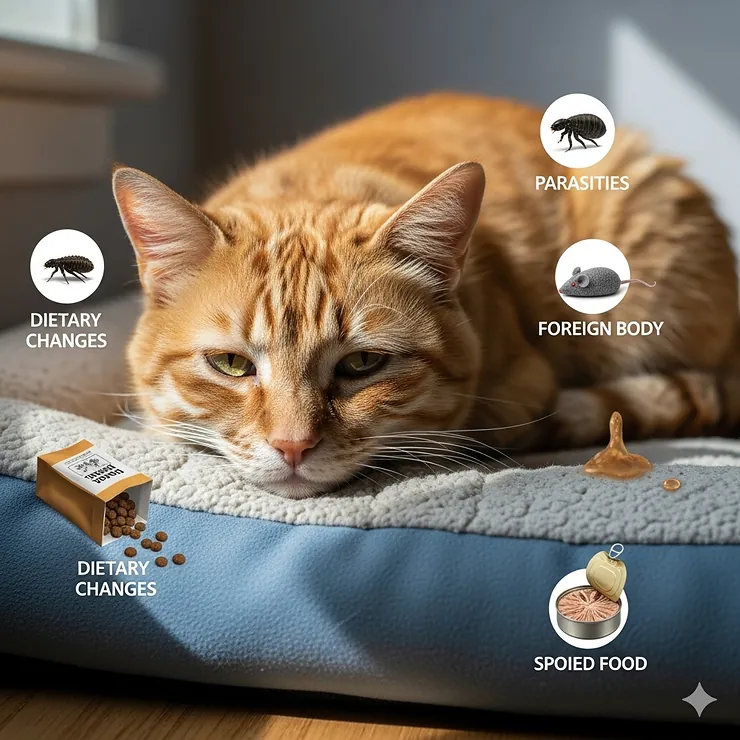
When your beloved feline companion starts experiencing digestive upset, it can be both concerning and messy. Understanding the various causes of diarrhea in cats is crucial for every cat parent who wants to provide the best care for their furry friend. Moreover, knowing what triggers these unpleasant episodes can help you take preventive measures and respond appropriately when issues arise.
The causes of diarrhea in cats can range from simple dietary indiscretions to more complex underlying health conditions. Whether your cat ate something they shouldn’t have or is dealing with a chronic condition, identifying the root cause is essential for effective treatment. Furthermore, recognizing when to seek veterinary care versus when you can manage the situation at home can save both time and unnecessary stress for you and your pet.
Understanding Normal Cat Digestive Health 🐱
Before diving into the causes of diarrhea in cats, it’s important to understand what normal feline digestion looks like. Cats have relatively short digestive tracts compared to herbivores, which means food typically moves through their system within 24-48 hours. Additionally, healthy cat stools should be well-formed, brown in color, and pass without difficulty or excessive odor.
Normal bowel movements for cats occur anywhere from once daily to once every other day, depending on their age, diet, and individual metabolism. However, the consistency and frequency can vary based on several factors including stress levels, activity, and overall health status.
Cats are obligate carnivores, meaning their digestive systems are specifically designed to process high-protein, meat-based diets. Consequently, any deviation from their natural dietary requirements can potentially trigger digestive upset and loose stools.
Primary Infectious Causes of Diarrhea in Cats 🦠
Bacterial Infections
Bacterial infections represent one of the most common causes of diarrhea in cats, particularly in multi-cat households or outdoor environments. Salmonella, E. coli, and Campylobacter are frequent culprits that can cause sudden onset of loose stools, often accompanied by vomiting and lethargy. These infections typically occur when cats consume contaminated food, water, or come into contact with infected animals.
Clostridium difficile, another bacterial pathogen, can cause particularly severe digestive upset in cats. This bacterium produces toxins that damage the intestinal lining, leading to bloody diarrhea and significant discomfort. Fortunately, most bacterial infections respond well to appropriate antibiotic therapy when diagnosed promptly.
Bacterial overgrowth in the small intestine can also contribute to chronic diarrhea in cats. This condition occurs when normal gut bacteria multiply excessively, disrupting the delicate balance of the intestinal microbiome. Subsequently, this imbalance can interfere with proper nutrient absorption and cause ongoing digestive issues.
Viral Infections
Several viral infections can trigger diarrhea in cats, with feline coronavirus being one of the most common. While most cats infected with feline enteric coronavirus experience only mild gastrointestinal symptoms, some may develop more severe diarrhea that requires supportive care and monitoring.
Feline panleukopenia, also known as feline distemper, is a serious viral infection that affects the digestive system and can cause severe, often bloody diarrhea. This highly contagious disease is particularly dangerous for unvaccinated kittens and immunocompromised cats. Thankfully, effective vaccines are available to prevent this potentially fatal condition.
Rotavirus and other enteric viruses can also cause acute diarrhea, especially in young kittens whose immune systems are still developing. These infections typically resolve on their own with supportive care, but dehydration can become a serious concern if fluid losses are not adequately replaced.
Parasitic Infections
Intestinal parasites are among the most frequently diagnosed causes of diarrhea in cats, affecting cats of all ages but particularly common in kittens and outdoor cats. Roundworms (Toxocara cati and Toxascaris leonina) are the most prevalent intestinal parasites, potentially affecting 25-75% of cats according to veterinary studies.
Giardia, a microscopic parasite, can cause persistent diarrhea that may be difficult to diagnose without specialized testing. This organism forms protective cysts that can survive in the environment for extended periods, making reinfection common in multi-pet households. Interestingly, many cats infected with Giardia may not show obvious symptoms but can still transmit the parasite to other pets.
Coccidia, another protozoan parasite, commonly affects kittens and immunocompromised cats. These parasites damage the intestinal lining, causing bloody diarrhea and potential dehydration. Treatment typically involves specific antiprotozoal medications and supportive care to prevent complications.
Dietary Factors Contributing to Feline Diarrhea 🍽️
Food Allergies and Intolerances
Food allergies and intolerances represent significant causes of diarrhea in cats, often developing gradually over time even to foods they’ve eaten for years. Common allergens include beef, fish, chicken, dairy products, and certain grains, though any protein source can potentially trigger an allergic response in sensitive cats.
Unlike true allergies, food intolerances don’t involve the immune system but still cause digestive upset. Lactose intolerance is particularly common in adult cats, as most lose the ability to digest milk sugars after weaning. Similarly, some cats may have difficulty processing certain carbohydrates or artificial additives commonly found in commercial cat foods.
The symptoms of food allergies and intolerances can be subtle initially, starting with occasional soft stools that progressively worsen if the offending ingredient continues to be consumed. Eventually, chronic inflammation of the digestive tract can develop, leading to more serious health complications if left untreated.
Dietary Changes and Indiscretions
Sudden dietary changes are among the most preventable causes of diarrhea in cats. When transitioning between foods, cats need time for their digestive enzymes and gut bacteria to adapt to new ingredients and nutritional profiles. Abrupt switches can overwhelm their system, resulting in loose stools and digestive discomfort.
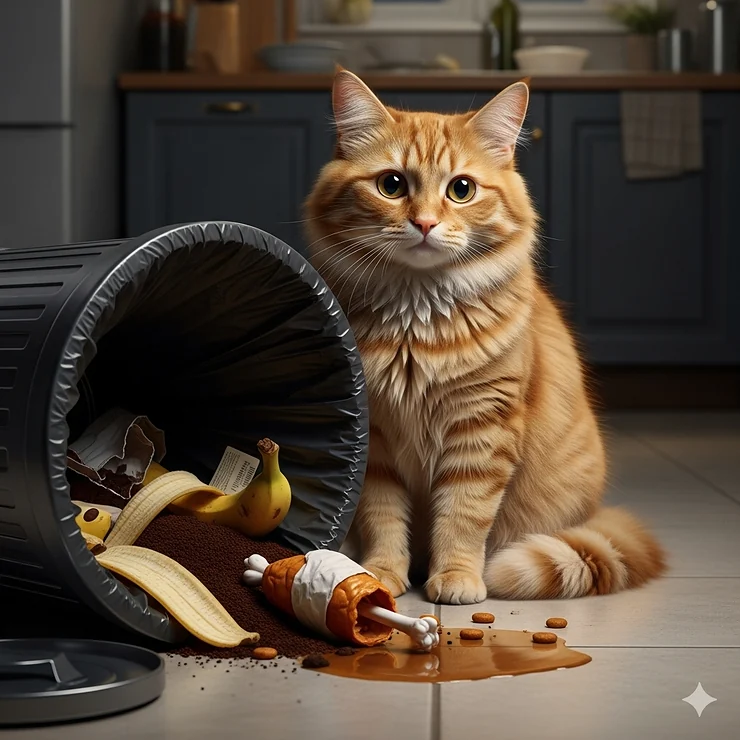
Dietary indiscretions, such as eating garbage, human food, or inappropriate treats, can quickly trigger diarrhea in susceptible cats. Foods high in fat, sugar, or spices are particularly problematic for feline digestive systems. Additionally, cats who hunt may consume prey that carries parasites or bacteria, leading to subsequent digestive upset.
Even high-quality cat foods can cause problems if introduced too rapidly. The general recommendation is to transition foods gradually over 7-10 days, mixing increasing proportions of the new food with decreasing amounts of the old food. This gradual approach allows the digestive system to adapt without causing unnecessary stress or discomfort.
Poor Quality or Spoiled Food
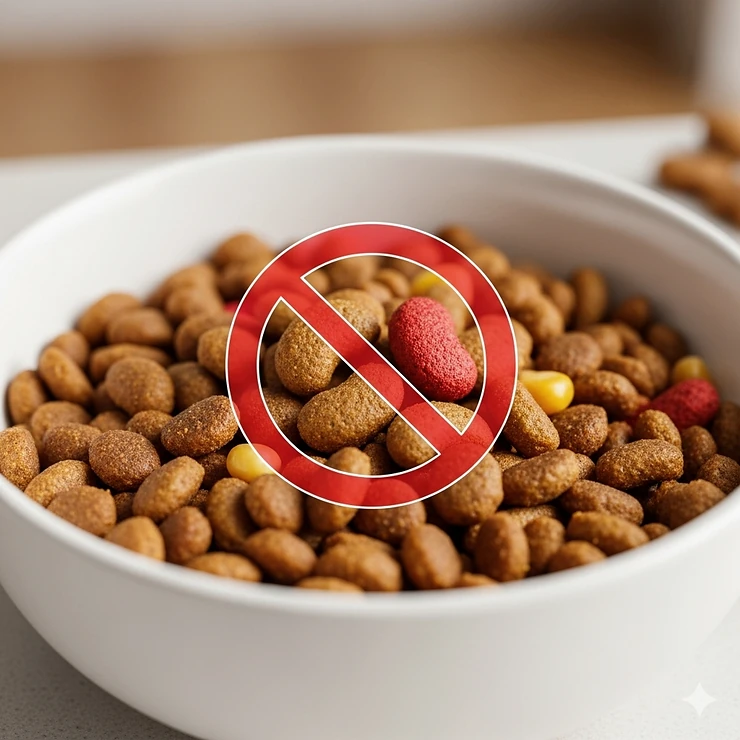
Low-quality commercial cat foods containing excessive fillers, artificial colors, or preservatives can contribute to chronic digestive issues in sensitive cats. These products often lack the balanced nutrition cats need and may contain ingredients that are difficult for felines to digest properly.
Spoiled or contaminated food poses immediate risks for bacterial infections and food poisoning. Canned food left out too long, dry food stored in humid conditions, or treats past their expiration date can harbor harmful bacteria that quickly cause severe diarrhea and vomiting.
Storage conditions play a crucial role in maintaining food quality. Dry food should be stored in airtight containers away from heat and moisture, while canned food should be refrigerated after opening and used within a few days. Temperature fluctuations and improper storage can accelerate spoilage and create breeding grounds for harmful microorganisms.
Stress and Environmental Factors 😰
Environmental Stressors
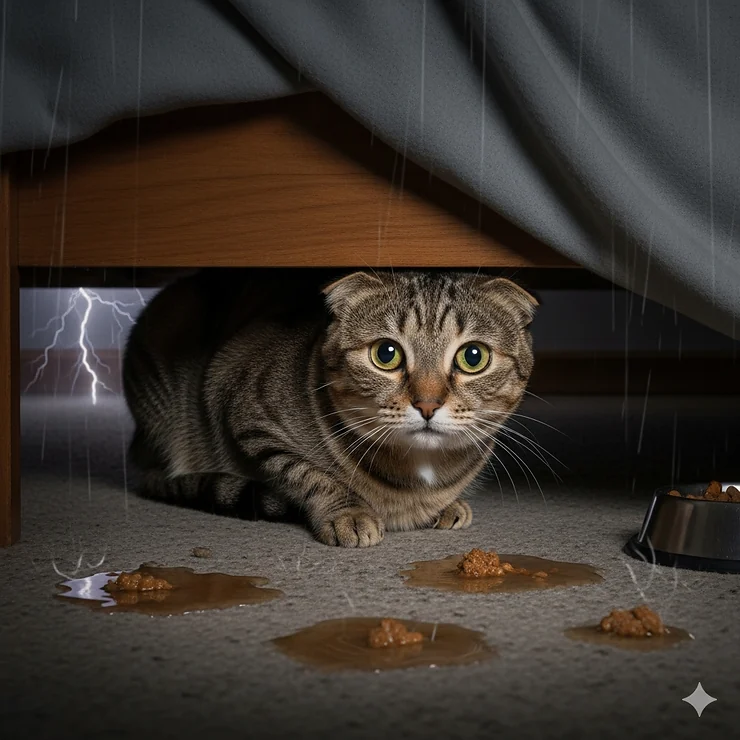
Cats are particularly sensitive to environmental changes, and stress is a well-documented trigger for digestive upset, including diarrhea. Moving to a new home, introducing new pets, changes in household routines, or even rearranging furniture can cause enough stress to disrupt normal digestion in sensitive cats.
The stress response in cats involves the release of hormones that can alter gut motility and affect the balance of beneficial bacteria in the intestines. Consequently, even minor stressors that seem insignificant to humans can have profound effects on feline digestive health. Multi-cat households may experience additional stress from territorial disputes and resource competition.
Construction noise, fireworks, visitors, or other disruptions to the usual household quiet can trigger stress-related diarrhea in anxious cats. Some cats are naturally more stress-prone than others, and these individuals may require additional environmental management and possibly anti-anxiety interventions to maintain digestive health.
Litter Box Issues
Believe it or not, litter box problems can contribute to digestive issues in cats through the stress-gut connection. Cats who are unhappy with their litter box situation may hold their waste, leading to changes in normal elimination patterns and potential digestive complications.
Dirty litter boxes, changed litter types, relocated boxes, or insufficient number of boxes for multi-cat households can create enough stress to trigger diarrhea. The general rule is to provide one litter box per cat plus one additional box, cleaned daily to maintain optimal hygiene.
Some cats develop aversions to their litter boxes due to painful elimination experiences, creating a cycle where stress about using the box leads to digestive upset, which then makes elimination more uncomfortable. Breaking this cycle often requires addressing both the underlying digestive issue and the behavioral components.
Medical Conditions and Underlying Health Issues 🏥
Inflammatory Bowel Disease (IBD)
Inflammatory bowel disease is one of the most common chronic causes of diarrhea in cats, particularly affecting middle-aged and senior felines. This condition involves chronic inflammation of the intestinal lining, leading to persistent digestive symptoms including diarrhea, vomiting, and weight loss despite normal appetite.
IBD in cats can be challenging to diagnose definitively, often requiring extensive testing including blood work, fecal examinations, imaging studies, and sometimes intestinal biopsies. The inflammation can affect different parts of the digestive tract, with symptoms varying based on the location and severity of the inflammatory changes.
Treatment for IBD typically involves dietary management with hypoallergenic or easily digestible foods, along with medications to reduce inflammation and manage symptoms. Many cats with IBD require long-term management and regular veterinary monitoring to maintain optimal quality of life.
Hyperthyroidism
Hyperthyroidism is a common endocrine disorder in older cats that can cause diarrhea along with other symptoms like weight loss despite increased appetite, excessive thirst, and hyperactivity. The overproduction of thyroid hormones accelerates metabolism and can significantly affect digestive function.
The increased metabolic rate associated with hyperthyroidism speeds up intestinal transit time, leading to loose stools and frequent bowel movements. Additionally, the condition can cause secondary complications including heart disease and high blood pressure, which may further complicate the clinical picture.
Fortunately, hyperthyroidism is highly treatable with several options including medication, radioactive iodine therapy, surgical removal of thyroid tissue, or special prescription diets that limit iodine intake. Early diagnosis and treatment can resolve digestive symptoms and prevent serious complications.
Cancer and Tumors
Unfortunately, various types of cancer can cause diarrhea in cats, particularly tumors affecting the digestive system. Intestinal lymphoma is the most common form of digestive cancer in cats and can be difficult to distinguish from inflammatory bowel disease without specialized testing.
Other tumors, including adenocarcinomas and mast cell tumors, can also affect digestive function and cause chronic diarrhea. These conditions are more common in older cats and may be associated with other symptoms like weight loss, decreased appetite, and general decline in condition.
Early detection is crucial for cancer treatment success. Regular veterinary examinations and prompt investigation of persistent digestive symptoms can improve outcomes and help distinguish between treatable conditions and more serious diseases requiring aggressive intervention.
Kidney and Liver Disease
Both kidney and liver disease can contribute to digestive problems, including diarrhea, in cats. These organs play crucial roles in processing waste products and maintaining proper body chemistry. When their function is impaired, toxins can build up and affect other body systems, including the digestive tract.
Chronic kidney disease is particularly common in older cats and can cause various gastrointestinal symptoms including nausea, vomiting, and diarrhea. The buildup of uremic toxins can directly irritate the digestive tract and alter normal gut function.
Liver disease can affect the production of bile acids necessary for proper fat digestion, potentially leading to digestive upset and changes in stool consistency. Both conditions require comprehensive veterinary management and may benefit from specialized diets designed to support organ function.
Age-Related Factors in Feline Diarrhea 👶👴
Kittens and Juvenile Cats
Young cats are particularly susceptible to certain causes of diarrhea due to their immature immune systems and ongoing digestive development. Parasitic infections are especially common in kittens, as are viral infections like feline panleukopenia in unvaccinated individuals.
The transition from mother’s milk to solid food can also trigger digestive upset in young cats. Their digestive enzymes are still developing, and sudden dietary changes can overwhelm their system. Additionally, kittens who are weaned too early may not have fully developed digestive capabilities.
Stress can be particularly problematic for young cats who are still adapting to their environment and establishing their place in the household hierarchy. New surroundings, separation from littermates, and introduction to new experiences can all contribute to stress-related digestive issues.
Senior Cats
Older cats face unique challenges that can contribute to digestive problems, including age-related changes in organ function, decreased immune response, and increased susceptibility to chronic diseases like hyperthyroidism and kidney disease.
The aging digestive system may not function as efficiently as in younger cats, leading to changes in nutrient absorption and waste elimination. Additionally, senior cats may have difficulty adapting to dietary changes and may be more sensitive to food quality issues.
Dental problems common in older cats can affect their ability to chew food properly, potentially leading to digestive complications. Pain from dental disease may also contribute to stress and changes in eating behavior that can trigger gastrointestinal upset.
Product Solutions for Managing Cat Diarrhea 💊
Anti-Diarrheal Treatments
When dealing with acute diarrhea in cats, having effective treatment options readily available can make a significant difference in your pet’s comfort and recovery time. The Nutri-Vet Anti-Diarrhea Liquid for Cats offers a veterinary-formulated solution containing kaolin and pectin that helps absorb toxins and firm up loose stools. This 4-ounce bottle provides multiple treatments and is flavored to improve palatability for finicky cats.
Another excellent option is the Pet MD Stool-Fix Powdered Clay Anti Diarrhea, which combines the benefits of kaolin clay with a convenient powder format that can be easily mixed into wet food. The 100-gram container provides exceptional value and allows for precise dosing based on your cat’s weight and symptom severity.
For cat owners seeking a trusted brand, the Vet Worthy Anti-Diarrhea for Cats contains the same proven ingredients (kaolin and pectin) in a 4-ounce liquid formulation. Customer reviews consistently praise its effectiveness in resolving acute diarrhea episodes within 24-48 hours when used as directed.
Probiotic Supplements
Maintaining healthy gut bacteria is crucial for digestive health, making probiotic supplements valuable tools in managing both acute and chronic diarrhea. The Purina Pro Plan Veterinary Supplements FortiFlora Cat Probiotic Supplement stands out as the #1 veterinarian-recommended probiotic brand, containing 100 million colony-forming units of Enterococcus faecium per packet.
This 30-count box provides a month’s supply of single-serving packets that can be sprinkled directly onto your cat’s food. The hydrolyzed animal protein base acts as a natural flavor enhancer, making it highly palatable even for picky eaters. Additionally, FortiFlora contains antioxidants to support immune system function during recovery.
For multi-strain probiotic support, the Nutramax Proviable Probiotics for Dogs and Cats offers 80 capsules containing 5 billion CFU of beneficial bacteria plus prebiotics to encourage probiotic growth. These capsules can be opened and sprinkled on food, providing flexibility for cats who won’t take pills directly.
Specialized Digestive Diets
Dietary management is often the cornerstone of treating digestive issues in cats. The Hill’s Prescription Diet i/d Digestive Care line offers both wet and dry food options specifically formulated for cats with digestive sensitivities. These veterinary diets feature highly digestible ingredients and ActivBiome+ technology to support healthy gut bacteria.
The wet food comes in convenient 5.5-ounce cans (24-pack) and provides complete nutrition while being gentle on sensitive stomachs. The chicken-based formula is highly palatable and has helped countless cats recover from digestive upset while maintaining proper nutrition during treatment.
For cats with ongoing sensitivity issues, the Hill’s Science Diet Sensitive Stomach & Skin dry food offers a more affordable long-term solution. This 15.5-pound bag contains prebiotic fiber to support digestive health and omega fatty acids for skin and coat condition.
Quick Comparison: Top Diarrhea Solutions
| Product | Type | Key Ingredients | Price Range | Best For |
|---|---|---|---|---|
| Nutri-Vet Anti-Diarrhea | Liquid | Kaolin, Pectin | $8-12 | Acute episodes |
| Pet MD Stool-Fix | Powder | Kaolin Clay | $12-16 | Easy mixing |
| FortiFlora Probiotic | Powder packets | E. faecium | $18-25 | Ongoing support |
| Proviable Probiotic | Capsules | Multi-strain + prebiotics | $25-35 | Comprehensive care |
| Hill’s i/d Diet | Wet/Dry food | Digestible proteins | $45-65 | Dietary management |
💬 Just one click – help others make better buying decisions too!😊
Treatment Approaches and Management Strategies 🎯
When to Seek Veterinary Care
While many cases of mild diarrhea can be managed at home with appropriate products and dietary modifications, certain situations require immediate veterinary attention. Severe symptoms including bloody stools, persistent vomiting, lethargy, dehydration, or diarrhea lasting more than 48 hours warrant professional evaluation.
Kittens, senior cats, and those with underlying health conditions should be evaluated more quickly, as they’re at higher risk for complications from fluid loss and electrolyte imbalances. Additionally, cats showing signs of pain, such as hunched posture or reluctance to move, should be examined promptly.
Multiple cats in the household developing diarrhea simultaneously suggests an infectious cause that may require specific treatment and isolation protocols to prevent further spread. In these cases, fecal samples from affected cats can help identify the specific pathogen involved.
Home Care Strategies
For mild cases of diarrhea in otherwise healthy adult cats, several home care strategies can provide relief and support recovery. Temporarily feeding smaller, more frequent meals of easily digestible food can help reduce digestive stress while maintaining nutrition. High-quality canned food is often better tolerated than dry kibble during recovery periods.
Ensuring adequate hydration is crucial, as diarrhea can quickly lead to dehydration. Providing multiple fresh water sources, including fountains or wide bowls that encourage drinking, helps maintain proper fluid balance. Some cats prefer slightly warm water or diluted chicken broth (without onion or garlic).
Creating a calm, stress-free environment supports the healing process. Minimizing changes to routine, providing quiet spaces for rest, and avoiding stressful situations can help reduce anxiety-related digestive issues. Pheromone diffusers or calming supplements may benefit particularly anxious cats.
Long-Term Prevention Strategies
Preventing future episodes of diarrhea involves addressing underlying causes and maintaining optimal digestive health. Establishing consistent feeding schedules with high-quality, age-appropriate nutrition provides the foundation for digestive wellness. Gradual food transitions when changing diets prevent sudden digestive upset.
Regular parasite prevention through veterinary-recommended deworming protocols helps prevent infectious causes of diarrhea. Indoor cats have lower parasite risk, but regular fecal examinations can detect problems early. Maintaining current vaccinations protects against viral causes of digestive disease.
Stress management through environmental enrichment, consistent routines, and appropriate social structures in multi-cat households reduces stress-related digestive issues. Providing adequate litter boxes, vertical territory, and resources for each cat helps maintain harmony and reduce competition-related stress.
Don’t Miss These Effective Solutions! 🛒
Ready to help your cat feel better? These carefully selected products have helped thousands of cats overcome digestive issues. Click on any highlighted item to check current pricing and read customer reviews. These proven solutions can provide the relief your feline friend needs! ⭐
Advanced Diagnostic Approaches 🔬
Laboratory Testing Methods
When home treatment doesn’t resolve diarrhea or when symptoms are severe, comprehensive diagnostic testing helps identify underlying causes and guide appropriate treatment. Fecal examinations using multiple techniques can detect parasites, bacteria, and other pathogens that might be missed with single tests.
Complete blood chemistry panels reveal information about organ function, electrolyte balance, and overall health status. These tests can identify conditions like kidney disease, liver dysfunction, hyperthyroidism, and diabetes that may contribute to digestive problems. Additionally, complete blood counts help assess for anemia, infection, or immune system disorders.
Advanced testing may include fecal PCR panels that can detect multiple pathogens simultaneously, including viruses and bacteria that are difficult to culture. Fecal elastase testing evaluates pancreatic function, while specialized tests for inflammatory markers help distinguish between infectious and immune-mediated causes of diarrhea.
Imaging Studies
Radiographs (X-rays) provide valuable information about the structure and contents of the digestive tract. They can reveal obstructions, tumors, organ enlargement, or abnormal gas patterns that might contribute to diarrhea. Contrast studies using barium may be necessary to evaluate intestinal function and detect subtle abnormalities.
Abdominal ultrasound offers detailed images of internal organs and can detect changes in intestinal wall thickness, lymph node enlargement, or masses that might not be visible on X-rays. This non-invasive technique is particularly useful for evaluating chronic digestive problems and guiding treatment decisions.
In some cases, endoscopy may be recommended to directly visualize the intestinal lining and obtain tissue samples for microscopic examination. This procedure allows for definitive diagnosis of conditions like inflammatory bowel disease, cancer, or other structural abnormalities affecting the digestive tract.
Therapeutic Trials
Sometimes the most practical approach to diagnosis involves therapeutic trials with specific treatments to see if symptoms improve. Dietary trials using hypoallergenic or easily digestible foods can help identify food sensitivities or intolerances that might be contributing to chronic diarrhea.
Antibiotic trials may be attempted when bacterial overgrowth is suspected, even if specific pathogens aren’t identified through testing. The response to treatment can provide valuable information about the underlying cause and guide future management decisions.
Probiotic trials using products like FortiFlora or Proviable can help restore normal gut bacteria balance and may resolve symptoms in cases where dysbiosis (bacterial imbalance) is the primary problem. These trials are generally safe and may provide both diagnostic and therapeutic benefits.
Nutritional Management and Dietary Solutions 🥘
Specialized Therapeutic Diets
Therapeutic diets play a crucial role in managing both acute and chronic digestive issues in cats. These scientifically formulated foods address specific nutritional needs while being gentle on sensitive digestive systems. The Hill’s Prescription Diet i/d line represents the gold standard in veterinary therapeutic nutrition for digestive disorders.
These diets feature highly digestible proteins that are easier for compromised digestive systems to process. The protein sources are carefully selected and processed to minimize allergenic potential while maintaining high biological value. Additionally, the fat content is optimized to provide essential fatty acids without overwhelming digestive capacity.
Prebiotic fibers in therapeutic diets help nourish beneficial gut bacteria and support microbiome balance. The specific fiber blend in products like Hill’s i/d has been clinically proven to rapidly activate gut bacteria and improve stool quality within 24 hours in many cases.
Elimination Diets and Food Trials
When food allergies or intolerances are suspected, elimination diets using novel protein sources can help identify problem ingredients. These trials typically last 8-12 weeks and involve feeding only proteins and carbohydrates the cat has never consumed before, such as duck, venison, or rabbit.
During elimination diets, it’s crucial to avoid all treats, flavored medications, and table scraps that might contain allergenic ingredients. Even small amounts of problem foods can trigger reactions and invalidate the trial results. Compliance is key to obtaining accurate diagnostic information.
Successful elimination diets often result in complete resolution of digestive symptoms, confirming food allergy or intolerance as the underlying cause. Once symptoms resolve, individual ingredients can be gradually reintroduced to identify specific problem foods and create a long-term management plan.
Fiber Management Strategies
The role of dietary fiber in managing diarrhea is complex and depends on the underlying cause and type of digestive problem. Soluble fiber sources like psyllium, found in products like Metamucil, can help absorb excess water and form more solid stools in cases of secretory diarrhea.
Insoluble fiber adds bulk to stools and can help regulate intestinal transit time. However, too much fiber can worsen some types of diarrhea, particularly inflammatory conditions. The key is finding the right balance for each individual cat’s needs.
Canned pumpkin is a popular natural fiber source that contains both soluble and insoluble fiber. Starting with 1-2 teaspoons per day mixed into food can provide gentle fiber supplementation without overwhelming the digestive system. Always use plain pumpkin, not pie filling with added sugars and spices.
Preventive Care and Wellness Programs 🏥
Regular Veterinary Monitoring
Establishing a comprehensive preventive care program with regular veterinary examinations helps identify potential health issues before they become serious problems. Annual wellness visits should include fecal examinations to detect parasites and discussion of any changes in digestive health or bathroom habits.
For senior cats (over 7 years old), twice-yearly examinations allow earlier detection of age-related conditions like hyperthyroidism, kidney disease, or cancer that can cause digestive symptoms. Blood work screening can identify these conditions in early stages when treatment is most effective.
Maintaining detailed records of your cat’s normal digestive patterns, including stool consistency and frequency, helps establish baselines for comparison. Any significant changes from these baselines should prompt veterinary consultation and investigation.
Vaccination and Parasite Control
Keeping cats current on core vaccinations prevents viral diseases that can cause severe diarrhea and other complications. The FVRCP vaccine protects against feline panleukopenia, which can cause life-threatening digestive symptoms, particularly in kittens and unvaccinated adults.
Regular deworming protocols based on lifestyle and risk factors help prevent parasitic causes of diarrhea. Indoor cats typically require less frequent treatment than outdoor cats, but even indoor cats can be exposed to parasites through insects, contaminated food, or other sources.
Flea control is important not only for comfort but also because fleas can transmit tapeworms and other parasites that cause digestive problems. Modern flea prevention products are highly effective and much safer than older treatments that required monthly applications.
Environmental Management
Creating optimal living conditions supports digestive health and reduces stress-related causes of diarrhea. This includes maintaining clean, appropriately located litter boxes with unscented, clumping litter that most cats prefer. The general rule of one box per cat plus one extra helps ensure adequate facilities.
Feeding stations should be clean, quiet, and separated from litter areas. Multiple cats should have separate feeding areas to reduce competition and stress around meal times. Elevated feeding dishes may help some cats eat more comfortably and reduce gulping that can lead to digestive upset.
Temperature and humidity control help maintain food quality and reduce stress. Extreme temperatures can spoil food quickly and make cats uncomfortable, potentially contributing to digestive problems. Adequate ventilation helps maintain air quality and reduce odors.
Emergency Situations and Critical Care ⚠️
Recognizing Emergency Symptoms
Certain combinations of symptoms constitute veterinary emergencies that require immediate professional attention. Severe dehydration, evidenced by skin tenting, sunken eyes, dry gums, and lethargy, can quickly become life-threatening, especially in kittens and senior cats.
Bloody diarrhea, particularly if accompanied by vomiting, severe abdominal pain, or collapse, suggests serious conditions like poisoning, intestinal obstruction, or severe infectious disease. These situations require emergency stabilization and intensive treatment to prevent fatal complications.
Persistent vomiting that prevents keeping food or water down, combined with diarrhea, can lead to rapid dehydration and electrolyte imbalances. Cats showing signs of severe discomfort, such as hiding, reluctance to move, or vocalizing when touched, need immediate evaluation.
First Aid and Stabilization
While preparing for emergency veterinary care, certain first aid measures can help stabilize cats with severe diarrhea. Ensuring access to fresh water helps prevent further dehydration, though cats who are vomiting should not be forced to drink as this may worsen nausea.
Removing access to food for 12-24 hours may help rest the digestive system in cases of severe diarrhea, but this should only be done under veterinary guidance. Kittens and diabetic cats should not be fasted without professional supervision due to risks of hypoglycemia.
Keeping detailed records of symptoms, including frequency of bowel movements, stool appearance, associated vomiting, and overall behavior changes, helps veterinarians assess severity and plan appropriate treatment. Photos of abnormal stools can be helpful for veterinary evaluation.
Treatment and Recovery Protocols
Emergency treatment for severe diarrhea typically involves intravenous fluid therapy to restore hydration and correct electrolyte imbalances. This supportive care is crucial for recovery and may need to continue for several days depending on the underlying cause and response to treatment.
Medications may include anti-nausea drugs, antibiotics if bacterial infection is suspected, and specific treatments for identified causes like antiparasitic drugs or anti-inflammatory medications. Pain management is important for cats with abdominal discomfort or cramping.
Recovery monitoring involves tracking hydration status, appetite, stool consistency and frequency, and overall attitude. Most cats show improvement within 24-48 hours of appropriate treatment, though complete recovery may take several days to weeks depending on the underlying cause.
Lifestyle Factors and Environmental Considerations 🏠
Multi-Cat Household Dynamics
Managing digestive health in multi-cat households presents unique challenges, as stress from social dynamics can trigger diarrhea in sensitive individuals. Establishing clear territorial boundaries with adequate resources for each cat helps reduce competition and associated stress.
Resource guarding around food bowls can cause subordinate cats to eat too quickly or avoid eating altogether, both of which can contribute to digestive problems. Providing separate feeding areas and scheduled meal times helps ensure all cats receive adequate nutrition without stress.
When one cat develops diarrhea, isolation may be necessary to prevent spread of infectious agents while also reducing stress on the affected individual. However, complete isolation can increase anxiety in some cats, so providing visual contact while maintaining physical separation may be optimal.
Indoor vs. Outdoor Lifestyles
Indoor cats generally have lower exposure to infectious causes of diarrhea, including parasites, bacterial infections, and toxic substances. However, they may be more susceptible to stress-related digestive issues due to limited environmental stimulation and exercise opportunities.
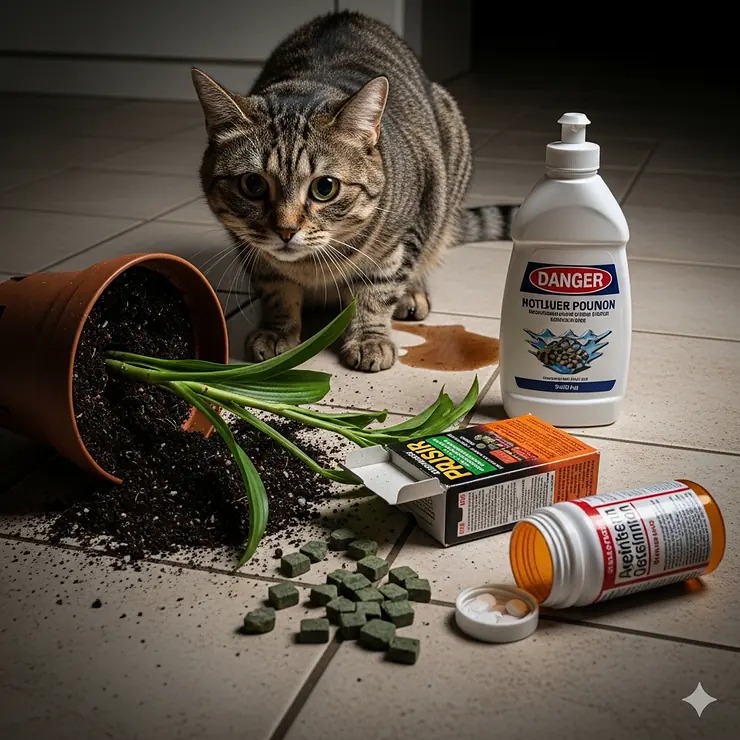
Outdoor cats face higher risks from hunting prey that may carry parasites or diseases, consuming contaminated water sources, and exposure to toxic plants or chemicals. Regular parasite prevention and health monitoring are crucial for cats with outdoor access.
Providing environmental enrichment for indoor cats, including climbing structures, puzzle feeders, and interactive toys, helps reduce stress and promote natural behaviors. Boredom and lack of stimulation can contribute to various health problems, including digestive issues.
Seasonal and Climate Considerations
Seasonal changes can affect digestive health through various mechanisms, including stress from weather changes, seasonal allergies, and variations in activity levels. Some cats experience increased anxiety during storms or extreme weather events, which can trigger stress-related diarrhea.
Temperature extremes can affect food storage and quality, with hot weather accelerating spoilage and cold weather potentially affecting appetite and water intake. Proper food storage becomes especially important during summer months when bacterial growth is accelerated.
Holiday seasons often bring changes in household routines, visitors, and different foods that can all contribute to digestive upset. Planning ahead with stress-reduction strategies and maintaining regular feeding schedules helps minimize holiday-related health problems.
Ready to Transform Your Cat’s Digestive Health? 🌟
Don’t let digestive issues compromise your cat’s quality of life! These veterinarian-recommended products have helped countless cats return to normal, healthy digestion. From fast-acting anti-diarrheal treatments to long-term probiotic support, find the perfect solution for your feline friend’s needs. Click any product to see current pricing and customer success stories! 💚
Holistic and Complementary Approaches 🌿
Natural Remedies and Supplements
Many cat owners seek natural approaches to support digestive health alongside conventional treatments. Slippery elm, a natural demulcent, can help soothe irritated intestinal linings and may provide relief for cats with inflammatory digestive conditions. The powdered bark can be mixed with water to create a gel-like substance that coats the digestive tract.
Bone broth made from chicken or fish provides easily absorbed nutrients and can help maintain hydration in cats with diarrhea. The gentle nutrition supports recovery while being easy on sensitive stomachs. However, commercial broths should be avoided due to high sodium content and potential harmful ingredients like onion or garlic.
Digestive enzymes may benefit cats with pancreatic insufficiency or other conditions affecting enzyme production. These supplements help break down nutrients for better absorption and can reduce the burden on compromised digestive systems. However, they should be used under veterinary guidance to ensure appropriate dosing.
Stress Reduction Techniques
Since stress is a significant contributor to digestive problems in cats, stress-reduction techniques can play important roles in both treatment and prevention. Pheromone diffusers releasing synthetic feline facial pheromones can help create a calming environment and reduce anxiety-related digestive issues.
Creating consistent daily routines helps cats feel secure and reduces stress that might trigger digestive problems. Regular feeding times, play sessions, and quiet periods provide structure that many cats find comforting. Sudden changes in routine should be avoided when possible, or introduced gradually.
Environmental modifications such as providing hiding spots, vertical territory, and quiet retreat areas give cats places to escape when feeling stressed. Multiple resources (food, water, litter boxes, resting areas) prevent competition and reduce stress in multi-cat households.
Integrative Treatment Approaches
Combining conventional veterinary medicine with complementary approaches often provides the best outcomes for cats with digestive issues. This might include using prescription medications for acute symptoms while implementing dietary changes and stress reduction for long-term management.
Regular communication with veterinary professionals ensures that complementary treatments don’t interfere with prescribed medications or delay necessary conventional treatments. Many veterinarians are open to discussing natural approaches that can support conventional treatment protocols.
Monitoring response to integrative treatments helps determine which approaches are most beneficial for individual cats. Keeping detailed records of symptoms, treatments used, and outcomes helps refine treatment plans and identify the most effective combinations of therapies.
Long-Term Prognosis and Management 📈
Chronic Condition Management
Many cats with recurrent digestive issues require long-term management strategies to maintain optimal quality of life. This often involves ongoing dietary management, regular monitoring, and prompt intervention when symptoms recur. Establishing relationships with veterinary professionals who understand the cat’s history facilitates better long-term care.
Chronic conditions like inflammatory bowel disease may require periodic adjustments to treatment protocols based on symptom changes and treatment response. Regular follow-up examinations help detect changes early and allow for proactive management rather than reactive crisis intervention.
Monitoring tools such as symptom diaries, weight tracking, and regular fecal scoring help identify patterns and trends in digestive health. These records provide valuable information for veterinarians when making treatment decisions and can help predict when intervention might be needed.
Quality of Life Considerations
Managing chronic digestive issues involves balancing treatment intensity with quality of life considerations. Some treatments that effectively control symptoms may have side effects or require lifestyle modifications that impact the cat’s overall well-being.
Regular assessment of comfort levels, appetite, activity, and social interaction helps evaluate whether current management strategies are providing acceptable quality of life. Adjustments to treatment plans should consider not just symptom control but also the cat’s overall happiness and well-being.
End-of-life considerations may become relevant for cats with progressive conditions that don’t respond adequately to treatment. Open discussions with veterinary professionals about prognosis, treatment options, and quality of life help families make informed decisions about continuing care.
Success Metrics and Monitoring
Defining success in digestive health management involves more than just elimination of diarrhea. Factors like maintaining stable weight, good appetite, normal activity levels, and positive social interactions all contribute to overall treatment success.
Regular monitoring of stool consistency and frequency provides objective measures of digestive health. The Bristol Stool Chart, adapted for cats, can help standardize stool scoring and track improvements or changes over time.
Long-term success often depends on owner compliance with treatment recommendations and the ability to recognize early signs of problems. Education about normal vs. abnormal digestive patterns helps owners know when to seek professional help and when home management is appropriate.
❓ Frequently Asked Questions
❓ How long does cat diarrhea typically last with treatment?
❓ Can I give my cat human anti-diarrhea medication?
❓ What's the best diet for a cat recovering from diarrhea?
❓ When should I be concerned about blood in my cat's stool?
❓ How can I prevent future episodes of diarrhea in my cat?
Conclusion
Understanding the causes of diarrhea in cats empowers you to provide better care for your feline companion and make informed decisions about when to seek professional help. From simple dietary indiscretions to complex medical conditions, each cause requires different approaches for successful resolution. Remember that while many mild cases can be managed at home with appropriate products and dietary modifications, persistent or severe symptoms always warrant veterinary evaluation.
The key to successful management lies in identifying underlying causes, implementing appropriate treatment strategies, and maintaining preventive care practices. Whether you’re dealing with an acute episode or managing a chronic condition, having reliable products like FortiFlora probiotics, therapeutic diets, and anti-diarrheal treatments readily available can make significant differences in your cat’s comfort and recovery time.
Most importantly, don’t hesitate to consult with veterinary professionals when in doubt. Early intervention often prevents minor problems from becoming serious complications, and professional guidance ensures that you’re providing the most appropriate care for your cat’s specific situation.
Your Cat’s Health Journey Starts Here! 🎯
Take action today to protect your feline friend from digestive discomfort. These proven solutions have helped thousands of cats return to normal, healthy digestion. Whether you need immediate relief or long-term preventive care, the right products can make all the difference in your cat’s well-being and your peace of mind! 🐾
Recommended for You
- 7 Essential Facts About Haws Syndrome Cats Every Owner Must Know in 2025
- 7 Best Slow Feeding Cat Bowls That Stop Fast Eating & Vomiting in 2025
- 7 Best Cat Litter Box Scoop Options That Actually Work in 2025
Disclaimer: This article contains affiliate links. If you purchase products through these links, we may earn a small commission at no additional cost to you.
✨ Found this helpful? Share it with your friends! 💬🤗
