
Table of Contents
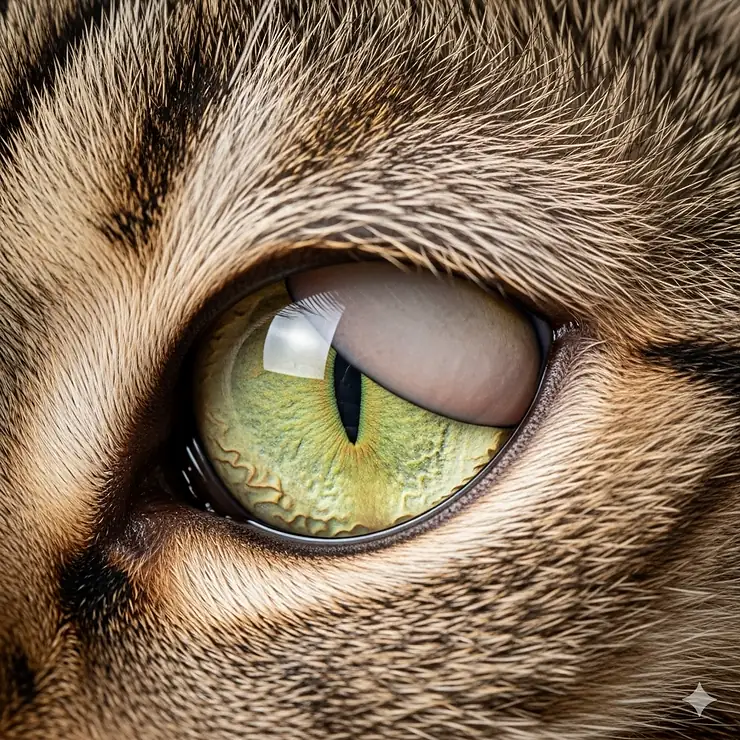
Haws syndrome cats represent one of the most puzzling yet common conditions that can affect our feline companions. If you’ve noticed your cat’s third eyelids becoming prominently visible, creating a “sheath-like” appearance across their eyes, you’re likely dealing with this mysterious condition. Understanding haws syndrome cats is crucial for every cat owner, as this condition affects thousands of felines worldwide and can be deeply concerning when first observed.
✨Was this helpful? Spread the word! 🚀
The condition, scientifically known as bilateral third eyelid protrusion, occurs when both of a cat’s nictitating membranes (third eyelids) become elevated simultaneously. Unlike other eye-related issues, haws syndrome cats typically don’t experience pain or vision loss, but the dramatic visual change can be alarming for pet owners. This comprehensive guide will explore every aspect of haws syndrome cats, from understanding the underlying mechanisms to implementing effective management strategies.
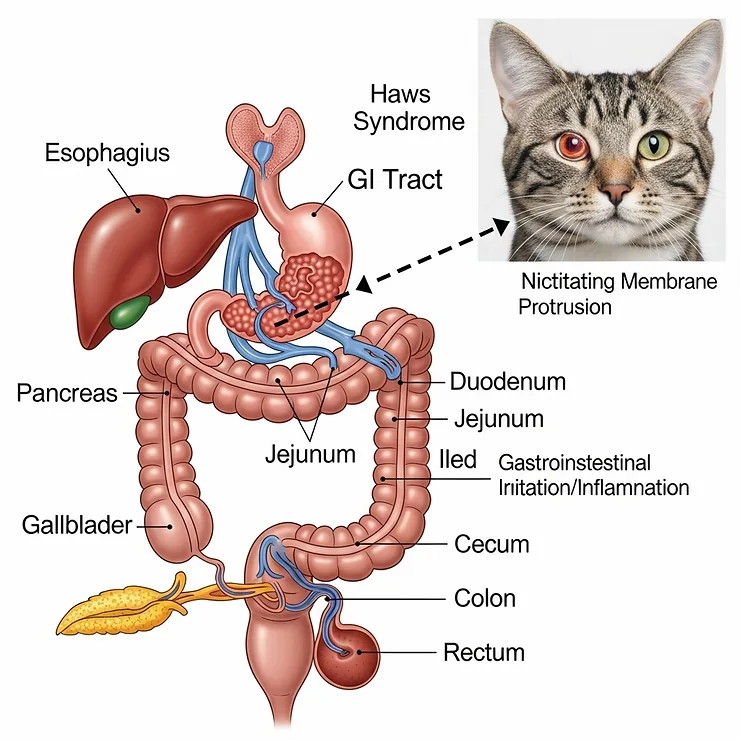
What makes haws syndrome cats particularly intriguing is the strong connection researchers have discovered between this eye condition and gastrointestinal disturbances. Recent veterinary studies indicate that haws syndrome occurs in generally healthy cats, with or without diarrhoea, and is characterised by a sympathetic neuropathy causing bilateral third eyelid protrusion and ptosis. This relationship between gut health and eye symptoms in haws syndrome cats highlights the complex interconnections within feline physiology.
Understanding the Third Eyelid in Cats 👁️
The Anatomy Behind Haws Syndrome Cats
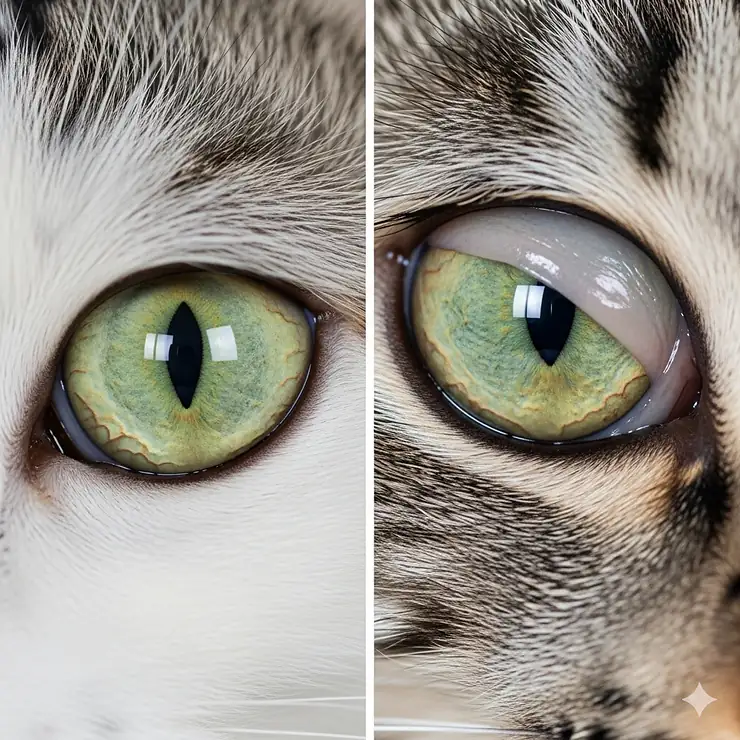
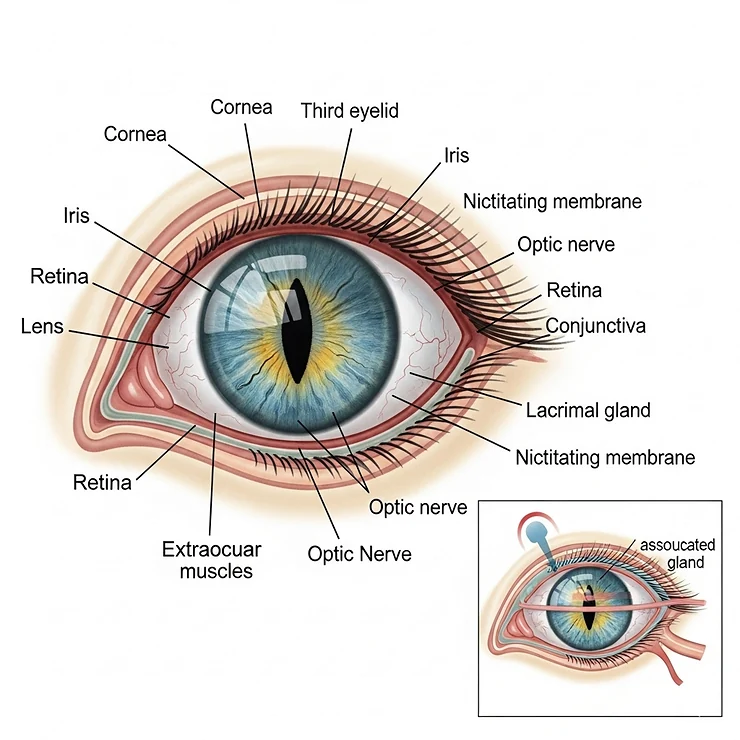
The third eyelid, scientifically termed the nictitating membrane, plays a vital protective role in feline eye health. In healthy cats, this transparent membrane remains mostly hidden at the inner corner of each eye, only becoming visible during sleep or when the eyeball retracts. However, in haws syndrome cats, this protective barrier becomes prominently elevated across both eyes simultaneously, creating the characteristic “veiled” appearance that defines the condition.
The nictitating membrane contains specialized tear glands that contribute significantly to maintaining proper eye lubrication. When functioning normally, this structure moves smoothly across the eye surface, distributing tears and removing debris. The membrane’s movement is controlled by sympathetic nervous system innervation and specialized smooth muscle fibers within the third eyelid itself.
In haws syndrome cats, the disruption of sympathetic nerve function leads to the inability of these muscles to maintain the normal retracted position of the third eyelid. This results in the bilateral elevation that characterizes the condition. Understanding this mechanism is crucial for cat owners because it explains why haws syndrome cats don’t experience pain – the eye structures themselves remain healthy and functional.
How the Third Eyelid Functions
The third eyelid serves multiple critical functions beyond simple protection. It acts as a windshield wiper, constantly cleaning the corneal surface and distributing the tear film evenly across the eye. This movement helps prevent bacterial overgrowth and maintains optimal corneal hydration. In haws syndrome cats, while the third eyelid remains elevated, it continues performing these essential functions, though potentially less efficiently.
The blood supply to the third eyelid comes from branches of the facial and maxillary arteries, while nervous control involves both sympathetic and parasympathetic fibers. The sympathetic innervation, which originates from the cranial cervical ganglion, is primarily responsible for maintaining the retracted position of the nictitating membrane. When this innervation is disrupted in haws syndrome cats, the membrane loses its ability to remain hidden.
The Science Behind Haws Syndrome Cats 🔬
Etiopathogenesis and Underlying Mechanisms
The clinical signs of haws syndrome are possibly triggered by contagious gastrointestinal pathogen(s) that presumably affect(s) the gut microbiota and influence(s) the gut‒brain axis. This groundbreaking understanding of haws syndrome cats reveals the condition’s connection to the complex gut-brain communication network that exists in felines.
The sympathetic neuropathy characteristic of haws syndrome cats appears to result from inflammatory mediators released during gastrointestinal disturbances. These inflammatory compounds can affect the sympathetic nervous system’s function, particularly the pathways controlling third eyelid positioning. Research suggests that certain viral agents, including torovirus-like particles, may trigger the cascade of events leading to haws syndrome cats.
Interestingly, the condition often occurs in clusters within multi-cat households, supporting the theory of an infectious component. A newly adopted kitten with haws syndrome and diarrhoea caused the condition to develop in the other three cats (from the same multicat household) within 4‒11 days. This pattern strongly suggests that haws syndrome cats may result from exposure to transmissible gastrointestinal pathogens.
The Gut-Brain Connection
The gut-brain axis represents a bidirectional communication network between the enteric nervous system and the central nervous system. In haws syndrome cats, disruption of this communication appears to affect sympathetic nervous system function. The gut microbiota plays a crucial role in maintaining this balance, producing neurotransmitters and inflammatory mediators that can influence nervous system activity.
When gastrointestinal pathogens disrupt the normal microbiome balance in haws syndrome cats, the resulting inflammatory response can extend beyond the digestive system. Cytokines and other inflammatory mediators released during GI inflammation can cross the blood-brain barrier and affect neural function, potentially explaining the sympathetic neuropathy observed in affected cats.
Clinical Presentation of Haws Syndrome Cats 📋
Primary Symptoms and Characteristics
The hallmark sign of haws syndrome cats is the bilateral elevation of both third eyelids, creating a distinctive appearance where the pink or white membranes partially cover the eyes. The protrusion or prolapse of the lid is thought to be due to decreased sympathetic nerve innervation. This creates the characteristic “sleepy” or “veiled” appearance that many owners find concerning.
Unlike other eye conditions, haws syndrome cats don’t typically exhibit additional ocular symptoms such as discharge, redness, or obvious discomfort. The eyes themselves remain healthy, with normal pupil responses and no evidence of inflammation or injury. This absence of pain and preservation of visual function helps differentiate haws syndrome cats from other conditions causing third eyelid elevation.
Concurrent gastrointestinal symptoms occur in approximately 40% of haws syndrome cats. Diarrhoea was noted in four of 10 cats; otherwise, the cats were systemically healthy. When present, the diarrhea typically precedes the development of third eyelid elevation by several days, providing an important diagnostic clue for veterinarians.
Associated Systemic Signs
While haws syndrome cats primarily manifest ocular symptoms, some affected felines may display subtle systemic signs. These can include mild lethargy, temporary appetite reduction, or slight behavioral changes. However, most cats with the condition remain active and alert, maintaining normal activity levels despite the dramatic change in appearance.
The age distribution of haws syndrome cats shows a preference for younger adult animals. Cats were 17.6 ± 9.1 (2‒36) months old, indicating that the condition most commonly affects cats in their prime years rather than very young kittens or senior cats.
Body temperature and other vital signs typically remain normal in haws syndrome cats, reinforcing the benign nature of the condition. This stability helps distinguish haws syndrome from more serious systemic illnesses that might cause similar ocular changes.
Diagnostic Approaches for Haws Syndrome Cats 🏥
Clinical Examination Protocols
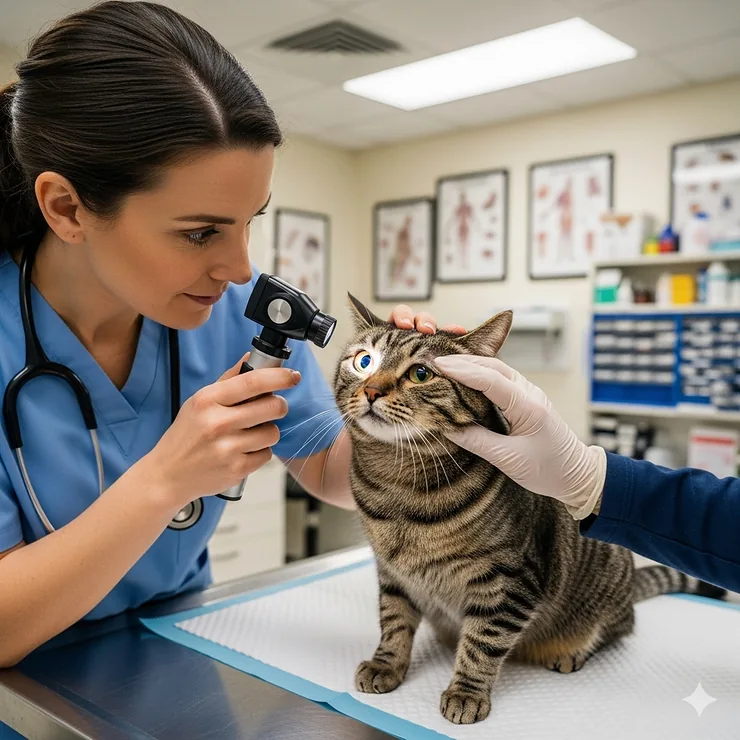
Diagnosing haws syndrome cats requires a systematic approach that combines careful observation with specific diagnostic tests. Veterinarians will usually diagnose Haws syndrome in cats by performing a thorough examination of the eyes. The examination begins with a comprehensive ophthalmic assessment to rule out other causes of third eyelid elevation.
During the physical examination, veterinarians evaluate the overall health status of suspected haws syndrome cats. This includes checking for signs of dehydration, abdominal discomfort, and lymph node enlargement. The absence of fever and normal vital signs support the diagnosis of haws syndrome rather than more serious systemic conditions.
The diagnostic process for haws syndrome cats also involves careful evaluation of the eye structures themselves. The cornea, iris, lens, and retina should appear normal, with no signs of inflammation, injury, or infection. Any abnormalities in these structures would suggest alternative diagnoses requiring different treatment approaches.
The Phenylephrine Challenge Test
Occasionally, your veterinarian may want to confirm their diagnosis by doing a phenylephrine test. They will apply phenylephrine eye drops to your cat’s eyes. If your cat has Haws syndrome, the third eyelids should go back to their normal position within twenty minutes. This diagnostic test provides definitive confirmation of the suspected diagnosis in haws syndrome cats.
The phenylephrine test works by stimulating alpha-adrenergic receptors in the smooth muscle of the third eyelid, temporarily overriding the sympathetic dysfunction characteristic of haws syndrome cats. A positive response to this test strongly confirms the diagnosis and helps differentiate haws syndrome from other causes of third eyelid elevation.
It’s important to note that while phenylephrine testing can confirm haws syndrome cats, the effects are temporary. The third eyelids will return to their elevated position as the medication wears off, typically within a few hours. This test is primarily diagnostic rather than therapeutic.
Laboratory Investigations
When dealing with haws syndrome cats, veterinarians may recommend additional diagnostic tests to identify underlying causes or rule out concurrent conditions. All cats tested negative for feline immunodeficiency virus and feline leukaemia virus, indicating that these common viral infections don’t appear to be associated with the condition.
Fecal examination represents a crucial diagnostic tool for haws syndrome cats, particularly when gastrointestinal symptoms are present. Parasite screening can identify intestinal worms or other pathogens that might contribute to the condition’s development. This testing guides appropriate treatment decisions and helps prevent recurrence.
Blood work evaluation in haws syndrome cats typically reveals normal parameters, though serum amyloid A levels were elevated in two of eight tested cats. Elevated inflammatory markers may indicate ongoing systemic inflammation, though these changes are subtle and don’t significantly impact the overall health of affected cats.
Product Solutions for Haws Syndrome Cats 🛒
Essential Eye Care Products
Managing haws syndrome cats requires appropriate supportive care products to maintain eye health and comfort. The Vetericyn Plus Antimicrobial Eye Gel provides excellent support for cats experiencing third eyelid elevation. This veterinarian-recommended product helps maintain proper eye lubrication and prevents secondary complications that might arise from prolonged third eyelid elevation.
For daily eye maintenance in haws syndrome cats, the Vetericyn Plus Eye Wash offers gentle cleaning and debris removal. This non-stinging solution effectively cleans the eye area without causing additional irritation to already visible third eyelids. The antimicrobial properties help prevent bacterial overgrowth that might occur due to altered tear distribution in affected cats.
Clean and Safe Options Don’t Miss These Exceptional Eye Care Solutions! 🌟
✨ Transform your cat’s eye health with these veterinarian-trusted products. Browse our carefully curated selection to find the perfect solutions for maintaining optimal eye comfort and cleanliness in cats with third eyelid concerns! 👁️💙
The Eye Envy Tear Stain Remover Solution specifically addresses the cosmetic concerns that may arise in haws syndrome cats. While the condition itself doesn’t typically cause excessive tearing, some cats may develop staining around the eye area. This all-natural formula safely removes discoloration while being gentle enough for daily use on sensitive feline facial skin.
For convenient daily cleaning, Eye Envy Tear Stain Wipes provide pre-moistened convenience for busy cat owners. These textured wipes effectively remove debris and discharge that may accumulate around the elevated third eyelids in haws syndrome cats. The natural formula ensures safety for regular use without causing irritation or discomfort.
Comprehensive Care Kits
The Eye Envy 3 Step Tear Stain Remover Kit offers a complete solution for managing the cosmetic aspects of haws syndrome cats. This comprehensive system includes facial cleanser, pre-soaked wipes, and stain-prevention powder, providing everything needed for thorough eye area maintenance. The natural ingredients ensure safety for long-term use in managing haws syndrome cats.
Treatment and Management Strategies 💊
Symptomatic Treatment Approaches
Haw’s syndrome is self-limiting, meaning it usually resolves on its own without any specific treatment, although a full recovery can take several weeks. This characteristic of haws syndrome cats means that treatment focuses primarily on supportive care and addressing any concurrent gastrointestinal symptoms that may be present.
When gastrointestinal symptoms accompany haws syndrome cats, veterinarians typically prescribe broad-spectrum deworming medications. The Elanco Drontal Broad Spectrum Dewormer provides effective treatment against tapeworms, hookworms, and roundworms that may contribute to the condition’s development. Each scored tablet contains 18.2 mg praziquantel and 72.6 mg pyrantel pamoate, offering comprehensive parasite control.
For cats with concurrent diarrhea, the Elanco Tapeworm Dewormer specifically targets tapeworm infections that have been associated with haws syndrome cats. This praziquantel-based medication effectively eliminates common tapeworm species and may help resolve the underlying trigger for the condition in some cases.
Gastrointestinal Support Measures
Managing the gastrointestinal component of haws syndrome cats often requires probiotic supplementation to restore normal gut microbiome balance. The Purina Pro Plan FortiFlora Cat Probiotic represents the veterinarian-recommended choice for supporting digestive health during recovery. This supplement contains beneficial bacteria proven to promote intestinal health and balance in cats of all ages.
For enhanced gastrointestinal support, FortiFlora PRO Synbiotic Action provides both prebiotic and probiotic benefits for haws syndrome cats. The combination of psyllium fiber and beneficial bacteria helps restore normal gut function while supporting the gut-brain axis that appears to be disrupted in affected cats.
Superior Digestive Support for Recovery! 🌱
🚀 Give your cat’s digestive system the boost it needs with these veterinarian-recommended probiotics. These scientifically formulated supplements support gut health and may help speed recovery in cats experiencing haws syndrome! 🐱💚
The probiotic support becomes particularly important in haws syndrome cats because clinical signs are possibly triggered by contagious gastrointestinal pathogen(s) that presumably affect(s) the gut microbiota. Restoring proper bacterial balance may help prevent recurrence and support faster resolution of symptoms.
Prognosis and Recovery Timeline ⏰
Expected Recovery Patterns
Haws syndrome should resolve within 6-8 weeks if any underlying cause has been treated successfully. This timeline provides hope for owners of haws syndrome cats, though individual recovery periods may vary based on the underlying trigger and the cat’s overall health status.
Most haws syndrome cats begin showing improvement within the first few weeks of supportive treatment. The third eyelids gradually return to their normal position as sympathetic nerve function recovers. During this recovery period, maintaining good eye hygiene and supporting gastrointestinal health accelerates the healing process.
Some haws syndrome cats may experience fluctuations in symptom severity during recovery. The third eyelids might appear more elevated on some days than others, which is considered normal during the healing process. Consistent supportive care helps minimize these variations and promotes steady progress toward complete recovery.
Monitoring and Follow-up Care
Regular monitoring plays a crucial role in managing haws syndrome cats throughout the recovery period. Owners should watch for any changes in the degree of third eyelid elevation and note any concurrent symptoms such as appetite changes or gastrointestinal upset. This information helps veterinarians assess recovery progress and adjust treatment plans when necessary.
If your cat’s third eyelids are still protruding after this time they should be re-checked, as they might be suffering from a different condition. This guideline emphasizes the importance of veterinary follow-up for haws syndrome cats that don’t recover within the expected timeframe.
Photography can be particularly helpful for tracking recovery in haws syndrome cats. Regular photos of the eyes allow both owners and veterinarians to objectively assess improvement over time. This documentation proves especially valuable during veterinary consultations and helps guide treatment decisions.
Advanced Management Techniques 🎯
Environmental Modifications
Creating an optimal environment supports recovery in haws syndrome cats by reducing stress and minimizing exposure to potential triggers. Maintaining consistent feeding schedules, providing high-quality nutrition, and ensuring access to fresh water all contribute to overall health and recovery. Stress reduction proves particularly important because stress can affect immune function and potentially delay healing.
For multi-cat households where haws syndrome cats have been diagnosed, temporary separation might be beneficial to prevent potential transmission to unaffected cats. While the exact mode of transmission remains unclear, the clustering pattern observed in some households suggests that isolation during the acute phase may protect other cats from developing the condition.
Indoor confinement during recovery helps haws syndrome cats avoid environmental stressors and potential sources of gastrointestinal pathogens. This approach also allows owners to monitor food intake, elimination patterns, and overall behavior more effectively, providing valuable information for veterinary consultations.
Nutritional Interventions
Dietary management plays a supportive role in treating haws syndrome cats, particularly when gastrointestinal symptoms are present. Highly digestible diets reduce digestive tract workload and may help resolve underlying inflammatory processes more quickly. Some veterinarians recommend temporary dietary restriction to bland, easily digestible foods during the acute phase.
Maintaining proper hydration becomes especially important in haws syndrome cats with concurrent diarrhea. Ensuring adequate fluid intake through fresh water availability and potentially wet food feeding helps prevent dehydration and supports normal physiological function during recovery.
Specific dietary supplements, including omega-3 fatty acids and antioxidants, may provide additional support for haws syndrome cats by reducing inflammation and supporting immune function. However, these interventions should only be implemented under veterinary guidance to ensure safety and effectiveness.
💬 Just one click – help others make better buying decisions too!😊
Comparative Analysis: Traditional vs Modern Approaches 📊
Historical Treatment Methods
Historically, haws syndrome cats were often treated with more aggressive interventions, including various medications and surgical procedures. Early veterinary literature suggested using sympathomimetic drugs systemically or applying topical medications repeatedly throughout the day. These approaches often caused more stress than benefit and didn’t address the underlying causes of the condition.
Traditional diagnostic approaches relied heavily on clinical observation and basic physical examination. The development of the phenylephrine challenge test revolutionized diagnosis by providing a specific, objective method for confirming haws syndrome cats. This advancement reduced the need for more invasive diagnostic procedures and improved diagnostic accuracy.
Contemporary Evidence-Based Management
Modern management of haws syndrome cats emphasizes supportive care and addressing underlying gastrointestinal triggers. The cats were discharged with broad-spectrum deworming (with or without metronidazole) as well as topical tetrahydrozoline. However, current veterinary consensus favors avoiding tetrahydrozoline in cats due to toxicity concerns.
Contemporary approaches recognize the self-limiting nature of haws syndrome cats and focus on preventing complications rather than attempting to force rapid resolution. This shift in philosophy has improved outcomes while reducing the risk of treatment-related complications.
The integration of gastrointestinal support into treatment protocols represents a major advancement in managing haws syndrome cats. By addressing the gut-brain axis disruption that appears to underlie the condition, modern treatments target the root cause rather than just managing symptoms.
Case Studies and Success Stories 📚
Real-World Treatment Outcomes
Veterinary case reports consistently demonstrate positive outcomes for haws syndrome cats when appropriate supportive care is provided. One notable case involved a 2-year-old domestic shorthair that developed bilateral third eyelid elevation following a bout of diarrhea. Treatment with broad-spectrum deworming and probiotic supplementation resulted in complete resolution within 4 weeks.
Another success story involved a multi-cat household where four cats developed haws syndrome following the introduction of a new kitten. All affected cats recovered completely within 6-8 weeks using supportive care measures, including dietary management and probiotic supplementation. This case highlighted the potentially transmissible nature of the underlying triggers.
Long-term Follow-up Data
Long-term studies of haws syndrome cats reveal excellent prognosis with very low recurrence rates. Most cats that recover completely don’t experience repeat episodes, suggesting that the condition typically provides some degree of immunity against future occurrences. This finding supports the theory of an infectious trigger that leads to lasting immunity in recovered cats.
Quality of life assessments during recovery show that haws syndrome cats maintain normal activity levels and social behaviors throughout the healing process. The absence of pain or vision impairment allows affected cats to function normally while their third eyelids gradually return to normal position.
Industry-Specific Applications and Professional Insights 👨⚕️
Veterinary Practice Management
For veterinary professionals managing haws syndrome cats, establishing standardized protocols improves efficiency and outcomes. Many successful practices develop specific checklists for evaluating suspected cases, including systematic ophthalmic examination, gastrointestinal assessment, and client education components.
Professional grooming services often encounter haws syndrome cats and play an important role in early detection and owner education. Groomers trained to recognize the condition can provide valuable referrals to veterinary care and help implement appropriate eye hygiene measures during the recovery period.
Breeding programs for purebred cats sometimes encounter haws syndrome cases and benefit from understanding the condition’s benign nature and excellent prognosis. Responsible breeders can provide appropriate support for affected cats while maintaining breeding program integrity through proper veterinary management.
Research and Development Trends
Current research into haws syndrome cats focuses on identifying specific infectious agents that may trigger the condition. Advanced molecular techniques are being applied to stool samples and respiratory secretions from affected cats to characterize the microbiome changes associated with the condition.
Ongoing studies investigate the role of stress and environmental factors in predisposing cats to haws syndrome. These investigations may lead to improved prevention strategies and more targeted treatment approaches based on individual risk factors.
Future treatment developments may include specific probiotic strains tailored to address the gut-brain axis disruption characteristic of haws syndrome cats. These targeted interventions could potentially reduce recovery time and prevent recurrence more effectively than current broad-spectrum approaches.
Prevention Strategies and Risk Reduction 🛡️
Household Management Protocols
Preventing haws syndrome cats involves maintaining optimal gastrointestinal health through proper nutrition, regular parasite control, and stress management. Establishing routine veterinary care with annual examinations and appropriate vaccinations helps identify and address potential health issues before they progress to conditions like haws syndrome.
For multi-cat households, implementing proper quarantine procedures for new additions may help prevent the introduction of gastrointestinal pathogens that could trigger haws syndrome in resident cats. A 2-3 week isolation period allows for observation and appropriate health screening before introducing new cats to the household.
Regular fecal examination and parasite prevention protocols significantly reduce the risk of intestinal parasites that have been associated with haws syndrome cats. Working with veterinarians to establish appropriate deworming schedules based on lifestyle and risk factors provides optimal protection.
Environmental Optimization
Creating low-stress environments supports optimal immune function and may reduce susceptibility to conditions like haws syndrome. Providing adequate resources (food bowls, litter boxes, resting areas) for all cats in multi-cat households reduces competition and stress-related immune suppression.
Maintaining consistent daily routines helps minimize stress in cats prone to gastrointestinal upset. Regular feeding times, predictable human interaction patterns, and stable environmental conditions all contribute to better overall health and potentially reduced risk of developing haws syndrome.
Conclusion: Managing Haws Syndrome Cats Successfully 🎯
Understanding haws syndrome cats empowers owners to provide appropriate care while avoiding unnecessary anxiety about this benign but alarming-looking condition. The bilateral third eyelid elevation that characterizes haws syndrome cats, while dramatic in appearance, rarely causes significant discomfort or vision impairment for affected felines.
The connection between gastrointestinal health and haws syndrome cats highlights the importance of maintaining optimal digestive function through proper nutrition, parasite control, and probiotic support. By addressing the underlying gut-brain axis disruption that appears to trigger the condition, cat owners can support faster recovery and potentially prevent recurrence.
Modern management approaches for haws syndrome cats emphasize supportive care rather than aggressive interventions. The self-limiting nature of the condition means that patience, combined with appropriate eye hygiene and gastrointestinal support, typically leads to complete recovery within 6-8 weeks. Products like antimicrobial eye gels, tear stain removers, broad-spectrum dewormers, and probiotic supplements provide valuable support during the recovery process.
Your Cat’s Eye Health Starts Today! 🌟
✨ Don’t wait to give your feline friend the eye care they deserve. These specially selected products provide professional-grade support for cats with third eyelid concerns. Click any highlighted item above to check current pricing and availability – your cat’s comfort and health are worth the investment! 👁️💙
The excellent prognosis for haws syndrome cats should provide reassurance to concerned owners. With proper veterinary guidance and supportive care, affected cats typically recover completely without lasting effects. Regular monitoring and follow-up care ensure optimal outcomes and help identify any cases that might require additional intervention.
Prevention strategies focusing on stress reduction, optimal nutrition, and regular parasite control help minimize the risk of developing haws syndrome cats. For households that have experienced the condition, implementing these preventive measures becomes especially important for protecting other cats and preventing recurrence.
Remember that while haws syndrome cats can be alarming to observe, the condition represents a manageable health challenge rather than a serious threat to your cat’s well-being. With patience, proper care, and veterinary support, your feline companion can make a full recovery and return to normal, healthy life.
❓ Frequently Asked Questions About Haws Syndrome Cats
❓ How long does haws syndrome cats recovery typically take?
❓ Can haws syndrome cats spread to other pets in the household?
❓ What's the difference between haws syndrome cats and Horner's syndrome?
❓ Do haws syndrome cats need emergency veterinary treatment?
❓ Can haws syndrome cats occur in kittens or senior cats?
Recommended for You
- 7 Best Slow Feeding Cat Bowls That Stop Fast Eating & Vomiting in 2025
- 7 Best Cat Litter Box Scoop Options That Actually Work in 2025
- 10 Best Cat Toys Balls That Drive Felines Crazy in 2025
Disclaimer: This article contains affiliate links. If you purchase products through these links, we may earn a small commission at no additional cost to you.
✨ Found this helpful? Share it with your friends! 💬🤗
