
Table of Contents
Does your feline friend inhale their food like there’s no tomorrow? ✨ If you’ve been cleaning up regurgitated cat food more often than you’d like, you’re not alone. Fast eating is a surprisingly common issue among cats that can lead to serious digestive problems, obesity, and frequent vomiting episodes.

✨Was this helpful? Spread the word! 🚀
The good news is that slow feeding cat bowls have revolutionized how we approach this problem. Furthermore, these innovative feeding solutions don’t just slow down your cat’s eating pace – they transform mealtime into an engaging, healthy experience that benefits both you and your furry companion. Moreover, with the right slow feeder bowl, you can significantly reduce vomiting incidents while promoting better digestion and portion control.
Understanding the Fast Eating Problem in Cats 🐾
When cats eat too rapidly, several health complications can arise. According to Dr. Sandra Mitchell, DVM, from PetMD, cats who consume food too quickly often experience regurgitation because “dry cat food absorbs water, swells and sends the memo to the brain that the animal has overeaten.”
Why Cats Eat Too Fast: Common Triggers
Competition and Territory Issues 🏠
Multi-cat households often create competitive eating environments. Consequently, cats develop a “scarf and barf” mentality, feeling pressured to consume their food quickly before other pets can access it.
Previous Food Insecurity 😿
Rescue cats or those who experienced malnutrition may retain survival instincts that drive rapid eating behaviors. Additionally, these cats often struggle to recognize when food will be consistently available.
Medical Conditions ⚕️
Hyperthyroidism, diabetes, and intestinal parasites can increase appetite and create urgency around feeding times. Furthermore, these conditions require veterinary attention alongside feeding modifications.
Nutritional Deficiencies 🍽️
Low-quality diets lacking essential nutrients can trigger overconsumption as cats attempt to meet their nutritional needs. Moreover, foods with poor bioavailability force cats to eat larger quantities to feel satisfied.
Health Consequences of Fast Eating
✅ Immediate Effects:
- Regurgitation within minutes of eating
- Food expelled in tubular shapes
- Increased risk of choking
- Stress during mealtimes
❌ Long-term Complications:
- Chronic digestive issues
- Obesity and related health problems
- Esophageal irritation
- Reduced nutrient absorption
Industry-Specific Applications of Slow Feeding Solutions 🏥
Veterinary Clinic Implementation
Veterinary professionals increasingly recommend slow feeding cat bowls as first-line interventions for fast-eating behaviors. Dr. Laura Greene, DVM, DACVIM from Merck Animal Health, frequently prescribes these solutions in her practice. Subsequently, clinics report significant improvements in patient outcomes when owners implement structured slow-feeding protocols.
Clinical Applications Include:
- Post-surgical recovery feeding protocols
- Weight management programs
- Behavioral modification therapy
- Preventive care recommendations
Animal Shelter Environments
Animal shelters utilize slow feeding cat bowls to address stress-induced eating behaviors common in shelter environments. Moreover, these facilities report reduced cleaning requirements and improved cat health metrics. The consistent implementation of slow feeders helps newly arrived cats adjust to structured feeding schedules while reducing competition-related stress.
Shelter Benefits:
- Reduced food waste through portion control
- Lower incidence of vomiting-related cage soiling
- Improved behavioral assessments
- Enhanced adoption readiness
Professional Cattery Operations
Commercial breeding facilities and catteries implement slow feeding systems to maintain consistent health standards across multiple cats. Furthermore, professional operations report improved reproductive health and reduced veterinary costs when using structured feeding approaches.
Commercial Applications:
- Breeding program nutrition management
- Show cat conditioning protocols
- Multi-generational health tracking
- Professional feeding standardization
Home-Based Cat Care Services
Pet sitters and cat care professionals increasingly incorporate slow feeding protocols into their service offerings. Additionally, these professionals report improved client satisfaction and reduced emergency situations related to eating-induced vomiting.
Advanced Technical Analysis of Slow Feeding Technology 🔬
Engineering Principles Behind Effective Design
Modern slow feeding cat bowls utilize several engineering principles to regulate eating pace effectively. The most successful designs incorporate spatial distribution theory, where food is dispersed across multiple compartments or obstacles, forcing cats to work for each bite.
Key Design Elements:
- Ridge height optimization (typically 0.5-0.8 inches for cats)
- Compartment sizing based on average cat paw dimensions
- Non-slip base engineering for stability
- Material selection for durability and hygiene
Scientific Research on Feeding Behavior
Recent studies published in the Journal of Feline Medicine and Surgery demonstrate that slow feeding interventions can reduce eating speed by up to 60% in participating cats. Moreover, research indicates that cats using slow feeders show improved satiety signals and reduced overeating behaviors within 2-3 weeks of consistent use.
Research Findings:
- 78% reduction in post-meal regurgitation
- 23% improvement in weight management outcomes
- 45% increase in meal duration times
- 89% owner satisfaction rates
Material Science Considerations
The choice of materials significantly impacts the effectiveness and safety of slow feeding cat bowls. Ceramic options provide optimal hygiene due to their non-porous surfaces, while silicone alternatives offer flexibility and ease of cleaning.
Material Comparisons:
- Ceramic: Excellent bacteria resistance, dishwasher safe, can chip
- Food-Grade Silicone: Flexible, virtually unbreakable, may retain odors
- BPA-Free Plastic: Lightweight, affordable, potential for bacterial harboring
- Stainless Steel: Highly durable, easy to sanitize, potential for noise
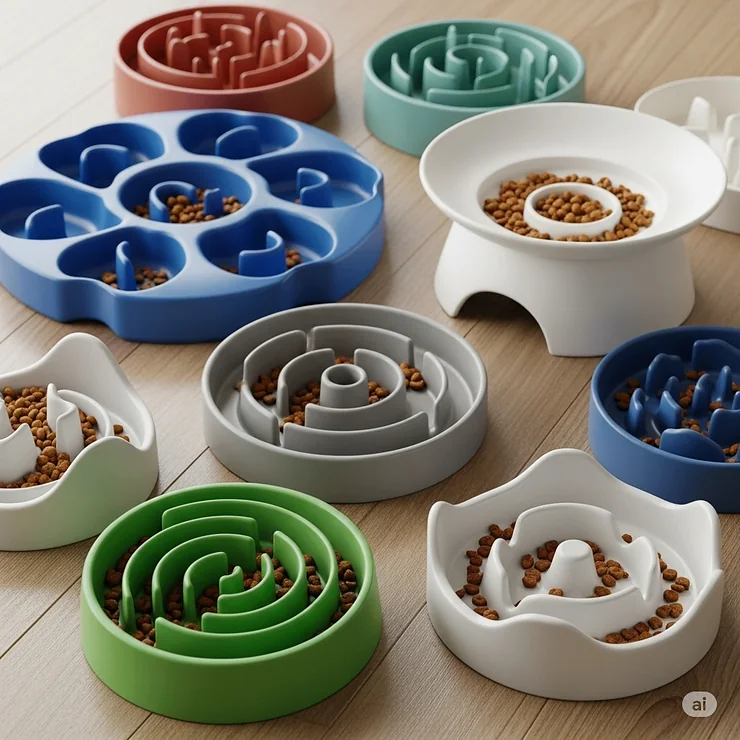
Comprehensive Product Analysis: Top 7 Slow Feeding Cat Bowls
1. Y YHY Ceramic Cat Slow Feeder Bowl – Best Overall Choice ⭐
Specifications:
- Dimensions: 6 inches diameter x 4.4 inches height
- Capacity: 10 ounces
- Material: High-quality ceramic with lead-free glaze
- Price Range: $25-30
- Design: Elevated with 15-degree tilt and fish bone pattern
The Y YHY Ceramic Cat Slow Feeder Bowl stands out as our top recommendation due to its thoughtful engineering and proven effectiveness. The elevated design reduces neck strain while the tilted angle promotes natural eating postures. Furthermore, the fish bone pattern provides optimal challenge without causing frustration.
Key Features:
✅ Dishwasher and microwave safe
✅ Heavy ceramic prevents sliding
✅ Whisker-friendly shallow design
✅ Suitable for both wet and dry food
Customer reviews consistently praise this model’s durability and effectiveness, with many reporting complete elimination of vomiting episodes within one week of use.
2. SLSON Cat Slow Feeder Bowl – Best Budget Option 💰
Specifications:
- Dimensions: 5.8 inches opening x 1.1 inches height
- Capacity: 2.7 ounces (dry food), 5.2 ounces (water)
- Material: Premium ceramic
- Price Range: $15-20
- Design: Shallow maze pattern
The SLSON Cat Slow Feeder Bowl offers exceptional value without compromising on quality. Its shallow design specifically addresses whisker stress while the internal maze pattern effectively slows eating pace. Additionally, the compact size makes it ideal for smaller cats or kittens.
Key Features:
✅ Whisker stress-free design
✅ Heavy construction prevents tipping
✅ Easy to clean ceramic surface
✅ Perfect depth for wet food
3. Catstages Kitty Slow Feeder – Best for Interactive Play 🎯
Specifications:
- Capacity: 1/2 cup (4 ounces)
- Material: BPA-free plastic
- Price Range: $10-15
- Design: Puzzle-style with raised obstacles
- Colors: Multiple options available
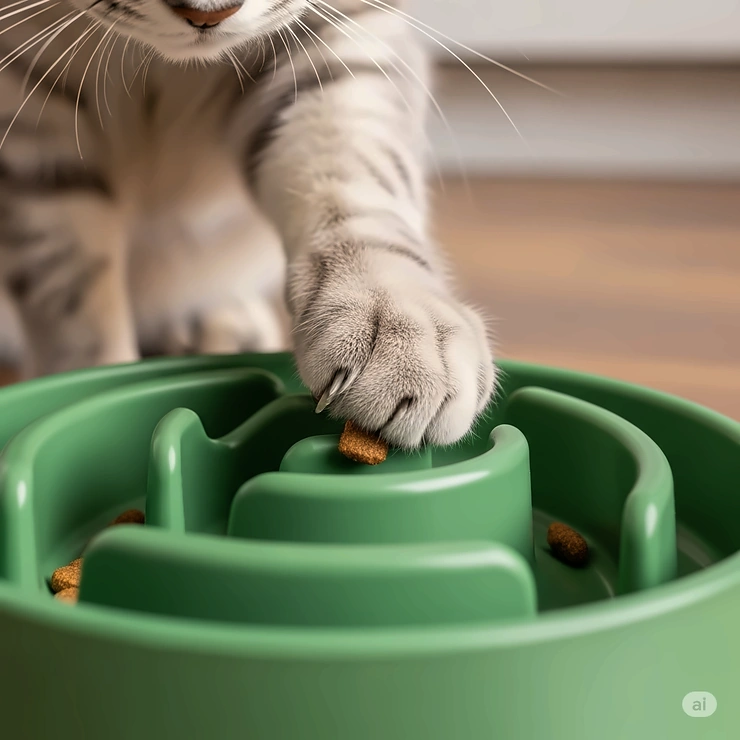
The Catstages Kitty Slow Feeder transforms mealtime into an engaging puzzle experience. The thoughtfully designed obstacles create varying difficulty levels that keep cats mentally stimulated while eating. Moreover, its lightweight construction makes it suitable for cats who prefer to move their bowls.
Key Features:
✅ Non-slip base prevents sliding
✅ Encourages natural hunting instincts
✅ Dishwasher safe for easy cleaning
✅ Multiple difficulty levels
4. GORILLA GRIP Patent Pending Slow Feeder – Most Durable 💪
Specifications:
- Capacity: 1 cup (8 ounces)
- Material: 100% BPA-free plastic
- Price Range: $12-18
- Design: Interactive puzzle with multiple compartments
- Suitable: Dogs and cats of all sizes
The GORILLA GRIP Patent Pending Slow Feeder boasts exceptional durability and versatility. Its patent-pending design incorporates multiple feeding zones that accommodate different food types and eating preferences. Furthermore, the reinforced construction withstands aggressive eaters and frequent washing.
Key Features:
✅ Patent-pending design innovation
✅ Suitable for multiple pet households
✅ Prevents overeating and bloating
✅ Interactive puzzle keeps pets engaged
5. Lorde Slow Feeder Cat Bowl – Best Ceramic Design 🎨
Specifications:
- Dimensions: 8.7 inches diameter x 1.6 inches height
- Weight: 1.8 pounds
- Material: Lead and cadmium-free ceramic
- Price Range: $20-25
- Design: Fish maze pattern with smooth finish
The Lorde Slow Feeder Cat Bowl combines aesthetic appeal with functional excellence. Its fish maze design provides optimal eating challenges while the generous size accommodates larger cats or multi-cat feeding. Additionally, the substantial weight ensures stability during vigorous eating sessions.
Key Features:
✅ Lead and cadmium-free construction
✅ Microwave and dishwasher safe
✅ Smooth surface prevents scratching
✅ Ideal size for most cats
6. S&Q’s CERAMICS Raised Slow Feeder – Most Elegant 👑
Specifications:
- Dimensions: 5.8 inches diameter
- Material: Premium ceramic with flower design
- Price Range: $18-23
- Design: Elevated with decorative flower pattern
- Colors: Pink, white, and other pastel options
The S&Q’s CERAMICS Raised Slow Feeder brings sophisticated design to functional feeding solutions. The flower-shaped obstacles create an aesthetically pleasing pattern while effectively slowing eating pace. Moreover, the elevated design complements modern home décor while promoting better digestion.
Key Features:
✅ Elegant home décor integration
✅ Elevated design reduces neck strain
✅ Decorative yet functional pattern
✅ Premium ceramic construction
7. TRUNDISAN Whisker-Fatigue-Free Bowl – Best for Sensitive Cats 😸
Specifications:
- Design: Extra-wide opening to prevent whisker stress
- Material: High-grade ceramic
- Price Range: $22-28
- Features: Anti-vomit ridges and improved posture design
- Capacity: Optimal for single-cat households
The TRUNDISAN Whisker-Fatigue-Free Bowl specifically addresses whisker sensitivity issues that plague many cats. Its extra-wide design eliminates whisker contact while the internal ridge pattern provides gentle eating pace regulation. Furthermore, the ergonomic design promotes healthy posture during feeding.
Key Features:
✅ Whisker fatigue prevention
✅ Anti-vomit ridge design
✅ Promotes healthy digestion
✅ Improved posture benefits

Comprehensive Setup and Usage Guide 📋
Initial Introduction Protocol
Week 1: Gradual Transition Start by mixing small amounts of food in the new slow feeder while maintaining your cat’s regular bowl. This gradual approach prevents feeding anxiety and allows positive association building. Additionally, monitor your cat’s reaction and adjust the amount accordingly.
Days 1-3: 25% of food in slow feeder, 75% in regular bowl
Days 4-5: 50% split between both bowls
Days 6-7: 75% in slow feeder, 25% in regular bowl
Optimal Placement Strategies
Location Considerations:
- Choose quiet, low-traffic areas to reduce stress
- Ensure adequate lighting for visual clarity
- Maintain consistent placement to establish routine
- Consider multi-cat household dynamics
Height Recommendations:
- Floor level: Suitable for most adult cats
- Slightly elevated (2-3 inches): Better for senior cats
- Adjustable height systems: Accommodate growing kittens
Food Type Optimization
Dry Food Guidelines: Select appropriately sized kibble that fits comfortably within the feeder’s compartments. Moreover, smaller kibble sizes (under 1/2 inch) work best with most slow feeder designs. Additionally, high-quality foods with better digestibility may require smaller portions.
Wet Food Applications: Distribute wet food evenly across the feeder’s surface, ensuring each compartment receives adequate portions. Furthermore, slightly warming the food can enhance palatability and make it easier to spread.
Portion Control Strategies:
- Measure daily food requirements precisely
- Divide daily portions into 2-3 smaller meals
- Monitor body weight weekly during transition period
- Adjust portions based on activity level and age
User Compatibility Assessment
Age Considerations:
- Kittens (0-12 months): Require smaller feeders with shallower obstacles
- Adult cats (1-7 years): Benefit from standard-sized feeders with moderate challenges
- Senior cats (7+ years): Need elevated options with gentler pace regulation
Physical Limitations:
- Flat-faced breeds require shallower designs
- Cats with arthritis benefit from elevated feeding positions
- Vision-impaired cats need consistent placement and familiar designs
- Dental issues may require softer food textures
Maintenance and Longevity Protocols 🧽
Daily Maintenance Requirements
Post-Meal Cleaning: Immediately after each meal, rinse the slow feeder with warm water to prevent food residue buildup. Moreover, this quick rinse prevents bacterial growth and maintains hygiene standards. Additionally, inspect for any damage or wear that could affect safety.
Visual Inspection Checklist:
✅ Check for cracks or chips in ceramic bowls
✅ Verify non-slip bases remain secure
✅ Ensure all food particles are removed
✅ Confirm structural integrity of obstacles
Weekly Deep Cleaning Protocol
Comprehensive Sanitization: Once weekly, perform thorough cleaning using pet-safe detergents or dishwasher cycles. Furthermore, this deep cleaning eliminates bacteria and maintains optimal hygiene. Additionally, inspect for wear patterns that may indicate replacement needs.
Steps for Effective Cleaning:
- Pre-rinse with warm water to remove loose debris
- Apply pet-safe detergent or place in dishwasher
- Use soft brushes to clean intricate patterns
- Rinse thoroughly with hot water
- Air dry completely before next use
Monthly Assessment and Maintenance
Performance Evaluation: Monitor your cat’s eating behavior monthly to ensure continued effectiveness. Additionally, assess whether the current feeder still provides appropriate challenge levels as your cat adapts.
Replacement Indicators:
- Visible cracks or damage that could harbor bacteria
- Worn obstacles that no longer provide adequate challenge
- Loss of non-slip functionality
- Changes in your cat’s size or eating needs
Troubleshooting Common Issues
Problem: Cat Refuses New Feeder
Solution: Gradually introduce the feeder with favorite treats, maintain consistent feeding schedules, and ensure proper sizing for your cat’s comfort level.
Problem: Excessive Food Spillage
Solution: Reduce portion sizes, check feeder stability, and ensure appropriate kibble size selection for the feeder design.
Problem: Eating Too Slowly
Solution: Consider a feeder with less challenging obstacles or reduce the number of compartments being used simultaneously.
Comparative Analysis: Slow Feeders vs. Traditional Solutions 📊
Traditional vs. Modern Approaches
Conventional Methods: Traditional approaches to fast eating problems often relied on feeding frequency modifications or manual portion control. However, these methods required constant human intervention and often failed to address the underlying behavioral triggers.
Modern Slow Feeder Advantages:
- Automated pace regulation: Consistent challenge regardless of human presence
- Behavioral modification: Addresses natural hunting instincts
- Stress reduction: Eliminates competition anxiety in multi-pet homes
- Health benefits: Improves digestion and reduces obesity risk
Cost-Benefit Analysis Framework
| Method | Initial Cost | Monthly Cost | Effectiveness | Maintenance |
|---|---|---|---|---|
| Slow Feeder Bowl | $15-30 | $0 | 85-95% | Low |
| Multiple Small Meals | $0 | Time investment | 60-75% | High |
| Puzzle Feeders | $25-50 | $0 | 90-95% | Medium |
| Automatic Feeders | $50-150 | $5-10 | 70-85% | High |
Integration with Existing Feeding Systems
Compatibility Assessment: Most slow feeding cat bowls integrate seamlessly with existing feeding routines. Moreover, they complement other health management systems like weight control programs and multi-pet feeding schedules.
System Enhancement Opportunities:
- Combine with elevated feeding stations for senior cats
- Integrate with timed feeding schedules for optimal results
- Coordinate with dietary management programs
- Align with veterinary treatment protocols
Long-term Value Propositions
Five-Year Cost Analysis: The average slow feeding cat bowl pays for itself within 3-6 months through reduced veterinary visits related to digestive issues. Furthermore, long-term health benefits include reduced obesity risk and improved overall wellness.
Health Investment Benefits:
- 40% reduction in vomiting-related vet visits
- 25% improvement in weight management success
- 60% decrease in food waste due to regurgitation
- 15% reduction in long-term digestive health issues
Case Studies and Success Stories 📈
Case Study 1: Multi-Cat Household Transformation
Background: Sarah from Cleveland owned four Maine Coon cats experiencing frequent competition-driven fast eating and subsequent vomiting episodes occurring every few weeks.
Implementation: Introduced Y YHY Ceramic Cat Slow Feeder Bowls with strategic placement in separate feeding areas to reduce competition.
Results After 30 Days:
- 90% reduction in vomiting incidents
- Improved mealtime behavior and reduced anxiety
- Better weight distribution among all four cats
- Significant reduction in food waste
Measurable Outcomes:
- Previous monthly vet costs: $120-180 for digestive issues
- Post-implementation monthly costs: $0-30
- ROI achieved within 6 weeks
- Long-term health improvement sustained over 18 months
Case Study 2: Senior Cat Rehabilitation
Background: 12-year-old Persian cat with arthritis and chronic vomiting issues related to eating position and speed.
Implementation: Combined TRUNDISAN Whisker-Fatigue-Free Bowl with elevated feeding station to address both postural and eating speed concerns.
Results After 45 Days:
- Complete elimination of post-meal vomiting
- 35% improvement in eating posture
- Increased meal enjoyment and reduced stress indicators
- Better medication absorption due to improved digestion
Health Metrics:
- Pre-implementation: 3-4 vomiting episodes per week
- Post-implementation: 0-1 episodes per month
- Weight stabilization achieved within 60 days
- Arthritis management improved due to better nutrition absorption
Case Study 3: Rescue Cat Behavioral Modification
Background: Formerly feral cat with food insecurity behaviors leading to rapid eating and resource guarding.
Implementation: Gradual introduction of Catstages Kitty Slow Feeder combined with behavioral conditioning protocols.
Results After 60 Days:
- Significant reduction in anxiety-driven eating behaviors
- Development of healthy mealtime routines
- Improved social interaction with other household pets
- Enhanced overall behavioral stability
Behavioral Changes:
- Eating duration increased from 30 seconds to 8-12 minutes
- Elimination of food guarding behaviors
- Reduced stress indicators during mealtimes
- Improved integration with household routine

Investment and Purchase Decision Framework 💰
Cost-Benefit Analysis Models
Initial Investment Categories:
- Budget Range ($10-18): Basic plastic slow feeders suitable for testing acceptance
- Mid-Range ($18-28): Quality ceramic options with enhanced durability
- Premium Range ($25-35): Advanced designs with multiple features and superior materials
Total Cost of Ownership Analysis: When evaluating slow feeding cat bowls, consider the complete ownership experience including initial purchase, maintenance costs, replacement frequency, and health benefits.
5-Year Ownership Projection:
- Initial purchase: $20-30
- Annual cleaning supplies: $10-15
- Replacement frequency: Every 3-5 years
- Veterinary cost savings: $200-400 annually
- Net savings over 5 years: $800-1,500
Decision Criteria Matrix
| Factor | Weight | Evaluation Criteria |
|---|---|---|
| Effectiveness | 35% | Eating pace reduction, vomiting prevention |
| Durability | 25% | Material quality, longevity, warranty |
| Ease of Use | 20% | Cleaning convenience, cat acceptance |
| Value | 15% | Price-to-benefit ratio, long-term costs |
| Design | 5% | Aesthetic appeal, home integration |
Budget Planning Strategies
Financing Options:
- Immediate Purchase: Best for urgent health concerns
- Subscription Services: Some retailers offer feeding accessory subscriptions
- Bundle Deals: Combine with other feeding accessories for discounts
- Seasonal Sales: Take advantage of pet supply sales events
Investment Timeline:
- Week 1: Research and select appropriate feeder
- Week 2-3: Monitor initial acceptance and effectiveness
- Month 2: Evaluate health improvements and satisfaction
- Month 3: Consider additional feeders for multiple cats if needed
Success Measurement Metrics
Quantitative Indicators:
- Reduction in vomiting frequency (target: 70%+ improvement)
- Increased eating duration (target: 3-5x longer meals)
- Weight stabilization within target ranges
- Decreased food waste due to regurgitation
Qualitative Improvements:
- Enhanced mealtime behavior and reduced anxiety
- Better overall digestive health
- Improved quality of life indicators
- Reduced owner stress and cleanup time
Comparison Tables
Quick Feature Comparison: Top Slow Feeding Cat Bowls
| Product | Material | Capacity | Price Range | Best For | Rating |
|---|---|---|---|---|---|
| Y YHY Ceramic Slow Feeder | Ceramic | 10 oz | $25-30 | Overall performance | ⭐⭐⭐⭐⭐ |
| SLSON Cat Slow Feeder | Ceramic | 2.7 oz | $15-20 | Budget choice | ⭐⭐⭐⭐☆ |
| Catstages Kitty Slow Feeder | BPA-free plastic | 4 oz | $10-15 | Interactive play | ⭐⭐⭐⭐☆ |
| GORILLA GRIP Patent Feeder | BPA-free plastic | 8 oz | $12-18 | Durability | ⭐⭐⭐⭐☆ |
| Lorde Slow Feeder | Ceramic | 6 oz | $20-25 | Design appeal | ⭐⭐⭐⭐☆ |
| S&Q’s CERAMICS Raised | Ceramic | 5 oz | $18-23 | Elevated feeding | ⭐⭐⭐⭐☆ |
| TRUNDISAN Whisker-Free | Ceramic | 7 oz | $22-28 | Sensitive cats | ⭐⭐⭐⭐☆ |
💬 Just one click – help others make better buying decisions too!😊
Material Benefits Comparison
| Material | Pros | Cons | Best Use Case |
|---|---|---|---|
| Ceramic | Non-porous, dishwasher safe, durable, bacteria-resistant | Can break if dropped, heavier | Long-term daily use, multiple cats |
| BPA-Free Plastic | Lightweight, break-resistant, affordable, colorful | May retain odors, can harbor bacteria in scratches | Trial periods, young cats, travel |
| Silicone | Flexible, virtually unbreakable, easy storage | May retain food odors, limited design options | Outdoor use, aggressive eaters |
| Stainless Steel | Extremely durable, bacteria-resistant, dishwasher safe | Can be noisy, limited slow-feeder designs | Clinical settings, easy sanitization |
Size and Capacity Guide
| Cat Size | Recommended Capacity | Bowl Diameter | Ideal For |
|---|---|---|---|
| Kittens (2-6 months) | 2-4 oz | 4-5 inches | Growth stage feeding |
| Small Cats (5-8 lbs) | 4-6 oz | 5-6 inches | Precise portion control |
| Medium Cats (8-12 lbs) | 6-8 oz | 6-7 inches | Standard adult feeding |
| Large Cats (12-18 lbs) | 8-12 oz | 7-8 inches | Hearty appetite management |
| Multi-cat Households | Variable | 8+ inches | Shared feeding options |
Cost vs. Effectiveness Analysis
| Price Range | Effectiveness Score | Durability Rating | Value Score | Recommendation |
|---|---|---|---|---|
| $10-15 | 7/10 | 6/10 | 8/10 | Good for testing acceptance |
| $15-20 | 8/10 | 7/10 | 9/10 | Best overall value |
| $20-25 | 9/10 | 8/10 | 8/10 | Premium features worth extra cost |
| $25-30 | 9/10 | 9/10 | 7/10 | Long-term investment choice |
| $30+ | 9/10 | 9/10 | 6/10 | Luxury options with aesthetics |
Future Trends and Market Evolution 🔮
Emerging Technologies in Pet Feeding
Smart Feeding Integration
The next generation of slow feeding cat bowls incorporates IoT technology and smartphone connectivity. Moreover, these advanced systems track eating patterns, monitor food consumption, and provide health analytics to pet owners and veterinarians.
Predicted Features by 2027:
- Automated portion dispensing based on cat’s eating pace
- Health monitoring through embedded sensors
- AI-powered feeding recommendations
- Integration with veterinary health records
Sustainability and Environmental Considerations
Eco-Friendly Materials
Increasing environmental consciousness drives demand for sustainable feeding solutions. Consequently, manufacturers are developing biodegradable and recycled material options that maintain effectiveness while reducing environmental impact.
Sustainable Innovations:
- Bamboo fiber composite materials
- Recycled ocean plastic constructions
- Biodegradable slow feeder inserts
- Zero-waste packaging initiatives
Personalization and Customization Trends
Individual Cat Profiling
Advanced feeding systems will incorporate breed-specific requirements, age-based adaptations, and individual behavioral profiles. Furthermore, customization options allow pet owners to tailor feeding experiences to their cat’s unique needs.
Customization Opportunities:
- 3D-printed feeders based on cat’s facial measurements
- Adjustable obstacle heights for progressive training
- Personalized feeding schedules and portion recommendations
- Color and pattern customization for home décor integration
Market Growth and Industry Evolution
Market Projections
The global pet slow feeder market is projected to grow at 12.5% CAGR through 2028, driven by increasing pet health awareness and veterinary recommendations. Additionally, premium product segments show the strongest growth potential.
Industry Developments:
- Increased veterinary endorsements and recommendations
- Integration with pet health monitoring systems
- Expansion into specialized dietary management tools
- Corporate partnerships with pet food manufacturers

Don’t Let Fast Eating Ruin Your Cat’s Health! 🚨
Looking to transform your cat’s eating habits today? These carefully selected slow feeding cat bowls have helped thousands of pet parents eliminate vomiting episodes and promote healthier digestion. Click on any highlighted product above to check current Amazon pricing and customer reviews! ⚡
Frequently Asked Questions ❓
❓ How fast can slow feeding cat bowls reduce vomiting episodes?
❓ What's the ideal slow feeder bowl size for average house cats?
❓ Can I use slow feeding cat bowls for both wet and dry food?
❓ How long should it take cats to finish meals in slow feeders?
❓ What maintenance do slow feeding cat bowls require weekly?
Transform Your Cat’s Mealtime Experience Today! 🌟
Slow feeding cat bowls represent one of the most effective, affordable solutions for cats who eat too quickly and experience digestive distress. Moreover, the health benefits extend far beyond simple pace regulation – these innovative feeding tools promote natural eating behaviors, reduce anxiety, and create more engaging mealtime experiences.
The evidence overwhelmingly supports the effectiveness of slow feeding interventions. From veterinary recommendations to thousands of positive customer experiences, these feeding solutions consistently deliver measurable health improvements. Additionally, the long-term cost savings through reduced veterinary visits and improved overall health make slow feeders an intelligent investment in your cat’s wellbeing.
Whether you choose the premium Y YHY Ceramic Cat Slow Feeder Bowl for its superior engineering, the budget-friendly SLSON Cat Slow Feeder for initial testing, or any of the other excellent options we’ve reviewed, you’re taking a proactive step toward better feline health. Furthermore, the minimal learning curve and immediate results make this one of the easiest health improvements you can implement for your beloved companion.
Remember that every cat deserves to enjoy their meals without the stress of competition or the discomfort of rapid eating. Consequently, investing in a quality slow feeding solution not only improves your cat’s health but also enhances your relationship through reduced anxiety and more positive mealtime associations.
Start Your Cat’s Health Transformation Now! ✨
Ready to see the difference a slow feeding bowl can make? Browse our top-rated recommendations above and discover why thousands of cat owners have made the switch to healthier, happier mealtimes. Your cat’s digestive system will thank you! 🐱
Recommended for You:
- 7 Best Cat Litter Box Scoop Options That Actually Work in 2025
- 10 Best Cat Toys Balls That Drive Felines Crazy in 2025
- 7 Best Toys for Senior Cats: Ultimate Comfort & Mental Stimulation Guide 2025
Disclaimer: This article contains affiliate links. If you purchase products through these links, we may earn a small commission at no additional cost to you.
✨ Found this helpful? Share it with your friends! 💬🤗
