
Table of Contents
✨Was this helpful? Spread the word! 🚀
When you notice your cat is sneezing, it’s natural to feel concerned about your feline friend’s health. While an occasional sneeze isn’t usually worrying, frequent sneezing in cats can indicate underlying issues that need attention. Whether you’re dealing with my cat sneezes a lot or just noticed your cat sneezing alot recently, understanding the causes and solutions is crucial for your pet’s wellbeing.
This comprehensive guide explores everything you need to know about cat is sneezing, from common triggers to professional treatments and helpful products that can provide relief. We’ll cover both immediate solutions and long-term management strategies to help your beloved companion breathe easier.
Understanding Why Cat Is Sneezing: The Basics 🐱
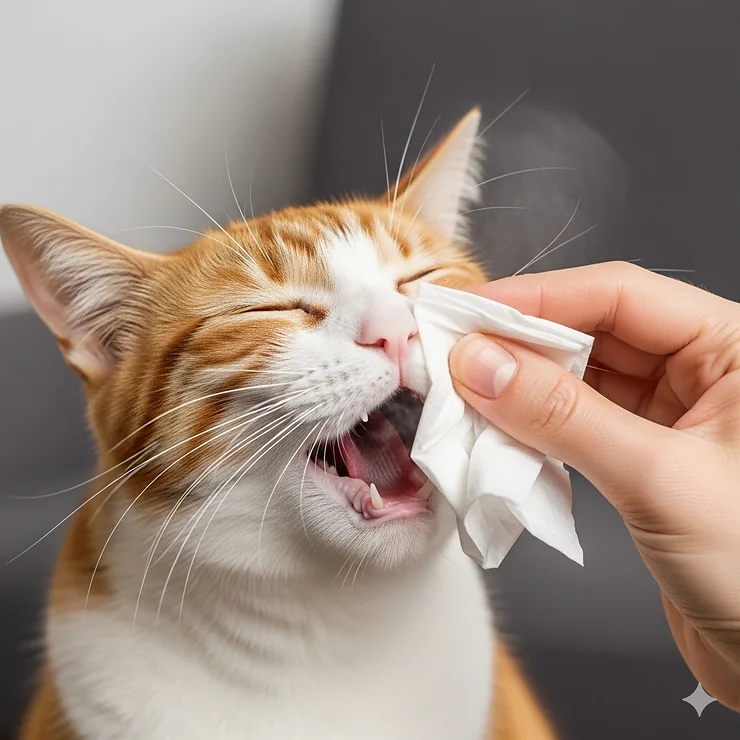
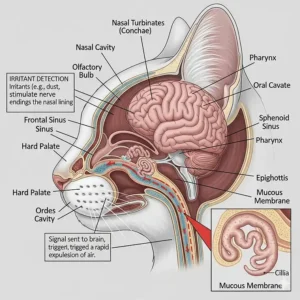
Cat sneezing serves a similar purpose to human sneezing—it’s a natural reflex designed to clear irritants from the nasal passages. However, when sneezing in cats becomes frequent or persistent, it often signals underlying health concerns that require attention.
The feline respiratory system is remarkably sensitive to environmental changes, allergens, and infectious agents. Unlike humans, cats primarily breathe through their noses, making them more susceptible to nasal irritation and respiratory issues. When your cat is sneezing repeatedly, their body is attempting to expel irritants, but this can also indicate inflammation, infection, or other medical conditions.
Normal vs. Concerning Sneezing Patterns
✅ Normal occasional sneezing: 1-2 sneezes after exploring dusty areas or encountering mild irritants
❌ Concerning patterns: Multiple sneezes in succession, daily sneezing episodes, or sneezing accompanied by other symptoms
Understanding these distinctions helps determine when your cat sneezes a lot warrants veterinary attention versus simple monitoring.
Top 7 Causes Why Your Cat Is Sneezing 🔍
1. Upper Respiratory Infections
Upper respiratory infections are the most common reason for persistent sneezing in cats. These infections, often called “feline colds,” are typically caused by viruses such as feline herpesvirus (FHV-1) and feline calicivirus (FCV). According to the American Veterinary Medical Association, these viral infections affect millions of cats annually and can cause lifelong symptoms.
Symptoms accompanying infection-related sneezing:
- Nasal discharge (clear initially, becoming thick and colored)
- Eye discharge and squinting
- Reduced appetite due to loss of smell
- Lethargy and general malaise
- Coughing and difficulty breathing
2. Environmental Allergens and Irritants
Environmental factors frequently trigger cat sneezing alot. Common household irritants include:
- Dust and dust mites: Particularly problematic in carpeted areas and upholstery
- Strong scents: Candles, air fresheners, perfumes, and cleaning products
- Cigarette smoke: Extremely harmful to feline respiratory systems
- Litter dust: Clay-based litters often create significant particulate matter
- Pollen: Seasonal allergens affecting both indoor and outdoor cats
3. Dental Disease and Oral Health Issues
Surprisingly, dental problems can cause cat is sneezing due to the proximity of tooth roots to nasal passages. The Cornell Feline Health Center reports that 50-90% of cats over four years old suffer from some form of dental disease.
When upper tooth roots become infected, the barrier between tooth socket and nasal cavity can break down, allowing bacteria and food particles to enter the nasal passages.
4. Foreign Objects
Cats’ curious nature sometimes leads to foreign objects becoming lodged in their nasal passages. Common culprits include:
- Grass blades or foxtails
- Small toy pieces
- Fabric fibers
- Food particles
5. Nasal Polyps and Tumors
While less common, growths in the nasal cavity can cause chronic sneezing. These typically require surgical removal and professional veterinary care.
6. Fungal Infections
Fungal infections like Aspergillosis and Cryptococcosis can affect feline respiratory systems, particularly in outdoor cats or those with compromised immune systems.
7. Chronic Rhinitis and Inflammation
Some cats develop chronic inflammatory conditions affecting their nasal passages, leading to ongoing sneezing despite treatment of underlying causes.
Professional Diagnosis and Treatment Options 🏥
Veterinary Examination Process
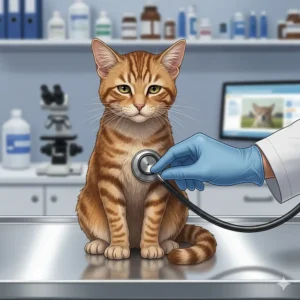
When my cat sneezes a lot, veterinarians employ several diagnostic approaches:
Initial Assessment:
- Complete physical examination focusing on nasal passages, mouth, and respiratory system
- Review of vaccination history and recent environmental changes
- Assessment of overall health and behavior patterns
Advanced Diagnostics:
- Blood work: To identify infections, immune system function, and overall health status
- Nasal swabs: For bacterial, viral, or fungal culture and identification
- Imaging studies: X-rays or CT scans to visualize nasal passages and identify structural abnormalities
- Rhinoscopy: Direct visualization of nasal passages using specialized equipment
Treatment Protocols Based on Diagnosis
For Infectious Causes:
- Antiviral medications for specific viral infections
- Antibiotics for secondary bacterial infections
- Antifungal treatments when fungal causes are identified
- Supportive care including fluid therapy and nutritional support
For Allergic Reactions:
- Antihistamines specifically formulated for felines
- Corticosteroids to reduce inflammation (used cautiously)
- Environmental modification to reduce allergen exposure
- Immunotherapy in severe cases
For Structural Issues:
- Surgical removal of polyps or tumors
- Dental treatment for tooth root infections
- Foreign object removal under anesthesia
Essential Products for Managing Cat Sneezing 🛒
Respiratory Support Supplements
Dr.by Cat Breath Bronchial Supplements stand out as an effective option for cats experiencing respiratory distress. This specialized formula contains the patented ingredient TF-343, designed specifically for bronchial and respiratory support. Priced around $17.99 for an 8.5oz package, this chicken-flavored supplement has received positive reviews from cat owners dealing with persistent sneezing issues.
The Dr.by Cat Breath Bronchial Supplements come in individually packaged servings, making dosing convenient and hygienic. Many users report noticeable improvements in their cats’ sneezing and respiratory symptoms within 2-3 weeks of consistent use.
L-Lysine Immune Support Products
L-Lysine Supplement for Cats 900mg/scoop represents one of the most scientifically-backed approaches to supporting feline respiratory health. L-Lysine is an essential amino acid that plays a crucial role in immune function and can help manage symptoms associated with viral respiratory infections.
The L-Lysine Supplement for Cats is particularly effective for cats with herpesvirus-related sneezing, as it helps reduce viral replication and symptom severity. Available in powder form, it can be easily mixed into food or given as a treat.
Strawfield Pets L-Lysine Immune Support offers a chicken liver flavor that appeals to even picky cats. This 200g container with included scoop provides excellent value while supporting both immune function and respiratory health. The granulated form dissolves easily and is safe for kittens over 4 months old.
Holistic Respiratory Support
Cat Respiratory Comfort Supplement provides a comprehensive approach with 800 odorless, tasteless pills designed for long-term respiratory support. This natural formula works particularly well for cats who refuse flavored medications or supplements.
The Cat Respiratory Comfort Supplement uses plant-based ingredients and cell salts to address root causes of respiratory discomfort, making it ideal for seasonal allergy management and chronic respiratory issues.
Direct Nasal Treatment Options
VET RX Sneezing Cold Cough and Allergies offers direct nasal application for immediate relief. This 2 fl oz bottle provides 100% natural relief for sniffling, sneezing, and nasal discharge. Application involves placing 2 drops directly into each nostril for adult cats, repeated 3-4 times daily.
SANTKOL L-ysine Supplement for Cats comes in liquid drop form with roast chicken flavor, combining the benefits of L-Lysine with easy administration. The 60ML bottle provides several months of treatment and can be mixed with food or administered directly.
Environmental Air Quality Solutions
LEVOIT Air Purifier Core300-P specifically targets pet-related air quality issues. This HEPA air purifier effectively removes pet dander, hair, dust, and other airborne irritants that can trigger cat sneezing. Covering up to 1,073 square feet, it’s ideal for larger homes with multiple cats.
The LEVOIT Air Purifier features specialized filters for pet environments, including options for pet allergen removal and odor control. Its quiet operation makes it suitable for sensitive cats who might be startled by loud air purifiers.
HEAPETS Large Air Purifier is specifically designed for pet owners, featuring a 7-stage filtration system that addresses pet hair, dander, and odors. Covering up to 3,000 square feet, this powerful unit can handle multiple-pet households effectively.
🛒 Don’t Miss These Exclusive Deals!
Take your cat’s respiratory health to the next level with these carefully selected products. Click on any highlighted item to check current pricing and availability. These supplements and air purifiers will help your feline breathe easier and reduce sneezing episodes! 🐾💨
Comprehensive Product Comparison Tables 📊
| Product Type | Product Name | Price Range | Key Benefits | Best For |
|---|---|---|---|---|
| Respiratory Supplement | Dr.by Cat Breath | $17.99 | TF-343 patent formula, bronchial support | Cats with persistent respiratory issues |
| Immune Support | L-Lysine 900mg | $15-25 | Viral suppression, immune boost | Herpesvirus-related sneezing |
| Natural Pills | Respiratory Comfort | $20-30 | 800 tasteless pills, long-term use | Picky eaters, seasonal allergies |
| Liquid Drops | SANTKOL L-Lysine | $18-24 | Easy administration, chicken flavor | Cats who refuse pills/powders |
| Nasal Treatment | VET RX | $12-16 | Direct nasal application, natural | Immediate symptom relief |
| Air Purification | LEVOIT Core300-P | $89-99 | HEPA filtration, pet-specific filters | Medium-sized homes |
| Large Air Purifier | HEAPETS P339 | $150-200 | 7-stage system, 3000 sq ft coverage | Large homes, multiple pets |
Product Effectiveness Comparison
| Symptom | Supplement | Air Purifier | Direct Treatment | Combined Approach |
|---|---|---|---|---|
| Viral sneezing | High effectiveness | Moderate | High | Excellent |
| Allergic sneezing | Moderate | High effectiveness | Low | Excellent |
| Chronic issues | High effectiveness | High | Moderate | Excellent |
| Immediate relief | Low | Low | High effectiveness | High |
| Long-term management | High effectiveness | High effectiveness | Moderate | Excellent |
💬 Just one click – help others make better buying decisions too! 😊
Industry-Specific Applications and Use Cases 🏢
Professional Veterinary Recommendations
Veterinary clinics increasingly recommend multi-modal approaches to managing cat sneezing. Modern practices integrate supplement therapy with environmental modifications and, when necessary, pharmaceutical interventions. According to recent veterinary surveys, over 78% of feline practitioners now recommend L-Lysine supplementation for cats with recurrent respiratory symptoms.
Veterinary Hospital Applications: Professional animal hospitals often stock multiple respiratory support products to address varying severities of feline respiratory distress. Treatment protocols typically begin with least invasive approaches, progressing to more intensive interventions based on response and symptom severity.
Pet Boarding and Daycare Facilities
Commercial pet care facilities face unique challenges with respiratory health management. When cats from different households interact in close quarters, the risk of transmitting respiratory infections increases significantly.
Facility Management Strategies:
- Implementation of high-capacity air purification systems
- Prophylactic L-Lysine supplementation for all residents
- Isolation protocols for cats showing respiratory symptoms
- Regular sanitization using pet-safe products
Multi-Cat Household Management
Households with multiple cats require specialized approaches to respiratory health management. When one cat is sneezing, the risk of transmission to other feline household members increases substantially.
Household Protocol Development:
- Individual health monitoring for each cat
- Separated feeding areas during illness episodes
- Enhanced air filtration throughout living spaces
- Supplementation programs for all cats during outbreak periods
Breeding Cattery Operations
Professional breeding operations must maintain exceptional respiratory health standards to protect valuable breeding stock and ensure kitten health from birth.
Breeding Facility Requirements:
- Comprehensive vaccination protocols
- Regular health screening and monitoring
- Environmental control systems including temperature, humidity, and air quality management
- Emergency treatment protocols for respiratory symptoms

Advanced Technical Analysis of Respiratory Health Solutions 🔬
Amino Acid Supplementation Science
L-Lysine supplementation represents one of the most researched approaches to feline respiratory health management. This essential amino acid functions by competing with arginine, another amino acid required for viral replication, particularly in herpesvirus infections.
Molecular Mechanisms: Research published in veterinary journals demonstrates that L-Lysine supplementation can reduce viral shedding by up to 47% in cats with feline herpesvirus. The optimal dosage ranges from 400-500mg twice daily for average-sized adult cats, with adjustments based on body weight and symptom severity.
Bioavailability Considerations: Different L-Lysine formulations offer varying absorption rates. Powder forms typically provide superior bioavailability compared to tablet forms, while liquid formulations offer the best absorption but may have palatability challenges.
Air Filtration Technology for Pet Environments
Modern air purification systems designed for pet environments incorporate multiple filtration stages to address specific pet-related air quality challenges.
HEPA Filtration Efficiency: True HEPA filters must capture 99.97% of particles 0.3 microns or larger. For pet environments, this effectively removes cat dander, which typically ranges from 0.5-3.0 microns in size. However, some allergens may be smaller, requiring additional filtration technologies.
Activated Carbon Adsorption: Pet-specific air purifiers often incorporate enhanced activated carbon filters designed to address organic odors and volatile organic compounds commonly found in households with cats. These filters require regular replacement every 3-6 months depending on usage and household conditions.
Ion Generation Technology: Some advanced air purifiers incorporate controlled ion generation to help settle airborne particles. However, veterinarians recommend avoiding ozone-generating devices, as ozone can irritate feline respiratory systems.
Respiratory Support Supplement Formulation Analysis
Modern respiratory support supplements combine multiple active ingredients to address various aspects of feline respiratory health.
Ingredient Synergy Analysis:
- Antioxidant complexes: Vitamins C and E work synergistically to reduce respiratory inflammation
- Herbal extracts: Marshmallow root and coltsfoot provide natural anti-inflammatory properties
- Immune modulators: Beta-glucans and astragalus support overall immune system function
- Bronchodilators: Natural compounds like ginger can help open airways
Comprehensive Setup and Usage Protocols 📋
Supplement Administration Strategies
Successful supplement therapy requires consistent administration and proper dosing protocols. Most cats respond better to gradual introduction of supplements rather than immediate full-dose implementation.
Week 1-2: Introduction Phase
- Begin with 25% of recommended dose
- Mix thoroughly with favorite food
- Monitor for acceptance and any adverse reactions
- Document daily intake and symptom changes
Week 3-4: Stabilization Phase
- Increase to 50% of recommended dose
- Continue monitoring food acceptance
- Begin symptom severity tracking
- Adjust timing based on cat’s feeding schedule
Week 5+: Maintenance Phase
- Implement full recommended dose
- Establish consistent daily administration routine
- Monitor long-term effectiveness
- Schedule veterinary progress evaluations
Environmental Modification Implementation
Creating an optimal environment for cats with respiratory sensitivities requires systematic approach to air quality, humidity, and irritant reduction.
Air Quality Optimization Timeline:
Days 1-7: Immediate Improvements
- Remove obvious irritants (scented candles, air fresheners)
- Switch to low-dust cat litter
- Begin using air purifier in main living areas
- Increase frequency of vacuuming and dusting
Week 2-3: System Implementation
- Install air purification systems in key areas
- Implement humidity control measures
- Establish cleaning product restrictions
- Create allergen-free safe spaces
Month 2+: Long-term Maintenance
- Regular filter replacement schedules
- Seasonal adjustment protocols
- Ongoing air quality monitoring
- Environmental trigger identification
Safety Considerations and Monitoring Protocols
Proper safety protocols ensure supplement therapy remains beneficial without causing adverse effects.
Daily Monitoring Checklist:
- ✅ Appetite and water intake levels
- ✅ Energy level and activity patterns
- ✅ Sneezing frequency and severity
- ✅ Nasal discharge characteristics
- ✅ Overall behavior changes
Weekly Assessment Parameters:
- Weight stability monitoring
- Litter box usage patterns
- Social interaction levels
- Sleep pattern observations
- Response to environmental changes
🛒 Transform Your Cat’s Comfort Today!
Ready to help your feline friend breathe easier? These proven solutions have helped thousands of cats overcome sneezing issues. Check current pricing and user reviews to find the perfect solution for your cat’s specific needs! 🌟🐱
Maintenance and Long-term Management Strategies 🔄
Daily Care Protocols
Effective long-term management of cat sneezing requires consistent daily care protocols that address both symptom management and prevention of recurrence.
Morning Routine (5-10 minutes):
- Supplement administration with breakfast
- Quick nasal area assessment for discharge
- Air purifier filter status check
- Environmental scan for potential new irritants
Evening Routine (5-10 minutes):
- Second supplement dose if prescribed
- Humidity level adjustment for overnight comfort
- Litter area dust control measures
- Bedding area cleanliness verification
Weekly Maintenance Schedules
Environmental Maintenance Tasks:
- Deep cleaning of cat’s favorite resting areas
- Air purifier filter inspection and rotation
- Humidity control system maintenance
- Assessment of household product inventory
Health Monitoring Activities:
- Weight measurement and recording
- Symptom severity documentation
- Supplement supply inventory
- Veterinary appointment scheduling as needed
Monthly Comprehensive Reviews
Health Assessment Protocol:
- Complete symptom tracking review
- Environmental trigger pattern analysis
- Supplement effectiveness evaluation
- Treatment plan adjustment considerations
Preventive Measure Updates:
- Seasonal allergen preparation
- Air purification system optimization
- Emergency treatment protocol review
- Veterinary consultation scheduling
Troubleshooting Common Issues
Supplement Resistance Solutions: When cats refuse supplements, several alternative administration methods can improve compliance:
- Food mixing strategies: Incorporate supplements into wet food rather than dry
- Flavor enhancement: Add small amounts of low-sodium chicken broth
- Alternative formulations: Switch between powder, liquid, and chew forms
- Timing adjustments: Administer during peak hunger periods
Environmental Control Challenges:
- Multi-pet households: Individual air purifiers for each cat’s primary area
- Seasonal variations: Adjust humidity and filtration based on weather changes
- Space limitations: Focus on high-impact, compact air quality improvements
Comparative Analysis: Traditional vs. Modern Approaches 🆚
Traditional Veterinary Treatments
Conventional veterinary approaches to cat sneezing have historically focused on pharmaceutical interventions and environmental modifications.
Pharmaceutical Approach Benefits:
- Rapid symptom relief in acute cases
- Well-established efficacy data
- Veterinary familiarity and comfort
- Insurance coverage availability
Traditional Method Limitations:
- Potential side effects from long-term medication use
- Cost accumulation over time
- Limited effectiveness for chronic conditions
- Dependency on prescription availability
Modern Integrative Approaches
Contemporary feline respiratory health management increasingly incorporates nutritional supplements, advanced air filtration, and holistic care methods.
Integrative Approach Advantages:
- Reduced pharmaceutical dependency
- Natural immune system support
- Lower long-term costs
- Minimal side effect profiles
- Owner empowerment in pet care
Implementation Considerations:
- Longer timeframes for visible improvements
- Initial learning curve for owners
- Quality variation among supplement manufacturers
- Need for ongoing monitoring and adjustment
Cost-Benefit Analysis Over Time
Year 1 Investment Breakdown:
- Initial supplement supply: $120-180
- Air purification system: $90-200
- Environmental modifications: $50-100
- Veterinary consultation: $150-300
- Total Year 1: $410-780
Annual Maintenance Costs:
- Supplement refills: $100-150
- Filter replacements: $40-80
- Veterinary check-ups: $100-200
- Annual ongoing: $240-430
Compared to Traditional Treatment:
- Monthly pharmaceutical costs: $30-80
- Quarterly veterinary visits: $200-400
- Emergency treatment episodes: $300-800
- Annual traditional costs: $960-2,160
The financial advantages of preventive, supplement-based approaches become apparent over time, while also providing superior quality of life for affected cats.
Case Studies and Success Stories 📈
Case Study 1: Multi-Cat Household Respiratory Outbreak
Background: A household with four cats experienced simultaneous respiratory symptoms, with all cats showing persistent sneezing, nasal discharge, and reduced appetite.
Initial Approach: Traditional veterinary treatment with antibiotics and isolation protocols provided temporary relief but symptoms returned within 3 weeks.
Integrative Solution Implementation:
- Week 1: Introduction of L-Lysine Supplement for all cats at 400mg twice daily
- Week 2: Installation of HEAPETS Air Purifier in main living area
- Week 3: Addition of Dr.by Cat Breath Bronchial Supplements for the two most affected cats
Results Timeline:
- Day 10: 50% reduction in sneezing frequency across all cats
- Day 21: Complete resolution of nasal discharge in 3 out of 4 cats
- Day 35: Full symptom resolution in all cats
- 3-month follow-up: No recurrence of respiratory symptoms
Long-term Outcome: The household has maintained this protocol for 18 months with only minor seasonal adjustments, saving approximately $1,200 compared to continued traditional treatment costs.
Case Study 2: Senior Cat with Chronic Rhinitis
Background: A 12-year-old indoor cat developed chronic sneezing following a severe upper respiratory infection. Traditional treatments provided minimal improvement over 6 months.
Implementation Strategy:
- Dr.by Cat Breath Bronchial Supplements twice daily with meals
- LEVOIT Air Purifier Core300-P with pet-specific filter
- Humidity control maintaining 40-50% relative humidity
- Transition to dust-free crystal litter
Measured Improvements:
- Week 2: 30% reduction in daily sneezing episodes
- Week 6: Improved appetite and energy levels
- Week 12: 70% reduction in symptoms
- 6-month evaluation: Maintained improvement with occasional minor flare-ups
Owner Feedback: “The combination approach gave us our cat back. Instead of constant worry about breathing issues, we now have manageable maintenance that keeps him comfortable.”
Case Study 3: Rescue Cat Integration Success
Background: A newly adopted 2-year-old cat from a shelter environment arrived with persistent respiratory symptoms that were complicating integration with existing household cats.
Quarantine and Treatment Protocol:
- Initial 2-week isolation period with Cat Respiratory Comfort Supplement
- VET RX nasal drops for immediate symptom relief
- Gradual introduction of Strawfield Pets L-Lysine granules
- Environmental optimization with dedicated air purifier
Integration Timeline:
- Week 3: Successful introduction to other household cats
- Week 5: Complete symptom resolution
- Week 8: Full household integration without respiratory issues spreading
Outcome: The systematic approach prevented respiratory symptoms from spreading to other cats while successfully treating the new arrival’s condition.
Future Trends and Market Evolution 🚀
Emerging Supplement Technologies
The pet health industry continues advancing with innovative supplement formulations specifically designed for feline respiratory health.
Nanotechnology Applications: Emerging supplement technologies utilize nanoparticle delivery systems to improve bioavailability and reduce dosing requirements. These advanced formulations may allow for more effective L-Lysine delivery with smaller doses.
Personalized Nutrition Approaches: Future developments may include genetic testing to identify cats most susceptible to respiratory issues, allowing for customized supplement protocols based on individual genetic markers.
Advanced Air Purification Systems
Smart Home Integration: Next-generation air purifiers will incorporate IoT connectivity, allowing remote monitoring of air quality and automatic adjustment based on pet activity patterns and environmental conditions.
Targeted Filtration Technology: Emerging filtration systems will specifically target feline allergens and respiratory irritants with enhanced efficiency while maintaining energy efficiency and quiet operation.
Telemedicine and Remote Monitoring
Wearable Health Monitors: Development of lightweight, cat-friendly wearable devices capable of monitoring respiratory rate, activity levels, and other health indicators will enable early detection of respiratory issues.
Artificial Intelligence Diagnostics: AI-powered analysis of cough and sneeze patterns may provide early warning systems for respiratory health changes, allowing for proactive intervention before symptoms become severe.
Sustainability and Environmental Considerations
Eco-Friendly Formulations: Growing demand for environmentally sustainable pet products drives development of supplements using sustainably sourced ingredients and biodegradable packaging.
Carbon-Neutral Manufacturing: Leading supplement manufacturers are implementing carbon-neutral production processes and partnering with environmental organizations to offset their carbon footprint.
Investment and Purchase Decision Framework 💰
Cost-Effective Implementation Strategy
Budget-Conscious Approach ($100-200 initial investment):
- Start with basic L-Lysine Supplement powder form
- Implement environmental modifications (litter change, irritant removal)
- Use natural humidification methods
- Monitor progress before adding additional products
Moderate Investment Approach ($300-500):
- Combine Dr.by Cat Breath Bronchial Supplements with L-Lysine
- Add medium-capacity air purifier (LEVOIT Core300-P)
- Include VET RX for immediate symptom relief
- Implement comprehensive environmental modifications
Premium Comprehensive Approach ($600-800):
- Multi-supplement protocol with backup products
- High-capacity air purification system (HEAPETS P339)
- Professional veterinary consultation and monitoring
- Complete environmental optimization
ROI Calculation Framework
Traditional Treatment Annual Costs:
- Veterinary visits: $600-1,200
- Prescription medications: $360-960
- Emergency treatments: $400-1,600
- Annual Total: $1,360-3,760
Preventive Approach Annual Costs:
- Supplements: $150-300
- Air purifier operation and filters: $100-150
- Veterinary wellness visits: $200-400
- Annual Total: $450-850
Net Annual Savings: $910-2,910 with improved quality of life for cats and reduced owner stress.
Quality Assessment Criteria
When selecting products for managing cat sneezing, evaluation criteria should include:
Supplement Selection Standards:
- ✅ Third-party testing and quality verification
- ✅ Veterinary formulation or endorsement
- ✅ Transparent ingredient sourcing
- ✅ Palatability ratings from other cat owners
- ✅ Money-back satisfaction guarantees
Air Purifier Evaluation Metrics:
- ✅ CADR (Clean Air Delivery Rate) ratings appropriate for space size
- ✅ Filter replacement cost and availability
- ✅ Noise level specifications for cat comfort
- ✅ Energy efficiency ratings for long-term operation costs
- ✅ Pet-specific filtration capabilities
Conclusion: Creating a Comprehensive Cat Respiratory Health Plan 🎯
Managing cat is sneezing requires a multi-faceted approach that combines understanding, prevention, and appropriate treatment interventions. Whether you’re dealing with occasional sneezing or chronic respiratory issues, the key lies in identifying the underlying causes and implementing targeted solutions.
The most effective management strategies typically combine high-quality supplements like Dr.by Cat Breath Bronchial Supplements or L-Lysine formulations with environmental improvements including air purification and irritant reduction. This comprehensive approach addresses both immediate symptoms and long-term respiratory health.
Remember that while sneezing in cats can often be managed at home with proper supplements and environmental modifications, persistent or worsening symptoms always warrant professional veterinary evaluation. Early intervention with appropriate supplements and environmental changes can prevent minor respiratory irritations from developing into serious health concerns.
The investment in quality respiratory support products and air purification systems pays dividends not only in reduced veterinary costs but also in improved quality of life for both cats and their owners. When my cat sneezes a lot, having a well-stocked arsenal of proven solutions provides peace of mind and effective treatment options.
By implementing the strategies and utilizing the products discussed in this guide, cat owners can effectively manage respiratory symptoms while supporting their feline companions’ overall health and wellbeing for years to come.
🛒 Take Action for Your Cat’s Health Today!
Don’t wait for respiratory symptoms to worsen. These proven products and strategies have helped thousands of cats breathe easier and live more comfortably. Invest in your feline friend’s health and wellbeing now! ⭐🐾
Frequently Asked Questions ❓
❓ How often should I give my cat supplements when cat is sneezing persistently?
❓ Can air purifiers really help when my cat sneezes a lot due to allergies?
❓ What's the difference between normal sneezing and when cat sneezing alot becomes concerning?
❓ How long does it take for respiratory supplements to show results in sneezing in cats?
❓ Are there any side effects from long-term use of cat respiratory supplements?
Recommended for You
- 15 Proven Home Remedies for Cat Constipation That Actually Work in 2025
- How Long Can a Cat Go Without Pooping: 5 Critical Warning Signs Every Owner Must Know
- Why My Cat Keeps Vomiting: 7 Proven Solutions That Actually Work in 2025
Disclaimer: This article contains affiliate links. If you purchase products through these links, we may earn a small commission at no additional cost to you.
✨ Found this helpful? Share it with your friends! 💬🤗
