
Table of Contents
New cat owner essentials are the core supplies, safe-home setup steps, and early vet-care basics a first-time cat parent needs before a cat arrives. That means a litter box and litter, food and water bowls, a scratching post, a carrier, toys, ID, and one quiet room. Get those right and everything else is optional.
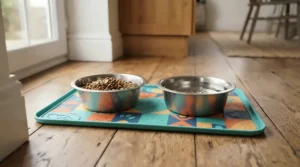
Here’s what nobody mentions at the adoption desk. Cats need surprisingly little, but they are fussy about the little they need. Skip the ten-story cat condo. The ASPCA’s cat supply checklist boils the list down to food and water dishes, a litter box and litter, a scratching post, a carrier, toys, a bed, grooming basics, and a safety collar with ID. That’s it. The trick is choosing versions that fit real cat behavior instead of a glossy product photo.
Think of this piece as a first time cat owner checklist, a cat starter kit, and a beginner guide rolled into one. I researched seven real products across budget, mid-range, and premium tiers. I compared their spec sheets and read aggregated review sentiment from retailer listings and editorial roundups. I have not personally tested any of them, so you’ll get honest, spec-based analysis instead of invented anecdotes.
Wondering what do i need for a cat, or how to handle first cat preparation without buying the whole pet aisle? You’ll find answers, tables, and a plan below. Prices are ranges only, checked at the time of research, so always confirm current pricing before you buy.
Quick Comparison: Seven Picks at a Glance
| Product | Category | Price Range | Standout Trait | Best For |
|---|---|---|---|---|
| Nature’s Miracle Hooded Corner Litter Box | Litter box | Under $60 | Corner fit, charcoal filter | Apartments, first-timers |
| Litter-Robot 4 | Automatic litter box | Roughly $700-$900 | Self-cleaning, app tracking | Busy professionals |
| SmartCat Ultimate Scratching Post | Scratcher | $40-$60 range | 32-inch height, sisal | Furniture protection |
| Sherpa Original Deluxe Carrier | Carrier | $40-$70 range | Spring-wire, under-seat fit | Vet trips, travel |
| Catit Flower Fountain | Water fountain | $20-$40 range | 3 liters, 3 flow modes | Cats that ignore bowls |
| Necoichi Raised Cat Food Bowl | Food bowl | Under $40 | Porcelain, raised, inner lip | Messy or picky eaters |
| Go Cat Da Bird Wand | Toy | $10-$20 range | 36-inch rod, swivel feathers | Bonding and exercise |
The spread matters more than any single row. The Go Cat Da Bird Wand and Necoichi Raised Cat Food Bowl cost less than a takeout dinner, while the Litter-Robot 4 costs more than most people spend on the whole cat starter kit. The Nature’s Miracle Hooded Corner Litter Box is the value anchor: cheap, roomy, and forgiving. If your budget is tight, spend on the litter box, the scratcher, and the carrier first. Fountains, fancy bowls, and robots can wait.
💬 Just one click — help others make better buying decisions too!😊
Top 7 New Cat Owner Essentials: Expert Analysis
Each pick below covers a different corner of your setup, so you can build a complete kit without doubling up. Specs are interpreted for real life, and review sentiment is aggregated from public listings, never invented.
1. Nature’s Miracle Hooded Corner Litter Box — roomy corner-fit privacy
This one is built on a simple idea: cats like their backs covered when they’re vulnerable, and a corner gives them two walls for free.
The box runs roughly 26 inches long by 23 inches wide. That’s big enough for a cat to turn around in, which matters because a cramped box is a common reason cats stop using one. The tall hood holds in flung litter and sprayed urine. The charcoal filter is rated by the maker for up to three months, and the non-stick surface is meant to make scrubbing less miserable.
Based on the spec comparison, this is the sensible first box for most households, especially apartments with one awkward empty corner. One editorial roundup praised the uncovered opening, which is less intimidating for cats new to hoods than a swinging flap.
Aggregated retail reviews, a couple thousand on one large retailer, skew positive on size, durability, and odor control. Recurring complaints include fiddly latches, urine clinging to the base, and hard-to-find replacement filters.
Pros:
- ✅ Large interior suits kittens and big adults
- ✅ Tall hood contains scatter and spray
- ✅ Corner design saves floor space
Cons:
- ❌ Snap latches can be stiff to work
- ❌ Rounded corners make scooping trickier
Expect a budget-friendly price, typically well under $60 at the time of research. Check current price. For a first litter box, the value is hard to beat.
2. Litter-Robot 4 — self-cleaning splurge for busy people
If scooping is the part of cat ownership you dread, this is the product that makes it disappear.
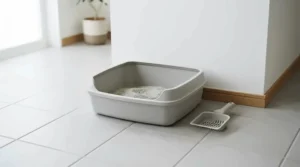
The unit is about 22 by 27 by 29 inches and weighs around 24 pounds empty. It sifts waste into a sealed drawer after each visit, so you empty it weekly instead of scooping daily. It works with clumping litter only, and it’s rated for cats above roughly three pounds. The app tracks visits and your cat’s weight, and a sudden change in visit patterns is exactly the kind of thing a vet wants to hear about.
On paper, you are paying for time and data. Editorial reviewers consistently praise the odor control, the quiet rotation, and the app. The common criticisms are the price, a short warranty, and occasional cat-sensor quirks. A minority of buyers report cats that flatly refuse to enter it, so a transition plan matters.
Pros:
- ✅ No daily scooping, less odor
- ✅ App tracks visits and weight trends
- ✅ Fits cats from kitten to large adult
Cons:
- ❌ Costs many times a basic litter box
- ❌ Some cats refuse the rotating globe
Expect roughly $700-$900 depending on bundle and retailer. Check current price. It’s worth it if your schedule is brutal, but a poor first purchase if you’re still unsure your cat will cooperate.
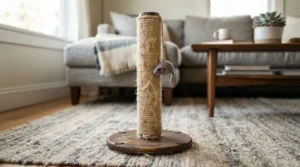
3. SmartCat Ultimate Scratching Post — tall, stable, furniture-saving
Scratching isn’t misbehavior. It’s maintenance, stretching, and scent marking rolled together, so your couch needs a better offer.
This post stands 32 inches tall on a 16-by-16-inch base, wrapped in woven sisal. Height matters because cats scratch best with a full vertical stretch. A short post gets ignored. The wide base matters because a wobbly post gets abandoned after one scary tip-over. Sisal is also more claw-friendly than carpet-covered posts that snag nails. Assembly takes two screws and two dowels.
Reviewers frequently describe it as sturdy and tall enough for big cats, including multi-cat homes. The recurring complaints are occasional cracked parts or misaligned holes on arrival, and a bit of tipping with very large, energetic cats. Inspect the parts when the box arrives, and consider anti-slip pads on hard floors.
Pros:
- ✅ 32-inch height allows a full stretch
- ✅ Wide base resists most tipping
- ✅ Durable sisal handles heavy scratching
Cons:
- ❌ Shipping damage reported by some buyers
- ❌ Plain design, no perch or hideaway
Expect roughly $40-$60. Check current price. It’s a strong value verdict: place it next to the furniture your cat already targets.
4. Sherpa Original Deluxe Carrier — vet trips and airline-ready
Your carrier is the most important object in your house on the day you need it, and the worst day to shop for one.
The medium size measures about 17 by 11 by 10.5 inches and holds pets up to 16 pounds. A spring-wire frame lets the rear compress for under-seat airline use. It has mesh panels for airflow, locking zippers, top and side entry, and a removable washable liner. Top-loading is a real advantage, because lifting a nervous cat out of a front door is a wrestling match.
The honest caveat is that soft-sided carriers offer less protection than hard-shell ones, and this model has not been approved for car crash safety by any organization. That’s why I’d call it the best pick for cats who travel on planes or public transit, and a reasonable vet-visit option if you secure it with the seatbelt strap.
Reviewers highlight the roomy interior, solid build, and comfortable straps. The main complaint theme is that size labels need careful checking against your cat’s length and weight.
Pros:
- ✅ Top and side entry ease loading
- ✅ Compresses to fit under airline seats
- ✅ Removable liner is easy to wash
Cons:
- ❌ Not crash-tested for car safety
- ❌ Less protective than a hard shell
Expect roughly $40-$70 depending on size. Check current price. Good value for travel-heavy households.
5. Catit Flower Fountain — three flow settings for picky drinkers
Some cats ignore a perfectly good bowl and stare longingly at the bathroom faucet. A fountain answers that instinct.
The fountain holds three liters and offers three flow modes: a gentle surface flow, faucet-like streams with the flower piece, or a bubbling top with the cap. A triple-action filter combines ion-exchange resin, carbon, and cotton mesh to soften water, trim odors, and catch stray hair. Most parts are dishwasher-safe except the pump. Moving water is appealing to many cats, though it’s a preference, not a guarantee.
Aggregated reviews say many cats adapt quickly and drink more, and that it runs quietly. Recurring complaints include short pump lifespan, hair clogging the filter, a short power cord, no clear water-level window, and the ongoing cost of replacement filters. Some cats are also wary at first.
Pros:
- ✅ Three flow modes suit picky drinkers
- ✅ Holds enough for multiple cats
- ✅ Most parts go in the dishwasher
Cons:
- ❌ Pump can wear out sooner than expected
- ❌ Filters need regular, recurring replacement
Expect roughly $20-$40. Check current price. Worth it if your cat is a bowl-skeptic, and budget for filters.
6. Necoichi Raised Cat Food Bowl — whisker-friendly ceramic dining
A bowl seems like the least exciting purchase on any list, until you own a cat who pushes kibble across the floor.
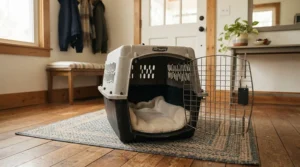
This porcelain bowl is raised, curved so food stays centered, and rimmed with a subtle inner lip to reduce spills. The material is non-absorbent, which means it won’t hold onto odors and residue the way scratched plastic does. It’s also dishwasher- and microwave-safe. The maker’s claims about digestion and neck strain are marketing, so treat this as a comfort feature and ask your vet if your cat regularly regurgitates.
Retail reviews for the one-cup version sit around 4.6 out of 5 across more than a thousand ratings at the time of research. Shoppers rate cleaning ease and stability highly. Some buyers say it runs smaller than expected, with whiskers brushing the sides, so measure your cat’s face and consider the wider version.
Pros:
- ✅ Non-absorbent porcelain cleans easily
- ✅ Inner lip cuts down on spills
- ✅ Stable, attractive design
Cons:
- ❌ Standard size can feel small
- ❌ Ceramic can chip if dropped
Expect roughly $15-$20 for the one-cup size, more for larger versions. Check current price. Small spend, real daily payoff.
7. Go Cat Da Bird Wand — the wand toy cats can’t resist
Every shelter and rescue checklist recommends wand toys, and this is the classic.
It has a 36-inch rod, braided nylon string, and a swiveling attachment with guinea feathers that flutter like a real bird. The swivel is the secret: it makes the feathers move unpredictably, which triggers the chase. Attachments are replaceable, and a pull-apart rod version exists for easy storage. Wand play also builds trust, since your new cat learns that your hands mean fun.
Retail listings show ratings around 4.6 to 4.7 across roughly two thousand ratings. Reviewers repeatedly say cats go wild for it, and the recurring advice is to hide it afterward. That’s not just charm. Strings and feathers must be supervised and stored away.
Pros:
- ✅ Realistic flight motion sparks hunting play
- ✅ Replaceable feather attachments
- ✅ Great for shy cats and bonding
Cons:
- ❌ Feathers wear out with enthusiastic use
- ❌ Requires supervision and safe storage
Expect roughly $10-$20. Check current price. Exceptional value, and possibly the best bonding tool in this guide.
| Product | Key Spec | Price Range | Reviewer Sentiment | Best For |
|---|---|---|---|---|
| Nature’s Miracle Hooded Corner Litter Box | ~26 x 23 in, charcoal filter | Under $60 | Positive on size and odor | First-time owners |
| Litter-Robot 4 | Self-cleaning, app | $700-$900 | Praised convenience, high cost | Busy schedules |
| SmartCat Ultimate Scratching Post | 32 in tall, 16 x 16 base | $40-$60 | Sturdy, some shipping issues | Furniture defense |
| Sherpa Original Deluxe Carrier | 17 x 11 x 10.5 in, 16 lb max | $40-$70 | Roomy, sturdy | Travel and vet trips |
| Catit Flower Fountain | 3 L, triple filter | $20-$40 | Quiet, pump wear noted | Picky drinkers |
| Necoichi Raised Cat Food Bowl | Porcelain, raised | $15-$20 (1 cup) | Easy to clean, runs small | Messy eaters |
| Go Cat Da Bird Wand | 36 in rod, swivel | $10-$20 | Cats adore it | Bonding play |
Looking at the table, the Nature’s Miracle Hooded Corner Litter Box and SmartCat Ultimate Scratching Post deliver the most everyday value per dollar. The Litter-Robot 4 is a lifestyle purchase rather than a necessity. Budget buyers should note that the Necoichi Raised Cat Food Bowl and Go Cat Da Bird Wand cost so little that skipping them saves almost nothing.
What Do i Need for a Cat? How to Choose the Right Gear
What do i need for a cat? At minimum: a litter box with unscented clumping litter, food and water bowls, a nutritionally complete diet, a tall scratching surface, a sturdy carrier, a few toys, a bed or hiding spot, and ID. Everything else is comfort or convenience.
Vets frame this through the AAFP and ISFM Feline Environmental Needs Guidelines, which describe a safe place, separated resources, play, consistent interaction, and respect for scent. Here’s how to turn that into a shopping method for new cat owner essentials:
- Ask what the cat already uses. Keep the shelter’s food and litter at first, then switch gradually.
- Size up. Choose a litter box bigger than you think, and match carrier size to your cat’s measured length and weight.
- Double the key resources. Guidance suggests at least two options for each resource, and one litter box per cat plus one extra.
- Separate them. Keep the food bowl away from the litter box.
- Favor easy-to-clean materials. Porcelain, ceramic, and stainless steel are simpler to sanitize than scratched plastic.
- Budget for refills. Filters, feathers, and litter are recurring costs.
First Time Cat Owner Checklist: Buy, Prep, Book
A first time cat owner checklist works best when it’s split into three buckets, so nothing slips through while you’re excited.
Buy:
- ✅ Litter box, scoop, and unscented clumping litter
- ✅ Food, treats, bowls, and a fountain if needed
- ✅ Scratching post, bed, hiding spot, and wand toy
- ✅ Carrier, brush, nail clippers, and a breakaway collar with ID tag
Prep:
- ✅ Choose a quiet safe room with food, water, and a litter box
- ✅ Secure blind cords, electrical cords, and small objects
- ✅ Remove or relocate toxic plants
Book:
- ✅ Schedule an early vet exam for vaccinations and a health check
- ✅ Plan spay or neuter timing, since the ASPCA advises doing it by five months of age
- ✅ Decide on microchipping and register the chip
The checklist is more than a shopping list because two of the three buckets cost nothing. Most beginners over-buy in the first bucket and under-do the other two. If you only have one free evening before your cat arrives, spend it on prep and booking, and buy the rest gradually as your cat shows you its preferences.
Cat Starter Kit: Three Budget Tiers
A cat starter kit doesn’t need to be a single mega-bundle. Building it in tiers lets you pay for comfort only where your situation demands it. These totals are rough estimates from the ranges above, excluding food and litter, and they will vary.
| Tier | What’s Included | Estimated Range | Best For |
|---|---|---|---|
| Lean | Nature’s Miracle Hooded Corner Litter Box, SmartCat Ultimate Scratching Post, Sherpa Original Deluxe Carrier, Necoichi Raised Cat Food Bowl, Go Cat Da Bird Wand | Around $150-$250 | Students, tight budgets |
| Comfortable | Lean kit plus Catit Flower Fountain, a second box, and extra bedding | Around $250-$400 | Most first-timers |
| Premium | Litter-Robot 4 plus the comfortable kit | Around $900-$1,300 | Long-hour workers |
The lean tier covers every essential and nothing more, which is exactly what a first month needs. The comfortable tier is my pick for most households, because a second box and a fountain remove common problems before they start. Choose premium only if you’ve weighed the ongoing costs, since a self-cleaning box still needs litter, liners, and eventual replacement parts. Long-term cost is dominated by recurring items: litter, food, fountain filters, and replacement feathers, so a cheap setup with cheap refills often beats a pricey one over a few years.
Essential Supplies: What Matters and What’s Marketing
Not every item in the essential supplies aisle earns its shelf space. Here is how I’d sort the pile.
What matters: the litter box’s size, a tall stable scratcher, a carrier that fits, and clean, accessible water. These map directly to the AAFP pillars and to the most common behavior problems. If a cat can’t find a comfortable toilet, an appropriate scratching surface, or a safe hiding place, trouble follows.
What’s marketing: elaborate colors, novelty shapes, and health claims stamped on packaging. Treat “prevents whisker fatigue” or “aids digestion” as design pitches, not medical facts. A raised bowl like the Necoichi Raised Cat Food Bowl is a comfort upgrade, not treatment. A pricey bed may lose to a cardboard box the cat picked itself.
What’s situational: app-connected gear and filters. The Catit Flower Fountain is fantastic for a cat who won’t drink, and irrelevant for one who already does. The Litter-Robot 4 is transformative for the right owner and overkill for the wrong one. When in doubt, buy the basics first, watch your cat for a week, then fill gaps. That’s the beginner guide in one sentence: observe before you upgrade.
Automatic vs Traditional Litter Boxes
The biggest fork in your essential supplies list is whether to scoop or to automate.
| Factor | Litter-Robot 4 | Nature’s Miracle Hooded Corner Litter Box |
|---|---|---|
| Upfront cost | Roughly $700-$900 | Under $60 |
| Daily effort | Empty drawer weekly | Scoop daily |
| Litter type | Clumping only | Most litters |
| Tracking | App with weight data | None |
| Footprint | Large, about 22 x 27 in | Corner-friendly, about 26 x 23 in |
| Best For | Busy, tech-friendly owners | Beginners, tight budgets |
The traditional box wins on cost, flexibility, and predictability, while the robot wins on convenience and health data. Notably, Ohio State’s veterinary program recommends scooping daily and washing weekly with mild dish detergent, and a robot changes only the first chore. My analysis is simple: start with a traditional box for a new cat, learn their habits, and consider automating later. That way, if your cat dislikes the globe, you haven’t spent $700 on a decoration.
First Cat Preparation: Setting Up the Safe Room
First cat preparation is really about one room. Best Friends Animal Society advises confining a new cat to a single room at first, with food, water, and a litter box, and visiting often so the cat isn’t alone. Here’s a practical setup, step by step:
- Pick the room. A spare bedroom or quiet office works better than a bathroom with a constantly closing door.
- Place the litter box away from the food. Keep it in a low-traffic corner, and put the Nature’s Miracle Hooded Corner Litter Box literally in the corner if you can.
- Add hiding spots. A cardboard box or open carrier such as the Sherpa Original Deluxe Carrier gives your cat a retreat.
- Set up food and water. Put the Necoichi Raised Cat Food Bowl and water at a distance from the toilet.
- Position the scratcher. Place the SmartCat Ultimate Scratching Post near the bed or door, where cats tend to stretch.
- Cat-proof. Tuck away cords and remove anything stringy or chewable.
This is also the time to decide on the cat starter kit tier. Skip the fancy tree until your cat has shown they like heights. The safe room will feel plain, and that’s fine. Boring is calming.

Beginner Guide: Your First 30 Days
A good beginner guide sets expectations. Here is a rough timeline, and your cat may move faster or slower.
Days 1-3: Decompress. Let your cat explore the safe room without pressure. Sit quietly, speak softly, and let them approach you. Offer the Go Cat Da Bird Wand for short sessions once they seem curious.
Days 4-10: Build routine. Feed at consistent times, scoop daily, and keep changes minimal. If you’re switching foods, do it gradually. Ohio State’s guidance also says not to change a cat’s food form or water setup without paying attention to their preference.
Days 11-20: Expand the territory. Open a second room, and keep the safe room accessible. Introduce the Catit Flower Fountain now if your cat isn’t drinking well, since new objects are easier once a cat feels settled.
Days 21-30: Confirm and adjust. Track what your cat uses. Is the scratcher popular? Is the box clean and used? Has your vet appointment happened? A beginner guide isn’t complete until you’ve booked the follow-up.
Common first-month mistakes: moving the litter box repeatedly, adding many new items at once, and skipping daily play.
✨ Don’t Miss These Exclusive Deals!
🔍 Take your first cat preparation to the next level with these carefully selected products. Click on any highlighted item to check current pricing and availability. These essentials will help you create a calm, welcoming first month your new cat will love!
Real-World Scenarios: Three Buyer Profiles
Rather than one-size-fits-all advice, consider three hypothetical profiles and how the picks map to each.
The college student in a studio. Budget matters, space is tight, and the cat will live in a single room. Choose the Nature’s Miracle Hooded Corner Litter Box for the corner, a SmartCat Ultimate Scratching Post to protect the furniture, and the Necoichi Raised Cat Food Bowl and Go Cat Da Bird Wand. Reasoning: this lean tier costs the least and covers every essential.
The busy professional working long hours. Time is scarce and predictability is valuable. The Litter-Robot 4 removes the daily scoop, and the Catit Flower Fountain encourages steady drinking. Add the Sherpa Original Deluxe Carrier for occasional travel. Reasoning: paying for convenience makes sense here, but keep a traditional box as a backup if your cat resists the globe.
The family adopting a kitten. Curiosity and chaos are guaranteed. Start with the comfortable tier: two litter boxes, the SmartCat Ultimate Scratching Post, and the Go Cat Da Bird Wand for supervised play sessions with kids. Reasoning: duplicated resources reduce competition, and wand play teaches children gentle interaction.
All three cases follow the same logic: match spending to the pain point, not to the marketing.
Common Problems and Fixes
Even a perfect cat starter kit runs into normal turbulence. Ohio State’s Indoor Pet Initiative offers troubleshooting resources for common indoor-cat problems, and these are the ones beginners hit first.
- Problem: The cat hides for days. Fix: Leave hiding spots in place, keep the room calm, and let the cat set the pace. Your Sherpa Original Deluxe Carrier, left open with a blanket, can double as a den.
- Problem: Couch scratching. Fix: Put the SmartCat Ultimate Scratching Post right beside the couch. Cats scratch where they mark, so location matters more than the product.
- Problem: Accidents outside the box. Fix: Try a larger or more accessible box, keep it clean, and rule out medical causes with your vet. Ohio State advises scooping daily and washing weekly.
- Problem: Low drinking. Fix: Try the Catit Flower Fountain, or add wet food after checking with your vet.
- Problem: Overnight zoomies. Fix: Schedule an active wand session with the Go Cat Da Bird Wand in the evening. This is reasoning, not a guarantee, but tired hunters often nap better.
Cat Safety and Vet Basics
Safety is the invisible half of new cat owner essentials. Start with plants: the ASPCA maintains a searchable toxic and non-toxic plants list, and lilies are among the plants flagged most often. Check every plant before your cat arrives, and keep the ASPCA Animal Poison Control number, (888) 426-4435, saved in your phone.
Other quick wins: close toilet lids, secure window screens, tuck away cords, and keep string toys like the Go Cat Da Bird Wand stored after play. Use a breakaway collar with an ID tag, and consider a microchip as a backup, since collars can come off.
For medical care, the ASPCA advises spay or neuter by five months of age and vaccinations according to your veterinarian’s recommendations. Book that first appointment early, ideally before your cat has had time to develop any bad habits or hidden health problems. Cats hide illness well, so an early baseline exam is worth more than a shelf of gadgets.

Frequently Asked Questions
❓ How much should i budget for essential supplies?
❓ Should i choose a hooded or open litter box for a first cat?
❓ How long should a new cat stay in one room?
❓ Are automatic litter boxes worth it for beginners?
❓ Do indoor cats need a collar and microchip?
Conclusion
New cat owner essentials are not about buying everything. They’re about buying the right things, in the right order, and preparing your home before your cat arrives. Start with a roomy litter box like the Nature’s Miracle Hooded Corner Litter Box, a tall scratcher like the SmartCat Ultimate Scratching Post, and a reliable carrier like the Sherpa Original Deluxe Carrier. Add the Necoichi Raised Cat Food Bowl and Go Cat Da Bird Wand for daily comfort and bonding. Bring in the Catit Flower Fountain if your cat needs it, and treat the Litter-Robot 4 as an optional upgrade for the right lifestyle.
Remember the bigger picture from this beginner guide: use the first time cat owner checklist, follow the first cat preparation steps, and book the vet visit early. If someone asks what do i need for a cat, the honest answer is a short list, a quiet room, and patience.
Recommended for You
- Luxury Cat Supplies: 7 Stunning Upgrades Worth It In 2026
- 7 Best Budget Cat Supplies Of 2026: Affordable Picks That Work
- Cat Supplies For Multiple Cats: 7 Picks For A Calmer Home In 2026
Disclaimer: This article contains affiliate links. As an Amazon Associate, I earn from qualifying purchases. If you purchase products through these links, we may earn a small commission at no additional cost to you.
✨ Found this helpful? Share it with your friends! 💬🤗
