
Table of Contents
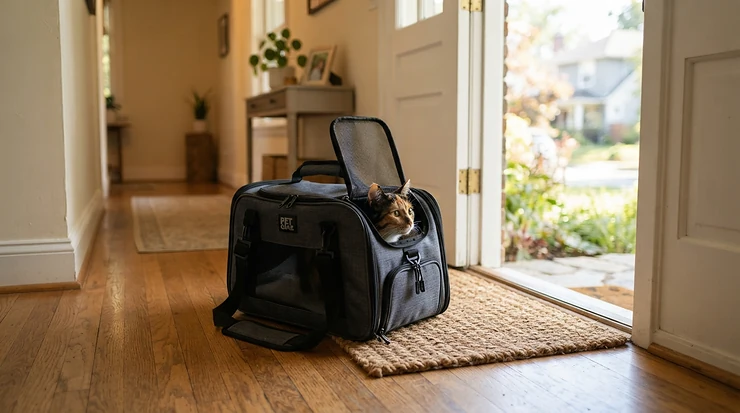
There’s a particular flavor of chaos that arrives the moment a kitten crosses your threshold for the first time — equal parts joy and mild panic, because suddenly you’re googling things like “is aloe vera toxic to cats” at 11 p.m. Getting the right cat supplies for kittens sorted before that moment isn’t about being extra. It’s about not spending your kitten’s first week improvising a litter box out of a shoebox.
Here’s the thing nobody tells first-time owners: kittens aren’t small cats. Their bodies, guts, and instincts are still under construction, which means the gear you buy has to match a body that’s changing weekly. A litter box that’s perfect for a 12-week-old will feel like a canyon to an 8-week-old. Food formulated for maintenance, not growth, can quietly shortchange a kitten’s development. This guide walks through seven real, research-backed products, why each one earns its spot, and how to think about kitten essentials as a system rather than a shopping spree. We’ll also cover the new kitten checklist basics, safety items you shouldn’t skip, and how to build a genuine kitten starter kit without wasting money on stuff your cat will ignore by month three.
As the Pet Food Institute explains, growing kittens need meaningfully different nutrient ratios than adult cats — which is exactly why “just grab whatever’s on sale” is the single most common new-owner mistake.
Quick Comparison Table
| Product | Category | Price Range | Best For |
|---|---|---|---|
| Royal Canin Kitten Dry Cat Food | Nutrition | $20-$45 | All-around growth support |
| IRIS USA Open-Top Litter Box | Litter setup | $20-$30 | Budget-friendly first box |
| Dr. Elsey’s Kitten Attract Litter | Litter | $17-$30 | Litter-training struggles |
| Catit PIXI Drinking Fountain | Hydration | $30-$45 | Encouraging water intake |
| KONG Kitten Teddy Bear | Enrichment | Under $10 | Play and hunting instinct |
| PetFusion Infinity Scratcher Lounge | Furniture protection | $45-$60 | Long-term scratching outlet |
| Lobeve 30-Piece Starter Kit | Bundle | $40-$60 | Fastest way to outfit a new home |
Looking at the spread above, the Royal Canin Kitten Dry Cat Food and Dr. Elsey’s Kitten Attract Litter are the two items I’d call genuinely non-negotiable — nutrition and litter-training success shape everything else. The Lobeve 30-Piece Starter Kit solves the “I need everything by Friday” problem, but it’s worth pairing with a specialist item like the Catit PIXI Fountain since bundled bowls rarely encourage the same water intake as circulating fountains. Budget-conscious owners can start with just the top three rows and build outward as they learn their kitten’s preferences.
💬 Found a combo that works for your setup? A quick share helps other new kitten parents skip the trial and error.
Top 7 Cat Supplies for Kittens: Expert Analysis
1. Royal Canin Kitten Dry Cat Food — protein-dense formula built for the first 12 months
Right out of the gate, this is the food most veterinary-adjacent retailers point new owners toward, and the formulation explains why.
With roughly 36% crude protein and 18% fat on an as-fed basis, the kibble is noticeably richer than adult maintenance formulas — kittens burn through calories at a pace that would exhaust a marathon runner, since they’re building bone, muscle, and organ tissue simultaneously. The kibble itself is also sized small and shaped to be easy on baby teeth, which matters more than it sounds like it should; a kitten that struggles to chew will often just walk away from the bowl. Based on the ingredient profile, this is a strong pick for owners who want a mainstream, widely-available formula rather than a boutique brand — it’s not going to wow anyone with novel proteins, but it hits the AAFCO growth benchmarks reliably.
Reviewers consistently report that even picky kittens take to the small kibble shape quickly, and multiple sources note it’s gentle on new kittens’ digestion during the stressful transition into a new home — fewer stool issues than some competing formulas.
Pros:
- ✅ Formulated specifically for under-12-month growth stage
- ✅ Small kibble shape suits developing teeth and jaws
- ✅ Widely available with consistent formulation batch to batch
Cons:
- ❌ Contains corn and maize gluten, a dealbreaker for grain-free households
- ❌ Pricier per pound than generic growth formulas
At around $20-$45 depending on bag size, it sits mid-pack — not the cheapest kitten food on the shelf, but the consistency justifies the premium for most first-time owners.
2. IRIS USA Open-Top Litter Box with Shield and Scoop — low-entry design built for tiny legs
This is the litter box equivalent of training wheels, and that’s a compliment.
At 19″L x 15″W x 11.8″H with a 15.3″ x 12″ x 11.6″ interior, the box gives a kitten real room to turn around and dig without the walls feeling like a fortress. What most buyers overlook about entry height is that it’s the single biggest factor in whether a young kitten actually uses the box consistently — a wall too tall for an 8-week-old kitten to climb is a wall they’ll avoid entirely, accident-prone consequences included. The scatter shield keeps litter contained without going full hooded-box, which matters because covered boxes can trap odor and make some kittens feel cornered during a nervous first few weeks.
Reviewers consistently praise the high sides for keeping litter off the floor, and the polished interior makes daily scooping noticeably less of a chore than textured budget boxes.
Pros:
- ✅ Low front entry ideal for kittens under 4 months
- ✅ High back walls contain litter scatter and spray
- ✅ Includes a matching scoop, no separate purchase needed
Cons:
- ❌ Some owners report the scoop itself feels flimsy
- ❌ Will need upgrading to a larger box as the kitten grows past 6 months
In the $20-$30 range, it’s an easy first-box recommendation — just budget for a second, larger box once your kitten hits the adolescent growth spurt around five to six months.
3. Dr. Elsey’s Precious Cat Kitten Attract Clumping Litter — the litter specifically engineered to solve training problems
Here’s what the spec sheet won’t tell you outright: most “litter box problems” in new kittens aren’t behavioral, they’re textural.
This is 100% bentonite clay ground to a kitten-specific granule size, which is gentler on paws that are still developing pad toughness, paired with a natural herbal attractant designed to pull curious kittens toward the box rather than a corner of the room. The clumping is genuinely hard, which matters practically — soft clumps break apart during scooping and leave residue that muddies the whole box, undermining the very training effect the litter is designed to create. Dr. Elsey’s recommends switching to their standard Cat Attract formula after a kitten’s first birthday, treating this specifically as a developmental-stage product rather than a lifetime litter.
Aggregated review sentiment is strikingly consistent: multiple reviewers describe rescue or feral kittens that had been avoiding the box entirely and started using it within minutes of a litter switch. That said, a smaller subset of reviewers dispute the “99% dust-free” marketing claim, reporting more visible dust during pours than advertised — worth factoring in for households with respiratory sensitivities.
Pros:
- ✅ Herbal attractant specifically targets litter-avoidant kittens
- ✅ Fine granule size is gentle on developing paw pads
- ✅ Hard clumping simplifies daily scooping
Cons:
- ❌ Costs more per pound than standard clay litter
- ❌ A minority of reviewers report more dust than advertised
At $17-$30 for a 20 lb bag, this earns its premium specifically as a training tool during the first year — not necessarily a lifetime commitment.
4. Catit PIXI Drinking Fountain — solves the hydration problem most new owners don’t know they have
Kittens transitioning from mostly-wet-food nursing to solid diets are frequently under-hydrated, and this is where a fountain earns its keep over a static bowl.
The 2L reservoir uses triple-action filtration to soften water and strip debris, while three separate drinking modes — a bubbling top, a spout stream, and a still pool in the base — let a kitten self-select the option that doesn’t spook them. Here’s what most product listings gloss over: cats are instinctively wary of still water near food sources (an evolutionary holdover from avoiding stagnant, contaminated water sources), so moving water genuinely does drive higher intake in a lot of households, not just as a gimmick. The auto-shutoff and low-water LED indicator are the kind of features that matter more once you’ve forgotten to check the reservoir for three days running.
Reviewers report an easy five-minute setup and note the pump runs quietly enough not to spook nervous kittens, though a subset flag that the pump can clog with fur if not cleaned on a regular schedule.
Pros:
- ✅ Three drinking modes accommodate different kitten preferences
- ✅ Triple-action filtration reduces odor and debris buildup
- ✅ Quiet pump design suited to skittish young cats
Cons:
- ❌ Requires regular filter replacement, an ongoing cost
- ❌ Pump can clog with hair without weekly cleaning
Priced roughly $30-$45 depending on color and finish, it’s a genuine upgrade over a static bowl rather than a novelty purchase — particularly for kittens who seem disinterested in drinking.
5. KONG Kitten Teddy Bear — a catnip-filled outlet for hunting instinct that doesn’t require your ankles
Every kitten needs something to attack that isn’t a hand, a foot, or the curtains, and this toy is purpose-built for that job.
Sized specifically for kitten paws and jaws, it’s filled with KONG’s North American catnip and built with a crinkle element that keeps triggering curiosity well after the initial novelty wears off for most toys. What most buyers overlook here is timing: kittens under about 3 months often show little to no response to catnip, since sensitivity is a genetic trait that typically doesn’t kick in until closer to 3-6 months — so if a very young kitten ignores it initially, that’s normal development, not a defective toy. It doubles as a kick-and-wrestle target thanks to its plush shape, satisfying the instinctual “disembowel the prey” play sequence that’s actually healthy predatory rehearsal, not aggression.
Reviewer sentiment is largely enthusiastic — multiple owners describe kittens carrying the toy around by the tail and guarding it from littermates — though a recurring complaint is that determined chewers can tear through the plush shell within a couple of weeks.
Pros:
- ✅ Kitten-appropriate size and catnip concentration
- ✅ Crinkle sound sustains interest longer than silent toys
- ✅ Plush shape supports both wrestling and cuddling play
Cons:
- ❌ Strong chewers may destroy it within weeks
- ❌ Younger kittens (under 3 months) may show no catnip response yet
At under $10, it’s low-risk enough to buy two or three in rotation — which, practically speaking, is how most multi-toy households end up using it anyway.
6. PetFusion Ultimate Reversible Infinity Cat Scratcher Lounge & Bed — furniture insurance that doubles as a nap spot
Scratching isn’t a behavior problem to correct; it’s a physical need to redirect, and this product is built around that reality.
The reversible corrugated cardboard lounge gives a kitten a horizontal scratching surface — which, contrary to a lot of marketing around vertical posts, is actually what many cats instinctively prefer, since horizontal scratching lets them use full body weight to stretch and mark. On paper, the dual-sided design means you get roughly double the usable life before replacement, since you can flip it once one side wears down. What the spec sheet doesn’t capture is the multipurpose value: it functions as a genuine napping spot, which means kittens tend to spend idle time on it rather than on your couch arm, reinforcing the habit through simple proximity rather than active training.
Aggregated review sentiment is strongly positive on durability for the price point, with reviewers specifically calling out that it holds up well against sustained multi-cat use, though a few note the cardboard shreds visibly over months of heavy use — which is, notably, the entire point of the product.
Pros:
- ✅ Reversible design roughly doubles usable lifespan
- ✅ Encourages natural horizontal scratching posture
- ✅ Doubles as a lounging and napping surface
Cons:
- ❌ Cardboard shredding is cosmetically messy over time
- ❌ Not a substitute for a tall vertical post some cats prefer
Running $45-$60, it’s a mid-tier investment that pays for itself the first time it saves an armchair — genuinely one of the better value/durability trade-offs in this list.
7. Lobeve 30-Piece Kitten Supplies Starter Kit — the fastest way to go from empty apartment to kitten-ready
For owners who found out about the new kitten this weekend, this bundle is the practical answer to “I need everything, right now.”
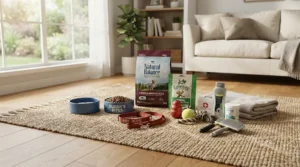
The 30-piece set covers the basics in one purchase — litter box, litter mat, bed, steel bowls, grooming brush, ten toys, a carrier, collar, leash, and a scratch pad — which sidesteps the decision fatigue of sourcing each item individually during an already chaotic week. Here’s what to weigh honestly: bundle components are rarely best-in-class individually. The bowls, toys, and carrier are functional rather than premium, and most experienced owners eventually swap out individual pieces (the litter box especially) for more specialized versions as they learn their kitten’s preferences. Where it genuinely shines is as day-one triage — everything a kitten needs is present and safe, even if not optimized.
Because bundled listings rarely carry deep independent review histories the way single-category products do, the more honest framing is this: buyers consistently confirm all listed pieces arrive as described and function adequately, though in-depth long-term durability data specifically on the bundled components is thinner than for standalone kitten essentials.
Pros:
- ✅ Covers virtually every immediate kitten need in one order
- ✅ Color-matched components look cohesive, not thrown together
- ✅ Includes travel gear (carrier, harness) not always bundled elsewhere
Cons:
- ❌ Individual components are functional, not premium quality
- ❌ Some pieces (litter box, bowls) will likely need upgrading within months
At $40-$60, it’s genuinely one of the better value plays for a true emergency setup — just plan to replace the highest-use items (litter box, bowls) first.
Benefits vs. Buying Everything Piecemeal
| Approach | Setup Speed | Cost Efficiency | Long-Term Fit |
|---|---|---|---|
| Starter Kit Bundle | Fastest (one order) | Best short-term value | Moderate — expect upgrades |
| Piecemeal / Specialist Picks | Slower (multiple orders) | Higher upfront cost | Best long-term fit per item |
| Hybrid Approach | Moderate | Balanced | Strongest overall |
The clearest takeaway from the table is that a hybrid approach beats either extreme: start with something like the Lobeve 30-Piece Starter Kit for immediate coverage, then replace the litter box and bowls with specialist picks like the IRIS USA Open-Top Litter Box and Catit PIXI Fountain within the first month or two. Pure piecemeal shopping gets you better individual products but delays the moment your kitten actually has a safe, functional space — a real cost when a kitten is arriving within days.
New Kitten Checklist: Practical Usage Guide
Getting the gear is step one; setting it up correctly during the first 30 days is where most of the actual difference gets made.
Week 1 — Establish the basics. Place the litter box in a quiet, low-traffic spot away from food and water; kittens (like most cats) won’t reliably use a box that feels exposed or is too close to where they eat. Introduce the Dr. Elsey’s Kitten Attract Litter immediately rather than switching later — training litter works best before bad habits form, not after. Keep food and the Catit PIXI Fountain in a separate area from the litter box entirely.
Week 2-3 — Build routine. Feed on a consistent schedule rather than free-feeding; this makes litter box timing far more predictable for young kittens still learning bladder and bowel control. Rotate in the KONG Kitten Teddy Bear during structured 10-15 minute play sessions rather than leaving toys out constantly — novelty sustains interest better than permanent access.
Week 4 and beyond — Optimize, don’t overhaul. By this point you’ll know if your kitten strongly prefers horizontal scratching (the PetFusion Infinity Lounge) or vertical posts, whether the litter box location is actually working, and whether the fountain gets meaningfully more use than a bowl did. This is the point to upgrade starter-kit components rather than the first week, when you’re still learning your kitten’s actual preferences.
A common first-30-days mistake: changing multiple variables at once — new food, new litter, and a new box location simultaneously — makes it impossible to diagnose which change caused a setback if the kitten starts having accidents.
Kitten Essentials for Developmental Needs
Kitten gear isn’t one-size-fits-all across the first year, because the kitten itself is changing weekly.
According to Dr. Bruce Kornreich, associate director of Cornell Feline Health Center, young kittens are especially prone to injury from everyday household hazards like dangling cords — a reminder that developmental-stage gear isn’t only about food and litter, it’s about matching the whole environment to a kitten’s size and curiosity level. Nutritionally, a peer-reviewed macronutrient analysis published via the National Institutes of Health’s PMC database found that commercially available AAFCO-compliant kitten diets vary meaningfully in crude protein and fat content even among products marketed similarly — reinforcing why checking the actual guaranteed analysis on a bag, not just the “kitten formula” label, genuinely matters.
Physically, litter box height, food bowl depth, and even toy size all need reassessment somewhere around the four-to-six-month mark, when most kittens hit a rapid growth spurt. A box sized right for an 8-week-old kitten often becomes genuinely too small by month five — which is exactly why treating “kitten supplies” as a single static purchase, rather than a stage-appropriate rotation, tends to backfire by month three.
Safety Items: What New Owners Consistently Miss
Beyond the fun stuff, a handful of safety items rarely make the highlight reel but matter enormously.
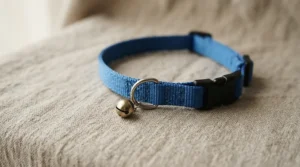
VCA Animal Hospitals recommends securing window screens, storing cleaning supplies out of paw’s reach, and double-checking washers and dryers before every use — a kitten curling up in a warm, dark drum is a genuinely common and genuinely dangerous scenario. Beyond that, a breakaway collar (one that pops open under pressure) is non-negotiable over a standard collar, since a fixed collar risks strangulation if it snags on furniture during play. Nail clippers sized for tiny claws prevent the over-trimming that happens with adult-sized tools, and keeping the ASPCA Animal Poison Control number saved in your phone before day one — not after an incident — is the kind of five-minute task that’s easy to skip and genuinely important not to.
How to Choose Cat Supplies for Kittens
- Match gear to current size, not eventual size. A litter box or bed that’s “room to grow into” often just goes unused because it doesn’t feel safe or scaled correctly to a small kitten.
- Prioritize nutrition and litter before toys. These two categories directly shape health outcomes and long-term behavior; toys are important but secondary.
- Check the AAFCO life-stage statement on food, not just marketing language like “kitten formula” on the front of the bag.
- Budget for a mid-growth upgrade. Plan to replace the litter box and possibly the carrier around month five or six as the kitten’s size changes.
- Choose training-specific litter early, not as a fix after problems start — it’s far more effective proactively.
- Don’t skip safety items for aesthetic ones; a breakaway collar matters more than a matching bed.
- Test enrichment in rotation, not all at once — kittens engage more with novelty than with volume.
Growth Support: Common Mistakes When Buying Kitten Supplies
The most frequent misstep is buying adult-formulated food because “it was on sale” — a genuine risk to growth given how different the nutrient density requirements are. A close second is skipping training litter, assuming any clumping litter will do; the granule size and texture genuinely affect a young kitten’s willingness to use the box. Owners also commonly buy a single large litter box meant to “last years,” which often backfires early because the entry height is wrong for a small kitten. Finally, over-toying is real — a mountain of toys purchased on day one tends to get ignored in favor of whatever’s introduced fresh each week.
Kitten Supplies for Multi-Cat and Small-Space Households
If you’re adding a kitten to a household with existing cats, a second litter box is essential — the general guideline is one box per cat plus one extra, since resident cats can be territorial about litter access with a newcomer. In small apartments, the PetFusion Infinity Lounge is a particularly strong pick since it functions as scratching outlet, bed, and vertical-adjacent enrichment in one footprint, rather than needing separate furniture pieces. For studio living, the Catit PIXI Fountain‘s compact 2L reservoir footprint outperforms bulkier fountain designs without sacrificing the hydration benefit.
Long-Term Cost & Maintenance
Ongoing costs matter more than the initial purchase price for most of these categories. Litter is a recurring cost regardless of brand — a 20 lb bag of the Dr. Elsey’s Kitten Attract Litter typically lasts a single kitten several weeks, making the per-month cost fairly modest despite the higher per-bag price than generic litter. The Catit PIXI Fountain carries an ongoing filter-replacement cost roughly every 30 days, which adds up over a year but remains modest compared to potential vet costs tied to chronic under-hydration. Food is the largest recurring line item by far; budgeting by cost-per-pound rather than sticker price on the bag gives a clearer long-term picture, and Royal Canin’s mid-tier pricing reflects a reasonable middle ground between budget grocery-store formulas and boutique premium brands.

Frequently Asked Questions
❓ What supplies do I really need for a new kitten?
❓ How many litter boxes does one kitten need?
❓ When should I switch from kitten food to adult cat food?
❓ Do kittens actually need a water fountain, or is a bowl enough?
❓ What's the best starter kit for a first-time kitten owner?
Conclusion
Building out cat supplies for kittens doesn’t have to mean buying one of everything on the internet. The core that actually moves the needle is narrow: growth-appropriate food, a litter setup sized and textured for a small kitten, enough hydration support to build good habits early, and a handful of safety basics most new owners genuinely don’t think to research until something goes wrong. Everything else — the toys, the lounges, the extras — is where you get to have fun tailoring the kit to your specific kitten’s personality once the fundamentals are locked in. Start with the essentials, watch how your kitten actually uses what you’ve bought, and build outward from there rather than trying to guess everything correctly on day one.
Recommended for You
- Cat Supplies For Senior Cats: 7 Must-Haves That Really Help (2026)
- Cat Supplies For Maine Coon: 7 Genius Picks For 2026
- Sisal vs Cardboard Cat Scratcher: 7 Picks That Actually Work (2026)
Disclaimer: This article contains affiliate links. As an Amazon Associate, I earn from qualifying purchases. If you purchase products through these links, we may earn a small commission at no additional cost to you.
✨ Found this helpful? Share it with your friends! 💬🤗
