
Table of Contents
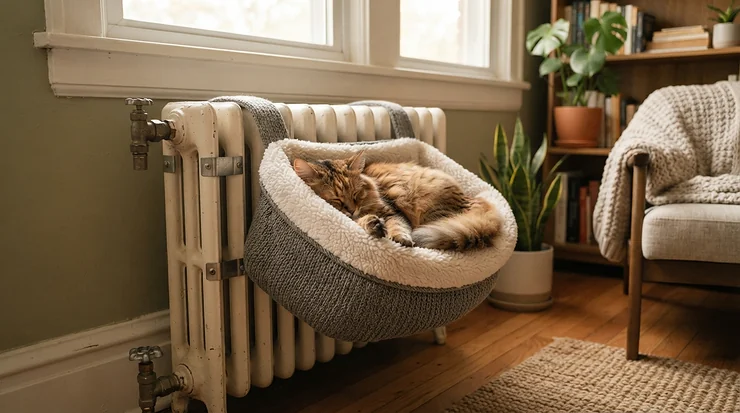
Cat supplies for small apartments have to do double duty. They can’t just be cute — they have to survive a 700-square-foot floor plan, a landlord who counts every scuff mark, and a cat who is, frankly, unimpressed by your budget constraints. Cat supplies for small apartments are any litter boxes, scratchers, trees, and perches engineered to give a cat full enrichment while occupying a fraction of the floor space traditional pet furniture demands. That’s the whole game: same enrichment, tiny footprint.
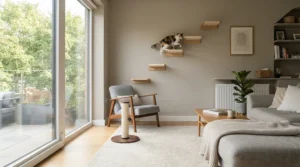
If you’ve ever tripped over a cat tree at 2 a.m. in a studio apartment, you already know why this matters. The average American apartment has been hovering around 900 square feet nationally, and that number drops well below 700 in cities like Seattle or Manhattan, according to a RentCafe analysis showing the average apartment size climbing to 908 square feet nationally in 2024, with the smallest units clustered in cities like Seattle, Portland, and Queens. Meanwhile, more of us than ever are renting with pets — roughly 72% of renters currently have pets, and difficulty finding or keeping pet-friendly housing is a leading reason cats and dogs end up surrendered to shelters. Translation: a lot of us are trying to make cats and cramped apartments coexist peacefully, and the furniture industry is finally catching up.
This guide walks through seven real, currently available products, how they stack up against each other, and — more usefully — how to actually think about outfitting a small space so your cat gets everything it needs without your living room disappearing under carpeted towers. We’ll cover vertical solutions, multi-functional furniture, and the specific mistakes that turn a “space-saving” purchase into a returned Amazon box.
Quick Comparison: Cat Supplies for Small Apartments at a Glance
| Product | Category | Footprint | Best For |
|---|---|---|---|
| Feandrea 44.1-Inch Cat Tower | Cat tree | 17.7″L x 13.8″W | Studios, single cats |
| IRIS USA Open Top Litter Box | Litter box | 19″L x 15″W | Tightest bathroom corners |
| K&H EZ Mount Window Perch | Window perch | Zero floor space | Sunny windows, any budget |
| Canormpet Wall Shelf Set | Wall-mounted | Zero floor space | Renters wanting modular climbing |
| Lifewit Litter Box Enclosure | Litter furniture | 31.5″L x 17.7″W | Hiding litter in living areas |
| Feandrea 56.3-Inch Cat Tower | Cat tree | Corner-friendly | Multi-cat apartments |
| PETSITE Litter Box Cabinet | Litter furniture | 35.5″L x 20″W | Two-cat households |
Looking at this lineup, the pattern is obvious once you see it laid out: the smallest footprints belong to wall-mounted and window-mounted pieces, since they use zero floor space by definition, while the litter furniture pieces trade a bit more square footage for the ability to double as end tables. If your apartment is under 500 square feet, lean toward the K&H EZ Mount Window Perch and Canormpet Wall Shelf Set first — they’re the only two items here that don’t touch your floor at all.
💬 Just one click — help others make better buying decisions too!😊
Top 7 Cat Supplies for Small Apartments: Expert Analysis
1. Feandrea 44.1-Inch Cat Tower — smallest floor footprint in its category
At 17.7 inches by 13.8 inches, the Feandrea 44.1-Inch Cat Tower takes up roughly the same amount of floor space as a kitchen trash can, which is exactly why it shows up on so many small-apartment shortlists. Model UPCT261W01 packs four sisal scratching posts, two perches, a hammock, and a cave into that narrow footprint, using height instead of width to deliver climbing territory.
Based on the spec comparison against other entry-level trees, the 44.1-inch height is the sweet spot for studio ceilings — tall enough to feel like real vertical territory, short enough that it won’t dominate a room with 8-foot ceilings. This is squarely a beginner-to-intermediate pick: single-cat households in studios or one-bedrooms who want a first cat tree without committing a whole corner to it.
Reviewers consistently note that assembly takes under 30 minutes and that the plush covering sheds less than older Feandrea models, though a few mention the top perch feels snug for cats over 12 pounds. What most buyers overlook about this model is that its narrow base means it needs to go against a wall or in a corner — freestanding in the middle of a room, it can feel tippy with an enthusiastic climber. Expect this one to land in the budget tier, generally under $50, which makes it one of the more approachable entries here.
Pros:
- ✅ Smallest floor footprint of any tree in this roundup
- ✅ Full climbing, scratching, and hiding functions in one unit
- ✅ Quick assembly with labeled hardware
Cons:
- ❌ Top perch is tight for cats over 12 lbs
- ❌ Needs wall or corner placement for full stability
Price range: generally under $50. For a first cat tree in a tight studio, the value case is strong — you’re getting four functions (scratch, climb, hide, perch) for less than most single-purpose scratchers cost.
2. IRIS USA Open Top Litter Box — smallest litter box that still contains mess
Traditional litter boxes force an ugly choice in small apartments: go big and lose floor space, or go small and deal with tracked litter everywhere. The IRIS USA Open Top Litter Box splits the difference at 19 inches by 15 inches — genuinely compact — while its three-sided scatter shield keeps kicked litter from migrating across your bathroom tile.
Here’s what to weigh: the shield adds height on three sides without a lid, so cats get the mess-containment of a hooded box without the trapped-odor complaint that comes with fully enclosed designs. This is a strong fit for anyone whose “litter room” is actually a bathroom corner or a closet shelf, since the smooth polished interior and recessed feet let it tuck into oddly shaped spaces other boxes can’t use.
Reviewers consistently mention the box holding up over years of daily use, and the scoop-and-shield combo arriving together is a small but appreciated detail for first-time buyers furnishing an apartment from scratch. The main trade-off: this is a single-cat, single-box solution, and if you’re apartment-sharing with a roommate’s cat too, you’ll need a second one.
Pros:
- ✅ Compact 19″x15″ footprint fits tight bathroom corners
- ✅ Scatter shield contains mess without a fully enclosed lid
- ✅ Made in the USA with BPA-free, easy-clean plastic
Cons:
- ❌ No odor-sealing lid for multi-day skipped cleanings
- ❌ Shield height may be tight for larger breeds jumping in
Price range: generally under $20, making it the most budget-friendly entry on this list and an easy first purchase for anyone setting up a first apartment.
3. K&H Pet Products EZ Mount Window Perch — zero-footprint sunbathing spot
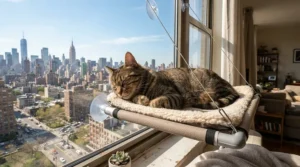
If square footage is truly your limiting factor, nothing on this list beats a window perch for pure math: the K&H Pet Products EZ Mount Window Perch takes up exactly zero square feet of your floor. It suction-mounts directly to any glass window at least 27 inches wide, using industrial-strength cups rated to hold 50 pounds.
What the spec sheet won’t tell you, but reviewers note, is how much apartment cats specifically gravitate toward this kind of perch — for a cat whose entire outdoor exposure is a fourth-floor window, a suspended, sun-warmed hammock at eye level with the street is genuinely enriching in a way floor-bound furniture can’t replicate. The washable “Amazin’ Kitty Pad” helps with the hair-and-dander cleanup that comes standard with any cat furniture.
On paper this means you get a full resting-and-observation station without giving up an inch of walkable space, which matters enormously in a studio where every square foot is already spoken for. The catch is real, though: this only works on unobstructed, non-textured glass, and it’s not the right call for elderly or very heavy cats climbing in and out.
Pros:
- ✅ Genuinely zero floor-space footprint
- ✅ Holds up to 50 lbs on industrial suction cups
- ✅ Washable pad for easy hair and dander cleanup
Cons:
- ❌ Requires unobstructed, smooth glass — won’t work on textured panes
- ❌ Suction needs monthly cleaning to hold reliably
Price range: generally in the $30-$40 range, positioning it as an affordable, high-value pick for anyone with a decent-sized, unobstructed window.
4. Canormpet Cat Wall Shelves and Furniture Set — most modular vertical system
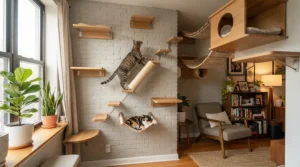
Where the window perch gives you one spot, the Canormpet Cat Wall Shelves and Furniture Set gives you an entire modular climbing route up a single wall. This 13-level pine wood system (model C100) lets you configure sisal-wrapped shelves in whatever staggered pattern suits your wall and your cat’s jumping ability, which is a genuinely different value proposition than a fixed-shape cat tree.
Based on the spec comparison, the appeal here is customization: you’re not locked into a manufacturer’s idea of where perches should sit, so you can route the climb around windows, artwork, or awkward wall angles that a boxed tree would collide with. Reviewers consistently describe the shelves as sturdy once mounted, though several mention that installation is more involved than a floor tree — you’re driving into studs or using appropriate wall anchors, which matters if you’re renting and need patchable holes.
What most buyers overlook is that a wall shelf system like this actually tends to get used more than boxed cat trees, because cats specifically favor high vantage points, and a well-placed staggered shelf run up near the ceiling gives them the highest perch in the room without a single square inch of floor space lost.
Pros:
- ✅ Fully modular — configure the climbing path to fit your wall
- ✅ Zero floor footprint once mounted
- ✅ Solid pine wood construction rated for repeated jumping
Cons:
- ❌ Installation requires drilling into wall studs
- ❌ Not ideal for renters who can’t patch or drill
Price range: mid-range, typically in the $60-$90 range for the full multi-piece set. For anyone with drilling permission (or a very understanding landlord), this delivers more usable vertical territory per dollar than most boxed trees.
5. Lifewit Litter Box Enclosure — best litter box disguised as furniture
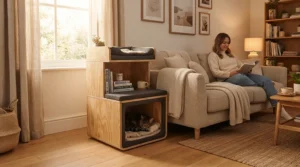
The Lifewit Litter Box Enclosure solves a problem that’s specific to small apartments: you often don’t have a spare room to hide the litter box in, so it has to live somewhere you can see it — which means it needs to look like furniture, not a litter box. At 31.5 inches long, this wooden cabinet has a double-door front that conceals a standard litter box while the top surface functions as an actual side table or console, and the middle open shelving holds litter, scoops, or anything else you’d normally have sitting out.
Here’s what to weigh: the scratching pad built into the entrance does double duty, cutting down on tracked litter while giving your cat one more scratch surface, which matters if floor space means you can’t fit a dedicated scratcher elsewhere. Reviewers consistently report that the three rear air vents genuinely help with odor compared to fully sealed enclosures, though a few note that a large litter box can be a tight fit — measure your existing box before ordering.
What the spec sheet won’t tell you is how much this changes the psychology of a shared studio: guests genuinely don’t clock it as a litter box, which matters if you’re self-conscious about pet supplies being visible in your one and only living space.
Pros:
- ✅ Doubles as a functional side table or console
- ✅ Middle open shelving adds real storage, not just concealment
- ✅ Rear ventilation genuinely reduces odor buildup
Cons:
- ❌ Interior may be snug for jumbo-sized litter boxes
- ❌ Assembly is more involved than a standalone box
Price range: mid-range, generally in the $50-$70 zone. For anyone whose litter box currently sits in plain view in a studio, this is close to a straight upgrade in perceived home aesthetics.
6. Feandrea 56.3-Inch Modern Cat Tower — best corner-friendly tower for multi-cat apartments
Stepping up in scale, the Feandrea 56.3-Inch Modern Cat Tower (model UPCT164G01) is built for apartments with more than one cat but still not much square footage to spare. Its multi-level plush condo design, sisal scratching posts, hammock, and washable cushion cover mean two cats can use different levels simultaneously without constant territorial disputes over a single perch — something a smaller single-column tree can’t offer.
Based on the spec comparison, the 56.3-inch height splits the difference between the compact 44.1-inch model and the towering 75+ inch trees meant for houses: tall enough for genuine multi-cat vertical territory, short enough to still tuck into a corner of a one-bedroom without eating the room. Reviewers consistently note the washable cushion cover as a standout feature versus older Feandrea trees, since apartment living with multiple cats means more frequent cleanup.
What most buyers overlook is that corner placement isn’t just about aesthetics here — it actually improves stability, since two walls brace the tree against the lateral force of a cat leaping between levels. If you’re managing two cats in under 800 square feet, this is one of the more efficient uses of vertical space you’ll find at this price point.
Pros:
- ✅ Multiple simultaneous perches reduce two-cat territorial conflict
- ✅ Washable cushion covers simplify multi-cat cleanup
- ✅ Corner placement adds real structural stability
Cons:
- ❌ Still requires a genuine floor footprint, unlike wall options
- ❌ Taller profile may not suit very low ceilings
Price range: mid-range, typically $60-$75. For two-cat households, the cost-per-cat is actually lower than buying two separate compact trees.
7. PETSITE Cat Litter Box Enclosure with Divider — best premium 3-in-1 solution
The PETSITE Cat Litter Box Enclosure with Divider is the premium pick here because it solves three separate small-apartment problems in a single 35.5-inch cabinet: hiding the litter box, adding real furniture function as a coffee table or side cabinet, and — thanks to the removable divider — either housing two litter boxes for a multi-cat household or pairing one box with a cozy cat bed.
Made from waterproof, scratch-resistant MDF with four solid metal legs, this is built to handle the heavier daily wear of an apartment where the litter cabinet might also serve as an actual side table people set drinks on. What the spec sheet won’t tell you, but the scratching board built into the design suggests, is that PETSITE clearly designed this around real apartment behavior — a coffee table people use, not a purely decorative litter hider.
Reviewers consistently praise the magnetic double doors for easy daily cleaning access, and the 192-lb tabletop weight rating means it can actually hold a lamp or plant without flexing. On paper, this means a two-cat apartment household can consolidate litter, storage, and a side table into one purchase instead of three separate pieces of furniture competing for the same square footage.
Pros:
- ✅ Removable divider adapts to one or two litter boxes
- ✅ 192-lb-rated tabletop functions as genuine furniture
- ✅ Magnetic doors simplify daily litter maintenance
Cons:
- ❌ Highest price point of the litter furniture options here
- ❌ Larger footprint than single-box enclosures
Price range: this sits in the premium tier, generally $80-$100+. For two-cat apartments specifically, consolidating into one multi-function cabinet often works out cheaper than buying separate furniture pieces.
Benefits vs. Traditional Cat Furniture
| Factor | Space-Saving Picks | Traditional Cat Furniture |
|---|---|---|
| Floor footprint | Minimal to zero | 24″-36″+ base typical |
| Aesthetic blending | Often doubles as furniture | Usually standalone, visible |
| Multi-cat scalability | Vertical stacking, dividers | Requires duplicate large pieces |
| Renter-friendliness | Mostly no-drill options available | N/A, floor-based |
The table above makes the core trade-off obvious: traditional cat trees and litter boxes were designed assuming you have a spare room or a dedicated “pet corner,” an assumption that simply doesn’t hold in a studio or one-bedroom. Space-saving alternatives sacrifice a bit of raw size — a 44-inch tree won’t out-climb a 7-foot house tree — in exchange for footprint efficiency and, in several cases here, genuine furniture-grade dual function. For renters specifically, the no-drill options (window perches, litter furniture, freestanding compact trees) carry an additional advantage traditional furniture doesn’t need to worry about: zero risk to a security deposit.
Practical Usage Guide: Setting Up Cat Supplies in a Small Apartment
Getting the pieces is only half the job — placement determines whether they actually get used. Start with your windows: any south- or west-facing window gets first priority for a perch, since sun exposure is what makes these spots genuinely appealing rather than just tolerated. Mount wall shelves in a staggered, ascending pattern rather than a straight vertical line — cats navigate diagonal jumps more naturally than pure verticals, and a staggered run also reads as less visually bulky on a wall. For litter placement, resist the instinct to wedge the box into the tightest possible corner; cats want at least two escape routes from a litter area, so pull any enclosure a few inches from the wall rather than jamming it into a dead-end nook.
In the first 30 days, expect some furniture rejection — cats often ignore a new tree or shelf for the first week while they assess it, which isn’t a sign you bought the wrong thing. Rubbing a little catnip on scratching posts and placing treats on upper perches speeds up adoption. The most common first-month mistake is placing every new piece at once and overwhelming a cat’s routine; stagger installation by a few days per item if you’re outfitting an entire apartment from scratch. For maintenance, wipe down suction cups on window perches monthly, vacuum plush cat tree fabric weekly to control shedding, and check wall-shelf anchors quarterly for any loosening from repeated jump impact — a loose shelf is both a safety risk and the fastest way to make a cat distrust the whole system.
Real-World Scenarios: Matching Supplies to Your Apartment
Consider three common situations. A studio-apartment renter with one cat and a strict no-drill lease clause is best served by the Feandrea 44.1-Inch Cat Tower paired with the K&H EZ Mount Window Perch — together they cover climbing, scratching, and sunbathing without a single hole in the wall, for well under $100 combined. A two-cat household in a one-bedroom with drilling permission gets more value from the Canormpet Wall Shelf Set run alongside the Feandrea 56.3-Inch Cat Tower, since the wall shelves add high-traffic vertical territory the floor tree alone can’t provide for two cats sharing space. A cat parent in a studio who’s self-conscious about visible litter supplies — say, hosting friends regularly in a 500-square-foot space — is the ideal match for the Lifewit Litter Box Enclosure or, for two cats, the PETSITE Cat Litter Box Enclosure with Divider, since both convert a utilitarian necessity into something that reads as intentional furniture.
How to Choose Cat Supplies for Small Apartments
- Measure before you shop. Know your available wall run and floor footprint in inches, not “eyeballed” estimates — a few inches is the difference between a tree fitting a corner or blocking a doorway.
- Prioritize zero-footprint pieces first. Window perches and wall shelves cost you nothing in floor space, so they’re the highest-value additions in genuinely tiny apartments.
- Check your lease for drilling restrictions. Wall-mounted systems need stud anchors; if drilling isn’t allowed, freestanding trees and suction-mounted perches are your realistic options.
- Match furniture count to cat count. One cat rarely needs more than one climbing structure and one litter box; two cats benefit more from multiple smaller perches than one giant tower.
- Weigh furniture doubling as decor. In a studio where everything is visible, litter furniture that reads as a side table pays off in ways it wouldn’t in a house with a spare room.
- Read the assembly requirements. Some pieces take 20 minutes; others require two people and a full afternoon — factor this into which weekend you actually buy.
- Confirm weight ratings for your cat. A 12-lb Maine Coon needs sturdier perches and wider shelves than a 7-lb domestic shorthair; don’t assume every “compact” product scales down proportionally in load capacity.
Common Mistakes When Buying Cat Furniture for Apartments
The single most common error is buying based on floor plan photos rather than actual measurements — a cat tree that looks proportionate in a marketing photo can dominate a real 10×10 room. A close second is assuming “compact” and “small cat” are the same thing; a compact-footprint tree can still support a large cat, and vice versa, so always check the weight rating separately from the dimensions. Buyers also frequently skip checking their lease’s pet-furniture and wall-modification clauses before ordering a wall-mounted system, then discover mid-install that drilling isn’t permitted. Finally, many apartment dwellers underestimate litter box placement needs, jamming a box into a genuine dead-end corner — the Cornell Feline Health Center specifically flags “dead ends” as a major cause of house-soiling, since a cat mid-use who can’t see an approaching second cat or a swinging door is in a high-stress position.
Long-Term Cost and Maintenance of Small-Apartment Cat Furniture
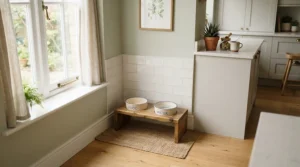
Cost-per-use favors multi-functional pieces over single-purpose ones once you look past the sticker price. A litter enclosure that also functions as a side table effectively replaces two furniture purchases, which matters when apartment budgets are already stretched thin by rent. Wall-mounted shelf systems have the lowest long-term maintenance cost of anything on this list — no cushion replacement, no fabric wear, just periodic anchor checks — while plush-covered cat trees will eventually need replacement covers or a full swap after a few years of daily scratching and shedding. Litter furniture requires the most ongoing attention: air vents need periodic wiping to prevent odor buildup, and hinges on daily-use doors are the first component likely to need tightening or replacement.
Multi-Functional Cat Supplies for Renters
Renters specifically benefit from products engineered around reversibility. Suction-mounted window perches, freestanding compact trees, and furniture-style litter enclosures all share one trait: they leave zero permanent trace on the unit when you move out, which matters enormously for security deposits. Wall-mounted shelf systems are the one category here that requires real commitment — anchors into studs mean patchable but real holes — so weigh that against your lease term. If you’re on a short-term lease or expect to move within a year, the K&H EZ Mount Window Perch, both litter box options, and the freestanding Feandrea trees are the lower-risk choices; save wall-mounted systems for a longer-term lease where the investment in drilling makes more sense.
Safety and Lease Compliance Guide
Before mounting anything to a wall, confirm two things with your lease: whether wall modifications are permitted at all, and whether there’s a security deposit clause specifically covering drilled holes versus normal wear and tear. For suction-cup window products, regularly verify the glass surface is smooth and unobstructed — textured or leaded glass voids the suction guarantee on most models, including the K&H EZ Mount Window Perch. Multi-cat households should follow the standard litter box math: experts generally recommend one litter box per cat plus one extra, since this reduces territorial competition and gives each cat a personal, low-stress space — a rule that gets harder, not easier, to satisfy in small apartments, which is exactly why the divided and multi-box furniture options on this list matter for two-cat households specifically.
Frequently Asked Questions
❓ Do cats really need floor space, or is vertical space enough?
❓ Can I use a cat tree in a studio apartment without it dominating the room?
❓ How many litter boxes do I need in a one-bedroom apartment with two cats?
❓ Are suction-cup window perches safe for heavier cats?
❓ Will wall-mounted cat shelves damage my rental's walls?
Conclusion
Outfitting a small apartment for a cat isn’t about finding miniature versions of house-sized furniture — it’s about rethinking which dimension actually matters. Floor space is the scarce resource; vertical and wall space usually isn’t. That’s why the strongest picks in this guide, from the K&H EZ Mount Window Perch to the Canormpet Wall Shelf Set, spend zero square feet of your actual living area while still giving your cat genuine climbing, scratching, and observation territory. For litter, the smartest apartment move is picking furniture that does a second job — the Lifewit and PETSITE enclosures both function as real side tables, which matters when every visible surface in a studio is, by definition, on display. Start with an honest measurement of your space and your lease’s restrictions, match the piece count to your actual cat count, and resist the urge to buy the biggest tree in the catalog just because it photographs well. A cat in 500 square feet with the right vertical setup is often more enriched than a cat in a house with one neglected tree in the corner.
Recommended for You
- Cat Supplies For Kittens: 7 Must-Have Picks For 2026
- Cat Supplies For Senior Cats: 7 Must-Haves That Really Help (2026)
- Cat Supplies For Maine Coon: 7 Genius Picks For 2026
Disclaimer: This article contains affiliate links. As an Amazon Associate, I earn from qualifying purchases. If you purchase products through these links, we may earn a small commission at no additional cost to you.
✨ Found this helpful? Share it with your friends! 💬🤗
