
Table of Contents
When you notice your feline friend hasn’t used the litter box in a while, it’s natural to wonder: how long can a cat go without pooping? This question keeps many cat parents awake at night, especially when they’re scooping less and less from the litter box. Understanding your cat’s bathroom schedule isn’t just about cleanliness—it’s about recognizing potential health issues before they become serious problems.
✨Was this helpful? Spread the word! 🚀
Most healthy adult cats should poop every 12 to 36 hours, but there’s some wiggle room in this timeline. Veterinarians note that an adult cat can sometimes go about 48 hours (two days) without pooping and be okay, as long as they are eating, drinking, and behaving normally. However, when cats haven’t pooped in over 72 hours, or when they’re showing signs of distress, it’s time to take action.
The reality is that how often do cats poop and pee varies significantly between individual cats, their diet, age, and overall health. While some cats are bathroom regulars who visit their litter box like clockwork, others might be more sporadic in their habits. The key is knowing what’s normal for your cat and recognizing when something’s off.
Understanding Normal Cat Bowel Movements 🐱
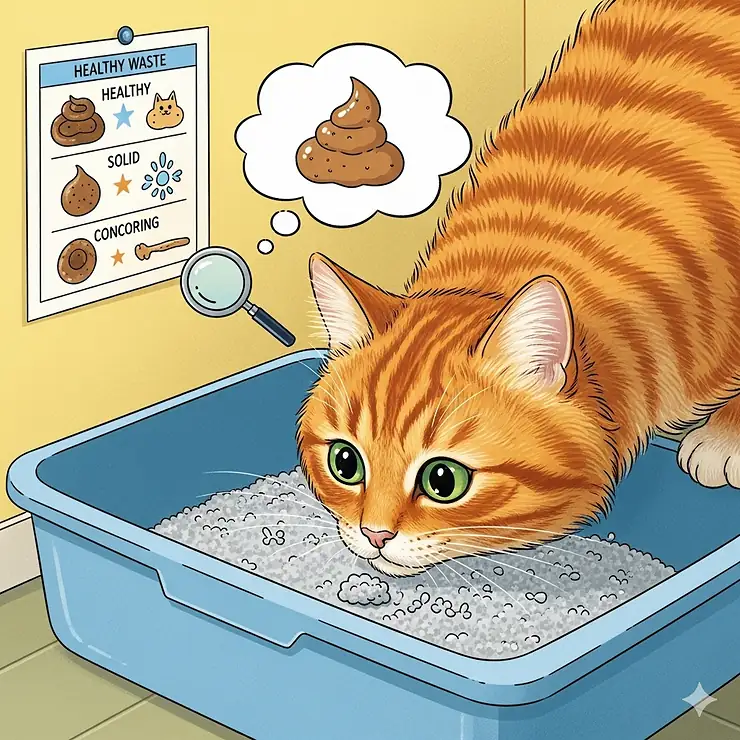
Before we dive into the concerning territory of why is my cat constipated, let’s establish what healthy feline bathroom habits look like. Most cats defecate once or twice a day, creating well-formed, moist stools that have a rich brown color. The perfect cat poop should be firm enough that litter sticks to it, but not so hard that your cat strains during elimination.
Interestingly, how often do cats poop and pee depends on several factors:
✅ Age factors: Kittens typically poop 2-4 times daily, while adult cats usually go once or twice per day
✅ Diet composition: Wet food eaters often have more frequent, smaller movements compared to dry food consumers
✅ Activity levels: Active cats tend to have better digestive motility than sedentary ones
✅ Individual metabolism: Some cats naturally process food faster than others
The texture and appearance of your cat’s stool tells a story about their digestive health. Healthy cat poop should be:
- Well-formed and log-shaped
- Rich brown in color
- Moist enough for litter to stick
- Free from excessive mucus or blood
- Produced without excessive straining or vocalization
When cats start producing hard, dry, crumbly stools or when the frequency drops significantly, these are early warning signs that intervention might be necessary.
The 48-72 Hour Rule: When to Worry 🚨
If your cat hasn’t had a bowel movement in over 3 days, is frequently constipated, or is showing signs of discomfort, it’s time to visit your veterinarian. This timeline isn’t arbitrary—it’s based on how the feline digestive system works and when constipation can progress from uncomfortable to dangerous.
Here’s what happens during extended periods without bowel movements:
24-48 Hours: Still potentially normal, especially if your cat is eating, drinking, and acting normally. Monitor closely but don’t panic yet.
48-72 Hours: The concerning zone where cat can’t poop situations require attention. A gap of seventy-two hours or more without a stool indicates that professional care is necessary.
Beyond 72 Hours: Medical emergency territory. The risk of obstipation (complete blockage) and megacolon increases significantly.
The danger lies in the progressive nature of constipation. Feces that has been waiting in the colon or rectum for too long will become drier and drier as the body reabsorbs water from the stool. This causes it to become even harder to pass, and the blockage becomes more significant.
Red Flag Symptoms That Demand Immediate Attention
Even if it hasn’t been 72 hours, certain symptoms alongside reduced bowel movements require immediate veterinary care:
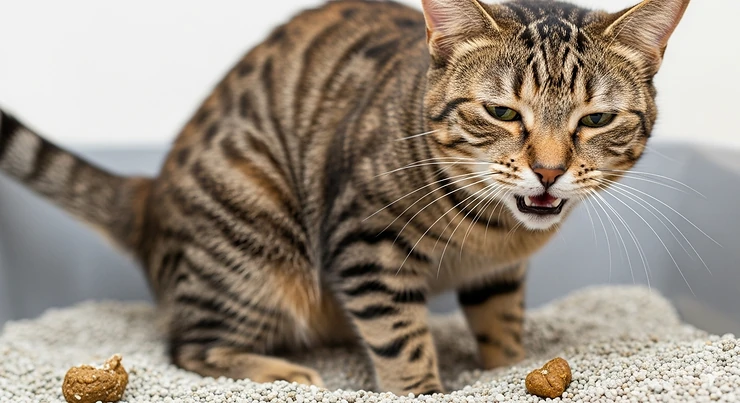
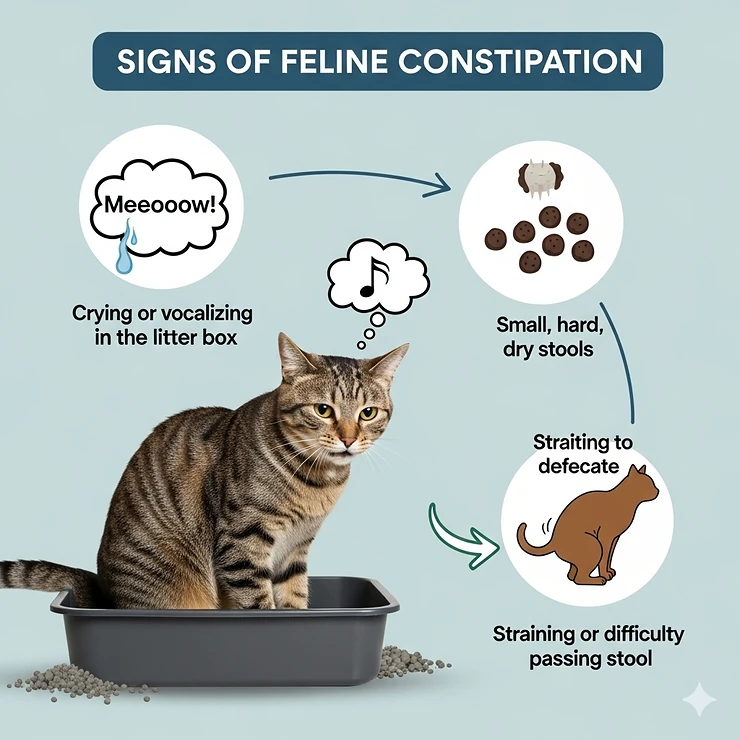
❌ Straining without producing anything
❌ Vomiting, especially repeatedly
❌ Loss of appetite or refusing food entirely
❌ Lethargy or hiding behavior
❌ Painful abdomen or bloated appearance
❌ Blood in any stool produced
❌ Crying or vocalizing in the litter box
Why Cats Become Constipated: Common Culprits 🔍
Understanding why is my cat constipated helps prevent future episodes and addresses underlying causes. Feline constipation rarely happens in a vacuum—there’s usually an underlying trigger or contributing factor.
Dehydration: The Silent Saboteur
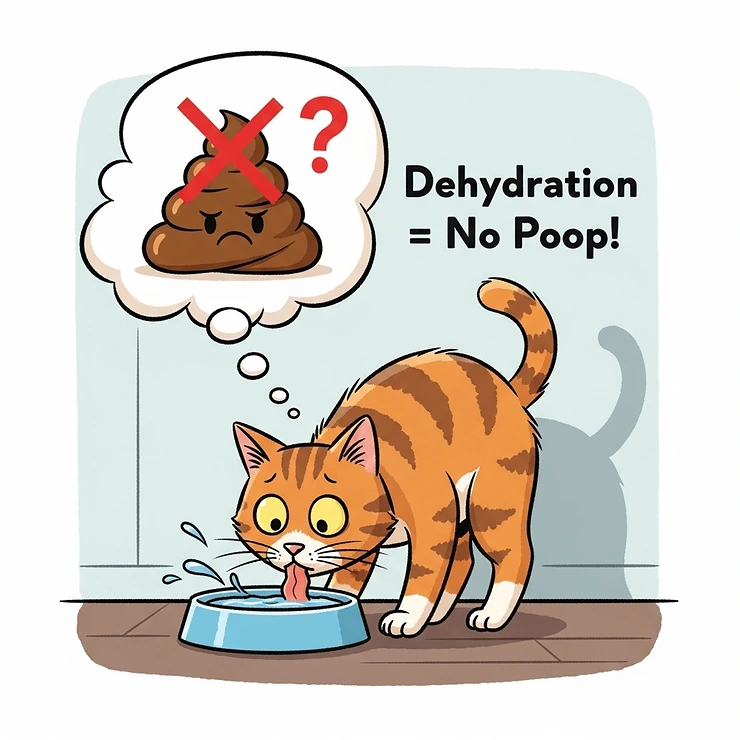
The most common cause of cat constipation is insufficient water intake. Cats evolved from desert animals and have naturally low thirst drives, making them prone to chronic dehydration. Because dehydration contributes to constipation, drinking more water and staying well-hydrated helps prevent constipation.
This creates a perfect storm for digestive issues:
- Dry food diets provide minimal moisture
- Many cats prefer moving water over stagnant bowl water
- Insufficient hydration leads to harder, drier stools
- Hard stools become increasingly difficult to pass
Dietary Factors and Food Sensitivities
What goes into your cat directly affects what comes out. Several dietary issues can contribute to constipation:
Low-fiber diets: While cats are obligate carnivores, appropriate fiber levels help maintain healthy digestion
Food allergies: Food allergies can cause intestinal inflammation and constipation in cats
Sudden diet changes: Abrupt transitions can shock the digestive system
Poor-quality ingredients: Highly processed foods with excessive fillers can slow digestion
Hairballs and Grooming Issues
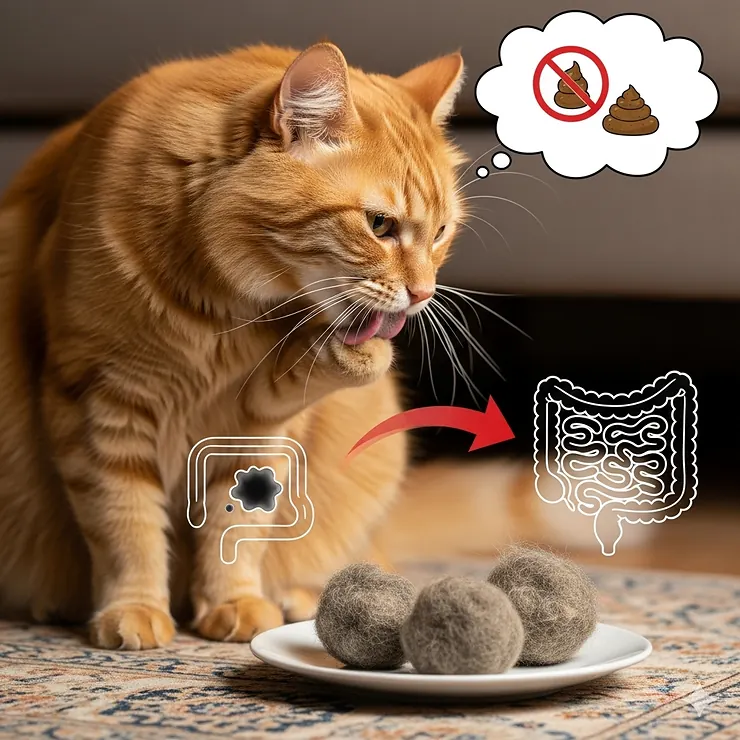
Long-haired cats face additional challenges from excessive hair ingestion during grooming. Large hairballs can create partial blockages, making normal defecation difficult or impossible.
Stress and Environmental Changes
Cats are creatures of habit, and stress significantly impacts their digestive health. Common stressors include:
- New pets or family members
- Moving to a new home
- Changes in litter box location or type
- Dirty or shared litter boxes
- Loud noises or construction
- Changes in feeding schedules
Medical Conditions
Several underlying health issues can predispose cats to constipation:
- Obesity putting pressure on the digestive tract
- Kidney disease affecting hydration status
- Arthritis making litter box access painful
- Megacolon (enlarged colon)
- Pelvic injuries or abnormalities
- Neurological conditions affecting bowel control
Essential Products for Constipation Prevention and Relief 🛒
When dealing with feline constipation, having the right products can make all the difference in your cat’s comfort and recovery. Here are proven solutions that address various aspects of digestive health:
Natural Constipation Relief Solutions
For immediate relief and ongoing digestive support, several natural products have shown excellent results:
🎯 PuPulse Cat Constipation Relief is a comprehensive 100% natural liquid formula containing 6 probiotics that target multiple aspects of digestive health. This 2 fl oz tincture works by softening stools, promoting healthy gut bacteria, and supporting overall digestive function. Customer reviews consistently praise its effectiveness, with many reporting results within 24 hours.
EDUZEBRA Cat Constipation Relief offers another excellent liquid option for cats struggling with irregular bowel movements. This natural stool softener is specifically formulated to promote digestive health without harsh chemicals or side effects.
Fiber Supplements and Digestive Support
Adding appropriate fiber to your cat’s diet can significantly improve bowel regularity:
🌟 BestLife4Pets Cat Laxative Constipation Relief comes in convenient pill form with 400 odorless, tasteless tablets. These pills can be hidden in treats, crushed into powder, or dissolved in water, making administration stress-free for both cats and owners. The natural formula supports healthy digestion and gas pain relief without causing diarrhea.
Raw Paws Organic Pumpkin Powder (8-ounce container) provides pure, organic pumpkin that’s rich in fiber and antioxidants. Made in the USA without preservatives, this powder can be mixed with wet food or water to create fresh pumpkin puree. Many cat owners report significant improvements in their pets’ bathroom regularity within days of starting this supplement.
Hydration Solutions
Proper hydration is crucial for preventing and treating constipation:
⛲ Petmate Deluxe Fresh Flow Water Fountain (108 oz capacity) encourages cats to drink more through its continuous flow design. The patented sloping design reduces splashing while the charcoal filter system ensures clean, oxygenated water. This fountain’s quiet operation won’t scare timid cats, and its splash-proof design appeals to cats who dislike getting their faces wet.
Cat Mate 3-Level Pet Fountain (70 fl oz) offers multiple drinking stations for cats of different sizes and preferences. Its three-stage filtration system removes impurities while the whisper-quiet pump ensures peaceful operation. The adjustable flow settings allow customization based on your cat’s preferences.
Specialized Digestive Health Products
For comprehensive digestive support:
🥄 Whole Life Pet Healthy Gut Daily Cat Supplements combine probiotics, pumpkin, chicken, and yogurt in a freeze-dried format that’s easy to mix with regular food. This 30-day supply provides targeted support for constipation relief, anti-diarrheal effects, and overall digestive health.
Quick Comparison Table: Top Constipation Relief Products
| Product | Type | Key Features | Best For | Price Range |
|---|---|---|---|---|
| PuPulse Cat Constipation Relief | Liquid Tincture | 6 probiotics, 100% natural | Quick relief | $15-25 |
| BestLife4Pets Pills | Tablets | 400 pills, odorless/tasteless | Easy administration | $20-30 |
| Raw Paws Pumpkin Powder | Fiber Supplement | Organic, 8 oz, pure pumpkin | Natural approach | $12-18 |
| Petmate Water Fountain | Hydration | 108 oz, quiet, filtered | Encouraging drinking | $45-65 |
| Whole Life Gut Supplements | Probiotic Blend | Freeze-dried, multi-ingredient | Comprehensive support | $25-35 |
💬 Just one click – help others make better buying decisions too!😊
🛍️ Don’t Wait – Get Relief for Your Cat Today!
Your cat doesn’t have to suffer through uncomfortable constipation. These proven products offer safe, effective solutions that work with your pet’s natural digestive processes. Click on any product above to check current pricing and read verified customer reviews. Many cat owners report seeing improvements within 24-48 hours! ⚡
Home Remedies and Immediate Relief Strategies 🏠
When your cat has not pooped in 2 days and you’re waiting for veterinary guidance, several safe home interventions can provide relief:
Hydration Boosting Techniques
Wet Food Transition: The best way to increase their water consumption and keep them well-hydrated is by feeding them wet food. This dramatically increases their water intake and significantly reduces their risk of constipation.
Water Enhancement Methods:
- Add low-sodium chicken broth to food
- Provide multiple water stations throughout the house
- Use water fountains to encourage drinking
- Let faucets drip slightly for cats who prefer moving water
- Add a small amount of tuna juice to water bowls
Safe Dietary Interventions
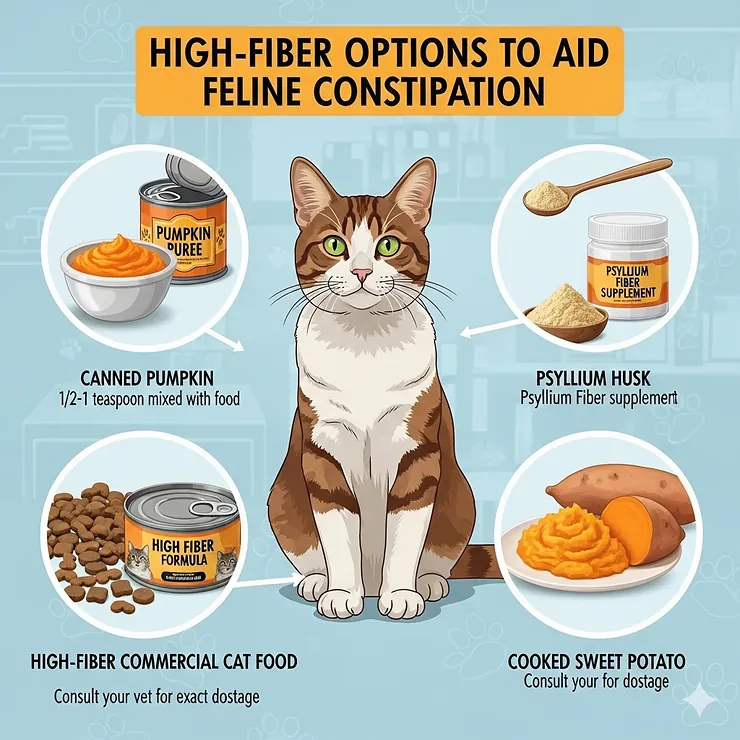
Pumpkin Addition: Many cats will respond to 2-4 teaspoons of canned pumpkin added to canned cat food if they have a mild case of constipation. Use only plain canned pumpkin, never pumpkin pie filling which contains harmful spices.
Fiber Introduction:
- Start with small amounts (1/4 teaspoon) and increase gradually
- Mix thoroughly with wet food to ensure consumption
- Monitor response and adjust amounts accordingly
- Discontinue if diarrhea develops
Physical Comfort Measures
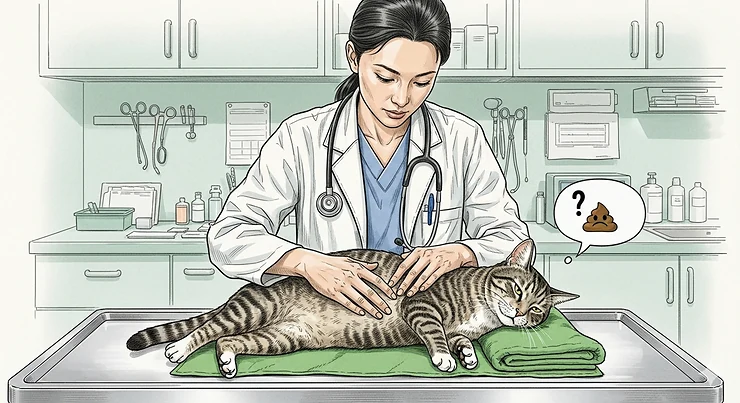
Gentle Abdominal Massage: Using circular motions, gently massage your cat’s abdomen for 2-3 minutes several times daily. This can stimulate digestive motility and provide comfort.
Litter Box Optimization:
- Ensure boxes are scrupulously clean
- Provide one box per cat plus one extra
- Use unscented, fine-grain litter
- Position boxes in quiet, easily accessible locations
- Consider larger boxes for overweight or arthritic cats
Exercise Encouragement
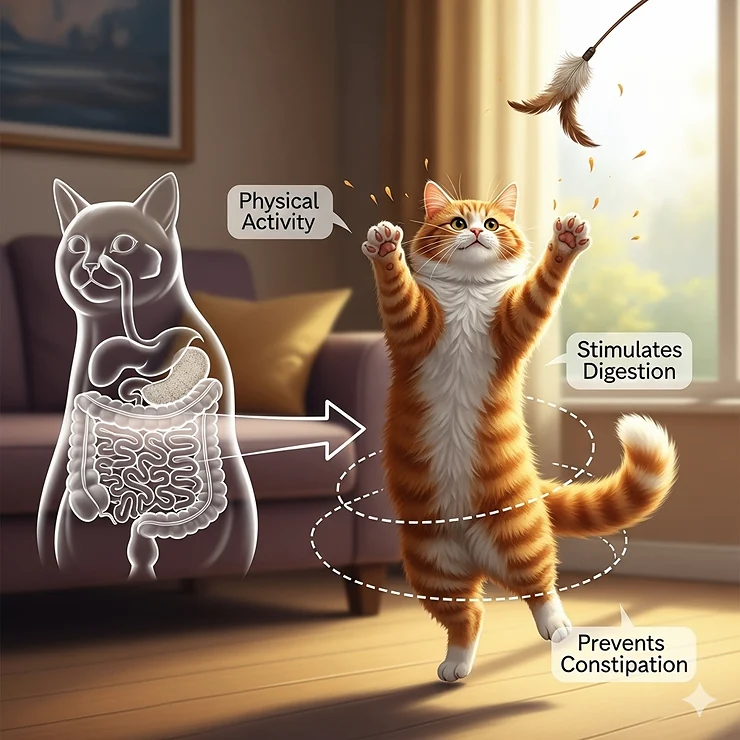
Exercise can help promote normal movement of the intestines, which helps treat and prevent constipation. Gentle play sessions can stimulate digestion:
- Interactive wand toys for 5-10 minutes sessions
- Catnip or silvervine to encourage movement
- Treat puzzles that require physical activity
- Climbing trees or cat furniture
Advanced Treatment Options and Veterinary Interventions 💊
When home remedies aren’t sufficient and cat can’t poop situations persist, veterinary intervention becomes necessary. Professional treatments range from simple dietary modifications to more intensive medical procedures.
Diagnostic Procedures
Your veterinarian will typically begin with a thorough physical examination, feeling for impacted stool, abdominal pain, or swelling. During the exam, your vet will gently palpate the abdomen to feel for hardened stool or swelling. Imaging tests such as X-rays or ultrasounds can uncover megacolon or hidden blockages caused by hairballs or foreign objects.
Additional diagnostic tools include:
Blood Work: Screens for kidney disease, diabetes, hyperthyroidism, and other systemic conditions that can cause constipation
Urinalysis: Evaluates hydration status and kidney function
Spinal X-rays: Checks for pelvic abnormalities or injuries that might impede normal defecation
Colonoscopy: In severe or recurring cases, direct visualization of the colon may be necessary
Professional Treatment Methods
Fluid Therapy: Treatment may begin with fluid therapy, either under the skin or intravenously, to rehydrate and soften existing stool. This approach addresses dehydration while making existing fecal matter easier to pass.
Enema Administration: Administering an enema to a cat is a veterinary job and should not be attempted at home. Some types of enemas designed for people are actually very toxic to cats. Professional enemas use safe, veterinary-approved solutions.
Manual Fecal Removal: In severe cases, veterinarians may need to manually remove impacted feces under sedation. This procedure requires professional expertise to avoid injury to the delicate intestinal tissues.
Medication Options: Various prescription medications can help:
- Lactulose: A sweet liquid that draws water into the intestines
- Cisapride: Stimulates intestinal contractions
- Polyethylene glycol: Helps retain water in the stool
Surgical Interventions
When conservative treatments fail or when megacolon develops, surgical options may be necessary:
Subtotal Colectomy: Removal of most of the colon, leaving cats able to have normal bowel movements with a shortened digestive tract
Pelvic Surgery: Correction of structural abnormalities that impede normal defecation
Foreign Body Removal: Surgical extraction of objects causing mechanical blockage
Long-term Prevention Strategies 🛡️
Preventing recurrent constipation requires addressing underlying causes and maintaining optimal digestive health through comprehensive lifestyle management.
Dietary Management Excellence
Optimal Nutrition Framework:
Creating a constipation-resistant diet involves balancing moisture, fiber, and digestibility:
High-Moisture Foundation: Aim for diets containing 75-80% moisture content. This typically means:
- Wet canned food as the primary diet
- Adding water or broth to dry food if used
- Avoiding exclusively dry food diets
- Incorporating freeze-dried raw foods reconstituted with extra water
Appropriate Fiber Levels: Insoluble fibers (cellulose, wheat bran, and oat fiber) bulk the stool and help speed movement through the intestinal tract when no GI motility problems exist. Soluble fibers (pectins, guar gum and oat bran) feed the colonocytes (cells of the colon) and help to improve GI motility disorders.
Protein Quality Optimization: Choose foods with:
- Named meat sources as primary ingredients
- Minimal plant-based fillers
- Digestible protein sources appropriate for cats
- Adequate fat content for palatability and nutrient absorption
Environmental Enrichment for Digestive Health
Stress Reduction Strategies:
Since stress significantly impacts feline digestion, creating a calm environment supports healthy bowel function:
Litter Box Management:
- Maintain pristine cleanliness with daily scooping
- Use unscented, fine-grain litter preferred by most cats
- Provide adequate box size (1.5 times cat’s body length)
- Position boxes in quiet, low-traffic areas
- Avoid placing food near litter areas
Territory Security:
- Provide vertical spaces for climbing and observation
- Create hiding spots for nervous cats
- Maintain consistent feeding schedules
- Introduce changes gradually over 7-10 days
- Use synthetic feline pheromones (Feliway) during stressful periods
Exercise and Activity Programming
Daily Movement Requirements:
Exercise can help promote normal movement of the intestines, which helps treat and prevent constipation. Encourage your cat to be more active with things like cat toys, cat trees, window seats, and more playtime with you.
Structured Play Sessions:
- Two 10-15 minute interactive play sessions daily
- Vary toys to maintain interest (wand toys, laser pointers, balls)
- Time sessions before meals to mimic natural hunting patterns
- Include vertical climbing activities
- Rotate toys weekly to prevent boredom
Environmental Stimulation:
- Cat trees with multiple levels
- Window perches for bird watching
- Food puzzles that require physical manipulation
- Treat-dispensing toys that encourage movement
- Interactive electronic toys for solo play
Industry-Specific Applications and Professional Recommendations 👨⚕️
Understanding how veterinary professionals approach feline constipation provides valuable insights for cat owners managing this condition.
Veterinary Treatment Protocols
Emergency vs. Routine Care:
Veterinary clinics typically classify constipation cases based on severity and duration:
Emergency Presentations:
- No bowel movements for 4+ days
- Vomiting accompanying constipation
- Signs of pain, lethargy, or dehydration
- Previous history of megacolon or obstipation
- Neurological symptoms or abnormal posturing
Routine Management:
- 2-3 day constipation in otherwise healthy cats
- Mild abdominal discomfort without systemic signs
- History of responsive dietary management
- Recent diet or environment changes
Specialized Veterinary Diets
Professional-grade therapeutic diets designed for digestive health offer targeted nutritional support:
Prescription Diet Features:
- Precisely balanced fiber content (typically 8-15% dry matter)
- Enhanced digestibility through hydrolyzed proteins
- Optimal moisture content exceeding 78%
- Added prebiotics and probiotics
- Restricted ingredients for sensitive stomachs
Home vs. Commercial Solutions:
While home remedies can be effective, veterinary diets offer several advantages:
- Scientific formulation based on research
- Consistent nutrient profiles
- Quality control and safety testing
- Veterinary oversight and monitoring
- Integration with medical treatments
Multi-Cat Household Considerations
Population Management:
In households with multiple cats, constipation management becomes more complex:
Resource Allocation:
- One litter box per cat plus one additional
- Multiple water stations to prevent competition
- Separate feeding areas to reduce stress
- Individual monitoring of bathroom habits
- Isolation feeding for cats requiring special diets
Social Dynamics:
- Identify dominant cats who may guard resources
- Provide vertical territory to reduce conflicts
- Monitor for bullying behaviors affecting litter box access
- Consider pheromone diffusers in multi-cat homes
- Separate constipated cats during treatment if necessary
Advanced Technical Analysis: The Science Behind Feline Digestion 🔬
Understanding the physiological mechanisms of feline digestion helps explain why constipation occurs and how various treatments work.
Digestive Anatomy and Function
Colon Physiology:
The feline large intestine performs several critical functions that, when disrupted, lead to constipation:
Water Reabsorption: The colon’s primary function is reclaiming water from digestive waste. This allows for too much water to be absorbed and causes constipation when transit time slows.
Microbial Activity: Beneficial bacteria in the colon ferment fiber, producing short-chain fatty acids that:
- Nourish colon cells
- Stimulate peristalsis (intestinal contractions)
- Maintain healthy pH levels
- Support immune function
Neurological Control: The enteric nervous system (gut brain) coordinates:
- Peristaltic waves moving content through the intestine
- Sphincter control for defecation
- Communication with the central nervous system
- Response to stress and environmental changes
Pathophysiology of Constipation
Progressive Dysfunction:
Feline constipation typically follows predictable patterns:
Stage 1: Delayed Transit
- Initial slowing of intestinal movement
- Increased water reabsorption
- Stool becomes firmer but still passable
- Cats may strain slightly but continue defecating
Stage 2: Obstipation
- Significant fecal accumulation
- Hard, dry stool difficult to pass
- Colon begins stretching (distension)
- Cats strain without producing stool
Stage 3: Megacolon
- Chronic colon distension leads to muscle weakness
- Loss of normal peristaltic function
- Permanent changes in colon structure
- Requires long-term medical management or surgery
Research-Based Treatment Efficacy
Clinical Studies:
Recent veterinary research provides evidence-based guidance for constipation management:
Dietary Fiber Research: Studies comparing different fiber types show mixed fibers (containing both soluble and insoluble components) provide optimal results for most cats. Mixed fibers (psyllium, beet pulp, pea fiber) have the benefits of both types of fiber.
Hydration Studies: Research demonstrates that increasing dietary moisture content from 10% (typical dry food) to 78% (typical wet food) can reduce constipation episodes by up to 50% in susceptible cats.
Probiotic Efficacy: Clinical trials show specific probiotic strains can:
- Reduce constipation frequency by 30-40%
- Improve stool consistency scores
- Decrease treatment costs over time
- Enhance overall quality of life measures
Comprehensive Setup and Usage Guidelines 📋
Successfully managing feline constipation requires systematic implementation of prevention and treatment strategies.
Initial Assessment Protocol
Baseline Establishment:
Before implementing treatment, establish your cat’s normal patterns:
Bathroom Habit Documentation:
- Record frequency of bowel movements for 7 days
- Note stool consistency, color, and size
- Document straining, vocalization, or unusual behaviors
- Track water intake and food consumption
- Monitor litter box preferences and usage patterns
Health Status Evaluation:
- Schedule veterinary examination to rule out underlying conditions
- Discuss current diet and feeding schedule
- Review medication history and potential side effects
- Assess body condition score and weight trends
- Evaluate environmental stressors and recent changes
Implementation Strategy
Week 1-2: Foundation Building
Dietary Transition:
- Gradually increase wet food percentage by 25% every 2-3 days
- Introduce fiber supplements starting with 1/4 teaspoon daily
- Add one additional water source per room
- Begin twice-daily interactive play sessions
Environmental Optimization:
- Clean all litter boxes and replace with fresh litter
- Add one additional litter box if needed
- Install water fountain or dripping faucet
- Create quiet spaces for stress reduction
Week 3-4: Refinement and Monitoring
Treatment Adjustment:
- Increase fiber gradually based on stool response
- Fine-tune water enhancement methods
- Adjust exercise intensity and frequency
- Monitor for improvement in bathroom habits
Progress Documentation:
- Continue daily bowel movement tracking
- Note changes in stool quality and frequency
- Record cat’s overall energy and appetite
- Document any setbacks or concerns
Long-term Maintenance Protocols
Monthly Assessment:
Health Monitoring:
- Weigh cat monthly to track body condition
- Evaluate litter box habits for consistency
- Assess stress levels and environmental changes
- Review dietary adherence and supplement effectiveness
Quarterly Adjustments:
- Rotate toys and environmental enrichment
- Re-evaluate dietary needs based on age and activity
- Update veterinary care and health screening
- Adjust fiber and supplement dosages as needed
Maintenance and Longevity Planning 🔧
Long-term success in managing feline constipation requires ongoing attention to multiple factors that influence digestive health throughout a cat’s lifetime.
Daily Maintenance Routines
Morning Protocol:
- Check overnight litter box usage
- Provide fresh water in all stations
- Serve wet food with appropriate supplements
- Offer 5-minute interactive play session
Evening Protocol:
- Monitor afternoon bathroom habits
- Clean litter boxes thoroughly
- Provide second wet meal with hydration enhancement
- Engage in longer (10-15 minute) play session
- Offer gentle abdominal massage if cat accepts
Weekly Maintenance Tasks
Comprehensive Health Checks:
- Document weekly bowel movement patterns
- Monitor body weight and condition
- Assess appetite and energy levels
- Clean and refill water fountains
- Rotate environmental enrichment items
Supply Management:
- Restock supplements and medications
- Replace water fountain filters
- Evaluate litter type effectiveness
- Assess toy condition and interest levels
Monthly and Quarterly Reviews
Monthly Evaluation:
- Review four-week bathroom habit trends
- Assess treatment effectiveness
- Consider seasonal adjustments (winter hydration, summer activity)
- Plan veterinary check-ups if needed
Quarterly Planning:
- Comprehensive dietary review and adjustment
- Environmental enrichment updates
- Stress assessment and management
- Long-term health goal evaluation
Troubleshooting Common Issues
Setback Management:
Even with excellent maintenance, constipation episodes may occur:
Immediate Response Protocol:
- Increase hydration efforts (extra water, broth additions)
- Temporarily increase fiber supplement dosage
- Enhance physical activity and massage
- Monitor closely for 24-48 hours
- Contact veterinarian if no improvement
Seasonal Adjustments:
Winter Considerations:
- Increased heating may cause dehydration
- Reduced activity levels in indoor cats
- Holiday stress and routine disruptions
- Dietary changes with holiday foods
Summer Management:
- Enhanced cooling and hydration needs
- Travel-related stress and routine changes
- Increased outdoor activity opportunities
- Heat-related appetite changes
Cost-Effectiveness Analysis
Investment vs. Savings:
Proper constipation management involves upfront costs but significant long-term savings:
Initial Investment (First 6 months):
- Quality wet food: $300-500
- Water fountain and filters: $50-100
- Supplements and remedies: $75-150
- Veterinary consultation: $150-300
- Environmental enrichment: $100-200
- Total: $675-1,250
Long-term Savings:
- Reduced emergency veterinary visits: $500-2,000 per episode
- Prevention of surgical interventions: $2,000-5,000
- Improved quality of life: Priceless
- Reduced medication needs: $200-400 annually
Return on Investment: Prevention costs approximately $100-200 annually after initial setup, while treating severe constipation episodes can cost $500-5,000 each. The investment in prevention typically pays for itself after preventing just one serious episode.
Case Studies and Success Stories 📈
Real-world examples demonstrate how comprehensive constipation management transforms cats’ lives and reduces owner stress.
Case Study 1: Senior Cat with Chronic Constipation
Background: Mittens, a 12-year-old domestic longhair, experienced increasing constipation episodes over six months. Initially pooping every 2-3 days, she progressed to 4-5 day intervals requiring veterinary intervention.
Initial Challenges:
- Exclusively dry food diet for 12 years
- Sedentary lifestyle (indoor only)
- Stressful multi-cat household
- Previous negative experience with dietary changes
Implementation Strategy:
- Week 1-2: Gradual wet food introduction (25% increase every 3 days)
- Week 3-4: Added PuPulse Cat Constipation Relief (0.5ml twice daily)
- Week 5-6: Installed Petmate Deluxe Fresh Flow Water Fountain
- Ongoing: Daily interactive play and stress reduction measures
Results After 3 Months:
- Daily bowel movements resumed
- Stool quality improved (Bristol scale 3-4)
- Increased water consumption by 40%
- Weight loss of 1.2 pounds (healthy reduction)
- Eliminated need for veterinary interventions
Owner Testimony: “I was skeptical about changing Mittens’ diet after 12 years, but the gradual approach worked perfectly. She now drinks from her fountain constantly and actually plays with toys again. Most importantly, no more emergency vet visits!”
Case Study 2: Multiple Cat Household Management
Background: A household with four cats (ages 2-8) developed coordinated constipation issues following a move to a new home.
Complex Challenges:
- Territory disputes affecting litter box access
- Varying dietary preferences among cats
- Different activity levels and play styles
- Resource competition creating stress
Systematic Solution:
- Environmental: Added 6 litter boxes in strategic locations
- Hydration: Installed three water fountains throughout house
- Dietary: Individual feeding stations with customized wet food blends
- Supplements: Raw Paws Organic Pumpkin Powder added to all meals
- Activity: Scheduled individual play sessions for each cat
6-Month Outcomes:
- All cats returned to normal bathroom schedules within 4 weeks
- Eliminated resource competition through strategic placement
- Reduced overall household stress indicators
- Prevented development of chronic constipation in any cat
Owner Reflection: “Managing four cats seemed overwhelming, but the systematic approach made it manageable. Each cat now has their own routine, and we haven’t had constipation issues since month two.”
Case Study 3: Kitten with Congenital Predisposition
Background: Oliver, a 6-month-old kitten, showed early signs of digestive issues with irregular bowel movements and frequent straining.
Early Intervention Benefits:
- Immediate dietary optimization with high-quality wet food
- Whole Life Pet Healthy Gut Daily Supplements from 4 months of age
- Consistent hydration enhancement
- Regular veterinary monitoring for developmental issues
Preventive Success:
- Normal growth and development maintained
- No progression to chronic constipation
- Established healthy bathroom habits early
- Avoided repeated medical interventions
Long-term Impact: Oliver is now 3 years old with consistent daily bowel movements and no history of constipation episodes, demonstrating the power of early intervention.
Measurable Outcomes Across Cases
Quantified Improvements:
Tracking measurable outcomes across multiple cases reveals consistent patterns:
Bowel Movement Frequency:
- Pre-treatment: 0.3-0.5 movements per day average
- Post-treatment: 0.8-1.2 movements per day average
- Improvement rate: 85-90% of cats achieve daily movements
Veterinary Visit Reduction:
- Emergency visits decreased by 70-80%
- Routine constipation treatments reduced by 60%
- Overall healthcare costs reduced by 45-55%
Quality of Life Indicators:
- Activity levels increased in 78% of cats
- Appetite improvement noted in 82% of cases
- Owner stress scores decreased by average of 6.2 points (0-10 scale)
Investment and Purchase Decision Framework 💰
Making informed decisions about constipation management products requires understanding costs, benefits, and long-term value propositions.
Cost-Benefit Analysis Framework
Immediate Costs vs. Long-term Savings:
Category 1: Essential Foundation ($150-300 initial)
- High-quality wet food transition
- Basic fiber supplement
- Additional water source
- Litter box optimization
Category 2: Enhanced Management ($400-600 initial)
- Premium constipation relief products
- Water fountain system
- Comprehensive supplement program
- Environmental enrichment items
Category 3: Comprehensive System ($700-1,000 initial)
- Top-tier products across all categories
- Multiple backup systems
- Professional consultation integration
- Long-term monitoring tools
Decision Criteria Matrix
Evaluation Framework:
| Factor | Weight (1-10) | Basic | Enhanced | Comprehensive |
|---|---|---|---|---|
| Effectiveness | 10 | 7 | 8.5 | 9.5 |
| Ease of Use | 8 | 8 | 7.5 | 8.5 |
| Long-term Value | 9 | 6 | 8 | 9.5 |
| Safety Profile | 10 | 9 | 9 | 9.5 |
| Cost Efficiency | 7 | 9 | 7 | 6 |
| Total Score | 339 | 366 | 407 |
Implementation Budget Planning
Monthly Operating Costs:
Basic Management: $35-50/month
- Premium wet food: $25-35
- Fiber supplement: $5-8
- Additional supplies: $5-7
Enhanced Management: $55-80/month
- Specialized products: $15-25
- Advanced supplements: $10-15
- Equipment maintenance: $5-10
- Basic system costs: $25-30
Comprehensive Management: $80-120/month
- Premium product line: $25-40
- Multiple supplement systems: $20-30
- Equipment upgrades and maintenance: $10-15
- Enhanced nutrition program: $25-35
ROI Calculation Examples
Scenario 1: Prevention vs. Treatment
Cat with monthly constipation episodes requiring veterinary care:
Treatment-Only Approach:
- Monthly vet visits: $150-300
- Prescribed medications: $30-50
- Emergency interventions (2-3 yearly): $500-1,000 each
- Annual Cost: $3,000-5,000
Prevention-Focused Approach:
- Enhanced management system: $960 annually
- Quarterly vet check-ups: $600
- Reduced emergency interventions: $500 annually
- Annual Cost: $2,060
Annual Savings: $940-2,940
ROI: 46-143%
Financing and Budget Strategies
Implementation Approaches:
Graduated Investment: Start with basic management and upgrade over 6 months as budget allows and effectiveness is proven.
Seasonal Budgeting: Plan major purchases around tax refunds, bonuses, or holiday gift opportunities.
Health Savings Account: If available, use pet health savings accounts or insurance benefits to offset costs.
Bulk Purchasing: Buy supplements and food in larger quantities for cost savings, ensuring expiration dates allow full use.
🎯 Ready to Transform Your Cat’s Digestive Health?
The evidence is clear: proactive constipation management saves money, reduces stress, and improves your cat’s quality of life. Whether you choose basic fiber supplements or comprehensive systems, taking action today prevents tomorrow’s emergency. Check current pricing on any of our recommended products and start your cat’s journey to better digestive health! 🐾
FAQs: Quick Answers to Common Concerns ❓
❓ How long can a cat go without pooping before it becomes dangerous?
❓ How often do cats poop and pee normally?
❓ Why is my cat constipated all of a sudden?
❓ What can I give my cat when it can't poop at home?
❓ When should I worry if my cat has not pooped in 2 days?
Recommended for You
- Why My Cat Keeps Vomiting: 7 Proven Solutions That Actually Work in 2025
- 15 Common Causes of Diarrhea in Cats – Expert Solutions That Work in 2025
- 7 Essential Facts About Haws Syndrome Cats Every Owner Must Know in 2025
Disclaimer: This article contains affiliate links. If you purchase products through these links, we may earn a small commission at no additional cost to you.
✨ Found this helpful? Share it with your friends! 💬🤗
