
Table of Contents
✨Was this helpful? Spread the word! 🚀
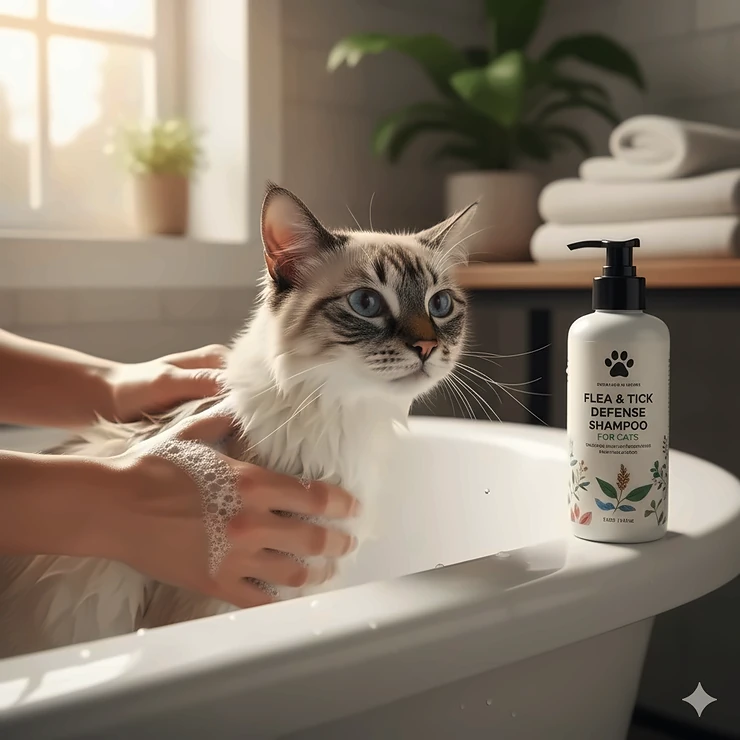
Picture this: you’re cuddling with your favorite feline when suddenly, you spot a tiny black speck jumping through their fur. Ugh, fleas. Before you panic, let me tell you—you’re not alone, and there’s a straightforward solution. Finding the right flea and tick shampoo for cats isn’t just about killing pests; it’s about giving your furry friend relief from itching, preventing disease transmission, and keeping your home pest-free.
Here’s something most cat parents don’t realize: even indoor cats can get fleas. These sneaky parasites hitch rides on your clothes, shoes, or through open windows. According to the Centers for Disease Control and Prevention, fleas can transmit diseases to both pets and humans, making proper flea control essential for household health. Meanwhile, ticks carrying Lyme disease and other pathogens pose serious risks to cats who venture outdoors.
What is flea and tick shampoo for cats? It’s a specially formulated cleansing treatment designed to kill fleas, ticks, and sometimes their eggs on contact while being gentle enough for feline skin. Unlike dog products (which can be toxic to cats), cat flea shampoo uses safe concentrations of active ingredients like pyrethrins, natural essential oils, or insect growth regulators.
In this guide, I’ll walk you through seven tried-and-tested products that actually work, breaking down everything from pricing to performance. Whether you’re dealing with a full-blown infestation or just want preventive protection, you’ll find exactly what your cat needs here.
Quick Comparison Table
| Product | Key Ingredient | Price Range | Best For | Rating |
|---|---|---|---|---|
| Veterinary Formula Flea & Tick | Pyrethrum (natural) | $8-$12 | Multi-pet households | ⭐⭐⭐⭐½ |
| Adams Plus with Precor IGR | Pyrethrins + S-Methoprene | $8-$10 | Long-lasting protection | ⭐⭐⭐⭐⭐ |
| Wondercide Natural | Cedarwood & Peppermint Oils | $12-$15 | Sensitive cats | ⭐⭐⭐⭐ |
| Advantage Cat Shampoo | Pyrethrins | $8-$10 | Quick relief | ⭐⭐⭐⭐ |
| PetArmor Plus | Pyrethrins + Pyriproxyfen | $6-$8 | Budget-friendly | ⭐⭐⭐⭐ |
| Vet’s Best Natural | Clove & Cottonseed Oils | $10-$13 | Plant-based solution | ⭐⭐⭐⭐ |
| TropiClean Gentle | Natural Essential Oils | $12-$17 | Waterless option | ⭐⭐⭐⭐½ |
💬 Just one click – help others make better buying decisions too!😊
✨ Ready to Protect Your Cat?
🐾 Check out these top-rated products now and give your feline friend the relief they deserve. Tap any product name to see current prices and verified customer reviews!
Top 7 Flea and Tick Shampoo for Cats: Expert Analysis
1. Veterinary Formula Clinical Care Flea and Tick Shampoo
If you’ve got both cats and dogs at home, this is your go-to solution. The Veterinary Formula Flea and Tick Shampoo packs up to 3x more active ingredients than many competitors, yet remains gentle enough for multiple pet species.
Key Specifications:
- Active ingredient: Pyrethrum (natural insecticide from chrysanthemum flowers)
- Volume: 16 oz bottle
- Safe for: Cats, dogs, ferrets, and horses over 12 weeks
Price Range: $8-$12
This formula works fast—killing fleas and ticks on contact while soothing irritated skin with aloe vera and lanolin. I love that it’s completely soap-free and paraben-free, which means no harsh chemicals stripping your cat’s natural oils. The pH-balanced formula specifically suits pet skin (which differs significantly from human skin pH levels).
Customer Feedback: Pet parents rave about the immediate results, with many noting dead fleas washing away during the first rinse. However, some mention the scent is quite medicinal rather than pleasant.
✅ Pros:
- Works on multiple pet species
- Contains soothing ingredients
- Affordable veterinary-grade formula
❌ Cons:
- No residual protection
- Medicinal smell
Best For: Multi-pet households needing a reliable, affordable option.
2. Adams Plus Flea & Tick Shampoo with Precor IGR
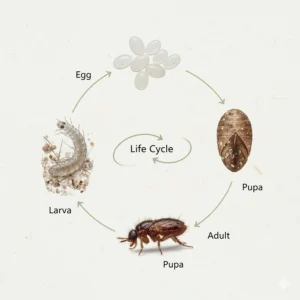
Here’s where science meets practicality. Adams Plus doesn’t just kill fleas—it breaks their entire life cycle with Precor insect growth regulator (IGR).
Key Specifications:
- Active ingredients: Pyrethrins + S-Methoprene (Precor IGR)
- Volume: 12 oz
- Protection duration: Kills fleas for 28 days post-bath
Price Range: $8-$10
What sets this apart is the IGR technology that prevents flea eggs from developing into biting adults for up to 28 days. That means one bath provides nearly a month of protection against reinfestation. The rich, creamy formula also conditions your cat’s coat, leaving it soft and manageable with a light, fresh scent.
Customer Feedback: Users consistently praise its effectiveness, especially for severe infestations. The conditioning properties get high marks too. Some cats don’t enjoy the 5-minute lathering requirement, though.
✅ Pros:
- Breaks flea life cycle
- 28-day egg prevention
- Conditions while cleaning
❌ Cons:
- Requires 5-minute wait time
- Not for cats under 12 weeks
Best For: Tackling active infestations with lasting protection.
3. Wondercide Flea & Tick Shampoo for Dogs and Cats
If you’re committed to plant-powered solutions, Wondercide delivers results without synthetic chemicals. This mom-owned company created a formula that’s tough on pests but gentle on pets.
Key Specifications:
- Active ingredients: Cedarwood oil 1.0%, Peppermint oil 1.0%
- Volume: 12 oz
- Safe for: Cats and dogs 4+ months
Price Range: $12-$15
Lab-tested to meet the same effectiveness standards as conventional treatments, Wondercide uses essential oils to kill and repel fleas and ticks by contact. The peppermint scent is refreshing (not overpowering), and the formula soothes itchy skin from bug bites. I appreciate that it’s pH-balanced and lathers well despite being plant-based.
Customer Feedback: Cat owners with chemically-sensitive pets report excellent results. The pleasant scent wins consistent praise. A few users note it works best for mild to moderate infestations rather than severe cases.
✅ Pros:
- Natural, plant-powered formula
- Soothes irritated skin
- Fresh peppermint scent
❌ Cons:
- Higher price point
- May need repeated applications for heavy infestations
Best For: Cats with sensitive skin or chemical sensitivities.
4. Advantage Cat Flea & Tick Shampoo
From the trusted brand behind topical flea treatments comes Advantage Cat Shampoo—a straightforward, no-nonsense solution for quick flea relief.
Key Specifications:
- Active ingredient: Pyrethrins
- Volume: 8 oz
- Application: Every 7 days as needed
Price Range: $8-$10
This lathering formula ensures you treat every inch of your cat’s coat for complete coverage. While it doesn’t offer residual protection like some competitors, it excels at immediate pest elimination. The formula helps prevent flea bite dermatitis—those painful, itchy red bumps that drive cats crazy. No prescription needed, making it accessible for emergency situations.
Customer Feedback: Pet parents appreciate the trusted brand name and quick action. The smaller bottle size works well for single-cat households. Some wish it provided longer-lasting protection.
✅ Pros:
- Trusted brand reliability
- Kills fleas on contact
- Prevents flea bite dermatitis
❌ Cons:
- Smaller 8 oz size
- No long-term protection
Best For: Quick relief from active flea problems.
5. PetArmor Plus Flea and Tick Shampoo for Cats
Looking for quality on a budget? PetArmor Plus delivers professional-grade results without the premium price tag.
Key Specifications:
- Active ingredients: Pyrethrins 0.05%, Pyriproxyfen 0.01%
- Volume: 12 oz
- Scent options: Spring Freesia or Coconut Berry
Price Range: $6-$8
This is the value champion in our lineup. PetArmor starts killing fleas and ticks within 24 hours and includes an IGR (insect growth regulator) to prevent reinfestation. The conditioning formula leaves coats soft while the pleasant scent options beat that typical medicinal smell. At under $8, it’s perfect for regular use or multi-cat homes watching their budget.
Customer Feedback: Customers love the effective, affordable formula. The coconut berry scent gets thumbs up. A few users experienced minor leaking from packaging during shipping.
✅ Pros:
- Exceptional value
- Pleasant scent options
- Contains IGR for prevention
❌ Cons:
- Some packaging issues reported
- Results vary on heavy infestations
Best For: Budget-conscious cat parents needing regular flea control.
6. Vet’s Best Natural Flea and Tick Shampoo for Cats
Veterinarian-formulated and plant-powered, Vet’s Best combines professional expertise with natural ingredients.
Key Specifications:
- Active ingredients: Clove oil 0.63%, Cottonseed oil 0.03%
- Volume: 12 oz
- Formulated by: Licensed veterinarians
Price Range: $10-$13
This shampoo kills fleas, flea larvae, and ticks on contact using certified natural oils. The formula includes calming essential oils that not only fight pests but also clean and freshen your cat’s coat. Made in the USA with quality ingredients, it leaves a light vanilla fragrance that’s pleasant without being overwhelming. The gentle formula works well for regular use year-round.
Customer Feedback: Pet owners with multiple cats appreciate the gentle yet effective formula. The vanilla scent is a hit. Some users note it works better for prevention than severe infestations.
✅ Pros:
- Veterinarian-formulated
- Natural certified oils
- Pleasant vanilla scent
❌ Cons:
- May need multiple treatments for heavy infestations
- Mid-range pricing
Best For: Pet parents wanting vet-approved natural solutions.
7. TropiClean Gentle Flea Shampoo for Cats
Hate bath time battles? TropiClean offers both traditional and waterless options for stress-free flea control.
Key Specifications:
- Active ingredients: Natural essential oils (Cedarwood, Rosemary, Sesame)
- Volume: 12 oz (regular) or 7.4 oz (waterless)
- Application: Waterless foam or traditional shampoo
Price Range: $12-$17
This innovative formula kills fleas, mosquitoes, and mites by contact while repelling ticks—all without requiring water for the foam version. The essential oil blend is specifically formulated for cats, avoiding potentially harmful oils like clove and peppermint found in some dog products. The gentle coconut cleanser won’t wash away topical treatments, making it compatible with your existing flea prevention routine.
Customer Feedback: The waterless option is a game-changer for water-averse cats. Made in USA quality receives consistent praise. Some note the premium price reflects the specialized formulation.
✅ Pros:
- Waterless option available
- Won’t remove topical treatments
- Cat-specific safe formula
❌ Cons:
- Higher price point
- Waterless version requires thorough application
Best For: Cats who hate traditional baths or need between-bath freshening.

Understanding Flea and Tick Biology in Cats
Before diving deeper into product selection, let’s talk about your enemy. Fleas and ticks aren’t just annoying—they’re sophisticated parasites that have evolved over millions of years to be incredibly efficient at what they do.
The Flea Life Cycle
Fleas progress through four stages: egg, larva, pupa, and adult. Here’s the kicker—only about 5% of a flea infestation consists of adult fleas on your cat. The remaining 95% exists in your home as eggs, larvae, and pupae hiding in carpets, furniture, and bedding. This is why killing adult fleas alone isn’t enough; you need products with insect growth regulators (IGRs) to break the reproductive cycle.
A single female flea can lay up to 50 eggs per day. Within weeks, a minor problem becomes a major infestation. Adult fleas can survive months without feeding, lying dormant in carpet fibers until vibrations signal a potential host.
Tick Dangers for Cats
While ticks are less common on cats than dogs, they pose serious health risks. According to the American Veterinary Medical Association, ticks can transmit diseases like Lyme disease, cytauxzoonosis, and haemobartonellosis to cats. Outdoor cats or those in wooded areas face higher exposure risks.
Ticks attach by burying their mouthparts into skin, feeding for days while potentially transmitting pathogens. Regular grooming and tick prevention become crucial for cats with outdoor access.
How to Choose the Best Flea and Tick Shampoo for Cats
Selecting the right shampoo involves more than grabbing the first bottle you see. Let me walk you through the decision-making process like I would explain to a friend over coffee.
1. Identify Your Cat’s Specific Needs
Start by assessing your situation. Do you have an active infestation or are you looking for prevention? Is your cat indoors-only or does she explore the great outdoors? Does your feline friend have sensitive skin or allergies? These answers guide your product choice.
2. Check the Active Ingredients
Look for proven pest-fighters: pyrethrins (natural), pyrethroids (synthetic), essential oils (natural), or insect growth regulators. However, here’s the critical part—never use dog flea products on cats. Permethrin, commonly found in dog treatments, can be fatal to cats.
3. Consider Age and Health Status
Most products require cats to be at least 12 weeks old. Kittens younger than this need veterinary-recommended alternatives. Pregnant, nursing, elderly, or immunocompromised cats may need gentler formulations. When in doubt, consult your veterinarian.
4. Evaluate Treatment Duration
Some shampoos only kill on contact with no residual protection. Others, particularly those with IGRs, provide weeks of continued defense against reinfestation. Consider how much ongoing protection you need.
5. Factor in Your Cat’s Temperament
Does your cat tolerate baths, or does she turn into a furry tornado at the sight of water? Waterless foam options or dry shampoos might save your relationship (and your skin).
6. Read the Fine Print
Check for potential irritants if your cat has sensitive skin. Look for soap-free, paraben-free formulations with added conditioners. Bonus points for products that won’t interfere with topical flea treatments.
7. Balance Quality and Budget
Premium doesn’t always mean better, but dirt-cheap can signal ineffective ingredients. Find the sweet spot where proven efficacy meets reasonable pricing for your situation.
Natural vs. Chemical Flea and Tick Shampoos: What Works?
The great debate: natural or chemical? Let me break down both sides without the marketing hype.
Natural/Plant-Based Formulas
Pros: These use essential oils like cedarwood, peppermint, clove, and cottonseed to kill and repel pests. They’re generally gentler on sensitive skin, environmentally friendly, and reduce exposure to synthetic pesticides. Many work surprisingly well when used properly.
Cons: Effectiveness can vary with infestation severity. They typically require more frequent application and may not break the flea life cycle like IGR-containing products. Some essential oils, while natural, can still cause reactions in sensitive cats.
Best For: Mild to moderate infestations, prevention, chemically-sensitive cats, and environmentally-conscious households.
Chemical/Synthetic Formulas
Pros: Proven track record with decades of research backing effectiveness. Many include IGRs that prevent eggs from hatching for weeks. Quick knockdown of heavy infestations. Consistent, predictable results.
Cons: Potential for skin irritation in sensitive cats. Environmental concerns for some pet parents. Must follow instructions precisely to ensure safety.
Best For: Severe infestations, cats needing maximum protection, multi-pet households with varying needs.
The Hybrid Approach
Many modern products blend natural ingredients with proven synthetic actives at safe concentrations. This combines gentleness with effectiveness—the best of both worlds for most cat parents.
Comparison Table: Benefits vs Traditional Alternatives
| Factor | Flea/Tick Shampoo | Topical Treatments | Oral Medications | Flea Collars |
|---|---|---|---|---|
| Speed of Action | Immediate | 12-24 hours | 4-12 hours | 24-48 hours |
| Duration | Single treatment | 30 days | 30 days | 7-8 months |
| Ease of Use | Requires bathing | Quick application | Easiest | Set and forget |
| Cost (Monthly) | $2-4 | $8-15 | $15-25 | $3-5 |
| Coverage | Fleas, ticks | Fleas, ticks, mites | Fleas, sometimes ticks | Fleas, ticks |
| Ideal For | Active infestations | Regular prevention | Easy administration | Long-term protection |
💬 Found this comparison helpful? Share it with fellow cat parents who might need this information!😊
Step-by-Step: How to Bathe Your Cat with Flea Shampoo
Alright, let’s tackle the challenge everyone dreads—actually getting your cat into the bath. Here’s my battle-tested method that minimizes trauma for both of you.
Preparation Phase
Gather Supplies First: Have everything ready before approaching your cat: flea shampoo, two large towels, a non-slip mat for the sink or tub, a cup for rinsing, and treats for afterward. Trust me, you don’t want to hunt for towels with a wet, unhappy cat.
Choose Your Location: I prefer bathroom sinks for cats—the smaller space feels less intimidating than a big tub. Plus, you have better control and less back strain.
Trim Claws (Optional): If your cat turns into a ninja during baths, consider trimming claws a day before. This protects both of you from accidental scratches.
The Bathing Process
Step 1: Water Temperature Check – Fill the sink with 2-3 inches of lukewarm water (test with your elbow, like baby bath water). Cats hate extremes in temperature.
Step 2: Calm Introduction – Speak soothingly while placing your cat in the water. Support their chest and hindquarters. Some cats do better with a slow, gradual introduction rather than sudden immersion.
Step 3: Wet Thoroughly – Using your cup or a gentle spray nozzle, wet your cat’s coat completely, starting from the neck and working backward. Avoid the face and ears—you’ll clean these separately with a damp cloth.
Step 4: Apply Shampoo – Dispense shampoo and work it into a lather, massaging gently into the coat down to the skin. Pay special attention to the neck, base of tail, and underbelly—favorite flea hiding spots.
Step 5: Wait Time – Most products require 5-10 minutes of contact time for maximum effectiveness. Keep your cat calm by continuing to massage gently and speaking in soothing tones. This is where those waterless options shine for anxious cats.
Step 6: Rinse Completely – Residual shampoo can irritate skin, so rinse thoroughly until water runs clear. This usually takes longer than you think.
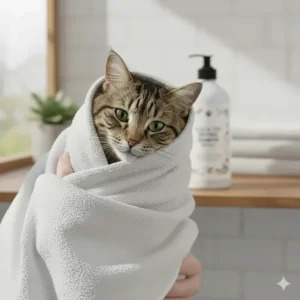
Step 7: Dry Carefully – Wrap your cat in a towel immediately and blot (don’t rub) excess water. Most cats will finish drying themselves through grooming. Keep them in a warm room until completely dry.
Step 8: Reward Generously – Treats, playtime, or whatever your cat loves most. End on a positive note to reduce bath-time anxiety for next time.

Common Mistakes Cat Parents Make
Learn from others’ experiences—here are the pitfalls to avoid.
Using Dog Products on Cats
I can’t stress this enough: dog flea products can kill cats. Permethrin, common in dog treatments, causes severe neurotoxicity in cats. Always verify products are specifically labeled for feline use.
Skipping the Read-Through
Product labels contain critical safety information. Age restrictions, wait times, application frequency—these aren’t suggestions, they’re safety requirements. Five minutes of reading prevents potential disasters.
Inadequate Contact Time
Rushing the process reduces effectiveness. If the label says 5-10 minutes, set a timer. Those minutes allow active ingredients to work properly.
Forgetting Environmental Treatment
Treating only your cat addresses 5% of the problem. Fleas in your carpet, furniture, and bedding will reinfest your cat within days. Combine pet treatment with home cleaning and possible yard treatment.
Inconsistent Treatment
One bath won’t solve a flea problem. Most infestations require repeated treatments every 7-10 days until all life cycle stages are eliminated—usually 3-4 weeks minimum.
Mixing Products Without Research
Combining different flea treatments sounds logical but can cause overdose. If using multiple products, verify they’re compatible and wait appropriate intervals between applications.
Price Range and Value Analysis
Let’s talk money because flea control becomes an ongoing expense.
Budget Options ($6-8)
Products like PetArmor Plus deliver solid performance without breaking the bank. You get effective pest control with some lasting protection through IGRs. Perfect for multi-cat households or regular preventive use.
Value Factor: High. You’re getting name-brand quality at generic prices.
Mid-Range Options ($8-13)
This category includes Veterinary Formula, Adams Plus, and Vet’s Best. You get better formulations, often with conditioning ingredients, longer-lasting effects, or specialized features like natural ingredients.
Value Factor: Excellent. The sweet spot for most cat parents—proven results with quality ingredients.
Premium Options ($12-17)
TropiClean and Wondercide occupy this space with specialized formulations like waterless options or ultra-natural ingredients. You’re paying for convenience, advanced formulas, or specific health philosophies.
Value Factor: Good for specific needs. Worth the premium if your cat has sensitivities or special requirements.
Cost-Per-Use Calculation
Consider bottle size when comparing prices. A 16 oz bottle at $12 costs $0.75 per ounce, while a 12 oz bottle at $10 runs $0.83 per ounce. For a typical cat bath using 2-3 oz, you’re looking at $1.50-2.50 per treatment.
Monthly costs vary based on infestation severity and prevention needs. Budget $6-20 monthly for active flea control, dropping to $3-10 for preventive maintenance.
Combining Shampoo Treatment with Other Flea Control Methods
The most effective flea control uses multiple approaches simultaneously. Here’s how to create a comprehensive defense system.
The Three-Tier Approach
Tier 1: Direct Pet Treatment – Start with flea shampoo to kill existing pests. Follow up with monthly topical or oral preventives to stop reinfestation.
Tier 2: Indoor Environment – Vacuum daily during active infestations, disposing of bags immediately. Wash all bedding in hot water. Use flea sprays on carpets and furniture. Consider professional pest control for severe cases.
Tier 3: Outdoor Perimeter – If your cat goes outside, treat your yard with pet-safe flea control products. Focus on shaded areas where fleas thrive.
Compatible Product Combinations
According to research from Cornell University’s College of Veterinary Medicine, integrated pest management proves most effective. Wait 24-48 hours after shampooing before applying topical treatments. This allows skin oils to normalize, improving absorption.
Oral medications can typically be given on the same day as shampooing since they work systemically. However, always verify compatibility with your veterinarian.
Year-Round Prevention Strategy
Don’t wait for flea problems to start. Year-round prevention costs less than treating infestations. Even in colder climates, indoor heating keeps flea populations active through winter.
Special Considerations for Different Cat Types
Not all cats are created equal when it comes to flea treatment needs.
Kittens
Wait until at least 12 weeks old before using most flea shampoos. For younger kittens, consult your vet about safe alternatives like manual flea removal with fine-toothed combs and dish soap baths.
Senior Cats
Older cats may have thinner skin and compromised immune systems. Choose gentler, natural formulations and monitor closely for any adverse reactions. Reduced mobility can make infestations worse, so preventive measures become even more critical.
Long-Haired Breeds
Persian, Maine Coon, and other long-haired cats require more product and thorough application to reach the skin. Consider trimming mats before treatment, as fleas love to hide in tangled fur.
Hairless and Short-Haired Cats
Sphynx and similar breeds need careful attention to skin sensitivity. Their exposed skin shows reactions more readily. Short-haired cats like Siamese typically need less product and dry faster.
Indoor-Only vs. Outdoor Cats
Indoor cats can still get fleas but generally face lower infestation risks. Outdoor cats need more aggressive, year-round prevention including tick protection.
Multi-Cat Households
Treat all cats simultaneously to prevent cross-contamination. Separate cats during treatment and drying to avoid ingestion through grooming.
Signs Your Cat Has Fleas or Ticks
Early detection makes treatment easier. Watch for these warning signs.
Behavioral Changes
Excessive scratching, especially around the neck and base of tail, signals possible fleas. Cats may groom obsessively or develop bald patches from over-grooming. Some cats become irritable or restless due to constant itching.
Physical Symptoms
Look for “flea dirt”—tiny black specks that turn reddish-brown when wetted (flea feces containing digested blood). Red, irritated skin or small scabs from flea bites appear on affected cats. Pale gums might indicate anemia from severe infestations.
Visible Pests
Actually seeing fleas (small, dark, fast-moving insects) confirms infestation. Ticks appear as small, round bumps that don’t brush away easily. Check between toes, in ears, and around the face.
The White Towel Test
Groom your cat over a white towel or paper. Black specks that fall out are likely flea dirt. Add a drop of water—if it turns reddish, you’ve confirmed fleas.
Environmental Cleaning: The Missing Piece
You’ve shampooed your cat, but your work isn’t done. Comprehensive flea control demands environmental management.
Immediate Actions
Vacuum Everything: Daily vacuuming during infestations removes eggs, larvae, and pupae. Focus on carpet edges, under furniture, and pet resting areas. Seal and dispose of vacuum bags immediately.
Hot Water Washing: Launder all pet bedding, your bedding, and any washable items your cat contacts. Use the hottest water safe for fabrics. Dry on high heat for at least 30 minutes.
Steam Cleaning: Consider renting a steam cleaner for carpets and upholstered furniture. Heat kills flea eggs and larvae effectively.
Ongoing Prevention
Regular Vacuuming: Continue 2-3 times weekly even after infestations clear. Consistency prevents population rebounds.
Yard Treatment: Use pet-safe yard sprays focusing on shaded, moist areas where fleas breed. Trim grass short and remove debris piles.
Professional Help: Severe infestations may require professional pest control services. They can treat areas you can’t easily reach and use commercial-grade products.
When to See Your Veterinarian
Some situations demand professional medical attention beyond home treatment.
Severe Infestations
If your cat has pale gums, lethargy, or weakness from anemia caused by heavy flea feeding, seek immediate veterinary care. Kittens and senior cats are especially vulnerable to flea-related anemia.
Allergic Reactions
Flea allergy dermatitis creates intensely itchy, inflamed skin. Cats may develop hot spots or secondary bacterial infections requiring antibiotics and prescription treatments.
Tick-Borne Illnesses
Symptoms like fever, lethargy, loss of appetite, or lameness following tick exposure need veterinary evaluation. Early treatment of tick-borne diseases improves outcomes significantly.
Product Reactions
If your cat shows signs of toxicity after flea treatment—tremors, excessive drooling, vomiting, or seizures—call your vet or the Pet Poison Helpline (855-764-7661) immediately. Wash off any remaining product with mild dish soap.
Persistent Problems
When home treatments fail after 4-6 weeks of consistent use, professional guidance helps identify underlying issues or resistant flea populations.

FAQ: Your Top Questions Answered
❓ How often can I use flea and tick shampoo for cats?
❓ Can flea and tick shampoo kill flea eggs on cats?
❓ Is flea and tick shampoo safe for pregnant cats?
❓ How long does flea and tick shampoo protection last on cats?
❓ Can I use flea and tick shampoo with topical treatments?
Conclusion: Protecting Your Feline Friend
Choosing the right flea and tick shampoo for cats doesn’t have to feel overwhelming. Whether you opt for the budget-friendly effectiveness of PetArmor Plus, the life-cycle-breaking power of Adams Plus with Precor, or the natural approach of Wondercide, you now have the knowledge to make an informed decision.
Remember these key takeaways: Always verify products are cat-safe (never use dog formulas), address both your pet and environment simultaneously, and maintain consistent preventive measures year-round. The investment in quality flea control—both financial and time—pays dividends in your cat’s health and your home’s comfort.
Start with a thorough assessment of your cat’s needs, select an appropriate product from our top seven recommendations, and follow proper application techniques. Combined with environmental cleaning and possibly veterinary-recommended monthly preventives, you’ll create a comprehensive defense against these persistent pests.
Your cat depends on you for protection from parasites that cause discomfort and transmit disease. With the right flea and tick shampoo and consistent application, you’re giving your feline companion the healthy, itch-free life they deserve.
🎯 Take Action Today!
✨ Don’t let fleas and ticks compromise your cat’s health. Choose one of these veterinarian-recommended shampoos now and start protecting your furry friend. Click any product to check current prices and read verified customer reviews! 🐱💕
Recommended for You
- Flea Shampoo for Cats: 7 Best Products 2025 (Expert Pick)
- Shampoo for Cats: 7 Best Picks That Actually Work (2025)
- Cat Treats with Catnip: 7 Best Picks That Drive Cats Wild (2025)
Disclaimer: This article contains affiliate links. If you purchase products through these links, we may earn a small commission at no additional cost to you.
✨ Found this helpful? Share it with your friends! 💬🤗
