Table of Contents
✨Was this helpful? Spread the word! 🚀
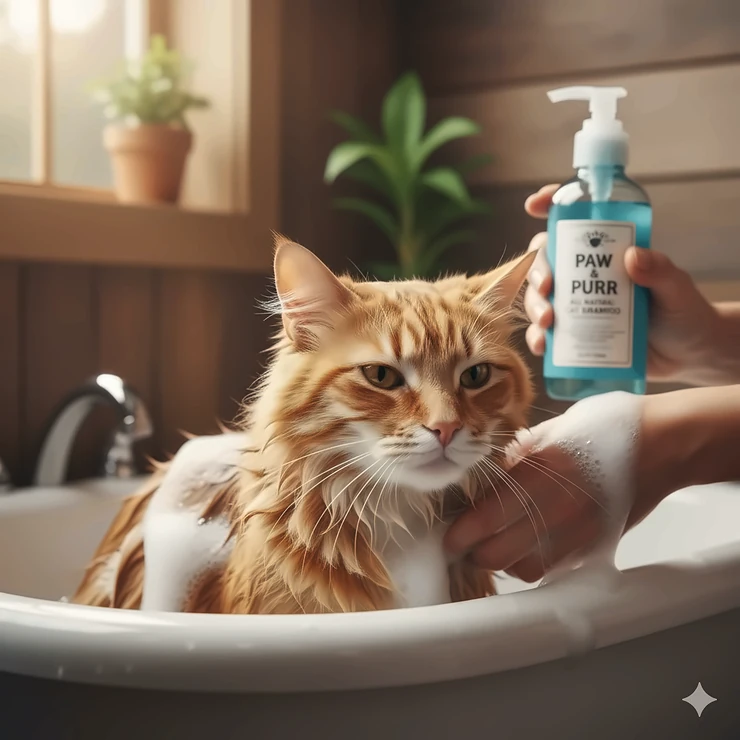
Let me tell you something that might surprise you – most cats will never need a traditional bath in their entire lives. I know, I know, you’re probably thinking “then why am I reading about shampoo for cats?” Well, here’s the thing: while our feline friends are exceptional self-groomers, there are definitely moments when they need a little extra help from us humans.
Whether your kitty rolled in something questionable, has a skin condition requiring medicated care, or simply can’t groom themselves due to age or health issues, having the right shampoo for cats on hand is essential. But here’s where it gets tricky – you can’t just grab any shampoo off the shelf. Cat skin has a different pH level than ours (and even different from dogs!), making it crucial to choose a product specifically formulated for felines.
In this comprehensive guide, I’m walking you through everything you need to know about choosing the best shampoo for cats. We’ll explore cat safe shampoo options that won’t irritate sensitive skin, discover innovative waterless formulas for bath-phobic felines, and review top-rated cat shampoo and conditioner products that actually work. By the end, you’ll be equipped to make the best choice for your furry companion’s grooming needs.
According to the American Society for the Prevention of Cruelty to Animals (ASPCA), cats spend nearly 50% of their waking hours grooming themselves, but certain situations still call for human intervention with proper bathing products.
Quick Comparison Table: Top Cat Shampoos 📊
| Product | Type | Size | Best For | Price Range | Rating |
|---|---|---|---|---|---|
| Burt’s Bees Hypoallergenic | Traditional | 10 oz | Sensitive skin | $6-$10 | 4.4/5 |
| Veterinary Formula Medicated | Medicated | 16 oz | Skin conditions | $10-$15 | 4.5/5 |
| Earthbath Hypoallergenic | Traditional | 16 oz | Allergies | $15-$19 | 4.6/5 |
| Vet’s Best Waterless | Waterless foam | 4 oz | Water-averse cats | $8-$12 | 4.3/5 |
| TropiClean Waterless | Waterless spray | 7.4 oz | Quick cleanups | $10-$14 | 4.4/5 |
| Arm & Hammer Dander Reducer | 2-in-1 | 20 oz | Dander control | $7-$11 | 4.5/5 |
| Burt’s Bees Waterless | No-rinse spray | 10 oz | Spot cleaning | $8-$12 | 4.5/5 |
💬 Just one click – help others make better buying decisions too!😊
🛒 Ready to Shop Smarter?
✨ Click on any highlighted product name below to check current Amazon prices and read real customer reviews. These carefully selected options will help you find the perfect shampoo for your cat’s specific needs!
Top 7 Shampoo for Cats: Expert Analysis 🏆
1. Burt’s Bees for Pets Hypoallergenic Cat Shampoo – Best Overall
When it comes to gentle, effective cleansing, this shampoo stands in a league of its own. I’ve recommended this to countless cat parents, and the feedback is consistently positive.
Key Specifications:
- Formula: 99.7% natural origin ingredients
- pH-balanced specifically for feline skin
- Free from sulfates, parabens, and harsh chemicals
- Contains shea butter and honey for moisturizing
Price Range: $6.96 – $10.00
Customer Feedback: Cat owners rave about how this formula doesn’t irritate even the most sensitive cats. One reviewer mentioned their rescue kitten with severe skin allergies showed immediate improvement after just one bath. The low-lather formula rinses quickly, which cats appreciate during bath time.
Pros:
✅ Gentle enough for kittens and senior cats
✅ Natural ingredients with proven safety record
✅ Pleasant honey scent that’s not overwhelming
Cons:
❌ Lower suds production may require more product
❌ Some cats initially resist the honey scent
2. Veterinary Formula Clinical Care Antiseptic and Antifungal Medicated Shampoo – Best Medicated Option
For cats dealing with fungal infections, bacterial issues, or persistent skin conditions, this medicated powerhouse delivers results where others fall short.
Key Specifications:
- Active ingredients: Ketoconazole and Benzethonium Chloride
- Treats fungal and bacterial skin infections
- Paraben, dye, and soap-free formula
- Safe for cats 12 weeks and older
Price Range: $10.00 – $15.00 (16 oz)
Customer Feedback: Veterinarians frequently recommend this product, and pet parents report seeing improvement in skin conditions within 1-2 weeks. The citrus scent is surprisingly pleasant, and the formula doesn’t require gloves during application.
Pros:
✅ Clinically proven antifungal and antibacterial properties
✅ Works on stubborn yeast infections
✅ pH-balanced for pet safety
Cons:
❌ Requires 5-10 minute contact time for effectiveness
❌ Not suitable for routine bathing (medical use only)
3. Earthbath Hypoallergenic Cat Shampoo – Best for Allergies
This fragrance-free formula is my go-to recommendation for cats with severe allergies or multi-cat households where scent sensitivity is a concern.
Key Specifications:
- 100% fragrance-free and hypoallergenic
- Ultra-mild coconut-based cleansers
- Enriched with organic aloe vera
- Can be diluted 10:1 for gentle cleaning
Price Range: $15.00 – $19.00 (16 oz)
Customer Feedback: Cat parents with allergic felines report this shampoo causes zero reactions. The tearless formula makes it ideal for facial cleaning, and many users appreciate that it doesn’t strip natural oils from the coat.
Pros:
✅ Perfect for allergy-prone cats and sensitive humans
✅ Soap-free formula won’t interfere with flea treatments
✅ Made in USA with biodegradable ingredients
Cons:
❌ Higher price point than conventional options
❌ May not remove heavy grease or oil effectively
4. Vet’s Best Waterless Cat Bath – Best Waterless Formula
Revolutionary in its approach, this no-rinse foam saves the day when traditional bathing isn’t an option.
Key Specifications:
- No-rinse foam application
- Natural ingredients: Aloe vera, neem oil, vitamin E, oatmeal
- Veterinarian formulated and recommended
- Safe for cats 12 weeks and older
Price Range: $8.00 – $12.00 (4 oz)
Customer Feedback: Senior cat owners particularly love this product for elderly felines who can’t tolerate water baths. The foam dispenses quietly, reducing stress, and the calming fragrance helps create a spa-like experience.
Pros:
✅ Ideal for water-phobic or medically fragile cats
✅ Moisturizes while cleansing
✅ Quick application with no mess
Cons:
❌ Won’t remove heavy dirt or toxic substances
❌ Smaller bottle size requires frequent repurchasing
5. TropiClean Berry & Coconut Waterless Cat Shampoo – Best Deep Cleansing Waterless
This waterless option offers surprisingly deep cleaning power without a single drop of water.
Key Specifications:
- Deep cleansing botanical blend
- Derived from natural coconut and plant extracts
- Paraben, dye, and soap-free
- Berry & coconut scent
Price Range: $10.00 – $14.00 (7.4 oz)
Customer Feedback: Cat parents appreciate the effective odor control and the fact that it genuinely removes dirt, not just masks it. The berry scent is fresh without being artificial, and most cats tolerate the foam application well.
Pros:
✅ More effective than typical waterless formulas
✅ Pleasant natural fragrance
✅ Made in USA with quality ingredients
Cons:
❌ Foam dispensing can be messy initially
❌ Not suitable for heavily matted fur
6. Arm & Hammer 2-in-1 Deodorizing & Dander Reducing Cat Shampoo – Best for Dander Control
If human allergies to cat dander are an issue in your household, this formula addresses the problem at its source.
Key Specifications:
- Signature baking soda formula for odor control
- Natural lavender and chamomile extracts
- Reduces dander and allergens
- 2-in-1 shampoo and conditioner
Price Range: $7.00 – $11.00 (20 oz)
Customer Feedback: Allergy sufferers report noticeable reduction in symptoms when using this product regularly on their cats. The calming lavender scent is subtle, and the generous 20 oz size offers excellent value.
Pros:
✅ Significantly reduces cat dander and allergens
✅ Baking soda naturally neutralizes odors
✅ Large bottle provides great value
Cons:
❌ May dry out skin if used too frequently
❌ Lavender scent isn’t everyone’s preference
7. Burt’s Bees for Pets Waterless Cat Shampoo – Best No-Rinse Spray
This spray-on solution makes spot cleaning and full-body refreshes incredibly simple.
Key Specifications:
- No-rinse spray application
- 99.3% natural origin formula
- Shea butter and honey conditioning
- Reduces dander and allergens
Price Range: $8.00 – $12.00 (10 oz)
Customer Feedback: Busy cat owners love the convenience of simply spraying and brushing. It’s particularly effective for long-haired breeds that need frequent grooming between baths. The formula leaves fur noticeably softer.
Pros:
✅ Easiest application method available
✅ Works as detangler and conditioner
✅ Trusted Burt’s Bees quality
Cons:
❌ May leave slight residue if over-applied
❌ Not effective for removing sticky substances
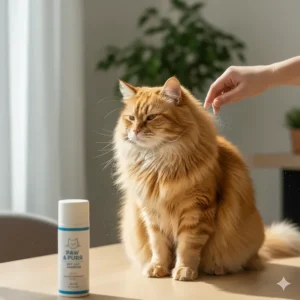
Understanding Cat Skin and pH Balance 🔬
Here’s something crucial that many cat owners don’t realize: the pH of cat skin sits around 6.2-6.4, which differs significantly from both human skin (5.5) and dog skin (7.0-7.5). This difference isn’t just a fun fact – it’s the reason why you should never, ever use human shampoo or even dog shampoo on your feline friend.
When you use the wrong pH products on cats, you risk disrupting their skin’s natural protective barrier. This can lead to dryness, irritation, increased susceptibility to infections, and can even strip away the natural oils that keep their coat healthy and shiny. The Cornell University College of Veterinary Medicine emphasizes that maintaining proper pH balance is critical for preventing skin disorders in cats.
Why Cat-Specific Formulas Matter
Cat safe shampoo formulations are specifically designed to work with your cat’s unique physiology. They contain gentler surfactants (cleaning agents) that effectively remove dirt and oils without causing irritation. Quality cat shampoos also avoid harsh chemicals like sulfates, parabens, and artificial fragrances that can trigger allergic reactions or respiratory issues in sensitive cats.
The best shampoo for cats will clean thoroughly while preserving the skin’s natural pH, keeping the moisture barrier intact, and leaving your cat’s coat soft, shiny, and healthy-looking.
Types of Cat Shampoos: Finding Your Perfect Match 🎯
Traditional Rinse-Off Shampoos
These are your standard bath-time products that require water for application and rinsing. They’re ideal for cats who tolerate baths well and need thorough cleaning. Traditional shampoos typically offer the deepest clean and are best for removing significant dirt, oils, or outdoor debris.
Waterless Cat Shampoos
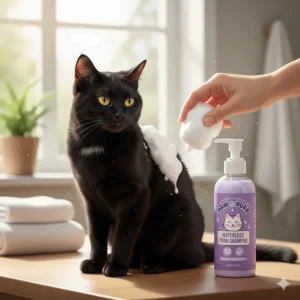
Waterless formulas are absolute lifesavers for bath-averse cats. These no-rinse products come in foam or spray form and work by breaking down dirt and oils that you then brush away. They’re perfect for senior cats, cats recovering from surgery, or simply felines who turn into tiny terrors at the sight of water. While they won’t provide the same deep clean as traditional shampoos, they’re excellent for maintenance and spot-cleaning.
Medicated Cat Shampoos
When your cat has specific skin conditions – think fungal infections, bacterial issues, or chronic dermatitis – medicated shampoos become essential. These therapeutic formulas contain active ingredients like ketoconazole for fungi or chlorhexidine for bacteria. Always consult your veterinarian before using medicated products, as they often require specific contact times and usage schedules.
Cat Shampoo and Conditioner Combinations
The 2-in-1 formulas save time and reduce stress during bath time. They clean and condition simultaneously, which is particularly beneficial for long-haired cats prone to tangles. These products help maintain moisture balance and can reduce the number of products you need to keep on hand.
Key Ingredients to Look For (and Avoid) 🌿
Beneficial Ingredients
Aloe Vera acts as a natural moisturizer and soother for irritated skin. It’s gentle, healing, and helps maintain the skin’s hydration levels without feeling greasy.
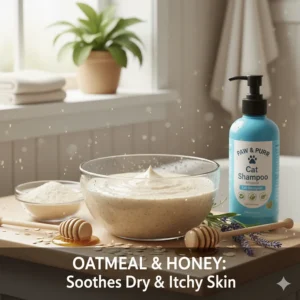
Colloidal Oatmeal is a powerhouse for itchy, inflamed skin. It creates a protective barrier that holds in moisture while its anti-inflammatory properties provide immediate relief.
Coconut-Based Cleansers offer gentle yet effective cleaning power. They’re naturally derived, biodegradable, and less likely to cause irritation compared to synthetic alternatives.
Natural Oils (like jojoba, coconut, or olive oil) help restore moisture and add shine to the coat without weighing it down.
Ingredients to Avoid
❌ Sulfates (SLS/SLES) strip natural oils too aggressively
❌ Parabens may cause hormonal disruption
❌ Artificial fragrances can trigger respiratory issues
❌ Phthalates are potentially toxic chemicals
❌ Dyes and colorants serve no purpose and increase allergy risk
How to Choose the Right Shampoo for Cats 🤔
Consider Your Cat’s Specific Needs
Start by evaluating what your cat actually needs. Does your feline have sensitive skin that reacts to everything? Look for hypoallergenic, fragrance-free formulas. Is your cat elderly or mobility-impaired? Waterless options will be your best friend. Dealing with chronic skin issues? Medicated shampoos might be necessary.
Age-Appropriate Formulations
Kittens under 12 weeks require ultra-gentle, tearless formulas specifically labeled as safe for young cats. Their skin is even more delicate than adult cats, and they’re more likely to ingest product during grooming. Senior cats often benefit from conditioning formulas that help maintain their coat quality when they can’t groom as effectively.
Coat Type Considerations
Long-haired cats need conditioning properties to prevent tangles and mats. Short-haired cats do well with straightforward cleansing formulas. Hairless breeds like Sphynx require more frequent bathing with gentle, moisturizing products to manage oil buildup.
Special Situations
If you’re using flea prevention products, ensure your shampoo won’t interfere with them. Most quality cat shampoos are safe to use 24-48 hours after topical treatments. For cats with allergies, stick to simple, fragrance-free formulas with minimal ingredients. The fewer components, the less chance of triggering a reaction.
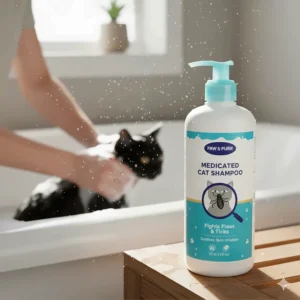
Waterless vs. Traditional Shampoo: Which is Better? 💧
Let me break down the honest truth about this debate – there’s no universal “better” option. Each type serves different purposes and situations.
When to Choose Traditional Shampoo
Traditional rinse-off shampoos are your go-to when your cat is genuinely dirty, has rolled in something toxic that must be removed immediately, needs medicated treatment for a skin condition, or has heavy oil buildup that dry cleaning can’t handle. These provide the deepest clean and are most effective for thorough coat maintenance.
When Waterless Shampoo Shines
Waterless formulas excel for routine freshening between baths, cats who become aggressive or extremely stressed with water, senior or mobility-impaired cats who can’t safely stand in water, post-surgery situations where traditional bathing isn’t allowed, and quick spot-cleaning of small dirty areas. They’re convenient, less stressful, and surprisingly effective for maintenance cleaning.
The Hybrid Approach
Many savvy cat parents use both types. They employ traditional shampoo for quarterly deep cleans or when necessary, and use waterless products for weekly or bi-weekly maintenance. This combination approach keeps cats cleaner with less stress overall.
According to research from the American Animal Hospital Association, reducing bath-related stress in cats leads to better overall health outcomes and improved human-animal bonding.
Step-by-Step Guide: How to Bathe a Cat 🚿
Preparation is Everything
Before you even think about water, gather all supplies within arm’s reach. You’ll need your chosen shampoo, several towels, a non-slip mat for the tub or sink, treats for positive reinforcement, and possibly a helper if your cat is particularly resistant. Trim your cat’s nails beforehand to minimize damage if they panic.
Creating a Calm Environment
Close bathroom doors and windows to prevent escape. Run lukewarm water (test it on your wrist – it should feel neutral, not hot or cold). Place the non-slip mat in the sink or tub. Some cats respond well to calming pheromone sprays applied to the room 15 minutes before bath time.
The Bathing Process
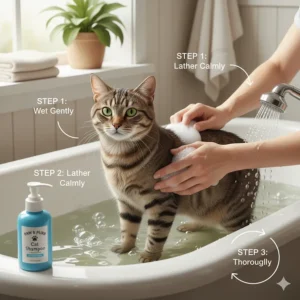
Fill the sink or tub with just 2-3 inches of water before bringing in your cat – the sound of running water can trigger panic. Gently place your cat in the water, speaking in soothing tones. Wet the coat gradually using a cup or spray nozzle on low pressure, avoiding the face initially. Apply a small amount of shampoo, working it into a lather from neck to tail. Never pour shampoo directly on your cat – dilute it in your hands first.
The Critical Rinse
Rinsing is arguably more important than shampooing. Leftover shampoo residue can cause serious skin irritation and will likely get ingested during grooming. Rinse thoroughly until the water runs completely clear and the coat feels squeak-clean. For the face, use a damp washcloth with minimal or no shampoo – cats are extremely sensitive about their faces.
Drying and Aftermath
Wrap your cat immediately in a warm towel and gently squeeze (never rub) excess water from the coat. Most cats will tolerate gentle towel-drying but panic at blow dryers. If you must use a dryer, use the lowest heat setting and keep it at least 12 inches from their skin. Reward with treats and praise, then let them groom themselves in peace – they’ll want to restore their scent profile.
Common Cat Bathing Mistakes to Avoid ⚠️
One of the biggest errors I see is bathing too frequently. Unless medically necessary or your cat gets into something nasty, most cats need bathing only every 4-6 months, if that. Over-bathing strips natural oils and can actually worsen skin conditions.
Many people use water that’s too hot or too cold – cats are sensitive to temperature extremes. That “comfortably warm” temperature that feels good to you might be borderline scalding to a cat’s sensitive skin. Always test water temperature carefully.
Skipping the patch test with new products is asking for trouble. Even “all-natural” and “hypoallergenic” products can cause reactions in individual cats. Apply a small amount to a discrete area 24 hours before full use.
Using human shampoo, even “gentle” baby formulas, is never acceptable. The pH difference and ingredient profile can cause severe skin issues. Don’t risk it – cat-specific products aren’t expensive enough to justify this gamble.
Addressing Specific Skin Conditions 🏥
Dry, Flaky Skin
Look for moisturizing shampoos containing oatmeal, aloe vera, or natural oils. The Earthbath Hypoallergenic or Burt’s Bees formulas work exceptionally well for dryness. Ensure you’re not over-bathing, as this can worsen the condition.
Excess Oiliness
Hairless breeds and some cats naturally produce more oil. The Veterinary Formula Clinical Care shampoo effectively manages oil without over-drying. Bathe these cats more frequently – sometimes weekly – under veterinary guidance.
Allergies and Sensitivities
Fragrance-free, hypoallergenic formulas are non-negotiable. The Earthbath Hypoallergenic Cat Shampoo excels here, as does the Arm & Hammer formula for cats whose humans have allergies. Always introduce new products gradually.
Fungal or Bacterial Issues
Medicated shampoos like Veterinary Formula Clinical Care are essential. These conditions require professional diagnosis first – never attempt to treat suspected infections without veterinary consultation. Follow the prescribed treatment schedule exactly, even after symptoms improve.
Natural vs. Commercial Cat Shampoos 🌱
The Natural Product Movement
Natural and organic cat shampoos have exploded in popularity, and for good reason. Products from brands like Earthbath and Burt’s Bees use plant-derived ingredients, avoid synthetic chemicals, and often come in eco-friendly packaging. They’re generally gentler and less likely to cause reactions.
However, “natural” doesn’t automatically mean “better” or “safer.” Some cats are allergic to natural ingredients like tea tree oil or lavender. Additionally, natural preservatives may not be as effective, potentially leading to shorter shelf life or bacterial growth if stored improperly.
Commercial Formulations
Well-formulated commercial products like Veterinary Formula undergo rigorous testing and quality control. They offer consistent performance, longer shelf life, and often more targeted solutions for specific problems. The key is choosing reputable brands that prioritize safety over profit.
The Verdict
The best approach combines both worlds – look for products with predominantly natural ingredients but manufactured by reputable companies with proper quality control. Read ingredient lists carefully and avoid products with unnecessary additives, regardless of whether they’re labeled “natural” or not.
Maintaining Cat Coat Health Between Baths 🪮
Regular Brushing is Essential
Daily brushing for long-haired cats and 2-3 times weekly for short-haired breeds removes dead hair, distributes natural oils, prevents mats, and provides bonding time. It’s the single most important thing you can do for coat health beyond bathing.
Diet Impacts Coat Quality
Poor nutrition shows up quickly in a cat’s coat. Quality protein sources support healthy skin and fur. Omega-3 and omega-6 fatty acids (found in fish oils) promote shine and reduce shedding. Consider supplements if your cat’s coat seems dull despite proper grooming.
Environmental Factors
Indoor cats often have drier skin due to heating and air conditioning. Using a humidifier during winter months can help. Ensure fresh water is always available – dehydration immediately affects skin and coat quality.
Spot Cleaning Techniques
For small dirty spots, use cat-safe wipes or waterless shampoo on just that area. This targeted approach keeps your cat cleaner without the stress of full baths. The TropiClean Waterless or Burt’s Bees Waterless formulas excel at spot treatment.
Cost Analysis: Budget vs. Premium Options 💰
Budget-Friendly Choices
The Arm & Hammer cat shampoos offer excellent value, typically costing $0.35-$0.55 per ounce. They work well for cats without special needs and provide good results without breaking the bank. The large bottle sizes stretch your dollar further.
Mid-Range Options
Burt’s Bees and TropiClean products fall into this category at $0.70-$1.20 per ounce. These offer better ingredients, more natural formulations, and often perform better than budget options. They’re worth the investment if your budget allows.
Premium Products
Earthbath and specialized medicated shampoos can cost $1.00-$1.50+ per ounce. However, they’re often highly concentrated, meaning you use less per bath. For cats with specific needs or sensitivities, the higher cost is justified by reduced vet visits and better outcomes.
The True Cost Calculation
Consider cost per use, not just bottle price. A $20 concentrated shampoo that lasts a year is cheaper than a $7 shampoo you replace every two months. Factor in your cat’s tolerance – waterless shampoos may cost more upfront but save money by reducing bath-related stress and potential aggression issues.
Understanding Product Labels and Certifications 📋
What “Hypoallergenic” Really Means
Despite popular belief, “hypoallergenic” isn’t a regulated term. It simply means the manufacturer believes the product is less likely to cause allergic reactions. It’s not a guarantee. Check ingredient lists yourself and patch test regardless of hypoallergenic claims.
pH-Balanced Claims
This is crucial for cats. Products should explicitly state they’re pH-balanced for feline skin (6.2-6.4). Generic “pet” shampoos often target dog pH levels, which won’t work properly for cats.
Natural and Organic Certifications
Look for USDA Organic certification for truly organic products. “Natural” claims without certification might mean anything. Reputable brands like Earthbath clearly list their natural ingredient percentages (e.g., “99.7% natural origin”).
Veterinarian Formulated/Recommended
These claims indicate professional involvement in development, but don’t necessarily mean every vet endorses the product. More meaningful are products specifically recommended by veterinary dermatology associations.
Seasonal Considerations for Cat Bathing 🌤️
Winter Bathing Challenges
Cold months bring dry indoor air that can worsen skin issues. If winter bathing is necessary, ensure rooms are warm, dry your cat thoroughly before they move to cooler areas, and consider more moisturizing formulas. The Burt’s Bees products with honey and shea butter work wonderfully in winter.
Summer Grooming Needs
Warmer months mean more outdoor time for some cats, potentially requiring more frequent bathing. Lighter, quick-drying formulas work best. Waterless shampoos are ideal for touch-ups between more thorough summer baths. Watch for increased flea activity requiring specialized shampoos.
Seasonal Allergies
Spring and fall can trigger environmental allergies in cats. The Earthbath Hypoallergenic formula helps remove pollen and allergens from the coat. More frequent bathing might be necessary during peak allergy seasons, but stick to gentle formulas to avoid skin irritation.
Multi-Cat Household Strategies 🐱🐱🐱
Scent Considerations
In multi-cat homes, strong fragrances can disrupt social dynamics. Fragrance-free options like Earthbath Hypoallergenic maintain household harmony. If you must use scented products, bathe all cats with the same formula so no one smells “different.”
Bathing Order and Technique
Bath the calmest cat first to establish a peaceful precedent. Keep bathed cats separated from unbathed ones until everyone’s been cleaned. This prevents the clean cat from getting dirty again and reduces stress from competing territorial scents.
Product Efficiency
Bulk sizes make sense for multiple cats. The Arm & Hammer 20 oz bottles or Veterinary Formula gallon sizes offer better value. Consider waterless shampoos for routine maintenance – you can quickly refresh multiple cats without the full bath production.
Professional Grooming vs. DIY 💼
When Professional Help Makes Sense
Some situations absolutely call for professional groomers: severely matted long-haired cats requiring careful dematting, extremely aggressive cats who might injure you, cats with medical conditions requiring specialized handling, or show cats needing specific grooming standards.
Professional groomers have experience calming anxious cats, proper equipment for safe restraint, expertise in handling various coat types, and knowledge of potential health issues spotted during grooming.
DIY Advantages
Home bathing offers more one-on-one attention, familiar environment reducing stress, significantly lower costs over time, and flexibility in scheduling. Many cats actually tolerate home bathing better than professional grooming once they’re accustomed to your technique.
The Hybrid Approach
Consider professional grooming for major seasonal shedding or dematting sessions, while handling routine maintenance at home. This balances cost, expertise, and your cat’s comfort level.
Environmental Impact of Cat Shampoo Choices 🌍
Biodegradable Formulations
Products from Earthbath and Burt’s Bees emphasize biodegradability, breaking down naturally without harming water systems. Look for plant-based surfactants and natural ingredients that won’t persist in the environment.
Packaging Considerations
Brands using recycled plastic (like Burt’s Bees’ 80% post-consumer recycled bottles) reduce environmental impact. Concentrated formulas mean less packaging waste overall. Some companies offer refill options, though these are rare in the cat shampoo market.
Sustainable Ingredient Sourcing
Truly eco-conscious brands source ingredients sustainably. Palm oil derivatives, common in shampoos, should be RSPO-certified. Companies like Earthbath are members of the Pet Sustainability Coalition, demonstrating genuine commitment to environmental responsibility.
The Environmental Working Group provides excellent resources for understanding the environmental impact of personal care products, including pet shampoos.
Storing and Handling Cat Shampoo 🧴
Proper Storage Extends Shelf Life
Keep shampoos in cool, dry places away from direct sunlight. Bathroom cabinets work well, but avoid storage in shower areas where constant humidity can degrade products. Most cat shampoos last 2-3 years unopened, 12-18 months after opening.
Safety Precautions
Store all pet products out of reach of both cats and children. Many ingredients safe for topical use can be harmful if ingested. Ensure caps are tightly sealed – cats are curious and surprisingly good at opening bottles.
Dilution Guidelines
Some shampoos can be diluted for gentler cleaning or to stretch your supply. Earthbath products often work well at 10:1 dilution for maintenance bathing. However, medicated shampoos should never be diluted unless explicitly stated by your veterinarian.
Travel Considerations
For travel, decant shampoo into TSA-approved containers. Waterless formulas like TropiClean or Burt’s Bees Waterless work perfectly for trips, requiring no additional water or extensive cleanup facilities.
Frequently Asked Questions About Cat Shampoo ❓
❓ How often should I bathe my cat with shampoo for cats?
❓ Can I use dog shampoo if I run out of cat safe shampoo?
❓ What makes the best shampoo for cats different from human shampoo?
❓ Are waterless cat shampoo and conditioner products effective?
❓ How do I know if my cat needs medicated shampoo?
Conclusion: Choosing Your Perfect Cat Shampoo Match 🎯
After diving deep into the world of feline grooming products, here’s the truth I want you to remember: the best shampoo for cats is the one that matches your specific cat’s unique needs. There’s no universal “perfect” product, but armed with the information in this guide, you’re now equipped to make an informed decision.
For most cat parents with healthy, indoor cats, I’d recommend starting with either the Burt’s Bees Hypoallergenic Cat Shampoo for its gentle effectiveness and natural ingredients, or the Earthbath Hypoallergenic for allergy-prone felines. These reliable formulas work beautifully for routine bathing needs without breaking the bank.
If your cat absolutely despises water (and let’s be honest, most do), invest in a quality waterless option like the Vet’s Best Waterless Cat Bath or TropiClean Waterless. These products have revolutionized cat grooming for countless stressed pets and their equally stressed humans.
For cats with medical conditions, the Veterinary Formula Clinical Care Medicated Shampoo delivers results where others fall short, but always consult your vet before starting any medicated treatment.
Remember, successful cat bathing is about more than just the product – it’s about patience, proper technique, and respecting your cat’s boundaries. Start slow, use positive reinforcement, and never force a traumatic bath experience. Your cat’s trust in you is worth more than any level of cleanliness.
The cat shampoo market continues to evolve with increasingly sophisticated formulas, better natural ingredients, and more options for every situation. By choosing cat safe shampoo products and following the guidance in this article, you’re setting your feline friend up for a lifetime of good grooming and healthy skin.
Now go forth and conquer bath time – or at least make it slightly less terrifying for everyone involved! Your freshly cleaned, sweet-smelling cat will thank you (eventually, after they finish giving you the silent treatment).
🎁 Final Call-to-Action
✨ Ready to transform your cat’s grooming routine? Click on any of our recommended products above to check current Amazon prices and read thousands of verified customer reviews. Don’t let your kitty suffer with the wrong shampoo – find their perfect match today and make bath time easier for both of you! 💚
Recommended for You
- Cat Treats with Catnip: 7 Best Picks That Drive Cats Wild (2025)
- Cat Food for Kidney Disease: 7 Vet-Approved Picks 2025
- Kitten Food for Nursing Cats: 7 Best Options 2025
Disclaimer: This article contains affiliate links. If you purchase products through these links, we may earn a small commission at no additional cost to you.
✨ Found this helpful? Share it with your friends! 💬🤗
