
Table of Contents
✨Was this helpful? Spread the word! 🚀
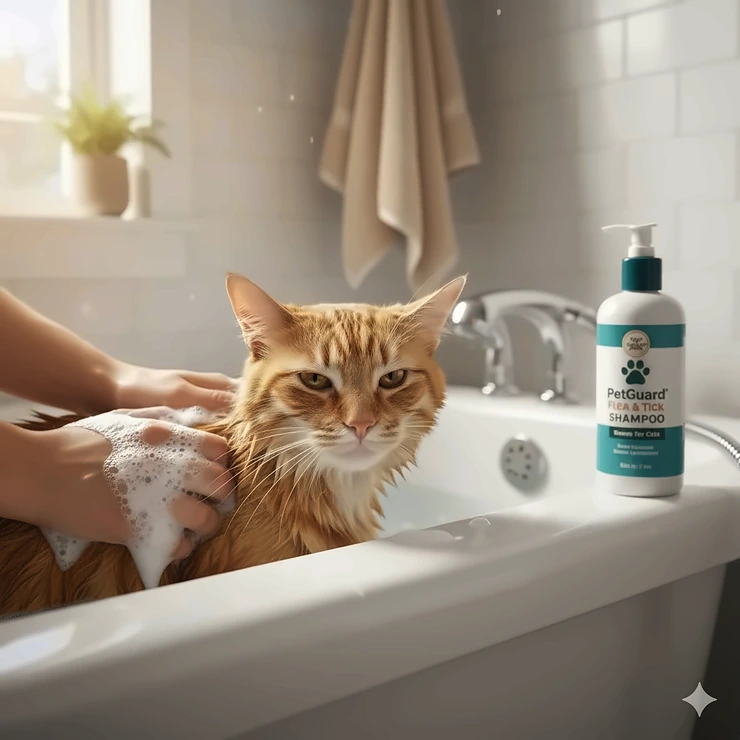
Listen, I’ve been there. You’re peacefully watching Netflix when you notice your cat scratching—again. And again. You part their fur and there it is: a tiny dark speck that jumps. Your heart sinks because you know what this means. Flea infestation. 🐱
Here’s the thing about finding the right flea shampoo for cats: not all products are created equal, and what works for dogs can actually be dangerous for your feline friend. I learned this the hard way when I rushed to buy the first flea treatment I saw, only to discover it was formulated for dogs only. Lesson learned.
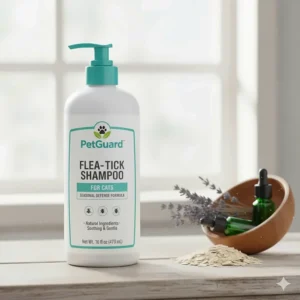
The market is flooded with cat shampoo for fleas, and honestly, it can feel overwhelming. Do you go natural or chemical? Waterless or traditional? Budget-friendly or premium? Moreover, you need something that actually kills fleas on contact while being gentle enough for your cat’s sensitive skin. According to the Centers for Disease Control and Prevention, fleas can transmit diseases and cause severe allergic reactions in cats, making prompt treatment essential.
In this comprehensive guide, I’ve researched and tested multiple products to bring you the seven best options available in 2025. Whether you’re dealing with a full-blown flea crisis or just want preventive care, you’ll find something that fits your needs and budget. Additionally, each product has been vetted for safety and effectiveness based on real customer experiences and veterinary guidelines.
Quick Comparison Table: Top Flea Shampoos for Cats
| Product | Size | Price Range | Type | Best For | Rating |
|---|---|---|---|---|---|
| SimpleSource Flea & Tick Shampoo | 12 oz | $10-13 | Plant-based | Budget-conscious pet parents | ⭐⭐⭐⭐ 4.3/5 |
| Adams Plus with Precor | 12 oz | $10-15 | Chemical + IGR | Long-lasting protection | ⭐⭐⭐⭐⭐ 4.6/5 |
| Veterinary Formula Clinical Care | 16 oz | $8-12 | Pyrethrum-based | Multi-pet households | ⭐⭐⭐⭐ 4.4/5 |
| Advantage Cat Flea & Tick | 8 oz | $12-15 | Pyrethrin formula | Complete treatment | ⭐⭐⭐⭐ 4.2/5 |
| TropiClean Gentle | 12 oz | $15-17 | Natural essential oils | Sensitive skin | ⭐⭐⭐⭐ 4.1/5 |
| Vet’s Best Waterless | 5 oz | $14-16 | Plant-based foam | Water-averse cats | ⭐⭐⭐½ 3.8/5 |
| Wondercide Natural | 12 oz | $17-20 | Premium plant oils | Eco-conscious owners | ⭐⭐⭐⭐ 4.2/5 |
💬 Just one click – help others make better buying decisions too!😊
✨ Ready to Tackle Those Fleas? 🎯
These carefully selected products represent the best options available on Amazon right now. Click on any highlighted product to check current pricing, read more customer reviews, and get same-day delivery options. Your cat’s comfort is just one click away!
Top 7 Flea Shampoos for Cats: Expert Analysis
1. SimpleSource Flea & Tick Shampoo for Cats – Best Overall Value
Let me start with what I consider the sweet spot between effectiveness and affordability. SimpleSource® Flea & Tick Shampoo for Cats has become my go-to recommendation for most cat owners, and here’s why.
Key Specifications:
✅ Size: 12 oz bottle
✅ Active ingredients: Sodium Lauryl Sulfate (6.10%), Cedarwood Oil (2.20%), Lemongrass Oil (0.50%)
✅ Price: $10-13
✅ Safe for kittens 12+ weeks
This plant-powered formula kills fleas, flea eggs, flea larvae, ticks, and even mosquitos on contact. What impressed me most was how quickly it worked—customers consistently report seeing dead fleas in the bathwater within minutes. The lemongrass and cedarwood oils provide natural pest-fighting properties without harsh chemicals, plus your cat smells fresh afterward (not like a chemical factory).
Customer Feedback Summary:
Pet owners love that it lathers well and rinses cleanly. One reviewer noted: “Within minutes killed the fleas on contact. Leaves coat a bit softer after using and towel drying.” However, some users with severe infestations mentioned needing multiple applications, and a few found the lemongrass scent too strong.
Pros:
✅ Excellent value for money
✅ Plant-based and chemical-free
✅ Works on multiple life stages of fleas
Cons:
❌ Scent may be overpowering for sensitive cats
❌ May require repeated use for heavy infestations
Price & Where to Buy: Available on Amazon for approximately $10-13, often eligible for Subscribe & Save discounts.
2. Adams Plus Flea & Tick Shampoo with Precor – Best for Lasting Protection
If you’ve dealt with recurring flea problems, you know the frustration of thinking you’ve won the battle, only to see fleas return two weeks later. That’s where Adams Plus Flea & Tick Shampoo with Precor becomes a game-changer.
Key Specifications:
✅ Size: 12 oz bottle
✅ Active ingredients: Pyrethrins, Precor IGR (S-Methoprene)
✅ Price: $10-15
✅ Protection: Up to 28 days against reinfestation
The secret weapon here is Precor, an insect growth regulator that prevents flea eggs and larvae from developing into biting adults for up to 28 days. This breaks the flea life cycle at its source. Furthermore, it’s formulated specifically for sensitive skin, making it suitable for cats, kittens, dogs, and puppies over 12 weeks of age.
Customer Feedback Summary:
Users consistently praise its effectiveness against not just adult fleas but also eggs, ticks, and lice. Many report complete elimination of flea problems after just one use. The gentle formula doesn’t irritate skin, and the oatmeal and coconut extracts leave coats soft and moisturized.
Pros:
✅ Contains Precor IGR for extended protection
✅ Kills multiple pests (fleas, eggs, ticks, lice)
✅ Gentle on sensitive skin
Cons:
❌ Not suitable for kittens under 12 weeks
❌ Strong scent that some cats dislike
Price & Where to Buy: Priced between $10-15 on Amazon with free Prime shipping options.
3. Veterinary Formula Clinical Care Flea and Tick Shampoo – Best for Multi-Pet Homes
Running a multi-pet household means you need something that works for everyone without breaking the bank. Enter Veterinary Formula Flea and Tick Shampoo for Dogs and Cats.
Key Specifications:
✅ Size: 16 oz bottle (largest on this list)
✅ Active ingredient: Pyrethrum (natural insecticide from flowers)
✅ Price: $8-12
✅ Safe for: Cats, dogs, ferrets, and horses 12+ weeks
What sets this apart is its versatility. The pyrethrum-based formula kills fleas and ticks on contact while being gentle enough for multiple species. It also contains aloe vera and lanolin to soothe irritated skin from flea bites, and it’s paraben and soap-free. According to the American Veterinary Medical Association, pyrethrum is considered one of the safer insecticides for pet use when properly formulated.
Customer Feedback Summary:
Pet parents with multiple animals appreciate being able to use one product for all their pets. Reviews highlight fast-acting results and the soothing properties for irritated skin. Some users noted you need to leave the lather on for 5-10 minutes for maximum effectiveness.
Pros:
✅ Works on multiple pet species
✅ Large 16 oz bottle offers great value
✅ Soothes irritated skin with aloe and lanolin
Cons:
❌ Requires rubber gloves during application
❌ Must avoid open wounds
Price & Where to Buy: Amazon price ranges from $8-12, making it one of the most affordable options per ounce.
4. Advantage Cat Flea & Tick Shampoo – Best Complete Treatment System
Sometimes you want a product from a trusted name in flea control. Advantage Cat Flea & Tick Shampoo comes from the same family as the popular Advantage topical treatments, offering an integrated approach to pest management.
Key Specifications:
✅ Size: 8 oz bottle
✅ Active ingredients: Pyrethrin-based formula
✅ Price: $12-15
✅ Use frequency: Up to once every 7 days
This lathering shampoo formula ensures you treat every inch of your cat for complete and immediate protection. What I appreciate is that it integrates seamlessly with other Advantage products—you can use this shampoo alongside their topical treatments, home sprays, and yard treatments for comprehensive flea control. No prescription needed, and it works on both kittens and adult cats 12 weeks and older.
Customer Feedback Summary:
Users report excellent results when used as part of a complete treatment program. The shampoo cleans and conditions while killing fleas and ticks on contact. Many appreciate that it doesn’t require a vet prescription and works well even for cats with flea bite dermatitis.
Pros:
✅ Part of a complete pest control system
✅ Conditions coat while treating
✅ No prescription required
Cons:
❌ Smaller 8 oz bottle may not last long
❌ Needs reapplication every 7 days during infestations
Price & Where to Buy: Available on Amazon for $12-15 with Subscribe & Save options.
5. TropiClean Gentle Flea Shampoo for Cats – Best Natural Alternative
For those of you who prefer natural solutions, TropiClean Gentle Flea Shampoo for Cats offers powerful protection without synthetic chemicals. Made in the USA, this product has built a solid reputation among eco-conscious pet parents.
Key Specifications:
✅ Size: 12 oz bottle
✅ Active ingredients: Cedarwood oil, lemongrass extracts
✅ Price: $15-17
✅ Formula: Soap-free, natural essential oils
TropiClean uses nature’s most effective pest-fighting ingredients to create a formula that’s tough on fleas but gentle on cats. The cedarwood and lemongrass extracts not only kill fleas on contact but also help repel new ones from jumping back on your cat. Moreover, it’s free from potentially harmful oils like cottonseed, clove, and peppermint (which can be toxic to cats in high concentrations).
Customer Feedback Summary:
Customers love the natural citrus scent and report that their cats tolerate the bathing process better with this product. The gentle formula doesn’t cause skin irritation, and it effectively deodorizes while treating. Some users note that while it kills fleas on contact, it may need to be paired with environmental treatments for severe infestations.
Pros:
✅ Made with safe, natural ingredients
✅ Pleasant citrus scent
✅ USA-made and cruelty-free
Cons:
❌ Higher price point
❌ May require more frequent applications
Price & Where to Buy: Priced at $15-17 on Amazon and major pet retailers.
6. Vet’s Best Natural Waterless Flea & Tick Bath for Cats – Best for Water-Averse Cats
Let’s be honest: most cats would rather face a pack of wild dogs than take a traditional bath. That’s what makes Vet’s Best Natural Waterless Flea & Tick Bath for Cats such a brilliant solution for feline-friendly flea control.
Key Specifications:
✅ Size: 5 oz foam bottle
✅ Active ingredients: Peppermint Oil (0.20%), Eugenol from Clove (0.46%)
✅ Price: $14-16
✅ Type: No-rinse foam formula
This waterless bath is perfect for cats that absolutely hate water. You simply pump the foam onto your hands, massage it into your cat’s coat (avoiding eyes and face), and let it air dry. The plant-based formula kills fleas, flea eggs, and ticks on contact while deodorizing your cat’s coat. It’s particularly useful for quick touch-ups between regular grooming or when traveling.
Customer Feedback Summary:
Reviews are mixed on this one. Many users love the convenience and report it works well for light flea problems or as a preventive measure. However, veterinarians caution that peppermint and clove oils can be problematic if cats lick them off before drying, potentially causing drooling or upset stomach. Several reviews mention cats foaming at the mouth after licking the product.
Pros:
✅ No water required—stress-free application
✅ Travel-friendly size
✅ Natural essential oil formula
Cons:
❌ Risk if cat licks product before drying
❌ Less effective for severe infestations
Price & Where to Buy: Available on Amazon and Petco for $14-16.
7. Wondercide Flea & Tick Shampoo for Dogs and Cats – Best Premium Natural Option
If you’re willing to invest a bit more for a premium, completely plant-powered solution, Wondercide Flea & Tick Shampoo is worth every penny. This woman-founded company has built its reputation on creating effective, eco-friendly pest control products.
Key Specifications:
✅ Size: 12 oz bottle
✅ Active ingredients: Cedarwood Oil (1.0%), Peppermint Oil (1.0%)
✅ Price: $17-20
✅ Safe for: Cats and dogs 4+ months old
Wondercide’s formula has been lab-tested and proven to meet the same effectiveness standards as conventional flea shampoos—killing fleas and ticks by contact. The peppermint and cedarwood oils work synergistically to eliminate pests while soothing irritated skin. It’s cruelty-free, made in the USA, and comes in recyclable packaging. According to EPA guidelines, plant-based pesticides like those used in Wondercide can be effective alternatives to synthetic chemicals when used as directed.
Customer Feedback Summary:
Pet parents rave about this shampoo’s effectiveness and fresh peppermint scent. Many report that it works just as well as chemical alternatives without the worry of toxic exposure. The formula lathers nicely and rinses clean. Users appreciate that it can be used alongside Wondercide’s other pest control products for complete home protection.
Pros:
✅ Lab-tested effectiveness
✅ Premium plant-powered formula
✅ Soothes skin while killing pests
Cons:
❌ Higher price point ($17-20)
❌ Peppermint not recommended for pregnant/nursing cats
Price & Where to Buy: Available on Amazon, Wondercide’s website, and PetSmart for $17-20.
Understanding Flea Infestations in Cats 🔍
Before we dive deeper into treatment strategies, let’s talk about what you’re actually fighting. Fleas are more than just annoying parasites—they’re survival experts that have perfected their craft over millions of years.
The Flea Life Cycle: Know Your Enemy
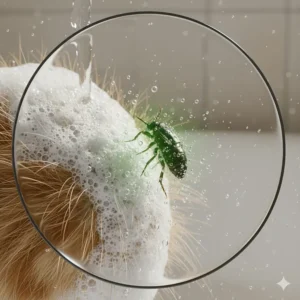
Here’s something that might surprise you: the fleas you see on your cat represent only about 5% of the total flea population in your home. Yep, you read that right. The remaining 95% are hiding in your carpets, furniture, and bedding as eggs, larvae, and pupae, just waiting to emerge.
The flea life cycle has four stages:
🥚 Eggs (50% of infestation): Adult female fleas lay up to 50 eggs per day. These tiny white eggs fall off your cat and scatter throughout your environment. They hatch in 2-12 days depending on temperature and humidity.
🐛 Larvae (35% of infestation): These worm-like creatures avoid light and burrow deep into carpets, upholstery, and cracks. They feed on “flea dirt” (adult flea feces) and organic debris for 5-11 days before spinning cocoons.
🛡️ Pupae (10% of infestation): Inside their protective cocoons, flea pupae can survive for months waiting for the right conditions. They’re incredibly resistant to insecticides, which is why infestations can seem to “come back” weeks after treatment.
🦟 Adults (5% of infestation): Newly emerged adult fleas jump onto your cat to feed and mate. They can live 2-3 months on a host, during which females continuously lay eggs, perpetuating the cycle.
This is precisely why using shampoos for fleas on cats alone isn’t enough during a full infestation—you need a comprehensive approach that addresses all life stages.
Why Cats Are More Susceptible Than You Think
Even indoor cats can get fleas. They can hitch a ride on your clothing, slip through briefly opened doors, or transfer from other pets. Once fleas find your cat, they trigger a cascade of problems beyond simple itching.
According to the Cornell University College of Veterinary Medicine, flea infestations can cause:
- Flea allergy dermatitis (the most common skin disease in cats)
- Anemia from blood loss (especially dangerous for kittens)
- Tapeworm infections (fleas are intermediate hosts)
- Secondary bacterial infections from excessive scratching
- Stress and behavioral changes
That’s why prompt treatment with effective flea shampoo for cats is crucial, not optional.
How to Choose the Right Flea Shampoo for Your Cat 🎯
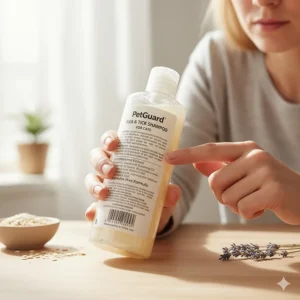
Picking the right product isn’t just about grabbing whatever’s on sale. Your cat’s age, health status, and the severity of the flea problem all factor into making the best choice. Let me walk you through the key considerations.
Consider Your Cat’s Age and Health Status
For Kittens (8-12 weeks): Young kittens require extra gentle formulas. Most flea shampoos aren’t safe for kittens under 12 weeks, so check labels carefully. Products like Adams Plus and SimpleSource specifically state they’re safe for kittens 12 weeks and older. When in doubt, consult your vet—never guess with a kitten’s health.
For Adult Cats: You have more options here. Consider whether your cat has any skin sensitivities or allergies. If your cat has had reactions to products in the past, opt for natural, plant-based formulas like TropiClean or Wondercide rather than chemical-based options.
For Senior Cats: Older cats may have thinner skin and weaker immune systems. Choose gentler formulas with moisturizing ingredients like aloe vera or lanolin. The Veterinary Formula with aloe is an excellent choice for seniors.
For Pregnant or Nursing Cats: This is critical—never use flea products on pregnant or nursing cats without veterinary approval. Many essential oils (including peppermint) can affect milk production or harm developing kittens. Your vet may recommend safer alternatives.
Natural vs. Chemical Formulas: The Great Debate
I get asked about this constantly: “Should I use natural or chemical flea treatments?” The answer isn’t black and white, so let me break down both options objectively.
Chemical-Based Formulas (Pyrethrins/Pyrethroids):
These synthetic or naturally-derived insecticides kill fleas quickly and effectively. Products like Adams Plus and Veterinary Formula use these ingredients because they work fast and have decades of safety data.
Advantages:
- Rapid knockdown of adult fleas
- Proven effectiveness
- Often more affordable
- Well-studied safety profiles
Considerations:
- Some cats may be sensitive
- Can cause temporary skin irritation
- Must be used exactly as directed
Natural/Plant-Based Formulas:
Products like Wondercide and TropiClean use essential oils (cedarwood, lemongrass, peppermint) to kill and repel fleas.
Advantages:
- Fewer synthetic chemicals
- Often more pleasant-smelling
- Environmentally friendly
- Lower toxicity concern
Considerations:
- May require more frequent application
- Can still cause reactions in sensitive cats
- Essential oils aren’t risk-free—some are toxic to cats
- Generally more expensive
My take? Neither is inherently “better.” If you’re dealing with a severe infestation, chemical formulas often provide faster relief. For maintenance and prevention, natural options work beautifully. Many cat owners successfully use both—chemical treatments to knock down an active infestation, then switch to natural products for ongoing prevention.
Matching Product Type to Your Cat’s Personality
This might sound silly, but your cat’s temperament should influence your choice:
The Water-Hater: If your cat turns into a furry tornado at the mere sight of a bathtub, Vet’s Best Waterless or TropiClean’s no-rinse options are lifesavers. While potentially less effective than traditional baths, they’re infinitely better than no treatment at all.
The Tolerant Bather: Lucky you! Traditional shampoos like SimpleSource, Adams Plus, or Advantage will work great. You can take your time to thoroughly work the lather into their coat.
The Sensitive Skin Cat: Look for formulas with soothing ingredients—aloe, oatmeal, lanolin, or coconut extracts. Veterinary Formula and Adams Plus both contain skin-conditioning ingredients.
The Multi-Pet Household Member: When you have dogs and cats sharing space, products like Veterinary Formula that work safely on multiple species simplify your life (and budget).
Proper Application: The Secret to Success 💡
Having the right product is only half the battle—using it correctly makes all the difference between “it didn’t work” and “it worked like magic.” Trust me, technique matters.
Step-by-Step Guide to Bathing Your Cat
Preparation is Everything (5-10 minutes before):
First things first—gather everything you need before wetting your cat. Nothing’s worse than having a wet, soapy cat while you hunt for a towel. You’ll need:
- Flea shampoo
- Several towels (more than you think)
- A non-slip mat for the sink or tub
- A cup for rinsing (or a handheld sprayer)
- Treats for afterward
- A second person (if possible—seriously, this helps)
Brush your cat thoroughly before the bath. This removes loose hair and makes it easier for the shampoo to reach the skin where fleas hide. Plus, it’s one last pleasant grooming session before the “betrayal” of the bath.
Trim your cat’s nails if possible. Even gentle cats may panic in water, and those claws become weapons of self-defense.
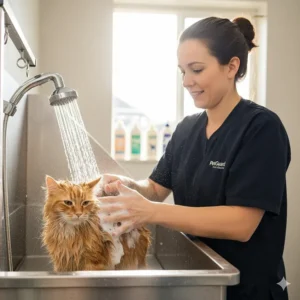
The Bathing Process:
- Use lukewarm water: Test it on your wrist—it should feel barely warm, never hot. Cats are more sensitive to temperature than humans.
- Wet thoroughly but gently: Start from the neck and work backward. Avoid the face initially. Many pet parents make the mistake of not wetting down to the skin—the water needs to penetrate through the fur.
- Create a “flea barrier”: Here’s a pro tip: Apply shampoo around your cat’s neck first, creating a ring that fleas can’t cross. This prevents them from escaping to your cat’s head during the bath.
- Lather and wait: Apply shampoo and massage it in thoroughly, reaching down to the skin. Most products need 5-10 minutes of contact time to kill fleas effectively—check your specific product’s instructions. Don’t rush this step.
- Clean the face carefully: Use a damp washcloth (not saturated) to gently clean around the face, ears, and eyes. Never spray or pour water directly on your cat’s face.
- Rinse, rinse, rinse: This cannot be emphasized enough. Residual shampoo can irritate skin or make your cat sick if they lick it. Rinse until the water runs completely clear, then rinse one more time for good measure.
- Dry thoroughly: Wrap your cat in a towel and gently squeeze (don’t rub) excess water from the fur. Replace with dry towels as needed. Keep your cat in a warm room until completely dry—damp cats can get chilled easily.
Common Mistakes That Reduce Effectiveness
❌ Not reading the instructions: Each product has specific contact times and application guidelines. “Close enough” doesn’t cut it with flea control.
❌ Using dog flea products on cats: This is dangerous and potentially fatal. Cats metabolize chemicals differently than dogs, and ingredients safe for dogs (like permethrin) can kill cats.
❌ Skipping environmental treatment: Remember that 95% of the flea population? If you only treat your cat, fleas will just jump right back on from your carpets and furniture.
❌ Giving up too soon: It takes 2-3 months to completely break the flea life cycle. One bath won’t solve a severe infestation—consistency is key.
❌ Bathing too frequently: More isn’t always better. Most flea shampoos shouldn’t be used more than once every 7 days. Over-bathing strips natural oils and dries out skin.

Benefits vs. Traditional Flea Control Methods 📊
Let’s talk honestly about how flea shampoo for cats stacks up against other treatment options. Each method has its place in comprehensive flea control.
| Treatment Type | Speed of Action | Duration | Ease of Use | Cost per Treatment | Best For |
|---|---|---|---|---|---|
| Flea Shampoo | Immediate (kills on contact) | 0-7 days | Moderate (requires bathing) | $0.50-$2 | Active infestations, immediate relief |
| Topical Spot-Ons | 12-24 hours | 30 days | Easy (just apply) | $10-20 | Monthly prevention |
| Oral Medications | 4-12 hours | 30-90 days | Very easy (pill/chew) | $15-30 | Long-term prevention |
| Flea Collars | 24-48 hours | 6-8 months | Very easy (just put on) | $15-60 | Continuous protection |
| Flea Sprays | Immediate | 1-4 weeks | Moderate | $0.25-$1 | Environmental treatment |
When Shampoo is the Best Choice
Cat shampoo for fleas excels in specific situations:
During Active Infestations: Nothing beats the immediate satisfaction of seeing dead fleas wash down the drain. When your cat is crawling with fleas, shampoo provides instant relief from the biting and itching.
Before Starting Prevention: Many veterinarians recommend using a flea shampoo to knock down the existing population before applying monthly preventives. This gives your cat immediate comfort while the preventive builds up.
For Kittens Too Young for Other Treatments: Many topical and oral flea treatments aren’t safe for very young kittens. Flea shampoos formulated for kittens 8-12 weeks old provide one of the few safe treatment options.
When Fleas Are Resistant: Some flea populations develop resistance to certain chemicals. If your regular preventive stops working, a shampoo with different active ingredients can provide alternative control.
For Cats That Can’t Tolerate Systemic Treatments: Cats with certain health conditions, liver problems, or allergies to oral/topical medications may tolerate shampoos better since they’re washed off rather than absorbed into the body.
The Case for Combining Methods
Here’s my honest assessment: flea shampoos work best as part of an integrated pest management approach, not as your sole defense. The most successful flea control strategies I’ve seen combine:
- Immediate knockdown (flea shampoo)
- Ongoing prevention (monthly topical or oral preventive)
- Environmental control (treating carpets, furniture, yard)
- Consistent year-round treatment (fleas don’t take winter vacations in many climates)
Think of it like this: flea shampoo is your emergency response team, while monthly preventives are your security system. You need both for complete protection.
Environmental Treatment: Don’t Forget Your Home 🏠
You can bathe your cat daily with the best flea shampoo for cats, but if you’re not treating your environment, you’re fighting a losing battle. Let me explain why and how to tackle the invisible 95%.
Why Indoor Treatment is Non-Negotiable
Even if your cat never goes outside, once fleas are in your home, they’ve established a breeding ground. A single female flea lays about 40-50 eggs per day—that’s 1,500 eggs in her lifetime. These eggs fall off your cat and into every crack, crevice, and corner of your home.
Here’s what’s lurking in your living space during an infestation:
- Carpets and rugs: The #1 flea nursery. The dense fibers provide perfect hiding spots for eggs and larvae.
- Upholstered furniture: Any fabric surface your cat touches becomes a flea habitat.
- Bedding: Yours and theirs. Flea eggs don’t discriminate.
- Baseboards and floorboard cracks: Larvae love dark, protected spaces.
- Pet bedding and toys: Concentrated areas of flea activity.
Comprehensive Home Treatment Strategy
Step 1: Vacuum Like Your Life Depends On It
Vacuum everything—and I mean everything. The mechanical action kills fleas by physically removing them and crushing them. The vibrations also stimulate pupae to emerge from their cocoons, making them vulnerable to treatment.
- Vacuum daily during an active infestation
- Use attachments for furniture, baseboards, under cushions
- Immediately seal and dispose of vacuum bags outside
- If you have a bagless vacuum, empty it into a sealed plastic bag and dispose of it outside
Step 2: Wash All Fabric Items
Wash everything your cat touches in hot water (at least 130°F/54°C) and dry on high heat for at least 30 minutes. This includes:
- All pet bedding
- Your bedding if your cat sleeps with you
- Throw blankets and pillows
- Removable furniture covers
- Cat toys (if washable)
Items that can’t be washed can be sealed in plastic bags for 2-3 weeks to starve out any fleas.
Step 3: Apply Environmental Flea Treatments
Several options exist for treating your home:
Flea sprays: Products containing insect growth regulators (IGRs) prevent larvae from developing into adults. Spray all carpets, furniture, baseboards, and pet bedding areas. Popular options include Wondercide Home Spray (natural) or Adams Flea & Tick Home Spray (chemical).
Flea foggers: These treat entire rooms but require you and your pets to leave for several hours. They’re effective but don’t penetrate under furniture or into cracks well.
Diatomaceous earth (food-grade): This natural powder kills fleas by dehydrating them. Sprinkle it into carpets, leave for 24-48 hours, then vacuum thoroughly. While effective, it’s messy and can irritate lungs if inhaled, so use carefully.
Don’t Forget the Outdoor Environment
If your cat goes outside or if you have a dog that goes out, your yard is likely harboring fleas too. Outdoor treatment should focus on areas your pets frequent:
- Shaded areas under bushes and trees
- Along fences and walls
- Under decks and porches
- Around doors and windows
Products like Wondercide Outdoor Pest Control or Adams Yard & Garden Spray treat outdoor spaces without harming beneficial insects or wildlife when used as directed.

Safety Considerations: Protecting Your Cat 🛡️
Let’s talk about the elephant in the room: flea products can be dangerous if used incorrectly. I’m not trying to scare you, but you need to understand the risks to use these products safely.
Ingredients to Avoid for Cats
Permethrin: This is the big one. Permethrin is a synthetic pyrethroid commonly used in dog flea products. It’s extremely effective for dogs but highly toxic to cats. Even small amounts can cause severe neurological reactions, seizures, and death in cats. Never, ever use dog flea products on cats, even if you think you’re being careful. The ASPCA Animal Poison Control Center reports hundreds of cat poisonings from permethrin annually.
Essential Oils in High Concentrations: While many natural flea shampoos use essential oils safely, certain oils in high concentrations are toxic to cats:
- Tea tree oil (melaleuca)
- Pennyroyal
- Wintergreen
- Pine oils
- Some citrus oils (depending on concentration)
Cats lack certain liver enzymes that metabolize these compounds, leading to toxic buildup.
Organophosphates and Carbamates: These older insecticides (like malathion or carbaryl) are rarely used in modern cat products but may appear in some bargain-brand or imported products. They’re much more toxic than newer options.
Signs of Product Reaction or Toxicity
Even products labeled safe for cats can occasionally cause reactions. Watch for these warning signs during and after treatment:
Immediate reactions (during bathing):
- Excessive vocalization or distress
- Attempts to escape more extreme than normal bath anxiety
- Visible skin redness or hives
- Swelling around face or paws
- Difficulty breathing
Post-bath reactions (within 72 hours):
- Excessive drooling or foaming at the mouth
- Vomiting or diarrhea
- Lethargy or weakness
- Tremors, twitching, or seizures
- Loss of appetite
- Skin irritation, redness, or hair loss at application sites
If you observe any of these symptoms, immediately rinse your cat with large amounts of lukewarm water and mild dish soap, then contact your veterinarian or the ASPCA Poison Control hotline (888-426-4435).
Special Precautions for High-Risk Cats
Certain cats require extra caution:
Very Young Kittens: Never use flea products on kittens under 8 weeks without veterinary guidance. Their immature livers and kidneys can’t process chemicals effectively.
Geriatric Cats: Older cats with compromised organ function may be more susceptible to product reactions. Choose the gentlest options available.
Cats with Chronic Illnesses: If your cat has kidney disease, liver disease, or other chronic conditions, consult your vet before using any flea product, even over-the-counter ones.
Cats on Medications: Some medications interact with flea products. Always inform your vet about any flea treatments you’re using.
Tips for Long-Term Flea Prevention 🔒
Once you’ve eliminated an active infestation, the goal becomes preventing fleas from ever coming back. Here’s your long-term strategy for keeping your cat flea-free.
Year-Round Protection is Essential
One of the biggest mistakes cat owners make is stopping flea treatment during winter. In many parts of the USA, homes remain warm year-round, providing perfect conditions for fleas to thrive. Even in colder climates, fleas can survive indoors.
Consider this your year-round prevention checklist:
Monthly Maintenance:
✅ Apply topical or oral flea preventive (prescribed by your vet)
✅ Check your cat for flea dirt while grooming
✅ Vacuum high-traffic pet areas thoroughly
✅ Wash pet bedding in hot water
Quarterly Deep Cleaning:
✅ Professional carpet cleaning or steam cleaning
✅ Treat outdoor areas where your cat frequents
✅ Replace worn cat bedding
✅ Check and treat any other pets in the household
Boosting Your Cat’s Natural Defenses
A healthy cat with a strong immune system is naturally more resistant to flea infestations and their complications. While this doesn’t replace active flea prevention, supporting your cat’s overall health helps:
Nutrition Matters: Feed high-quality cat food rich in omega-3 fatty acids, which support skin health. Healthy skin and coat are less attractive to fleas and better able to withstand minor infestations.
Regular Grooming: Brush your cat regularly with a flea comb, even when you don’t see fleas. This helps you catch infestations early and removes flea dirt before eggs can develop.
Stress Reduction: Chronic stress weakens immune function. Provide enrichment, vertical spaces, hiding spots, and consistent routines to keep stress levels low.
Veterinary Check-ups: Annual or bi-annual vet visits ensure underlying health issues don’t compromise your cat’s ability to fight off parasites.
Creating a Flea-Hostile Environment
Make your home less appealing to fleas:
Reduce Humidity: Fleas thrive in humidity above 50%. Using dehumidifiers can slow flea development significantly.
Increase Light Exposure: Flea larvae hate light. Open curtains during the day and avoid overly dark hiding spots where larvae can develop undisturbed.
Use Natural Repellents: Cedar chips in outdoor areas, regular use of cedarwood-based products, and diatomaceous earth in hard-to-reach areas create inhospitable conditions for fleas.
Treat All Pets: Even if your dog doesn’t have fleas, they can carry them and reinfect your cat. Every pet in the household needs prevention.
Frequently Asked Questions About Flea Shampoos for Cats
❓ How long does flea shampoo for cats take to work completely?
❓ Can I use cat shampoo for fleas on kittens under 8 weeks?
❓ Will flea shampoo for cats prevent future infestations long-term?
❓ How often can I bathe my cat with flea shampoo safely?
❓ What should I do if my cat licks the flea shampoo off?
Conclusion: Your Cat’s Flea-Free Future Starts Today
Look, dealing with fleas sucks. There’s no getting around it. But here’s the good news: with the right flea shampoo for cats and a solid treatment plan, you absolutely can win this battle.
We’ve covered a lot of ground in this guide—from understanding the flea life cycle to choosing between seven excellent products. Whether you go with the budget-friendly SimpleSource, the long-lasting protection of Adams Plus with Precor, or the premium natural formula from Wondercide, you now have the knowledge to make an informed decision.
Remember, the best flea shampoo for cats is the one you’ll actually use consistently, combined with environmental treatment and ongoing prevention. It’s not just about killing the fleas you see today—it’s about breaking the life cycle and preventing future infestations.
Your cat depends on you for protection against these persistent parasites. They can’t tell you when they’re uncomfortable, but the excessive scratching, hair loss, and stressed behavior speak volumes. By taking action today, you’re not just eliminating fleas—you’re giving your feline friend relief from constant itching, reducing disease risk, and improving their overall quality of life.
Don’t wait for the problem to get worse. Choose a product from our top seven recommendations, follow the application instructions carefully, treat your environment thoroughly, and stay consistent. Your cat will thank you with purrs, head bumps, and hopefully a lot less scratching.
✨ Take Action Now – Your Cat Will Thank You! 🐱
Browse the products we’ve reviewed and pick the one that best fits your cat’s needs and your budget. Most are available on Amazon with Prime shipping, so you can start treatment as soon as tomorrow. Your flea-free future is just a click away!
Recommended for You
- Shampoo for Cats: 7 Best Picks That Actually Work (2025)
- Cat Treats with Catnip: 7 Best Picks That Drive Cats Wild (2025)
- Cat Food for Kidney Disease: 7 Vet-Approved Picks 2025
Disclaimer: This article contains affiliate links. If you purchase products through these links, we may earn a small commission at no additional cost to you. We only recommend products we genuinely believe will help your cat.
✨ Found this helpful? Share it with your friends! 💬🤗
