
Table of Contents
✨Was this helpful? Spread the word! 🚀
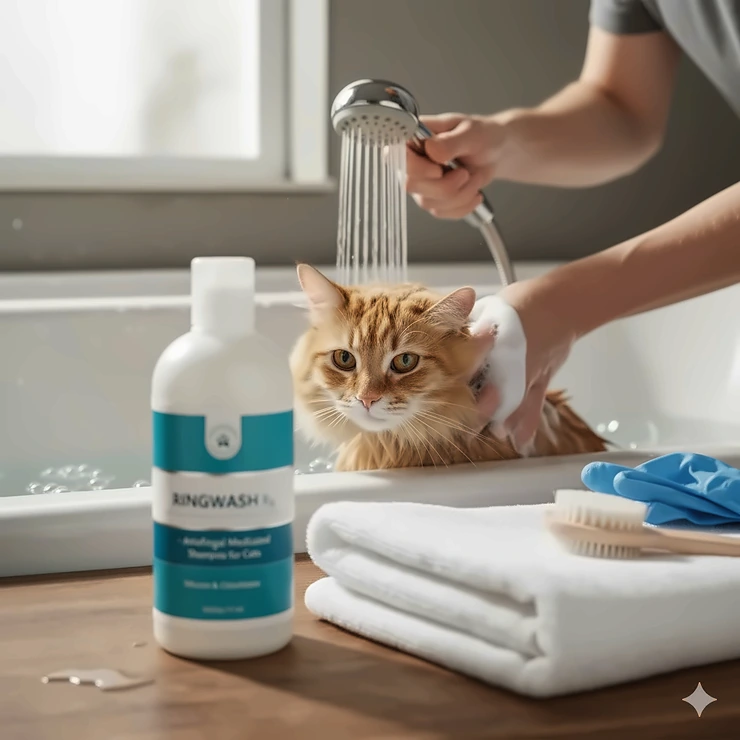
If you’ve noticed circular patches of hair loss on your feline friend, you’re probably dealing with ringworm—and trust me, you’re not alone. Ringworm in cats is one of the most common fungal infections veterinarians see, and despite its name, it’s not actually a worm at all. It’s a fungus called dermatophyte that creates those telltale round lesions on your cat’s skin.
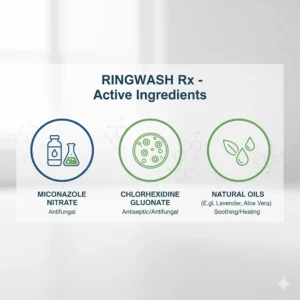
Here’s the thing: ringworm is highly contagious. It can spread to other pets, and yes, even to you. That’s why finding the right ringworm shampoo for cats isn’t just about treating your pet—it’s about protecting your entire household. What is ringworm shampoo for cats? It’s a medicated cleansing treatment containing antifungal agents like miconazole, chlorhexidine, or ketoconazole that work to eliminate fungal infections while soothing damaged skin and preventing the spread of spores.
I’ve spent countless hours researching these products, reading through veterinary studies, and analyzing real customer experiences to bring you this comprehensive guide. Whether you’re dealing with a mild case or a stubborn infection, you’ll find a shampoo for ringworm cats treatment that actually works. The right product can make the difference between weeks of frustration and quick relief for your furry companion.
According to the American Veterinary Medical Association, early treatment with proper antifungal shampoos can significantly reduce recovery time and prevent environmental contamination.
Quick Comparison Table
| Product | Key Ingredients | Size | Price Range | Best For |
|---|---|---|---|---|
| Vetoquinol Universal Medicated Shampoo | Chloroxylenol, Salicylic Acid | 16 oz | $18-25 | Best Overall |
| Veterinary Formula Clinical Care | Benzethonium Chloride, Ketoconazole | 16 oz | $10-15 | Best Budget |
| Pet MD Antiseptic & Antifungal | 2% Chlorhexidine, 1% Ketoconazole | 12-16 oz | $15-21 | Premium Choice |
| Davis Miconazole Shampoo | 2% Miconazole Nitrate | 12 oz | $17-20 | Best for Yeast |
| MiconaHex+Triz | 2% Miconazole, 2% Chlorhexidine | 8-16 oz | $20-30 | Severe Infections |
| Curaseb Chlorhexidine 4% | 4% Chlorhexidine | 8-12 oz | $18-22 | Stubborn Cases |
| Sebozole Medicated | 2% Miconazole, 2% Salicylic Acid | 12 oz | $22-28 | Seborrhea + Fungal |
💬 Just one click – help others make better buying decisions too!😊
✨ Ready to Start Treatment?
🐱 These veterinarian-recommended shampoos are available now on Amazon. Click any highlighted product name to check current prices, read verified customer reviews, and take advantage of Subscribe & Save discounts!
Top 7 Ringworm Shampoo for Cats: Expert Analysis
1. Vetoquinol Universal Medicated Shampoo for Cats – Best Overall
When it comes to fighting fungal infections without breaking the bank, this shampoo stands head and shoulders above the competition. Vetoquinol Universal Medicated Shampoo combines three powerful active ingredients—2% Chloroxylenol, 2% Salicylic Acid, and 2% Sodium Thiosulfate—to create a comprehensive solution for cat ringworm shampoo treatment.
Key Features:
✅ Triple-action antimicrobial formula
✅ Won’t remove flea/tick treatments
✅ Gentle degreasing action
✅ Pleasant, non-medicinal scent
This feline ringworm shampoo excels at removing scales and crusts while deodorizing your cat’s coat. The salicylic acid works to exfoliate dead skin cells, which is crucial because ringworm spores can hide in these areas. Customers consistently report seeing improvement within 1-2 weeks of twice-weekly use.
Pros:
✅ Effective against multiple skin conditions
✅ Suitable for routine use
✅ Made by trusted veterinary company since 1933
Cons:
❌ Requires 5-10 minute contact time
❌ Must wear gloves during application
Price: $18-25 for 16 oz
Customer Feedback: Users praise its effectiveness and note that it doesn’t strip away topical flea treatments, making it ideal for multi-pet households dealing with ringworm outbreaks.
2. Veterinary Formula Clinical Care Antiseptic & Antifungal – Best Budget Option
Don’t let the affordable price fool you—Veterinary Formula Clinical Care delivers professional-grade results without the premium price tag. This cat antifungal shampoo features Benzethonium Chloride and Ketoconazole, a powerful combination that targets both bacterial and fungal skin infections.
Key Features:
✅ Paraben and soap-free formula
✅ pH-balanced for pet skin
✅ Contains aloe vera and lanolin
✅ Citrus scent (grapefruit-like)
What makes this antifungal shampoo for cats stand out is its gentle approach. The coconut oil-based cleansers work without harsh detergents, while aloe vera soothes irritated skin. For cats with ringworm, this means less stress during bath time—and trust me, that matters!
Pros:
✅ Extremely affordable
✅ Fast-acting relief
✅ Won’t wash away flea treatments
Cons:
❌ Strong citrus scent (some find overwhelming)
❌ Only for cats 12 weeks and older
Price: $10-15 for 16 oz
Customer Feedback: Pet owners report noticeable reduction in symptoms after just 2-3 baths. Many appreciate the economical price point, especially when treating multiple cats.
3. Pet MD Antiseptic & Antifungal Medicated Shampoo – Premium Choice
If you’re looking for a premium cat ringworm treatment shampoo that delivers professional results, Pet MD Antiseptic & Antifungal is your answer. This veterinary-strength formula combines 2% Chlorhexidine with 1% Ketoconazole—the gold standard in antifungal treatment.
Key Features:
✅ Veterinary-strength active ingredients
✅ Pleasant peppermint scent
✅ Contains aloe and oatmeal
✅ Made in the USA
This medicated shampoo for cats ringworm works on multiple levels. Chlorhexidine acts as a powerful antiseptic, while ketoconazole specifically targets fungal cells. The addition of soothing ingredients like aloe vera and oatmeal helps calm the inflammation that often accompanies ringworm infections.
Pros:
✅ Powerful dual-action formula
✅ Soothes itching immediately
✅ Safe for dogs, cats, and horses
Cons:
❌ Higher price point
❌ Red coloring may stain if not rinsed thoroughly
Price: $15-21 for 12-16 oz
Customer Feedback: Users love the peppermint scent and report that their cats seem more comfortable after bathing. Many note visible improvement in skin condition within one week.
4. Davis Miconazole Pet Shampoo – Best for Yeast & Ringworm
Davis Miconazole Pet Shampoo has been a trusted name in veterinary care for over 35 years, and their shampoo for cat ringworm lives up to the company’s reputation. With 2% Miconazole Nitrate as the star ingredient, this formula specifically targets fungal infections including ringworm and yeast overgrowth.
Key Features:
✅ 2% Miconazole Nitrate
✅ Contains 2% colloidal oatmeal
✅ Fragrance and dye-free
✅ Ready to use formula
What I love about this cats ringworm shampoo is its simplicity. The colloidal oatmeal locks in moisture while providing soothing relief to damaged skin. It’s particularly effective for cats that have been scratching excessively, as the formula helps break the itch-scratch cycle.
Pros:
✅ No artificial fragrances or dyes
✅ Gentle on sensitive skin
✅ Aids in reducing seborrhea scaling
Cons:
❌ Must leave on for 10 minutes
❌ Some cats may resist the wait time
Price: $17-20 for 12 oz
Customer Feedback: Pet owners appreciate the unscented formula, especially for cats sensitive to fragrances. Many report success in treating stubborn yeast infections alongside ringworm.
5. MiconaHex+Triz Shampoo – Best for Severe Infections
When you’re dealing with a severe ringworm outbreak that just won’t quit, MiconaHex+Triz Shampoo brings out the heavy artillery. This prescription-strength shampoo for ringworm in cats combines 2% Miconazole Nitrate and 2% Chlorhexidine Gluconate with TrizEDTA for enhanced effectiveness.
Key Features:
✅ Dual antifungal and antibacterial action
✅ Contains ceramides for skin repair
✅ TrizEDTA enhances ingredient penetration
✅ Pleasant lavender and lemongrass scent
This ringworm cat shampoo is particularly effective because TrizEDTA helps the active ingredients penetrate deeper into the skin and hair follicles where fungal spores hide. The ceramides work to repair the skin barrier, which is often compromised in cats with chronic ringworm.
Pros:
✅ Veterinary-strength formula
✅ Supports skin barrier repair
✅ Can be used up to 4 times weekly
Cons:
❌ Higher price point
❌ Avoid contact with eyes (can irritate)
Price: $20-30 for 8-16 oz
Customer Feedback: Cat owners dealing with persistent infections report this as a game-changer. The lavender scent is widely praised, and many note dramatic improvement after switching from other products.
6. Curaseb Chlorhexidine 4% Shampoo – Best for Stubborn Cases
Sometimes you need maximum strength, and that’s where Curaseb Chlorhexidine 4% comes in. This is the strongest chlorhexidine concentration available over-the-counter, making it ideal for cats with stubborn fungal infections that haven’t responded to lower-strength treatments.
Key Features:
✅ Maximum 4% Chlorhexidine concentration
✅ Blueberry scent
✅ Veterinarian formulated
✅ Made in USA with vet-grade ingredients
This antifungal cat shampoo doesn’t mess around. The 4% chlorhexidine concentration provides powerful antimicrobial action against bacteria, fungi, and yeast. Despite its strength, the formula includes soothing ingredients that help calm inflamed, irritated skin.
Pros:
✅ Maximum strength for tough cases
✅ Pleasant blueberry scent
✅ Works on hot spots and allergies too
Cons:
❌ May be too strong for mild infections
❌ Requires careful application
Price: $18-22 for 8-12 oz
Customer Feedback: Pet parents battling severe ringworm cases often turn to this after other products fail. Users report that while it’s strong, it’s surprisingly gentle on their cats’ skin when used as directed.
7. Sebozole Medicated Shampoo (Vetoquinol) – Best for Seborrhea + Fungal Issues
If your cat is dealing with both ringworm and seborrhea (scaly, oily skin), Sebozole Medicated Shampoo offers a specialized solution. This cat shampoo for fungal infections combines 2% Miconazole Nitrate with 2% Salicylic Acid to address multiple skin concerns simultaneously.
Key Features:
✅ Dual action: antifungal and keratolytic
✅ Controls excess oil production
✅ Removes scales and crusts
✅ Veterinary-formulated by Vetoquinol
The salicylic acid in this formula works as a keratolytic agent, meaning it helps dissolve the scales and crusts where fungal spores can hide. This makes it particularly effective for cats with Malassezia dermatitis alongside ringworm.
Pros:
✅ Addresses multiple skin issues
✅ Effective for chronic cases
✅ Trusted veterinary brand
Cons:
❌ Thicker consistency (harder to lather)
❌ Premium pricing
Price: $22-28 for 12 oz
Customer Feedback: Veterinarians often recommend this for complex cases. Pet owners report excellent results when dealing with both fungal infections and seborrhea, though some find the consistency takes getting used to.
Understanding Ringworm in Cats: What You Need to Know
Before we dive deeper into treatments, let’s get clear on what we’re actually dealing with. Ringworm isn’t a worm—it’s a fungus, specifically dermatophytes like Microsporum canis, Microsporum gypseum, or Trichophyton mentagrophytes. These fungi thrive on keratin, the protein found in your cat’s skin, hair, and nails.
How Cats Get Ringworm
Ringworm spreads through direct contact with infected animals or contaminated environments. Those spores are incredibly resilient—they can survive in your home for up to 18 months! Cats can pick up ringworm from:
🐾 Other infected pets
🐾 Contaminated grooming tools
🐾 Shared bedding or furniture
🐾 Outdoor environments
🐾 Shelters or boarding facilities
According to the Centers for Disease Control and Prevention, ringworm affects millions of pets annually and can easily transmit to humans, especially children and immunocompromised individuals.
Recognizing Ringworm Symptoms
Spotting ringworm early makes treatment much more effective. Watch for these telltale signs:
✅ Circular patches of hair loss (classic “ring” appearance)
✅ Crusty or scaly skin in affected areas
✅ Reddened or inflamed skin
✅ Broken or brittle hair around lesions
✅ Itching (though not all cats scratch)
✅ Darkened skin in chronic cases
Interestingly, not all cats with ringworm show the classic ring pattern. Some may just have patchy hair loss or general poor coat condition. That’s why it’s crucial to consult your vet if you suspect ringworm—they can perform a Wood’s lamp examination or fungal culture to confirm the diagnosis.
How to Choose the Best Ringworm Shampoo for Cats
Selecting the right cat shampoo ringworm treatment isn’t just about picking the most expensive option. Here’s your step-by-step guide:
Step 1: Identify Your Cat’s Specific Needs
Consider the severity of the infection and your cat’s skin sensitivity. Mild cases might respond well to gentle formulas, while stubborn infections need stronger concentrations.
Step 2: Check Active Ingredients
Look for proven antifungal agents:
- Miconazole (2%): Broad-spectrum antifungal
- Chlorhexidine (2-4%): Antimicrobial and antifungal
- Ketoconazole (1-2%): Strong antifungal agent
- Salicylic Acid: Helps remove scales and crusts
Step 3: Consider Additional Benefits
The best shampoos for ringworm cats include soothing ingredients like:
- Aloe vera for inflammation
- Colloidal oatmeal for moisture
- Ceramides for skin barrier repair
Step 4: Verify Safety Profile
Ensure the product is:
✅ pH-balanced for cats
✅ Free from harsh parabens
✅ Soap-free to prevent drying
✅ Won’t interfere with flea/tick treatments
Step 5: Factor in Practicality
Think about:
- Contact time required (5-10 minutes is standard)
- Scent (some cats are sensitive)
- Ease of rinsing
- Your cat’s tolerance for baths
Step 6: Read Recent Reviews
Check 2024-2025 customer feedback on Amazon and pet specialty sites. Look for reviews from cat owners specifically, not just dog owners.
Step 7: Consult Your Veterinarian
Always get professional input, especially for:
- Kittens under 12 weeks
- Cats with compromised immune systems
- Severe or spreading infections
- Multiple pet households
The Science Behind Antifungal Shampoos
Understanding how these products work can help you use them more effectively. Antifungal shampoos for cats employ several mechanisms:
Fungal Cell Membrane Disruption
Ingredients like miconazole and ketoconazole work by disrupting the fungal cell membrane. Without an intact membrane, the fungal cell can’t maintain its structure and dies. This is why contact time matters—the longer the active ingredient stays on the skin, the more thoroughly it can penetrate and destroy fungal cells.
Antimicrobial Action
Chlorhexidine doesn’t just fight fungus—it also kills bacteria. This is important because ringworm lesions often develop secondary bacterial infections from scratching. By addressing both issues, you speed up healing and reduce complications.
Keratolytic Effects
Salicylic acid breaks down the keratin in the outer layer of skin, helping remove scales, crusts, and dead skin cells where fungal spores hide. This exposes the living fungal organisms to the antifungal agents and makes treatment more effective.
A study published in Veterinary Dermatology found that combining antifungal shampoos with oral medications reduced treatment time by 40% compared to oral medication alone.
Proper Application: How to Use Ringworm Shampoo on Cats
Even the best ringworm shampoo for cats won’t work if you don’t apply it correctly. Here’s your complete guide:
Before the Bath
Preparation is key:
- Trim your cat’s nails to minimize scratching
- Brush out loose hair to remove contaminated fur
- Gather supplies: towels, shampoo, gloves, timer
- Warm the bathroom to prevent chill
- Close doors to prevent escape
During the Bath
Follow these steps for maximum effectiveness:
Step 1: Wet your cat thoroughly with lukewarm water. Temperature matters—too hot can irritate inflamed skin, too cold will stress your cat.
Step 2: Apply shampoo to affected areas first, then work outward. Don’t forget commonly missed spots like between toes and around the tail base.
Step 3: Massage into a rich lather. The mechanical action helps loosen scales and improves penetration.
Step 4: Set a timer for the recommended contact time (usually 5-10 minutes). This is crucial—rinsing too soon reduces effectiveness dramatically.
Step 5: Prevent licking during wait time. Consider using a cone collar or having a second person distract your cat with treats.
Step 6: Rinse thoroughly. Any residue can cause irritation or be ingested during grooming.
After the Bath
Don’t skip these important steps:
✅ Towel dry gently (no vigorous rubbing)
✅ Keep warm until completely dry
✅ Clean all contaminated items (brushes, towels)
✅ Wash your hands thoroughly
✅ Dispose of gloves properly
Treatment Frequency
Most ringworm shampoos for cats work best with this schedule:
Week 1-2: Bathe 2-3 times per week
Week 3-4: Reduce to 1-2 times per week
Week 5+: Once weekly for maintenance
Always follow your vet’s specific recommendations.
Environmental Decontamination: The Other Half of Treatment
Here’s something many cat owners don’t realize: successfully treating ringworm requires more than just shampooing your cat. You must eliminate spores from your environment, or you’ll face endless reinfection.
High-Priority Cleaning Areas
Focus on these hotspots where spores accumulate:
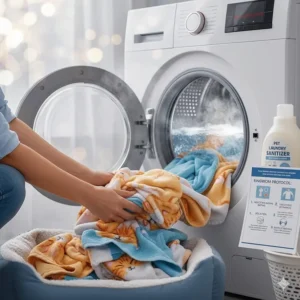
🏠 Cat bedding and blankets (wash in hot water weekly)
🏠 Carpets and rugs (vacuum daily, steam clean monthly)
🏠 Furniture where your cat lounges
🏠 Grooming tools (replace or disinfect thoroughly)
🏠 Cat carriers and toys
🏠 HVAC filters (replace if possible)
Effective Disinfection Methods
For washable items:
- Launder in hottest water safe for fabric
- Add bleach if appropriate (1:10 dilution)
- Dry on high heat
For hard surfaces:
- Use diluted bleach solution (1:10 ratio)
- Or choose accelerated hydrogen peroxide products
- Allow 10 minutes contact time
For carpets and upholstery:
- Vacuum with HEPA filter
- Steam clean when possible
- Consider professional cleaning for severe contamination
The Cornell University College of Veterinary Medicine recommends treating your entire home as potentially contaminated during active ringworm infections, even areas your cat doesn’t frequent regularly.
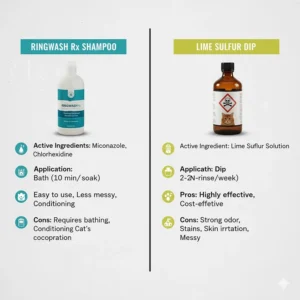
Natural Remedies vs. Medicated Shampoos: What Works?
I get it—many cat owners prefer natural solutions. But when it comes to ringworm, medicated shampoos significantly outperform home remedies. Let me explain why.
The Truth About Natural Alternatives
Popular natural remedies include:
- Tea tree oil
- Apple cider vinegar
- Coconut oil
- Neem oil
While these have some antifungal properties, they’re not sufficient as standalone treatments for active ringworm infections. Here’s why:
❌ Insufficient concentration to kill all fungal spores
❌ No clinical studies proving effectiveness
❌ Can be toxic to cats in certain concentrations
❌ May delay proper treatment, worsening the infection
When Natural Approaches Might Help
Natural ingredients can complement medical treatment:
✅ Coconut oil after bath for moisture
✅ Diluted apple cider vinegar for pH balance
✅ Probiotics to support immune function
✅ Omega-3 fatty acids for skin health
But never replace prescribed antifungal treatments with natural remedies alone. Ringworm is too contagious and persistent for half-measures.
Ringworm Prevention: Keeping Your Cat Safe
An ounce of prevention is worth a pound of cure, especially with ringworm. Here’s how to protect your cat:
Strengthen Immune Function
Healthy cats fight off ringworm better than stressed or immunocompromised ones:
🛡️ Feed high-quality diet with adequate protein
🛡️ Maintain healthy weight
🛡️ Reduce stress in your cat’s environment
🛡️ Keep up with veterinary care
🛡️ Ensure proper rest and mental stimulation
Practice Good Hygiene
Simple habits make a big difference:
✨ Wash hands after handling other animals
✨ Quarantine new pets for 2 weeks
✨ Clean grooming tools between uses
✨ Don’t share items between pets
✨ Regular home cleaning routine
Monitor High-Risk Situations
Be extra vigilant when:
- Introducing new cats to your home
- After boarding or grooming appointments
- If your cat goes outdoors
- Following contact with strays
- During shelter or rescue adoptions
Special Considerations for Kittens
Treating ringworm in kittens requires extra care. Their developing immune systems make them more susceptible to infection, yet their delicate skin needs gentler products.
Kitten-Safe Shampoo Options
Not all ringworm shampoos are safe for young kittens. Look for:
✅ Products labeled safe for kittens 12 weeks+
✅ Gentle, soap-free formulas
✅ Lower concentrations of active ingredients
✅ Fragrance-free options
Best choice for kittens: Start with Vetoquinol Universal Medicated or Veterinary Formula Clinical Care—both are gentle enough for young cats when used as directed.
Modified Application Tips
When bathing kittens:
- Use less product (quarter-sized amount)
- Reduce contact time to 5 minutes max
- Ensure thorough rinsing
- Keep extra warm during and after bath
- Consider spot treatment instead of full bath
Multi-Cat Households: Managing Ringworm Outbreaks
If one cat has ringworm in a multi-cat home, assume all cats are exposed. Here’s your action plan:
Immediate Steps
Day 1:
- Isolate infected cat(s) if possible
- Begin treating all cats with antifungal shampoo
- Start environmental decontamination
- Schedule vet appointments for all cats
Treatment Protocol
For infected cats:
- Bathe 2-3 times weekly with antifungal shampoo
- Follow prescribed oral medication if given
- Monitor lesions for improvement
For exposed but asymptomatic cats:
- Bathe weekly with preventive antifungal shampoo
- Watch closely for emerging lesions
- Consider Wood’s lamp screening
Long-Term Management
Continue environmental cleaning until:
✅ All cats test negative on fungal culture
✅ No new lesions appear for 4 weeks
✅ Veterinarian gives all-clear
This typically takes 6-12 weeks minimum. I know it’s exhausting, but persistence pays off!
Cost Comparison: Budgeting for Ringworm Treatment
Let’s talk money, because treating ringworm isn’t cheap when you factor in everything:
| Treatment Component | Budget Option | Premium Option |
|---|---|---|
| Antifungal Shampoo | $10-15 | $20-30 |
| Oral Medication | $30-60 | $100-200 |
| Vet Visits (2-3) | $150-300 | $400-600 |
| Environmental Cleaning | $50-100 | $200-400 |
| Total | $240-475 | $720-1,230 |
Money-Saving Tips:
💰 Buy shampoo in larger sizes (better value)
💰 Use Subscribe & Save on Amazon (5-15% off)
💰 Purchase vet-approved OTC shampoos instead of prescription
💰 Do your own environmental cleaning
💰 Ask about compounded medications (often cheaper)
The good news? Investing in a quality shampoo upfront often reduces total treatment time, saving money overall.
When to See a Veterinarian
While over-the-counter ringworm shampoos are effective, certain situations require professional care:
Seek Immediate Veterinary Attention If:
🚨 Lesions spread rapidly despite treatment
🚨 Your cat develops secondary skin infections
🚨 Signs of systemic illness (lethargy, loss of appetite)
🚨 Lesions on face, especially near eyes
🚨 Kitten under 8 weeks old
🚨 Pregnant or nursing cat
🚨 Immunocompromised cat (FIV+, FeLV+)
🚨 Multiple household members develop lesions
Regular Veterinary Follow-Up
Your vet should:
- Confirm diagnosis with fungal culture
- Monitor treatment progress
- Perform follow-up cultures to confirm cure
- Adjust treatment protocol if needed
- Clear your cat before ending isolation
Don’t skip follow-up appointments—apparent healing doesn’t always mean the infection is completely eliminated.
Common Mistakes to Avoid
Learn from others’ experiences—here are the most common errors in treating ringworm:
❌ Stopping Treatment Too Early
The Problem: Ringworm spores are incredibly resilient. Even when lesions appear healed, active fungus may remain.
The Solution: Continue treatment for at least 2 weeks after lesions resolve, or until your vet confirms negative fungal cultures.
❌ Inadequate Contact Time
The Problem: Rinsing shampoo off immediately reduces effectiveness by 70%+.
The Solution: Set a timer and resist the urge to rush. Those 10 minutes make all the difference.
❌ Not Treating the Environment
The Problem: Your cat gets reinfected from contaminated bedding, furniture, or carpets.
The Solution: Implement comprehensive environmental cleaning from day one of treatment.
❌ Using Human Antifungal Products
The Problem: Products meant for humans may contain ingredients toxic to cats.
The Solution: Stick with pet-specific formulations approved by veterinarians.
❌ Bathing Too Frequently
The Problem: Over-bathing strips natural oils, causing dry, irritated skin.
The Solution: Follow recommended frequency (typically 2-3 times weekly maximum).
FAQ: Your Ringworm Shampoo Questions Answered
❓ How long does ringworm shampoo for cats take to work?
❓ Can I use dog ringworm shampoo on cats?
❓ What's the difference between ringworm shampoo and regular cat shampoo?
❓ How often should I bathe my cat with ringworm shampoo?
❓ Is ringworm shampoo safe for pregnant cats?
Conclusion: Take Action Against Ringworm Today
Dealing with ringworm in your cat is frustrating, I know. Those circular patches, the constant worry about spreading infection, the stress of bath time—it all adds up. But here’s the good news: with the right ringworm shampoo for cats and consistent application, you can eliminate this stubborn fungus and restore your cat’s healthy, beautiful coat.
Remember these key takeaways:
✨ Choose products with proven antifungal ingredients (miconazole, chlorhexidine, ketoconazole)
✨ Don’t skip the contact time—those 5-10 minutes are crucial
✨ Clean your environment as thoroughly as you treat your cat
✨ Continue treatment until your vet confirms cure
✨ Act quickly—early treatment prevents spread
Whether you choose the budget-friendly Veterinary Formula Clinical Care, the comprehensive Vetoquinol Universal Medicated, or the powerful MiconaHex+Triz for severe cases, you’re now equipped to make an informed decision. Each product on this list has proven effectiveness and real customer success stories behind it.
Don’t let ringworm control your life any longer. The sooner you start proper treatment, the sooner your cat will be comfortable again—and the sooner you can stop worrying about transmission to other pets or family members.
🎯 Your Next Steps:
⚡ Choose the right shampoo for your cat’s needs from our top 7 list
⚡ Check current Amazon prices and read verified customer reviews
⚡ Schedule a vet appointment to confirm diagnosis
⚡ Start treatment immediately—delay only prolongs suffering
⚡ Set up your environmental cleaning routine today
Recommended for You
- Flea and Tick Shampoo for Cats: 7 Best Products 2025
- Flea Shampoo for Cats: 7 Best Products 2025 (Expert Pick)
- Shampoo for Cats: 7 Best Picks That Actually Work (2025)
Disclaimer: This article contains affiliate links. If you purchase products through these links, we may earn a small commission at no additional cost to you.
✨ Found this helpful? Share it with your friends! 💬🤗
