Table of Contents
✨Was this helpful? Spread the word! 🚀
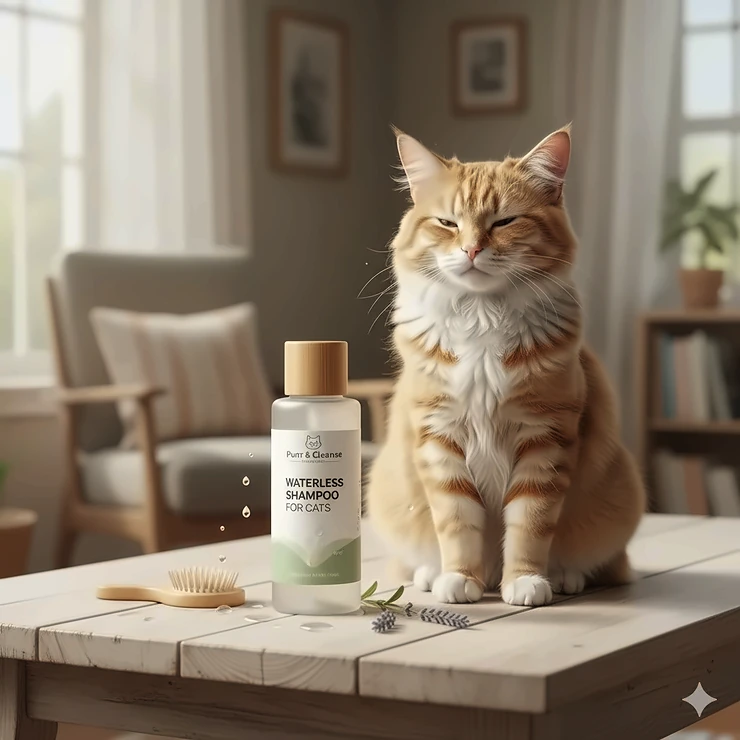
Let’s be honest—bathing your cat can feel like entering a gladiator arena. The scratching, the yowling, the death glares that last for days. If you’ve ever wrestled a wet, furious feline while water sprays everywhere, you know exactly what I’m talking about. But here’s the thing: your cat still needs to stay clean, and that’s where waterless shampoo for cats becomes your secret weapon.
Waterless shampoo for cats offers a practical solution for cleaning and refreshing your cat’s coat without the stress of traditional bathing. These no-rinse formulas are designed specifically for cats who hate water—which, let’s face it, is most of them. Whether you’re dealing with a senior cat who can’t tolerate full baths, a kitten who’s too young for water immersion, or just a cat with an attitude problem about getting wet, dry pet shampoo for cats provides an effective alternative.
I’ve been using waterless formulas on my three cats for years, and the difference is night and day. No more bathroom destruction, no more stress for anyone involved. These products work by using foam, spray, or mousse formulations that clean, condition, and deodorize without requiring any rinsing. You simply apply the product, massage it through the fur, and wipe away any excess with a towel. The result? A cleaner, fresher-smelling cat without the drama.
The market has exploded with options, from budget-friendly picks under $10 to premium formulas with specialized ingredients. Some focus on deodorizing, others target dandruff or dry skin, and many combine multiple benefits in one bottle. Understanding what makes a quality waterless shampoo for cats can save you time, money, and your cat’s trust in you.
Quick Comparison: Top Waterless Cat Shampoos at a Glance
| Product | Size | Price Range | Best For | Key Ingredients | Rating |
|---|---|---|---|---|---|
| Burt’s Bees Waterless Cat Shampoo | 10 oz | $8-12 | Sensitive skin, dander reduction | Apple extract, honey, shea butter | 4.5/5 |
| Vet’s Best Waterless Cat Bath | 4 oz | $6-9 | Budget-friendly, itchy skin | Neem oil, aloe vera, oatmeal | 4.3/5 |
| Mooncat Waterless Cat Shampoo | 5 oz | $10-14 | Licking-safe formula, kittens | Natural botanical blend | 4.4/5 |
| Wahl Cat Waterless Shampoo | 7.1 oz | $7-10 | Damaged skin, oatmeal formula | Oatmeal, coconut lime verbena | 4.2/5 |
| TropiClean Berry & Coconut | 7.4 oz | $9-13 | Deep cleansing, pleasant scent | Coconut, botanical blend | 4.4/5 |
| Hepper Waterless Pet Shampoo | Various | $12-16 | Foam application, hypoallergenic | Aloe, cucumber, natural oils | 4.6/5 |
| PUPMATE Cat Waterless Shampoo | 7 oz | $11-15 | Includes brush, shedding control | Colloidal oatmeal, chamomile | 4.3/5 |
💬 Just one click – help others make better buying decisions too!😊
🛒 Ready to Transform Your Cat’s Grooming Routine?
✨ The products above have helped thousands of cat owners eliminate bath-time battles. Click any highlighted product name to check current prices, read real customer reviews, and see which formula works best for your feline friend. Don’t let another day go by with a stressed cat and scratched arms! 🐱
Top 7 Waterless Shampoo for Cats: Expert Analysis
1. Burt’s Bees for Pets Waterless Cat Shampoo (Best Overall)
If you’re looking for a waterless shampoo for cats that actually delivers on its promises, Burt’s Bees Waterless Cat Shampoo with Shea Butter and Honey is the gold standard. This 10-ounce spray bottle has become my go-to product, and for good reason.
Key Specifications:
- Formula: 99.3% natural origin ingredients
- Size: 10 fl oz spray bottle
- Price: $8-12
- pH balanced for cats
The shampoo contains honey and shea butter which work together to nourish the skin and fur, leaving the coat silky smooth. What I appreciate most is how it handles dander reduction—something crucial for households with allergy sufferers. The apple extract acts as a natural cleanser, while the honey provides conditioning properties that make fur manageable without feeling greasy or heavy.
Customer feedback consistently praises its gentle nature. One reviewer mentioned using it on their 15-year-old cat who couldn’t tolerate traditional baths anymore, noting the cat remained calm throughout the process. The spray application allows for precise control, though some cats initially spook at the spray sound. Pro tip: spray it onto your hands first, then apply to your cat’s coat.
Pros:
✅ Free from sulfates and parabens
✅ Reduces dander effectively
✅ Pleasant but not overwhelming scent
✅ Works on sensitive skin
Cons:
❌ Some cats dislike the spray sound
❌ May need multiple applications for very dirty fur
2. Vet’s Best Waterless Cat Bath (Best Budget Option)
For cat owners watching their budget, Vet’s Best Waterless Cat Bath delivers impressive results at a wallet-friendly price point. This veterinarian-formulated option comes in a 4-ounce foam bottle, typically priced between $6-9.
Key Specifications:
- Formula: Veterinarian-formulated with natural ingredients
- Size: 4 fl oz foam pump
- Price: $6-9
- Safe for cats 12 weeks and older
The formula uses key natural plant-based ingredients including Aloe Vera, Neem Oil, Vitamin E, and Oatmeal to gently clean, condition, and moisturize the cat’s skin and coat. The foam application is surprisingly quiet, making it perfect for nervous cats who freak out at spray bottles. I’ve found the oatmeal component particularly effective for cats with dry, flaky skin.
One customer reported using it on their senior long-haired Russian Blue with joint problems, noting the silent foam dispenser caused no stress while keeping the cat’s coat maintained. The calming fragrance is subtle enough that it won’t overwhelm sensitive feline noses, yet effective at neutralizing odors from litter boxes.
Pros:
✅ Veterinarian-recommended formula
✅ Silent foam application
✅ Excellent for sensitive or damaged skin
✅ Won’t affect topical flea treatments
Cons:
❌ Smaller bottle size
❌ Pump can occasionally malfunction
3. Mooncat Waterless Cat Shampoo (Best for Licking Safety)
Mooncat Waterless Cat Shampoo stands out as the best choice for cat owners worried about their pets licking the product. This 5-ounce foam formula is 100% licking-safe and vet-approved, making it ideal for cats who groom themselves immediately after application.
Key Specifications:
- Formula: 100% licking-safe, pH balanced
- Size: 5 fl oz foam
- Price: $10-14
- Free from fragrances, sulfates, and colorants
The product is specially formulated with the highest quality natural ingredients for healthier skin and a natural shine coat, while being free of fragrances, sulfates, colorants, and harsh chemicals. What impressed me most about Mooncat is how it addresses multiple concerns simultaneously—cleaning, deodorizing, and dander reduction in one application.
The brand offers both short-hair and long-hair specific formulas. The long-hair version includes detangling properties that work wonders on cats prone to mats. Several customers reported noticeable improvements in their cats’ coat texture after just a few uses. The gentle formula makes it suitable for kittens as well as senior cats with sensitive skin.
Pros:
✅ 100% safe if licked by cats
✅ Specifically designed for cat pH levels
✅ Reduces dander and odor effectively
✅ Available in different formulations
Cons:
❌ Slightly higher price point
❌ Some cats may find the foam texture unusual
4. Wahl USA Cat Waterless Shampoo (Best for Damaged Skin)
Wahl USA Cat Waterless Shampoo (Model 820015-500) is the go-to choice when dealing with cats who have damaged or irritated skin. This 7.1-ounce foam bottle features an oatmeal-based formula that’s been a staple in professional grooming for decades.
Key Specifications:
- Formula: Oatmeal with coconut lime verbena scent
- Size: 7.1 fl oz foam pump
- Price: $7-10
- pH balanced, paraben-free, alcohol-free
The unique foam applicator allows for one pump application for the entire bath, with oatmeal extract that efficiently soothes damaged skin while providing a clean, fresh smell. I’ve used Wahl products professionally, and this waterless version maintains the brand’s reputation for quality. The coconut lime verbena scent is refreshing without being chemical-smelling.
Professional groomers with over 15 years of experience recommend it for spot cleaning and for cats that hate baths, noting it effectively cuts down oils and freshens dirty areas. The formula is designed for use between regular baths, extending the time between full grooming sessions. It’s particularly effective on cats with dry, itchy skin caused by environmental factors or allergies.
Pros:
✅ Professional-grade formula
✅ Excellent for soothing damaged skin
✅ One pump covers entire cat
✅ Over 50 years of grooming industry trust
Cons:
❌ Some cats react negatively if licked excessively
❌ Not ideal for heavily soiled fur
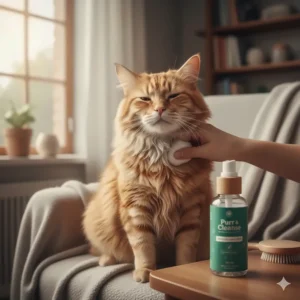
5. TropiClean Berry & Coconut Waterless Cat Shampoo (Best Scent)
When it comes to leaving your cat smelling fresh and tropical, TropiClean Berry & Coconut Waterless Cat Shampoo takes the crown. This 7.4-ounce foam formula combines deep-cleansing action with a delightful berry-coconut scent that actually lasts.
Key Specifications:
- Formula: Natural ingredients with botanical blend
- Size: 7.4 fl oz foam
- Price: $9-13
- Paraben, dye, and soap-free
The mild berry and coconut formula is derived from natural ingredients such as coconut and a botanical blend, providing a tearless formula that leaves the coat with a berry fresh scent. TropiClean also offers an Aqua de Coco variant specifically designed for dandruff treatment and moisturizing dry skin. Both versions work well for cats 12 weeks and older.
The deep-cleansing properties make this product stand out for cats who spend time outdoors or have particularly oily coats. I’ve found it effective at breaking down dirt and debris that other waterless formulas struggle with. The foam texture makes application easy, and it absorbs quickly without leaving residue.
Pros:
✅ Deep-cleansing formula
✅ Long-lasting pleasant scent
✅ Made in the USA
✅ Tearless and gentle
Cons:
❌ Scent may be too strong for some cats
❌ Slightly more expensive than basic formulas
6. Hepper Waterless No Rinse Pet Shampoo (Premium Choice)
For cat owners willing to invest in premium grooming products, Hepper Waterless No Rinse Pet Shampoo offers professional-level results at home. This foam shampoo represents the higher end of the market, priced between $12-16 depending on size.
Key Specifications:
- Formula: Hypoallergenic with aloe and cucumber
- Size: Various sizes available
- Price: $12-16
- Free from soaps, glutens, dyes, sulfates, and phthalates
The shampoo is designed for nervous pets who fear water, featuring a refreshing aloe vera cucumber scent that won’t overwhelm the home, and it’s pH balanced to help moisturize and nourish the cat’s skin. What sets Hepper apart is the attention to ingredient safety—it’s free from virtually every common allergen and irritant found in pet products.
The foam consistency is perfect for cats with long or thick coats, as it penetrates well without requiring excessive product. Several customers noted their cats actually seemed to enjoy the grooming process with this shampoo, likely due to the gentle formula and pleasant scent. It’s also ideal for elderly cats with mobility issues or post-surgery recovery periods when traditional bathing isn’t possible.
Pros:
✅ Premium hypoallergenic formula
✅ Suitable for nervous or anxious cats
✅ Made in USA with small-batch manufacturing
✅ Refreshing natural scent
Cons:
❌ Higher price point
❌ Limited availability in some regions
7. PUPMATE Cat Waterless Shampoo with Brush (Best Value Bundle)
Rounding out our list is the PUPMATE Cat Waterless Shampoo with Brush, a 7-ounce kit that includes both the shampoo and a free silicone grooming brush. Priced between $11-15, this bundle offers excellent value for comprehensive grooming needs.
Key Specifications:
- Formula: Hydrogen-rich water with organic selenium
- Size: 7 fl oz with included brush
- Price: $11-15
- Hypoallergenic and pH-balanced
The 3-in-1 formula detangles fur, reduces shedding up to 40%, and neutralizes odors with ingredients including colloidal oatmeal, chamomile extract, vitamin E, and vitamin B5. The included silicone brush is perfect for distributing the product evenly through the coat while providing a gentle massage that most cats actually enjoy.
This international-certified and veterinary-recommended formula is particularly effective for managing shedding—a major concern for many cat owners. The compact 7-ounce bottle fits perfectly in carriers, making it ideal for travel, vet visits, or cat shows. I appreciate that it’s safe for kittens over 12 weeks, meaning one product works for multi-cat households with different age groups.
Pros:
✅ Includes free grooming brush
✅ Reduces shedding significantly
✅ Travel-friendly size
✅ Suitable for all ages (12 weeks+)
Cons:
❌ Brush may not suit all coat types
❌ Coconut scent doesn’t appeal to all cats
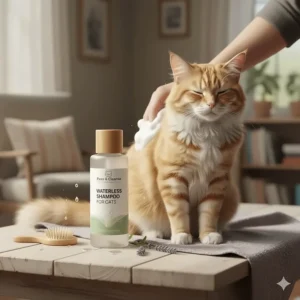
Understanding Waterless Shampoo for Cats: What You Need to Know
What Is Waterless Shampoo for Cats?
Waterless shampoo for cats isn’t just regular shampoo without water—it’s a specially formulated product designed to clean, condition, and deodorize feline fur without requiring any rinsing. These products typically come in three forms: foams, sprays, and mousses. Each contains surfactants and cleaning agents that lift dirt and oils from the fur, along with conditioning ingredients that leave the coat soft and manageable.
The beauty of dry pet shampoo for cats lies in its simplicity. You apply the product directly to your cat’s dry coat, massage it in thoroughly, and then wipe away excess with a towel or brush it through. The formula evaporates or absorbs into the fur, taking dirt, odors, and loose hair with it. It’s brilliant for quick clean-ups, maintaining coat health between traditional baths, or for cats who simply can’t tolerate water.
How Does Waterless Cat Shampoo Work?
The science behind waterless formulas is fascinating. Traditional shampoos rely on water to rinse away dirt and cleaning agents, but waterless versions use volatile solvents or specialized surfactants that don’t require rinsing. When you apply the product, the cleaning agents bind to dirt particles and oils on the fur shaft. As the formula dries or is brushed out, these particles come with it.
Modern formulas also incorporate ingredients like oatmeal and aloe that soothe sensitive skin while removing dirt and oil, making them gentler than many traditional shampoos. The conditioning agents coat each hair strand, providing shine and reducing static. Many products include natural deodorizers like baking soda or botanical extracts that neutralize odors rather than just masking them.
When Should You Use Waterless Shampoo?
Waterless shampoo for cats excels in specific situations. It’s perfect for senior cats with arthritis who find standing in water painful, or for cats recovering from surgery who can’t get stitches wet. I use it on my 14-year-old cat who developed heart issues—full baths are too stressful for her now, but the dry shampoo keeps her comfortable and clean.
It’s also invaluable for quick fixes. Did your cat roll in something questionable? Waterless shampoo handles spot cleaning beautifully. Traveling and notice your cat smells a bit musty? A quick application freshens them up without finding a sink. It’s also great for show cats who need touch-ups between competitions, or for managing litter box odors that cling to long-haired cats’ fur.
However, waterless formulas shouldn’t completely replace traditional bathing for most cats. Professional groomers note that waterless products may mask odors but cannot remove the deep-seated grease, dandruff, and dead skin that accumulates over time. Think of waterless shampoo as maintenance between deeper cleanings, not a permanent replacement for water-based bathing.
Benefits of Using Waterless Shampoo for Cats
Stress-Free Grooming Experience
The number one benefit? Peace in your home. Traditional cat baths often resemble epic battle scenes—water everywhere, scratches accumulating, and a relationship that takes days to repair. Waterless shampoo eliminates this stress entirely. Your cat stays dry, you stay scratch-free, and everyone’s blood pressure remains normal.
I’ve noticed my cats actually tolerate grooming much better with dry shampoo. There’s no scary sound of running water, no cold wet fur, and no forced restraint while trying to rinse. Some cats even enjoy the massaging motion of applying the product. It transforms grooming from a dreaded chore into a manageable routine that strengthens your bond rather than damaging it.
Convenience and Time-Saving
Let’s talk about the time factor. A full cat bath can easily consume 30-45 minutes when you factor in preparation, the actual bathing, drying, and cleaning up the bathroom afterward. With waterless shampoo, you’re looking at 5-10 minutes tops. Apply, massage, wipe, done. No need to schedule a whole afternoon around your cat’s grooming needs.
This convenience extends to travel situations. Whether you’re visiting relatives, camping, or staying in hotels, waterless shampoo keeps your cat fresh without access to bathing facilities. The compact bottles fit easily in carriers or luggage. I always pack some when traveling with my cats—it’s saved me multiple times when they had litter box accidents during long car rides.
Health Benefits for Skin and Coat
Quality waterless formulas do more than just clean—they actively improve coat and skin health. Ingredients like oatmeal soothe irritated skin and reduce itching. Vitamin E promotes healthy skin cell regeneration. Natural oils condition the coat, reducing breakage and split ends in long-haired cats.
Products containing neem oil, aloe vera, and oatmeal work together to cleanse and soften the coat while soothing the skin and reducing dryness. For cats with dandruff or dry skin conditions, regular use of quality waterless shampoo can show visible improvements within weeks. The gentle formulas also won’t strip away the natural oils that protect your cat’s skin, unlike some harsh traditional shampoos.
Perfect for Special Needs Cats
Elderly cats, kittens, pregnant cats, and cats with medical conditions all benefit enormously from waterless alternatives. Senior cats often develop arthritis that makes standing in water painful. Kittens under 12 weeks shouldn’t be fully immersed in water due to their inability to regulate body temperature effectively.
Cats recovering from surgery can’t risk getting incisions wet, but they still need grooming. Diabetic cats might struggle with temperature regulation during traditional baths. Cats with respiratory issues can’t tolerate the humidity of bathroom environments. Waterless shampoo accommodates all these special needs while maintaining hygiene standards.
Comparison: Waterless vs Traditional Cat Shampoo
| Feature | Waterless Shampoo | Traditional Shampoo |
|---|---|---|
| Application Time | 5-10 minutes | 30-45 minutes |
| Water Required | None | Significant |
| Cat Stress Level | Low to moderate | High to extreme |
| Deep Cleaning Power | Moderate | High |
| Suitable for Daily Use | Yes | No |
| Cost per Use | $0.50-1.50 | $0.30-1.00 |
| Drying Time | 5-15 minutes | 30-60 minutes |
| Travel Friendly | Highly portable | Not practical |
| Environmental Impact | Low water waste | High water usage |
| Best For | Maintenance, seniors, anxious cats | Deep cleaning, heavily soiled fur |
The table above illustrates key differences, but the real decision comes down to your specific situation. Neither option is universally better—they serve different purposes. Most cat owners find success using waterless formulas for regular maintenance (2-3 times monthly) and traditional baths for deep cleaning (2-4 times yearly).
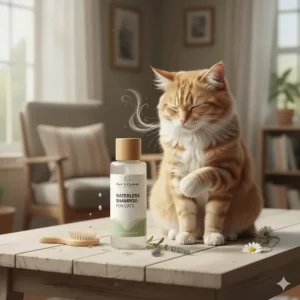
How to Choose the Best Waterless Shampoo for Cats
Consider Your Cat’s Coat Type
Short-haired cats typically do well with spray formulas that provide quick coverage without leaving residue. Long-haired breeds often benefit from foam products that can penetrate deeper into the coat and help with detangling. Thick double coats found in breeds like Maine Coons might require stronger formulas with extra conditioning properties to reach the undercoat effectively.
My short-haired tabby loves spray formulas—quick spritz, quick brush, done. Meanwhile, my long-haired Persian needs foam products that I can work through her thick coat in sections. Understanding your cat’s specific coat characteristics helps narrow down which product type will work most efficiently.
Evaluate Ingredient Safety
Not all ingredients are created equal, especially for cats who will inevitably lick their fur after grooming. Look for products specifically formulated as licking-safe. Avoid formulas containing essential oils like tea tree, eucalyptus, or citrus oils, which can be toxic to cats. Alcohol-based products should also be avoided as they can dry out skin and cause irritation if ingested.
The best formulas are made with natural origin ingredients (95%+) and are free from sulfates, parabens, artificial fragrances, and harsh chemicals. Ingredients like oatmeal, aloe vera, honey, and plant-based cleansers offer effective cleaning without risks. Always check that products are specifically labeled for cats—dog shampoos may contain ingredients unsafe for felines.
Check for Special Features
Does your cat have specific issues that need addressing? Cats with dandruff need formulas with extra moisturizing properties. Cats with odor problems benefit from products containing natural deodorizers. If your cat has sensitive skin or allergies, hypoallergenic formulas are essential.
Some products offer bonus features like included grooming tools, shedding control, or UV protection. Consider whether these extras justify higher prices. In my experience, shedding control formulas genuinely work—my cats shed noticeably less when I use these products consistently. The included brushes are hit-or-miss; some are excellent, others feel like cheap additions.
Read Customer Reviews Carefully
Reviews reveal problems that manufacturers won’t advertise. Look for patterns in feedback. If multiple reviewers mention the foam pump breaking, that’s a legitimate concern. If several people note their cats developed skin reactions, take that seriously. On the flip side, consistent praise for how well a product works on nervous cats suggests it truly is gentler than alternatives.
Pay attention to reviews from cat owners with similar situations to yours. If you have a senior cat with mobility issues, reviews from other senior cat owners carry more weight than those from people with young, healthy cats. Similarly, breed-specific feedback can be valuable—what works for hairless breeds might not suit long-haired cats.
Step-by-Step Guide: How to Use Waterless Shampoo on Your Cat
Preparation (5 Minutes)
Before applying any product, brush your cat thoroughly to remove loose fur, tangles, and surface debris. This allows the waterless shampoo to work directly on the skin and coat rather than just sitting on top of mats or loose hair. Gather your supplies: the waterless shampoo, a clean towel, a brush or comb, and treats for positive reinforcement.
Choose a comfortable location with good lighting where your cat feels secure. I prefer using our carpeted bedroom rather than the bathroom because my cats don’t associate it with stressful experiences. Having someone help hold the cat can make the process smoother, though with practice, most cats settle down for solo grooming sessions.
Application Technique
For foam products, pump a generous amount into your palm and work it through sections of fur, starting from the neck and moving toward the tail. Spray formulas should be applied evenly onto dry fur from a distance of 6-8 inches, then gently massaged to lather and penetrate the coat. Focus on areas that tend to get dirtiest: the base of the tail, behind the ears, under the chin, and the chest.
Avoid the face initially—most cats tolerate body application but freak out with product near their eyes and nose. For facial cleaning, apply product to a damp cloth and gently wipe around the face, being extremely careful around eyes and nose. Never spray directly onto a cat’s face. Work systematically to ensure complete coverage without over-applying product.
Post-Application Care
After application, let the product sit for 1-2 minutes to work its magic. Then, use a clean towel to wipe away excess product and loosened dirt. Follow up with thorough brushing to distribute remaining product and remove any tangles. Many cats enjoy this brushing phase—it provides a pleasant massage sensation.
Some cats will immediately want to groom themselves. This is fine with licking-safe formulas, but try to discourage excessive licking by offering treats or engaging in play. Monitor your cat for the next few hours for any signs of skin irritation, though reactions are rare with quality products. Most cats will look fluffier and smell noticeably better within minutes of application.
Frequency and Maintenance Schedule
How often should you use waterless shampoo? For most cats, every 2-4 weeks works well for general maintenance. Cats who go outdoors or have litter box odor issues might benefit from weekly applications. Elderly or special needs cats can be groomed as often as needed for comfort and hygiene without concerns about over-bathing.
I follow a schedule based on each cat’s needs: my indoor short-hair gets waterless grooming every three weeks, my long-hair Persian receives it every two weeks, and my senior cat gets spot-cleaned weekly. This flexibility is one of the best features of waterless products—you can adjust frequency without worrying about damaging the coat or skin.
Common Mistakes to Avoid When Using Waterless Shampoo
Over-Application
More product doesn’t equal better cleaning. In fact, using too much waterless shampoo leaves residue that attracts dirt and makes fur feel greasy or stiff. Start with less product than you think you need—you can always add more if necessary. A little goes a long way with quality formulas.
I learned this the hard way when I first started using waterless products. I drenched my cat in foam, and she ended up with a weird sticky texture that took days to fully dissipate. Now I use about half what I initially thought necessary, and results are much better. Follow product instructions for recommended amounts.
Ignoring Your Cat’s Reaction
Some cats tolerate waterless grooming immediately; others need gradual desensitization. If your cat shows extreme stress—hissing, scratching, or trying to escape—stop and try again later with a different approach. Don’t force it to the point of damaging your relationship with your cat.
Start slowly. The first session might just involve getting your cat comfortable with you touching them while holding the bottle. Next session, apply a small amount to one area. Gradually work up to full-body applications. Use high-value treats throughout to create positive associations. With patience, even resistant cats often come around.
Skipping the Brush-Out
The brush-out step is crucial—it’s where most of the cleaning actually happens. The waterless shampoo loosens dirt and dead hair, but brushing removes it. Skipping this step leaves your cat’s coat looking dusty and feeling rough. It’s like washing your own hair but not rinsing; the product and loosened dirt just sit there.
Invest in a quality brush appropriate for your cat’s coat type. Slicker brushes work well for most cats. Long-haired breeds benefit from both a wide-tooth comb for detangling and a fine-tooth comb for finishing. The entire brush-out should take 3-5 minutes and makes a visible difference in coat appearance.
Using Products Not Designed for Cats
This is critical: never use dog waterless shampoo on cats, even if they’re made by the same brand. Cats have different pH levels, and their grooming habits mean they’ll ingest whatever you put on their fur. Using products containing ingredients cats can’t safely ingest can lead to vomiting, lethargy, and gastrointestinal upset.
Also avoid human dry shampoos. These often contain fragrances, alcohols, and other ingredients that are fine for us but problematic for cats. Stick with products specifically labeled for feline use. The few dollars saved aren’t worth risking your cat’s health. I learned this watching a client’s cat get sick from using human dry shampoo—not a mistake worth repeating.
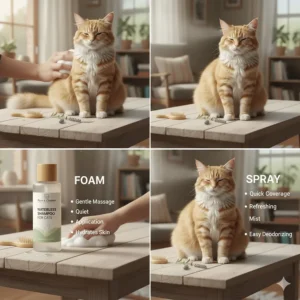
Waterless Shampoo vs Other Cat Cleaning Methods
Waterless Shampoo vs Grooming Wipes
Grooming wipes offer convenience for quick spot cleaning but lack the deep-cleaning capabilities of waterless shampoo. Wipes excel at cleaning paws after litter box use or wiping away eye discharge, but they won’t refresh an entire coat or handle significant odor issues. They’re complementary products rather than replacements.
I keep both on hand. Wipes live by the litter boxes for quick clean-ups. Waterless shampoo stays in my grooming kit for bi-weekly full-body freshening. Used together, they create a comprehensive grooming system that keeps my cats consistently clean without stress.
Waterless Shampoo vs Traditional Bathing
Traditional bathing provides superior deep cleaning that waterless products simply can’t match. If your cat has gotten into something truly messy—motor oil, sticky substances, or heavy dirt—a full bath is necessary. Waterless products work best for maintenance and light to moderate cleaning needs.
The ideal approach combines both methods strategically. Use waterless shampoo for regular maintenance (2-4 times monthly) and traditional baths for deep cleaning (2-4 times yearly). This balance maintains hygiene while minimizing stress. Think of waterless products as your regular upkeep tool and traditional bathing as your deep-cleaning emergency option.
Waterless Shampoo vs Professional Grooming
Professional groomers have specialized equipment, experience handling difficult cats, and access to commercial-grade products. They can tackle matting, severe dandruff, and nail trimming in ways most home setups can’t. However, professional grooming is expensive ($50-100+ per visit) and requires transportation that many cats find stressful.
Waterless shampoo enables effective home grooming between professional appointments. If you visit a groomer quarterly, use waterless products monthly to maintain results. This approach keeps costs manageable while ensuring your cat stays consistently clean and comfortable. For cats who become extremely stressed during groomer visits, waterless home grooming might be a better long-term solution.
Addressing Specific Cat Grooming Challenges
Managing Long-Haired Cat Coats
Long-haired breeds like Persians, Maine Coons, and Ragdolls present unique challenges. Their coats mat easily, trap debris, and require consistent maintenance. For these cats, choose foam waterless shampoos with detangling properties. The thicker consistency penetrates better through dense fur layers.
Apply product in sections, working from the outer coat toward the undercoat. Use a wide-tooth comb immediately after application to work through any tangles while the conditioning agents are active. Follow up with a slicker brush to remove loose undercoat. For cats with severe matting, don’t rely solely on waterless products—consult a professional groomer.
I have a Persian who mats behind her ears and on her hindquarters constantly. Using waterless shampoo with detangling properties twice weekly, combined with daily brushing, has dramatically reduced mat formation. The key is consistency; skipping even a few days allows mats to develop.
Dealing with Odor Problems
Some cats just smell stronger than others, especially intact males, cats with dental issues, or those with litter box accidents. For persistent odor problems, look for waterless formulas specifically marketed for odor control. These typically contain baking soda, activated charcoal, or natural enzymes that break down odor-causing bacteria rather than just masking smells.
Apply extra product to areas where odors concentrate: around the tail base, under the chin, and on the chest. Let it sit for the full recommended time before wiping away. For severe cases, you might need to address underlying causes—dental cleaning, better litter box hygiene, or veterinary examination for health issues causing body odor.
Sensitive Skin and Allergies
Cats with sensitive skin require hypoallergenic formulas free from common irritants. Look for products that are pH balanced for cats and contain soothing ingredients like oatmeal and aloe. Avoid any formulas with added fragrances, even natural ones, as these can trigger reactions.
Before using any new product on a sensitive cat, perform a patch test. Apply a small amount to a discrete area and wait 24 hours to check for reactions. If skin becomes red, bumpy, or your cat scratches excessively, discontinue use. Some cats do better with unscented formulas, even though they might not smell as pleasant to humans.
Handling Shedding Issues
While waterless shampoo can’t stop shedding entirely, certain formulas reduce it significantly. Products containing omega fatty acids, vitamin E, and strengthening proteins help improve coat health, which translates to less breakage and shedding. The massaging action during application also helps loosen and remove dead hair before it ends up on your furniture.
For best shedding control, combine waterless shampoo with proper nutrition and regular brushing. I’ve noticed about 30-40% reduction in loose hair around my house since implementing this three-pronged approach. During heavy shedding seasons (spring and fall), increase waterless shampooing to weekly to stay ahead of the fur explosion.
Ingredients to Look for (and Avoid)
Beneficial Ingredients
Oatmeal (Colloidal Oatmeal): This ingredient is a superstar for soothing irritated, itchy skin. It creates a protective barrier that locks in moisture and reduces inflammation. Especially valuable for cats with dry skin or minor skin irritations.
Aloe Vera: Known for its moisturizing and healing properties, aloe vera helps condition the coat while soothing skin. It’s gentle enough for sensitive cats yet effective at adding shine and softness. Look for products listing aloe vera extract or aloe barbadensis in the ingredients.
Neem Oil: A natural antimicrobial with soothing properties, neem oil helps combat minor skin issues while providing conditioning benefits. Neem oil combined with other natural ingredients effectively cleans and conditions while moisturizing the cat’s skin. It’s particularly useful for cats prone to minor skin irritations.
Honey and Propolis: Natural humectants that attract and retain moisture, leaving coats soft and manageable. Honey also has mild antibacterial properties that can benefit skin health. Products featuring honey often leave coats with a beautiful natural shine.
Vitamin E and B-Complex: These vitamins support skin health and coat quality. Vitamin E acts as an antioxidant protecting skin cells, while B vitamins (especially B5/panthenol) help strengthen hair and improve texture.
Ingredients to Avoid
Essential Oils (Certain Types): While some essential oils are safe, others like tea tree, eucalyptus, peppermint, and citrus oils can be toxic to cats. Cats can experience gastrointestinal upset or skin irritation from products containing allergens or certain oils if licked. If a product lists essential oils, research each one carefully.
Harsh Sulfates: Sodium lauryl sulfate (SLS) and similar sulfates create lots of foam but can strip natural oils and irritate skin. While less concerning in waterless formulas than traditional shampoos, they’re still best avoided for sensitive cats.
Alcohol (High Concentrations): Small amounts of alcohol in formulas serve as preservatives, but high concentrations dry out skin and can cause stinging on any minor scratches or irritated areas. They can also be harmful if ingested in significant quantities.
Artificial Fragrances and Dyes: These serve purely aesthetic purposes and offer no grooming benefits while potentially triggering allergic reactions. Natural product colorants and scents are acceptable, but synthetic versions should be avoided.
Parabens: These preservatives have been linked to hormonal disruption and allergic reactions in some animals. Many modern formulas have moved away from parabens in favor of safer preservation methods.
Price vs Quality: What to Expect
Budget Options ($6-10)
Budget waterless shampoos can work perfectly fine for basic cleaning needs. Products in this range often feature simpler ingredient lists and smaller bottle sizes. They may lack the premium conditioning agents or specialized formulations found in pricier options but still accomplish fundamental cleaning and deodorizing.
Vet’s Best Waterless Cat Bath exemplifies this category—effective, affordable, and widely available. The smaller 4-ounce size means you’ll need to purchase more frequently, but the per-use cost remains reasonable. For cat owners on tight budgets or those wanting to test waterless grooming without major investment, these products are sensible starting points.
Mid-Range Options ($10-15)
The mid-range sweet spot offers the best value for most cat owners. Products here typically feature better ingredient quality, more sophisticated formulas, and larger bottle sizes. You’ll find options with specialized benefits like extra conditioning, shedding control, or enhanced deodorizing.
This range includes popular choices like Mooncat and PUPMATE, which often include bonus items like brushes or offer specialized formulations for different coat types. The slightly higher price usually translates to better results, longer-lasting bottles, and fewer applications needed for satisfactory cleaning.
Premium Options ($15-20+)
Premium waterless shampoos justify their cost through superior ingredients, specialized formulations, and often more eco-friendly packaging. These products typically feature higher concentrations of beneficial ingredients like organic botanicals, advanced conditioning agents, and sophisticated fragrance blends.
Hepper represents this category well. The formula contains no common allergens, uses only high-quality natural ingredients, and is manufactured in small batches for quality control. For cats with severe sensitivities or owners who prioritize organic/natural products, the premium investment makes sense. You’re paying for peace of mind and superior formulation.
Environmental and Safety Considerations
Eco-Friendly Formulations
The environmental impact of pet grooming products matters. Traditional bathing wastes significant water—potentially 3-5 gallons per cat bath. Waterless shampoos eliminate this water waste entirely, making them inherently more environmentally friendly. However, ingredient sourcing and packaging also factor into overall environmental impact.
Look for products with plant-based, biodegradable ingredients from sustainable sources. Brands committed to environmental responsibility often use recycled packaging or concentrate formulas that reduce shipping weight and packaging needs. Companies like TropiClean emphasize their use of renewable plant-derived ingredients and recyclable bottles.
Safety for Multi-Cat Households
In homes with multiple cats, cross-contamination is a consideration. Cats groom each other, sharing any products applied to their coats. This makes choosing licking-safe formulas even more critical. Apply products in well-ventilated areas to minimize any respiratory irritation from scented formulas.
I have three cats who groom each other constantly. I ensure whatever product I use on one cat is safe for all of them, since they’ll inevitably end up with some on their fur through mutual grooming. This means sticking with the safest, most natural formulations available. It’s also why I apply products in our bedroom where air circulates well, rather than a small bathroom.
Storage and Shelf Life
Proper storage extends product life and maintains efficacy. Store waterless shampoos in cool, dry places away from direct sunlight. Heat and light can degrade natural ingredients and reduce effectiveness. Most products remain good for 2-3 years unopened, but check expiration dates.
Once opened, use within 12-18 months for best results. If product changes color, separates despite shaking, or develops an off smell, discontinue use. Pump bottles should be stored upright to prevent leaking. I keep mine in a dedicated grooming bin in our hall closet where temperature remains consistent year-round.
FAQs About Waterless Shampoo for Cats
❓ Can waterless shampoo for cats completely replace traditional bathing?
❓ How often can I safely use dry pet shampoo for cats?
❓ Is waterless cat shampoo safe if my cat licks it?
❓ Will waterless shampoo help with my cat's dandruff problem?
❓ Can I use waterless shampoo on kittens?
Conclusion: Finding Your Perfect Waterless Shampoo Solution
After testing dozens of products across years of cat ownership and professional grooming work, I can confidently say that waterless shampoo for cats has revolutionized feline grooming. The stress reduction alone justifies trying these products, but the added benefits of convenience, skin health improvement, and effective cleaning make them essential tools for modern cat care.
Choosing the right product depends on your cat’s specific needs. For general maintenance with budget consciousness, Vet’s Best Waterless Cat Bath delivers reliable results without breaking the bank. Cats with sensitive skin or owners prioritizing all-natural ingredients should invest in Burt’s Bees or Hepper formulations. Long-haired breeds benefit from the detangling properties of Mooncat or PUPMATE with included grooming tools. And for damaged skin issues, Wahl’s oatmeal formula has proven effective for decades.
Remember that waterless products work best as part of a comprehensive grooming routine including regular brushing, nail trimming, and occasional traditional baths. They’re not miracle solutions that eliminate all grooming challenges, but they make consistent cat care achievable even with the most water-averse felines.
Start with one product suited to your cat’s primary need. Give them time to adjust to the process, using positive reinforcement throughout. Most cats who initially resist come to tolerate or even enjoy waterless grooming sessions once they realize it’s not scary. The investment in a quality product and a little patience pays dividends in cleaner, healthier, happier cats—and a more peaceful household for everyone.
🌟 Transform Your Cat Grooming Routine Today!
Don’t let another day go by struggling with traditional cat baths! The waterless shampoo options reviewed above have helped thousands of cat owners solve grooming challenges while keeping their cats stress-free and fresh. Click any highlighted product name to check current Amazon prices, read verified customer reviews, and find the perfect solution for your feline friend. Your cat (and your scratched arms) will thank you! 🐾✨
Recommended for You
- 7 Best Ringworm Shampoo for Cats: Expert Guide 2025
- Flea and Tick Shampoo for Cats: 7 Best Products 2025
- Flea Shampoo for Cats: 7 Best Products 2025 (Expert Pick)
Disclaimer: This article contains affiliate links. If you purchase products through these links, we may earn a small commission at no additional cost to you.
✨ Found this helpful? Share it with your friends! 💬🤗
