
Table of Contents
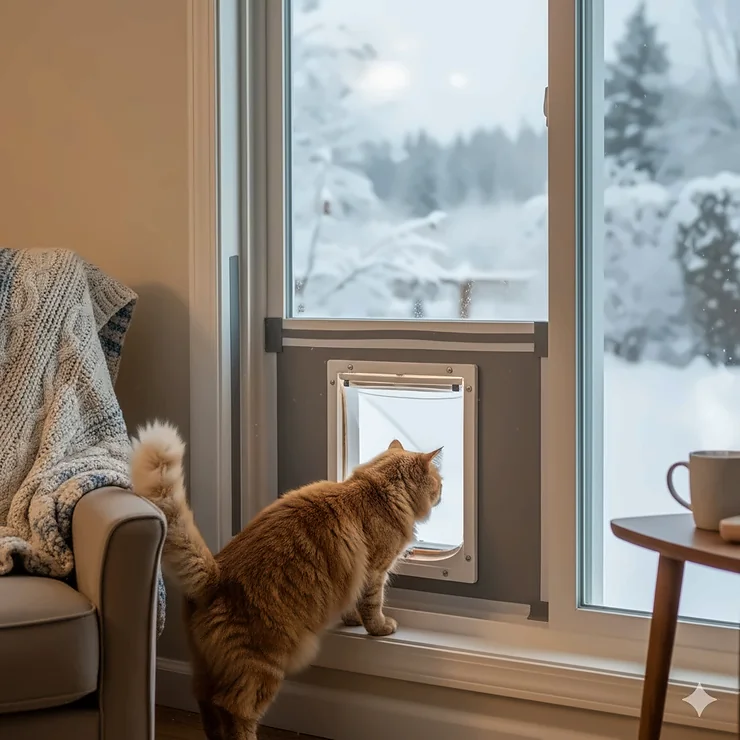
When winter’s icy grip tightens and your feline friend still demands outdoor access, you need more than just any old cat flap. A cat door for sliding windows in cold weather combines specialized insulation, weatherproof materials, and smart design to keep your home cozy while giving your cat the freedom they crave. These innovative pet access solutions typically feature dual-pane glass panels, magnetic seals, and reinforced aluminum frames that prevent heat loss and block drafts.
According to the U.S. Department of Energy, windows can account for 25-30% of residential heating energy use, making proper insulation crucial during winter months. A well-designed insulated window cat door addresses this concern by incorporating energy-efficient features that maintain your home’s thermal envelope. Unlike traditional pet doors that create significant air leakage, modern sliding window cat doors for cold weather use advanced sealing technologies and insulated flaps that withstand temperatures as low as -40°F while remaining flexible enough for easy pet access.
The best cat door for window in cold weather isn’t just about keeping cold air out—it’s about creating a comfortable transition space that your cat will actually use without hesitation. Features like transparent or translucent flaps help nervous cats see through before committing, while magnetic closures ensure the door snaps shut immediately after each use, preventing prolonged exposure to outdoor temperatures.
Quick Comparison Table
| Product | Best For | Insulation Rating | Price Range | Window Compatibility |
|---|---|---|---|---|
| Endura Flap Horizontal Window | Extreme weather | Excellent (withstands -40°F) | $250-$350 | 34″-43″ horizontal |
| PetSafe Extreme Weather | Energy efficiency | 3.5x standard | $80-$120 | Doors, not windows |
| Ideal Pet Aluminum Sash | Budget-conscious | Good | $70-$105 | 23″-38″ sash windows |
| Whiskers & Windows Panel | Renters | Moderate | $180-$220 | 34″-37″ horizontal |
| SAKSUN Weatherproof | DIY installation | Good | $90-$130 | 23″-36″ adjustable |
| HOMEPEDIA Window Insert | Modern aesthetics | Very good | $110-$150 | 24″-39″ adjustable |
| PetSafe Sliding Glass | Large spaces | Excellent | $300-$400 | Sliding glass doors |
🎯 Ready to Keep Your Home Warm While Giving Your Cat Freedom?
Explore these top-rated options and find the perfect balance between pet accessibility and winter insulation. Each product link takes you directly to verified sellers with real customer reviews and competitive pricing. Your cat (and your heating bill) will thank you! 🐱❄️
Top 7 Cat Door for Sliding Windows in Cold Weather: Expert Analysis
1. Endura Flap Cat Door for Horizontal Sliding Windows
If you’re serious about maintaining your home’s temperature while providing premium pet access, the Endura Flap Cat Door for Horizontal Sliding Windows stands as the gold standard. This isn’t your average pet door—it’s an engineering marvel designed for homeowners who refuse to compromise between pet freedom and energy efficiency.
Key Specifications:
- Dual-layer insulated flap system with magnetic seal
- Withstands winds up to 50 mph and temperatures from -40°F to 110°F
- Aluminum frame with Low-E safety glass
- Adjustable to fit windows 34″-43″ (various models available)
The standout feature here is the polyolefin polymer flap lined with strategically placed magnets that create an airtight seal. According to customer feedback, this cat door for winter performs exceptionally well in harsh climates, with users in Minnesota and Montana reporting minimal heat loss even during brutal cold snaps. The flap’s ⅞-inch thickness provides insulation comparable to dual-pane glass—that’s seriously impressive when you consider most vinyl flaps measure just ⅛-inch thick.
Price Range: $250-$350 depending on size
Customer Feedback: Reviewers consistently praise the durable construction and energy-saving performance. One homeowner noted, “My 14-year-old cat adapted within two weeks, and I’ve noticed a significant reduction in drafts compared to our previous door.”
Pros:
✅ Exceptional insulation for extreme temperatures
✅ Lifetime warranty from manufacturer
✅ Spring-loaded installation requires no permanent modifications
✅ Translucent flap helps cats adjust easily
Cons:
❌ Higher price point than competitors
❌ Some users report magnets need adjustment during shipping
This weatherproof cat door represents a long-term investment that pays dividends through reduced energy costs and unmatched durability.
2. PetSafe Extreme Weather Pet Door
While the PetSafe Extreme Weather Pet Door is designed primarily for door installation rather than window mounting, it deserves mention for anyone considering a comprehensive cold-weather solution. This triple-flap system has earned independent energy ratings showing it’s 3.5 times more efficient than standard single-flap designs.
Key Specifications:
- Triple-flap thermal barrier system
- Insulated center flap for maximum protection
- Available in three sizes (Small, Medium, Large)
- Paintable plastic frame fits doors 1⅝” – 2¼” thick
The innovation here lies in the three-layer approach: two lightweight outer flaps sandwich an insulated center barrier, creating multiple air pockets that dramatically reduce heat transfer. For cat owners who might retrofit this into a window panel or door leading to an enclosed catio, this provides superior insulation.
Price Range: $80-$120
Customer Feedback: Users report impressive temperature regulation, with several noting their heating costs dropped noticeably after installation.
Pros:
✅ Independently rated for energy efficiency
✅ Versatile sizing options
✅ Snap-on closing panel for complete lockout
✅ Works in extreme heat and cold
Cons:
❌ Requires cutting/permanent modification for installation
❌ Not specifically designed for window mounting
For those seeking a cat door for winter that prioritizes thermal performance above all else, PetSafe delivers proven results.
3. Ideal Pet Products Aluminum Sash Window Pet Door
Budget-conscious cat owners rejoice—the Ideal Pet Products Aluminum Sash Window Pet Door offers solid performance without breaking the bank. This family-owned company has manufactured pet doors for over 45 years, bringing aerospace engineering expertise (seriously, they worked on Apollo missions!) to your cat’s access needs.
Key Specifications:
- High-quality aluminum frame with safety glass panels
- Multiple sizes: Cat Flap (6¼” x 6¼”), Chubby Kat (7½” x 10½”), Medium (7″ x 11¼”)
- Adjustable to fit windows ranging from 23″ to 38″ wide
- Clear Lexan rigid flap
The spring-loaded design allows tool-free installation in minutes—perfect for renters or anyone who wants flexibility. The rigid flap, while not as insulated as the Endura Flap, still provides decent weather protection with weatherstripping and a locking slide for security.
Price Range: $70-$105 depending on size
Customer Feedback: Home Depot and Amazon reviews average 4+ stars, with customers particularly appreciating the ease of installation. One reviewer mentioned, “I’ve had this for three years in New England winters. Yes, strong winds can blow it open, but I just temporarily lock it during storms.”
Pros:
✅ Excellent value for money
✅ No-tool installation
✅ Established brand with decades of experience
✅ Works for cats up to 25 pounds
Cons:
❌ Less insulation than premium options
❌ Wind can occasionally force the flap open during severe weather
This represents a practical middle-ground solution for moderate climates or supplementary access points.
4. Whiskers & Windows Horizontal Sliding Window Panel
The Whiskers & Windows Horizontal Sliding Window Panel targets pet owners seeking a straightforward, rental-friendly solution without sacrificing too much quality. As a more budget-conscious alternative to the Endura Flap, it uses similar construction principles but with slightly less robust materials.
Key Specifications:
- Single-pane tempered glass with aluminum framing
- Weather-resistant locking plastic cat flap
- Adjustable for windows 34″-37″ high (3-inch adjustment range)
- Spring-loaded non-permanent installation
Think of this as the sensible sedan in the luxury car market—it gets you where you need to go reliably, just without all the bells and whistles. The cat flap door for sliding window setup here works well for mild to moderate winter climates, though it won’t match the insulation levels of dual-flap premium options.
Price Range: $180-$220
Customer Feedback: Reviews highlight the balance between affordability and functionality, though some users recommend adding extra weatherstripping for optimal performance.
Pros:
✅ Good balance of price and quality
✅ Simple installation process
✅ Suitable for rental properties
✅ Decent build quality
Cons:
❌ Single-pane glass less energy-efficient
❌ Weatherstripping not included (must purchase separately)
For temperate regions or indoor/outdoor access to protected spaces like catios, this offers sensible value.
5. SAKSUN Cat Door for Window Weatherproof
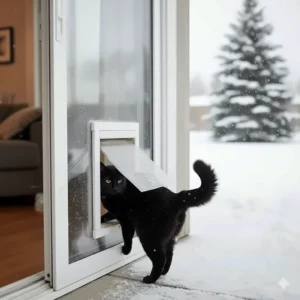
The SAKSUN Cat Door for Window Weatherproof brings modern convenience and security features to the sliding window cat door market. With its 4-way locking mechanism and powder-coated aluminum frame, this option appeals to tech-savvy pet owners who want control over when their cats can venture outside.
Key Specifications:
- 4-way locking system (fully locked, in only, out only, free access)
- Powder-coated aluminum frame resists scratching and weather damage
- Transparent vinyl flap with rounded edges for pet safety
- Adjustable for windows 23″-36″ wide (multiple size options)
The magnetic flap closure ensures quick sealing after each use, and the transparent material helps timid cats see what’s on the other side before committing to the jump. Customer reviews emphasize the robust construction—this thing feels solid when you’re installing it, which builds confidence in its longevity.
Price Range: $90-$130
Customer Feedback: Amazon buyers appreciate the security features and straightforward installation, with several noting their cats adapted within days.
Pros:
✅ Excellent security with 4-way locking
✅ Durable powder-coated finish
✅ Tool-free installation with included seal
✅ Transparent flap reduces pet anxiety
Cons:
❌ Vinyl flap less insulated than polymer alternatives
❌ Magnetic seal may weaken over time with heavy use
This insulated window cat door option excels for households prioritizing security alongside weather protection.
6. HOMEPEDIA Compact Window Pet Door
Modern aesthetics meet functional design in the HOMEPEDIA Compact Window Pet Door. If you’re the type of person who cringes at the thought of an ugly pet door ruining your carefully curated home decor, HOMEPEDIA has your back with sleek lines and high-definition glass that maintains visibility.
Key Specifications:
- HD high-transparency glass for clear views
- Aluminum alloy integrated frame with white coating
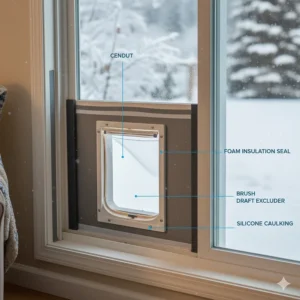
- Built-in weatherstripping with foam buffer strips
- Adjustable for various sliding window sizes (24″-39″ depending on model)
- Magnetic closure design
The standout feature here is the three-year after-sales service—any malfunctions result in direct replacement without returns required. That’s the kind of customer service confidence that makes you feel good about your purchase. The weatherstripping package includes both foam buffers and vinyl strips, allowing you to customize the seal based on your specific window setup.
Price Range: $110-$150
Customer Feedback: Buyers praise the clean appearance and effective temperature maintenance, noting it “doesn’t look like a pet door bolted onto the window.”
Pros:
✅ Sleek, modern aesthetic
✅ Excellent warranty and customer service
✅ Comprehensive weatherstripping included
✅ Quick 10-minute installation
Cons:
❌ Compact size may not suit larger cats
❌ Newer brand with less long-term reliability data
For design-conscious homeowners who refuse to compromise style for function, HOMEPEDIA delivers.
7. PetSafe Extreme Weather Sliding Glass Pet Door
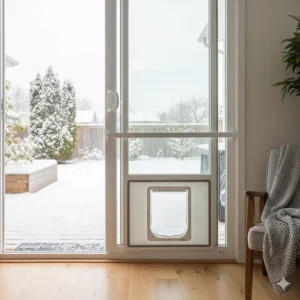
Rounding out our list, the PetSafe Extreme Weather Sliding Glass Pet Door specifically targets sliding glass door installations rather than traditional windows—but it’s worth including for its exceptional cold-weather performance. This panel insert features dual-paned glass and the same triple-flap magnetic seal system that makes PetSafe’s door-mount version so effective.
Key Specifications:
- Triple-flap system with magnetic seals
- Dual-paned Low-E glass for energy efficiency
- Adjustable height from 75⅞” to 81″
- Comprehensive weatherstripping included
The beauty of this design lies in its reversibility—no cutting, no permanent alterations, just slide it into your door track and you’re done. You can use removable strips for temporary setup or secure it with screws for long-term installation. This flexibility makes it ideal for renters who need a robust pet access solution without sacrificing their security deposit.
Price Range: $300-$400
Customer Feedback: Reviews highlight the superior insulation and ease of removal, with one user noting they “barely notice any temperature difference when the door is properly sealed.”
Pros:
✅ Premium insulation with dual-pane glass
✅ No permanent modifications required
✅ Rental-friendly design
✅ Travel-friendly for frequent movers
Cons:
❌ Higher cost than window-specific options
❌ Only works with sliding glass doors, not windows
For those with sliding glass doors leading to patios or enclosed outdoor spaces, this represents the ultimate weatherproof cat door solution.
💡 Make Your Choice with Confidence!
These seven options represent the cream of the crop for keeping your home comfortable while giving your cat the outdoor access they love. Whether you’re battling Minnesota blizzards or just want to reduce drafts during mild winters, there’s a solution here that fits your needs and budget. Click any highlighted product name above to check current pricing and read hundreds of verified customer reviews! 🏠🐾
Understanding Cold Weather Challenges for Window Cat Doors
Let’s talk about why regular cat doors fail miserably when temperatures plummet. I’ve seen too many cat owners shell out money for standard pet doors only to discover they’re basically paying to heat the great outdoors. The problem isn’t just about a single gust of cold air—it’s about continuous heat transfer through poorly insulated materials, gaps around flap edges, and the fundamental physics of thermal bridging.
The Science Behind Heat Loss
Cold weather exposes three critical weaknesses in standard pet door designs. First, conventional vinyl flaps become rigid and crack when temperatures drop below freezing, losing their seal entirely. According to research from the National Renewable Energy Laboratory, air leakage through openings accounts for 25-40% of energy used for heating and cooling in typical residences. A poorly sealed cat flap essentially functions as an intentional opening, constantly cycling your expensive heated air outside.
Second, metal frames without thermal breaks act as conductors, creating ice cold surfaces around the door opening that radiate cold into your living space. Ever noticed how a can of soda gets your whole hand cold? That’s the same conductive heat transfer happening with uninsulated metal frames.
Third, wind pressure forces air through even small gaps. At just 15 mph wind speed (pretty mild by winter standards), pressure differences can force significant air exchange through a loose-fitting flap. Premium cat doors for winter address these issues through multiple strategies—magnetic seals that remain flexible in extreme cold, insulated flaps with air pockets, and thermal break frames that interrupt the heat conduction pathway.
Impact on Your Energy Bills
Let me break down the dollars and cents. The average American household spends about $1,900 annually on energy bills according to the U.S. Energy Information Administration, with roughly 42% going to heating and cooling. A poorly insulated pet door can increase those costs by 5-15% depending on climate severity and door size—that’s potentially $100-$285 per year literally flying out a 7-inch flap.
Now contrast that with a properly insulated window cat door featuring dual-layer flaps and magnetic seals. Independent testing shows premium options reduce air leakage by 80-90% compared to standard designs. Over a 10-year lifespan, the energy savings alone can offset the higher initial cost of quality products like the Endura Flap, making it not just an environmental choice but a financially smart one.
Installation Methods for Different Window Types
Getting your cat door for sliding window properly installed makes the difference between a drafty disaster and a seamless solution. The good news? Most modern designs eliminate the need for power tools or professional installation—but you still need to match the right product to your window configuration.
Horizontal Sliding Windows (Most Common)
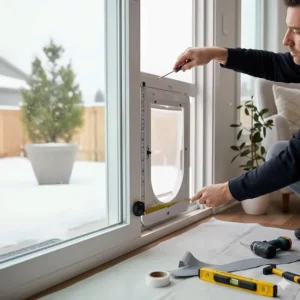
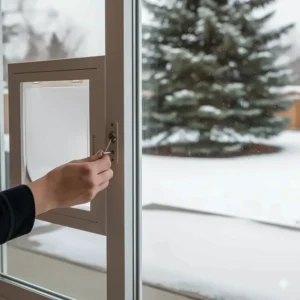
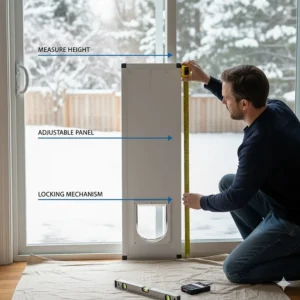
Horizontal sliders represent the easiest installation scenario. These products like the Endura Flap and Whiskers & Windows panels essentially replace one section of your window with a spring-loaded insert that includes the pet door. Here’s the process:
- Measure your window track height carefully—most products have a 3-4 inch adjustment range, so precision matters
- Remove your existing window screen
- Compress the spring-loaded panel and insert it into the track
- Adjust the tension screws to create a snug fit
- Apply weatherstripping along all edges for optimal sealing
The beauty of this approach? Completely reversible. When you move or no longer need the door, remove it and reinstall your regular window in under five minutes.
Vertical Sash Windows
Sash windows that slide up and down require specialized products like the Endura Flap Thermo Sash 3e or Ideal Pet’s vertical sash models. The installation principle remains similar—spring-loaded side panels create pressure against the window frame—but orientation matters. Make sure the pet door flap is positioned at an accessible height for your cat, accounting for both indoor flooring and outdoor ground level differences.
Fixed Windows and Custom Solutions
For fixed windows or non-standard sizes, you’re looking at custom insert panels. Companies like Flap Fever offer made-to-measure plexiglass or PVC inserts with integrated pet doors, precisely cut to your window dimensions. These require accurate measurements (measure three times, order once!) but provide professional results without permanent alterations.
Insulation Features That Actually Matter
Marketing hype around “insulated” pet doors can be misleading. Let’s cut through the nonsense and focus on features that genuinely impact cold weather performance.
Dual vs. Triple Flap Systems
Single-flap designs rely on one layer of material and a magnetic seal—adequate for mild climates but insufficient for serious winter conditions. Dual-flap systems create an air pocket between two layers, significantly reducing heat transfer through what engineers call “dead air space insulation.” The PetSafe Extreme Weather takes this further with triple flaps, adding an insulated center barrier that nearly eliminates convective heat loss.
Think of it like double-pane windows versus single-pane. The R-value (thermal resistance) of a quality dual-flap system approaches R-3, while single flaps barely reach R-1. In practical terms, that’s the difference between feeling a noticeable draft and barely detecting any air movement at all.
Magnetic Seal Technology
Not all magnetic seals are created equal. Premium designs use multiple magnets strategically placed along all four edges of the flap, creating dozens of contact points. This isn’t just about keeping the flap closed—it’s about ensuring consistent pressure that compensates for warping, frame expansion/contraction, and wind pressure.
The Endura Flap’s magnets remain flexible down to -40°F, maintaining their grip even when other designs would fail. Meanwhile, cheaper options use minimal magnets that lose strength over time or in extreme cold, resulting in gaps that let precious heated air escape.
Frame Thermal Breaks
Here’s where aluminum frames can either excel or fail miserably. Bare aluminum conducts heat 1,400 times better than wood—in winter, that means your expensive warmth flows right out through the frame. Quality products incorporate thermal breaks: sections of insulating material that interrupt the conduction pathway.
Powder-coated finishes also help by creating a micro-thin insulating layer, though the real difference comes from design choices like double-wall construction and weatherstripping channels built into the frame itself.
Weatherproofing and Draft Prevention Strategies
Installing the cat door is step one. Maximizing its cold-weather performance requires some additional weatherproofing attention that takes maybe 15 minutes but yields enormous benefits.
Additional Weatherstripping Applications
Even the best-designed cat door for sliding windows benefits from supplementary weatherstripping. I recommend running adhesive foam tape along the entire perimeter where the panel meets your window frame. Focus especially on the top edge—heat rises, and gaps at the top leak dramatically more warm air than bottom gaps.
For extra protection, apply brush-style weatherstripping along the bottom edge where the panel meets the track. This creates a soft seal that accommodates minor irregularities in the track surface while remaining flexible enough not to impede the sliding mechanism.
Managing Condensation Issues
Cold weather brings condensation challenges. When warm, moisture-laden indoor air meets cold surfaces, water droplets form. This isn’t just annoying—persistent condensation leads to mold growth and can damage your window frame over time.
Combat this by ensuring adequate ventilation in rooms with cat doors. If condensation appears on your glass panels, it indicates insufficient insulation or air sealing. Consider upgrading to a model with better thermal performance, or add a dehumidifier to the room during peak winter months. Some clever cat owners install small ventilation fans that activate when humidity rises, maintaining comfortable conditions without sacrificing temperature.
Snow and Ice Management
For ground-level installations, snow accumulation can block the cat door opening. Create a small covered area outside the door—even a simple overhang made from corrugated plastic sheeting mounted on stakes helps. Keep a rubber-edged squeegee handy to clear ice buildup around the door frame before it causes the flap to stick.
Pro tip: spray silicone lubricant on the flap hinges and magnetic contact surfaces before winter sets in. This prevents ice formation on metal components and keeps everything moving smoothly even in sub-zero temperatures.
Training Your Cat to Use Winter Cat Doors
You’ve invested in the perfect weatherproof cat door. Now you just need to convince your cat—who probably already thinks you’re mildly insane—that pushing through a magnetic flap into cold weather is actually a good idea.
The Gradual Introduction Method
Cats are creatures of habit and suspicion. Rushing the training process guarantees failure and frustration. Start by propping the flap fully open for 3-5 days, letting your cat freely pass through without encountering resistance. Place treats on both sides, creating positive associations with the opening.
Once your cat confidently walks through the propped-open door, partially lower the flap so it just brushes their back as they pass. This introduces the sensation of something touching them without creating a barrier to push through. Continue treating and praising lavishly—yes, you’ll feel ridiculous, but it works.
Finally, allow the flap to close completely but tape it loosely so it requires minimal pressure to open. Gradually remove tape strips over several days until your cat pushes through the full magnetic seal independently.
Dealing with Hesitant Cats
Some cats remain skeptical despite your best efforts. For these feline skeptics, try the “playmate technique”—if you have multiple cats, train the bolder one first. Cats are excellent observational learners, and seeing another cat use the door without incident often overcomes their hesitation.
Alternatively, use your cat’s favorite toy on a string, dangling it through the door opening to entice them through. Interactive play creates excitement that overrides caution. Never force a cat through physically—this creates negative associations that can take weeks to overcome.
Maintaining Usage During Cold Weather
Here’s the tricky part: cats who happily use a pet door in summer may suddenly refuse when temperatures plummet and that first blast of cold air hits their face. Make the indoor side more appealing by placing a cozy heated cat bed nearby—the contrast between warm relaxation spot and outdoor adventure makes the cold less shocking.
Consider installing a small outdoor shelter just outside the cat door. This creates a transition zone where your cat can assess conditions before fully committing to outdoor time. A simple insulated cat house with a heating pad provides refuge during harsh weather while maintaining their sense of outdoor access freedom.
Comparing Window vs. Door-Mounted Cat Doors
This decision point trips up a lot of cat owners. Should you go with a cat door for sliding window or opt for a traditional door-mounted version? The answer depends on your specific situation, and both options have legitimate advantages.
Advantages of Window Installation
Window mounting offers several compelling benefits. First, it preserves your door’s integrity and security—no cutting required, no structural compromises, and no concerns about voiding your door warranty. For renters, this is often the only viable option since landlords rarely permit door modifications.
Second, window installation typically positions the cat door at a comfortable height without requiring steps or ramps. Cats naturally jump to window-level heights anyway, so this feels more intuitive than a door-level entrance that might be too close to floor traffic.
Third, window cat doors often provide better sight lines. Your cat can survey their domain before exiting, reducing anxiety and helping them spot potential dangers or interesting prey. This visual connection to outdoors also provides enrichment even when the door is locked.
When Door Installation Makes More Sense
Door-mounted options win for large cats or multi-pet households. Many window cat doors max out around 10-12 pound pet capacity, while door installations can accommodate 25+ pound Maine Coons or small dogs sharing the access point.
Ground-level door entry also eliminates jumping concerns for elderly, arthritic, or injured cats. That six-foot leap from window to ground might seem minor to you, but for a senior cat with joint issues, it’s a significant deterrent. Door installation creates a more accessible, ground-level pathway.
Finally, doors offer more positioning flexibility. You choose exactly where the door goes—maybe accessing a fully enclosed catio, opening to a fenced side yard, or leading to a covered porch. Window location is fixed, and you might not have a convenient window positioned where you actually want cat access.
Maintenance and Seasonal Care Tips
A cat door for winter requires more attention than summer installations. Cold weather stresses materials, ice formation causes mechanical issues, and increased temperature differentials create condensation challenges. Stay ahead of these problems with regular maintenance.
Monthly Inspection Routine
Set a calendar reminder for the first day of each month during cold weather season. Spend ten minutes checking these critical points:
- Examine magnetic seals for ice buildup or debris that prevents complete closure
- Test flap flexibility—brittleness indicates material degradation requiring replacement
- Inspect weatherstripping for compression or gaps, replacing as needed
- Check frame fasteners, tightening any that have loosened through thermal expansion/contraction
- Wipe down all surfaces to remove condensation before it promotes mold growth
Lubrication and Material Care
Petroleum-based lubricants become sluggish in cold weather, so switch to silicone spray for winter maintenance. Apply sparingly to all hinges, pivot points, and the magnetic contact surfaces. This prevents ice formation and ensures smooth flap operation even at sub-zero temperatures.
For vinyl or polymer flaps, occasional cleaning with mild soap and water maintains transparency and flexibility. Avoid harsh chemicals or abrasives that could crack or cloud the material. If you notice the flap becoming stiff, it’s probably time for replacement—most flaps last 3-5 years with regular use before needing refresh.
End-of-Season Storage (If Applicable)
For cat owners who lock the door during severe weather or shoulder seasons, proper storage extends product lifespan. Clean everything thoroughly before storage, removing all dirt, pet hair, and moisture. Store in a climate-controlled space—extreme temperature swings in unheated garages can warp frames and degrade seals.
Consider rotating two complete door panels if you’re in an extreme climate zone. Use the “summer panel” with a simple flap during mild weather, then swap to your premium insulated panel when serious cold arrives. This extends the life of your expensive winter door while providing adequate access during temperate months.
Safety and Security Considerations
Let’s address the elephant in the room—or rather, the raccoon outside the window. Any opening into your home creates potential security concerns, both from unwanted wildlife and human intruders. Intelligent design choices mitigate these risks without sacrificing your cat’s freedom.
Preventing Unwanted Animal Entry
That adorable cat door looks mighty inviting to raccoons, opossums, and other opportunistic wildlife. The 4-way locking mechanisms featured on products like the SAKSUN model provide essential control—set to “out only” mode during peak nuisance hours (typically dusk to dawn for raccoons), allowing your cat to come home but preventing uninvited guests from entering.
Sizing matters tremendously here. Choose the smallest door your cat can comfortably use—a 7-inch opening barely accommodates a determined raccoon, while a 12-inch door invites them right in. Some cat owners install motion-activated deterrent lights or sprinklers near the door’s exterior, conditioning wildlife to avoid the area entirely.
Microchip-activated doors represent the ultimate solution for selective access. While expensive ($200-$400), these use RFID technology to open only for pets wearing programmed collar tags or with registered microchips. Wildlife lacking the electronic key gets a locked flap that won’t budge.
Residential Security Aspects
Can a cat door compromise your home security? Technically yes, but the reality is less concerning than you might fear. Most insulated window cat doors create openings of 6-8 inches—far too small for an adult human to exploit. A determined burglar would simply break the window rather than struggle with a tiny cat flap.
That said, location matters. Avoid installing cat doors in windows directly adjacent to door locks or deadbolts. An opening that allows reaching through to unlock an entry door defeats the entire purpose of home security. Position your cat door on windows well away from access points, preferably on second floors or facing fully fenced yards.
The locking covers included with premium products like Endura Flap provide complete closure when needed. Traveling for a weekend or concerned about a specific security situation? Slide the locking cover in place and your window becomes as secure as before installation.
Child Safety Considerations
For households with young children, pet doors create curiosity and potential risk. Toddlers might attempt to climb through, potentially getting stuck or falling from window height. Supervision and education become critical—explain the door is specifically for pets, not people, and model appropriate interaction (like not propping the flap open as a game).
Consider the door’s height relative to climbable furniture. A cat door at ground level near a couch creates temptation for a curious two-year-old. Mount doors higher or in rooms where young children spend less unsupervised time, reducing the risk of problematic interactions.
Budget Considerations and Long-Term Value
Let’s talk money without the marketing fluff. Cat door prices range from $70 budget options to $400+ premium systems. Understanding what drives these price differences helps you make informed decisions aligned with your actual needs rather than getting suckered by clever advertising.
Initial Investment vs. Operating Costs
That $70 Ideal Pet door might seem like a bargain compared to the $300 Endura Flap, but consider lifecycle costs. Cheaper doors often require flap replacements every 1-2 years ($20-$40), weatherstripping refreshes ($15 annually), and potentially increased energy costs ($50-$100 yearly) due to inferior insulation.
Run the numbers over five years:
- Budget option: $70 initial + ($30 × 4 flaps) + ($15 × 5 weatherstripping) + ($75 × 5 energy increase) = $620 total
- Premium option: $300 initial + ($15 × 5 weatherstripping minimal) + ($0 energy increase) = $375 total
The premium door actually costs less in the long run while providing superior performance. This doesn’t mean everyone needs the most expensive option—but don’t automatically choose based on sticker price alone.
DIY vs. Professional Installation
Most window cat doors explicitly market themselves as DIY-friendly, and they genuinely are. Tool-free spring-loaded designs require no carpentry skills or specialized equipment—if you can measure accurately and follow basic instructions, you can handle installation in 20-30 minutes.
Professional installation rarely makes financial sense for window doors. Handyman services charge $75-$150 for jobs that take them 15 minutes, dramatically inflating your total cost with minimal added value. Save the professional help budget for complex door-mount installations that require cutting, framing modifications, and weather sealing expertise.
Energy Savings Calculator
Want to estimate your actual energy savings? Here’s a simplified formula:
- Calculate your heating cost per therm or kWh (check your utility bill)
- Estimate air leakage reduction (premium doors: 85%, standard: 50%, budget: 30%)
- Multiply by your heating season degree days (find this on weather.gov)
- Factor in your door’s operating hours (typical: 12 hours daily)
For a Minnesota homeowner with gas heating at $1.20/therm, 8,000 heating degree days, and a premium insulated cat door, annual savings typically reach $120-$180 compared to an unsealed opening. Your mileage varies based on climate severity and door quality, but savings are real and measurable.
Climate-Specific Recommendations
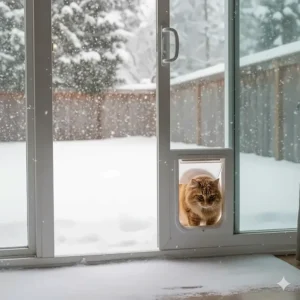
Not all cold weather is created equal. Your needs in Seattle (mild, wet winters) differ dramatically from those in North Dakota (brutal, sustained cold). Let’s break down recommendations by climate zone.
Mild Winter Climates (Zones 6-8)
If your winters rarely dip below 20°F and snow is occasional rather than constant, you don’t need maximum insulation. The Ideal Pet Aluminum Sash door ($70-$105) or SAKSUN Weatherproof model ($90-$130) provide adequate protection without over-investing in features you won’t fully utilize.
Focus on weatherstripping quality and moisture management—mild winters in these zones often mean more rain and humidity than extreme cold. Ensure your chosen door includes good water resistance and condensation prevention features.
Moderate Winter Climates (Zones 4-5)
Regions experiencing sustained freezing temperatures and regular snowfall demand better insulation. The Whiskers & Windows Panel ($180-$220) or HOMEPEDIA models ($110-$150) hit the sweet spot—significantly better thermal performance than budget options without the cost of ultra-premium systems.
For these climates, prioritize magnetic seal quality and dual-layer protection. You’ll experience enough truly cold days that superior insulation pays for itself, but don’t necessarily need the extreme-weather engineering of top-tier models.
Severe Winter Climates (Zones 2-3)
If you’re battling -20°F regularly and heating bills that make you cry, stop messing around with mediocre solutions. The Endura Flap Cat Door for Horizontal Sliding Windows ($250-$350) isn’t optional—it’s essential. Its ability to maintain flexibility and sealing integrity at -40°F makes it the only realistic choice for sustained extreme cold.
The PetSafe Extreme Weather Sliding Glass model ($300-$400) offers comparable performance for door-track installation. Yes, these cost more upfront, but your energy savings and comfort improvements justify the investment within 2-3 winter seasons.
Common Problems and Solutions
Even the best cat door for sliding windows in cold weather encounters issues. Most problems have straightforward fixes that don’t require professional help—you just need to know what to look for.
Flap Won’t Stay Closed
This frustrating issue usually stems from weakened magnets or warped frames. First, check for debris preventing complete magnetic contact—hair, dirt, or ice buildup often interferes with proper sealing. Clean thoroughly and test again.
If the problem persists, the magnets may have weakened. Some products like Endura Flap allow magnet adjustment or replacement. Otherwise, you can add adhesive-backed magnetic tape to reinforce the seal—apply to the flap edges and corresponding frame contact points.
For warped frames, slight adjustments to the spring tension might compensate. Tighten the adjustment screws to increase frame pressure against your window, potentially pulling the warped section back into alignment.
Excessive Condensation or Ice Formation
Condensation between glass panes indicates seal failure requiring replacement. Condensation on interior surfaces suggests insufficient ventilation or too much indoor humidity—run a dehumidifier or improve room ventilation.
Ice forming around the flap edges points to inadequate insulation or air leakage. Apply additional weatherstripping around the entire panel perimeter, paying special attention to top and bottom edges where gaps most commonly occur. For persistent icing, consider upgrading to a better-insulated model.
Cat Suddenly Refuses to Use Door
Behavioral changes often indicate physical discomfort. Check that the flap hasn’t become too stiff in cold weather, requiring excessive force to open. Lubricate hinges and test the opening resistance yourself—if you find it difficult, imagine how your 10-pound cat feels.
Temperature shock might be the culprit—the contrast between warm indoor air and frigid outdoors creates reluctance. Try pre-conditioning: open a nearby window slightly for 10-15 minutes before your cat’s typical outdoor time, gradually acclimating them to the temperature change.
Alternatively, your cat might be avoiding outdoor time entirely due to weather conditions. This isn’t a door problem—it’s a cat making a sensible decision. Don’t force outdoor access during extreme weather. Even outdoor-loving cats sometimes prefer to remain cozy indoors when conditions are truly miserable.
FAQ
❓ How cold is too cold for a cat door for sliding windows in cold weather?
❓ Can weatherproof cat door installations prevent all drafts?
❓ Will a cat door for winter void my window warranty?
❓ How long do insulated window cat doors typically last?
❓ Can large cats use cat door for sliding window options?
Conclusion
Choosing the right cat door for sliding windows in cold weather transforms your relationship with pet ownership during winter months. No more jumping up every thirty minutes to let fluffy in or out. No more guilt about restricting outdoor access during cold snaps. No more heating bills that require a second mortgage.
The seven products reviewed here represent proven solutions across different price points, climates, and installation scenarios. Whether you’re battling Minnesota blizzards with the Endura Flap’s extreme-weather protection, managing moderate winters with the Ideal Pet’s budget-friendly reliability, or seeking rental-friendly flexibility with the HOMEPEDIA’s modern design, there’s a perfect match for your situation.
Remember, this isn’t just about convenience—it’s about your cat’s quality of life and your home’s energy efficiency. A well-chosen insulated window cat door pays for itself through reduced energy costs while giving your feline companion the independence they crave. The initial investment, whether $70 or $350, returns dividends in comfort, savings, and peace of mind over years of reliable service.
Take the time to carefully measure your window dimensions, honestly assess your climate severity, and consider your cat’s size and temperament. Then make your choice with confidence, knowing you’re investing in a solution that works.
🎯 Your Cat’s Freedom Awaits!
Don’t let another cold day pass with your cat meowing at you for access. These proven cat door solutions maintain your home’s warmth while giving your feline friend the outdoor freedom they deserve. Click on any product link above to explore detailed specifications, read hundreds of customer reviews, and find the perfect match for your needs. Your heating bill (and your cat) will thank you! ❄️🐱💙
Recommended for You
- Cat Door for Window Screen: 7 Top Picks (2025 Guide)
- Window Cat Doors: 7 Top-Rated Options for Happy Cats
- 7 Best Scratching Post with Bed for Large Cats 2025
Disclaimer: This article contains affiliate links. If you purchase products through these links, we may earn a small commission at no additional cost to you.
✨Found this helpful? Share it with your friends! 💬🤗
