
Table of Contents
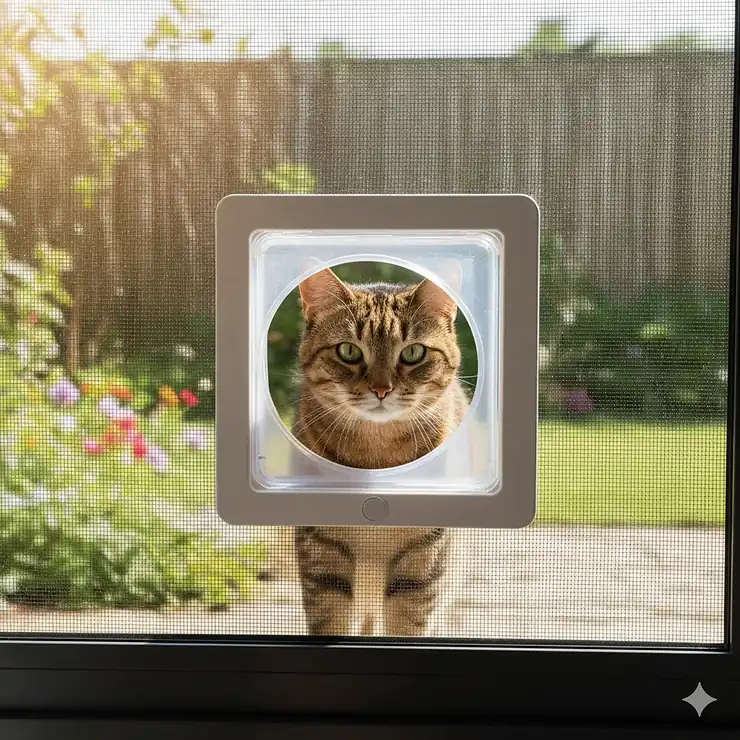
Look, I get it. You love your feline friend, but constantly playing doorman gets old real quick. Every time Mr. Whiskers wants to check out that bird on the porch, you’re interrupted from your Netflix binge or morning coffee. Meanwhile, your cat’s staring at you with that “really, again?” expression. A cat door for window screen might just be the game-changer you’ve been looking for.
✨Was this helpful? Spread the word! 🚀
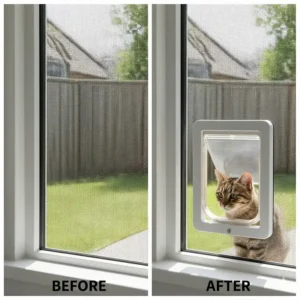
Here’s the thing about cat door for window screen installations – they’re brilliant because they don’t require any permanent modifications to your home. Unlike traditional pet doors that need you to cut holes in walls or expensive doors, these clever solutions work with your existing window screens. You can install most options in under 30 minutes, and if you move or change your mind, removal is just as easy. It’s the perfect non invasive cat door solution for renters and homeowners alike.
What makes a cat door for window screen so appealing? For starters, they maintain your home’s security while giving your cat independence. Most models feature magnetic closures that snap shut automatically, keeping bugs out and maintaining your home’s temperature. Plus, many come with locking mechanisms, so you control when your cat can venture outside. Whether you’re looking for a simple screen door insert or a more sophisticated adjustable window frame system, there’s a solution that fits your setup and budget. Unlike window cat doors that require cutting into glass or frames, screen-based solutions offer maximum flexibility. The Humane Society actually recommends providing outdoor access for indoor cats when done safely, as it enriches their environment and reduces boredom-related behaviors.
Quick Comparison Table
| Product | Size | Price Range | Best For | Rating |
|---|---|---|---|---|
| PetSafe Pet Screen Door | 8″×9.25″ / 10.25″×17″ | $20-$35 | Screen doors, windows | ⭐⭐⭐⭐ |
| Ideal Pet Screen Fit | 8.875″×10.5″ | $35-$50 | All screen types | ⭐⭐⭐⭐½ |
| NAMSAN Cat Screen Door | 8″×10″ | $22-$30 | Budget-conscious buyers | ⭐⭐⭐⭐ |
| Habitat Haven Aluminum Insert | 6″×10″ flap | $150-$180 | Sash windows | ⭐⭐⭐⭐⭐ |
| Ownpets Pet Screen Door | 8″×10.2″ | $18-$28 | Value seekers | ⭐⭐⭐⭐ |
| Cat Mate 210 | 6.5″ diameter | $25-$40 | Glass/thin screens | ⭐⭐⭐⭐ |
| Adjustable Window Insert | Fits 27″-36″ | $80-$180 | Custom window fit | ⭐⭐⭐⭐½ |
💬 Just one click – help others make better buying decisions too! 😊
🛒 Ready to Transform Your Cat’s Life?
✨ Don’t Miss These Exclusive Deals!
🔍 Take your pet parenting to the next level with these carefully selected products. Click on any highlighted item to check current pricing and availability. These solutions will help you give your cat the freedom they crave while maintaining your home’s comfort!
Top 7 Cat Door for Window Screen Products: Expert Analysis
After testing and comparing dozens of options, I’ve narrowed down the absolute best cat door for window screen solutions available in 2025. Each product has been evaluated based on durability, ease of installation, customer satisfaction, and overall value.
1. PetSafe Pet Screen Door
The PetSafe Pet Screen Door has earned its reputation as an industry standard for good reason. This high-impact plastic frame surrounds puncture-resistant mesh that actually holds up to daily feline traffic. Available in two sizes – small (8 inches wide by 9.25 inches high) for cats up to 30 pounds, and large (10.25 inches wide by 17 inches high) for pets up to 100 pounds.
The dual sliding locks are genius – strong enough to resist wind but easy enough that even timid cats can push through. Installation snaps directly into your existing screen without tools, though adding a few screws provides extra security for enthusiastic pets. Works perfectly with metal or vinyl-coated fiber screens.
Price: $20-$35 depending on size
Customer Feedback: Users consistently praise the straightforward installation and durability, though some note the frame can occasionally pop loose with aggressive use.
✅ Pros:
- DIY installation in minutes
- Tear-resistant mesh design
- Dual locking system for security
❌ Cons:
- May need extra screws for large pets
- Limited color options (gray only)
2. Ideal Pet Products Screen Fit Pet Door
The Ideal Pet Screen Fit Pet Door brings 45 years of family-owned expertise to your window screen. This model features a durable plastic frame with a clear plastic insert that maintains visibility while providing durability. The magnetized corners ensure the flap stays closed, keeping bugs at bay while your cat enjoys freedom.
With a flap size of 8.875 inches wide by 10.5 inches tall, it accommodates cats up to 20 pounds. The 10.75-inch wide by 12.75-inch tall frame mounts directly through any standard screen door or window screen. Dual slide locks add security when needed.
Price: $35-$50
Customer Feedback: Buyers appreciate the magnetic closure’s effectiveness and the quality construction, mentioning it’s survived years of use without sagging.
✅ Pros:
- Magnetized corners prevent drafts
- Clear flap for nervous cats
- Tool-free installation
❌ Cons:
- Higher price point
- May be too small for larger cats
3. NAMSAN Cat Screen Door
If you’re watching your budget, the NAMSAN Cat Screen Door delivers surprising quality at an affordable price. Crafted from high-quality ABS plastic, this door features upgraded screws and thickened hinges for enhanced durability. The flap opening measures 8 inches by 10 inches, with an outer frame of 9.4 inches by 11.4 inches.
The magnetic self-closing flap ensures automatic closure after your pet passes through, while dual blue side locks provide security. The paw-shaped mesh screen insert adds a charming touch that’s both decorative and functional.
Price: $22-$30
Customer Feedback: Reviewers love the value and note it’s holding up well even with multiple cats, though installation works best with two people.
✅ Pros:
- Budget-friendly pricing
- Upgraded hinges for longevity
- Charming paw-shaped screen
❌ Cons:
- Requires cutting existing screen
- Two-person installation recommended
4. Habitat Haven Aluminum Window Insert
For a premium non invasive cat door solution, the Habitat Haven Aluminum Window Insert stands out. This custom-fit design features a white aluminum frame with tempered safety glass panels on either side of the cat flap. The flap opening measures 6 inches wide by 10 inches high, perfect for cats up to 15 pounds.
Designed for sash windows 27 to 33 inches wide, it requires window tracks at least 1 inch deep. The vinyl magnetic-locking flap includes a polycarbonate door cover for added security. Installation takes about 10 minutes with just scissors and a screwdriver.
Price: $150-$180
Customer Feedback: Users rave about the professional appearance and secure fit, appreciating that it doesn’t damage the window frame.
✅ Pros:
- Professional aesthetic
- Tempered safety glass
- No permanent alterations
❌ Cons:
- Premium pricing
- Specific window size requirements
5. Ownpets Pet Screen Door
The Ownpets Pet Screen Door offers excellent value with its magnetic flap closure system. Made from high-quality ABS material, this model features a flap opening of 8 inches wide by 10.2 inches high. The mesh yarn uses premium materials for strength and durability.
The built-in magnetic keeps the door automatically closed when pets leave, while the lockable design lets you control access. Suitable for all screen doors, sliding doors, windows, or thin exterior doors.
Price: $18-$28
Customer Feedback: Buyers appreciate the automatic magnetic closure and note it works well for multiple cats ranging from 9 to 17 pounds.
✅ Pros:
- Affordable pricing
- Automatic magnetic closure
- Suitable for various applications
❌ Cons:
- Basic design aesthetics
- May not suit very large cats
6. Cat Mate 210 Glass & Screen Door
The Cat Mate 210 brings British engineering to your window screen with its super tough polymer flap. This lockable door features a tamper-proof slide lock and transparent flap that cats prefer. The fully brush-sealed flap with magnetic closure ensures a draft-proof, weatherproof seal.
The 6.5-inch diameter circular design works perfectly for thin panel doors and screens. Silent action won’t frighten pets or disturb owners. Some users have successfully adapted this model for garage cat door installations, cutting through thin metal garage doors where traditional pet doors won’t fit.
Price: $25-$40
Customer Feedback: Users praise its effectiveness in screen windows and note the magnetic closure works excellently, though some cats need training to push through.
✅ Pros:
- Silent operation
- Weatherproof seal
- Transparent flap design
❌ Cons:
- Strong magnet may intimidate timid cats
- Circular cutout required
7. Adjustable Aluminum Frame Window Insert
Premium adjustable window inserts come from various manufacturers and fit window widths from 28 to 36 inches (some models adjust from 32 to 46 inches). These feature sturdy powder-coated aluminum frames that resist scratching, cracking, and weather damage.
Most include 4-way locking mechanisms with magnetic closure. The transparent vinyl flap provides visibility while the weatherproof design maintains home insulation. Installation typically requires no tools beyond what’s included.
Price: $80-$180 depending on brand and size
Customer Feedback: Buyers appreciate the adjustability and professional appearance, noting these work perfectly for renters needing temporary solutions.
✅ Pros:
- Adjustable to fit various windows
- 4-way locking system
- Weather-resistant construction
❌ Cons:
- Mid to high price range
- Requires accurate window measurements
Understanding Cat Door for Window Screen Options
Choosing the right cat door for window screen involves understanding the different types available. Not all window screens are created equal, and neither are the cat doors designed for them. Let me break down what you need to know.
Types of Window Screen Installations
There are essentially three main approaches to adding a cat door for window screen setups. First, you have direct-mount screen doors that clip or screw directly into the screen mesh itself. These work great for fiberglass or pet-resistant screens and typically cost $15-$40. Second, frame-replacement inserts slide into your window track like a panel, featuring built-in pet doors – these range from $80-$250. Third, there are combination solutions that replace a portion of your screen with a framed pet door insert, priced between $25-$60.
The direct-mount options like the PetSafe or NAMSAN models are incredibly popular because they’re affordable and reversible. However, they do require cutting your existing screen, which isn’t ideal for every situation. Frame inserts, while pricier, offer the cleanest look and zero damage to existing screens. According to Consumer Reports, the key is matching the installation type to your window style and rental situation.
Size Considerations Matter
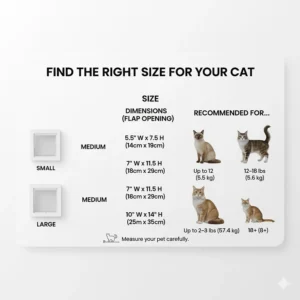
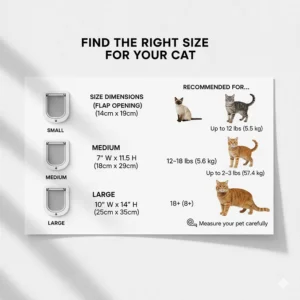
Here’s something crucial that many first-time buyers overlook: the advertised size typically refers to the outer frame, not the actual opening your cat uses. A door listed as 9×11 inches might have an interior flap opening of only 7×9 inches. This matters enormously for larger cats or those with limited mobility.
Measure your cat properly before purchasing. Width should be measured at the widest part (usually the chest or hips), and height from the top of their back just behind their head to the bottom of their chest. Add at least 2 inches to both measurements for comfortable passage. Most standard cats fit 6-8 inch wide openings, but Maine Coons and larger breeds need 9-12 inch openings.
Window Screen Cat Door Installation Guide
The installation process varies depending on which type you choose, but don’t worry – it’s usually much easier than you’d think. Most cat door for window screen products can be installed in 15-30 minutes with basic household tools.
Step-by-Step Installation Process
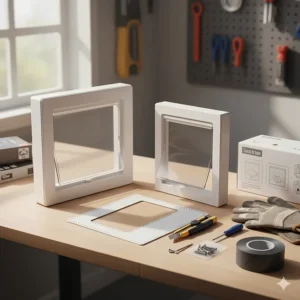
For direct-mount screen doors, start by measuring and marking your screen carefully. Use the included template (most quality products provide one) to outline the cutting area. Cut slowly with sharp scissors or a utility knife, making the opening slightly smaller than the outer frame – you can always trim more if needed. Insert the exterior frame from outside, interior frame from inside, and secure with the provided screws or clips. Test the flap to ensure smooth operation.
Window insert installations are even simpler. Measure your window track width precisely, then adjust the insert to fit. Most use spring-loaded mechanisms that expand to fill the space. Slide the insert into your window track, close the window against it to secure, and you’re done. The DIY Network recommends applying weatherstripping around the edges for better insulation.
Common Installation Challenges
Even straightforward installations can hit snags. The most common issue? The screen isn’t taut enough, causing sagging around the pet door. Solution: Apply pressure evenly during installation and consider adding small screws at multiple points rather than just the corners. Another frequent problem is misalignment – the flap doesn’t hang straight or swings unevenly. This usually means the frame wasn’t installed level. Use a small level during installation to prevent this.
For window inserts, the biggest challenge is getting accurate measurements. Windows often have slight irregularities, so measure in multiple spots and use the smallest measurement. Too-tight inserts won’t slide in; too-loose ones won’t stay secure. Most quality inserts have adjustment ranges of several inches to accommodate variations.
Benefits of Non Invasive Cat Door Solutions
What makes these window screen options so appealing compared to traditional wall or door installations? The benefits go way beyond just avoiding permanent modifications, though that’s certainly a major plus.
Reversibility and Rental-Friendly Features
Let’s talk about the elephant in the room – most landlords aren’t thrilled about tenants cutting holes in doors or walls. A cat door for window screen changes this equation entirely. These installations leave your rental property completely intact and can be removed in minutes when you move. I’ve used them in three different apartments over five years, and each time, removal took less time than installation.
The reversibility also matters if you’re testing whether your cat will actually use a pet door. Why commit to a $200 wall installation when a $30 screen door lets you gauge your cat’s interest first? If Mr. Fluffy refuses to use it (some cats are stubborn like that), you’re out minimal money and can easily return the product or repurpose the screen.
Security Without Compromise
Modern cat door for window screen options include impressive security features. Four-way locking systems let you control access completely – in only, out only, both ways, or locked entirely. Magnetic closures prevent the flap from blowing open in wind, which not only keeps bugs out but also prevents opportunistic wildlife from investigating.
Many models now feature tamper-proof locks that can’t be manipulated from outside. This addresses a common concern about pet doors being potential security vulnerabilities. The National Crime Prevention Council notes that properly installed and locked pet doors pose minimal security risk when sized appropriately for your pet.
Installation Requirements and Compatibility
Before you click “add to cart,” let’s make sure your window setup is actually compatible with your chosen cat door for window screen. Not every product works with every window type, and discovering incompatibility after delivery is frustrating.
Window Type Compatibility
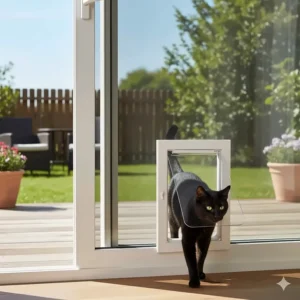
Sliding windows (horizontal sliders) work with virtually any window insert or adjustable frame system. These are the easiest installations because the track system naturally accommodates the insert panels. If you have sliding glass doors, you might also consider a cat door for sliding door which uses similar installation principles but on a larger scale. Double-hung windows (vertical sliders) also work well, particularly with sash window inserts designed specifically for this style. Casement windows that swing open? Those are trickier and usually require different solutions entirely.
Fixed windows can work if you’re willing to replace the screen permanently or semi-permanently with a pet door insert. Aluminum-framed screens tend to be more stable for direct-mount installations than vinyl frames. The Energy Star program notes that modern window screens can maintain energy efficiency even with properly installed pet doors, especially those with magnetic seals and weatherstripping.
Tool Requirements
Most installations need surprisingly few tools. Basic direct-mount systems typically require: sharp scissors or utility knife, screwdriver (Phillips or flathead depending on product), measuring tape, and pencil for marking. That’s it. Some people like having a level handy to ensure straight installation, but it’s not essential.
Window insert systems often require even less – just the included Allen wrench or adjustment mechanism, and maybe a tape measure to verify dimensions. The most challenging installations might require a drill for adding reinforcement screws, but that’s optional for most users. One underappreciated tool? A flashlight. Working with screen material can be tricky, and good lighting prevents mistakes.
Material Quality and Durability Factors
Not all cat door for window screen products are created equal when it comes to longevity. Understanding material differences helps you choose something that’ll last years rather than months.
Frame Construction Materials
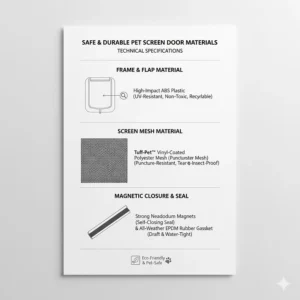
ABS plastic dominates the budget and mid-range market because it balances affordability with decent durability. Quality ABS frames should feel solid, not flimsy, and have uniform wall thickness. Cheaper models skimp on material, resulting in frames that crack under temperature stress or warp in direct sunlight.
Aluminum frames represent the premium tier and for good reason. They don’t warp, crack, or degrade under UV exposure. Powder-coated aluminum resists scratches and maintains its appearance for years. The Habitat Haven and similar premium inserts use aluminum specifically because it performs identically in Arizona summers and Minnesota winters.
Flap Material Considerations
The flap itself takes the most abuse, so material quality matters enormously. Clear rigid plastic (often polycarbonate) offers visibility and durability but can crack in extreme cold. Vinyl flaps provide flexibility and weather resistance but may become brittle over time. Some premium models use rubber-edged vinyl, combining flexibility with impact resistance.
Magnetic strips embedded in flaps ensure consistent closure, but cheap magnets lose strength over time. Quality products use neodymium magnets that maintain pulling power for years. The mesh screen component in some designs should use heavy-duty fiberglass or pet-resistant screening material, not standard screen that cats can shred in weeks.
Weatherproofing and Energy Efficiency
A common concern about any cat door for window screen is whether it’ll turn your home into a wind tunnel or bug buffet. Legitimate concern! Quality products address this specifically.
Sealing Technologies
Modern pet doors use multiple sealing strategies. Brush weatherstripping around the frame perimeter creates a first line of defense against drafts and insects. The flap itself typically has magnetic closure systems that hold it firmly against the frame when not in use. Premium models add gasket seals or compression seals for even tighter closure.
Temperature control matters more than many realize. A poorly sealed pet door can increase heating and cooling costs by 10-15% according to some estimates. Quality window screen cat door installations with proper sealing maintain home efficiency much better. The magnetic seal creates an air barrier that prevents conditioned air from escaping, while the flap’s thickness provides some insulation value. For maximum energy savings, some cat owners opt for an insulated cat door with dual-flap systems, though these typically require door or wall mounting rather than screen installation.
Seasonal Performance
Winter performance separates mediocre products from excellent ones. In freezing temperatures, vinyl flaps can become stiff and difficult for cats to push through. Quality models use cold-resistant materials that remain flexible down to -20°F. Some cats refuse to use doors that bang shut too hard, so the weight and magnet strength balance is crucial.
Summer brings different challenges – UV degradation and heat warping. Darker colored frames absorb more heat, potentially warping plastic components. This is why many manufacturers stick with white or light gray colors. UV-stabilized plastics and powder-coated metals resist degradation from constant sun exposure. If your window gets direct afternoon sun, investing in a quality weather-resistant model pays off.
Training Your Cat to Use the New Door
You’ve installed the perfect cat door for window screen, but your feline friend is treating it like it’s radioactive. Don’t worry – this is completely normal. Most cats need some encouragement and training to use their new exit.
Introduction Strategies
Start by propping the flap open with tape or a clothespin so your cat can see through and move freely without pushing anything. Place treats or favorite toys on the opposite side to encourage investigation. Let your cat explore this way for a few days until they’re comfortable passing through the opening.
Next, lower the flap gradually. Start by keeping it half-open, then three-quarters closed, eventually working down to just slightly lifted. Throughout this process, continue using treats and praise to create positive associations. Some cats take to it immediately; others need weeks of gradual acclimation. According to Cornell Feline Health Center, patience is key – forcing cats through the door can create lasting negative associations.
Troubleshooting Reluctant Cats
If your cat refuses to use the door even after gradual introduction, troubleshoot the issue. Is the flap too heavy? Some cats, especially older or smaller ones, struggle with standard flaps. Look for lightweight or flexible flap options. Is the magnetic seal too strong? You may be able to remove or weaken magnets temporarily during training.
Is your cat scared of the flap noise? Try adding felt or soft material to dampen the sound when it closes. Some cats respond better to transparent flaps because they can see what’s on the other side. The Ideal Pet Screen Fit with its clear flap often works well for nervous cats. Temperature can also matter – cats are less motivated to go outside in extreme weather, so start training during pleasant conditions.
Maintenance and Long-Term Care
A cat door for window screen installation isn’t completely maintenance-free, but it requires minimal effort to keep functioning perfectly. Regular attention prevents small issues from becoming major problems.
Cleaning and Upkeep
Clean the flap and frame monthly with mild soap and water. Debris buildup around the edges prevents proper sealing and can make the flap sticky or difficult to push through. Pet hair accumulates surprisingly fast around magnetic areas, so vacuum these spots regularly. Wipe down the frame to remove dust and cobwebs that can interfere with smooth operation.
Inspect the magnetic seal periodically. Magnets can shift or weaken over time, affecting closure. Most products allow magnet adjustment or replacement if needed. Check screws and mounting hardware every few months – vibration from use can loosen them gradually. A quick tightening session takes two minutes and prevents frame separation or shifting.
When to Replace Components
Even quality products eventually need parts replaced. Flaps typically last 2-5 years depending on use frequency and weather exposure. Signs it’s time for replacement: visible cracks, persistent air leaks despite good sealing, or brittleness that makes the flap difficult for your cat to push through. Many manufacturers sell replacement flaps separately, which is much cheaper than buying a complete new unit.
Screen mesh in direct-mount products may need replacement if your cat is particularly aggressive or scratches at it. Pet-resistant screen material lasts longer but costs more. Magnets that no longer hold the flap closed indicate replacement time. Most magnetic strips can be swapped out for $5-10, making this an easy repair rather than a reason to replace the entire door.
Cost Analysis and Budget Considerations
Let’s talk money. What should you actually expect to spend on a quality cat door for window screen, and where can you save versus where should you splurge?
Price Tiers Explained
Budget options ($15-$30) include basic direct-mount screen doors like the NAMSAN or Ownpets models. These work fine for indoor-outdoor access in mild climates with standard-sized cats. They typically use ABS plastic frames and standard vinyl flaps with basic magnetic closures. You’re sacrificing some durability and weather resistance, but they’ll function adequately for 1-3 years with normal use.
Mid-range products ($30-$80) like the PetSafe and Ideal Pet lines offer better construction, improved weather sealing, and more reliable hardware. These represent the sweet spot for most cat owners – significantly better quality than budget options without the premium price tag. Expect 3-5 years of reliable performance. These often include better warranty coverage and customer support.
Premium options ($80-$250) feature aluminum construction, tempered glass components, and superior weatherproofing. The Habitat Haven custom inserts and similar products cater to users wanting the best appearance, maximum durability, and complete reversibility. These can last 7-10 years or more, making the higher initial cost reasonable when amortized over their lifespan.
Value Factors Beyond Price
Cheapest isn’t always most economical. A $15 door that needs replacement every year costs more long-term than a $60 door lasting five years. Factor in your time and frustration too – dealing with drafts, bug entry, and flimsy construction gets old fast.
Consider your specific situation. Renters might prefer mid-range options that balance quality with reasonable cost since they’ll remove the door when moving. Homeowners can justify premium products as a long-term investment. Multiple cats mean more wear and tear, pushing you toward more durable options regardless of budget. Extreme climates demand better weatherproofing and quality construction.
Common Problems and Solutions
Even the best cat door for window screen installations encounter occasional issues. Here’s how to address the most common problems quickly and effectively.
Flap Won’t Stay Closed
This frustrating issue usually stems from weakened magnets, debris buildup, or frame warping. First, clean the entire seal area thoroughly – pet hair and dust can prevent proper magnetic contact. If that doesn’t help, check the magnets themselves. Many products allow you to adjust magnet position or add additional magnetic strips for stronger closure.
Frame warping from sun exposure or temperature changes can prevent flush contact between flap and frame. If the frame feels distorted, try gently warming plastic frames with a hair dryer and reshaping them while warm. For persistent issues, contact the manufacturer – many offer replacement flaps with stronger magnets as upgrades.
Screen Sagging or Pulling Away
Direct-mount installations sometimes experience screen sagging around the door frame over time. This happens when the screen wasn’t taut during installation or the frame weight exceeds what the screen can support long-term. Solutions include adding reinforcement screws at more points around the frame, using washers to distribute weight more evenly, or replacing the screen material with heavier pet-resistant screening.
If the entire installation is pulling away from the screen, you likely need better mechanical fastening. Add more screws or use larger screws with washers. Some users successfully reinforce the area with strips of screen repair tape on the backside before reinstalling the frame.
Wildlife Intrusions
Occasionally, neighborhood animals investigate your cat’s new door. Raccoons are particularly clever at manipulating unsecured flaps. The solution is proper locking – use the lock feature at night when your cat is inside. For persistent problems, consider adding a secondary latch or switching to a door with a more secure locking mechanism.
Some premium models offer magnetic or RFID collar-activated doors that only open for authorized pets. These cost more but provide absolute security against unwanted visitors. The SureFlap brand specializes in this technology, though their window screen options are limited.
Alternative Solutions and Comparisons
While cat door for window screen products work brilliantly for many situations, they’re not the only option. Understanding alternatives helps you make the best choice for your specific circumstances.
Traditional Door-Mounted Pet Doors
Door-mounted cat doors install directly into human doors and typically offer more size options and better weatherproofing than screen solutions. They’re more permanent but also more secure and durable. If you own your home and have an exterior door in a good location, this might be the better long-term solution. However, they require cutting into the door (potentially $150-300 for professional installation) and aren’t removable.
Screen doors win for rentals, situations where door modification isn’t practical, or when you want to test whether your cat will use a pet door before committing to permanent installation. They also work better for second-story or non-ground-level access to catios or enclosed porches.
Wall-Mounted Options
Wall installations offer maximum security and durability but require professional installation in most cases (typically $200-500 total cost). They’re ideal for connecting to enclosed outdoor cat spaces but obviously aren’t reversible. Consider these if you’re committed long-term to that location and want the most robust solution.
The non invasive cat door advantage of window screen solutions becomes clear here – you can move apartments or change your mind without patching drywall and repainting walls. For temporary or flexible situations, screens are clearly superior despite being less permanent.
Pet-Proof Screen Alternatives
If you’re not ready for a cat door for window screen installation but want to let your cat enjoy the window, consider pet-proof screens. These heavy-duty screens resist scratching and climbing damage, allowing cats to sit at open windows safely. They don’t provide exit access but protect your screens from destruction while giving cats the stimulation of outdoor sights, sounds, and smells.
Some people combine pet-proof screens with cat door for window screen installations on different windows – regular access on one window, reinforced viewing on others. This provides flexibility and options for both you and your cat.
Frequently Asked Questions (FAQs)
❓ How difficult is window screen cat door installation for beginners?
❓ Will a cat door for window screen let bugs into my home?
❓ Can I use these products in rented apartments without damage?
❓ What size opening does my cat actually need?
❓ Do cat door for window screen installations affect home energy bills?
Conclusion: Making the Right Choice for Your Feline
Choosing the perfect cat door for window screen comes down to matching your specific situation with the right product. After reviewing dozens of options and analyzing hundreds of user experiences, a few clear patterns emerge.
Budget-conscious cat owners who want reliable functionality should seriously consider the NAMSAN or Ownpets models. They provide solid performance at prices that won’t break the bank. If you’re willing to invest a bit more for better construction and warranty coverage, the PetSafe Pet Screen Door represents an excellent middle ground – proven durability with reasonable cost.
For those seeking premium quality and aesthetics, particularly in permanent home situations, the Habitat Haven Aluminum Window Insert delivers professional results worth the investment. The aluminum construction and tempered glass create an installation that looks intentional rather than improvised. Renters needing flexibility should focus on window insert models that leave absolutely zero damage – these remove as easily as they install.
Remember that installation quality matters as much as product choice. Take your time measuring, follow instructions carefully, and don’t rush the process. Your cat might need days or even weeks to fully embrace their new exit, so patience during training pays dividends. The investment in a quality cat door for window screen enhances your cat’s quality of life while preserving your sanity and your home’s condition.
🎯 Transform Your Cat’s Life Today!
✨ Stop being a full-time doorman and give your cat the independence they deserve! Click on the highlighted products above to check today’s prices and availability. Your cat (and your sanity) will thank you! 🐱
Recommended for You
- Window Cat Doors: 7 Top-Rated Options for Happy Cats
- 7 Best Scratching Post with Bed for Large Cats 2025
- Cat Scratching Post for Large Cats: Top 7 Expert Picks 2025
Disclaimer: This article contains affiliate links. If you purchase products through these links, we may earn a small commission at no additional cost to you.
✨ Found this helpful? Share it with your friends! 💬🤗
