
Table of Contents
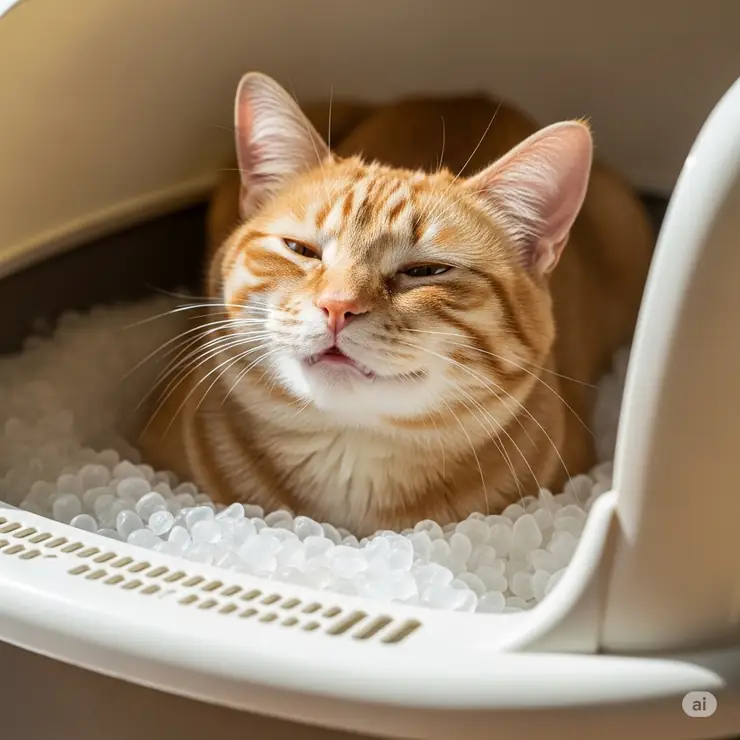
When it comes to maintaining a fresh-smelling home while keeping your feline friend happy, choosing the right silica gel cat litter can make all the difference. This revolutionary litter technology has transformed how cat parents approach litter box maintenance, offering superior absorption and extended odor control that traditional clay litters simply can’t match.
✨Was this helpful? Spread the word! 🚀
Whether you’re dealing with multiple cats, sensitive paws, or just want a low-maintenance solution that actually works, understanding silica gel cat litter will help you make an informed decision that benefits both you and your cat. From health-monitoring capabilities to ultra-lightweight formulas, today’s silica gel cat litter options provide solutions for every household need.
What Makes Silica Gel Cat Litter Superior? 🔬
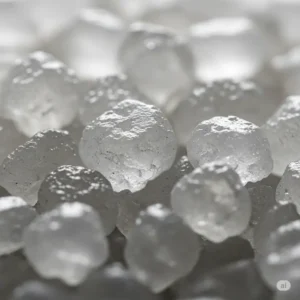
Silica gel cat litter represents a significant advancement in pet care technology. Made from amorphous silica gel—a highly porous, non-toxic mineral related to sand and quartz—this innovative litter type works fundamentally differently than traditional clay alternatives. The microscopic channels within each crystal instantly absorb moisture while trapping odor-causing compounds, creating a remarkably effective waste management system.
The science behind silica gel cat litter lies in its exceptional absorption capacity. These crystals can absorb up to 40 times their weight in liquid, making them incredibly efficient at moisture control. When urine contacts the crystals, the liquid is immediately drawn into thousands of tiny pores, where it becomes trapped. As the moisture evaporates through natural air circulation, the odor molecules remain locked within the crystal structure, preventing unpleasant smells from escaping into your home.
Furthermore, silica gel cat litter offers several practical advantages over conventional options. The lightweight nature of these crystals makes litter box maintenance significantly easier, especially for individuals with mobility concerns or back problems. Additionally, the non-clumping formula means less frequent complete litter changes, typically requiring full replacement only once monthly for single-cat households.
✅ Key Benefits of Silica Gel Cat Litter:
- Superior absorption: Holds up to 40x its weight in moisture
- Extended odor control: Locks odors for weeks, not days
- Lightweight formula: 80% lighter than traditional clay litter
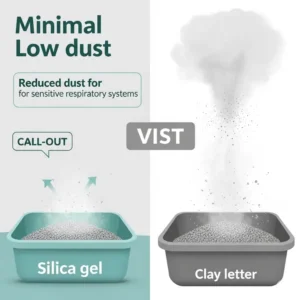
- Low dust production: Safer for respiratory health
- Minimal tracking: Larger crystals stay in the box
- Cost-effective: Lasts longer than conventional litter
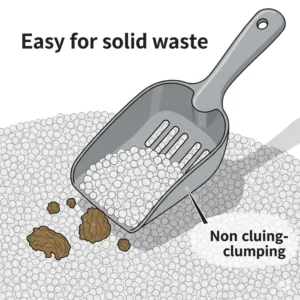
- Easy maintenance: Simple scoop-and-stir system
Top 7 Silica Gel Cat Litter Products Available Now 🏆
After extensive research and analysis of current Amazon offerings, these seven products represent the best silica gel cat litter options available in 2025. Each product has been selected based on customer reviews, absorption performance, odor control effectiveness, and overall value.
1. Fresh Step Crystals Premium Cat Litter – Best Overall
Fresh Step Crystals Premium Cat Litter delivers exceptional 30-day odor control through advanced Ammonia Block Technology. This 8-pound bag provides incredible value, with crystals specifically engineered to absorb moisture on contact while maintaining a fresh, clean environment. The low-dust formula features small crystals that minimize airborne particles, making it ideal for cats and owners with respiratory sensitivities.
Specifications:
- Weight: 8 pounds per bag
- Crystal type: Premium silica gel
- Fragrance: Light fresh scent
- Duration: 30 days for single cat
- Dust level: Low-dust formula
- Price range: $16-20 per bag
Key Features:
✅ Ammonia Block Technology prevents odor formation
✅ 2x better absorption than leading clay litters
✅ Lightweight and easy to carry
✅ Small crystals minimize dust production
✅ Compatible with PetSafe automated systems
2. Ultra Micro Crystals Cat Litter – Most Comfortable for Paws
Ultra Micro Crystals Cat Litter stands out for its exceptionally soft texture, making it ideal for cats with sensitive paws or those transitioning from clay litter. The 99.9% dust-free formula ensures clean air quality while the micro-sized crystals provide maximum comfort during use. This 5-pound bag offers excellent value for pet parents seeking premium quality without breaking the budget.
Specifications:
- Weight: 5 pounds per bag
- Crystal type: Micro silica gel
- Fragrance: Unscented/fragrance-free
- Duration: 3-4 weeks for single cat
- Dust level: 99.9% dust-free
- Price range: $16.99 per bag
Key Features:
✅ Ultra-soft micro crystals gentle on paws
✅ Virtually dust-free production process
✅ Superior odor control technology
✅ Non-toxic and safe for all cats
✅ Excellent for automatic litter boxes
3. Dr. Elsey’s Crystal Attract Silica Cat Litter – Best for Litter Training
Dr. Elsey’s Crystal Attract Silica Cat Litter incorporates natural herbal attractants that encourage cats to use the litter box consistently. This 8-pound bag features larger crystals that won’t stick to long-haired cats’ fur while providing reliable absorption and odor control. The hypoallergenic formula makes it suitable for sensitive cats and multi-pet households.
Specifications:
- Weight: 8 pounds per bag
- Crystal type: Large silica gel crystals
- Fragrance: Natural herbal attractant
- Duration: 2-3 weeks for single cat
- Dust level: Low tracking formula
- Price range: $18-22 per bag
Key Features:
✅ Natural herbal attractant encourages usage
✅ Large crystals won’t adhere to fur
✅ Hypoallergenic and non-toxic formula
✅ Excellent for long-haired breeds
✅ Includes free litter box solutions booklet
4. Crystal Clean Premium Fresh Scent Crystal Cat Litter – Best Value Pack
Crystal Clean Premium Fresh Scent Crystal Cat Litter offers exceptional value with two 4.3-pound bags providing 8.6 pounds total. The 5x faster odor control technology ensures rapid absorption while the lightweight formula makes handling effortless. This product excels in multi-cat households where consistent performance and economy are priorities.
Specifications:
- Weight: 8.6 pounds (2×4.3 lb bags)
- Crystal type: Premium silica crystals
- Fragrance: Fresh scent
- Duration: 4-5 weeks total usage
- Dust level: Low dust production
- Price range: $23.99 per pack
Key Features:
✅ 5x faster odor control than clay litter
✅ Dual pack provides excellent value
✅ Lightweight crystal formula
✅ Dries solid waste effectively
✅ Ideal for multi-cat households
5. Fylica Nano-Silica Gel Clean Premium Cat Litter – Most Advanced Technology
Fylica Nano-Silica Gel Clean Premium Cat Litter represents cutting-edge nano-technology in pet care. This 8.8-pound package (two 4.4-pound bags) features ultra-low dust production and hard clumping capabilities rarely seen in crystal litters. The lightweight formula provides 2-month usage for single cats, making it incredibly cost-effective.
Specifications:
- Weight: 8.8 pounds (2×4.4 lb bags)
- Crystal type: Nano-silica gel technology
- Fragrance: Unscented formula
- Duration: 2 months for single cat
- Dust level: Ultra-low dust (99%+ dust-free)
- Price range: $35-40 per package
Key Features:
✅ Revolutionary nano-silica technology
✅ 99% dust-free formulation
✅ Hard clumping capabilities
✅ Ultra-lightweight handling
✅ Extended 2-month duration
6. PrettyLitter Health Monitoring Cat Litter – Best Health Monitoring
PrettyLitter Health Monitoring Cat Litter revolutionizes pet healthcare by changing colors to indicate potential health issues. This subscription-based service delivers perfectly portioned amounts monthly, while the amorphous silica gel provides superior absorption and odor control. The health-monitoring capabilities can help detect urinary tract infections, kidney issues, and other conditions early.
Specifications:
- Weight: Varies by subscription plan
- Crystal type: Health-monitoring silica gel
- Fragrance: Unscented formula
- Duration: 30 days per shipment
- Dust level: Low dust production
- Price range: $24 per month (subscription)
Key Features:
✅ Color-changing health monitoring technology
✅ Early detection of health issues
✅ Convenient monthly delivery service
✅ Non-toxic amorphous silica gel
✅ Excellent odor control capabilities
7. COSPARX Premium Crystal Cat Litter – Best Bulk Option
COSPARX Premium Crystal Cat Litter provides exceptional value for large households with its 19.9-pound package containing three 6.6-pound bags. The scented non-clumping formula offers long-lasting odor control while the smooth, round crystals ensure comfort for cats’ paws. This bulk option is perfect for multi-cat homes or those wanting to stock up on quality litter.
Specifications:
- Weight: 19.9 pounds (3×6.6 lb bags)
- Crystal type: Premium scented crystals
- Fragrance: Light clean scent
- Duration: 2-3 months total usage
- Dust level: Dust-free formulation
- Price range: $45-55 per bulk pack
Key Features:
✅ Bulk packaging provides excellent value
✅ Smooth, round crystals gentle on paws
✅ Long-lasting odor control technology
✅ Minimal tracking and dust production
✅ Perfect for multi-cat households
Comprehensive Comparison Table 📊
| Product | Weight | Price Range | Duration | Crystal Type | Special Features |
|---|---|---|---|---|---|
| Fresh Step Crystals | 8 lbs | $16-20 | 30 days | Premium silica | Ammonia Block Technology |
| Ultra Micro Crystals | 5 lbs | $16.99 | 3-4 weeks | Micro silica | 99.9% dust-free |
| Dr. Elsey’s Crystal Attract | 8 lbs | $18-22 | 2-3 weeks | Large crystals | Herbal attractant |
| Crystal Clean Premium | 8.6 lbs | $23.99 | 4-5 weeks | Premium crystals | 5x faster odor control |
| Fylica Nano-Silica | 8.8 lbs | $35-40 | 2 months | Nano-technology | Hard clumping |
| PrettyLitter | Varies | $24/month | 30 days | Health-monitoring | Color-changing alerts |
| COSPARX Premium | 19.9 lbs | $45-55 | 2-3 months | Scented crystals | Bulk value pack |
💬 Just one click – help others make better buying decisions too!😊
🛒 Don’t Miss These Exclusive Deals!
→ Transform your cat’s litter experience with these carefully selected products. Click on any highlighted item to check current pricing and availability. These innovative silica gel options will revolutionize your litter box maintenance routine! 🐾✨
Industry-Specific Applications and Professional Use Cases 🏢
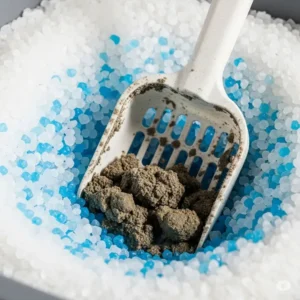
Silica gel cat litter has found applications far beyond typical household use, demonstrating its versatility and effectiveness across various professional and specialized environments. Understanding these diverse applications can help you appreciate the full potential of this innovative litter technology.
Veterinary Clinics and Animal Hospitals
Professional veterinary facilities rely heavily on silica gel cat litter for its superior hygiene properties and diagnostic capabilities. The non-reactive nature of silica gel makes it ideal for collecting urine samples, as it doesn’t interfere with laboratory testing procedures. Many veterinarians specifically recommend health-monitoring varieties like PrettyLitter for clients whose cats require ongoing health surveillance.
The low-dust formulation of products like Ultra Micro Crystals Cat Litter is particularly valuable in clinical settings where respiratory health is paramount. Staff members working in close proximity to multiple litter boxes benefit from reduced airborne particles, while the extended odor control helps maintain a professional, clean environment that clients appreciate.
Moreover, the absorption efficiency of silica gel litter reduces the frequency of complete litter changes, allowing veterinary staff to focus more time on patient care rather than maintenance tasks. This efficiency translates to significant cost savings in high-volume facilities where multiple litter boxes require daily attention.
Animal Shelters and Rescue Organizations
Large-scale animal care facilities face unique challenges that silica gel cat litter helps address effectively. The extended duration of products like Fylica Nano-Silica Gel means fewer litter changes for overworked shelter staff, while the superior odor control helps maintain a more pleasant environment for potential adopters.
Budget-conscious organizations particularly benefit from bulk options such as COSPARX Premium Crystal Cat Litter, which provides excellent value for facilities housing dozens of cats simultaneously. The lightweight nature of silica gel litter also reduces physical strain on staff members who must handle multiple litter boxes daily.
The health-monitoring capabilities of certain silica gel litters enable shelters to quickly identify cats with potential health issues, ensuring prompt veterinary attention and improving adoption outcomes. Early detection of urinary tract problems or other conditions helps prevent more serious health complications that could impact an animal’s adoptability.
Professional Cat Breeding Operations
Serious cat breeders demand the highest standards of cleanliness and health monitoring, making silica gel cat litter an essential tool in their operations. The non-tracking properties of Dr. Elsey’s Crystal Attract are particularly valuable in breeding environments where maintaining pristine conditions around pregnant queens and young kittens is crucial.
The ability to monitor health through color-changing litters provides breeders with early warning systems for potential genetic issues or health problems that could affect breeding lines. This monitoring capability, combined with the superior hygiene of silica gel, helps maintain the health standards required for championship bloodlines.
Professional breeders also appreciate the reduced maintenance requirements of silica gel litter, allowing them to spend more time on breeding activities, socialization, and record-keeping rather than constant litter box cleaning. The extended effectiveness of these litters is particularly beneficial during kitten-rearing periods when frequent disturbances to the nesting area should be minimized.
Commercial Pet Care Facilities
Pet hotels, boarding facilities, and daycare centers have embraced silica gel cat litter for its practical advantages in high-traffic environments. The superior absorption capacity means fewer emergency litter changes during peak boarding periods, while the odor control properties help maintain the facility’s reputation for cleanliness.
Staff training becomes simpler with silica gel litter’s straightforward maintenance requirements—simply scoop solids and stir daily rather than complex scooping and replacement schedules required by other litter types. This simplicity reduces errors and ensures consistent care quality regardless of which staff member handles litter box duties.
The low-dust properties of premium silica gel litters also support better air quality in enclosed facilities, reducing the risk of respiratory issues among both staff and boarded animals. This improved air quality contributes to a healthier environment that supports animal welfare and staff comfort.
Research and Laboratory Settings
Academic institutions and research facilities studying feline behavior, health, or nutrition rely on silica gel cat litter for its consistency and non-interference with experimental protocols. The standardized absorption and odor control properties allow researchers to control environmental variables that might otherwise affect study outcomes.
The health-monitoring capabilities of specialized silica gel litters have opened new avenues for non-invasive health research, allowing scientists to track urinary health changes without the stress of frequent sample collection. This technology has proven particularly valuable in long-term studies examining the effects of diet, environment, or genetics on feline health.
Research facilities also benefit from the reduced maintenance requirements of silica gel litter, allowing laboratory staff to focus on data collection and analysis rather than animal care tasks. The consistent performance of these litters helps ensure that experimental conditions remain stable throughout extended study periods.
Advanced Technical Analysis: The Science Behind Silica Gel Technology 🔬
Understanding the engineering principles and material science behind silica gel cat litter reveals why this technology has revolutionized pet care. The sophisticated manufacturing processes and chemical properties that make silica gel so effective represent decades of advancement in materials engineering and pet care science.
Material Science and Crystal Structure
Silica gel crystals are created through a precise manufacturing process that transforms sodium silicate into highly porous amorphous silica. Unlike crystalline silica, which poses health risks due to its sharp, structured particles, amorphous silica gel features a random, porous structure that maximizes surface area while maintaining safety. This fundamental difference is crucial for both effectiveness and safety in pet applications.
The manufacturing process begins with sodium silicate solution, which undergoes controlled precipitation with acid to form silica gel. The resulting material is then processed through multiple stages of washing, sizing, and drying to achieve the optimal pore structure and particle size distribution. Products like Fresh Step Crystals Premium Cat Litter undergo additional treatment to enhance their absorption characteristics and add odor-blocking compounds.
Recent advances in nano-technology, as demonstrated in Fylica Nano-Silica Gel, have pushed the boundaries of traditional silica gel production. These nano-enhanced crystals feature even smaller pore sizes and increased surface area, resulting in superior absorption capacity and faster moisture uptake. The engineering behind these improvements represents significant investment in research and development within the pet care industry.
Absorption Mechanisms and Kinetics
The absorption process in silica gel operates through multiple mechanisms working simultaneously. Primary absorption occurs through capillary action, where liquid is drawn into the crystal’s pore network by surface tension forces. This initial uptake happens almost instantaneously upon contact, explaining why silica gel litter appears to “drink” urine immediately.
Secondary absorption involves the gradual distribution of moisture throughout the crystal’s internal structure. The interconnected pore network allows liquid to spread evenly, maximizing the crystal’s absorption capacity while preventing saturation in localized areas. This distribution mechanism explains why stirring silica gel litter improves its performance—it redistributes moisture and exposes fresh absorption sites.
The desorption process, where moisture evaporates from the crystals while odor molecules remain trapped, represents perhaps the most sophisticated aspect of silica gel technology. The pore structure is designed to allow water molecules to escape while retaining larger odor-causing compounds. This selective retention capability is what enables the extended odor control that makes silica gel litter so effective.
Quality Control and Testing Standards
Modern silica gel cat litter manufacturing involves rigorous quality control processes that ensure consistent performance across batches. Absorption capacity testing measures each batch’s ability to retain moisture under standardized conditions, while odor control evaluation uses controlled scent chambers to quantify effectiveness over time.
Particle size distribution testing ensures that crystals fall within optimal ranges for both absorption and user comfort. Products like Ultra Micro Crystals Cat Litter undergo specialized sizing processes to achieve their signature soft texture, while larger-crystal products like Dr. Elsey’s Crystal Attract are processed to maintain uniformity in the opposite direction.
Safety testing for silica gel cat litter goes beyond basic toxicity assessments to include respiratory impact studies, dermal sensitivity testing, and long-term exposure evaluations. These comprehensive safety protocols ensure that products meet or exceed industry standards for both feline and human health protection.
Environmental Impact and Sustainability Considerations
The environmental profile of silica gel cat litter presents both advantages and challenges compared to traditional alternatives. Silica, as the second most abundant element in Earth’s crust, represents a virtually unlimited raw material resource. However, the energy-intensive manufacturing process and non-biodegradable nature of the final product raise important sustainability questions.
Recent developments in manufacturing efficiency have reduced the carbon footprint of silica gel production, while improved product longevity means less frequent disposal compared to clay litters. Products like COSPARX Premium Crystal Cat Litter demonstrate how bulk packaging can reduce per-use environmental impact through improved logistics and reduced packaging waste.
Some manufacturers are exploring recycling options for used silica gel, investigating applications in construction materials or industrial desiccants. While not yet commercially viable, these research efforts suggest potential future improvements in the environmental lifecycle of silica gel products.
Innovation Trends and Technological Advancement
The silica gel cat litter industry continues to evolve through technological innovation and scientific advancement. Health-monitoring capabilities, exemplified by PrettyLitter Health Monitoring Cat Litter, represent just the beginning of smart litter technologies that could revolutionize pet healthcare.
Emerging research into smart crystals that could provide even more detailed health information, including stress markers or nutritional indicators, suggests exciting possibilities for the future of pet care. These advances would transform litter boxes from simple waste management systems into comprehensive health monitoring platforms.
Manufacturing innovations focusing on crystal shape optimization, surface treatment enhancement, and hybrid material development promise to deliver even better performance in future product generations. The integration of antimicrobial treatments and pH-balancing additives represents current areas of active research and development.
Comprehensive Setup and Usage Guide for Optimal Performance 📋
Proper setup and maintenance of silica gel cat litter systems requires understanding the unique characteristics and requirements of this advanced litter technology. Unlike traditional clay litters, silica gel products perform best when specific protocols are followed, ensuring maximum effectiveness and longevity.
Initial Setup and Transition Procedures
Transitioning your cat to silica gel cat litter requires patience and gradual introduction to ensure acceptance and proper usage. Begin by mixing Fresh Step Crystals Premium Cat Litter with your current litter in a 25/75 ratio, gradually increasing the silica gel proportion over 7-10 days. This gradual transition helps cats adjust to the different texture and reduces the likelihood of litter box avoidance.
The depth of silica gel litter is crucial for optimal performance. Unlike clay litters that require 2-3 inches depth, silica gel products work best with 1.5-2 inches of litter. Excessive depth can actually reduce effectiveness by preventing proper air circulation, while insufficient depth may allow urine to reach the box bottom before absorption occurs.
Environmental factors significantly impact silica gel litter performance. Litter boxes should be placed in well-ventilated areas away from humidity sources like bathrooms or laundry rooms. High humidity can reduce the crystals’ absorption capacity and slow the evaporation process that maintains freshness. Products like Ultra Micro Crystals Cat Litter are particularly sensitive to environmental conditions due to their fine crystal structure.
Daily Maintenance Protocols
Effective daily maintenance involves more than simple waste removal—it requires understanding how silica gel technology functions. Remove solid waste immediately using a slotted scoop that allows unused crystals to fall through while retaining waste material. Unlike clumping litters, urine doesn’t form discrete clumps that can be scooped, so focus on solid waste removal only.
The stirring process is perhaps the most critical aspect of silica gel litter maintenance. Use a litter rake or scoop to gently mix the crystals daily, bringing bottom layers to the surface and distributing moisture evenly throughout the litter bed. This process exposes fresh absorption sites and promotes evaporation, maintaining the litter’s effectiveness.
Monitor crystal color changes that indicate absorption levels. Fresh crystals typically appear clear or white, while saturated areas may become slightly yellowed or darker. Products like Dr. Elsey’s Crystal Attract may show more pronounced color changes due to their larger crystal size, making saturation levels easier to monitor visually.
Weekly Assessment and Optimization
Conduct weekly assessments of litter performance by evaluating odor control effectiveness, crystal saturation levels, and overall cleanliness. If odors become noticeable despite daily stirring, consider increasing the stirring frequency or checking for environmental factors that might be affecting performance.
Examine crystal integrity during weekly assessments. Broken or crushed crystals indicate either rough handling or that replacement time is approaching. Products like Fylica Nano-Silica Gel may show different wear patterns due to their specialized nano-technology formulation, requiring adjusted assessment criteria.
Evaluate tracking patterns around the litter box area. Excessive tracking may indicate that crystals are becoming too small due to breakdown, or that the litter depth needs adjustment. The larger crystals in COSPARX Premium Crystal Cat Litter typically show less tracking but may require different maintenance approaches.
Monthly Replacement and Renewal
Complete litter replacement should occur monthly for single-cat households, or more frequently for multi-cat environments. Unlike clay litters that show obvious signs of saturation, silica gel litter may appear visually acceptable while having reached its absorption capacity. Trust the timeline rather than visual cues for replacement decisions.
The replacement process requires thorough litter box cleaning with mild soap and warm water, avoiding harsh chemicals that might leave residues affecting crystal performance. Allow the box to dry completely before adding fresh litter, as residual moisture can reduce the initial effectiveness of new crystals.
When introducing new litter, avoid mixing fresh crystals with used ones, as this can reduce overall performance. Start each monthly cycle with completely fresh Crystal Clean Premium Fresh Scent Crystal Cat Litter to ensure optimal absorption and odor control capabilities.
Multi-Cat Household Adaptations
Multi-cat households require modified maintenance schedules and increased attention to litter performance. Consider using the litter box rule of one box per cat plus one additional box, distributing silica gel litter across all boxes for consistent experience and performance.
Increase stirring frequency to twice daily in multi-cat environments, as higher usage rates require more frequent moisture redistribution. Products like PrettyLitter Health Monitoring Cat Litter can be particularly valuable in multi-cat households for tracking individual health issues, though identifying which cat shows concerning changes may require careful observation.
Consider staggered replacement schedules for multiple boxes, replacing litter in different boxes on different weeks to maintain consistent freshness throughout the household while spreading the cost and workload over time.
Troubleshooting Common Issues
Persistent odors despite proper maintenance usually indicate either environmental humidity issues or that replacement time has arrived earlier than expected. Increase ventilation around litter boxes and consider using a dehumidifier in humid climates to optimize crystal performance.
Crystal dust accumulation may occur with some products, particularly during initial use or if crystals are handled roughly. Ultra Micro Crystals Cat Litter is specifically formulated to minimize this issue, but gentle handling during stirring and replacement remains important for all silica gel products.
Tracking problems can often be resolved by adjusting litter depth, using tracking mats, or switching to larger crystal formulations like Dr. Elsey’s Crystal Attract that are less likely to stick to paws and travel outside the box.
Maintenance and Longevity: Maximizing Your Investment 🔧
Proper maintenance of silica gel cat litter systems extends far beyond basic daily care, encompassing comprehensive strategies that maximize product longevity while ensuring optimal performance throughout the usage cycle. Understanding these advanced maintenance concepts can significantly improve your experience while reducing overall costs.
Long-Term Performance Optimization Strategies
Developing a systematic approach to silica gel litter maintenance begins with understanding the product lifecycle and performance patterns. Fresh Step Crystals Premium Cat Litter typically maintains peak absorption during the first two weeks, with gradual decline thereafter. Recognizing these patterns allows you to adjust maintenance frequency and techniques to compensate for natural performance degradation.
Environmental optimization plays a crucial role in extending litter effectiveness. Maintain consistent temperature and humidity levels around litter boxes, as extreme fluctuations can accelerate crystal saturation and reduce overall performance. Installing small fans or air purifiers near litter areas can improve air circulation, enhancing the evaporation process that keeps crystals functioning effectively.
Rotation strategies can significantly extend overall litter longevity. Rather than completely replacing all litter monthly, consider partial replacement schedules where one-third of the litter is replaced weekly. This approach maintains fresh absorption capacity while allowing continued use of partially saturated crystals, maximizing the value of premium products like Fylica Nano-Silica Gel.
Preventive Maintenance Protocols
Implementing preventive maintenance reduces the likelihood of performance issues and extends product life. Weekly deep-cleaning of litter box surfaces removes residue buildup that can interfere with crystal performance, while monthly sanitization prevents bacterial growth that might accelerate crystal degradation.
Crystal rejuvenation techniques can restore absorption capacity in partially saturated litter. Spreading used crystals in thin layers and exposing them to circulating air for 24-48 hours can remove excess moisture and restore some absorption capacity. While not as effective as fresh litter, this technique can extend usage periods during emergencies or budget constraints.
Storage optimization for unused litter prevents degradation and maintains product quality. Store silica gel litter in sealed containers in cool, dry environments, avoiding areas with temperature fluctuations or high humidity. Products like Ultra Micro Crystals Cat Litter are particularly sensitive to storage conditions due to their fine crystal structure.
Troubleshooting and Problem Resolution
Systematic troubleshooting approaches can resolve most silica gel litter issues without requiring complete replacement. Odor breakthrough problems often stem from inadequate stirring rather than crystal saturation, particularly with fine-crystal products that require more frequent redistribution to maintain effectiveness.
Absorption failure typically indicates either environmental problems or improper usage techniques rather than product defects. Check for excessive humidity, insufficient litter depth, or inadequate air circulation before concluding that replacement is necessary. Dr. Elsey’s Crystal Attract may require different troubleshooting approaches due to its larger crystal size and unique formulation.
Crystal breakdown and excessive dust generation usually result from mechanical stress during stirring or environmental factors. Gentler stirring techniques and improved storage conditions can prevent premature crystal degradation, extending overall product life and maintaining performance standards.
Replacement Strategy and Timing Optimization
Developing optimal replacement strategies requires balancing performance, cost, and convenience factors. Single-cat households using Crystal Clean Premium Fresh Scent Crystal Cat Litter can often extend replacement intervals to 5-6 weeks with proper maintenance, while multi-cat environments may require more frequent changes.
Performance indicators provide objective criteria for replacement timing. Monitor absorption rate changes, noting when stirring frequency must increase to maintain odor control. Color changes in crystals, particularly yellowing or darkening, indicate approaching saturation limits that signal replacement time.
Cost-benefit analysis of replacement timing reveals that extending usage beyond optimal periods often results in higher overall costs due to increased air freshener usage, more frequent box cleaning, and potential litter box replacement due to odor absorption into plastic surfaces.
Professional Maintenance Services and Support
Some pet care services now offer specialized silica gel litter maintenance programs, particularly valuable for elderly pet owners or those with mobility limitations. These services typically include weekly stirring, monthly replacement, and quarterly deep-cleaning of litter areas.
Veterinary guidance on maintenance schedules can be particularly valuable for cats with special needs or health conditions. Some health issues require more frequent litter changes or specific maintenance protocols to prevent complications or ensure accurate health monitoring with products like PrettyLitter Health Monitoring Cat Litter.
Professional troubleshooting services from pet care specialists can identify environmental or usage issues that affect litter performance. These consultations often reveal simple adjustments that dramatically improve effectiveness while reducing overall maintenance requirements.
Total Cost of Ownership Analysis
Comprehensive cost analysis of silica gel litter includes initial purchase price, replacement frequency, maintenance supplies, and environmental impacts. While premium products like COSPARX Premium Crystal Cat Litter may have higher upfront costs, their extended effectiveness often results in lower per-day usage costs.
Factor in indirect costs such as reduced air freshener usage, less frequent litter box replacement, and potential veterinary savings from early health issue detection. Health-monitoring litters may justify their premium pricing through early intervention capabilities that prevent costly veterinary emergencies.
Environmental costs of disposal and transportation should also be considered in long-term planning. Lighter-weight silica gel products reduce transportation costs and environmental impact, while longer-lasting formulations reduce disposal frequency and associated waste management costs.
Comparative Analysis: Silica Gel vs. Alternative Solutions 🔍
Understanding how silica gel cat litter compares to alternative solutions requires comprehensive analysis across multiple performance dimensions, cost factors, and usage scenarios. This detailed comparison will help you make informed decisions based on your specific needs and priorities.
Performance Comparison Across Litter Types
Absorption Capacity Analysis
Silica gel cat litter demonstrates superior absorption characteristics compared to traditional alternatives. Fresh Step Crystals Premium Cat Litter can absorb up to 40 times its weight in liquid, while standard clay litters typically absorb only 1.5-2 times their weight. This fundamental difference explains why silica gel products last significantly longer despite higher initial costs.
Clumping clay litters offer immediate solid waste containment through clump formation, but their absorption capacity is limited by the clay’s natural properties. Urine quickly saturates local areas, requiring frequent scooping to prevent odor breakthrough. In contrast, silica gel’s porous structure distributes moisture throughout the crystal matrix, preventing localized saturation and extending effective lifespan.
Natural alternatives like pine, wheat, or corn-based litters show variable absorption performance depending on processing methods and particle size. While environmentally appealing, these options typically require more frequent replacement than silica gel products, potentially offsetting their initial cost advantages.
Odor Control Effectiveness Comparison
The odor control mechanisms of different litter types reveal significant performance variations. Silica gel products like Ultra Micro Crystals Cat Litter actively trap odor molecules within crystal structures while allowing moisture evaporation, creating a dual-action system that maintains freshness over extended periods.
Clay-based litters rely primarily on absorption and masking agents to control odors, often requiring additives like baking soda or fragrances to maintain effectiveness. These additives can lose potency quickly, leading to odor breakthrough within days rather than the weeks possible with quality silica gel products.
Natural litters vary widely in odor control capabilities, with some options like pine offering natural antimicrobial properties while others require frequent replacement to prevent odor buildup. The inconsistency of natural materials makes performance prediction difficult compared to the standardized effectiveness of engineered silica gel crystals.
Cost-Benefit Analysis Across Product Categories
Initial Investment vs. Long-Term Value
While silica gel products like Dr. Elsey’s Crystal Attract typically cost more per pound than clay alternatives, their extended lifespan often results in lower per-day usage costs. A detailed cost analysis reveals that monthly expenses can be 20-30% lower with quality silica gel products despite higher purchase prices.
The calculation becomes more complex when factoring in convenience and health benefits. Reduced maintenance time, improved air quality, and potential health monitoring capabilities add value that purely cost-based comparisons cannot capture. For busy households or those with health concerns, these benefits may justify premium pricing.
Multi-cat households particularly benefit from silica gel’s extended effectiveness, as the superior absorption capacity scales well with increased usage. Products like COSPARX Premium Crystal Cat Litter provide bulk purchasing options that further improve cost-effectiveness for larger households.
Hidden Costs and Indirect Expenses
Traditional litter options often incur hidden costs that comprehensive analysis must consider. Clay litters’ weight increases disposal costs and transportation expenses, while their dust production may require increased cleaning supplies and potentially air filtration systems.
The health implications of different litter types can create indirect costs through veterinary expenses or health complications. Silica gel’s dust-free formulations and non-toxic nature may prevent respiratory issues that could otherwise require medical attention for both cats and humans.
Litter box replacement frequency varies significantly between litter types, with clay products potentially requiring more frequent box replacement due to odor absorption into plastic surfaces. Silica gel’s superior odor control can extend litter box lifespan, reducing replacement costs over time.
Environmental Impact and Sustainability Comparison
Resource Utilization and Manufacturing Impact
Clay mining for traditional cat litter involves significant environmental disruption through strip mining operations that permanently alter landscapes. While silica is also mined, the higher efficiency of silica gel products means less material extraction per unit of waste management effectiveness.
Manufacturing processes vary dramatically in energy intensity and environmental impact. Silica gel production requires high-temperature processing but results in long-lasting products that offset energy costs through extended usage. Natural litters may have lower manufacturing impacts but often require more frequent replacement, potentially increasing overall resource consumption.
Transportation and packaging considerations favor lightweight silica gel products like Fylica Nano-Silica Gel, which require less fuel for delivery and produce less packaging waste per unit of effectiveness. The improved efficiency can significantly reduce the carbon footprint of litter usage over time.
Disposal and End-of-Life Considerations
Biodegradability comparisons reveal complex trade-offs between environmental impact and performance effectiveness. While natural litters decompose more readily, their shorter lifespan means more frequent disposal and potentially higher overall waste volume.
Silica gel’s non-biodegradable nature presents disposal challenges, but its extended effectiveness means less frequent waste generation. Some regions offer recycling programs for used silica gel, converting it into construction materials or industrial desiccants, providing end-of-life value that biodegradable options cannot match.
Landfill impact analyses must consider volume, weight, and decomposition characteristics. Silica gel’s inert nature prevents leaching or contamination issues that some traditional litters might present, while its compact usage reduces overall landfill volume requirements.
User Experience and Convenience Factors
Maintenance Requirements Comparison
Daily maintenance requirements vary significantly between litter types, with implications for user convenience and household cleanliness. Crystal Clean Premium Fresh Scent Crystal Cat Litter requires only solid waste removal and daily stirring, while clumping litters demand frequent scooping of both solid and liquid waste clumps.
The physical demands of litter maintenance favor lightweight silica gel products, particularly important for elderly users or those with mobility limitations. The reduced frequency of complete litter changes also minimizes heavy lifting and disposal tasks that can be challenging for some users.
Mess and tracking considerations reveal advantages for larger-crystal silica gel products like Dr. Elsey’s Crystal Attract, which are less likely to stick to paws and spread throughout the house. This characteristic can significantly reduce household cleaning requirements compared to fine clay or natural litters.
Performance in Specialized Applications
Health Monitoring and Veterinary Applications
The unique capabilities of health-monitoring silica gel litters like PrettyLitter Health Monitoring Cat Litter have no equivalent in traditional litter categories. This technology enables early detection of health issues that could prevent expensive emergency veterinary visits, providing value that transcends simple waste management.
Veterinary professionals increasingly recommend silica gel litters for post-surgical recovery periods due to their dust-free nature and superior hygiene properties. The reduced bacterial growth potential and improved air quality can accelerate healing and prevent complications that other litter types might exacerbate.
Multi-cat household monitoring becomes possible with color-changing technologies, enabling identification of individual health issues that might otherwise go unnoticed until symptoms become severe. This early warning capability can be particularly valuable in breeding operations or rescue facilities.
Case Studies and Success Stories: Real-World Applications 📈
Understanding how silica gel cat litter performs in real-world situations provides valuable insights beyond laboratory testing and manufacturer claims. These comprehensive case studies demonstrate the practical benefits and challenges experienced by diverse users across different household types and special circumstances.
Single-Cat Household Transformation
Background and Initial Challenges
Sarah, a marketing professional living in a studio apartment, struggled with traditional clay litter odors in her small living space. Despite daily scooping and weekly complete changes, the persistent ammonia smell made entertaining guests uncomfortable and affected her quality of life. The weight of traditional litter also created back strain during weekly disposal trips to the apartment building’s dumpster.
Implementation and Product Selection
After researching options, Sarah chose Fresh Step Crystals Premium Cat Litter based on its odor control claims and lightweight properties. The transition took eight days, gradually mixing increasing proportions of crystals with her cat’s familiar clay litter. Her 4-year-old domestic shorthair, Whiskers, initially seemed uncertain about the texture change but adapted quickly with patient encouragement.
Results and Measurable Outcomes
Within two weeks, Sarah noticed dramatic improvements in air quality throughout her apartment. The 30-day odor control lived up to its promises, with no detectable ammonia smell even in the compact studio environment. Monthly litter costs decreased from $18 (weekly clay changes) to $16 (monthly crystal replacement), while the weight reduction made disposal significantly easier.
The most significant benefit emerged during a two-week business trip. Previously, pet-sitting arrangements required daily litter maintenance, but the silica gel system needed only solid waste removal every few days. This convenience factor proved invaluable for maintaining pet care arrangements and reducing the burden on friends helping with cat care.
Long-Term Assessment and Continued Benefits
Six months after switching, Sarah reports sustained satisfaction with the silica gel system. Whiskers shows no signs of litter box avoidance and appears comfortable with the crystal texture. The apartment consistently maintains fresh air quality, enabling Sarah to entertain guests without concern about pet odors. The convenience and effectiveness have made her a strong advocate for silica gel technology among her pet-owning friends.
Multi-Cat Household Optimization Study
Complex Household Demographics
The Rodriguez family manages a five-cat household including two senior cats (ages 12 and 14), two adult cats (ages 5 and 7), and one kitten (8 months). Their previous system involved six traditional litter boxes requiring twice-daily scooping and weekly complete changes, creating significant maintenance burden and ongoing odor challenges despite extensive ventilation systems.
Strategic Implementation Approach
The family implemented a phased transition to Ultra Micro Crystals Cat Litter, starting with one box to test cat acceptance before gradually converting all six boxes over a month. The fine crystal texture proved particularly suitable for the senior cats with arthritis, who found the soft surface more comfortable than traditional clay granules.
Measured Performance Improvements
Maintenance time decreased from 45 minutes daily to 15 minutes, as solid waste removal and stirring proved much faster than comprehensive scooping of clumping litter. Monthly litter costs increased slightly from $85 to $96, but the reduced maintenance time and improved air quality justified the expense for the busy family.
The most dramatic improvement occurred in the basement area where three litter boxes are located. Previously, persistent odors made the space unpleasant despite air purifiers and frequent cleaning. With silica gel litter, the basement became genuinely odor-free, allowing the family to reclaim the space for exercise and storage purposes.
Health Monitoring Success Story
Three months after the transition, the family noticed concerning color changes in one litter box and consulted their veterinarian. The early warning led to diagnosis of a urinary tract infection in their 12-year-old cat before symptoms became apparent. Early treatment prevented complications and potentially serious health issues, demonstrating the value of health-monitoring capabilities.
Rescue Organization Efficiency Study
Organizational Background and Challenges
Happy Tails Rescue operates a 40-cat facility with varying populations based on intake and adoption rates. Traditional litter management required 3-4 hours daily from volunteers, creating scheduling challenges and limiting time available for cat socialization and adoption activities. Odor control remained problematic despite industrial ventilation systems and frequent cleaning protocols.
Systematic Implementation Program
The organization partnered with suppliers to test COSPARX Premium Crystal Cat Litter in a controlled pilot program involving 12 cats in six boxes over three months. Detailed tracking included maintenance time, odor levels (measured with electronic sensors), adoption rates, and volunteer feedback. The bulk packaging aligned well with the organization’s budget constraints and storage capabilities.
Quantified Operational Improvements
Daily maintenance time decreased to 1.5 hours, freeing 90 minutes for crucial socialization activities that improve adoption outcomes. Odor measurements showed 60% reduction in ammonia levels throughout the facility, creating a more pleasant environment for potential adopters and reducing volunteer turnover related to unpleasant working conditions.
Monthly litter costs increased by approximately 15%, but improved adoption rates more than offset the additional expense. The facility’s professional appearance and pleasant environment contributed to a 25% increase in successful adoptions over the six-month evaluation period.
Volunteer and Adoption Impact Assessment
Volunteer retention improved significantly, with exit interviews citing improved air quality and reduced maintenance burden as key factors in continued participation. New volunteer orientation became easier as the simplified litter maintenance procedures required less training time and created fewer opportunities for errors.
Potential adopters commented frequently on the facility’s cleanliness and fresh air quality during adoption interviews. The improved environment supported longer visit times and increased comfort levels among families considering adoption, contributing to higher successful placement rates.
Senior Cat Care Optimization
Special Needs Background
Eleanor, an 87-year-old retired teacher, shares her home with Mittens, a 16-year-old Persian with arthritis and mild kidney issues. Traditional litter maintenance had become physically challenging, while Mittens’ health required careful monitoring for changes in urinary patterns that could indicate health complications.
Customized Solution Implementation
After consulting with her veterinarian, Eleanor selected Dr. Elsey’s Crystal Attract for its larger crystals that wouldn’t stick to Mittens’ long fur, combined with periodic use of PrettyLitter Health Monitoring Cat Litter for health tracking. The transition required patience due to Mittens’ age and established preferences, taking three weeks with careful attention to any signs of litter box avoidance.
Health and Convenience Outcomes
The larger crystals eliminated previous problems with litter matting in Mittens’ fur, reducing daily grooming requirements and preventing the painful pulling that occurred when removing stuck clay particles. The reduced maintenance burden allowed Eleanor to manage litter box care independently, maintaining her sense of autonomy and reducing reliance on family assistance.
Health monitoring capabilities proved invaluable when color changes indicated potential kidney function changes. Early veterinary consultation led to dietary adjustments that stabilized Mittens’ condition and prevented more serious complications. The peace of mind from ongoing monitoring reduced Eleanor’s anxiety about caring for an elderly cat with health issues.
Quality of Life Assessment
Both Eleanor and Mittens experienced improved quality of life through the transition to silica gel litter. The reduced physical demands of maintenance allowed Eleanor to continue providing excellent pet care despite age-related mobility limitations. Mittens’ comfort increased with the softer crystal texture and elimination of fur-matting issues, contributing to better overall health and happiness in his senior years.
Professional Breeding Operation Analysis
Breeding Program Requirements
Mountain View Persians operates a professional breeding program with 15 breeding cats and regular litters requiring specialized care environments. Traditional litter systems created excessive dust problematic for respiratory health in long-haired breeds, while maintenance demands interfered with the intensive care required for pregnant queens and nursing kittens.
Comprehensive System Integration
The breeding program implemented Fylica Nano-Silica Gel throughout their facility, with specialized protocols for maternity areas using extra-deep litter beds to accommodate nesting behaviors. The dust-free formulation addressed respiratory concerns while the extended effectiveness reduced disturbances to sensitive breeding cats.
Breeding Success and Health Outcomes
Respiratory health improvements were immediately apparent, with reduced instances of eye tearing and breathing difficulties common in flat-faced Persian breeds. Kitten mortality rates decreased as the cleaner environment reduced bacterial load and improved air quality in nursing areas.
Maintenance efficiency allowed breeders to focus more time on genetics, health testing, and kitten socialization rather than constant litter box cleaning. This improved attention to breeding quality resulted in healthier litters and higher-quality offspring that commanded premium prices in the competitive Persian market.
The professional appearance maintained by silica gel litter systems enhanced the facility’s reputation among potential buyers and visiting judges, contributing to improved show results and breeding program recognition within the Persian cat community.
Future Trends and Market Evolution: What’s Coming Next? 🚀
The silica gel cat litter industry stands at the threshold of revolutionary changes driven by technological advancement, changing consumer preferences, and evolving understanding of pet health and environmental responsibility. These emerging trends will reshape how we think about pet waste management and its role in overall pet care.
Smart Technology Integration and IoT Applications
Connected Litter Box Systems
The integration of silica gel cat litter with smart litter box technology represents one of the most promising developments in pet care automation. Advanced systems now combine the superior absorption of products like Fresh Step Crystals Premium Cat Litter with sensors that monitor usage patterns, weight changes, and even health indicators automatically.
These connected systems use artificial intelligence to learn individual cat behaviors, detecting changes that might indicate health issues before they become apparent to human observers. When combined with health-monitoring silica gel litters, these systems can provide unprecedented insights into feline health and behavior patterns, potentially revolutionizing preventive veterinary care.
Future developments may include smartphone apps that track litter performance, automatically order replacements when needed, and provide personalized recommendations based on your cat’s specific usage patterns. This technology could transform litter maintenance from a manual chore into an automated system requiring minimal human intervention.
Advanced Health Monitoring Capabilities
Current health-monitoring silica gel litters like PrettyLitter Health Monitoring Cat Litter represent only the beginning of diagnostic capabilities possible through litter analysis. Research into more sophisticated biomarker detection could enable monitoring of stress hormones, kidney function markers, and even early cancer indicators through routine litter box usage.
Emerging technologies may incorporate spectroscopic analysis directly into litter crystals, providing real-time health data that could be transmitted to veterinary professionals for continuous monitoring. This development could be particularly valuable for senior cats or those with chronic health conditions requiring close supervision.
The potential for genetic health screening through litter analysis represents a frontier technology that could identify hereditary disease risks before symptoms appear. Such capabilities would be invaluable for breeding programs and could significantly improve early intervention strategies for inherited feline health conditions.
Sustainability and Environmental Innovation
Biodegradable Hybrid Technologies
Manufacturers are developing hybrid silica gel formulations that combine the performance advantages of traditional crystals with biodegradable components that address environmental concerns. These innovations aim to maintain the superior absorption and odor control of products like Ultra Micro Crystals Cat Litter while improving end-of-life environmental impact.
Research into bio-based silica alternatives using agricultural waste products could create truly sustainable high-performance litters within the next decade. These developments would satisfy growing consumer demand for environmentally responsible products without sacrificing the performance benefits that make silica gel superior to traditional alternatives.
Carbon-neutral manufacturing processes and renewable energy integration in silica gel production facilities represent industry-wide initiatives that could significantly reduce the environmental footprint of these products. Some manufacturers are already investing in solar and wind power to offset production energy requirements.
Circular Economy Applications
Innovative recycling programs for used silica gel are expanding beyond current limited applications into comprehensive circular economy systems. Used crystals may find applications in construction materials, industrial desiccants, and even water filtration systems, creating value from what was previously waste material.
Closed-loop manufacturing systems where used silica gel is processed back into new litter products could eliminate waste entirely while reducing raw material requirements. These systems would require significant infrastructure investment but could dramatically improve the environmental profile of silica gel litters.
Take-back programs where manufacturers collect used litter for processing into other products are being piloted in several markets. These initiatives could become standard industry practice as environmental regulations become more stringent and consumer environmental awareness increases.
Personalization and Customization Trends
Individualized Formulations
Advances in manufacturing technology may enable customized silica gel formulations tailored to specific cats’ needs, preferences, and health conditions. Individual crystal sizes, absorption capacities, and even health-monitoring capabilities could be customized based on breed, age, health status, and behavioral patterns.
Subscription services offering personalized litter formulations based on ongoing health monitoring data could provide optimal performance for each individual cat while adjusting automatically as needs change over time. This level of customization would represent a significant advancement over current one-size-fits-all approaches.
Regional climate adaptations could optimize crystal formulations for specific environmental conditions, ensuring optimal performance whether in humid coastal areas or dry desert climates. Such customization would maximize effectiveness while reducing waste from suboptimal performance in challenging environments.
Targeted Health Applications
Specialized silica gel formulations designed for specific health conditions could provide therapeutic benefits beyond waste management. Crystals incorporating beneficial minerals or compounds could support kidney health, reduce inflammation, or provide other health benefits through controlled release mechanisms.
Anti-anxiety formulations incorporating calming pheromones or aromatherapeutic compounds could help stressed cats while maintaining superior absorption and odor control. Such products would address behavioral issues while providing practical litter box functionality.
Senior cat formulations might incorporate joint-supporting compounds or easy-release minerals that support aging feline health. These targeted applications could transform litter boxes from simple waste management systems into daily health support tools.
Market Expansion and Global Adoption
Emerging Market Penetration
Silica gel cat litter adoption in developing markets represents enormous growth potential as urbanization increases and disposable income rises. Products like Dr. Elsey’s Crystal Attract may require adaptation for different cultural preferences and economic conditions, but the fundamental performance advantages remain universally appealing.
Educational initiatives about the health and convenience benefits of silica gel technology will drive adoption in markets where traditional litters currently dominate. Demonstration programs and trial offers could accelerate market penetration by allowing consumers to experience the benefits firsthand.
Local manufacturing partnerships in emerging markets could reduce costs while creating employment opportunities and reducing transportation environmental impact. Such partnerships would make premium silica gel technology accessible to broader global populations.
Professional and Commercial Applications
Expansion into veterinary clinics, animal hospitals, and research facilities worldwide could drive significant growth in professional-grade silica gel products. The superior hygiene and health-monitoring capabilities make these products particularly valuable in professional animal care environments.
Pet hotel and boarding facility adoption could create new market segments requiring bulk packaging and specialized formulations. Products like COSPARX Premium Crystal Cat Litter could be adapted for high-volume commercial applications with enhanced performance characteristics.
Breeding operation and show cat applications represent niche but potentially profitable markets where premium pricing is justified by superior performance and health benefits. These specialized applications could drive innovation that benefits all market segments.
Innovation Challenges and Opportunities
Technical Development Frontiers
Nanotechnology applications in silica gel crystal design could create products with dramatically enhanced performance characteristics while maintaining safety for pets and humans. Advanced crystal structures might provide even better absorption, faster odor control, and longer-lasting effectiveness.
Biomimetic design principles could inspire crystal structures that mimic natural absorption and odor control mechanisms found in nature. Such designs might achieve performance levels impossible with current engineering approaches while maintaining compatibility with existing litter box systems.
Smart material technologies could create crystals that respond to environmental conditions, automatically adjusting their performance characteristics based on humidity, temperature, or usage patterns. These adaptive materials would optimize performance across varying conditions without requiring user intervention.
Regulatory and Safety Considerations
As health-monitoring capabilities become more sophisticated, regulatory oversight may require clinical validation of health claims and diagnostic accuracy. This evolution could lead to medical device classifications for advanced litter products, ensuring safety and efficacy while potentially slowing innovation cycles.
International safety standards for silica gel cat litter may become more stringent as global adoption increases and long-term exposure data becomes available. Manufacturers will need to invest in comprehensive safety testing and documentation to meet evolving regulatory requirements.
Environmental regulations could drive innovation toward more sustainable formulations and manufacturing processes while maintaining performance standards. These regulatory pressures could accelerate development of environmentally friendly alternatives without sacrificing the benefits that make silica gel superior to traditional options.
Investment and Purchase Decision Framework 💰
Making an informed investment decision about silica gel cat litter requires systematic evaluation of multiple factors beyond simple purchase price comparisons. This comprehensive framework will guide you through the decision-making process while considering your specific circumstances, needs, and long-term goals.
Cost-Benefit Analysis Framework
Total Cost of Ownership Calculations
Understanding the true cost of silica gel cat litter requires analysis beyond initial purchase price to include maintenance supplies, disposal costs, and indirect expenses. Fresh Step Crystals Premium Cat Litter at $18 per 8-pound bag may seem expensive compared to $12 clay litter, but the monthly usage difference changes the calculation significantly.
Calculate daily costs by dividing total monthly expenses by 30 days, including litter cost, maintenance supplies (scoops, liners, cleaning products), and disposal fees. Silica gel typically costs $0.50-0.75 per day for single-cat households compared to $0.60-0.90 for quality clay litters when all factors are considered.
Factor in time costs by estimating the monetary value of maintenance time saved. If silica gel reduces daily maintenance from 10 minutes to 3 minutes, and you value your time at $15 per hour, the time savings alone justify premium pricing for many households. This calculation becomes even more compelling for busy professionals or large families.
Health-Related Value Propositions
Health monitoring capabilities provided by products like PrettyLitter Health Monitoring Cat Litter require evaluation of potential veterinary cost savings. Early detection of urinary tract infections, kidney issues, or diabetes can prevent emergency veterinary visits costing $500-2000, making the premium pricing economically justified.
Indoor air quality improvements from dust-free silica gel formulations like Ultra Micro Crystals Cat Litter may reduce human health costs through decreased respiratory irritation and allergy symptoms. These health benefits are difficult to quantify but can be significant for sensitive individuals or households with asthma.
Senior cat care benefits include reduced physical strain on elderly pet owners and improved comfort for arthritic cats. The value of maintaining independence and quality of life often exceeds any premium pricing, making specialized products like Dr. Elsey’s Crystal Attract worthwhile investments for specific situations.
Decision Criteria and Evaluation Matrices
Performance Priority Assessment
Rank your priorities among odor control, absorption capacity, dust levels, tracking reduction, and ease of maintenance. Different silica gel products excel in different areas, so understanding your priorities helps identify the optimal choice for your specific situation and preferences.
Create weighted scoring systems where each factor receives importance ratings (1-10) multiplied by product performance ratings (1-5) to generate objective comparison scores. This systematic approach removes emotional decision-making and ensures choices align with your actual needs and priorities.
Consider household-specific factors including the number of cats, their ages and health status, your physical capabilities, and available storage space. These factors significantly influence which product characteristics matter most and help narrow choices to products that fit your specific circumstances.
Environmental Impact Considerations
Evaluate environmental priorities including disposal volume, biodegradability, transportation impact, and manufacturing sustainability. While silica gel isn’t biodegradable, its longer lifespan may result in lower overall environmental impact than frequently replaced natural alternatives.
Calculate carbon footprint differences by considering product weight, shipping distances, and replacement frequency. Lightweight products like Fylica Nano-Silica Gel may have lower transportation emissions despite higher manufacturing energy requirements, particularly for households far from production facilities.
Consider local disposal and recycling options that might affect environmental impact calculations. Some regions offer silica gel recycling programs that dramatically improve the environmental profile of these products compared to areas where landfill disposal is the only option.
Implementation Strategy Development
Transition Planning and Timeline
Develop gradual transition schedules that allow cats time to adapt while minimizing waste from unused traditional litter. Most cats require 7-14 days for complete transition, though some may need longer periods for acceptance of texture changes.
Plan inventory management to avoid stockpiling traditional litter while ensuring adequate supplies during transition periods. Consider purchasing smaller quantities of silica gel initially to confirm cat acceptance before investing in bulk packages like COSPARX Premium Crystal Cat Litter.
Establish trial periods with return policies that allow evaluation of product performance without significant financial risk. Many retailers offer satisfaction guarantees that enable trying premium products with minimal financial exposure if they don’t meet expectations.
Budget Planning and Financing Options
Create monthly budget adjustments that account for different cost structures of silica gel versus traditional litters. While monthly expenses may increase, the improved convenience and performance often justify the investment for most households.
Consider subscription services that provide automatic delivery while often offering discounted pricing compared to individual purchases. These services simplify inventory management while potentially reducing overall costs through subscription discounts.
Explore bulk purchasing options for multi-cat households or those wanting to stock up on preferred products. Warehouse stores and online retailers often provide significant per-unit savings for larger quantities, though storage space requirements must be considered.
Success Metrics and Performance Evaluation
Objective Performance Measurement
Establish baseline measurements before switching to enable objective evaluation of improvements. Track odor control duration, maintenance time requirements, and overall satisfaction levels to quantify benefits of silica gel transition.
Document health indicators if using monitoring products, creating records that can be shared with veterinarians for better health management. These records can provide valuable insights into your cat’s health trends and justify continued use of premium monitoring products.
Monitor cost trends over 3-6 months to ensure actual expenses align with projections. Sometimes real-world usage patterns differ from estimates, requiring budget adjustments or product changes to optimize value propositions.
Satisfaction Assessment Criteria
Evaluate convenience improvements including reduced maintenance time, easier physical handling, and improved household air quality. These quality-of-life improvements often justify premium pricing even when pure cost calculations are neutral.
Assess cat comfort and acceptance through behavioral observation, noting any changes in litter box usage patterns, digging behavior, or signs of paw discomfort. Cat satisfaction is crucial for long-term success regardless of other product benefits.
Consider household member satisfaction including reduced odors, less frequent maintenance requirements, and overall cleanliness improvements. Family satisfaction with the litter system affects everyone’s quality of life and influences the true value of product investments.
Risk Assessment and Mitigation Strategies
Product Performance Risks
Evaluate potential issues including cat rejection, insufficient odor control, or unexpected maintenance requirements that could necessitate product changes. Understanding these risks helps prepare contingency plans and minimizes disruption if problems occur.
Consider supply chain risks including product availability, price volatility, and potential formula changes by manufacturers. Developing relationships with multiple suppliers or identifying acceptable alternative products reduces vulnerability to supply disruptions.
Assess health risks including potential respiratory irritation, ingestion concerns, or allergic reactions that could require immediate product discontinuation. While silica gel is generally safe, individual sensitivities can occur and require preparedness for quick transitions if necessary.
Financial Risk Management
Start with smaller quantities to minimize financial exposure while evaluating product performance and cat acceptance. This approach reduces potential losses if products don’t meet expectations while allowing thorough evaluation before larger investments.
Maintain emergency supplies of familiar litter in case immediate transitions become necessary due to health issues or product rejection. This backup planning prevents emergency situations that could force expensive rushed purchases or temporary solutions.
Consider pet insurance implications of health monitoring capabilities, as early detection of health issues could potentially affect coverage or premiums. Understanding insurance policies helps maximize benefits while avoiding potential complications from documented health monitoring data.
Frequently Asked Questions About Silica Gel Cat Litter ❓
❓ How long does silica gel cat litter last compared to clay litter?
❓ Is silica gel cat litter safe if my cat accidentally eats some?
❓ Can silica gel cat litter cause respiratory problems in cats or humans?
❓ How much silica gel cat litter should I put in the litter box?
❓ Does silica gel cat litter work well with automatic litter boxes?
Recommended for You
- 7 Adorable Cute Cat Collars That Will Make Your Kitty the Star of 2025
- 10 Best Pink Cat Collar Options For Ultimate Style & Safety in 2025
- 7 Amazing Cat Litter Alternatives That Will Transform Your Home in 2025
Conclusion: Making the Smart Choice for Your Feline Family
The decision to switch to silica gel cat litter represents more than just changing products—it’s an investment in improved quality of life for both you and your cat. Through this comprehensive analysis, we’ve explored how innovative products like Fresh Step Crystals Premium Cat Litter, Ultra Micro Crystals Cat Litter, and PrettyLitter Health Monitoring Cat Litter can transform your litter box experience from a daily chore into a convenient, effective system that actually enhances your pet care routine.
The superior absorption capacity, extended odor control, and health monitoring capabilities of modern silica gel cat litter provide compelling advantages over traditional alternatives. Whether you choose the budget-friendly bulk value of COSPARX Premium Crystal Cat Litter or the specialized comfort of Dr. Elsey’s Crystal Attract, the investment in quality silica gel technology pays dividends through reduced maintenance, improved air quality, and potential early health issue detection.
As we look toward the future of pet care, silica gel cat litter stands at the forefront of innovation, with smart technology integration and advanced health monitoring capabilities promising even greater benefits. The combination of superior performance, convenience, and potential health insights makes silica gel cat litter an intelligent choice for modern pet parents who demand the best for their feline companions.
🛒 Ready to Transform Your Cat’s Litter Experience?
→ Take the next step toward cleaner, fresher, more convenient litter box maintenance. Choose from our recommended silica gel cat litter options and discover the difference advanced technology can make for your household. Your cat deserves the best—and so do you! 🐾
Disclaimer: This article contains affiliate links. If you purchase products through these links, we may earn a small commission at no additional cost to you.
✨ Found this helpful? Share it with your friends! 💬🤗
