
Table of Contents
If you’ve noticed your aging feline friend hesitating at the litter box or having accidents outside it, you’re not alone. Research from Cornell University shows that 90 percent of cats over the age of 12 display evidence of degenerative joint disease, and this painful condition dramatically affects their bathroom habits. Your once-spry kitty who could leap into any box now needs thoughtful accommodations to maintain dignity and comfort.
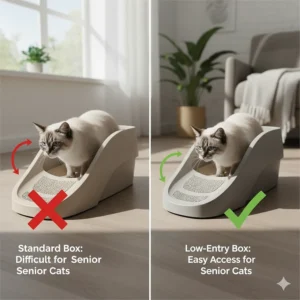
Choosing the right cat litter for senior cats isn’t just about odor control anymore. It’s about recognizing that cats with painful arthritis may have difficulty gaining access to a litter box, especially if negotiating stairs is required, and even climbing into the box may be painful. The perfect setup combines a low entry litter box for senior cats with gentle, dust-free litter that’s easy on sensitive, aging paws.
In this comprehensive guide, I’ll walk you through seven carefully selected products that address the unique challenges senior cats face, from mobility issues to respiratory sensitivities. Whether you’re dealing with arthritis, decreased flexibility, or simply want to make life easier for your golden-years companion, you’ll find practical solutions backed by veterinary recommendations and real customer experiences.
Quick Comparison Table
| Product | Type | Entry Height | Key Feature | Price Range |
|---|---|---|---|---|
| KittyGoHere Senior Cat Litter Box | Litter Box | 3 inches | Vet-recommended, Made in USA | $40-$50 |
| Dr. Elsey’s Precious Cat Senior Litter | Silica Gel Litter | N/A | Cat Attract formula, low dust | $15-$20 |
| Lucky Champ Cat Litter Pan | Litter Box | 3.5 inches | Rigid construction, high back | $25-$30 |
| ökocat Super Soft Clumping Litter | Wood Litter | N/A | Ultra-soft texture, 99% dust-free | $23-$25 |
| Petmate Booda Cleanstep Dome | Covered Box | Step entry | 50% larger, charcoal filter | $40-$55 |
| Semi-Enclosed High-Sided Box | Litter Box | Low front (4-5″) | High sides, budget-friendly | $12-$22 |
| Cat’s Pride Premium Lightweight | Clay Litter | N/A | Fragrance-free, lightweight | $10-$15 |
💬 Just one click – help others make better buying decisions too!😊
Top 7 Cat Litter for Senior Cats: Expert Analysis
1. KittyGoHere Senior Cat Litter Box
The KittyGoHere Senior Cat Litter Box stands out as the gold standard for aging felines, earning consistent veterinary recommendations for cats struggling with traditional boxes. This American-made solution features a remarkably low 3-inch entry height that eliminates painful jumping for arthritic cats.
Key Specifications:
- Entry height: Just 3 inches
- Available in three sizes: Small (up to 6 lbs), Large (up to 20 lbs), Jumbo (multiple cats)
- Open-top design for clear visibility
- Dimensions (Large): Approximately 19″ L x 15″ W
Customer feedback consistently praises this box’s thoughtful design. One reviewer shared that their 15-year-old arthritic cat immediately adapted after struggling with standard boxes. The low entrance combined with generous interior space means cats can position themselves comfortably without strain.
✅ Pros:
- Veterinarian-recommended specifically for senior cats
- Made in USA with durable, long-lasting materials
- Accommodates cats fearful of enclosed spaces
❌ Cons:
- Higher price point than standard boxes
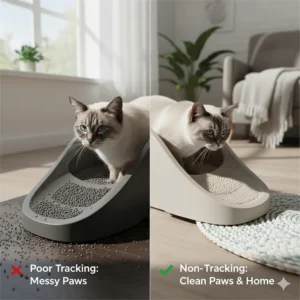
- Low walls may allow some litter scatter
2. Dr. Elsey’s Precious Cat Senior Litter
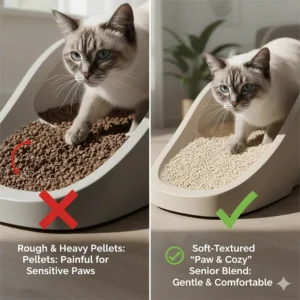
This specialized silica gel formula revolutionizes senior cat care with its unique Dr. Elsey’s Precious Cat Senior Litter blend. Formulated with Cat Attract herbal additives, it actively encourages litter box usage—a game-changer for seniors developing bathroom avoidance behaviors.
Key Specifications:
- Type: Amorphous silica gel crystals
- Weight: 8 pounds
- Scent: Completely unscented
- Low-dust formulation for respiratory health
The fine particle size provides exceptional comfort for sensitive senior paws while effectively coating and dehydrating waste to minimize odors. Unlike clumping varieties, this litter requires no daily scooping of clumps—just remove solids and rake crystals to refresh.
Real users report that a single application lasts approximately two weeks for one cat, making it economical despite the premium price. The hypoallergenic formula contains no wheat, pine, corn, or paper, ideal for seniors with developing sensitivities.
✅ Pros:
- Built-in Cat Attract formula helps with litter box aversion
- Minimal dust protects aging respiratory systems
- Lasts longer than traditional litters
❌ Cons:
- Non-clumping may feel unfamiliar initially
- Crystals may discolor over time (doesn’t affect performance)
3. Lucky Champ Cat Litter Pan
The Lucky Champ Cat Litter Pan delivers brilliant engineering in a deceptively simple package. This large gray pan features a dropped 3.5-inch front entry with progressively higher side and back walls that contain mess without creating barriers.
Key Specifications:
- Dimensions: 16.75″ W x 25″ L x 9″ H
- Entry height: 3.5 inches
- Material: Rigid, non-porous plastic
- Rubberized grip handles
The thick plastic construction resists bending even when filled with heavy litter—a common frustration with cheaper alternatives. The curved, rounded corners prevent litter from sticking and make cleaning remarkably quick. Multiple cat owners report this box works equally well for tiny kittens and aging 15-pound seniors.
One particularly helpful detail: the lip of the base creates a subtle backup step, giving extra-cautious cats an intermediate level when entering. This thoughtful touch makes the difference for cats with severe mobility limitations.
✅ Pros:
- Exceptionally sturdy construction that won’t warp
- High back wall (9″) contains urine spray effectively
- Easy-grip handles for effortless lifting
❌ Cons:
- Low front may allow enthusiastic diggers to scatter litter
- Not ideal for very large cats (20+ pounds)
4. ökocat Super Soft Clumping Wood Litter
Transitioning senior cats to natural litter becomes effortless with ökocat Super Soft Clumping Wood Litter. The precision-cut wood fiber mimics clay’s texture while delivering plant-based performance that’s gentler on aging bodies and the environment.
Key Specifications:
- Weight: 14-16 pounds
- Material: Sustainably sourced wood fiber
- Dust level: 99% dust-free
- Texture: Ultra-soft, similar to clay
The magic lies in how wood fiber naturally prevents enzyme bonding with liquids, stopping ammonia formation before odors develop. Senior cats with declining kidney function often produce more concentrated urine, making superior odor control essential. This litter handles the challenge beautifully while remaining soft enough for arthritic paws.
Customers love the lightweight nature—critical for aging pet parents who struggle lifting heavy traditional litters. With regular scooping, the base litter lasts up to seven weeks, significantly longer than clay alternatives.
✅ Pros:
- Texture mimics clay for easy transitioning
- Naturally controls odors without chemical fragrances
- Lightweight and easier to handle than clay
❌ Cons:
- Slightly higher tracking than some alternatives
- Strong wood scent initially (dissipates within days)
5. Petmate Booda Cleanstep Dome
For seniors who appreciate privacy without sacrificing accessibility, the Petmate Booda Cleanstep Dome offers an elegant covered solution. The unique stepped entry allows cats to walk up gradually rather than jumping, while the dome contains odors and provides a sense of security.
Key Specifications:
- Size: 50% larger than average litter boxes
- Dimensions: 22.5″ x 22.5″ x 19″
- Features: Integrated step, charcoal filter, built-in handle
- Material: 95% recycled materials
The patented CleanStep ramp serves double duty—it provides accessible entry while catching litter from paws, dramatically reducing tracking throughout your home. The included charcoal filter minimizes odors without perfumes that can irritate senior respiratory systems.
With over 10,000 Amazon reviews and a 4.4-star rating, this dome earns consistent praise for containing messes from high-peeing seniors. The sturdy construction withstands daily use, and the easy-lift handle simplifies cleaning for aging pet parents.
✅ Pros:
- Step entry eliminates jumping while reducing tracking
- Dome design contains odors and spray effectively
- Made from recycled materials (eco-friendly)
❌ Cons:
- Limited interior space may feel cramped for large cats
- Dome may be challenging for cats with vision impairment
6. Semi-Enclosed Cat Litter Box with High Sides
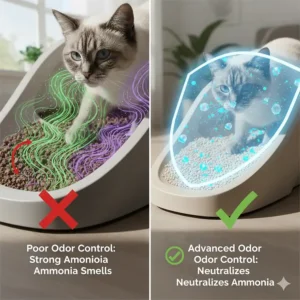
Budget-conscious cat parents don’t need to sacrifice quality with Semi-Enclosed Cat Litter Box with High Sides options. These versatile boxes feature low front entries (4-5 inches) combined with elevated side and back walls that contain mess while remaining affordable.
Key Specifications:
- Entry height: 4-5 inches
- High sides: 6-7 inches
- Available sizes: Medium to Extra-Large
- Material: Durable plastic
The semi-enclosed design strikes an ideal balance—open enough for anxious seniors who dislike confined spaces, yet protective enough to contain litter scatter and urine spray. The low entry accommodates cats with mobility challenges without the premium price tag of specialized senior boxes.
Customer reviews highlight the ease of cleaning thanks to smooth, non-porous surfaces. The extra-large interior provides ample space for positioning, reducing accidents from cats who can’t maneuver as well as they once could.
✅ Pros:
- Affordable solution for senior cat needs
- Semi-enclosed design suits anxious cats
- Easy to clean and maintain
❌ Cons:
- Slightly higher entry than premium senior boxes
- Construction less robust than higher-priced options
7. Cat’s Pride Premium Lightweight Litter
Rounding out our recommendations, Cat’s Pride Premium Lightweight Litter delivers fragrance-free odor control at a budget-friendly price point. This clay-based option weighs significantly less than traditional litters while maintaining superior clumping performance.
Key Specifications:
- Weight: 50% lighter than conventional clay
- Scent: Fragrance-free
- Odor control: Natural without chemicals
- Available sizes: 10-pound and 15-pound jugs
For senior cat households where both feline and human are aging, the lightweight formula solves a critical challenge. The easy-pour jug design prevents strain, while the dust-free formula protects respiratory health. Natural odor control means no overpowering fragrances that can trigger sensitivities in older cats.
Budget-conscious shoppers appreciate that this litter performs comparably to premium brands at a fraction of the cost. The tight clumps make scooping effortless, important when managing multiple daily cleanings for seniors with increased urination.
✅ Pros:
- Significantly lighter than traditional clay
- No added fragrances or harsh chemicals
- Budget-friendly pricing
❌ Cons:
- May not last as long as silica gel options
- Tracking can occur with enthusiastic diggers
✨ Don’t Miss These Exclusive Deals!
🔍 Take your senior cat care to the next level with these carefully selected products. Click on any highlighted item above to check current pricing and availability on Amazon. These solutions will help you create a comfortable, accessible bathroom experience your aging feline deserves!
Understanding Senior Cat Litter Box Challenges
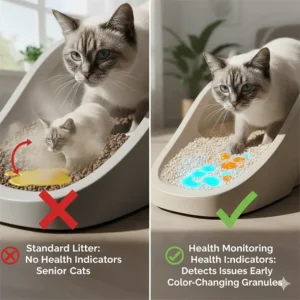
As cats enter their golden years—typically around age 7-10—their bodies undergo significant changes that impact bathroom habits. Older cats may be more sensitive to changes in the household since their ability to adapt to unfamiliar situations diminishes with age. Understanding these challenges helps you choose appropriate solutions.
Physical Limitations That Affect Litter Box Use
Arthritis ranks as the most common age-related condition affecting senior cats. The painful joint inflammation makes every movement difficult, particularly the repetitive jumping required for traditional high-sided boxes. Cats naturally hide discomfort, so you might not realize your pet struggles until accidents occur.
Beyond arthritis, senior cats often develop:
- Decreased muscle mass and flexibility
- Balance issues from declining vestibular function
- Vision impairment affecting depth perception
- Cognitive changes that cause confusion or disorientation
Why Traditional Litter Boxes Fail Senior Cats
Standard litter boxes create multiple obstacles for aging felines. The typical 6-7 inch entry height requires painful jumping for arthritic cats. Once inside, limited space makes turning and positioning uncomfortable. Heavy clay litter can feel harsh on thinning paw pads that have lost protective cushioning over the years.
The location matters too. As cats age they are more prone to getting arthritis and may have reduced control over their bowels and bladder, so it’s a good idea to install litter boxes on every floor to make them easy to reach. Expecting senior cats to navigate stairs to reach basement boxes often leads to inappropriate elimination.
How to Choose the Best Low Entry Litter Box for Senior Cats
Selecting the ideal litter box for senior cats requires balancing multiple factors. Here’s a systematic approach to finding the perfect match for your aging companion.
Entry Height: The Critical Factor
The entry threshold makes or breaks senior cat litter box success. Research and veterinary recommendations consistently identify 3-5 inches as the optimal height range. This allows cats to step over comfortably without jumping while still containing litter adequately.
Consider your cat’s specific limitations. A cat with mild arthritis might manage a 5-inch entry, while severe joint disease requires the absolute lowest option available—preferably 3 inches or less. When in doubt, go lower. Your cat’s comfort trumps concerns about minimal litter scatter.
Size and Space Considerations
Senior cats need extra room to maneuver inside the box. Decreased flexibility means they can’t contort as easily to position themselves. Aim for boxes at least 1.5 times your cat’s length (excluding tail) to provide adequate turning space.
Large breeds or overweight seniors require jumbo options. However, verify interior dimensions rather than relying on exterior measurements—some manufacturers include the rim and base in advertised sizes, creating misleading expectations.
Material and Construction Quality
Rigid plastic construction prevents flexing and bowing under litter weight. Flimsy boxes frustrate senior cats trying to enter, as unstable edges make them hesitant to climb in. Look for thick, non-porous plastics that resist scratches and odor absorption.
Smooth, rounded corners dramatically simplify cleaning. Angular corners trap waste and litter, requiring more scrubbing—particularly problematic when cleaning frequency increases for senior cats with kidney issues producing more urine.
Open Top vs. Covered Designs
Most senior cats prefer open-top designs that don’t restrict visibility or create claustrophobia. However, some aging felines appreciate the privacy and security of covered boxes. The Petmate Booda Cleanstep Dome bridges this gap with stepped entry that accommodates mobility issues while providing enclosure.
If choosing a covered option, ensure adequate ventilation and a wide entrance. Avoid boxes requiring cats to navigate tight doorways or flaps—these create barriers for cats with vision problems or cognitive decline.
Best Cat Litter Types for Senior Cats
The litter itself deserves equal consideration to the box. Senior cats have specific texture, dust, and odor control needs that differ from younger felines.
Silica Gel Crystals: Low Maintenance Excellence
Silica gel litters like Dr. Elsey’s Precious Cat Senior Litter offer several senior-specific advantages. The lightweight crystals feel gentle on sensitive paws while absorbing moisture efficiently without clumping. This means less frequent complete changes and no daily clump scooping—helpful for aging pet parents managing their own physical limitations.
The superior odor control proves essential for seniors with declining kidney function. These cats often produce more concentrated, stronger-smelling urine that overwhelms traditional litters. Silica gel’s absorption capacity handles the challenge effectively.
Soft Natural Litters: Comfort Meets Performance
Wood-based options like ökocat Super Soft Clumping Litter provide clay-like texture without harsh minerals. The precision-cut fibers feel remarkably soft—critical for senior cats whose paw pads have thinned and become more sensitive with age.
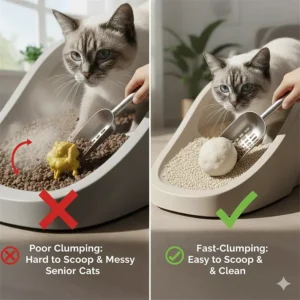
Natural wood fibers control odors through enzymatic action rather than synthetic fragrances. This chemical-free approach protects respiratory systems that become increasingly vulnerable as cats age. Additionally, the biodegradable nature appeals to environmentally conscious cat parents.
Clay Litters: Familiar and Effective
Traditional clay remains viable for seniors, particularly lightweight formulas like Cat’s Pride Premium Lightweight. The familiar texture requires no transition period, important for cats whose cognitive function makes change stressful.
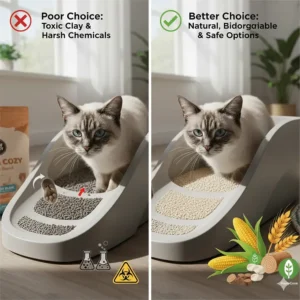
Choose unscented, low-dust varieties specifically. Senior respiratory systems can’t handle the dust clouds created by cheap clay litters. Look for formulations advertising 99% dust-free to protect both feline and human breathing.
Setting Up the Perfect Senior Cat Bathroom Station
Creating an ideal litter box environment involves more than just equipment—placement and maintenance protocols matter enormously for aging cats.
Strategic Placement Guidelines
Position litter boxes on every floor your senior cat accesses. Eliminate stair navigation whenever possible, as Cornell’s Feline Health Center recommends installing litter boxes on every floor to make them easy to reach for aging cats with arthritis and reduced bladder control. Place boxes in quiet, low-traffic areas that feel safe and private.
Avoid locations requiring navigation through narrow doorways or around furniture obstacles. Declining vision and spatial awareness make these challenges harder for senior cats. Ensure adequate lighting—darkness disorients cats with vision impairment.
Multiple Box Strategy
The standard recommendation of one box per cat plus one extra becomes even more critical with seniors. Position boxes in different areas so your cat always has a nearby option when urgency strikes. Senior cats with reduced bladder control benefit from convenient access throughout your home.
Consider placing a second box near your cat’s favorite sleeping spot. Aging cats spend more time resting and may not want to walk far upon waking. This thoughtful placement prevents accidents from cats who can’t make it to distant boxes in time.
Accessibility Modifications
Create graduated entry paths using non-slip mats or shallow steps for cats needing extra assistance. Some cat parents cut down the front of plastic storage containers to create custom low-entry boxes at minimal cost.
Remove obstacles from paths to litter boxes. Senior cats with arthritis or balance issues need clear, straight routes. Eliminate throw rugs that can slip or bunch, creating tripping hazards.
Transitioning Senior Cats to New Litter Boxes
Change stresses senior cats more than younger felines. A gradual, patient approach ensures successful transition to low entry litter boxes and senior-appropriate litter.
The Gradual Introduction Method
Start by placing the new litter box for senior cats beside the existing box. Fill it with your cat’s current litter so only the box itself represents change. Most seniors will naturally try the new box out of curiosity, especially if it offers easier access.
Keep both boxes available for 1-2 weeks. Don’t remove the old box until your cat consistently uses the new one. Premature removal can trigger inappropriate elimination as cats panic about losing their familiar bathroom.
Litter Type Transitions
When changing litter formulas, mix the new product with the old in a 25/75 ratio initially. Gradually increase the new litter proportion over 7-10 days. This slow transition prevents the rejection that occurs when cats encounter completely unfamiliar substrates.
Senior cats with cognitive decline may need even slower transitions. Watch for signs of confusion or litter box avoidance. If these occur, slow the transition timeline and maintain higher proportions of familiar litter longer.
Attractants and Encouragement
Products with built-in attractants like Dr. Elsey’s Precious Cat Senior Litter can ease transitions significantly. The herbal blend encourages investigation and use, overcoming initial hesitation about new textures or boxes.
Positive reinforcement helps too. Gently place your cat in the new box after meals or naps—times when cats naturally eliminate. Offer quiet praise when they use it successfully. Never punish accidents, as this creates anxiety that exacerbates litter box problems.
Common Senior Cat Litter Box Problems and Solutions
Even with perfect setups, senior cats may experience bathroom challenges. Understanding common issues helps you troubleshoot effectively.
Inappropriate Elimination Outside the Box
When previously reliable cats begin eliminating outside their boxes, medical causes must be ruled out first. The increased urine production that often results from diseases common to aging cats like kidney failure, diabetes mellitus, or hyperthyroidism may cause the litter box to become soiled more quickly than expected. Visit your veterinarian before assuming behavioral causes.
After excluding medical issues, evaluate box accessibility. Is the entry still low enough? Has arthritis progressed to where even a 3-inch threshold causes pain? You may need an even lower option or to add a step stool.
Litter Box Avoidance
Complete refusal to use the litter box often signals pain association. If entering the box hurts, cats develop negative connections and seek alternative locations. Address the underlying discomfort first—consult your veterinarian about pain management options for arthritis.
Sometimes avoidance relates to cleanliness standards. Senior cats with increased urination quickly soil boxes. Scoop at least twice daily, and perform complete litter changes more frequently than with younger cats. Some seniors require pristine boxes for every use.
Difficulty Positioning
Cats who enter the box but struggle to position themselves may need larger accommodations or different box shapes. The Lucky Champ Cat Litter Pan offers generous length that helps cats arrange themselves comfortably. Experiment with different box configurations to find what works.
Consider installing additional boxes with varying dimensions. Your cat might prefer wider boxes for urination but narrower ones for defecation. Providing options accommodates these preferences.
Maintaining Senior Cat Litter Boxes for Optimal Health
Proper maintenance becomes increasingly important as cats age. Senior immune systems handle bacteria less effectively, making cleanliness crucial for preventing infections.
Daily Cleaning Protocols
Scoop waste at least twice daily—morning and evening minimum. Senior cats with kidney disease, diabetes, or hyperthyroidism urinate more frequently and in larger volumes. Their boxes require more frequent attention to prevent soiling that triggers avoidance.
After scooping, rake remaining litter to aerate and refresh it. This simple step extends usability and maintains the pleasant texture seniors prefer. Check litter depth and add fresh litter as needed to maintain 2-3 inches.
Deep Cleaning Schedule
Completely empty and wash litter boxes weekly for senior cats. Use warm water and mild, unscented dish soap—harsh cleaners leave residual odors that deter cats with heightened sensitivities. Rinse thoroughly to remove all soap traces.
Allow boxes to dry completely before refilling. Moisture trapped against plastic creates bacterial growth and unpleasant odors. Consider owning backup boxes so you can rotate through cleaning cycles without leaving your senior without bathroom access.
When to Replace Litter Boxes
Plastic becomes porous over time, absorbing odors that no amount of cleaning removes. Replace standard litter boxes annually for optimal odor control. Signs you need replacement include persistent smells despite cleaning, visible scratches harboring bacteria, or structural weakness like cracking.
Higher-quality boxes like the KittyGoHere Senior Cat Litter Box may last longer thanks to superior materials, but still monitor for odor absorption and damage.
Senior Cat Litter Budget Planning
Managing litter costs for senior cats requires balancing quality with affordability, especially when caring for multiple aging felines or dealing with increased usage from medical conditions.
Initial Investment vs. Long-Term Value
Premium low entry litter boxes for senior cats cost more upfront but deliver value through durability and performance. A $45 KittyGoHere box that lasts three years costs far less than replacing three $15 boxes that crack or absorb odors within months.
Similarly, specialized litters like Dr. Elsey’s Precious Cat Senior Litter justify higher prices through extended usage periods. One 8-pound bag lasting two weeks for a single cat costs less per day than cheap clay requiring daily complete changes.
Money-Saving Strategies
Subscribe-and-save programs through Amazon or Chewy reduce litter costs by 5-15%. Set up recurring deliveries of your chosen senior litter to lock in discounts while ensuring you never run out.
Buy in bulk when possible. Larger bags or multi-pack purchases typically offer better per-pound pricing. Ensure adequate storage to prevent moisture absorption or pest contamination.
Budget-Friendly Quality Options
The Semi-Enclosed Cat Litter Box with High Sides proves you don’t need premium prices for senior-appropriate features. At $12-$22, these boxes deliver low entry access and high containment without breaking the bank.
For litter, Cat’s Pride Premium Lightweight provides excellent value. The budget-friendly price doesn’t sacrifice the fragrance-free, dust-controlled formula senior cats need.
Frequently Asked Questions About Cat Litter for Senior Cats
❓ What is the best type of litter for senior cats with arthritis?
❓ How low should a litter box entry be for senior cats?
❓ Can I use regular cat litter for my senior cat?
❓ How often should I change litter for a senior cat?
❓ Do senior cats need covered or open litter boxes?
Conclusion: Creating Comfort for Your Senior Cat’s Golden Years
Choosing the right cat litter for senior cats transforms daily bathroom experiences from painful challenges into comfortable routines. By combining low entry litter boxes with senior-appropriate litter formulas, you address the mobility limitations, sensitivity issues, and health changes that accompany feline aging.
The products recommended in this guide represent real solutions tested by thousands of senior cat parents. Whether you invest in the veterinarian-recommended KittyGoHere Senior Cat Litter Box, opt for the budget-friendly Semi-Enclosed High-Sided options, or choose specialized Dr. Elsey’s Precious Cat Senior Litter, you’re taking meaningful steps to maintain your aging cat’s dignity and quality of life.
Remember that every senior cat is unique. What works perfectly for one may need adjustment for another. Watch your cat’s behavior, consult with your veterinarian about specific challenges, and don’t hesitate to try different combinations until you find the perfect match. Your willingness to adapt their bathroom setup demonstrates the love and care they deserve in their twilight years.
With the right litter box setup, your senior cat can continue confidently using their bathroom well into their golden years, maintaining the independence and cleanliness that matter to both of you.
Recommended for You
- 7 Best Escape Proof Cat Harnesses in 2025 | Expert Reviews
- 7 Best Cat Collars With Bells 2025 – Expert Reviewed Guide
- 7 Best Catnip Bubbles for Cats That Drive Felines Wild 2025
Disclaimer: This article contains affiliate links. If you purchase products through these links, we may earn a small commission at no additional cost to you.
✨ Found this helpful? Share it with your friends! 💬🤗
