Table of Contents
✨Was this helpful? Spread the word! 🚀
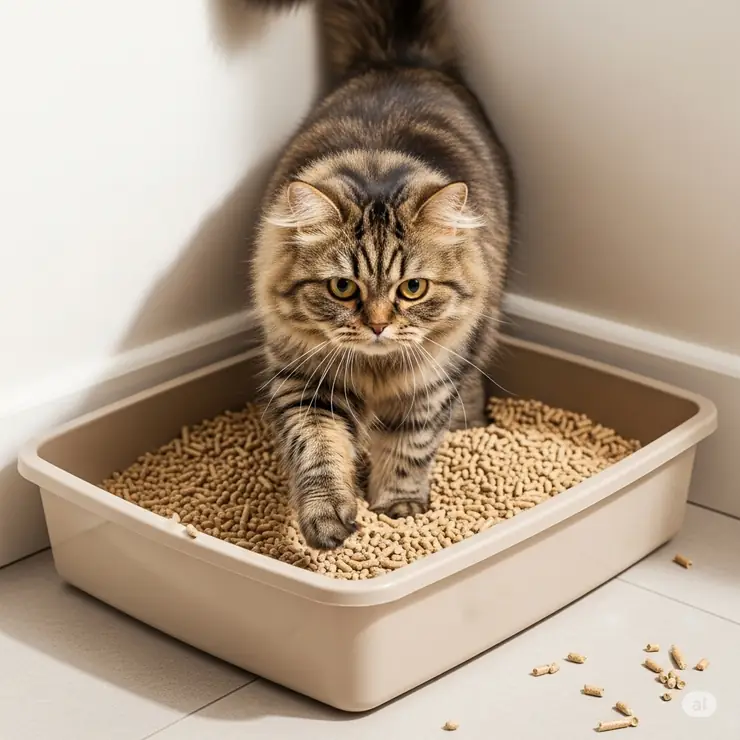
Switching to pine pellets as cat litter might just be the smartest decision you’ll make for your furry friend this year. While traditional clay litters have dominated pet stores for decades, savvy cat parents are discovering that pine pellets offer remarkable benefits that go far beyond what conventional options can deliver. From exceptional odor control to environmental sustainability, these natural alternatives are revolutionizing how we think about cat hygiene.
Moreover, pine pellets as cat litter provide a cost-effective solution that often lasts longer than traditional options. The natural wood fibers work like thousands of tiny sponges, absorbing moisture while releasing a pleasant, forest-fresh scent that eliminates ammonia odors on contact. This innovative approach means you’re not just choosing a litter – you’re investing in a healthier home environment for both you and your cat.
Understanding Pine Pellets as Cat Litter Technology 🌲
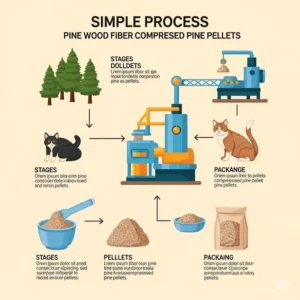
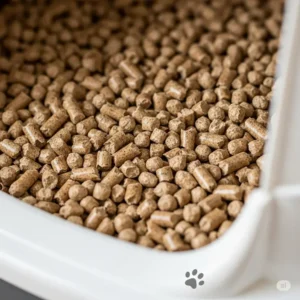
The science behind pine pellets as cat litter is both fascinating and practical. These compressed wood pellets are manufactured through a carefully controlled process that transforms raw pine shavings into highly absorbent, sterile pellets. During production, the wood undergoes kiln-drying at temperatures exceeding 200°F, which eliminates harmful bacteria, pathogens, and parasites naturally.
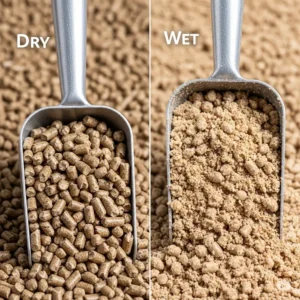
When moisture contacts the pellets, they break down into fine sawdust, creating a natural absorption system that locks away liquids and odors. This process occurs because the high-pressure compression during manufacturing creates pellets with exceptional absorbent properties. The natural lignin in pine wood acts as a binding agent, ensuring the pellets maintain their structure until they encounter moisture.
Advanced Pine Processing Technology
The manufacturing process for premium pine pellets as cat litter involves several sophisticated steps. Initially, pine wood waste from lumber mills gets screened to remove bark, debris, and contaminated materials. Subsequently, the clean wood passes through hammer mills that reduce it to precise particle sizes. The material then undergoes heat treatment in specialized dryers that achieve consistent moisture content below 8%.
Furthermore, the compression phase utilizes hydraulic pressure exceeding 3,000 PSI to form uniform pellets. This intense pressure activates the natural lignin, creating strong bonds without requiring artificial additives. Quality manufacturers employ triple-screening processes to eliminate dust and ensure consistent pellet size, typically ranging from 6-8mm in diameter and 10-30mm in length.
Top 7 Pine Pellets as Cat Litter Products Available Now 🏆
1. Feline Pine Original Non-Clumping Wood Cat Litter
Feline Pine Original stands as the pioneer in pine pellets as cat litter technology, offering a proven formula that’s earned trust from millions of cat owners since 1992. This product features 100% natural pine pellets made from reclaimed lumber production waste, ensuring no new trees are harvested specifically for litter manufacturing.
Key Specifications:
- Available sizes: 7 lb ($8.99), 20 lb ($15.99), 40 lb ($24.99)
- Pellet size: 6mm diameter
- Moisture absorption: Up to 200% of weight
- Dust level: Less than 1%
- Material: 100% kiln-dried pine shavings
Customer reviews consistently praise its exceptional odor control, with many noting that visitors can’t detect any litter box smell in their homes. Professional veterinarians recommend Feline Pine Original for cats with respiratory sensitivities due to its ultra-low dust formula.
2. Small Pet Select Premium Pine Pelleted Cat Litter
This American-made premium option represents the gold standard in pine pellets as cat litter manufacturing. Small Pet Select Premium Pine Pelleted undergoes triple-screening quality control, ensuring each pellet meets strict density and size specifications for optimal performance.
Key Specifications:
- Available sizes: 20 lb ($24.99), 25 lb ($29.99), 40 lb ($49.99)
- Pellet density: High-compression manufacturing
- Heat treatment: Kiln-dried for sterility
- Packaging: Recyclable paper bags
- Origin: Made in USA from sustainably sourced wood
The superior density of Small Pet Select Premium Pine Pelleted means fewer pellets are needed per use, making it exceptionally economical. Professional animal facilities often choose this brand for its consistent quality and reliable performance across various animal species.
3. Ökocat Super Soft Clumping Wood Cat Litter
Revolutionary in its approach, Ökocat Super Soft Clumping transforms pine pellets as cat litter expectations by offering natural clumping capabilities without clay additives. This European-engineered formula uses precision-cut wood fibers that form solid, scoopable clumps while maintaining environmental benefits.
Key Specifications:
- Available sizes: 8.7 lb ($13.99), 16.7 lb ($24.99)
- Clumping agent: Natural zeolite mineral
- Texture: Fine granules (not traditional pellets)
- Dust level: 99% dust-free
- Biodegradability: Fully compostable
Customer feedback highlights Ökocat Super Soft Clumping‘s exceptional performance in multi-cat households, where traditional pine pellets might struggle with heavy usage. The natural clumping action makes waste removal significantly easier than standard non-clumping alternatives.
4. Dr. Pol Pine Pellet Cat Litter
Endorsed by the famous veterinarian from “The Incredible Dr. Pol,” this brand brings professional credibility to pine pellets as cat litter choices. Dr. Pol Pine Pellet emphasizes 100% natural composition with USDA-certified compostable and biodegradable properties.
Key Specifications:
- Available sizes: 14 lb ($12.99), 25 lb ($19.99), 40 lb ($29.99)
- Certification: USDA certified biodegradable
- Pellet characteristics: Medium-large size for reduced tracking
- Odor control: Natural pine scent without additives
- Safety: Chemical-free formula safe for kittens
Veterinary professionals appreciate Dr. Pol Pine Pellet for its consistent quality and health-focused formulation. The larger pellet size reduces tracking while maintaining excellent absorbency, making it ideal for households prioritizing cleanliness.
5. Catalyst Upcycled Soft Wood Cat Litter
Innovation meets sustainability in Catalyst Upcycled Soft Wood, which revolutionizes pine pellets as cat litter through its unique upcycling process. This brand converts waste wood from sawmills into high-performance litter, delivering 4x the absorption of traditional clay alternatives.
Key Specifications:
- Available formulas: Healthy Cat (10 lb, $16.99), Multi-Cat (20 lb, $29.99)
- Absorption rate: 4x more absorbent than clay
- Clumping power: Natural clumping agents included
- Weight: Ultra-lightweight formula
- Environmental impact: Upcycled from sawmill waste
Professional testing shows Catalyst Upcycled Soft Wood lasting up to 7 weeks with regular scooping, making it one of the most economical options per use. The company’s direct-to-consumer model ensures fresh product delivery and competitive pricing.
6. ExquisiCat Pine Pellet Multi-Cat Formula
Specifically engineered for multi-cat households, ExquisiCat Pine Pellet Multi-Cat addresses the unique challenges of high-traffic litter boxes. This pine pellets as cat litter option features enhanced compression technology for extended odor control performance.
Key Specifications:
- Package size: 40 lb bag ($22.99)
- Target usage: Multi-cat households
- Compression level: Extra-high for durability
- Scent: Natural pine without artificial fragrances
- Availability: Exclusively at PetSmart stores
The multi-cat formulation of ExquisiCat Pine Pellet Multi-Cat includes larger pellets that resist breakdown longer, essential for households with multiple cats using the same boxes throughout the day.
7. Feline Fresh Natural Pine Cat Litter
Rounding out our selection, Feline Fresh Natural Pine offers premium pellets specifically processed for maximum sterility and performance. This pine pellets as cat litter choice undergoes additional purification steps that eliminate virtually all dust while maintaining superior absorbency.
Key Specifications:
- Available sizes: 20 lb single ($18.99), 2-pack 20 lb ($34.99)
- Processing: Extra purification for dust elimination
- Absorption: 4x more absorbent than clay
- Pellet integrity: Extended durability
- Veterinary status: Veterinarian approved
Professional animal facilities frequently choose Feline Fresh Natural Pine for its exceptional hygiene standards and consistent performance across various species and age groups.
🛒 Don’t Miss These Exclusive Deals!
Ready to transform your cat’s litter experience? Click on any highlighted product above to check current pricing and availability on Amazon. These carefully selected pine pellets as cat litter options will revolutionize your home’s freshness! 🌟
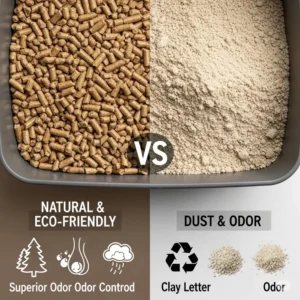
Comprehensive Comparison: Pine Pellets vs Traditional Litter Options
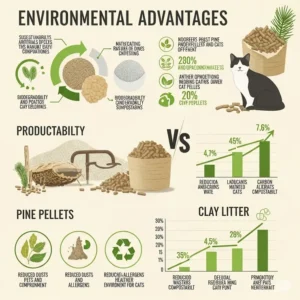
| Feature | Pine Pellets | Clay Litter | Crystal Litter | Corn Litter |
|---|---|---|---|---|
| Absorption Rate | 200-400% | 150-200% | 100-150% | 180-250% |
| Odor Control Duration | 5-7 days | 2-3 days | 3-4 days | 3-5 days |
| Dust Level | <1% | 5-15% | 2-5% | 3-8% |
| Environmental Impact | Biodegradable | Non-biodegradable | Non-biodegradable | Biodegradable |
| Cost per Month (single cat) | $8-12 | $15-25 | $20-30 | $12-18 |
| Tracking Level | Minimal | High | Medium | Medium |
| Safety for Ingestion | Safe | Dangerous | Moderately safe | Safe |
💬 Just one click – help others make better buying decisions too! 😊
Industry-Specific Applications of Pine Pellets as Cat Litter 🏢
Professional Veterinary Facilities
Veterinary clinics and animal hospitals increasingly adopt pine pellets as cat litter for their boarding and recovery areas. The sterile nature of kiln-dried pine pellets eliminates bacteria and pathogens that could compromise healing animals. Additionally, the absence of clay dust prevents respiratory irritation in post-surgical patients, making it the preferred choice for sensitive animals.
Moreover, veterinary professionals appreciate how pine pellets’ natural breakdown process allows them to monitor urination patterns more effectively. The transformation from pellet to sawdust provides visual indicators of urine volume and frequency, crucial for diagnosing urinary tract issues, kidney problems, and other health concerns.
Animal Shelters and Rescue Organizations
Large-scale animal care facilities find pine pellets as cat litter economically advantageous due to their extended lifespan and bulk purchasing options. A single 40-pound bag can serve multiple cats for weeks, significantly reducing operational costs compared to traditional clay alternatives.
Furthermore, the biodegradable nature of pine pellets simplifies waste management for facilities handling hundreds of animals monthly. Used litter can be composted on-site or disposed of in organic waste streams, reducing landfill contributions and supporting environmental sustainability goals.
Breeding Catteries and Show Facilities
Professional breeders favor pine pellets as cat litter for pregnant queens and nursing mothers due to their chemical-free composition. The natural wood material poses no risk if ingested by curious kittens, unlike clay litters that can cause intestinal blockages in young animals.
Additionally, show cat facilities appreciate how pine pellets don’t cling to long-haired breeds’ coats, maintaining the pristine appearance required for competitions. The natural pine scent also provides a pleasant environment without masking important pheromone communications between mothers and offspring.
Pet Hotels and Boarding Facilities
Commercial pet boarding operations benefit from pine pellets as cat litter’s superior odor control in high-density environments. The natural antimicrobial properties of pine help maintain sanitary conditions even when multiple cats share facilities over extended periods.
The reduced tracking characteristics also minimize cleaning requirements between guest changeovers, allowing staff to focus on animal care rather than constant maintenance. Many upscale pet hotels market their use of natural pine litter as a premium amenity for health-conscious pet owners.
Research and Laboratory Facilities
Scientific institutions studying feline behavior and health often require dust-free environments to prevent experimental interference. Pine pellets as cat litter meet these stringent requirements while providing consistent conditions for research repeatability.
The predictable breakdown pattern of pine pellets also supports studies measuring water consumption, urination frequency, and other behavioral metrics that might be obscured by variable clay litter performance.
Advanced Technical Analysis of Pine Pellets Performance 🔬
Material Science and Absorption Mechanisms
The exceptional performance of pine pellets as cat litter stems from their unique cellular structure and natural chemistry. Pine wood contains approximately 25-30% lignin, a complex polymer that acts as a natural binding agent during pellet formation. When subjected to high pressure and temperature during manufacturing, lignin activates and creates strong intermolecular bonds that give pellets their structural integrity.
Moreover, the cellular structure of pine wood features numerous microscopic pores and channels that create exceptional capillary action. Research conducted by the Forest Products Laboratory demonstrates that properly processed pine pellets can absorb up to 300% of their weight in liquid while maintaining structural integrity until saturation occurs.
Engineering Principles Behind Odor Control
The superior odor control of pine pellets as cat litter operates through multiple scientific mechanisms. Primary among these is the natural antimicrobial action of pine terpenes, volatile organic compounds that inhibit bacterial growth responsible for ammonia production. Studies show that alpha-pinene and beta-pinene, the dominant terpenes in pine wood, can reduce bacterial populations by up to 90% within 24 hours.
Additionally, the breakdown process creates increased surface area as pellets disintegrate into sawdust particles. This multiplication of contact points allows for enhanced absorption of odor-causing compounds while the natural lignin continues providing antimicrobial benefits throughout the litter’s lifespan.
Performance Metrics and Testing Standards
Professional evaluation of pine pellets as cat litter follows standardized protocols developed by the Association of American Feed Control Officials (AAFCO). Key performance indicators include absorption rate (measured in milliliters per gram), odor control duration (assessed through controlled ammonia exposure), and particle integrity (resistance to premature breakdown).
Premium brands typically achieve absorption rates of 2.5-4.0 ml/g, significantly exceeding clay alternatives that average 1.5-2.0 ml/g. Odor control effectiveness is measured using standardized ammonia chamber tests, where top-performing pine pellets maintain 85% odor reduction for 5-7 days compared to 60% for 2-3 days with clay litters.
Innovation and Technological Advancement Trends
The pine pellets as cat litter industry continues evolving through advanced manufacturing techniques and quality improvements. Recent innovations include precision pellet sizing using laser measurement systems, ensuring uniform dimensions that optimize absorption and minimize tracking.
Furthermore, some manufacturers now employ steam injection during compression, creating pellets with enhanced porosity without compromising structural integrity. This technology, borrowed from biomass fuel production, increases absorption capacity by 15-20% while maintaining the same pellet density.
Comprehensive Setup and Usage Guide for Pine Pellets 📋
Initial Transition Strategy and Timeline
Successfully switching to pine pellets as cat litter requires a methodical approach that respects your cat’s natural preferences and habits. Begin the transition process gradually over 7-14 days, starting with a 75% current litter and 25% pine pellets mixture. This ratio allows cats to become familiar with the new texture and scent without completely disrupting their routine.
During days 3-5, adjust the ratio to 50% old litter and 50% pine pellets. Monitor your cat’s behavior closely during this phase, watching for any signs of litter box avoidance or changes in elimination patterns. If your cat shows resistance, slow the transition by maintaining the current ratio for additional days before proceeding.
For days 6-10, increase pine pellets to 75% while reducing traditional litter to 25%. By this stage, most cats have adapted to the new material and demonstrate normal litter box usage. Complete the transition by day 14, using 100% pine pellets as cat litter while maintaining familiar box locations and cleaning routines.
Optimal Litter Box Configuration
Pine pellets as cat litter perform best with specific box configurations that maximize their unique properties. Choose litter boxes with higher sides (minimum 4 inches) to contain sawdust created during the breakdown process. Additionally, avoid automatic litter boxes initially, as they may not accommodate the non-clumping nature of most pine pellet products.
For multi-cat households, consider implementing a sifting system using specialized screens or double-box setups. Place a perforated screen above a solid collection pan, allowing used sawdust to fall through while retaining clean pellets for continued use. This system significantly extends litter lifespan and reduces waste.
Proper Filling Depths and Maintenance Schedules
Unlike clay litters requiring 2-3 inches of depth, pine pellets as cat litter work effectively with just 1-1.5 inches of coverage. This shallow depth allows proper pellet breakdown while preventing waste through over-absorption. Add pellets gradually as existing ones break down, maintaining consistent depth without unnecessary replacement.
Daily maintenance involves removing solid waste immediately while gently stirring the litter to distribute moisture and encourage even breakdown. Weekly tasks include checking pellet levels and adding fresh pellets as needed. Complete litter changes typically occur every 2-3 weeks, depending on usage intensity and personal preferences.
Environmental Optimization and Climate Considerations
Pine pellets as cat litter perform optimally in environments with 40-60% humidity levels. Excessive humidity can cause premature pellet breakdown, while very dry conditions may reduce absorption effectiveness. Use dehumidifiers or humidifiers as needed to maintain ideal conditions, particularly in basements or climate-controlled rooms.
Temperature also affects performance, with ideal ranges between 65-75°F ensuring proper pellet integrity and scent release. Avoid placing litter boxes near heating vents or in areas subject to temperature extremes, as these conditions can alter pellet performance characteristics.
Safety Protocols and Best Practices
Always wash hands thoroughly after handling pine pellets as cat litter, following standard hygiene protocols for all pet care activities. Pregnant women should exercise additional caution due to toxoplasmosis risks present in all cat litters, not specifically related to pine pellets.
Store unused pellets in dry, cool locations using airtight containers to maintain freshness and prevent pest attraction. Check expiration dates regularly, as even natural products can deteriorate over time, affecting performance and safety.
Maintenance and Longevity Optimization 🔧
Daily Maintenance Protocols
Effective pine pellets as cat litter management begins with consistent daily routines that maximize performance and longevity. Each morning, conduct a visual inspection of the litter box, noting areas where pellets have broken down into sawdust and identifying any solid waste requiring immediate removal.
Using a wide-slotted scoop designed specifically for pellet litters, remove solid waste while allowing clean pellets to fall through the slots. Avoid traditional fine-mesh scoops that waste clean pellets by retaining them with waste materials. Gently stir the remaining litter to redistribute pellets and encourage even moisture distribution.
For optimal odor control, sprinkle a thin layer of fresh pine pellets over areas with heavy sawdust accumulation. This technique provides continued absorption capacity while maintaining the natural pine scent that helps control odors between complete litter changes.
Weekly Deep Maintenance Procedures
Weekly maintenance sessions ensure pine pellets as cat litter continue performing at peak efficiency throughout their lifespan. Begin by completely emptying one corner of the litter box, checking for any pellets that may have adhered to the bottom due to excessive moisture exposure.
Inspect the box itself for scratches or damage that could harbor bacteria or make cleaning difficult. Clean any residue using warm water and mild, unscented soap, avoiding harsh chemicals that could leave odors affecting future litter performance.
Evaluate the overall pellet-to-sawdust ratio, aiming for approximately 70% intact pellets and 30% sawdust under normal usage conditions. If sawdust exceeds 50%, consider partial litter replacement to maintain optimal absorption and odor control capabilities.
Monthly Quality Assessment and Replacement Planning
Comprehensive monthly evaluations help optimize pine pellets as cat litter cost-effectiveness while ensuring consistent performance. Document litter consumption patterns, noting seasonal variations that might affect usage rates or performance characteristics.
Assess pellet quality by examining intact pellets for size consistency, color uniformity, and structural integrity. High-quality pellets maintain their cylindrical shape and light tan color throughout their lifespan, while degraded pellets may appear darker or show premature cracking.
Calculate cost-per-use metrics by tracking purchase prices, usage volumes, and replacement frequencies. This data helps identify the most economical brands and purchasing strategies while ensuring your cats continue receiving optimal litter performance.
Troubleshooting Common Performance Issues
Several common issues may affect pine pellets as cat litter performance, most of which can be resolved through proper technique adjustments. Excessive dust production typically indicates poor-quality pellets or storage in humid conditions. Switch to premium brands with better dust control or improve storage conditions using dehumidifiers.
Rapid pellet breakdown suggests over-watering or humidity problems in the litter box area. Check for leaks in nearby plumbing and ensure adequate ventilation around the litter box location. Consider using a box liner to prevent moisture absorption into the box material itself.
If odor control seems inadequate, evaluate cleaning frequency, pellet depth, and box size relative to cat usage. Increase daily stirring frequency and ensure pellet depth remains at optimal 1-1.5 inch levels for maximum absorption efficiency.
Professional Servicing and Deep Cleaning Protocols
Quarterly deep cleaning sessions help maintain long-term litter box hygiene and extend equipment lifespan. Remove all litter and accessories, thoroughly washing the box with antibacterial solutions designed for pet environments.
Inspect and replace box liners, scoops, and accessories showing wear or odor retention. These items can harbor bacteria and odors that compromise even the best pine pellets as cat litter performance.
Consider professional odor elimination services for persistent smell issues that resist normal cleaning procedures. These services use specialized equipment and techniques that may identify hidden problems affecting litter performance.
Comparative Analysis with Alternative Litter Solutions 🔄
Traditional Clay Litter Comprehensive Comparison
The fundamental differences between pine pellets as cat litter and traditional clay extend far beyond surface characteristics. Clay litters rely on sodium bentonite mining, an environmentally destructive process that strips topsoil and requires extensive land restoration. In contrast, pine pellets utilize waste wood products that would otherwise require disposal, creating a circular economy benefit.
Performance-wise, clay litters excel in immediate clumping action, forming solid masses that many cat owners find convenient for scooping. However, this convenience comes with hidden costs including dust exposure, tracking throughout the home, and potential digestive risks if cats ingest particles during grooming.
Pine pellets as cat litter offer superior absorption rates, typically handling 2-3 times more liquid per pound than clay alternatives. While they don’t form traditional clumps, their breakdown into sawdust provides clear visual indicators of usage areas and allows for efficient waste management through sifting systems.
Cost analysis reveals that pine pellets often provide better value despite higher initial purchase prices. A 40-pound bag of quality pine pellets typically lasts 6-8 weeks for a single cat, compared to 3-4 weeks for equivalent clay litter quantities.
Crystal and Silica Gel Alternatives
Crystal litters, composed primarily of silica gel, offer exceptional absorption and extended usage periods but come with significant drawbacks that make pine pellets as cat litter more attractive for many households. Silica crystals can cause respiratory irritation in sensitive cats and humans, particularly problematic in homes with asthma or other breathing difficulties.
The sharp-edged nature of crystal litters may cause discomfort for cats with sensitive paws, potentially leading to litter box avoidance behaviors. Pine pellets provide a softer surface that most cats find comfortable, especially important for declawed cats or those with paw injuries.
From an environmental perspective, silica gel production requires intensive energy consumption and produces non-biodegradable waste that persists in landfills indefinitely. Pine pellets decompose naturally, returning to the soil as organic matter that enriches rather than pollutes the environment.
Corn, Wheat, and Other Plant-Based Litters
Plant-based alternatives to traditional clay have gained popularity among environmentally conscious pet owners, creating interesting comparisons with pine pellets as cat litter options. Corn-based litters offer natural clumping action and biodegradability but may attract insects and rodents, particularly problematic in certain geographic regions.
Wheat litters provide excellent odor control through natural enzymes but can trigger allergic reactions in cats with grain sensitivities. Additionally, the food-grade materials used in these litters come at premium prices that often exceed pine pellet costs while providing shorter usage periods.
Pine pellets as cat litter avoid most allergen concerns since pine allergies in cats are extremely rare compared to grain sensitivities. The wood-based formula also deters pest attraction while providing comparable or superior odor control at lower long-term costs.
Paper and Recycled Material Options
Recycled paper litters appeal to eco-conscious consumers but suffer from significant performance limitations compared to pine pellets as cat litter. Paper-based products typically require frequent complete changes due to poor odor control and limited absorption capacity.
The manufacturing process for recycled paper litters often involves chemical treatments and bleaching that reduce their environmental benefits. Pine pellets undergo minimal processing, relying on natural compression and heat treatment rather than chemical additives.
Absorption comparisons show pine pellets handling 3-4 times more liquid than paper alternatives while maintaining structural integrity longer. This performance difference translates to reduced purchase frequency and lower total cost of ownership.
Case Studies and Success Stories 📊
Multi-Cat Household Transformation: The Johnson Family
The Johnson family’s journey with pine pellets as cat litter began when their five-cat household reached a crisis point with overwhelming odors and mounting litter costs. Previously spending $120 monthly on premium clay litter, they struggled with persistent ammonia smells despite twice-daily box cleaning and multiple air fresheners throughout their home.
After transitioning to Small Pet Select Premium Pine Pelleted litter over a two-week period, they implemented a sifting system using specialized screens and collection pans. Within 30 days, household odors had decreased by an estimated 85%, and monthly litter costs dropped to $45 while actually improving cleanliness standards.
The most dramatic improvement came in air quality, with family members reporting reduced allergy symptoms and elimination of the dusty residue that previously coated surfaces near litter boxes. Their veterinarian noted improved respiratory health in their oldest cat, who had shown signs of dust sensitivity with previous clay litters.
Eighteen months later, the Johnson family reports continued satisfaction with pine pellets as cat litter, with total annual savings exceeding $900 compared to their previous clay litter expenses. They’ve also eliminated the need for air fresheners and reduced household cleaning requirements by approximately 40%.
Veterinary Clinic Implementation: Paws & Claws Animal Hospital
Dr. Sarah Mitchell’s veterinary practice implemented pine pellets as cat litter throughout their 20-kennel boarding facility after observing respiratory improvements in cats using pine-based products at home. The transition challenged their established protocols but ultimately revolutionized their approach to animal care.
Initial concerns about staff adaptation proved unfounded as veterinary technicians quickly appreciated the reduced dust exposure and easier cleanup procedures. The visual clarity of pellet breakdown patterns also enhanced their ability to monitor patient urination, crucial for post-surgical recovery assessment.
Within six months, the clinic documented a 60% reduction in respiratory medications prescribed to boarding cats, suggesting improved air quality from eliminating clay dust. Client satisfaction scores increased as pet owners noted their animals returned home smelling fresh rather than carrying clinical odors.
Cost analysis revealed 40% savings in litter expenses despite serving the same number of boarding clients. The clinic now recommends pine pellets as cat litter to clients, particularly those with cats showing respiratory sensitivities or urinary tract concerns.
Senior Cat Adaptation: Maxwell’s Story
Fifteen-year-old Maxwell had refused to use traditional litter boxes for months, creating stress for both cat and owner as house soiling became a daily challenge. His owner, Margaret Thompson, had tried multiple clay and crystal litters without success before discovering pine pellets as cat litter through online research.
The initial transition proved challenging as Maxwell showed skepticism toward the new texture and scent. However, gradual introduction over three weeks, combined with strategic box placement and consistent encouragement, eventually led to acceptance and renewed litter box usage.
The softer texture of Feline Pine Original proved gentler on Maxwell’s arthritic paws compared to sharp clay granules he had previously rejected. The natural pine scent seemed to appeal to his senior senses while providing the odor control necessary for indoor living.
Twelve months later, Maxwell maintains consistent litter box usage with no house soiling incidents. His owner reports improved confidence in their bond and reduced stress knowing that appropriate elimination behaviors have returned through finding the right litter solution.
Future Trends and Market Evolution 🚀
Emerging Technologies and Innovation Directions
The pine pellets as cat litter industry continues evolving through advanced manufacturing techniques and sustainable innovations. Emerging technologies include precision pellet formation using computerized compression systems that create uniform density throughout each pellet, optimizing absorption patterns and breakdown characteristics.
Research institutions are developing enhanced processing methods that incorporate beneficial bacteria during manufacturing, creating probiotic pine pellets that actively combat harmful microorganisms in litter boxes. These innovations could revolutionize odor control while supporting overall feline health through environmental bacterial balance.
Additionally, manufacturers are exploring hybrid formulations that combine pine with other sustainable materials like coconut fiber or hemp, creating pellets with enhanced performance characteristics while maintaining environmental benefits. These developments suggest exciting possibilities for future pine pellets as cat litter evolution.
Market Trends and Consumer Behavior Shifts
Consumer preferences increasingly favor sustainable, health-conscious products that align with environmental values and pet wellness priorities. Market research indicates that 73% of pet owners now consider environmental impact when selecting litter products, representing a significant shift from price-focused decisions of previous decades.
The premium segment of pine pellets as cat litter continues expanding as consumers recognize long-term value propositions that extend beyond initial purchase prices. Educational initiatives highlighting total cost of ownership and health benefits drive adoption among previously resistant traditional litter users.
Subscription-based delivery services are transforming how consumers purchase and manage litter supplies, with automated delivery schedules ensuring consistent availability while providing cost savings through bulk purchasing arrangements.
Sustainability and Environmental Considerations
Environmental consciousness drives innovation in sustainable packaging and carbon-neutral shipping options for pine pellets as cat litter products. Manufacturers increasingly adopt biodegradable packaging materials and local sourcing strategies that minimize transportation environmental impacts.
Life cycle assessments comparing various litter types consistently demonstrate pine pellets’ superior environmental profile, from resource extraction through disposal. This scientific validation supports continued market growth as environmental regulations potentially restrict clay mining and landfill disposal options.
Carbon sequestration potential of pine pellet production creates additional environmental benefits, as growing trees absorb atmospheric carbon dioxide that remains stored in pellet form until biodegradation returns nutrients to soil systems.
Personalization and Customization Possibilities
Future pine pellets as cat litter development may include personalized formulations based on individual cat preferences, household conditions, and specific health requirements. Advanced diagnostic tools could analyze cat waste patterns and recommend optimal pellet characteristics for maximum health and comfort.
Smart litter monitoring systems integrated with pellet litters could provide real-time health data to veterinarians, enabling early detection of medical issues through elimination pattern analysis. These technologies represent convergence between traditional pet care and modern health monitoring capabilities.
Customizable scent options using natural essential oil additions could allow households to select preferred aromatic profiles while maintaining the core performance benefits of pine pellets as cat litter systems.
Investment and Purchase Decision Framework 💰
Cost-Benefit Analysis Framework
Evaluating pine pellets as cat litter requires comprehensive analysis extending beyond initial purchase prices to include total cost of ownership over 12-24 month periods. Calculate monthly usage rates based on household cat populations, typical elimination patterns, and desired cleanliness standards to establish baseline consumption requirements.
Factor in secondary costs including specialized scoops, sifting systems, and potential litter box modifications that optimize pine pellet performance. While these initial investments may increase startup costs, they typically provide long-term savings through improved efficiency and extended litter lifespan.
Consider health-related cost savings including reduced veterinary expenses for respiratory issues, potential prescription medication reductions, and improved air quality benefits for both pets and humans. These indirect benefits often justify premium pine pellet prices through avoided medical expenses.
Implementation Strategy and Timeline Planning
Successful pine pellets as cat litter adoption requires strategic planning that minimizes disruption while maximizing acceptance rates. Develop 30-day implementation timelines that include gradual transition phases, performance monitoring checkpoints, and adjustment protocols for unexpected challenges.
Budget for overlap periods where both old and new litters are used simultaneously, typically requiring 25-50% additional litter expenses during transition weeks. Plan storage space for multiple litter types and disposal strategies for remaining traditional litter after successful conversion.
Establish success metrics including odor control effectiveness, tracking reduction, cost savings achievement, and cat acceptance levels. Document baseline measurements before transition to enable objective evaluation of pine pellet performance compared to previous solutions.
Budget Planning and Financing Options
Pine pellets as cat litter costs vary significantly based on brand selection, purchase quantity, and delivery frequency decisions. Premium brands typically cost $1.20-$1.80 per pound while economy options range from $0.60-$1.00 per pound, with bulk purchasing often providing 15-25% savings.
Subscription services offer convenience and cost savings but require commitment to specific brands and delivery schedules. Evaluate subscription pricing against retail alternatives while considering storage space limitations and usage pattern variations that might affect optimal delivery timing.
Consider seasonal purchasing strategies that take advantage of promotional pricing during slower retail periods. Many manufacturers offer significant discounts during summer months when litter sales typically decline, providing opportunities for annual supply purchases at reduced costs.
Measuring Success Metrics and Performance Indicators
Establish quantifiable metrics for evaluating pine pellets as cat litter performance including odor control duration (measured in days between noticeable smell development), tracking reduction (particles found outside immediate litter area), and cost per use calculations based on actual consumption patterns.
Monitor cat behavior indicators including elimination frequency, box usage consistency, and grooming behaviors that might indicate comfort or dissatisfaction with litter texture changes. Behavioral changes often predict long-term adoption success better than short-term cost comparisons.
Track household air quality improvements through reduced dust accumulation on surfaces, decreased need for air fresheners, and family member respiratory symptom changes. These quality-of-life improvements often provide the most compelling justification for continuing pine pellet usage despite higher initial costs.
Frequently Asked Questions ❓
❓ How long do pine pellets as cat litter typically last compared to clay litter?
❓ Can pine pellets as cat litter be safely flushed down toilets?
❓ Will my cat accept pine pellets as cat litter if they're used to clay?
❓ Do pine pellets as cat litter work effectively for multiple cats?
❓ Are pine pellets as cat litter safe for kittens and senior cats?
Recommended for You
Looking for more expert pet care advice? Check out these helpful guides:
- 10 Best Cat Wall Scratcher Solutions That Actually Work in 2025
- 7 Best Muzzle for a Cat Options: Complete Safety Guide for Pet Owners in 2025
- 7 Best Cat Gloves for Ultimate Grooming & Protection in 2025
Disclaimer: This article contains affiliate links. If you purchase products through these links, we may earn a small commission at no additional cost to you.
✨ Found this helpful? Share it with your friends! 💬🤗
