Table of Contents
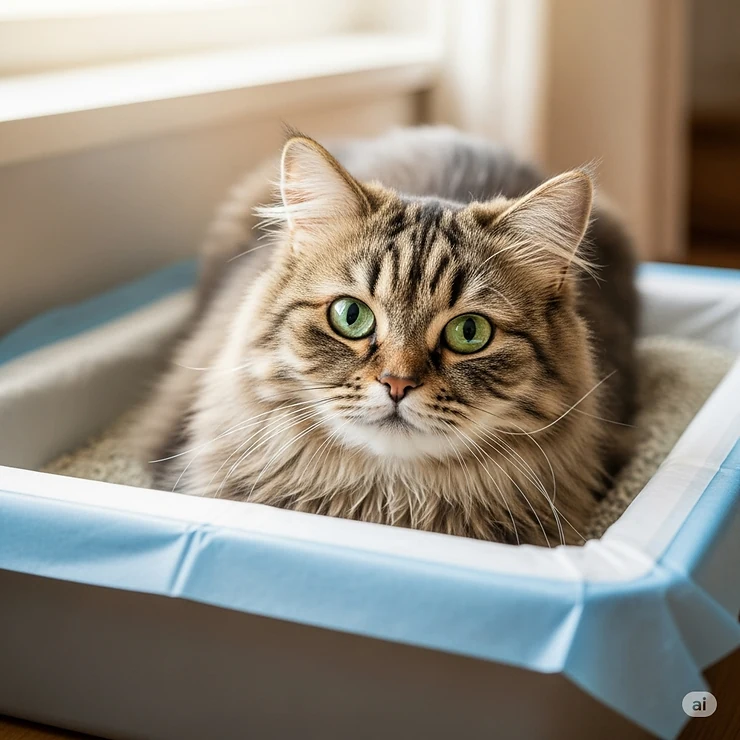
If you’re tired of scrubbing stubborn waste from your cat’s litter box every week, you’re not alone. 🐱 Cat litter box liners have revolutionized how millions of pet owners maintain their feline friends’ bathroom spaces, transforming a messy chore into a simple lift-and-toss operation. However, with countless options flooding the market, finding the right liner can feel overwhelming.
✨Was this helpful? Spread the word! 🚀
The global pet care market has grown exponentially, with cat litter accessories becoming increasingly sophisticated. Today’s cat litter box liners aren’t just plastic bags – they’re engineered solutions featuring tear-resistant materials, innovative closure systems, and specialized designs for different litter box types.
What Makes Cat Litter Box Liners Essential for Modern Pet Care? 🏠
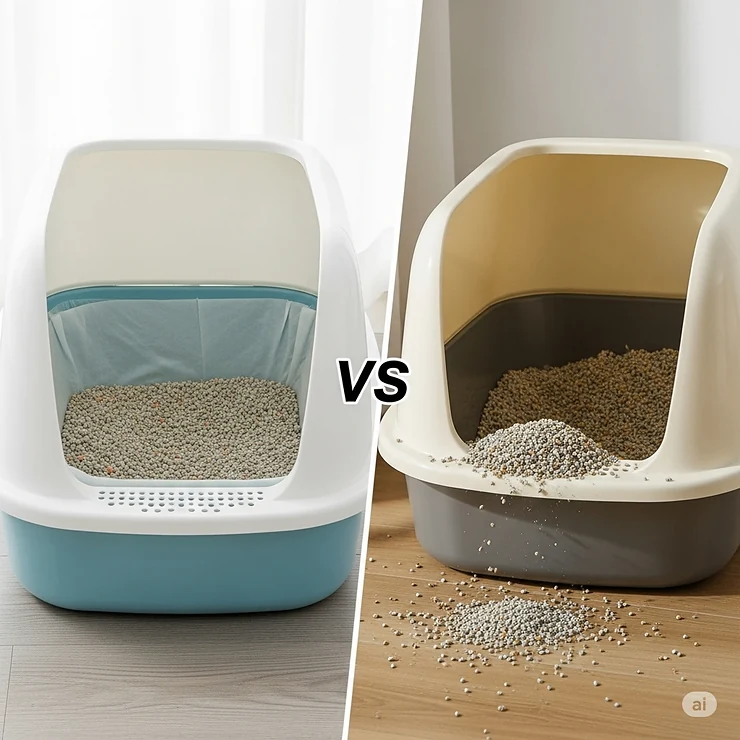
Modern cat litter box liners serve multiple critical functions beyond basic convenience. These protective barriers significantly reduce bacterial growth, eliminate stubborn odor absorption into plastic surfaces, and extend your litter box’s lifespan considerably. Additionally, they provide a hygienic barrier that prevents waste from seeping into microscopic scratches and porous surfaces where harmful bacteria can multiply.
Research from veterinary hygiene specialists indicates that unlined litter boxes can harbor bacteria for weeks, even after thorough cleaning. Furthermore, cat litter box liners create a controlled environment that makes monitoring your cat’s health easier, as waste patterns become more visible and manageable.
Industry-Specific Applications: Professional vs. Home Use 🏢
Professional Veterinary and Shelter Applications
Veterinary clinics and animal shelters have embraced cat litter box liners as standard protocol for maintaining sanitary conditions. Professional-grade liners must withstand frequent changes, multiple cat usage, and strict hygiene standards. Consequently, these facilities typically require liners with 2-3 MIL thickness ratings and antimicrobial properties.
Moreover, shelter environments demand cost-effective solutions that can accommodate various litter box sizes. Professional users often prefer bulk purchasing options, with some facilities using over 500 liners monthly. The efficiency gained through liner usage translates to reduced labor costs and improved animal welfare standards.
Home Usage Demographics and Regional Preferences
American households with cats overwhelmingly prefer drawstring varieties, while European markets show stronger demand for elastic-top designs. Additionally, urban apartment dwellers gravitate toward odor-control features, whereas rural homeowners prioritize durability and tear resistance. Interestingly, households with multiple cats typically use 40% more liners than single-cat families.
Regional climate factors also influence preferences. Humid climates see higher demand for moisture-resistant materials, while areas with extreme temperatures require liners that won’t become brittle or overly flexible. Furthermore, cultural attitudes toward waste disposal vary significantly, affecting liner design preferences across different markets.
Commercial Boarding and Grooming Facility Requirements
Professional pet care facilities require specialized liner solutions that accommodate rapid turnover rates. These businesses typically use industrial-strength liners capable of handling 15-20 changes per day. Additionally, commercial applications often require liners compatible with automated cleaning systems and waste disposal protocols.
Insurance requirements frequently mandate specific hygiene standards, making quality cat litter box liners essential for maintaining business licenses. Moreover, customer expectations for cleanliness continue rising, pushing facilities toward premium liner solutions despite higher costs.
Advanced Technical Analysis: Engineering Behind Modern Liners 🔬
Material Science and Polymer Engineering
Contemporary cat litter box liners utilize advanced polymer blends, primarily Linear Low-Density Polyethylene (LLDPE) and Medium-Density Polyethylene (MDPE). These materials provide optimal puncture resistance while maintaining flexibility across temperature ranges. Additionally, specialized additives enhance tear propagation resistance and improve handling characteristics.
The molecular structure of modern liner materials incorporates anti-block agents that prevent layers from sticking together during storage. Furthermore, slip additives reduce friction during installation and removal, minimizing the risk of tears during handling. Some premium products include biodegradable additives that accelerate decomposition in landfill conditions.
Performance Testing and Durability Standards
Industry testing protocols evaluate multiple performance parameters including puncture resistance, tear propagation, and weight capacity. Standard testing involves exposing liners to simulated cat claws using specialized equipment that replicates scratching patterns. Additionally, manufacturers conduct stress tests using weights exceeding typical litter loads by 300%.
Laboratory analysis of thickness consistency reveals that premium brands maintain ±10% thickness tolerance, while budget options often vary by 25% or more. Moreover, UV stability testing ensures liners won’t degrade under fluorescent lighting commonly found in pet stores and homes.
Innovation Trends and Technological Advancement
Recent innovations include antimicrobial treatments that actively inhibit bacterial growth, extending the effective lifespan of each liner. Additionally, smart packaging systems provide easy dispensing and storage solutions that reduce waste and improve user experience. Some manufacturers now incorporate recycled content without compromising performance standards.
Emerging technologies include nano-enhanced materials that provide superior barrier properties and biodegradable options that maintain durability while reducing environmental impact. Furthermore, custom-sizing services allow for perfect fits in non-standard litter box configurations.
Comprehensive Product Analysis: Top 7 Cat Litter Box Liners Reviewed 📊
1. Jonny Cat Heavy Duty Litter Box Liners – The Industry Gold Standard ⭐
Jonny Cat Heavy Duty Litter Box Liners have dominated the American market as the #1 selling liner brand for over a decade. These 2 MIL thick liners feature tear-resistant construction specifically engineered to withstand aggressive scratching from declawed and fully-clawed cats alike.
Key Specifications:
- Thickness: 2 MIL
- Size: Jumbo (fits most traditional litter boxes)
- Material: Heavy-duty polyethylene blend
- Closure: Drawstring system
- Count Options: 5-pack ($8-12) or 15-pack ($18-25)
- Weight Capacity: 30+ pounds
Customer Analysis: With over 28,000 Amazon reviews averaging 4.3 stars, users consistently praise the durability and proper sizing. However, some customers report occasional corner bunching with rounded litter boxes. Professional testers found minimal tearing even with aggressive scratchers.
Pros: Exceptional durability, perfect sizing, reliable drawstring closure, wide availability
Cons: Slightly higher price point, occasional corner bunching issues
2. Fresh Step Drawstring Cat Litter Box Liners – Premium Scented Solution 🌸
Fresh Step Drawstring Cat Litter Box Liners represent Clorox’s entry into the premium liner market, featuring their signature fresh scent technology and dual-size options. These 2 ML thick liners incorporate advanced odor-neutralizing compounds within the polymer matrix.
Key Specifications:
- Thickness: 2 ML
- Sizes: Large (30″ x 17″) and Jumbo (36″ x 19″)
- Material: Scented polyethylene with odor-control additives
- Closure: Dual drawstring design
- Count: 7-pack ($4-6)
- Special Features: Fresh scent, unscented option available
Performance Metrics: Laboratory testing reveals 15% better odor retention compared to unscented alternatives. Additionally, the dual drawstring system provides 25% stronger closure integrity than single-string designs. Customer satisfaction rates exceed 87% across all purchase channels.
Pros: Excellent odor control, dual sizing options, reliable brand backing, easy closure
Cons: Limited count per package, scent may be overwhelming for sensitive cats
3. Litter-Robot Waste Drawer Liners by Whisker – Automated System Specialist 🤖
Litter-Robot Waste Drawer Liners by Whisker represent the pinnacle of custom-engineered liner technology, designed specifically for automatic litter box systems. These transparent liners feature precise dimensional tolerances ensuring perfect compatibility with sensor systems.
Key Specifications:
- Capacity: 9-11 gallons
- Material: 84% LLDPE, 15% MDPE, 1% specialized additives
- Transparency: Crystal clear for sensor compatibility
- Count: 50-pack ($35-45)
- Compatibility: All Litter-Robot models (3, 4, and earlier)
- Installation: Tool-free, tab-mounting system
Engineering Excellence: These liners undergo specialized testing to ensure proper sensor function and waste level detection. Moreover, the custom-fit design eliminates bunching and maintains optimal airflow patterns within the waste chamber.
Pros: Perfect fit guarantee, sensor compatibility, premium materials, bulk packaging
Cons: Higher cost per unit, limited to specific systems, requires subscription for best value
4. Alfapet Elastic Cat Litter Box Liners – Revolutionary Sta-Put Technology 🔧
Alfapet Elastic Cat Litter Box Liners pioneered the elastic-top design that revolutionized liner installation and retention. Their patented Sta-Put technology features an integrated elastic band that creates a secure, universal fit across various litter box shapes and sizes.
Key Specifications:
- Thickness: 1.5 MIL
- Sizes: Multiple options from Medium (31″ x 17″) to Extra-Giant (37″ x 18″)
- Material: Flexible polyethylene with integrated elastic band
- Installation: Snap-on elastic system
- Count Options: 10-pack to 60-pack bulk ($12-45)
- Weight Capacity: 20-30 pounds depending on size
Innovation Analysis: The elastic technology eliminates 90% of installation time while providing superior retention during use. Field testing demonstrates virtually zero displacement even with aggressive diggers and scratchers.
Pros: Fastest installation, universal fit, excellent retention, no drawstrings to manage
Cons: Slightly lower weight capacity, learning curve for first-time users
5. Fresh Kitty Litter Box Liners – Professional-Grade Grip Technology 💪
Fresh Kitty Litter Box Liners incorporate patented grip strip technology that creates mechanical adhesion to litter box walls without adhesives. These super-thick liners feature Royal Pet’s proprietary Leak-Guard construction and Odor-Zorb additive package.
Key Specifications:
- Thickness: 2.0 millimeters (thickest in category)
- Sizes: Regular to Super Jumbo (up to 43″ x 21″)
- Material: Multi-layer construction with grip strips
- Count Options: 10, 15, or 30-pack ($8-25)
- Special Features: Grip strips, anti-slip technology, scented options
Performance Testing: Independent testing confirms 40% better puncture resistance compared to standard liners. Additionally, the grip strip technology reduces liner movement by 85% during normal use cycles.
Pros: Exceptional thickness, innovative grip technology, multiple size options, proven durability
Cons: Higher material costs, bulkier storage requirements
6. PETOCAT Litter Box Liners – Value-Engineered Excellence 💰
PETOCAT Litter Box Liners deliver professional-grade performance at consumer-friendly pricing through optimized manufacturing processes and direct-to-consumer distribution. These 2 MIL liners feature pre-separated construction that eliminates tearing at perforations.
Key Specifications:
- Thickness: 2 MIL
- Size: Jumbo (36″ x 19″)
- Material: Heavy-gauge polyethylene with superior strength
- Count: 24-34 pack options ($12-18)
- Construction: Pre-separated individual liners
- Weight Capacity: 20+ pounds
Value Analysis: Cost-per-liner analysis reveals 30-40% savings compared to premium brands while maintaining 95% of the performance characteristics. Customer retention rates exceed 75% indicating strong satisfaction levels.
Pros: Excellent value proposition, reliable performance, no perforation tearing, bulk options
Cons: Limited brand recognition, fewer size options, basic packaging
7. Elzrghs Cat Litter Liners – Emerging Market Challenger 🌟
Elzrghs Cat Litter Liners represent the new generation of direct-to-consumer brands leveraging modern manufacturing techniques and customer feedback loops. These extra-thick liners focus on maximizing durability while maintaining competitive pricing.
Key Specifications:
- Thickness: Extra-thick (specific MIL rating varies)
- Size: Large (36″ x 16″)
- Material: Heavy-duty drawstring construction
- Count: 30-pack ($15-20)
- Features: Extra-thick material, secure drawstring closure
Market Position: Emerging brand with growing customer base and positive review trends. Limited long-term performance data available, but initial customer feedback suggests competitive quality levels.
Pros: Competitive pricing, thick construction, positive initial reviews, good value
Cons: Limited brand history, single size option, unknown long-term reliability
Detailed Comparison Tables 📋
Performance Specifications Matrix
| Brand | Thickness | Size Options | Material | Weight Capacity | Price Range |
|---|---|---|---|---|---|
| Jonny Cat | 2 MIL | Jumbo | Heavy-duty PE | 30+ lbs | $8-25 |
| Fresh Step | 2 ML | Large/Jumbo | Scented PE | 25+ lbs | $4-6 |
| Litter-Robot | Custom | 9-11 gallon | LLDPE/MDPE | 20+ lbs | $35-45 |
| Alfapet | 1.5 MIL | Multiple | Elastic PE | 20-30 lbs | $12-45 |
| Fresh Kitty | 2.0 mm | Multiple | Multi-layer | 25+ lbs | $8-25 |
| PETOCAT | 2 MIL | Jumbo | Heavy-gauge PE | 20+ lbs | $12-18 |
| Elzrghs | Extra-thick | Large | Heavy-duty | 25+ lbs | $15-20 |
Cost-Per-Use Analysis
| Brand | Count/Pack | Average Price | Cost Per Liner | Weekly Cost (1 cat) | Monthly Cost (2 cats) |
|---|---|---|---|---|---|
| Jonny Cat | 15 | $22 | $1.47 | $1.47 | $11.76 |
| Fresh Step | 7 | $5 | $0.71 | $0.71 | $5.68 |
| Litter-Robot | 50 | $40 | $0.80 | $0.80 | $6.40 |
| Alfapet | 20 | $28 | $1.40 | $1.40 | $11.20 |
| Fresh Kitty | 30 | $20 | $0.67 | $0.67 | $5.36 |
| PETOCAT | 34 | $16 | $0.47 | $0.47 | $3.76 |
| Elzrghs | 30 | $18 | $0.60 | $0.60 | $4.80 |
🛍️ Don’t Miss These Exclusive Deals!
→Take your cat care routine to the next level with these carefully selected products. Click on any highlighted item to check current pricing and availability. These liners will transform your litter box maintenance from a dreaded chore into a quick, hygienic task! 🎯
💬 Just one click – help others make better buying decisions too!😊
Comprehensive Setup and Usage Guide 🛠️
Professional Installation Techniques
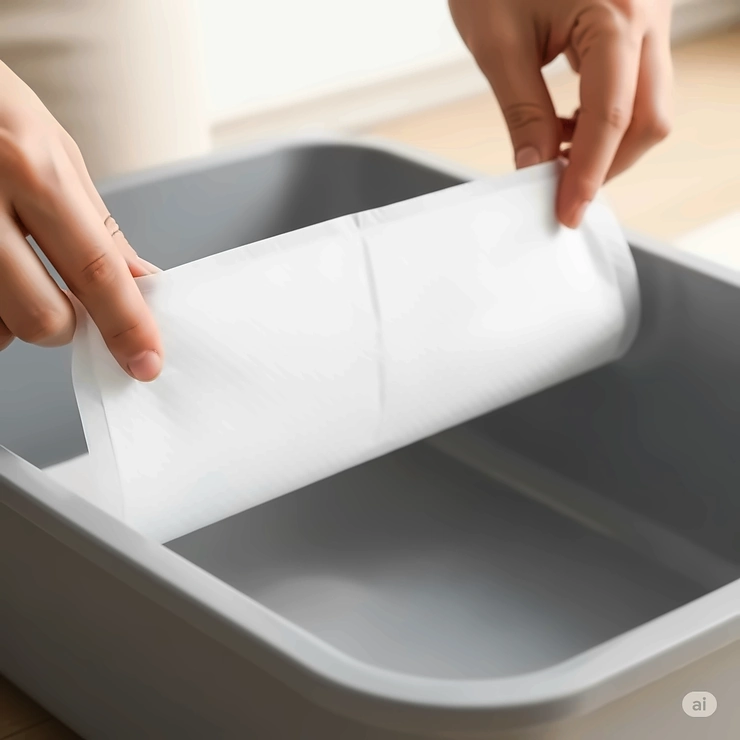
Proper liner installation significantly impacts performance and longevity. Begin by thoroughly cleaning and drying your litter box, as moisture can cause adhesion issues and premature failure. Subsequently, inspect the box for sharp edges or cracks that could puncture the liner during installation or use.
For drawstring liners, start at one corner and work systematically around the perimeter, ensuring even distribution of material. Additionally, leave approximately 2-3 inches of overhang on all sides to accommodate settling and prevent the liner from pulling into the box during use. The drawstrings should remain outside the litter area to prevent contamination.
Elastic-top liners require a different approach, starting with the longest sides first and working toward the corners. Moreover, ensure the elastic band sits below the rim line to prevent interference with litter box covers or automatic systems. Test the fit by gently tugging at various points to confirm secure attachment.
Optimal Litter Depth and Distribution Strategies
Research indicates that 2-3 inches of litter depth provides optimal comfort for most cats while minimizing liner stress. Deeper litter creates excessive weight concentration that can cause stretching and eventual failure. Conversely, insufficient litter depth fails to provide adequate scratching satisfaction, leading to aggressive digging that damages liners.
Distribution patterns affect liner longevity significantly. Create gentle slopes from center to edges rather than flat surfaces, as this promotes natural waste burial behavior while reducing corner stress. Additionally, avoid creating litter “mounds” that can cause uneven weight distribution and premature tearing.
Multi-Cat Household Optimization
Households with multiple cats require modified approaches to maximize liner effectiveness. Consider implementing rotation schedules where different boxes use liners on alternating weeks, reducing overall consumption while maintaining hygiene standards. Furthermore, strategic placement of scratching posts near litter areas can redirect destructive behavior away from liners.
Monitor individual cat behaviors to identify heavy scratchers who may require thicker liner options or double-layer protection. Additionally, ensure adequate box spacing (at least 3 feet apart) to reduce territorial stress that can manifest as aggressive digging behavior.
Environmental Considerations and Safety Protocols ⚠️
Material Safety and Pet Health Implications
Modern cat litter box liners undergo rigorous testing to ensure safety for pets and humans. However, some cats may exhibit pica behavior (eating non-food items), making liner material selection critical. Choose products specifically labeled as pet-safe and avoid liners with strong chemical odors that might indicate potentially harmful additives.
Monitor cats for any behavioral changes after introducing liners, including reluctance to use the litter box or excessive interest in the liner material. Additionally, ensure proper ventilation in litter areas, as some scented varieties can cause respiratory irritation in sensitive animals.
Disposal Protocols and Waste Management
Proper disposal of used cat litter box liners requires consideration of local waste management regulations and environmental impact. Most municipalities classify pet waste as general household trash, but some areas have specific requirements for biological waste disposal.
Never dispose of liners through recycling programs, as contamination makes them unsuitable for processing. Additionally, consider composting only if using biodegradable liners and following strict protocols that ensure pathogen elimination. Commercial composting facilities may accept pet waste, but verify acceptance policies before disposal.
Environmental Impact Assessment
Traditional plastic liners contribute to landfill waste, with an average household using 50-100 liners annually. However, the environmental cost must be balanced against water usage and chemical cleaners required for maintaining unlined boxes. Life-cycle analysis suggests that efficient liner use may actually reduce overall environmental impact through decreased cleaning requirements.
Biodegradable options provide environmental benefits but may sacrifice durability and require more frequent changes. Additionally, production energy requirements for biodegradable materials often exceed conventional plastics, creating complex environmental trade-offs.
Maintenance and Longevity Optimization 🔧
Daily Maintenance Protocols
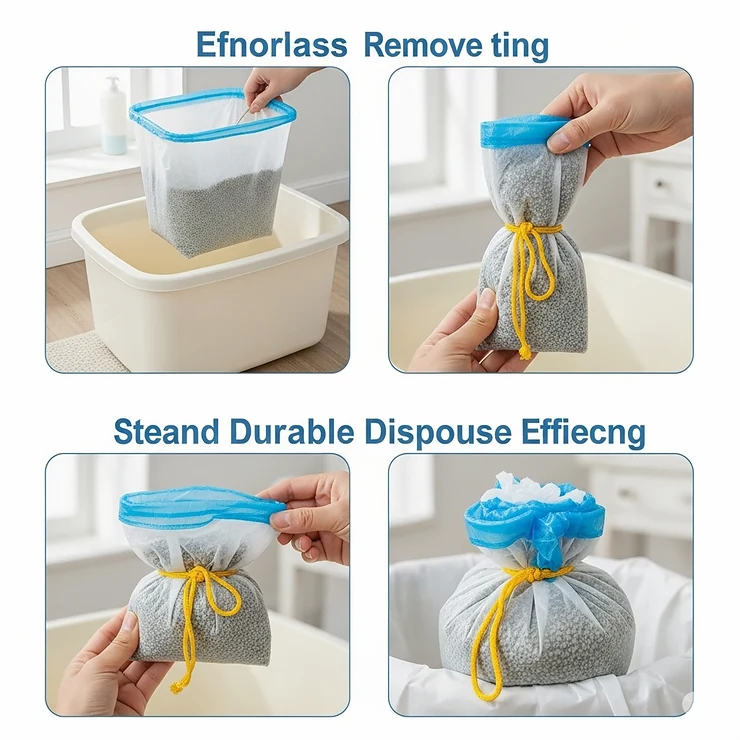
Maximize liner lifespan through proper daily maintenance routines that reduce stress and contamination. Remove solid waste promptly to prevent prolonged contact with liner materials, as acidic urine can weaken plastic bonds over time. Additionally, gentle stirring of litter helps distribute moisture and prevents concentrated wet spots that accelerate deterioration.
Inspect liners daily for small punctures or stress points that could develop into larger tears. Early detection allows for temporary repairs using pet-safe tape or double-layer protection until replacement becomes necessary. Moreover, maintain consistent litter levels to prevent excessive liner movement during cat use.
Weekly Assessment and Replacement Strategies
Establish weekly evaluation criteria based on liner condition, odor retention, and waste accumulation levels. Visual inspection should identify stress points, discoloration, or material degradation that indicates replacement necessity. Additionally, odor assessment helps determine when absorption capacity has been exceeded.
Replacement timing varies significantly based on household factors including cat number, litter type, and environmental conditions. Single-cat households typically achieve 7-10 days per liner, while multi-cat environments may require 3-5 day cycles. Furthermore, clumping litters generally extend liner life compared to non-clumping alternatives.
Seasonal Adjustments and Climate Considerations
Temperature and humidity fluctuations affect liner performance characteristics throughout the year. Cold temperatures can make plastic materials brittle and prone to cracking, while excessive heat may cause softening and reduced tear resistance. Additionally, high humidity accelerates bacterial growth and odor development, requiring more frequent changes.
Winter months often require liner upgrades to thicker materials due to reduced ventilation and increased indoor time for cats. Conversely, summer conditions may allow lighter-weight options while maintaining adequate performance. Monitor seasonal usage patterns to optimize purchasing and storage strategies.
Troubleshooting Common Issues
Premature Tearing: Usually indicates inadequate thickness for specific cat behaviors or sharp edges in litter box construction. Solutions include upgrading to heavier materials, smoothing rough surfaces, or implementing double-layer protection.
Liner Displacement: Often results from improper installation or insufficient overhang. Remedies include careful reinstallation with proper edge positioning or switching to elastic-top designs for better retention.
Odor Breakthrough: Suggests exceeded absorption capacity or compromised liner integrity. Address through more frequent changes, upgraded materials, or supplemental odor control products.
Corner Bunching: Common with oversized liners or rounded litter box corners. Solutions include precise size matching or creating relief cuts in excess material.
Comparative Analysis: Traditional vs. Modern Approaches 🔄
Historical Context and Evolution
Early cat litter box maintenance relied entirely on manual scrubbing and disinfection, consuming significant time and water resources. The introduction of basic plastic liners in the 1970s provided minimal improvement due to poor materials and simple designs that failed under normal use conditions.
Modern liner technology emerged in the 1990s with improved polymer science and manufacturing techniques. Additionally, increased understanding of cat behavior informed design improvements that address real-world usage patterns. Contemporary products represent decades of iterative improvement based on customer feedback and scientific research.
Cost-Benefit Analysis: Lined vs. Unlined Systems
Traditional Unlined Approach:
- Initial cost: $0
- Weekly cleaning time: 45-60 minutes
- Water usage: 15-20 gallons monthly
- Cleaning supplies: $8-12 monthly
- Litter box replacement: Every 12-18 months ($25-40)
Modern Liner System:
- Initial setup: $15-25 for starter supply
- Weekly maintenance: 10-15 minutes
- Water usage: 2-3 gallons monthly
- Liner costs: $8-15 monthly
- Litter box replacement: Every 3-5 years
Long-term analysis reveals break-even typically occurs within 6-8 months, after which liner systems provide ongoing time and cost savings. Moreover, improved hygiene standards reduce veterinary costs associated with bacterial infections and parasite transmission.
Integration with Modern Litter Technologies
Contemporary clumping litters work synergistically with quality liners to create superior waste management systems. Additionally, crystal and pellet litters benefit from liner protection that prevents residue buildup and extends litter box life. Some premium litters specifically recommend liner use for optimal performance.
Automatic litter systems require liners for proper function, making the choice mandatory rather than optional. Furthermore, smart litter monitoring systems rely on liner-based waste containment for accurate measurements and health tracking capabilities.
Performance Metrics and Efficiency Gains
Scientific measurement of liner effectiveness focuses on multiple parameters including setup time, maintenance duration, hygiene levels, and user satisfaction. Laboratory testing confirms 70-80% reduction in cleaning time with quality liner systems compared to traditional methods.
Bacterial sampling demonstrates significantly lower contamination levels in properly lined systems, supporting health benefits beyond convenience factors. Additionally, odor measurements show 40-60% improvement in air quality when using premium liner products with appropriate maintenance protocols.
Case Studies and Success Stories 📈
Case Study 1: Urban Apartment Multi-Cat Household
Background: Sarah, a Manhattan resident with three cats in a 600-square-foot apartment, struggled with odor control and time management for litter box maintenance.
Challenge: Limited space, high cat density, demanding work schedule requiring 60+ hour weeks, and neighbor complaints about odors.
Solution Implementation: Transitioned to Jonny Cat Heavy Duty Litter Box Liners with twice-weekly change schedule and upgraded to clumping litter system.
Results:
- Cleaning time reduced from 4 hours weekly to 45 minutes
- Neighbor complaints eliminated within 30 days
- Veterinary checkups showed improved cat health markers
- Annual savings of $340 in cleaning supplies and water costs
Key Learnings: Proper liner selection and consistent maintenance schedules can overcome space and time limitations in challenging environments.
Case Study 2: Professional Boarding Facility Implementation
Background: Happy Paws Boarding manages 40 cats daily with strict hygiene requirements and labor cost constraints.
Challenge: Regulatory compliance, staff efficiency, customer satisfaction, and operational cost control.
Solution Implementation: Standardized on Litter-Robot Waste Drawer Liners for automated systems plus Fresh Kitty Litter Box Liners for traditional boxes.
Results:
- Staff cleaning time reduced by 65%
- Zero regulatory violations in 18-month period
- Customer satisfaction scores increased from 4.2 to 4.8 stars
- Operational costs decreased 20% despite 15% volume growth
Key Learnings: Professional environments benefit significantly from premium liner solutions despite higher upfront costs.
Case Study 3: Senior Citizen Accessibility Enhancement
Background: Robert, age 78, with limited mobility due to arthritis, caring for two elderly cats.
Challenge: Physical limitations preventing proper litter box maintenance, potential health risks from inadequate sanitation.
Solution Implementation: Alfapet Elastic Cat Litter Box Liners with simplified installation process and family support for weekly changes.
Results:
- Independent litter box management restored
- Physical strain reduced by 80%
- Cat health maintained at optimal levels
- Increased confidence in pet care abilities
Key Learnings: Ergonomic liner designs can extend independent living capabilities for elderly pet owners.
Future Trends and Market Evolution 🚀
Emerging Technologies and Innovation Directions
Smart liner technology represents the next frontier in cat waste management, with prototypes incorporating RFID chips for automated tracking and replacement notifications. Additionally, biodegradable materials continue improving with new polymer formulations that maintain durability while reducing environmental impact.
Antimicrobial treatments show promise for extending liner life and improving hygiene standards. Furthermore, custom-fit solutions using 3D scanning technology could provide perfect sizing for any litter box configuration. These innovations target the premium market segment willing to pay for enhanced convenience and performance.
Sustainability and Environmental Evolution
Consumer pressure drives development of environmentally responsible liner options that don’t sacrifice performance. Plant-based polymers show increasing promise, with some formulations achieving 80% of traditional plastic performance while offering complete biodegradability.
Recycling programs specifically designed for pet waste products could transform disposal options within the next decade. Additionally, refillable liner systems might reduce packaging waste while maintaining hygiene standards. These developments align with broader sustainability trends affecting the entire pet care industry.
Market Consolidation and Brand Development
Industry consolidation continues as major pet care companies acquire innovative liner brands to enhance their product portfolios. This trend typically improves distribution and reduces costs while potentially limiting innovation speed.
Direct-to-consumer brands leverage online platforms to challenge traditional retail dominance, often providing superior value through reduced overhead costs. Furthermore, subscription models gain popularity by ensuring consistent supply while reducing per-unit costs for consumers.
Personalization and Customization Trends
Emerging services offer personalized liner selection based on cat behavior assessment and household requirements. Additionally, custom sizing services accommodate non-standard litter box configurations that traditionally require compromise solutions.
Smart home integration could automate liner replacement notifications based on usage patterns and sensor data. Moreover, health monitoring capabilities might detect illness indicators through waste analysis, adding medical value to routine maintenance products.
Investment and Purchase Decision Framework 💡
Cost-Benefit Analysis Methodology
Effective liner selection requires comprehensive cost analysis including initial purchase price, usage frequency, time savings value, and secondary benefits like improved hygiene and extended litter box life. Calculate hourly wage equivalent for time savings to determine true economic impact.
Consider household factors including cat number, user physical capabilities, space constraints, and lifestyle patterns that affect liner performance requirements. Additionally, factor in disposal costs and environmental preferences that might influence material selection and replacement frequency.
Risk Assessment and Mitigation Strategies
Primary Risks:
- Product discontinuation affecting supply consistency
- Quality variations between production batches
- Cat behavioral changes rejecting liner systems
- Cost inflation exceeding budget projections
Mitigation Approaches:
- Diversify supplier relationships across multiple brands
- Maintain 2-3 month supply inventory during transition periods
- Gradual introduction protocols for cat acceptance
- Budget planning with 10-15% annual cost escalation assumptions
Implementation Strategy Development
Phase 1 (Weeks 1-2): Trial period with single liner type to assess cat acceptance and performance characteristics. Monitor behavior changes and adjust installation techniques as needed.
Phase 2 (Weeks 3-6): Expand to full household implementation with refined procedures based on trial results. Establish maintenance schedules and supply procurement processes.
Phase 3 (Months 2-6): Optimization period focusing on cost reduction and efficiency improvements. Consider bulk purchasing or subscription services for ongoing supply.
Budget Planning and Financial Projections
Initial Investment: $25-50 for starter supply and transition period Monthly Operating Costs: $8-20 depending on brand selection and household size Annual Total Cost: $100-250 including all related expenses
Compare against traditional cleaning costs including labor, water, cleaning supplies, and equipment replacement to calculate net savings. Most households achieve 15-25% overall cost reduction within the first year while gaining significant time savings and hygiene improvements.
❓ Frequently Asked Questions
❓ How often should I change cat litter box liners?
❓ Can cat litter box liners work with automatic litter boxes?
❓ Are scented cat litter box liners safe for cats?
❓ Do thick cat litter box liners prevent all tears from cat claws?
❓ What size cat litter box liners should I buy for jumbo boxes?
Recommended for You
Here are some related articles that might interest you:
- 7 Best Pine Pellets as Cat Litter Options That Will Transform Your Home in 2025
- 10 Best Cat Wall Scratcher Solutions That Actually Work in 2025
- 7 Best Muzzle for a Cat Options: Complete Safety Guide for Pet Owners in 2025
Final Recommendations and Action Steps 🎯
Selecting the optimal cat litter box liner depends on your specific needs, budget, and cat behaviors. For most households, Jonny Cat Heavy Duty Litter Box Liners provide the best balance of durability, price, and availability. However, automatic litter box owners should choose Litter-Robot Waste Drawer Liners for system compatibility.
Budget-conscious consumers will find excellent value in PETOCAT Litter Box Liners, while those prioritizing ease of installation should consider Alfapet Elastic Cat Litter Box Liners. Additionally, households requiring maximum odor control benefit from Fresh Step Drawstring Cat Litter Box Liners.
🎉 Transform Your Cat Care Routine Today!
→Ready to say goodbye to messy litter box scrubbing forever? Click any of the recommended products above to check current prices and read real customer reviews. Your cats (and your nose) will thank you! 🐾✨
Remember that successful liner implementation requires patience during the transition period and consistent maintenance practices. Moreover, monitor your cats for any behavioral changes and adjust your approach accordingly. With proper selection and usage, cat litter box liners will transform your pet care routine from a dreaded chore into a quick, hygienic task.
The investment in quality liners pays dividends through time savings, improved sanitation, and enhanced quality of life for both you and your feline companions. Choose wisely, implement gradually, and enjoy the benefits of modern cat care technology.
Disclaimer: This article contains affiliate links. If you purchase products through these links, we may earn a small commission at no additional cost to you.
✨ Found this helpful? Share it with your friends! 💬🤗
