
Table of Contents
Let me tell you something every cat parent learns the hard way – your kitty might be a grooming ninja, but they still need your help! 🐱
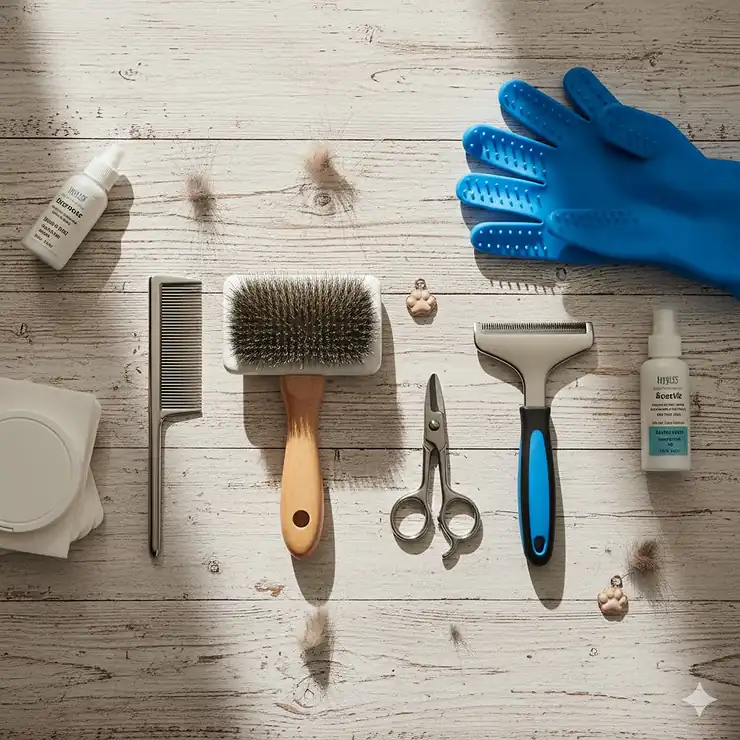
While cats spend nearly 50% of their waking hours grooming themselves, they can’t reach everywhere or remove all that pesky undercoat. That’s where quality cat grooming tools come in. Regular grooming reduces shedding by up to 90%, prevents painful mats, minimizes hairballs, and gives you the perfect opportunity to check for skin issues, fleas, or lumps that might need veterinary attention.
The right grooming tools transform a messy chore into a bonding experience your cat will actually enjoy. Whether you’re dealing with a long-haired Persian who attracts dust bunnies like magnets or a short-haired tabby who sheds year-round, proper equipment makes all the difference. Plus, grooming stimulates blood circulation, distributes natural oils for a shinier coat, and helps reduce allergens in your home – win-win-win!
Quick Comparison Table: Top 7 Cat Grooming Tools at a Glance
| Product | Type | Best For | Price Range | Rating |
|---|---|---|---|---|
| ChomChom Roller | Hair Remover | Furniture cleaning | $20-$25 | 4.8/5 |
| Hertzko Self-Cleaning Brush | Slicker Brush | Daily brushing | $15-$20 | 4.7/5 |
| Casfuy Nail Grinder | Electric Grinder | Nail maintenance | $25-$30 | 4.6/5 |
| FURminator deShedding Tool | Undercoat Rake | Heavy shedders | $30-$45 | 4.8/5 |
| Safari Professional Trimmer | Nail Clippers | Precision trimming | $8-$13 | 4.7/5 |
| Pet Grooming Glove | Massage Glove | Sensitive cats | $10-$15 | 4.5/5 |
| Brillirare Flea Comb | Fine-Tooth Comb | Flea detection | $6-$12 | 4.6/5 |
💬 Just one click – help others make better buying decisions too! 😊
Top 7 Cat Grooming Tools: Expert Analysis & Reviews
1. ChomChom Roller Pet Hair Remover – Best for Furniture & Fabric
Price: $20-25 | Model: 2323445
The ChomChom Roller Pet Hair Remover is Amazon’s bestselling hair removal tool for good reason. This reusable lint roller works like magic on couches, beds, carpets, and clothing without requiring batteries or sticky tape refills.
Key Specifications:
- Reusable electrostatic design
- Built-in fur collection chamber
- Works on all fabric types
- Dimensions: 0.45 lbs, compact design
Customer Feedback: Users rave about its effectiveness, with one cat owner noting it removed stubborn hair in seconds where vacuum cleaners failed. The ChomChom works by creating an electrostatic charge that lifts embedded fur from fabrics – no more wasting money on disposable lint roller refills!
✅ Pros:
- 100% reusable – eco-friendly and economical
- No batteries or power source needed
- Easy-to-empty collection chamber
❌ Cons:
- Small coverage area per stroke (about 4-8 inches)
- Less effective on delicate fabrics
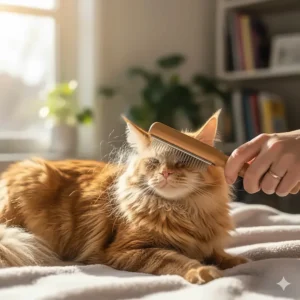
2. Hertzko Self Cleaning Slicker Brush – Best for Daily Brushing
Price: $15-20
The Hertzko Self Cleaning Slicker Brush is a game-changer for cat parents who dread cleaning brushes. This purple-handled brush features fine wire bristles that gently remove loose fur, tangles, and mats without scratching your cat’s sensitive skin.
Key Specifications:
- Push-button bristle retraction
- Angled stainless steel bristles
- Ergonomic comfort-grip handle
- Suitable for all coat types
Customer Feedback: Veterinary professionals and groomers recommend this brush for its gentle yet effective performance. Cat owners report their felines tolerate grooming sessions much better compared to traditional brushes. One reviewer mentioned removing enough fur to “make another cat” during shedding season!
✅ Pros:
- Self-cleaning button releases trapped fur instantly
- Massages skin while removing loose hair
- Comfortable for extended grooming sessions
❌ Cons:
- Some cats initially resist the wire bristles
- Smaller size may not suit very large cats
3. Casfuy Dog Nail Grinder – Best Electric Nail Care Tool
Price: $25-30 | Model: Multiple variants available
Don’t let the name fool you – the Casfuy Dog Nail Grinder works brilliantly for cats! This rechargeable electric grinder features 2-speed settings, LED lights, and operates at whisper-quiet levels under 50dB, making it perfect for anxious felines.
Key Specifications:
- 2-speed motor (up to 12,000 RPM)
- 2 LED lights for precision
- USB rechargeable (2-hour battery life)
- 3 grinding ports for different nail sizes
Customer Feedback: Cat parents appreciate the quiet operation and built-in LED lights that illuminate the quick (blood vessel) to prevent over-grinding. One customer successfully transitioned their clipper-phobic cat to this grinder with treats and patience. The diamond drum bit provides smooth, professional-quality results.
✅ Pros:
- Ultra-quiet design reduces pet anxiety
- LED lights prevent accidental quick injuries
- Rechargeable battery lasts multiple sessions
❌ Cons:
- Requires acclimation period for nervous cats
- Takes longer than traditional clippers
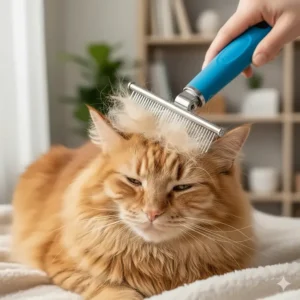
4. FURminator deShedding Tool – Best for Heavy Shedders
Price: $30-45 | Available in: Short hair/Long hair variants
The FURminator deShedding Tool is the gold standard for undercoat removal. This professional-grade tool reduces shedding by up to 90% and helps prevent hairballs by reaching deep into your cat’s undercoat without damaging the topcoat.
Key Specifications:
- Stainless steel deShedding edge
- FURejector button releases hair
- Available for cats under/over 10 lbs
- Ergonomic handle with SkinGuard technology
Customer Feedback: Veterinarians and professional groomers consistently recommend FURminator tools. Cat owners are amazed by the volume of undercoat removed – expect impressive piles of fur! The curved edge conforms to your cat’s body shape for comfortable grooming. Use weekly during shedding seasons for best results.
✅ Pros:
- Clinically proven to reduce shedding up to 90%
- Helps prevent hairball formation
- Durable construction with money-back guarantee
❌ Cons:
- Higher price point than basic brushes
- Not suitable for cats without undercoats (like Siamese)
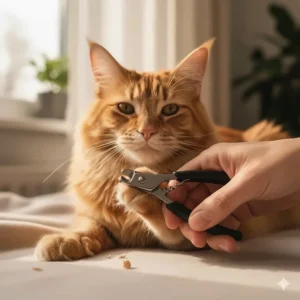
5. Safari Professional Nail Trimmer – Best Traditional Clippers
Price: $8-13
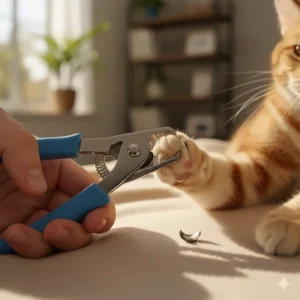
The Safari Professional Nail Trimmer offers veterinarian-quality nail care at an affordable price. These stainless steel scissor-style clippers feature sharp blades that make clean cuts without crushing nails.
Key Specifications:
- Premium stainless steel blades
- Safety stop prevents over-cutting
- Ergonomic rubber-grip handles
- Suitable for cats and small pets
Customer Feedback: Many veterinary technicians use these exact clippers in their clinics. Cat owners appreciate the precision and durability – these clippers stay sharp even after years of use. The safety guard helps prevent cutting the quick, though some users remove it for better visibility on black nails.
✅ Pros:
- Professional-grade quality at budget price
- Sharp blades cut cleanly without splitting nails
- Comfortable grip reduces hand fatigue
❌ Cons:
- Some users find the handles slightly small
- Safety stop may obstruct view on darker nails
6. Pet Grooming Glove – Best for Sensitive Cats
Price: $10-15 | Available: Left/Right-hand options
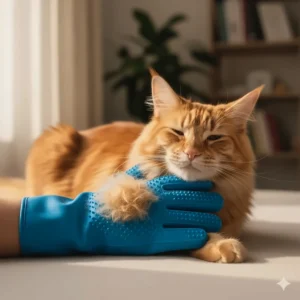
The Pet Grooming Glove transforms petting into grooming! This innovative glove features 255+ silicone tips that gently remove loose fur while providing a massage your cat will love. Perfect for felines who hate traditional brushes.
Key Specifications:
- Enhanced 255 silicone grooming tips
- Adjustable Velcro wrist strap
- Breathable mesh backing
- Machine washable
Customer Feedback: Cat parents report this glove is a lifesaver for brush-phobic cats. The five-finger design reaches hard-to-groom areas like the face, tail, and under the chin. It’s also fantastic during bath time – the silicone tips create lather while removing loose fur simultaneously.
✅ Pros:
- Cats perceive it as petting, not grooming
- Versatile for both dry brushing and bathing
- Easy to clean – just rinse and air dry
❌ Cons:
- Collects less fur than traditional brushes
- May need multiple passes for thick undercoats
7. Brillirare Flea Lice Comb – Best for Parasite Detection
Price: $6-12 | Pack: 4-piece set
The Brillirare Flea Lice Comb set includes four different combs with rounded stainless steel teeth perfect for detecting fleas, removing tear stains, and detangling facial fur. An essential tool for maintaining your cat’s hygiene.
Key Specifications:
- 4 combs (varied tooth spacing)
- Rounded teeth prevent skin scratching
- Stainless steel construction
- Ergonomic ABS plastic grip
Customer Feedback: Foster cat parents and rescue volunteers swear by these combs for flea detection and removal. The fine teeth effectively trap flea dirt and debris. Groomers also use these combs around delicate areas like eyes and ears. Easy to sanitize between uses – just wash with soap and water.
✅ Pros:
- Affordable 4-piece set covers all needs
- Rounded teeth ensure gentle grooming
- Durable stainless steel won’t rust
❌ Cons:
- Small size requires more time for full-body combing
- Less effective for removing large amounts of loose fur
Essential Cat Grooming Tools: What Every Cat Parent Needs
Building your cat grooming toolkit doesn’t have to break the bank! Here’s what should be in every cat parent’s arsenal:
Core Essentials 🎯
- Slicker brush or grooming glove for regular brushing
- Nail clippers or grinder for monthly maintenance
- Flea comb for parasite checks
- Deshedding tool (if your cat has an undercoat)
Nice-to-Have Additions ⚡
- Hair removal roller for furniture
- Stainless steel comb for detangling
- Grooming scissors for mat removal
- Cat-safe shampoo for occasional baths
According to veterinary experts, regular grooming at home complements professional services while strengthening your bond with your cat. The American Veterinary Medical Association recommends weekly brushing for short-haired cats and daily brushing for long-haired breeds.
How to Choose the Right Cat Grooming Tools for Your Feline
Step 1: Assess Your Cat’s Coat Type
Not all cats are created equal! Persian longhairs need different tools than sleek Siamese. Short-haired cats (under 2 inches) do well with rubber brushes and basic slicker brushes. Long-haired cats (over 2 inches) require pin brushes, wide-tooth combs, and deshedding tools. Double-coated breeds like Maine Coons need undercoat rakes to prevent matting.
Step 2: Consider Your Cat’s Temperament
Does your cat purr during grooming or does it turn into a tiny tiger? For relaxed cats, you have flexibility in tool selection. Anxious or aggressive cats respond better to grooming gloves, soft brushes, and gradual desensitization. Never force grooming – start with short 2-3 minute sessions and gradually increase duration.
Step 3: Identify Problem Areas
Heavy shedders benefit most from FURminator-style deshedding tools. Cats with matting issues need detangling combs and mat splitters. Hairball-prone cats require daily brushing to reduce ingested fur. Cats with tear stains around eyes need fine-tooth combs for gentle cleaning.
Step 4: Budget Appropriately
Quality grooming tools last years and save money on professional grooming. Budget $50-100 for a complete starter kit. Prioritize essentials first: one good brush ($15-20), nail care tool ($10-30), and flea comb ($5-10). Add specialized tools as needed.
Step 5: Check Safety Features
Look for rounded bristle tips that won’t scratch skin. Ensure nail clippers have safety guards. Verify electric grinders operate quietly (under 60dB). Choose ergonomic handles that prevent hand fatigue during longer sessions.
Step 6: Read Customer Reviews
Real-world feedback reveals how tools perform with actual cats. Look for patterns in reviews – if multiple people mention “cats love it” or “works on anxious cats,” that’s valuable intel!
Step 7: Consult Your Veterinarian
Your vet knows your cat’s specific needs. Some cats with skin conditions require special brushes. Others with arthritis may need more frequent grooming assistance. Always ask for tool recommendations during wellness visits.
Cat Grooming Benefits: Why Regular Maintenance Matters
Health Benefits That Go Beyond Good Looks 💚
Proper grooming isn’t just vanity – it’s vital healthcare. Brushing distributes natural oils throughout your cat’s coat, creating that enviable shine while promoting healthy skin. Regular grooming sessions allow early detection of skin abnormalities, lumps, or parasites that might otherwise hide under fur.
According to the American Veterinary Medical Association, routine grooming significantly reduces hairball formation since less loose fur gets ingested during self-grooming. This is especially crucial for long-haired breeds prone to intestinal blockages.
Preventing Painful Mats and Tangles
Mats aren’t just unsightly – they’re painful and potentially dangerous. Dense mats restrict airflow to skin, creating breeding grounds for bacteria and causing skin irritation or infection. Mats around armpits can tear skin when your cat moves. Prevention through regular brushing takes 5 minutes daily but saves your cat considerable discomfort.
Reducing Allergens in Your Home
Cat allergies aren’t actually caused by fur – they’re triggered by a protein in cat saliva, dander, and urine. However, regular grooming dramatically reduces the amount of dander and loose fur circulating in your home. People with mild cat allergies often find daily brushing makes cohabitation possible!
Strengthening Your Bond
Grooming mimics the social grooming cats give each other – it’s literally how cats show affection. When done correctly, grooming sessions become quality bonding time your cat anticipates. Use treats, soothing voice, and gentle touch to create positive associations.
Monitoring Overall Health
Veterinarians emphasize that a cat’s coat reflects their overall health status. Dull, greasy, or thinning fur can signal nutritional deficiencies, hormonal imbalances, or underlying illness. Regular grooming helps you notice changes quickly so you can seek veterinary care promptly.
Cat Grooming Frequency: How Often Should You Groom?
Short-Haired Cats 🐈
Brush 1-2 times weekly to remove loose fur and distribute skin oils. During spring and fall shedding seasons, increase to 3-4 times weekly. Trim nails every 2-3 weeks. Check ears and teeth weekly.
Long-Haired Cats 🦁
Daily brushing prevents mats and tangles – no exceptions! Long-haired breeds like Persians, Maine Coons, and Ragdolls develop mats quickly. Trim nails every 2-3 weeks. Professional grooming every 6-8 weeks helps manage coat length.
Senior Cats 👴
Older cats often struggle with self-grooming due to arthritis or obesity. Increase brushing frequency to daily sessions, focusing on hard-to-reach areas like the back and hindquarters. Be extra gentle as senior skin bruises more easily.
Special Considerations
Overweight cats need extra grooming help since they can’t reach all areas. Cats with health conditions may require more or less frequent grooming – always follow your veterinarian’s recommendations. Indoor cats typically shed year-round at moderate levels, while indoor/outdoor cats experience pronounced seasonal sheds.
Professional Cat Grooming vs. DIY: Making the Right Choice
When to Call a Professional 📞
Some situations require professional expertise. Severe matting often needs clipping under sedation to prevent skin injury. Aggressive cats who won’t tolerate home grooming benefit from experienced handlers. First-time cat owners might want professional demonstrations of proper technique.
Professional groomers offer services like lion cuts (shaving for summer comfort), sanitary trims, and specialized deshedding treatments. Budget $50-100 per visit depending on services and your location.
DIY Grooming Advantages 🏠
Home grooming costs pennies per session after initial tool investment. It’s less stressful for many cats who dislike car rides and unfamiliar environments. You maintain control over technique and can accommodate your cat’s preferences. Plus, regular home grooming reduces professional visit frequency to just 2-3 times yearly for nail trims or mats.
The sweet spot? Combine both! Handle daily brushing, weekly checks, and monthly nail maintenance at home. Schedule professional grooming every 3-4 months for full services, especially before summer (shaving long-haired cats) and after winter (removing thick undercoats).
✨ Don’t Miss These Exclusive Deals!
🔍 Take your cat grooming to the next level with these carefully selected products. Click on any highlighted item to check current pricing and availability. These tools will help you create a happier, healthier cat your family will love!
Cat Grooming Tools for Different Coat Types
Short-Haired Cats (Siamese, American Shorthair, British Shorthair)
Short-haired cats have coats under 2 inches long without much undercoat. They benefit from rubber curry brushes, soft bristle brushes, and grooming gloves. Avoid harsh deshedding tools that might irritate skin. Focus on removing loose topcoat hair and stimulating natural oil production.
Recommended Tools:
- Grooming gloves for gentle daily maintenance
- Soft slicker brush for weekly deep cleaning
- Flea comb for facial areas
Long-Haired Cats (Persian, Maine Coon, Ragdoll)
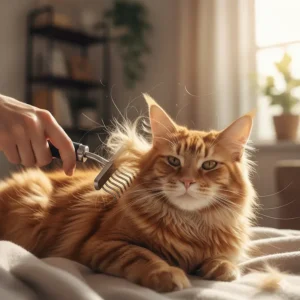
Long-haired beauties require the most intensive grooming. Their silky outer coats and thick undercoats tangle easily. Use wide-tooth combs first to detangle, followed by pin brushes for the topcoat. Finish with undercoat rakes during shedding seasons.
Recommended Tools:
- FURminator or similar deshedding tool
- Wide-tooth steel comb for detangling
- Slicker brush for daily coat maintenance
- Mat splitter for stubborn tangles
Medium-Haired Cats (Norwegian Forest Cat, Siberian)
Medium coats (2-3 inches) need regular attention but not the intensive care of long-haired breeds. Brush 3-4 times weekly with slicker brushes and occasional deshedding. Pay special attention to underarms, behind ears, and the tail base where mats commonly form.
Recommended Tools:
- Self-cleaning slicker brush
- Undercoat rake for seasonal shedding
- Steel comb for spot detangling
Hairless Cats (Sphynx, Peterbald)
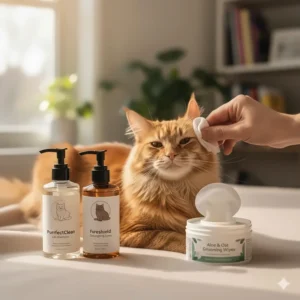
Don’t assume hairless cats need zero grooming! Their skin produces oils without fur to absorb it, requiring weekly baths with cat-safe shampoo. Use soft washcloths for gentle cleaning. Nail trimming is especially important since they lack fur to file nails naturally.
Recommended Tools:
- Soft washcloths
- Cat-safe shampoo
- Nail trimmers for weekly maintenance
- Ear cleaning solution
Common Cat Grooming Mistakes to Avoid
❌ Grooming Too Aggressively
Cats have incredibly thin skin – just 0.02 inches thick! Pressing too hard with brushes or combs causes pain and breaks trust. Always use gentle, flowing strokes in the direction of fur growth. Let the tools do the work.
❌ Neglecting Problem Areas
Mats hide in sneaky spots: behind ears, under armpits, around the tail base, and on the belly. These areas need extra attention during every grooming session. Check them by running your fingers through fur to feel for tangles.
❌ Cutting Mats with Scissors
Never attempt cutting mats with regular scissors! Skin can get caught in tangles, leading to serious injury. Use mat splitters designed for pets or seek professional help. Prevention through regular brushing is always better than mat removal.
❌ Bathing Too Frequently
Most healthy cats rarely need baths – their self-grooming keeps them clean. Over-bathing strips natural oils, causing dry, flaky skin. Unless your cat gets into something sticky or smelly, skip the bath. Long-haired breeds may benefit from quarterly baths, but monthly maximum.
❌ Using the Wrong Tools
Dog brushes often have stiffer bristles unsuitable for cat skin. Human clippers lack the power for thick cat fur. Always purchase tools specifically designed for cats. Check product descriptions carefully before buying.
❌ Ignoring Your Cat’s Stress Signals
Tail thrashing, ear flattening, growling, or attempts to escape signal your cat has reached their limit. Forcing continued grooming damages your relationship and creates negative associations. End sessions on positive notes before stress escalates.
❌ Skipping Regular Maintenance
Inconsistent grooming leads to matting, especially in long-haired cats. Set phone reminders for brushing sessions. Make grooming part of your routine – same time, same place helps cats anticipate and accept the process.
Cat Grooming Tips from Professional Groomers
Start Young: Kittens accept grooming more readily than adult cats. Begin gentle brushing around 8 weeks old, even if they don’t need it yet. Create positive associations with treats and praise.
Create a Grooming Station: Designate a specific spot for grooming sessions. Use a non-slip mat on a table or counter. Good lighting helps you see what you’re doing. Keep all tools within easy reach.
Use the Two-Person Technique: For difficult cats, enlist help. One person gently restrains while the other grooms. This prevents injuries and speeds the process. Never scruff adult cats – it’s stressful and can cause injury.
Master the Burrito Wrap: For nail trimming, wrap your cat in a towel (“purrito”) with just one paw exposed. This prevents scratching while keeping your cat secure and calm. Trim 2-3 nails per session if needed.
Work in Layers: Don’t try tackling everything in one marathon session. Brush Monday, trim nails Wednesday, check ears Friday. Short, positive sessions beat long, stressful ones.
Follow the Fur: Always brush in the direction hair grows, from head toward tail. Brushing backward irritates skin and pulls fur unnecessarily. Use long, gentle strokes.
Time It Right: Groom when your cat is naturally calm – after meals or play sessions. Tired, content cats tolerate grooming much better than energetic or hungry ones.
💬 Frequently Asked Questions About Cat Grooming Tools
❓ How often should I brush my cat to reduce shedding?
❓ Can I use dog grooming tools on my cat?
❓ What's better for cat nails – clippers or grinders?
❓ How do I remove severe mats without hurting my cat?
❓ Do indoor cats need as much grooming as outdoor cats?
Conclusion: Investing in Your Cat’s Health and Happiness
Quality cat grooming tools aren’t expenses – they’re investments in your feline’s health, comfort, and your shared quality of life. The right tools transform grooming from a dreaded chore into a bonding ritual both you and your cat enjoy.
Remember these key takeaways: Choose tools appropriate for your cat’s coat type and temperament. Start grooming sessions young to build positive associations. Maintain consistent schedules rather than waiting for problems. Never force grooming on a stressed cat. And most importantly, make it enjoyable with treats, praise, and patience!
Your cat deserves the best care possible. With the right cat grooming tools in your arsenal and proper technique, you’ll keep your feline friend healthy, comfortable, and looking absolutely fabulous. Those purrs and head bumps during grooming sessions? That’s your cat saying “thanks for caring” in their special language. 🐱💕
Recommended for You
- 7 Best Cat Tunnel Outdoor Options for Safe Adventures 2025
- Bedroom Door with Cat Door: 7 Best Options 2025
- Cat Proof Screen Door: 7 Best Solutions for 2025
Disclaimer: This article contains affiliate links. If you purchase products through these links, we may earn a small commission at no additional cost to you.
✨ Found this helpful? Share it with your friends! 💬🤗
