
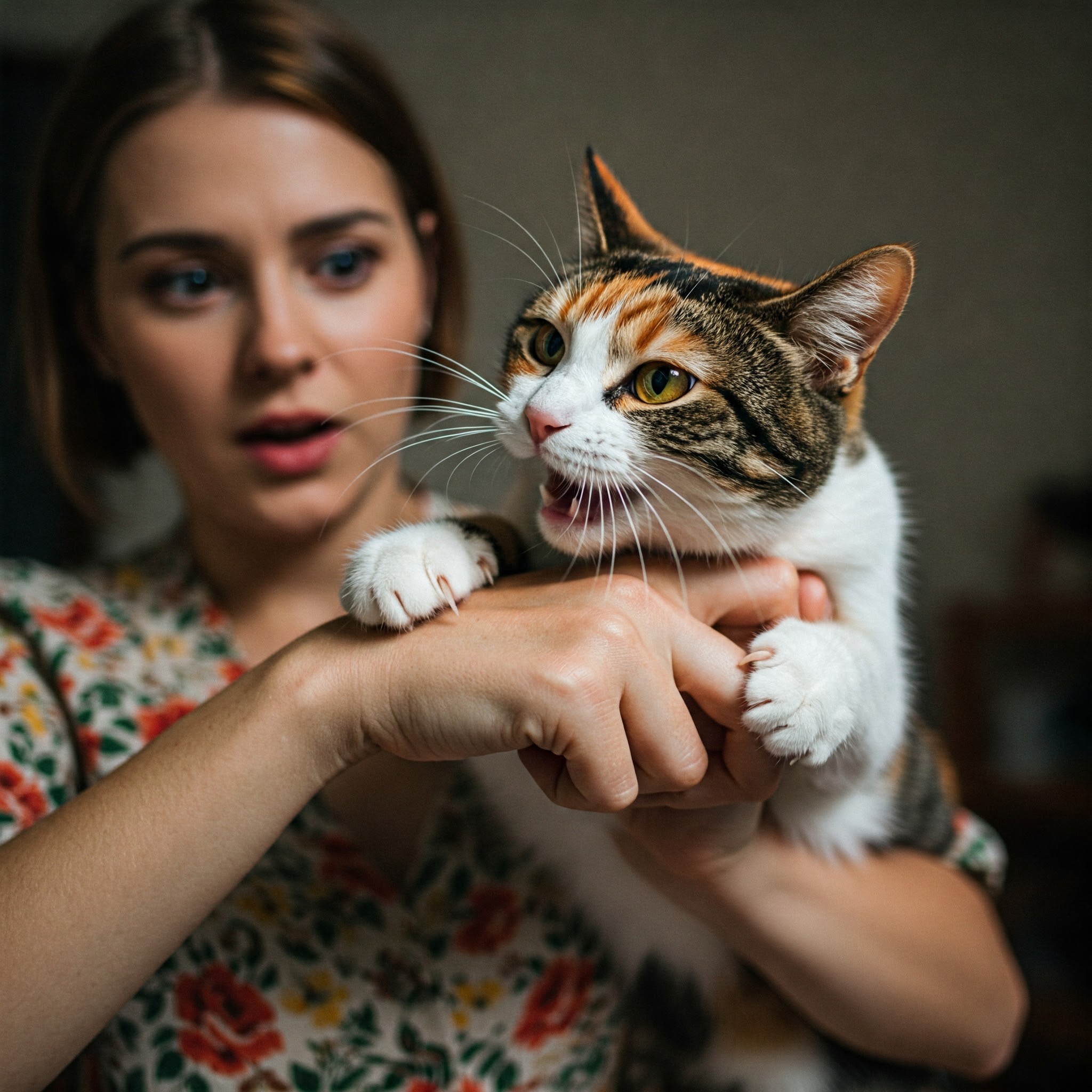
✨ As a cat owner, you’ve likely experienced the frustration of finding your favorite furniture shredded by your feline companion’s sharp claws. Maybe you’ve heard about cat declawing as a potential solution, but is it really the answer to your problems? Before making any decisions about cat declawing, it’s crucial to understand exactly what this procedure entails and the significant impact it can have on your pet’s physical and emotional wellbeing.
Cat declawing has become one of the most debated topics in pet care, especially in the USA where attitudes and laws regarding the procedure have been evolving rapidly. As someone who has spent years studying feline behavior and welfare, I want to provide you with comprehensive, evidence-based information about this controversial practice.
In this article, we’ll explore what cat declawing really means, its potential consequences, legal considerations, and most importantly, the humane alternatives available to help you maintain harmony between your furniture and your feline friend. Whether you’re a new cat parent or considering declawing for an existing pet, this guide will equip you with the knowledge needed to make an informed decision that prioritizes your cat’s health and happiness.

Table of Contents
What Is Cat Declawing? Understanding the Procedure
🔍 Cat declawing, despite its somewhat innocuous name, is not simply the removal of a cat’s claws. In reality, declawing (medically known as onychectomy) is a surgical amputation of the last bone of each toe on a cat’s paw. To put this in human terms, it would be equivalent to cutting off each of your fingers at the last knuckle.
The procedure typically involves:
- ✂️ Surgical removal of the third phalanx (bone) of each toe
- 🩸 Cutting through bone, tendons, nerves, and ligaments
- 🩹 Closing the wounds with surgical glue or stitches
- 💊 Prescribing pain medication for recovery
There are several methods used for cat declawing, each with its own approach:
- Scalpel or blade declawing: The traditional method using a sterile scalpel to disarticulate the joint
- Guillotine clipper declawing: Using a sterilized nail trimmer to cut through the bone
- Laser declawing: Using a laser to remove the third phalanx, which some claim reduces bleeding and pain
The Reality of Recovery
Following cat declawing surgery, cats typically experience:
- 😣 Significant pain lasting days to weeks
- 🚶♂️ Difficulty walking during the healing process
- 🧠 Confusion and distress from the sudden change in their body
- 🦠 Risk of infection and other complications
It’s important to understand that regardless of the method used, cat declawing fundamentally alters your cat’s anatomy and can have lasting consequences on their quality of life.
The Hidden Consequences of Cat Declawing
⚠️ While some might view cat declawing as a simple solution to scratching problems, the procedure comes with numerous potential short and long-term complications:
Physical Complications
- Chronic pain: Studies have shown that many declawed cats suffer from long-term pain, even years after the procedure
- Lameness and back pain: Without their natural toe anatomy, cats often change their gait, leading to muscle strain and back issues
- Regrowth of deformed claws: Incomplete removal of the nail bed can lead to painful regrowth of deformed claws within the paw
- Nerve damage: The procedure can cause lasting nerve damage resulting in ongoing discomfort
- Infection: As with any surgery, there’s risk of bacterial infection during recovery
Behavioral Complications
Cat declawing doesn’t just affect your pet physically—it can lead to significant behavioral changes:
- 🙀 Increased aggression: Without claws as a defense mechanism, some cats resort to biting
- 🚽 Litter box avoidance: Paw pain can make digging in litter uncomfortable, leading to elimination outside the box
- 😰 Increased anxiety and stress: The physical changes and pain can lead to heightened anxiety
- 🏠 Decreased activity: Pain may reduce a cat’s willingness to play, jump, and exercise
As one recent study in the Journal of Feline Medicine and Surgery found, declawed cats were approximately three times more likely to experience back pain and four times more likely to bite than cats with intact claws.
The Legal Landscape: Where Is Cat Declawing Banned?
🏛️ The ethical concerns surrounding cat declawing have led to significant legislative action:
In the United States:
- Statewide bans: New York became the first state to ban cat declawing in 2019, with several others following suit
- City bans: Numerous cities have enacted local bans, including Los Angeles, San Francisco, Denver, and Pittsburgh
- Legislative momentum: Many additional states have legislation pending that would prohibit or restrict the practice
Globally:
- Complete bans: Cat declawing is banned in over 40 countries worldwide, including the United Kingdom, Australia, New Zealand, Germany, and most European nations
- Veterinary ethics: In many countries, professional veterinary organizations consider the procedure unethical except in rare medical circumstances
The American Association of Feline Practitioners opposes declawing as an elective procedure, and the American Veterinary Medical Association discourages it as a solution for behavior problems.
When (If Ever) Is Cat Declawing Medically Necessary?
🩺 While cat declawing is controversial as an elective procedure, there are rare circumstances where it might be medically indicated:
- Cancer or tumors: Removal of malignant tumors in the nail bed may necessitate declawing of the affected digit
- Severe injury: Irreparable damage to the claw or digit might require partial amputation
- Severe infection: Persistent, untreatable infections that threaten the cat’s overall health
It’s important to note that these situations typically involve one or a few claws rather than complete declawing of all toes. True medical necessity for complete declawing is extremely rare.
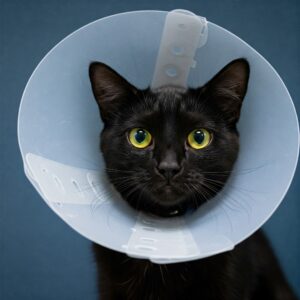
7 Effective Alternatives to Cat Declawing
✅ Fortunately, there are numerous humane alternatives to cat declawing that can protect both your furnishings and your cat’s physical integrity:
1. Regular Nail Trimming
Keeping your cat’s claws properly trimmed can significantly reduce scratching damage. Here’s how to establish a routine:
- 📅 Trim every 2-3 weeks
- ⏱️ Start with short sessions to build tolerance
- 🍪 Use treats and positive reinforcement
- ✂️ Use proper cat nail clippers for safety
For those who find nail trimming challenging, many veterinary clinics and groomers offer this service for a reasonable fee.
2. Nail Caps and Covers
Soft nail caps have become an increasingly popular alternative to cat declawing. These small vinyl caps are glued to your cat’s claws after trimming:
- 🎨 Available in various colors and sizes
- ⏳ Last approximately 4-6 weeks before needing replacement
- 🐱 Allow cats to extend and retract their claws naturally
- 🛡️ Prevent damage while preserving natural behaviors
Soft Paws Cat Nail Caps are one of the most popular options, coming in multiple sizes and colors to suit your cat’s needs. These caps are easy to apply at home with the included adhesive and application tips.
3. Appropriate Scratching Surfaces
Cats have a natural need to scratch, so providing appropriate outlets is essential:
- 🌳 Scratching posts: Tall, stable posts covered in sisal rope or carpet
- 📏 Scratching pads: Horizontal options for cats who prefer scratching at floor level
- 📦 Cardboard scratchers: Inexpensive, replaceable scratching options
SmartCat Ultimate Scratching Post stands out as an excellent investment for cat owners. At 32 inches tall, it allows your cat to fully stretch while scratching, and its sturdy base prevents tipping. The woven sisal provides the perfect texture that cats naturally prefer.
For horizontal scratchers, the PetFusion Ultimate Cat Scratcher Lounge serves dual purposes as both a comfortable resting spot and an effective scratching surface.
4. Pheromone Products
Synthetic pheromone products can help reduce scratching behavior by creating a calming environment:
- 🔌 Diffusers: Release calming pheromones throughout a room
- 💦 Sprays: Can be applied to specific areas to deter scratching
Feliway Classic Diffuser Kit mimics natural feline facial pheromones, creating a sense of security that can reduce stress-related scratching. For targeted areas, Feliway Spray can be applied directly to furniture or areas your cat frequently scratches.
5. Environmental Enrichment
A bored cat is more likely to engage in destructive scratching. Providing mental and physical stimulation can help:
- 🧩 Interactive toys and puzzles
- 🪟 Window perches for outdoor viewing
- 🪜 Cat trees and climbing structures
- ⏱️ Regular play sessions
6. Furniture Protection
While training your cat to use appropriate scratching surfaces, protect your furniture with:
- 📏 Double-sided tape on furniture edges
- 🛋️ Furniture covers designed to resist claws
- 🪓 Furniture shields that attach to corners and edges
Sticky Paws Furniture Strips provide a pet-safe adhesive surface that cats dislike touching, helping to train them away from scratching furniture without causing any harm.
7. Professional Behavior Consultation
If scratching problems persist despite trying various solutions:
- 👨⚕️ Consult with a veterinary behaviorist
- 👩🏫 Work with a certified cat behavior consultant
- 🩺 Rule out medical issues that might contribute to excessive scratching
Product Comparison: Best Tools to Manage Cat Scratching
To help you make an informed decision about which products might work best for your situation, here’s a comparison of top alternatives to cat declawing:
| Product | Price Range | Pros | Cons | Best For |
|---|---|---|---|---|
| Soft Paws Cat Nail Caps | $15-$25 | No pain, allows natural claw movement, colorful options | Requires regular replacement, some cats may resist application | Households with valuable furniture |
| SmartCat Ultimate Scratching Post | $40-$60 | Tall, sturdy, preferred sisal material | Higher initial cost, takes up floor space | Active cats who stretch while scratching |
| PetFusion Ultimate Cat Scratcher Lounge | $50-$70 | Dual-purpose (scratching and lounging), recyclable | Larger footprint, may need replacement after 6-12 months | Cats who prefer horizontal scratching |
| Feliway Classic Diffuser | $25-$45 | Easy to use, addresses behavioral causes | Ongoing cost for refills, may not work for all cats | Multi-cat households or anxious cats |
| Professional Nail Trimming Service | $10-$20 per session | No stress for owner, properly done | Ongoing cost, potential stress from vet visits | Cats who resist home nail trimming |
Ready to try a humane alternative to cat declawing? These effective solutions protect both your furniture and your cat’s wellbeing. Click any product link above to find the perfect option for your feline friend today!
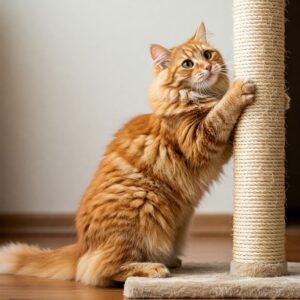
Understanding Why Cats Scratch
🧠 To effectively address scratching behavior without resorting to cat declawing, it helps to understand why cats scratch in the first place:
Natural Functions of Scratching
Scratching serves several important purposes for cats:
- Nail maintenance: Removes the outer dead sheath of the claw
- Marking territory: Leaves both visual marks and scent markers from glands in their paws
- Muscle stretching: Provides necessary stretching for shoulders, legs, and back
- Emotional release: Helps cats express excitement, stress, or frustration
- Communication: Signals to other cats about territory boundaries
When we recognize scratching as a normal, necessary feline behavior rather than a destructive habit, we can work with our cats’ natural instincts rather than against them.
Training Your Cat to Scratch Appropriately
🎓 With patience and consistency, most cats can learn to direct their scratching to appropriate surfaces:
Step-by-Step Training Approach
- Observe preferences: Notice if your cat prefers horizontal or vertical surfaces, and what materials they’re drawn to
- Strategic placement: Position scratching posts near furniture they currently scratch and in socially important areas
- Attraction techniques: Use catnip, toys, or treats to draw your cat to the appropriate scratching surface
- Positive reinforcement: Reward with treats, praise, or play when they use the scratching post
- Deterrents for furniture: Temporarily cover furniture with double-sided tape or aluminum foil
- Consistency: Maintain the same rules and expectations
I’ve found that most cats respond well to this training approach within a few weeks, especially when combined with the right scratching surfaces that meet their individual preferences.
The Veterinary Perspective on Cat Declawing
🩺 The veterinary community’s stance on cat declawing has evolved significantly in recent years. Dr. Jennifer Conrad, founder of The Paw Project, explains: “As veterinarians, our oath is to ‘first, do no harm.’ The more we learn about the long-term consequences of declawing, the harder it becomes to justify performing this procedure for non-medical reasons.”
The American Association of Feline Practitioners (AAFP) states in their position paper: “The AAFP strongly opposes declawing (onychectomy) as an elective procedure. It is the obligation of veterinarians to provide cat owners with alternatives to declawing.”
When discussing the procedure with your veterinarian, you might encounter varying perspectives, but there’s growing consensus that cat declawing should be considered only after all alternatives have been exhausted, and only in extremely rare circumstances where medical necessity exists.
Special Considerations for Multi-Pet Households
🐱🐶 Managing scratching behaviors in homes with multiple pets presents unique challenges:
Cats and Dogs
In households with both cats and dogs, cats may feel an increased need to maintain territory through scratching. Consider:
- Providing elevated spaces where cats can retreat from dogs
- Ensuring each cat has access to scratching surfaces in “their” territory
- Using pet gates to create cat-only zones with appropriate scratching outlets
Multiple Cats
When several cats share a home:
- Provide multiple scratching stations throughout the house
- Offer both vertical and horizontal scratching options
- Ensure each cat has their own territory with appropriate scratching surfaces
- Consider pheromone diffusers to reduce territorial tensions
Cat Declawing and Adoption Considerations
🏠 The conversation around cat declawing often intersects with concerns about shelter populations and adoption rates. Some argue that allowing declawing increases adoption rates by making cats more “house-friendly.” However, research doesn’t support this claim:
- Studies show declawed cats are more likely to be surrendered to shelters due to behavioral problems
- Many shelters report that declawed cats are harder to rehome due to litter box avoidance issues
- Shelters increasingly offer resources and education about alternatives rather than supporting declawing
If you’re considering adopting a cat but are concerned about furniture damage, discuss your concerns with shelter staff. Many shelters offer post-adoption support including training resources for scratching issues.
Caring for a Previously Declawed Cat
💖 If you’ve adopted a cat who was previously declawed, there are special considerations for their care:
Physical Support
- Provide soft bedding in favorite resting areas
- Consider ramps or steps to help them access favorite elevated spots
- Use litter that’s gentle on sensitive paws (avoid rough or clay-based litters)
- Monitor for signs of pain, especially as they age
- Schedule regular veterinary check-ups to address arthritis and pain management
Behavioral Support
- Create a secure environment with hiding spots and elevated perches
- Use pheromone diffusers to create a calming atmosphere
- Provide appropriate toys for enrichment that don’t require clawing
- Be understanding of potential litter box issues and provide multiple, easily accessible boxes
Dr. Elsey’s Precious Cat Ultra Unscented Clumping Clay Cat Litter is particularly well-suited for declawed cats, as its fine, soft texture is gentle on sensitive paws while still providing excellent odor control and clumping action.

Conclusion: Making an Informed Decision About Cat Declawing
🧠 Throughout this comprehensive guide, we’ve explored the many facets of cat declawing—from what the procedure actually entails to its potential physical and behavioral consequences, legal considerations, and most importantly, the numerous humane alternatives available.
As a responsible pet owner, you now have the information needed to make an educated decision that prioritizes both your cat’s wellbeing and your home’s integrity. Remember that scratching is a natural, necessary behavior for cats, and with patience and the right tools, most scratching issues can be successfully managed without resorting to surgical intervention.
Consider trying a combination of the alternatives we’ve discussed:
- Regular nail trimming
- Appropriate scratching surfaces strategically placed throughout your home
- Nail caps for protection during the training period
- Environmental enrichment to reduce stress-related scratching
- Positive reinforcement training techniques
Don’t wait until furniture damage becomes a major issue—take action today with humane alternatives to cat declawing. Your feline friend deserves a solution that respects their physical and emotional needs. Click on any of the recommended products above to find the perfect scratching solution for your home and cat!
More FQAs:
❓ Is cat declawing considered cruel?
❓ What are the alternatives to cat declawing?
❓ Why is cat declawing banned in some places?
❓ At what age can a cat be declawed?
❓ Does declawing stop cats from scratching furniture?
Recommended for You:
- Cat Nails: Complete Care & Trimming Guide (10 Expert Tips)
- Nail Caps for Cats: 7 Amazing Benefits You Need to Know in 2025
- Applaws Cat Food: 7 Spectacular Benefits Your Feline Will Adore
Disclaimer: This article contains affiliate links. If you purchase products through these links, we may earn a small commission at no additional cost to you.
