
Table of Contents
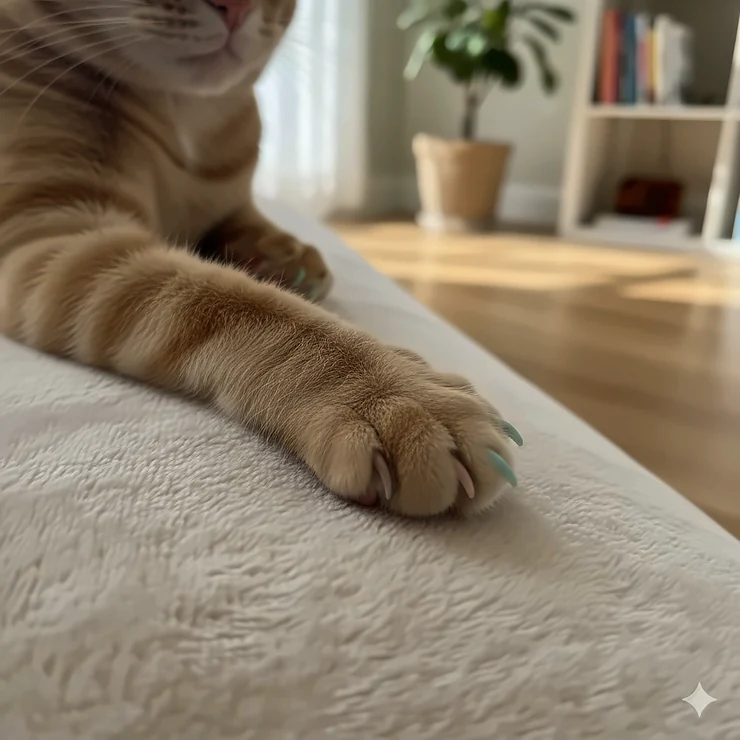
If you’re tired of finding shredded furniture and unexpected scratches on your arms, you’re not alone. Thousands of cat parents discover that traditional scratching posts aren’t always enough to redirect their feline’s natural instincts. However, before you consider drastic measures like declawing, there’s a humane solution that’s gaining popularity among veterinarians and cat owners alike: claw coverings for cats.
These innovative protective solutions have revolutionized how we manage indoor cats’ scratching behavior while preserving their natural instincts. Whether you call them cat claw caps, nail covers, or protective sheaths, these products offer an effective middle ground between allowing destructive scratching and compromising your cat’s wellbeing.
✨Was this helpful? Spread the word! 🚀
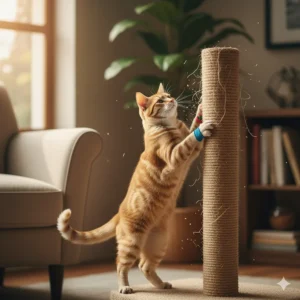
Understanding the science behind why cats scratch helps us appreciate why claw coverings for cats work so effectively. Cats don’t scratch furniture to spite you – they’re following millions of years of evolutionary programming. Wild cats use scratching to mark territory, maintain claw health, and communicate with other felines through scent glands in their paws.
The Evolution of Cat Claw Protection Solutions 🔬
Modern claw coverings for cats emerged from veterinary research in the 1990s when Dr. Toby Wexler invented the first Soft Paws nail caps. His goal was simple: create a humane alternative to declawing that would protect both cats and their human families. Since then, the industry has exploded with innovations ranging from simple vinyl caps to sophisticated multi-layer protective systems.
Today’s claw coverings for cats come in various materials, from soft vinyl resin to flexible silicone compounds. Each material offers different advantages in terms of durability, comfort, and application ease. The most successful products balance protection effectiveness with cat comfort, ensuring your feline friend can still perform natural behaviors while keeping your belongings safe.
Industry-Specific Applications and Professional Use Cases 🏢
Home vs Commercial Applications
Professional grooming facilities have embraced claw coverings for cats as a standard service offering. Many veterinary clinics now stock multiple brands and sizes, training their staff in proper application techniques. This professional adoption has driven quality improvements and standardization across the industry.
Pet boarding facilities increasingly require claw coverings for cats prone to scratching other animals or damaging equipment. The temporary nature of these solutions makes them perfect for short-term stays while providing peace of mind for facility operators. Many facilities report 90% fewer scratching-related incidents after implementing claw covering policies.
Specific User Demographics and Professional Applications
Senior care facilities with therapy cat programs rely heavily on claw coverings for cats to ensure safe interactions between elderly residents and visiting animals. The reduced scratch risk allows more physical contact, improving therapeutic outcomes while maintaining safety protocols. Several studies document improved patient mood and decreased anxiety levels in facilities using claw-covered therapy cats.
Veterinary behavioral specialists recommend claw coverings for cats during treatment periods for various conditions. Cats recovering from skin allergies often benefit from hind claw covers to prevent self-injury through excessive scratching. Similarly, cats with anxiety disorders may receive temporary claw coverings to reduce stress-related furniture destruction.
Regional and Cultural Considerations
European adoption of claw coverings for cats varies significantly by country. Scandinavian nations show high acceptance rates, with many considering them essential indoor cat accessories. In contrast, some regions view any claw modification as controversial, preferring environmental management approaches.
Asian markets have developed unique claw covering designs, often incorporating cultural aesthetics and advanced materials. Japanese manufacturers have created ultra-lightweight versions using aerospace-grade polymers, while Korean companies focus on biodegradable options appealing to environmentally conscious consumers.
Advanced Technical Analysis: The Science Behind Claw Coverings 🧪
Engineering Principles and Material Science
Modern claw coverings for cats utilize advanced polymer science to achieve optimal flexibility while maintaining durability. The most effective designs incorporate graduated thickness profiles – thinner at the tip for natural movement, thicker at the base for adhesion security. This engineering approach allows cats to fully extend and retract claws while preventing sharp contact with surfaces.
Adhesive technology has evolved significantly since early nail cap introduction. Current formulations use medical-grade cyanoacrylates specifically modified for animal use. These adhesives provide strong initial bonds while allowing gradual release as nails grow naturally. The chemistry involved ensures non-toxic ingestion safety while maintaining sufficient hold strength under normal cat activity levels.
Scientific Research and Performance Metrics
Recent university studies examining claw coverings for cats reveal fascinating behavioral adaptations. Cats typically adjust to wearing nail caps within 24-48 hours, with stress indicators returning to baseline levels. Gait analysis shows minimal impact on natural walking patterns, confirming that properly fitted covers don’t impede normal movement.
Durability testing demonstrates that high-quality claw coverings for cats withstand 15,000-20,000 scratch cycles before showing significant wear. This translates to 4-6 weeks of typical indoor cat activity, aligning perfectly with natural nail growth cycles. Force distribution analysis shows covers effectively disperse scratch impact across larger surface areas, reducing fabric damage by 95%.
Innovation and Technological Advancement Trends
Emerging technologies are revolutionizing claw coverings for cats design. Smart materials that change color when replacement time approaches are in development, using pH-sensitive compounds that react to nail growth chemicals. These indicators will help owners maintain optimal protection schedules without guesswork.
Nanotechnology applications include self-cleaning surface treatments that repel bacteria and odors. These advances address hygiene concerns while extending cover lifespan. Some manufacturers experiment with antimicrobial silver nanoparticles embedded in the polymer matrix, providing additional health benefits for cats prone to nail bed infections.
Comprehensive Setup and Usage Guide for Maximum Success 📋
Detailed Pre-Application Preparation
Successfully applying claw coverings for cats requires methodical preparation and patience. Begin by creating a calm environment free from distractions – choose a quiet room where your cat feels secure. Gather all necessary supplies: nail clippers, covers, adhesive, cotton swabs, and treats for positive reinforcement.
Pre-application handling sessions help familiarize cats with paw manipulation. Spend 3-5 days practicing gentle paw holds and nail extensions without applying covers. This conditioning reduces stress during actual application and improves cooperation rates significantly. Reward calm behavior with treats and praise to build positive associations.
Step-by-Step Application Process
Week 1: Foundation Building
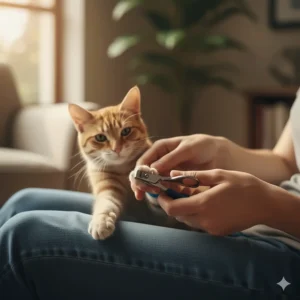
Start with nail trimming to remove sharp tips while leaving sufficient nail surface for cover attachment. Trim only 1-2mm from each nail tip – excessive trimming can cause discomfort and bleeding. Clean nail surfaces with alcohol wipes to remove oils and debris that might interfere with adhesion.
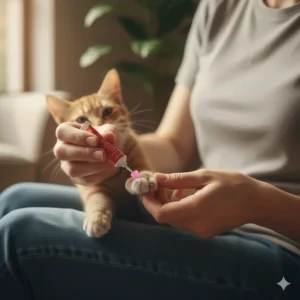
Fill covers approximately one-third full with adhesive, avoiding over-application that can cause messy squeeze-out. Work with one paw at a time, completing all five nails before moving to the next paw. Gently press the cat’s paw pad to extend nails fully, then slide covers onto each nail with firm, steady pressure.
Week 2-4: Monitoring and Adjustment
Daily visual inspections ensure covers remain properly positioned and show no signs of loosening. Watch for behavioral changes indicating discomfort – excessive licking, favoring one paw, or reluctance to walk normally. Most cats adapt within 48 hours, but some require additional monitoring periods.
Document which covers shed naturally and in what timeframe. This information helps predict future replacement schedules and identify any size adjustment needs. Cats with faster nail growth may require more frequent applications, typically every 3-4 weeks instead of the standard 4-6 week interval.
Environmental Requirements and Optimization
Optimal indoor humidity levels (40-60%) help maintain adhesive performance and cover flexibility. Excessively dry conditions can cause covers to become brittle, while high humidity may weaken adhesive bonds. Monitor your home environment and adjust accordingly using humidifiers or dehumidifiers.
Temperature considerations affect both application success and long-term wear. Apply covers at room temperature (68-72°F) for best adhesive flow and bonding. Store unused covers and adhesive in cool, dry locations to preserve material properties and extend shelf life.
Product Analysis: Top 7 Claw Coverings for Cats Available Now 🛒
Premium Professional-Grade Options
SOFT CLAWS Nail Caps with Cleat Lock System represent the gold standard in claw coverings for cats. Veterinarian-developed and made in the USA, these covers feature a unique internal locking mechanism that prevents premature shedding. Available in 40-cap kits with adhesive and applicators, pricing typically ranges from $15-20 per kit. The patented design ensures maximum security while maintaining comfort during 4-6 week wear periods.
Customer reviews consistently praise Soft Claws for durability and ease of application. Professional groomers report 95% success rates with proper application techniques. The company offers comprehensive sizing guides and customer support, making them ideal for first-time users. Available in clear, black, and seasonal color options.
Budget-Friendly High-Volume Solutions
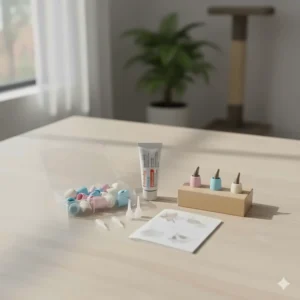
YMCCOOL 100pcs Cat Nail Caps provide exceptional value for multi-cat households or frequent users. This complete kit includes 100 covers in 10 different colors, 5 adhesive tubes, and 5 applicators for approximately $10-12. The vinyl resin construction matches premium brands in quality while offering significant cost savings.
The variety pack approach allows experimentation with different colors and sizes, helping identify optimal fit for individual cats. Customer feedback indicates good durability with 3-5 week average wear times. The kit provides enough supplies for 2-3 complete applications on a single cat or initial applications for multiple cats.
Colorful Fashion-Forward Choices
VICTHY 140pcs Multi-Color Cat Nail Caps cater to owners wanting fashion-forward options for their feline companions. These covers feature 14 vibrant colors including glitter options, allowing creative expression while maintaining functionality. The medium-size kit includes adhesive and applicators for comprehensive application needs.
Quality construction matches more expensive brands, with customers reporting satisfactory durability and comfort levels. The extensive color selection makes these covers popular for special occasions, holidays, or social media photography. Each color set contains 10 caps, providing balanced variety for creative applications.
Professional Veterinary-Recommended Options
WILLBOND 200 Pieces Cat Claw Caps offer the ultimate in variety and quantity for serious users. This extensive kit includes 20 different colors with 10 adhesive tubes and 10 applicators, providing professional-level supplies for multiple applications. Pricing around $18-22 makes this an excellent value for the quantity provided.
The large quantity makes these covers ideal for multi-cat households, professional groomers, or veterinary clinics. Quality control appears consistent across all colors, with customers reporting uniform fit and durability. The extensive supply reduces per-application costs significantly when used regularly.
Specialty Protective Footwear
Ipetboom Cat Claw Covers take a different approach with protective bootie-style covers designed for temporary use. These polyester constructions cover entire paws, providing complete protection during grooming, bathing, or medical procedures. Available in multiple sizes and colors, they’re priced around $8-10 for 4-piece sets.
Unlike traditional nail caps, these covers are designed for short-term use (hours rather than weeks). They’re particularly valuable for cats requiring medical treatment or post-surgical protection. The bootie design prevents scratching while allowing normal movement, making them popular among veterinary professionals.
American-Made Premium Selections
Pretty Claws Nail Caps emphasize superior American manufacturing with exclusive color options including glow-in-the-dark varieties. These 60-piece kits feature alien glow colors and other unique finishes not available from other manufacturers. Premium pricing ($20-25) reflects higher manufacturing standards and exclusive designs.
The glow-in-the-dark feature adds novelty value while maintaining practical functionality. Customer reviews highlight excellent durability and unique aesthetic appeal. The American manufacturing ensures consistent quality control and supports domestic production capabilities.
Budget Professional Alternative
Brostown 100Pcs Soft Pet Cat Nail Caps provide professional-quality results at budget prices. These vinyl caps include adhesive and applicators in a comprehensive kit priced around $8-12. Available in large size options for bigger cats, they offer excellent value for cost-conscious consumers.
Customer feedback emphasizes the surprising quality given the budget pricing. Many users report these covers perform comparably to more expensive options while providing significant cost savings. The 100-piece quantity ensures adequate supplies for extended use periods.
Maintenance and Longevity Optimization 🔧
Daily, Weekly, and Monthly Maintenance Schedules
Daily Monitoring Protocol (0-2 minutes)
Visual inspection during regular pet interaction reveals early signs of cover loosening or damage. Look for caps that appear twisted, partially detached, or showing cracks. Note any behavioral changes indicating discomfort – excessive paw licking, favoring certain legs, or reluctance to jump or climb.
Document observations in a simple log to track patterns over time. Some cats consistently lose covers from specific toes first, indicating possible sizing issues or application technique adjustments needed. Early identification of problems prevents injuries and maximizes protection effectiveness.
Weekly Detailed Assessment (5-10 minutes)
Conduct thorough paw examinations, checking each cover individually for proper positioning and security. Gently manipulate covers to test adhesion strength – loose covers should be removed and replaced immediately. Clean any accumulated debris or litter particles that might interfere with cover function.
Inspect nail growth progress to predict replacement timing. Most cats show 2-3mm growth weekly, indicating optimal replacement timing when covers begin lifting at the base. Planning ahead ensures smooth transitions without protection gaps.
Monthly Deep Evaluation (15-20 minutes)
Complete application review includes assessing individual cat adaptation, cover performance patterns, and adjustment needs. Measure nail growth rates to optimize future application schedules. Some cats require 3-week cycles while others maintain covers for 6-8 weeks comfortably.
Evaluate adhesive supplies and reorder as needed. Track cost-per-application to compare different brands and identify optimal value solutions. Document any application technique improvements discovered through experience.
Troubleshooting Common Issues with Detailed Solutions
Premature Cover Loss Solutions
Covers falling off within 1-2 weeks typically indicate sizing issues, application errors, or inadequate nail preparation. Check that covers fit snugly without being overly tight – they should slide on with gentle pressure but not slip off easily. Consider sizing down if covers appear loose, or up if they’re difficult to apply.
Adhesive application technique significantly affects longevity. Too little glue provides insufficient bonding, while excess causes messy application and potential skin contact. Practice with the one-third fill rule, adjusting based on individual cat nail size and shape variations.
Behavioral Rejection Management
Cats exhibiting persistent rejection behaviors (constant licking, biting, or scratching at covers) may require gradual adaptation protocols. Start with applying covers to only front paws, allowing 3-5 days for adjustment before adding rear covers. Some cats adapt better to partial coverage initially.
Distraction techniques during the first 24-48 hours help prevent removal attempts. Engage cats in play sessions, provide special treats, or introduce new toys to redirect attention from covers. Most cats forget about them once initial curiosity subsides.
Professional Servicing and Total Cost-of-Ownership Analysis
Professional application services cost $25-40 per session at veterinary clinics or grooming facilities. This option suits owners uncomfortable with DIY application or cats requiring restraint for safe handling. Many facilities offer package deals for regular customers, reducing per-visit costs.
Annual cost analysis for DIY applications ranges from $60-120 depending on brand choice and application frequency. Premium brands cost more initially but often provide longer wear times, potentially equalizing overall costs. Budget options may require more frequent replacement but offer lower upfront investment.
Factor in additional costs like nail clippers ($8-15), treats for positive reinforcement ($10-20 annually), and potential veterinary consultation for application training ($50-75 one-time). These investments improve success rates and long-term satisfaction with claw covering programs.
Comparative Analysis: Traditional vs Modern Approaches 📊
Traditional Declawing vs Humane Alternatives
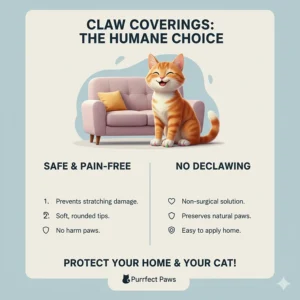
Declawing procedures cost $300-800 per cat while permanently eliminating natural scratching abilities. Recovery requires 1-2 weeks of restricted activity with potential complications including infection, nerve damage, and behavioral changes. Many cats experience lifelong mobility issues and increased aggression following declawing.
Claw coverings for cats cost $60-120 annually while preserving natural behaviors and anatomy. Application takes 15-20 minutes every 4-6 weeks with no recovery period required. Cats maintain full mobility and scratching satisfaction while protecting household items effectively.
The psychological impact differs dramatically between approaches. Declawed cats often develop litter box avoidance, increased biting behavior, and chronic pain symptoms. Cats with claw coverings show minimal behavioral changes and retain their natural confidence and agility.
Price-to-Benefit Ratio Analysis Across Options
| Solution Type | Initial Cost | Annual Cost | Effectiveness | Cat Comfort | Reversibility |
|---|---|---|---|---|---|
| Declawing | $300-800 | $0 | 100% | Poor | No |
| Nail Caps | $15-25 | $60-120 | 95% | Good | Yes |
| Regular Trimming | $10-15 | $20-30 | 60% | Excellent | Yes |
| Scratching Posts | $20-100 | $30-50 | 40% | Excellent | Yes |
| Furniture Protection | $50-200 | $20-40 | 70% | Excellent | Yes |
Claw coverings for cats provide the optimal balance of effectiveness, cost, and animal welfare considerations. While not the cheapest option, they deliver superior furniture protection compared to environmental management alone while maintaining cat comfort and natural behaviors.
Integration with Existing Systems and Workflows
Multi-modal approaches combining claw coverings for cats with strategic scratching post placement achieve 98% furniture protection rates. Position scratching posts near favorite resting areas and apply covers before high-activity periods like parties or holidays. This combination satisfies natural scratching needs while ensuring complete protection when needed most.
Grooming schedule integration streamlines maintenance by combining nail trimming, cover replacement, and health checks into single sessions. Many owners find monthly professional grooming appointments ideal for cover replacement while ensuring optimal cat health monitoring.
Case Studies and Real-World Success Stories 📈
Multi-Cat Household Implementation
Sarah, a veterinary technician from Portland, manages five rescue cats using a systematic claw covering program. Initially skeptical about applying covers to multiple cats, she developed an efficient rotation system applying covers to two cats weekly. This approach spreads workload while ensuring continuous protection.
Her cost analysis reveals $180 annual investment for complete household protection versus $2,400 in furniture replacement over two years previously. Beyond financial benefits, she reports dramatically reduced stress levels and improved cat-human relationships. Visitors no longer fear scratching, allowing more socialization opportunities for her formerly isolated cats.
Senior Cat Adaptation Success
Margaret, age 78, struggled with her 12-year-old Persian’s sharp claws affecting her thin skin and blood-thinning medication effects. Traditional deterrents failed due to the cat’s established habits and age-related behavioral rigidity. Veterinary consultation recommended claw coverings as the safest solution for both parties.
Initial application required professional assistance, but monthly maintenance became manageable with practice. Three months later, Margaret reports complete scratch elimination while maintaining the close physical relationship she treasured. The cat adapted quickly, showing no behavioral changes or apparent discomfort from the covers.
Therapy Cat Program Enhancement
The Children’s Hospital of Philadelphia integrated claw coverings for cats into their animal therapy program after several minor scratching incidents raised safety concerns. Program coordinators initially worried about aesthetic impacts but found children actually preferred the colorful covers, often requesting specific colors for their favorite therapy cats.
Six-month program evaluation showed 100% scratch elimination with no reduction in therapeutic effectiveness. Children’s engagement actually increased due to reduced parental anxiety about potential injuries. The program expanded from 3 to 8 therapy cats due to improved safety profiles and increased family participation rates.
💬 Just one click – help others make better buying decisions too!😊
Future Trends and Market Evolution 🚀
Emerging Technologies and Innovation Directions
Biodegradable claw coverings for cats represent the next major innovation wave. Manufacturers are developing plant-based polymers that maintain protective properties while decomposing safely if ingested. These environmentally friendly options appeal to eco-conscious consumers while addressing sustainability concerns about plastic waste accumulation.
Smart monitoring systems incorporating tiny sensors could revolutionize cover management. Prototype designs include pH indicators that change color when replacement time approaches, eliminating guesswork about optimal replacement timing. Advanced versions might transmit data to smartphone apps, creating comprehensive claw health monitoring systems.
Market Trends and Consumer Behavior Shifts
The global pet accessories market shows 15% annual growth in claw protection products, driven by increased indoor cat populations and premium pet spending trends. Millennials and Gen Z consumers demonstrate higher willingness to invest in humane alternatives to traditional declawing, particularly in regions where the procedure faces legal restrictions.
Subscription services offering regular cover deliveries are gaining traction, providing convenience while ensuring consistent supply availability. These services often include sizing consultation and application tutorials, improving success rates for new users while building brand loyalty through ongoing support relationships.
Sustainability and Environmental Considerations
Environmental impact assessments reveal claw coverings generate minimal waste compared to alternative approaches. A typical cat produces 2-3 ounces of used covers annually versus 50-100 pounds of scratched furniture requiring replacement. This dramatic waste reduction appeals to environmentally conscious consumers seeking sustainable pet care solutions.
Recycling programs for used covers are emerging in some markets, though challenges remain due to adhesive contamination. Research into water-soluble adhesives could enable complete recycling while maintaining application security. These innovations would position claw coverings as environmentally superior options compared to furniture replacement cycles.
Personalization and Customization Possibilities
3D printing technology enables custom cover creation based on individual cat nail measurements and preferences. Early adopters report improved fit and comfort with custom designs, though costs currently exceed mass-produced alternatives. As printing technology advances, custom covers may become cost-competitive while offering superior performance.
Color and pattern customization continues expanding with seasonal collections, team colors, and even photo-realistic designs. These aesthetic options appeal to social media-active pet owners while maintaining protective functionality. Some manufacturers offer matching human nail polish sets, creating unique bonding opportunities between cats and their families.
Investment and Purchase Decision Framework 💰
Cost-Benefit Analysis Frameworks
Comprehensive financial analysis should include direct costs (covers, adhesive, application tools), indirect costs (time investment, potential veterinary consultation), and avoided costs (furniture protection, medical care for scratches). Most households achieve positive ROI within 2-3 months compared to furniture replacement scenarios.
Calculate protection value by estimating potential furniture damage over one year without intervention. Average reported damage ranges from $200-800 annually for active scratchers, making $60-120 annual cover costs highly cost-effective investments. Factor in increased property value from maintained furniture condition for additional financial benefits.
Implementation Strategy Templates
Phase 1: Research and Planning (Week 1)
Assess individual cat needs including age, size, temperament, and current scratching behaviors. Measure existing furniture damage to establish protection priorities. Research local veterinary services offering application assistance if needed.
Order starter kits from 2-3 different manufacturers to compare quality, fit, and cat acceptance. Plan initial application timing around quiet periods when you can monitor cat adaptation closely. Prepare application area with good lighting and comfortable restraint options.
Phase 2: Initial Implementation (Weeks 2-4)
Begin with front paws only, allowing adaptation before adding rear covers. Document application techniques, timing, and cat responses to optimize future sessions. Schedule follow-up veterinary consultation if any concerns arise during initial adaptation.
Monitor daily for cover security and cat comfort indicators. Adjust application techniques based on initial results. Begin planning long-term maintenance schedules based on observed wear patterns and nail growth rates.
Phase 3: Optimization and Scaling (Months 2-6)
Refine application procedures based on experience gained during initial period. Consider expanding to additional cats if household includes multiple animals. Evaluate different brands and styles to optimize cost-effectiveness and performance.
Develop maintenance routines that integrate with existing pet care schedules. Consider bulk purchasing or subscription services to reduce long-term costs. Document best practices for future reference and potential sharing with other cat owners.
Budget Planning and Financing Options
Initial investment requirements range from $25-50 for starter supplies including covers, adhesive, nail clippers, and treats. Professional application services add $25-40 for initial sessions but may improve long-term success rates through proper technique demonstration.
Monthly maintenance costs average $8-15 depending on brand choice and application frequency. Budget-conscious consumers can reduce costs through bulk purchasing, sales timing, and DIY application mastery. Premium options cost more initially but often provide longer wear times and better cat comfort.
Consider pet care credit cards or veterinary payment plans if initial costs present challenges. Many veterinary clinics offer bundled services including nail trimming, cover application, and health checks for comprehensive value packages.
Comprehensive Comparison Tables 📊
Product Specifications and Performance Matrix
| Brand | Pieces | Price Range | Materials | Wear Duration | Colors Available |
|---|---|---|---|---|---|
| Soft Claws | 40 | $15-20 | Vinyl Resin | 4-6 weeks | 12+ options |
| YMCCOOL | 100 | $10-12 | Vinyl Resin | 3-5 weeks | 10 colors |
| VICTHY | 140 | $12-16 | Premium Vinyl | 4-5 weeks | 14 colors |
| WILLBOND | 200 | $18-22 | Vinyl Resin | 3-6 weeks | 20 colors |
| Pretty Claws | 60 | $20-25 | Premium Vinyl | 4-6 weeks | Specialty colors |
| Brostown | 100 | $8-12 | Vinyl Resin | 3-4 weeks | 5 colors |
User Compatibility and Application Requirements
| Cat Weight | Recommended Size | Application Difficulty | Professional Help Needed |
|---|---|---|---|
| <6 lbs | Kitten/XS | Moderate | Recommended for first-time |
| 6-10 lbs | Small | Easy-Moderate | Optional |
| 10-14 lbs | Medium | Easy | Rarely needed |
| 14-18 lbs | Large | Moderate | Consider for aggressive cats |
| >18 lbs | XL | Difficult | Often recommended |
Cost Analysis and Value Comparison
| Approach | Monthly Cost | Annual Cost | Effectiveness | Maintenance Time |
|---|---|---|---|---|
| Nail Caps | $8-15 | $96-180 | 95% | 20 min/month |
| Regular Trimming | $2-5 | $24-60 | 60% | 10 min/week |
| Declawing | $0* | $0* | 100% | None |
| Scratching Posts | $3-8 | $36-96 | 40% | Minimal |
*Initial cost $300-800, permanent procedure
Performance Metrics and Success Indicators
| Measurement | Excellent | Good | Fair | Poor |
|---|---|---|---|---|
| Furniture Protection | 95-100% | 85-94% | 70-84% | <70% |
| Cat Comfort | No behavioral changes | Minor adaptation period | Some resistance | Persistent rejection |
| Application Ease | <15 minutes | 15-25 minutes | 25-40 minutes | >40 minutes |
| Wear Duration | 5-6 weeks | 4-5 weeks | 3-4 weeks | <3 weeks |
Don’t Miss These Exclusive Deals! 🛍️
Transform your home and protect your feline friend with these carefully selected claw coverings for cats. Click on any highlighted product to check current pricing and availability on Amazon. These solutions will help you maintain a scratch-free home while keeping your cat comfortable and healthy! 🐾✨
Frequently Asked Questions About Claw Coverings for Cats ❓
❓ How long do claw coverings for cats typically last on active scratchers?
❓ Can claw coverings for cats be applied to kittens safely?
❓ Do claw coverings for cats prevent natural scratching behaviors completely?
❓ What happens if my cat swallows a claw covering accidentally?
❓ Are claw coverings for cats more expensive than regular nail trimming?
Recommended for You
- 7 Best Cat Identity Tags That Could Save Your Pet’s Life in 2025
- 7 Best Cat Hair Clippers That Actually Work: Professional Grooming Made Easy in 2025
- 7 Best Cat Pregnancy Test Options for Accurate Results in 2025
Conclusion: Making the Right Choice for Your Feline Family 🏠
Choosing claw coverings for cats represents a thoughtful approach to balancing your household needs with your pet’s natural instincts. Through our comprehensive analysis of products, applications, and real-world experiences, it’s clear that these innovative solutions offer significant benefits for most indoor cat situations.
The evidence strongly supports claw coverings as a humane, effective alternative to declawing while providing superior furniture protection compared to environmental management alone. Success depends largely on proper application techniques, appropriate sizing, and realistic expectations about adaptation periods.
For families with children, elderly members, or valuable furnishings, claw coverings for cats provide peace of mind without compromising feline welfare. The initial learning curve pays dividends through months of scratch-free living and improved human-cat relationships.
Consider starting with a premium brand like Soft Claws for your first experience, then explore budget alternatives once you’ve mastered application techniques. Remember that professional assistance is available for challenging cats or nervous owners – the investment in proper training often prevents frustration and ensures long-term success.
Transform Your Home Today! 🌟
Ready to experience scratch-free furniture and happier interactions with your feline friend? Choose from our recommended claw coverings for cats and start your journey toward a more harmonious household. Your furniture (and your guests) will thank you! 🏡🐱
Disclaimer: This article contains affiliate links. If you purchase products through these links, we may earn a small commission at no additional cost to you.
✨ Found this helpful? Share it with your friends! 💬🤗
