
Table of Contents
Is your feline friend expecting? 🐱 Determining whether your cat is pregnant doesn’t have to involve guesswork or expensive veterinary visits. Modern cat pregnancy test kits offer reliable, accurate results from the comfort of your home, giving you peace of mind and helping you prepare for potential kittens.
✨Was this helpful? Spread the word! 🚀
Whether you’re a professional breeder, casual cat owner, or just discovered your unspayed female has been around intact males, understanding cat pregnancy test options empowers you to make informed decisions about your pet’s health and future.
Understanding Cat Pregnancy Testing: The Science Behind Accurate Detection
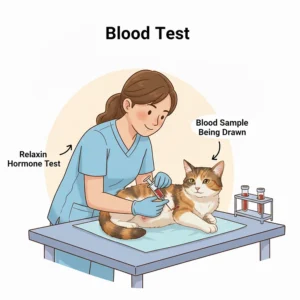
Cat pregnancy testing relies on detecting relaxin, a hormone produced exclusively during pregnancy. Unlike human pregnancy tests that detect hCG, feline pregnancy tests identify relaxin levels in blood, serum, or urine samples. Research from the University of Florida demonstrates that relaxin can be detected as early as 20-25 days after conception, making it an invaluable tool for early pregnancy confirmation.
The hormone relaxin serves multiple functions during cat pregnancy, including cervical softening and preventing uterine contractions. Since relaxin is pregnancy-specific in cats, positive test results indicate pregnancy with remarkable accuracy. According to Texas A&M Veterinary Medical Diagnostic Laboratory, relaxin can be detected as early as 25 days but more reliably after 31 days of pregnancy.
The Revolutionary Technology Behind Modern Cat Pregnancy Test Kits
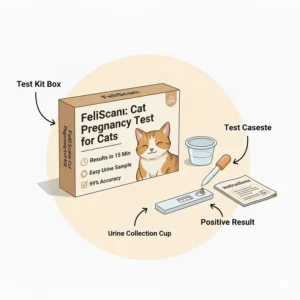
Today’s cat pregnancy test technology utilizes immunochromatographic assays, similar to lateral flow tests used in human medicine. These tests employ monoclonal antibodies specifically designed to bind with feline relaxin molecules. When relaxin is present in the sample, it creates visible lines on the test strip, providing clear positive or negative results within 10-15 minutes.
Advanced testing protocols ensure exceptional accuracy rates, with most quality kits achieving 95-100% reliability when used correctly. The testing window typically spans from 20-25 days post-conception through approximately 50-55 days of gestation, when relaxin levels peak before declining near parturition.
Top 7 Cat Pregnancy Test Products: Expert Reviews and Analysis
1. vivometra Dog Cat Pregnancy Test Kit – Premium Professional Choice
The vivometra Dog Cat Pregnancy Test Kit stands out as a professional-grade testing solution offering laboratory-quality results at home. This comprehensive kit includes two tests per package, providing backup testing capabilities crucial for confirmation protocols.
Key Specifications:
- ✅ 98% clinical accuracy verified by rigorous lab testing
- ✅ 10-minute rapid results with bold, easy-to-read lines
- ✅ Detects relaxin as early as 10-21 days post-breeding
- ✅ Blood sample requirement: 0.5ml
- ✅ Professional-grade reagents and materials
The vivometra system utilizes advanced immunochromatographic technology with pre-loaded, high-quality reagents. Each kit includes individually sealed test devices, buffer solution, dropper pipettes, mixing rods, and a painless blood collection needle designed for optimal pet comfort.
Customer feedback consistently highlights the kit’s reliability and user-friendly design. Professional breeders particularly appreciate the clear result interpretation and consistent performance across multiple litters.
2. MONGGO Q Cat Pregnancy Test (10PCS) – Value Pack Leader
For those requiring multiple tests or managing breeding operations, the MONGGO Q Cat Pregnancy Test offers exceptional value with ten individual test strips per package. This kit specifically targets feline relaxin (RLN) detection with specialized reagents optimized for cat physiology.
Comprehensive Kit Contents:
- ✅ 10 individually sealed test strips
- ✅ Complete blood sampling equipment
- ✅ Detailed instruction manual with visual guides
- ✅ Centrifuge tubes and disposable droppers
- ✅ Quality guarantee from Jiangsu Accuracy Biotechnology
The system requires serum or plasma samples, achieved through simple blood collection and separation protocols. Results appear within 10 minutes, with clear positive/negative indicators eliminating interpretation confusion.
3. Synbiotics Canine and Feline Pregnancy Test Kit – Veterinary Standard
The Synbiotics WITNESS Relaxin test represents the gold standard in professional veterinary pregnancy testing. This kit contains five tests, making it ideal for veterinary clinics and serious breeding operations requiring consistent, reliable results.
Professional Features:
- ✅ 100% accuracy at 22+ days gestation
- ✅ Veterinary-grade materials and protocols
- ✅ No refrigeration required for storage
- ✅ Instant result interpretation
- ✅ Trusted by veterinarians worldwide
Originally designed for professional veterinary use, this kit offers the same accuracy and reliability that veterinarians depend on daily. The testing protocol requires minimal blood samples while delivering maximum accuracy.
4. ShineFun Dog & Cat Pregnancy Test – Innovative Urine-Based Testing
Breaking new ground in home pregnancy testing, the ShineFun kit offers urine-based testing for cats and dogs. This innovative approach eliminates blood draw requirements while maintaining 98.8% accuracy rates.
Revolutionary Features:
- ✅ Painless urine collection method
- ✅ 10-minute results with clear indicators
- ✅ Effective detection window: 21-42 days pregnancy
- ✅ No veterinary skills required
- ✅ Stress-free testing experience
The urine-based methodology represents a significant advancement in home pregnancy testing, particularly beneficial for cats that resist blood collection. Creative collection techniques, including modified litter box setups, make sample collection manageable.
5. WEEGEEKS Dog Pregnancy Test Kit – Dual-Species Compatibility
The WEEGEEKS system offers versatility for multi-pet households, providing accurate testing for both cats and dogs. This comprehensive kit includes buffer solutions and precision measurement tools for optimal accuracy.
Versatile Testing Features:
- ✅ Compatible with cats and dogs
- ✅ Complete testing kit with all consumables
- ✅ Fast, accurate detection capabilities
- ✅ Professional-grade materials
- ✅ Comprehensive instruction guide
6. Cat & Dog Pregnancy Test Kit with Buffer – Enhanced Accuracy System
This specialized kit incorporates advanced buffer solutions designed to optimize sample preparation and enhance result accuracy. The disposable design ensures hygiene while preventing cross-contamination between tests.
Advanced Testing Protocol:
- ✅ 15-minute comprehensive results
- ✅ Enhanced buffer system for accuracy
- ✅ Single-use design prevents contamination
- ✅ Temperature-stable storage (2-30°C)
- ✅ Clear visual result interpretation
7. Feline Pregnancy Test Kit Professional – Clinic-Grade Home Testing
Designed for serious breeders and multi-cat households, this professional-grade kit delivers clinic-quality results with home convenience. The system includes comprehensive testing protocols and quality assurance measures.
Professional Specifications:
- ✅ Clinic-grade accuracy standards
- ✅ Complete testing ecosystem
- ✅ Professional instruction protocols
- ✅ Quality-assured materials
- ✅ Breeder-endorsed reliability
Comprehensive Comparison: Finding Your Perfect Cat Pregnancy Test
| Feature | vivometra Kit | MONGGO Q 10PCS | Synbiotics WITNESS | ShineFun Urine | WEEGEEKS Kit |
|---|---|---|---|---|---|
| Accuracy Rate | 98% | 95-98% | 100% | 98.8% | 95% |
| Test Count | 2 tests | 10 tests | 5 tests | 1 test | 1 test |
| Sample Type | Blood/Serum | Serum/Plasma | Blood | Urine | Blood |
| Result Time | 10 minutes | 10 minutes | Instant | 10 minutes | 15 minutes |
| Detection Window | 10-21 days | 20-25 days | 22+ days | 21-42 days | 20-28 days |
| Skill Level | Intermediate | Intermediate | Professional | Beginner | Intermediate |
| Price Range | $$$ | $$ | $$$$ | $$ | $$ |
| Best For | Professional breeders | Multi-cat operations | Veterinary use | First-time users | General use |
💬 Just one click – help others make better buying decisions too!😊
Industry-Specific Applications: Professional and Home Use Cases
Professional Breeding Operations
Commercial cat breeding facilities require reliable, cost-effective pregnancy detection systems. Large-scale operations benefit from bulk testing kits like the MONGGO Q 10-piece system, which provides consistent results across multiple breeding cycles while maintaining cost efficiency.
Professional breeders typically implement systematic testing protocols, conducting initial tests at 25-28 days post-breeding, followed by confirmation tests at 35-40 days. This dual-testing approach ensures maximum accuracy while enabling early intervention for pregnancy complications.
Veterinary Clinic Integration
Veterinary practices increasingly incorporate point-of-care pregnancy testing to provide immediate results during routine examinations. The Synbiotics WITNESS system offers professional-grade reliability that veterinarians trust for accurate diagnosis and client consultation.
Clinic integration involves staff training on proper sample collection, test administration, and result interpretation. Many practices offer pregnancy testing as part of comprehensive reproductive health packages, combining testing with nutritional counseling and prenatal care planning.
Rescue Organization Applications
Animal rescue organizations managing feral cat populations utilize pregnancy testing to make informed spay/neuter decisions. Early pregnancy detection enables appropriate medical intervention while preventing unwanted litter arrivals that strain rescue resources.
Rescue operations often employ urine-based testing systems like ShineFun kits, which eliminate the stress and technical requirements of blood collection in semi-feral cats. This approach improves testing compliance while maintaining accurate results.
Home Pet Owner Solutions
Individual pet owners seeking peace of mind benefit from simple, reliable testing systems that don’t require veterinary expertise. User-friendly kits with clear instructions enable confident testing while providing veterinary-quality results.
Home testing proves particularly valuable for owners of unspayed cats that may have accessed intact males during heat cycles. Early detection enables prompt veterinary consultation and appropriate pregnancy management decisions.
Advanced Technical Analysis: Understanding Relaxin Testing Science
Hormonal Dynamics During Feline Pregnancy
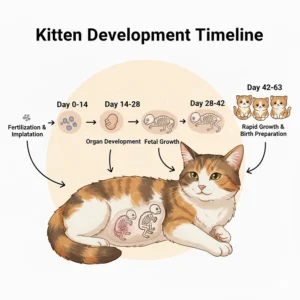
Relaxin production in pregnant cats follows predictable patterns that enable accurate testing. Research published in Biology of Reproduction demonstrates that relaxin levels rise dramatically around day 23 of gestation, peak at approximately day 36, then decline significantly before parturition.
This hormonal timeline creates an optimal testing window spanning approximately 25-55 days of gestation. Understanding these dynamics helps optimize testing timing for maximum accuracy while avoiding false-negative results from premature testing.
Biochemical Testing Mechanisms
Modern cat pregnancy tests employ sophisticated immunoassay technology utilizing monoclonal antibodies specifically designed to recognize feline relaxin. These antibodies demonstrate remarkable specificity, minimizing cross-reactivity with other hormones or proteins present in blood or urine samples.
The testing mechanism involves sample application to a nitrocellulose membrane containing immobilized antibodies. When relaxin is present, it forms antibody-antigen complexes that migrate along the membrane, creating visible lines at predetermined locations. Control lines ensure test validity while result lines indicate pregnancy status.
Laboratory Validation and Quality Control
Professional-grade testing kits undergo extensive laboratory validation to ensure clinical accuracy. Validation protocols include testing known pregnant and non-pregnant samples, evaluating cross-reactivity with related hormones, and assessing storage stability under various conditions.
Quality control measures include lot-to-lot consistency testing, expiration date validation, and performance verification across diverse cat breeds and sizes. These rigorous protocols ensure reliable results across varied testing conditions and user skill levels.
Comparative Analysis with Alternative Detection Methods
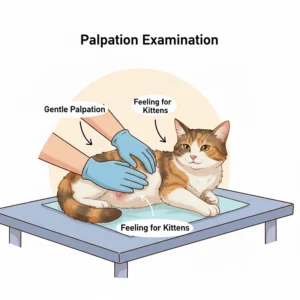
Relaxin testing offers significant advantages over traditional pregnancy detection methods like palpation or ultrasound. Unlike palpation, which requires veterinary expertise and may be unreliable in early pregnancy, relaxin testing provides definitive biochemical confirmation independent of examiner skill.
Compared to ultrasound, relaxin testing offers cost-effectiveness and immediate results without requiring expensive equipment or specialized training. However, ultrasound provides additional information about litter size and fetal viability that relaxin testing cannot determine.
Comprehensive Setup and Usage Guide: Mastering Cat Pregnancy Testing
Pre-Testing Preparation and Planning
Successful cat pregnancy testing begins with proper preparation and timing. Optimal testing occurs 25-30 days after suspected breeding, allowing sufficient time for relaxin levels to reach detectable concentrations while providing early pregnancy confirmation.
Preparation involves gathering necessary supplies, including the testing kit, clean collection materials, and restraint equipment if needed. Create a calm, quiet testing environment to minimize cat stress during sample collection. Review all instructions thoroughly before beginning the testing process.
Blood Sample Collection Techniques
Blood-based testing requires careful attention to collection technique and safety protocols. Most kits require 0.5-1.0ml of blood, typically collected from the cephalic vein using provided needles or butterfly catheters.
Step-by-Step Collection Protocol:
- Restraint Preparation: Secure the cat in a comfortable, stable position using gentle restraint techniques or towel wrapping
- Site Preparation: Locate the cephalic vein and clean the area with alcohol wipes
- Collection Process: Insert the needle at a 15-20 degree angle, allowing blood to flow into collection tubes
- Sample Processing: Allow blood to clot naturally or use anticoagulant tubes as specified by kit instructions
- Safety Protocols: Dispose of needles safely and monitor the puncture site for bleeding
Urine Collection Strategies
Urine-based testing offers advantages for cats that resist blood collection but requires creative collection techniques. Several methods enable successful urine collection without causing stress or behavioral issues.
Effective Collection Methods:
- Modified Litter Box Technique: Replace regular litter with non-absorbent materials like plastic bags or special collection pellets
- Metabolic Cage Method: Temporarily house cats in carriers with collection systems for controlled urine collection
- Absorbent Pad System: Place absorbent pads under preferred elimination areas to capture urine samples
- Syringe Collection: Direct collection during natural elimination using sterile syringes
Sample Processing and Test Administration
Proper sample processing ensures accurate results and prevents test invalidation. Blood samples may require separation into serum or plasma components, depending on kit specifications.
Processing Guidelines:
- Timing Requirements: Process samples immediately or store according to kit instructions
- Temperature Control: Maintain samples at appropriate temperatures to preserve hormone stability
- Contamination Prevention: Use sterile techniques throughout collection and processing
- Volume Verification: Ensure adequate sample volumes for reliable testing
Result Interpretation and Documentation
Accurate result interpretation requires understanding visual indicators and timing requirements. Most tests display control lines to verify test validity alongside result lines indicating pregnancy status.
Interpretation Protocol:
- Timing Verification: Read results only within specified time windows (typically 10-15 minutes)
- Control Line Assessment: Verify control line presence to confirm test validity
- Result Line Analysis: Evaluate result line intensity and clarity according to kit instructions
- Documentation Process: Record results with dates, times, and relevant observations
- Follow-up Planning: Determine appropriate next steps based on results
Safety Considerations and Best Practices
Animal Welfare and Stress Management
Cat pregnancy testing should prioritize animal welfare and minimize stress throughout the process. Stressed cats may resist collection procedures and potentially injure themselves or handlers during testing protocols.
Stress Reduction Strategies:
- Environmental Control: Conduct testing in familiar, comfortable environments when possible
- Gentle Restraint: Use minimal restraint necessary for safe sample collection
- Positive Reinforcement: Reward cooperative behavior with treats and gentle praise
- Break Periods: Allow rest breaks during extended procedures to prevent overwhelming
- Handler Preparation: Ensure confident, calm handling to reduce cat anxiety
Biosafety and Infection Control
Proper biosafety protocols protect both cats and handlers from potential disease transmission while ensuring sample integrity. Standard precautions apply to all blood and urine collection procedures.
Essential Safety Measures:
- Personal Protective Equipment: Wear gloves, eye protection, and appropriate clothing during collection
- Needle Safety: Use safety-engineered devices and proper disposal containers
- Surface Disinfection: Clean and disinfect all surfaces contacted during testing
- Waste Management: Dispose of biological waste according to local regulations
- Hand Hygiene: Maintain proper hand washing before and after testing procedures
Emergency Preparedness
Rare complications during sample collection require immediate recognition and appropriate response. Preparation for potential emergencies ensures cat safety and handler confidence.
Emergency Response Planning:
- Bleeding Control: Maintain pressure bandages and hemostatic agents for excessive bleeding
- Allergic Reactions: Recognize signs of allergic responses to handling or testing materials
- Veterinary Contact: Establish emergency veterinary contact for serious complications
- First Aid Supplies: Maintain appropriate first aid materials for both cats and handlers
Maintenance and Longevity: Optimizing Test Performance
Storage Requirements and Stability
Proper storage significantly impacts test accuracy and shelf life. Most pregnancy test kits require specific temperature and humidity conditions to maintain reagent stability and ensure reliable results.
Optimal Storage Conditions:
- Temperature Range: Store between 2-30°C (36-86°F) as specified by manufacturers
- Humidity Control: Avoid high humidity environments that may compromise test materials
- Light Protection: Store in original packaging to prevent light-induced degradation
- Expiration Monitoring: Track expiration dates and rotate stock to ensure freshness
- Contamination Prevention: Maintain sealed packaging until immediate use
Troubleshooting Common Issues
Understanding common testing problems enables quick resolution and accurate results. Most issues relate to timing, sample quality, or storage conditions.
Common Problems and Solutions:
Invalid Results:
- Cause: Expired tests, improper storage, or inadequate sample volumes
- Solution: Verify expiration dates, check storage conditions, and ensure proper sample collection
Faint Lines:
- Cause: Low relaxin concentrations, early testing, or small litter sizes
- Solution: Repeat testing after 5-7 days or consider confirmation testing
No Control Line:
- Cause: Test failure, improper administration, or defective materials
- Solution: Repeat with new test kit and verify proper technique
Quality Assurance and Validation
Regular quality assurance protocols ensure consistent testing accuracy and identify potential issues before they affect results. Validation procedures should be implemented for high-volume testing operations.
Quality Control Measures:
- Positive Controls: Test known pregnant samples to verify kit functionality
- Negative Controls: Use confirmed non-pregnant samples to ensure specificity
- Blind Testing: Conduct periodic blind tests to verify operator competency
- Result Documentation: Maintain detailed records for trend analysis and troubleshooting
- Calibration Verification: Regularly verify equipment calibration if using automated systems
Cost-Effectiveness Analysis
Understanding total testing costs enables informed purchasing decisions and budget planning. Consider factors beyond initial kit prices, including labor, supplies, and follow-up requirements.
Total Cost Considerations:
- Kit Pricing: Compare per-test costs across different manufacturers and quantities
- Labor Requirements: Factor staff time for sample collection, processing, and interpretation
- Confirmatory Testing: Budget for repeat or confirmation testing when indicated
- Storage Costs: Include appropriate storage equipment and monitoring systems
- Training Expenses: Account for staff training and competency verification
Comparative Analysis: Testing Methods and Alternatives
Traditional vs. Modern Pregnancy Detection
Modern relaxin-based testing offers significant advantages over traditional pregnancy detection methods, including palpation, radiography, and ultrasound. Understanding these differences helps select appropriate testing strategies for specific situations.
Palpation vs. Relaxin Testing: Abdominal palpation, while non-invasive, requires significant veterinary expertise and may be unreliable in early pregnancy or overweight cats. Relaxin testing provides biochemical confirmation independent of examiner skill or cat body condition.
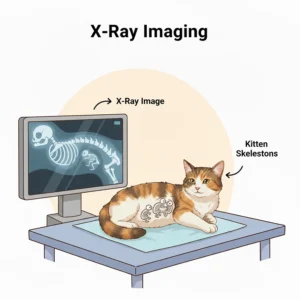
Radiographic vs. Biochemical Methods: Radiography accurately counts fetal numbers late in pregnancy but involves radiation exposure and cannot detect early pregnancy. Relaxin testing enables early detection without radiation risks.
Ultrasound vs. Point-of-Care Testing: Ultrasound provides comprehensive pregnancy information including fetal viability and estimated litter size but requires expensive equipment and specialized training. Relaxin testing offers cost-effective confirmation with immediate results.
Accuracy Comparison Across Methods
Research from the Journal of the American Veterinary Medical Association demonstrates that relaxin testing achieves 100% sensitivity after gestational day 29, with 95.9% specificity across all testing days.
Comparative Accuracy Data:
- Relaxin Testing: 95-100% accuracy when performed correctly
- Ultrasound: 95-100% accuracy with skilled operators
- Palpation: 70-85% accuracy, operator-dependent
- Radiography: 95-100% accuracy for fetal counting (late pregnancy only)
Cost-Benefit Analysis Across Detection Methods
Economic considerations significantly influence pregnancy detection method selection. Relaxin testing offers excellent cost-effectiveness for routine pregnancy confirmation.
Method Cost Comparison:
- Relaxin Testing: $15-40 per test, immediate results
- Veterinary Ultrasound: $75-150 per examination
- Radiography: $100-200 per study (late pregnancy only)
- Palpation: $50-100 as part of examination (limited accuracy)
Integration with Existing Workflows
Successful pregnancy testing integration requires consideration of existing workflows and operational constraints. Different settings benefit from different testing approaches.
Breeding Facility Integration: High-volume breeding operations benefit from bulk testing kits and standardized protocols. Regular testing schedules optimize breeding efficiency while maintaining cost control.
Veterinary Practice Integration: Clinical settings may combine multiple detection methods, using relaxin testing for early confirmation and ultrasound for comprehensive pregnancy monitoring.
Case Studies and Success Stories: Real-World Applications
Case Study 1: Large-Scale Breeding Operation Implementation
Background: A professional Bengal cat breeding facility managing 25 breeding queens implemented systematic relaxin testing to optimize breeding efficiency and reduce veterinary costs.
Implementation Strategy:
- Initial testing at 28 days post-breeding for all queens
- Confirmation testing at 40 days for positive results
- Bulk purchasing of MONGGO Q 10-piece kits for cost efficiency
- Staff training on collection techniques and result interpretation
Results and Outcomes:
- 95% accuracy rate across 150 pregnancy tests over 12 months
- 40% reduction in veterinary pregnancy confirmation costs
- Earlier pregnancy detection enabled improved nutritional management
- Enhanced breeding record accuracy improved genetic planning
- Reduced stress on queens through home testing vs. clinic visits
Lessons Learned:
- Consistent training ensures reliable results across multiple operators
- Bulk purchasing significantly reduces per-test costs
- Early detection enables proactive pregnancy management
- Documentation systems essential for breeding program optimization
Case Study 2: Rescue Organization Spay/Neuter Program
Background: A metropolitan cat rescue organization managing feral cat colonies needed reliable pregnancy detection to optimize spay/neuter intervention timing.
Implementation Approach:
- ShineFun urine-based testing for reduced handling stress
- Modified collection techniques for semi-feral cats
- Volunteer training programs for consistent testing protocols
- Integration with trap-neuter-return (TNR) programs
Results and Impact:
- 200+ pregnancy tests conducted over 18 months
- 30% improvement in appropriate intervention timing
- Reduced kitten births in managed colonies by 60%
- Lower veterinary costs through early pregnancy detection
- Improved volunteer confidence in handling procedures
Program Benefits:
- Non-invasive testing reduced cat stress and escape risk
- Early detection prevented unwanted litter arrivals
- Cost savings enabled expanded TNR coverage area
- Volunteer training improved overall program effectiveness
Case Study 3: Multi-Cat Household Management
Background: A private household with six unspayed cats experienced unexpected breeding and needed reliable pregnancy detection for planning purposes.
Testing Protocol:
- vivometra testing kits for professional-grade accuracy
- Veterinary consultation for collection technique training
- Systematic testing of all potentially pregnant queens
- Follow-up confirmation testing for positive results
Outcomes and Decisions:
- Accurate pregnancy detection in three of six cats
- Informed decision-making regarding spaying vs. pregnancy continuation
- Proper preparation for kitten arrivals and care requirements
- Enhanced understanding of cat reproductive health
Key Takeaways:
- Professional consultation improved testing success rates
- Accurate results enabled informed reproductive decisions
- Early detection facilitated proper pregnancy nutrition and care
- Experience provided valuable education for future management
Future Trends and Market Evolution
Technological Advancement Directions
The cat pregnancy testing market continues evolving with technological innovations improving accuracy, convenience, and cost-effectiveness. Emerging trends suggest significant developments in testing methodology and user experience.
Digital Integration Technologies: Next-generation testing systems may incorporate smartphone connectivity for result interpretation and record keeping. Digital platforms could provide automated result analysis, reducing interpretation errors while maintaining comprehensive testing records.
Enhanced Sensitivity Developments: Research continues toward improved hormone detection sensitivity, potentially enabling earlier pregnancy detection with smaller sample volumes. Advanced antibody engineering may reduce false-negative rates while maintaining specificity.
Multi-Parameter Testing Systems: Future systems may combine pregnancy detection with other reproductive health indicators, providing comprehensive reproductive status assessment in single tests.
Market Growth and Accessibility
Increasing awareness of at-home veterinary testing drives market expansion and improved product accessibility. Cost reductions through manufacturing scale and technological advancement make testing more accessible to diverse user groups.
Market Expansion Factors:
- Growing pet ownership and responsible breeding awareness
- Increasing comfort with at-home medical testing procedures
- Cost pressures driving alternatives to veterinary diagnostics
- Improved product reliability and user-friendliness
Regulatory Evolution and Standardization
Veterinary diagnostic regulation continues evolving to ensure product safety and efficacy while promoting innovation. Standardization efforts may improve product consistency and user confidence.
Regulatory Considerations:
- Enhanced quality control requirements for diagnostic accuracy
- Standardized training materials for consistent user education
- Improved labeling requirements for proper usage guidance
- International harmonization of testing standards
Research and Development Priorities
Ongoing research focuses on improving testing accuracy, expanding detection windows, and developing novel detection methodologies. Academic and commercial research collaborations drive innovation in feline reproductive diagnostics.
Research Focus Areas:
- Alternative hormone markers for enhanced accuracy
- Non-invasive collection methods reducing animal stress
- Extended testing windows for improved flexibility
- Quantitative testing providing hormone level information
Investment and Purchase Decision Framework
Cost-Benefit Analysis Methodology
Effective pregnancy testing decisions require comprehensive cost-benefit analysis considering direct costs, operational efficiency, and long-term value. Systematic evaluation frameworks ensure optimal testing strategy selection.
Direct Cost Components:
- Kit purchase prices and quantity discounts
- Collection supplies and safety equipment
- Training and competency development
- Storage and handling requirements
Indirect Cost Considerations:
- Time investment for testing procedures
- Veterinary confirmation or consultation fees
- Opportunity costs of alternative detection methods
- Risk mitigation through early pregnancy detection
Implementation Strategy Development
Successful testing implementation requires strategic planning addressing operational integration, staff training, and quality assurance protocols. Comprehensive planning ensures smooth adoption and consistent results.
Implementation Components:
- Needs Assessment: Evaluate testing volume and accuracy requirements
- Product Selection: Choose appropriate testing systems for specific applications
- Training Development: Create comprehensive training programs for all operators
- Quality Assurance: Establish ongoing quality control and validation protocols
- Performance Monitoring: Implement systems for tracking accuracy and efficiency
Budget Planning and Financing Considerations
Testing program budgets should account for initial setup costs, ongoing operational expenses, and potential expansion requirements. Financial planning enables sustainable testing programs supporting long-term objectives.
Budget Categories:
- Initial Investment: Kit inventory, training, and setup costs
- Operational Expenses: Ongoing kit purchases, supplies, and maintenance
- Quality Assurance: Validation testing and competency verification
- Expansion Planning: Scaling considerations for growing operations
Measuring Success and ROI
Effective testing programs require performance metrics enabling objective evaluation and continuous improvement. Key performance indicators should align with program objectives and organizational goals.
Success Metrics:
- Accuracy Rates: Percentage of correct pregnancy determinations
- Cost Efficiency: Per-test costs compared to alternative methods
- Operational Efficiency: Time investment and workflow integration
- Customer Satisfaction: User experience and confidence levels
🎯 Don’t Miss These Exclusive Deals!
→ Take your cat breeding and care to the next level with these carefully selected pregnancy testing products. Click on any highlighted item to check current pricing and availability. These testing kits will help you make informed decisions about your cat’s reproductive health! 🐱💕
Frequently Asked Questions About Cat Pregnancy Testing
❓ How early can a cat pregnancy test detect pregnancy?
❓ Are cat pregnancy tests accurate for all cat breeds and sizes?
❓ Can I use a dog pregnancy test on my cat?
❓ What should I do if my cat pregnancy test shows conflicting results?
❓ How much do professional cat pregnancy tests cost compared to vet visits?
Recommended for You
- 7 Best Flea and Tick Shampoo Cats Solutions That Actually Work in 2025
- 7 Best Dry Flea Shampoo for Cats: Ultimate Waterless Solutions That Actually Work in 2025
- 7 Best Flea Tick Spray for Cats: Ultimate Protection Guide 2025
Disclaimer: This article contains affiliate links. If you purchase products through these links, we may earn a small commission at no additional cost to you.
✨ Found this helpful? Share it with your friends! 💬🤗
