
Table of Contents
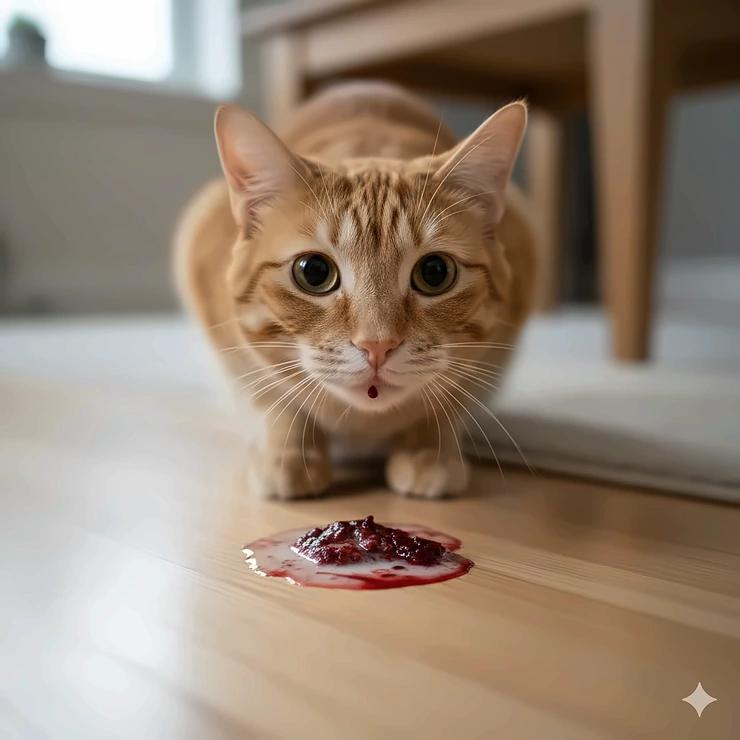
When you discover your beloved feline companion is cat throwing up blood, your heart likely skips a beat. That moment of pure panic is completely understandable – and your instincts are right to be alarmed. This frightening symptom, medically known as hematemesis, represents one of the most serious veterinary emergencies your cat can experience.
Unlike occasional hairball episodes or mild stomach upset, a cat throwing up blood always signals something significant happening inside your pet’s body. The blood didn’t just appear from nowhere – it’s coming from somewhere in the digestive tract, mouth, or respiratory system, indicating injury, irritation, or disease that requires immediate professional intervention.
✨Was this helpful? Spread the word! 🚀
Understanding Hematemesis: What Does Blood in Cat Vomit Actually Look Like? 🩸
The appearance of blood in your cat’s vomit can vary dramatically depending on where the bleeding originates and how long the blood has been in the digestive system. Fresh, bright red blood typically indicates bleeding from the esophagus, stomach, or upper intestines, while partially digested blood appears dark and coffee-ground-like.
Bright Red Blood Streaks
When you see vivid red streaks or fresh blood mixed with vomit, this typically means the bleeding source is relatively close to the mouth. The blood hasn’t had time to be digested or altered by stomach acids. This could indicate:
✅ Esophageal injuries or irritation
✅ Fresh stomach lining damage
✅ Recent oral trauma or severe gingivitis
✅ Acute foreign object injuries
Dark, Coffee-Ground Appearance
Blood that has been sitting in the digestive tract for a while can be partially digested when your cat is vomiting blood and is often described as looking like coffee grounds. This darker appearance suggests:
✅ Stomach ulcers or chronic gastric bleeding
✅ Lower digestive tract issues
✅ More established bleeding that’s been occurring over time
✅ Potential complications from medications or toxins
Blood Clots and Mixed Material
Sometimes cat throwing up blood presents as darker red clumps mixed with mucus, food particles, or other stomach contents. Blood clots in vomit are often darker red in color and appear clumpy and slimy.
7 Critical Warning Signs That Demand Immediate Emergency Care 🚨
1. Large Quantities of Bright Red Blood
The blood is bright red and appears in large quantities – this indicates severe, active bleeding that could lead to dangerous blood loss. When bright red blood dominates the vomit rather than appearing as small streaks, your cat needs emergency intervention within minutes, not hours.
2. Extreme Weakness or Collapse
Your cat is showing signs of extreme weakness or collapse. If your normally active cat suddenly becomes unable to stand, walk normally, or appears to be losing consciousness, this suggests significant blood loss that requires immediate transfusion consideration.
3. Repeated Vomiting Episodes
Your cat is vomiting repeatedly and is unable to keep food or water down. Multiple episodes of bloody vomit within a short timeframe can quickly lead to severe dehydration and electrolyte imbalances.
4. Suspected Toxin Ingestion
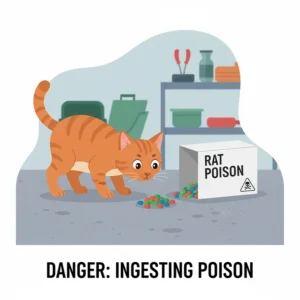
There is a possibility your cat ingested a toxic substance. Common household toxins like rat poison, antifreeze, certain human medications, or toxic plants can cause internal bleeding and require specific antidotes.
5. Young Kittens or Immunocompromised Cats
Young cats are more prone to infections, which may get worse quickly or be fatal. Kittens, pregnant cats, elderly cats, or those with existing health conditions have less resilience to handle blood loss.
6. Accompanying Severe Symptoms
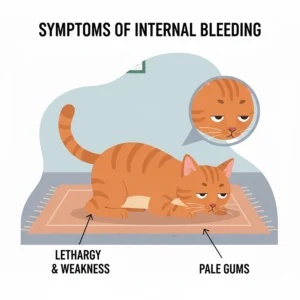
When cat throwing up blood occurs alongside pale gums, difficulty breathing, abdominal swelling, or signs of severe pain, these indicate systemic complications requiring emergency stabilization.
7. Dark, Tarry Stools
If bloody vomit appears with dark, tar-like stool, this suggests bleeding throughout the digestive tract – a particularly serious situation requiring comprehensive emergency treatment.
The Most Common Causes of Cat Throwing Up Blood 🔍
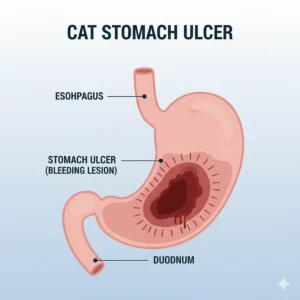
Gastrointestinal Ulcers
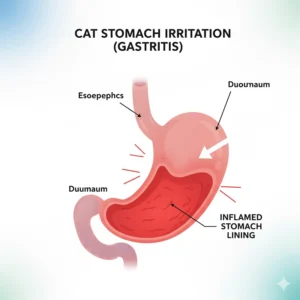
Gastrointestinal ulcers are one of the primary causes of vomiting blood in cats. These ulcers can develop due to medications (like nonsteroidal anti-inflammatory drugs), infections, or other health conditions. Stress, certain medications, and bacterial infections can erode the protective stomach lining, creating painful sores that bleed into the digestive tract.
Modern veterinary medicine has identified several ulcer triggers in cats:
- NSAIDs (non-steroidal anti-inflammatory drugs) prescribed for pain or arthritis
- Steroids given for immune-mediated conditions
- Stress from environmental changes, other pets, or illness
- Helicobacter bacteria infections similar to human ulcers
- Kidney or liver disease affecting normal stomach protection
Foreign Object Ingestion
Cats are naturally curious creatures, and they sometimes ingest foreign objects that they shouldn’t, such as string, small toys, or household items. When a foreign object becomes lodged in the digestive tract, it can cause internal injuries or blockages, leading to cat vomiting blood.
Common problematic items include:
- Linear foreign bodies like string, yarn, ribbon, or dental floss
- Small toys, balls, or parts that break off from larger toys
- Bones (especially cooked chicken bones that splinter)
- Sharp objects like needles, pins, or broken glass
- Hair ties, rubber bands, and plastic wrappers
Toxic Substance Exposure
Certain plants, chemicals, medications, and household cleaners can be extremely harmful to cats and cause internal bleeding. Common toxins include rat poison (which contains anticoagulants), antifreeze, and some human medications, such as aspirin or ibuprofen.
The most dangerous toxins causing bloody vomit include:
- Rodenticides containing warfarin or other blood thinners
- Ethylene glycol (antifreeze) – even tiny amounts are deadly
- Human pain medications like aspirin, ibuprofen, or acetaminophen
- Household cleaners, especially those containing acids or alkalis
- Toxic plants like lilies, azaleas, or oleander
Physical Trauma and Internal Injuries
Physical trauma, such as being hit by a car, falling from a height, or fighting with another animal, can lead to internal injuries, resulting in cat vomiting blood. Even cats that appear fine externally after trauma can have significant internal bleeding.
Trauma-related causes include:
- Vehicle accidents causing blunt abdominal trauma
- Falls from heights (despite cats’ agility, high-rise syndrome exists)
- Fights with dogs or other cats causing puncture wounds
- Kicks or impacts to the abdomen from humans or large animals
- Internal organ rupture from seemingly minor external force
Cancer and Tumors
Unfortunately, cancers of the digestive tract, such as stomach or intestinal cancer, can cause hematemesis in cats. Malignant tumors can erode blood vessels or create ulcerative lesions that bleed intermittently or continuously.
Inflammatory Bowel Disease (IBD)
There is no known single cause of Inflammatory Bowel Disease (IBD) in cats, and more than one cause is often suspected. These can include genetic factors and an inappropriate immune response to gut bacteria or food proteins. Cats suffering from inflammatory bowel disease (IBD) may experience chronic vomiting, diarrhea, and sometimes vomiting blood.
Liver and Kidney Disease
Liver and kidney disease can both lead to gastrointestinal problems, including vomiting blood. Cats with these conditions may not be able to process toxins properly, leading to damage to the stomach or intestines.
Blood Clotting Disorders
Hemophilia is a rare disorder that prevents the blood from clotting properly. It is usually an inherited condition, although cats can acquire it if they are exposed to certain toxins, such as rat poison.
What Your Veterinarian Will Do: The Emergency Diagnostic Process 🏥
When you rush your cat to the emergency clinic with bloody vomit, the veterinary team follows a systematic approach to quickly identify the cause and begin life-saving treatment.
Initial Triage and Stabilization
Severe blood loss can be fatal or require a blood transfusion. The first priority is assessing your cat’s vital signs and overall stability. The veterinary team checks:
- Heart rate and blood pressure
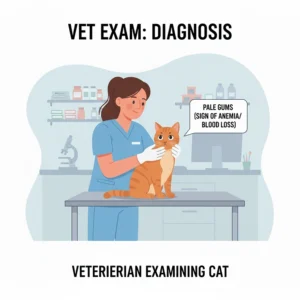
- Gum color (pale gums indicate blood loss)
- Capillary refill time (how quickly color returns to gums when pressed)
- Temperature and respiratory rate
- Level of consciousness and responsiveness
Physical Examination
The vet will palpate your cat’s abdomen to check for pain, swelling, or abnormalities. This hands-on examination can reveal:
- Abdominal pain or tenderness
- Masses or abnormal organ sizes
- Foreign objects that might be palpable
- Signs of internal bleeding or fluid accumulation
- Evidence of trauma or external injuries
Essential Diagnostic Tests
Blood tests can assess liver and kidney function, check for infections, and detect anemia (a common side effect of internal bleeding). The complete diagnostic workup typically includes:
Complete Blood Count (CBC): Reveals anemia from blood loss, infection markers, and platelet counts affecting clotting ability.
Chemistry Panel: Evaluates kidney and liver function, electrolyte levels, and blood sugar – all crucial for understanding overall health status.
Coagulation Tests: Measure how well blood clots, essential if toxin ingestion or bleeding disorders are suspected.
Urinalysis: Provides additional information about kidney function and can reveal blood in urine indicating systemic bleeding.
Advanced Imaging Studies
X-rays or ultrasounds can help identify any foreign objects, tumors, or abnormalities in the digestive tract. Imaging reveals:
- Foreign objects (though not all are visible on X-rays)
- Organ size abnormalities
- Masses or tumors
- Free fluid in the abdomen from bleeding
- Structural abnormalities or obstructions
Specialized Procedures When Needed
This procedure allows the vet to visualize the inside of your cat’s stomach and intestines, and take biopsies if necessary. Endoscopy provides direct visualization of the digestive tract lining and enables:
- Visual confirmation of ulcers, tumors, or foreign objects
- Tissue biopsies for definitive diagnosis
- Removal of some foreign objects without surgery
- Assessment of bleeding severity and location
Emergency Treatment Options: How Veterinarians Save Lives ⚕️
After a physical exam and diagnostic testing, a veterinarian can begin treatment that is targeted at curing or managing any underlying diseases. Treatment approaches vary based on the underlying cause and severity of your cat’s condition.
Immediate Stabilization Measures
It may be necessary to hospitalize your cat for intravenous fluid therapy to combat dehydration and correct any imbalances in the levels of electrolytes. Critical stabilization includes:
IV Fluid Therapy: Replaces lost blood volume and maintains blood pressure while correcting dehydration and electrolyte imbalances.
Blood Transfusions: In severe cases, a blood transfusion could save a pet’s life no matter what caused the bloody vomiting in the first place. Modern veterinary medicine can provide:
- Whole blood transfusions for severe anemia
- Packed red blood cells for oxygen-carrying capacity
- Fresh frozen plasma for clotting factor replacement
- Platelet transfusions for clotting disorders
Pain Management: Effective pain control reduces stress and may help decrease further gastric irritation.
Medication-Based Treatments
Anti-Nausea Medications: Injectable medications like maropitant (Cerenia) stop vomiting and prevent further irritation to an already damaged digestive tract.
Gastroprotective Agents: Medications like sucralfate to coat and protect the stomach lining. These create a protective barrier over ulcerated areas and promote healing.
Proton Pump Inhibitors: Medications like omeprazole reduce stomach acid production, allowing damaged tissue to heal without continued acid exposure.
Antibiotics: When bacterial infections contribute to gastric problems, targeted antibiotic therapy addresses the underlying cause.
Surgical Interventions
In cases of foreign object ingestion or tumors, surgical intervention may be required. Emergency surgery becomes necessary for:
- Foreign object removal when endoscopy isn’t successful
- Repair of perforated organs
- Tumor removal or biopsy
- Treatment of gastric torsion or severe obstructions
- Control of bleeding that doesn’t respond to medical management
Cause-Specific Treatments
For example, a kitty with intestinal worms will receive parasite treatment, while a cat with cancer may begin chemotherapy or be referred to a specialist such as an oncologist or surgeon.
Toxin Exposure: Requires specific antidotes and supportive care based on the poison involved. Vitamin K for rodenticide poisoning, or chelation therapy for heavy metal exposure.
IBD Management: Long-term treatment with anti-inflammatory medications, dietary changes, and immune system modulation.
Cancer Treatment: May involve chemotherapy, radiation therapy, or palliative care depending on cancer type and stage.
Long-term Recovery and Management 🌟
Dietary Management and Nutrition
Transitioning to a bland diet, such as boiled chicken and rice, to reduce stomach irritation. Recovery nutrition focuses on:
- Easily digestible proteins and carbohydrates
- Small, frequent meals to reduce stomach stress
- Avoidance of foods that increase gastric acid production
- Prescription diets designed for gastrointestinal healing
- Gradual transition back to normal diet as healing progresses
Medication Compliance and Monitoring
Recovery often requires strict adherence to prescribed medications:
- Gastroprotective agents taken at specific times relative to meals
- Anti-nausea medications as needed for comfort
- Antibiotics completed for full prescribed duration
- Pain management adjusted based on your cat’s response
- Regular rechecks to monitor healing progress
Environmental Modifications
Creating a healing environment includes:
- Stress reduction through quiet, comfortable spaces
- Removal of potential toxins or foreign objects
- Minimizing competition for food and resources in multi-cat households
- Temperature control to maintain comfort during recovery
- Easy access to fresh water and litter boxes
Prevention Strategies: Protecting Your Cat’s Health 🛡️
Toxin-Proofing Your Home
Keep harmful chemicals, medications, and toxic plants out of reach. Effective toxin prevention includes:
Secure Storage: Store all cleaning products, medications, and chemicals in locked cabinets or high shelves cats cannot access.
Plant Safety: Research every plant in your home and yard. Remove or relocate toxic varieties like lilies, azaleas, and oleander.
Medication Security: Never leave pills on counters or in easily opened containers. Even one aspirin can be deadly to cats.
Automotive Products: Store antifreeze, oil, and other automotive fluids in sealed containers away from pets.
Foreign Object Prevention
Environmental Management: Regular home inspections can prevent dangerous ingestions:
- Remove or secure small objects that could be swallowed
- Use covered trash cans to prevent access to food wrappers and bones
- Store sewing supplies, craft materials, and office supplies securely
- Check under furniture regularly for lost small items
- Supervise cats during play with string-like toys
Regular Veterinary Care
Regularly take your cat to the vet for check-ups, especially as they age. Preventive veterinary care includes:
Annual Wellness Exams: Early detection of health problems allows for intervention before emergency situations develop.
Dental Care: Most veterinarians advocate for yearly anesthetic dental cleanings in addition to daily teeth brushing. Poor dental health can contribute to systemic illness.
Parasite Prevention: Regular deworming and flea prevention reduce disease transmission risks.
Age-Appropriate Screening: Senior cats benefit from more frequent exams and bloodwork to catch developing problems early.
Diet and Nutrition Management
Provide a balanced diet and ensure they have access to fresh water. Optimal nutrition supports overall health:
- High-quality commercial cat food appropriate for your cat’s age and health status
- Fresh water available at all times
- Avoidance of table scraps that could cause digestive upset
- Portion control to maintain healthy weight
- Regular meal times to support digestive health
Advanced Understanding: The Science Behind Hematemesis 🧬
Physiological Mechanisms
The pathophysiology of vomiting blood in cats is complex, and vomiting causes bleeding, and bleeding causes cats to vomit. Knowing whether the bleeding or the vomiting comes first is difficult to determine in cats.
The digestive tract has multiple protective mechanisms that normally prevent bleeding:
- Mucus production that coats and protects stomach lining
- Rapid cell turnover that repairs minor damage quickly
- Blood flow regulation that maintains tissue health
- pH buffering systems that neutralize excess acid
When these protective mechanisms fail, bleeding occurs. The vomiting reflex can then be triggered by:
- Blood irritating the stomach lining
- Chemical signals from damaged tissue
- Pressure changes from accumulated blood
- Toxins affecting the brain’s vomiting center
Genetic and Breed Predispositions
Certain cat breeds show higher susceptibility to conditions causing bloody vomit:
- Siamese and Oriental breeds have increased IBD risk
- Persian cats may have higher foreign object ingestion rates due to their curiosity
- Maine Coons show some predisposition to certain cancers
- Mixed breed cats generally have fewer genetic predispositions but aren’t immune
Age-Related Factors
Kittens (0-1 year): More susceptible to infectious causes, foreign object ingestion, and congenital bleeding disorders.
Adult Cats (1-7 years): Primary risks include trauma, toxin exposure, and stress-related ulcers.
Senior Cats (7+ years): Higher cancer risk, more likely to have concurrent diseases affecting bleeding, and slower healing responses.
When Every Second Counts: Making Critical Decisions 🚨
Assessing Urgency at Home
While cat throwing up blood always requires veterinary attention, understanding urgency levels helps you make appropriate decisions:
Call Emergency Clinic Immediately:
- Large amounts of bright red blood
- Cat is unconscious, collapsed, or extremely weak
- Suspected toxin ingestion
- Blood accompanied by difficulty breathing
- Kitten or immunocompromised cat
Call Your Regular Vet First (During Business Hours):
- Small amounts of blood with otherwise normal behavior
- Single episode in an adult, healthy cat
- Blood mixed with hairball or minimal vomit volume
Monitor Closely and Call if Worsens:
- Very small pink streaks in an otherwise healthy cat
- Single episode with no other symptoms
- Cat continues eating and drinking normally
What to Bring to the Emergency Clinic
Medical History: Prepare a list of current medications, recent diet changes, known health conditions, and vaccination status.
Recent Events: Note any potential toxin exposure, trauma, stress, or behavioral changes in the past few days.
Vomit Sample: If possible and safe, collect a sample in a clean container for analysis (call ahead to confirm the clinic wants you to do this).
Photos: If you can’t collect a sample, photos of the vomit can help veterinarians assess the situation.
💬 Just one click – help others make better buying decisions too!😊
Emergency First Aid: What You Can Do Before Veterinary Care 🩹
Immediate Actions
Ensure Safety: Remove any potential toxins or foreign objects from your cat’s environment to prevent further ingestion.
Withhold Food: Withhold food during acute vomiting episodes and offer small sips of water. This gives the digestive tract time to rest and reduces further irritation.
Monitor Vital Signs: Watch for changes in breathing rate, gum color, and level of alertness that could indicate worsening condition.
Keep Calm: Your stress affects your cat. Maintain calm energy while preparing for transport to veterinary care.
What NOT to Do
Don’t Induce Vomiting: Never try to make your cat vomit more, as this could worsen bleeding and cause additional trauma.
Don’t Give Human Medications: Human pain relievers and other medications can be toxic to cats and may worsen bleeding.
Don’t Wait for Improvement: Unlike minor digestive upset, bloody vomit doesn’t resolve on its own and typically worsens without treatment.
Don’t Give Home Remedies: Well-meaning home treatments can interfere with veterinary diagnosis and treatment.
Cost Considerations and Financial Planning 💰
Emergency Care Expenses
Emergency treatment for cat throwing up blood can range from several hundred to several thousand dollars depending on:
- Diagnostic testing required (bloodwork, imaging, endoscopy)
- Treatment complexity (medications vs. surgery)
- Hospitalization length
- Follow-up care needs
- Geographic location and clinic type
Pet Insurance Considerations
If you don’t already have pet insurance, emergency episodes highlight its value:
- Most policies have waiting periods for coverage to begin
- Pre-existing conditions typically aren’t covered
- Emergency coverage varies significantly between plans
- Some policies require pre-authorization for expensive procedures
Financial Assistance Options
Many communities offer resources for pet owners facing emergency veterinary expenses:
- Care Credit and other pet-specific financing options
- Local animal welfare organizations with emergency funds
- Veterinary schools that may offer reduced-cost care
- Crowdfunding platforms for pet medical expenses
The Emotional Impact: Caring for Yourself and Your Family 💝
Dealing with Fear and Guilt
Seeing your cat throw up blood triggers intense emotional responses. Many pet parents experience:
- Panic about losing their beloved companion
- Guilt about not preventing the problem
- Anxiety about making the right treatment decisions
- Stress about financial implications
These feelings are normal and valid. Remember that emergencies often happen despite excellent care, and quick action demonstrates your love and commitment to your cat’s wellbeing.
Supporting Children in the Family
When cats throwing up blood affects family pets, children need age-appropriate explanations and emotional support:
- Explain that the cat is sick and needs doctor help, just like people sometimes do
- Allow children to express their fears and concerns
- Include them in appropriate ways in the cat’s care and recovery
- Reassure them that veterinarians are experts at helping sick animals
Building Your Support Network
Don’t face pet emergencies alone:
- Connect with other pet parents who have faced similar situations
- Maintain relationships with trusted veterinary professionals
- Consider joining online communities focused on cat health
- Build relationships with local pet care resources before emergencies arise
Recovery Success Stories: Hope and Healing 🌈
Case Study: Foreign Object Recovery
Whiskers, a 3-year-old tabby, began vomiting blood after ingesting a piece of ribbon during holiday decorating. Quick recognition by his family led to emergency surgery within 4 hours of symptom onset. The ribbon was successfully removed from his small intestine, and after a 3-day hospital stay, Whiskers made a complete recovery. Six months later, he shows no lasting effects from the incident.
Case Study: Toxin Exposure Recovery
Luna, a 7-year-old Persian, accidentally ingested rat poison from a neighbor’s garage. Her family noticed bloody vomit and immediately rushed to the emergency clinic. Blood tests confirmed anticoagulant poisoning, and treatment with vitamin K injections began immediately. Luna required hospitalization for 5 days and ongoing vitamin K treatment for 6 weeks, but she recovered completely with no long-term health effects.
Case Study: IBD Management Success
Max, an 11-year-old Maine Coon, developed chronic bloody vomiting that was eventually diagnosed as inflammatory bowel disease. While initial treatment was challenging, a combination of prescription diet, anti-inflammatory medications, and stress reduction techniques led to excellent long-term management. Max now enjoys a good quality of life with only occasional mild symptoms that are well-controlled.
Looking Forward: Advances in Veterinary Emergency Medicine 🔬
Diagnostic Technology Improvements
Modern veterinary medicine continues advancing diagnostic capabilities:
- Portable ultrasound units enable faster emergency assessment
- Advanced blood analysis provides results within minutes
- Digital radiography improves image quality while reducing radiation exposure
- Endoscopic equipment becomes smaller and more maneuverable
Treatment Innovation
New treatment options continue emerging:
- Advanced blood products improve transfusion outcomes
- Minimally invasive surgical techniques reduce recovery time
- Targeted medications provide more effective symptom control with fewer side effects
- Regenerative medicine approaches support healing of damaged tissues
Telemedicine Integration
While emergency situations still require in-person care, telemedicine supports:
- Pre-visit consultations to determine urgency level
- Post-treatment follow-up monitoring
- Medication adjustment guidance during recovery
- Long-term management support for chronic conditions
Quick Reference Emergency Actions 🚨
✅ DO IMMEDIATELY:
- Remove potential toxins from environment
- Withhold food (water okay in small amounts)
- Contact veterinary emergency clinic
- Gather medical history and recent event information
- Transport cat safely to veterinary care
❌ DON’T DO:
- Wait to see if it improves
- Give human medications
- Induce more vomiting
- Provide home remedies
- Delay veterinary consultation
🚑 Emergency Vet Call: Be Ready to Answer These Questions
When you call the emergency clinic, be prepared to provide:
- Your cat’s age, breed, and weight
- Description of the blood (bright red, coffee-ground appearance, amount)
- When symptoms started
- Any potential toxin exposure or trauma
- Current medications or health conditions
- Your cat’s current alertness level and vital signs
FAQs
❓ Is cat throwing up blood always an emergency?
❓ Can I give my cat human medications for bloody vomit?
❓ How quickly does cat throwing up blood become life-threatening?
❓ What causes most cases of cats throwing up blood?
❓ Can cat throwing up blood be prevented?
Recommended for You
- 7 Best Outdoor Heated Cat Bed Options That Keep Cats Warm All Winter 2025
- 7 Best Heated Cat Bed Indoor Solutions For Ultimate Cozy Comfort in 2025
- 7 Best Heated Cat Bed Options for Ultimate Feline Comfort in 2025
Conclusion: Your Cat’s Life Depends on Quick Action 🐾
Cat throwing up blood represents one of the most serious symptoms your feline companion can experience. Unlike minor digestive upsets that may resolve with time, hematemesis always indicates significant internal problems requiring immediate professional intervention. The difference between a positive outcome and tragedy often lies in how quickly appropriate veterinary care begins.
Remember that your quick recognition of this emergency symptom and immediate action to seek professional care can literally save your cat’s life. Trust your instincts – when you see blood in your cat’s vomit, don’t wait, don’t try home remedies, and don’t hope it will improve on its own. Your beloved companion is counting on you to advocate for their health when they cannot speak for themselves.
The veterinary profession has made tremendous advances in emergency medicine, offering hope even in severe cases when treatment begins promptly. Your cat’s best chance for complete recovery starts with your decision to seek immediate professional care the moment you notice bloody vomit.
🚑 Take Action Now: Save This Emergency Information! ⭐
Keep your veterinarian’s emergency contact information easily accessible, know the location of your nearest 24-hour animal hospital, and trust yourself to act quickly when your cat needs you most. In emergency situations, preparation and swift action make all the difference between fear and successful treatment, between loss and recovery.
Your cat depends on you to be their voice and advocate during health crises. By understanding the serious nature of bloody vomit and committing to immediate veterinary care, you’re providing the best possible protection for your cherished companion.
Disclaimer: This article contains affiliate links. If you purchase products through these links, we may earn a small commission at no additional cost to you.
✨ Found this helpful? Share it with your friends! 💬🤗
