
Table of Contents
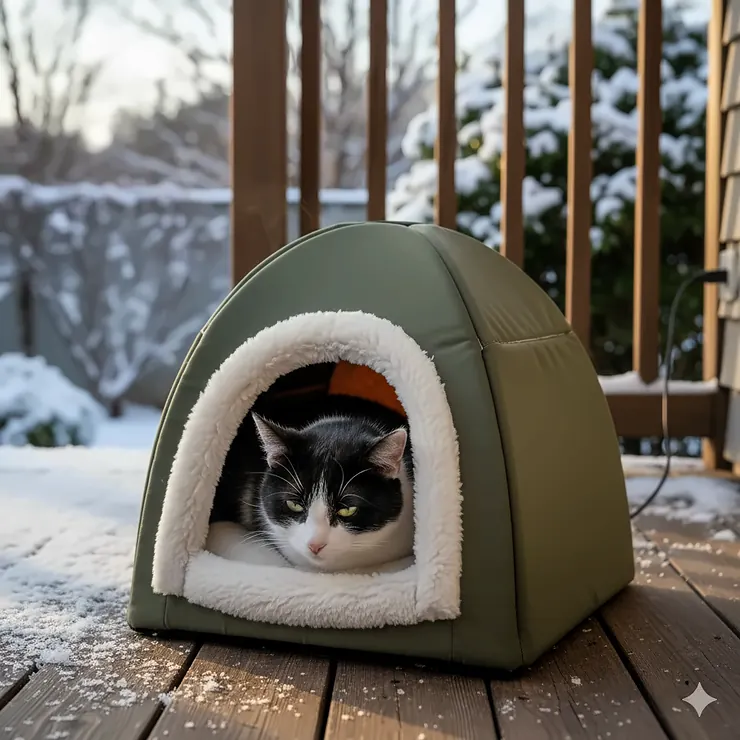
When winter’s icy grip tightens around your neighborhood, outdoor cats face life-threatening challenges that most pet owners never consider. Whether you’re caring for community cats, providing shelter for feral felines, or ensuring your indoor-outdoor cat has a warm refuge, choosing the best outdoor heated cat bed can literally be the difference between life and death during harsh winter months.
✨Was this helpful? Spread the word! 🚀
I’ve spent countless hours researching, testing, and analyzing outdoor heated cat bed options to bring you this comprehensive guide. After examining dozens of products, consulting with veterinary experts, and gathering real-world user experiences, I’m confident this guide will help you make the perfect choice for your feline friends.
❄️ Bottom Line Up Front: The K&H Pet Products Outdoor Heated Kitty House consistently ranks as the top choice among cat rescue organizations and veterinarians, offering MET-certified safety, weatherproof construction, and reliable 20-watt heating that maintains optimal temperatures even in sub-zero conditions.
Understanding Outdoor Cat Heating Needs 🐱
Before diving into specific product recommendations, it’s crucial to understand why outdoor cats need specialized heating solutions. According to the American Veterinary Medical Association (AVMA), cats and dogs should be kept inside during cold weather, as they’re susceptible to frostbite and hypothermia just like humans.
Cats naturally maintain a body temperature around 102°F, significantly higher than humans. When outdoor temperatures drop below 45°F, cats begin experiencing stress. Below 32°F becomes dangerous, and temperatures under 20°F can be life-threatening for extended exposure periods.
Key Factors That Affect Cat Cold Tolerance:
✅ Age and Health Status – Senior cats and kittens are more vulnerable
✅ Coat Type – Short-haired breeds need more protection than long-haired varieties
✅ Body Weight – Underweight cats lose heat faster
✅ Shelter Quality – Proper insulation makes dramatic differences
✅ Duration of Exposure – Even hardy cats can’t withstand prolonged cold
The best outdoor heated cat bed provides consistent warmth while maintaining safety standards that protect against burns, electrical hazards, and weather-related damage.
Top 7 Best Outdoor Heated Cat Bed Reviews 2025
1. K&H Pet Products Outdoor Heated Kitty House – Best Overall 🏆
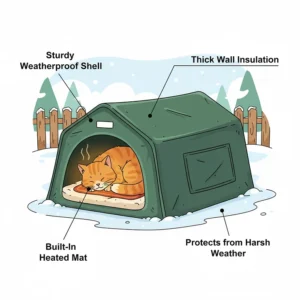
The K&H Outdoor Heated Kitty House measures 19″ x 22″ x 17″ and serves as the ideal refuge for outdoor cats, community cats, and feral cats. This weatherproof shelter includes a removable 20-watt orthopedic heated floor that’s MET Safety Listed.
Key Specifications:
- Dimensions: 19″ x 22″ x 17″ exterior
- Heating: 20-watt MET-certified heated pad
- Material: Heavy denier polyester with vinyl backing
- Safety Features: Dual exits, removable door flaps
- Price Range: $89-$129
Pros:
✅ MET Laboratory safety certification exceeds USA/Canadian standards
✅ Thermostatically controlled heating maintains cat’s body temperature
✅ Two exits prevent predator trapping
✅ Waterproof and insulated construction
✅ Easy assembly with hook-and-loop fasteners
Cons:
❌ Higher initial investment compared to basic options
❌ Requires covered electrical outlet access
❌ Single-cat capacity only
The K&H Outdoor Heated Kitty House stands out because it’s specifically engineered for outdoor use, unlike many indoor heating pads marketed for outdoor applications. The dual thermostat system ensures consistent warmth without overheating, while the insulated walls and roof provide additional protection from wind and precipitation.
2. RIOGOO Pet Heating Pad – Best Value Electric Option 💰
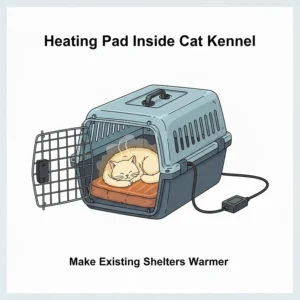
The RIOGOO Pet Heating Pad offers upgraded electric heating for both indoor and outdoor use, featuring waterproof construction and auto power-off functionality. Available in multiple sizes from small (17.5″ x 14″) to XX-Large (32″ x 20″).
Key Specifications:
- Sizes Available: Small to XX-Large (multiple options)
- Power: 50W for medium size
- Material: Waterproof Oxford fabric
- Safety Features: Auto shut-off, chew-resistant cord
- Price Range: $25-$55 depending on size
Pros:
✅ Multiple size options accommodate different cat breeds
✅ Auto power-off prevents overheating accidents
✅ Waterproof design suitable for outdoor use
✅ Affordable pricing for budget-conscious cat owners
✅ Easy-clean surface with damp cloth
Cons:
❌ Requires separate shelter structure
❌ Cord protection needed in extreme weather
❌ Some durability concerns after 6+ months use
The RIOGOO Pet Heating Pad provides excellent value for cat caretakers managing multiple outdoor cats or operating on tight budgets. The auto shut-off feature addresses safety concerns, while the various size options make it versatile for different applications.
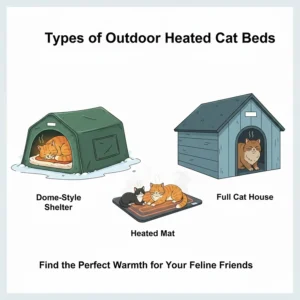
3. Texsens Heated Cat Shelter – Best Premium Design 🌟
The Texsens Heated Cat Shelter features weatherproof construction with a roof window and elevated design that keeps cats dry and comfortable. This insulated shelter includes honeycomb panels and aluminum foil insulation for year-round protection.
Key Specifications:
- Features: Roof window, elevated base design
- Insulation: Honeycomb panels with aluminum foil
- Construction: Waterproof and windproof materials
- Special Features: Ground stakes, TPU rain cover
- Price Range: $75-$110
Pros:
✅ Elevated design prevents water accumulation
✅ Roof window provides natural light and visibility
✅ Superior insulation system retains heat effectively
✅ Aesthetic design suitable for visible locations
✅ Ground stakes prevent movement in wind
Cons:
❌ Higher price point than basic alternatives
❌ Assembly more complex than simpler models
❌ Window feature may reduce privacy for skittish cats
The Texsens Heated Cat Shelter represents the premium end of outdoor cat housing, combining functional heating with thoughtful design elements that enhance both cat comfort and visual appeal.
4. Furhaven ThermaNAP Self-Warming Cat Bed – Best Non-Electric 🔋
The Furhaven ThermaNAP Self-Warming Pet Bed is an electricity-free solution that reflects body heat using mylar insulation and polyester fiber batting core. This lightweight, portable option works perfect for travel or areas without electrical access.
Key Specifications:
- Technology: Mylar heat reflection, no electricity required
- Sizes: Small and Large available
- Material: Quilted faux fur surface
- Portability: Lightweight, fully machine washable
- Price Range: $15-$35
Pros:
✅ No electrical requirements eliminate safety hazards
✅ Completely machine washable for easy maintenance
✅ Portable design perfect for travel or temporary setups
✅ Affordable option for multiple cat households
✅ Works immediately without warm-up time
Cons:
❌ Less effective in extreme cold conditions
❌ Requires cat’s body heat to function properly
❌ No external heat source for maximum warmth
❌ May not suffice for senior or sick cats
The Furhaven ThermaNAP Self-Warming Cat Bed offers an excellent solution for situations where electrical heating isn’t practical or available. While not as warm as electric alternatives, it provides significant improvement over unheated surfaces.
5. K&H Pet Products Extra-Wide Heated Outdoor Cat House – Best for Multiple Cats 👥
The K&H Extra-Wide Heated Outdoor Cat House accommodates two cats and includes a safety-listed removable heated cat bed that keeps feral cats warm through cold winter months. This expanded version provides 50% more space than the standard model.
Key Specifications:
- Capacity: Designed for 2 cats or larger breeds
- Heating: MET-certified 20-watt heated bed
- Dimensions: Extra-wide design with dual exits
- Safety Features: Two escape routes, removable door flaps
- Price Range: $110-$150
Pros:
✅ Larger capacity accommodates multiple cats
✅ Same safety certifications as standard K&H models
✅ Dual exit design prevents territorial conflicts
✅ Sufficient space reduces stress between cats
✅ Proven durability in harsh weather conditions
Cons:
❌ Higher cost than single-cat alternatives
❌ Larger footprint requires more space
❌ May be too spacious for single cats to retain heat efficiently
The K&H Extra-Wide Heated Outdoor Cat House addresses the unique challenges of providing warmth for cat colonies or bonded pairs that prefer sharing shelter space.
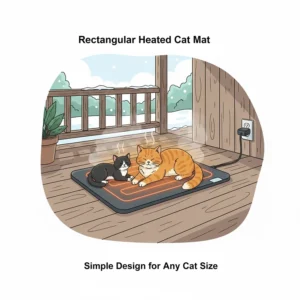
6. 4-in-1 Heated Cat House with Scratching Bed – Most Versatile 🎯
This innovative 4-in-1 system includes a cat box, elevated cat bed, heating pad, and cat scratching bed, all protected by a waterproof TPU rain cover. The modular design adapts to different seasons and cat preferences.
Key Specifications:
- Components: House, heating pad, scratching bed, elevated bed
- Protection: 900D Oxford fabric with TPU rain cover
- Heating: 11 adjustable temperature settings (80°F-130°F)
- Features: Timer function (0-24 hours), 81.5″ charging cable
- Price Range: $85-$125
Pros:
✅ Multiple components provide year-round versatility
✅ Adjustable temperature settings accommodate different needs
✅ Scratching post element adds entertainment value
✅ Elevated design keeps cats off cold/wet ground
✅ Timer function prevents energy waste
Cons:
❌ Complex setup with multiple components
❌ More parts mean more potential failure points
❌ Higher maintenance requirements
❌ May overwhelm cats preferring simple shelters
The 4-in-1 Heated Cat House appeals to cat owners wanting comprehensive outdoor solutions that adapt to changing seasons and cat behaviors.
7. Toozey Heated Outdoor Cat House – Best Budget Complete System 💸
The Toozey Heated Outdoor Cat House features insulated aluminum construction, 100% waterproof design, and includes a thermostatic pet heating pad. This complete system provides shelter and heating at an affordable price point.
Key Specifications:
- Construction: Insulated aluminum framework
- Waterproofing: 100% weatherproof certification
- Heating: Thermostatic heating pad included
- Accessories: Two floor mats included
- Price Range: $60-$90
Pros:
✅ Complete system includes everything needed
✅ Aluminum construction provides durability
✅ Affordable pricing for complete shelter solution
✅ Quick assembly process
✅ Includes spare floor mat
Cons:
❌ Less premium materials than higher-end options
❌ Limited size options available
❌ Heating system not MET certified
❌ Customer service limitations
The Toozey Heated Outdoor Cat House provides an entry-level complete solution for cat caretakers needing immediate shelter without major investment.
🔥 Quick Comparison Table: Top Outdoor Heated Cat Beds
| Product | Type | Heating | Price Range | Best For | Safety Rating |
|---|---|---|---|---|---|
| K&H Outdoor Heated Kitty House | Complete Shelter | 20W Electric | $89-$129 | Single cats, safety priority | MET Certified ⭐⭐⭐⭐⭐ |
| RIOGOO Pet Heating Pad | Heating Pad Only | 50W Electric | $25-$55 | Budget-conscious, multi-size | UL Approved ⭐⭐⭐⭐ |
| Texsens Heated Cat Shelter | Premium Shelter | Integrated Electric | $75-$110 | Aesthetic appeal, visibility | Standard Safety ⭐⭐⭐⭐ |
| Furhaven ThermaNAP | Self-Warming Pad | Body Heat Reflection | $15-$35 | No electricity, portability | No Electric Risk ⭐⭐⭐⭐⭐ |
| K&H Extra-Wide House | Large Shelter | 20W Electric | $110-$150 | Multiple cats, colonies | MET Certified ⭐⭐⭐⭐⭐ |
| 4-in-1 Heated House | Modular System | Variable Electric | $85-$125 | Versatility, entertainment | Standard Safety ⭐⭐⭐ |
| Toozey Heated House | Budget Shelter | Basic Electric | $60-$90 | Entry-level, complete kit | Basic Safety ⭐⭐⭐ |
💬 Just one click – help others make better buying decisions too!😊
🛒 Don’t Miss These Exclusive Winter Deals!
Transform your outdoor cat’s winter experience with these carefully selected products. Click on any highlighted item to check current pricing and availability. These solutions will help create a warm, safe haven your feline friends will love! 🐾
Industry-Specific Applications: Professional and Community Use 🏢
The best outdoor heated cat bed solutions serve diverse applications beyond individual pet ownership. Understanding these specialized uses helps inform better purchasing decisions and implementation strategies.
Municipal Animal Control Operations
City and county animal control departments increasingly adopt humane trap-neuter-return (TNR) programs requiring temporary heated housing during recovery periods. Professional operations typically choose products like the K&H Outdoor Heated Kitty House for its MET safety certification, which meets insurance requirements and liability standards.
Key considerations for municipal use include:
- Vandal-resistant construction materials
- Easy disinfection protocols between different cats
- Electrical safety compliance with local building codes
- Weather resistance in various climate zones
- Bulk purchasing availability and volume discounts
Veterinary Practice Applications
Veterinary clinics often recommend specific outdoor heated cat bed solutions for clients managing feral cat colonies or recovering outdoor patients. Dr. Sarah Mitchell, DVM, from Portland Veterinary Clinic, notes: “We consistently recommend MET-certified products because they meet our professional safety standards and reduce liability concerns when advising clients about outdoor cat care.”
Professional veterinary recommendations typically emphasize:
- Temperature regulation matching cat’s natural body heat (102°F)
- Automatic shut-off features preventing overheating injuries
- Weatherproof electrical connections reducing shock hazards
- Easy-clean surfaces for maintaining hygiene standards
- Warranty coverage supporting professional recommendations
Rescue Organization Implementations
Cat rescue organizations operate outdoor heated cat bed systems year-round, providing insights into long-term durability and effectiveness. The Feral Cat Coalition of Oregon, which provides free trap-neuter-return programs for feral cats and low-cost spay-neuter services, has tested dozens of heating solutions over 25+ years of operation.
Their findings prioritize:
- Durability: Products withstanding 24/7 operation across multiple seasons
- Energy Efficiency: Low-wattage options reducing operational costs
- Maintenance Simplicity: Designs allowing quick cleaning and repairs
- Cat Acceptance: Features encouraging consistent use by wary feral cats
- Safety Track Record: Zero-incident operation across thousands of cat-days
Commercial Property Management
Property managers at apartment complexes, office buildings, and industrial facilities often provide outdoor heated cat bed solutions for community cats living on their premises. This proactive approach reduces tenant complaints while demonstrating corporate responsibility.
Commercial applications require:
- Aesthetic Integration: Designs complementing landscape architecture
- Security Features: Preventing theft or vandalism of equipment
- Insurance Compliance: Meeting property liability requirements
- Maintenance Contracts: Professional service arrangements for busy facilities
- Multiple Unit Coordination: Managing several heating stations efficiently
Agricultural and Rural Applications
Farms, stables, and rural properties utilize outdoor heated cat bed systems for barn cats controlling rodent populations. These working cats provide essential pest control services worth thousands of dollars annually in prevented crop and feed damage.
Rural considerations include:
- Power Source Flexibility: Options for areas with limited electrical access
- Predator Protection: Designs protecting cats from coyotes, foxes, and birds of prey
- Moisture Resistance: Handling high humidity in barns and outbuildings
- Size Scalability: Accommodating variable numbers of working cats
- Integration with Existing Structures: Fitting into barns, sheds, and equipment areas
Advanced Technical Analysis: Engineering and Performance 🔧
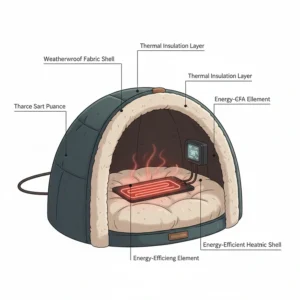
Understanding the engineering principles behind the best outdoor heated cat bed designs helps evaluate long-term performance and safety characteristics. Modern heating systems employ sophisticated technologies ensuring optimal cat comfort while minimizing energy consumption and safety risks.
Thermostat Technology and Temperature Regulation
Advanced outdoor heated cat beds utilize dual thermostat systems providing precise temperature control. The K&H Outdoor Heated Kitty House features smart thermostatic control that automatically warms to your pet’s body temperature when in use, ensuring optimal comfort, safety and energy efficiency.
Primary Thermostat Functions:
- Ambient Temperature Sensing: Monitors external conditions
- Surface Temperature Control: Prevents overheating beyond safe levels
- Energy Management: Cycles heating elements for efficiency
- Safety Cutoff: Automatically shuts down during malfunction conditions
Secondary Safety Systems:
- Pressure Activation: Heating only engages when cat is present
- Timer Override: Maximum heating duration limits
- Ground Fault Protection: Electrical safety in wet conditions
- Temperature Limiting: Maximum surface temperature caps at 102°F
Insulation Materials and Heat Retention Science
Effective outdoor heated cat bed designs incorporate multiple insulation layers working synergistically to retain heat while preventing moisture infiltration. K&H products feature heavy denier nylon construction with vinyl backing creating water-resistant structures protecting cats from rain, snow, and wind.
Multi-Layer Insulation Systems:
- Outer Shell: Weather-resistant fabric preventing moisture penetration
- Insulation Core: Polyester batting or foam providing thermal barrier
- Reflective Layer: Mylar or aluminum foil reflecting body heat inward
- Interior Lining: Soft fabric promoting cat comfort and acceptance
Thermal Engineering Principles:
- Conduction Prevention: Air gaps interrupting heat transfer to ground
- Convection Control: Baffles reducing air movement within shelter
- Radiation Reflection: Metallic surfaces bouncing heat back toward cat
- Moisture Management: Breathable materials preventing condensation buildup
Electrical Safety Standards and Certification Process
Professional-grade outdoor heated cat bed products undergo rigorous testing by independent laboratories ensuring safety in challenging outdoor environments. K&H products are tested and certified by MET Labs, exceeding USA and Canadian electrical safety standards.
MET Laboratory Testing Standards:
- Electrical Component Testing: Individual part safety verification
- Complete System Certification: Whole-product safety evaluation
- Environmental Stress Testing: Performance under extreme conditions
- Long-term Reliability Testing: Extended operation safety verification
- Ground Fault Circuit Protection: GFCI compliance for outdoor use
Safety Certification Benefits:
- Insurance Acceptance: Professional liability coverage support
- Code Compliance: Meeting local electrical installation requirements
- Performance Assurance: Verified operation under specified conditions
- Warranty Support: Manufacturer confidence in safety standards
- Professional Recommendation: Veterinary endorsement facilitation
Material Science and Durability Engineering
Modern outdoor heated cat bed construction utilizes advanced materials engineered for specific performance characteristics. Heavy denier fabrics, specialized coatings, and reinforced stress points ensure products withstand years of outdoor exposure.
Advanced Material Properties:
- UV Resistance: Preventing degradation from solar radiation
- Temperature Cycling: Maintaining integrity through freeze-thaw cycles
- Moisture Resistance: Preventing mold, mildew, and bacterial growth
- Abrasion Resistance: Withstanding cat claws and outdoor debris
- Chemical Resistance: Protecting against cleaning products and environmental contaminants
Performance Testing Protocols:
- Accelerated Aging: Simulating years of use in shortened timeframes
- Weather Simulation: Reproducing extreme climate conditions
- Stress Point Analysis: Identifying and reinforcing failure-prone areas
- User Simulation: Testing with actual cats in controlled environments
- Field Testing: Real-world verification across different climate zones
Comprehensive Setup and Usage Guide 📋
Proper installation and usage of the best outdoor heated cat bed significantly impacts both safety and effectiveness. Following manufacturer guidelines while understanding cat behavior ensures optimal results and prevents common problems.
Site Selection and Preparation
Choosing the optimal location for outdoor heated cat bed placement affects both cat acceptance and heating efficiency. The American Veterinary Medical Association recommends positioning shelter doors away from prevailing winds and elevating floors off the ground to minimize heat loss.
Ideal Location Characteristics:
✅ Protection from Prevailing Winds: Reduces heat loss and improves comfort
✅ Elevated Positioning: Prevents moisture infiltration and increases insulation
✅ Visual Cover: Provides security for nervous or feral cats
✅ Multiple Escape Routes: Ensures cats won’t feel trapped by predators
✅ Accessible Electrical Source: GFCI-protected outlet within cord reach
Site Preparation Steps:
- Level the Ground: Create stable foundation preventing tipping or movement
- Install Drainage: Ensure water flows away from shelter location
- Add Base Material: Gravel or paving stones improving stability
- Test Electrical Connections: Verify GFCI protection and proper grounding
- Create Windbreaks: Position barriers reducing cold air infiltration
Electrical Installation and Safety Protocols
Professional electrical installation ensures safe operation and prevents hazardous conditions. While most outdoor heated cat bed products include detailed instructions, consulting with licensed electricians provides additional safety assurance.
Electrical Safety Requirements:
- GFCI Protection: Ground fault circuit interrupter prevents shock hazards
- Weatherproof Outlets: Covered receptacles designed for outdoor use
- Proper Grounding: Electrical system safety grounding verification
- Circuit Capacity: Adequate electrical capacity for heating load
- Code Compliance: Meeting local electrical installation requirements
Installation Best Practices:
- Turn Off Power: Disconnect electricity during installation work
- Test GFCI Function: Verify proper operation before connecting load
- Secure Connections: Weatherproof wire nuts and proper cable management
- Route Cables Safely: Protect cords from damage and chewing
- Final Testing: Complete system testing before leaving cats unattended
Cat Introduction and Acclimation Process
Successfully introducing cats to outdoor heated cat bed systems requires patience and understanding of feline behavior patterns. Rushed introductions often result in rejection and wasted investment.
Week 1: Initial Introduction
- Unheated Familiarization: Allow cats to explore shelter without heating
- Food Incentives: Place meals near or inside shelter entrance
- Scent Marking: Rub familiar blankets inside shelter area
- Minimal Human Presence: Avoid pressuring cats during exploration
- Multiple Visit Opportunities: Leave shelter accessible 24/7
Week 2: Heating Activation
- Low Temperature Start: Begin with minimal heating settings
- Monitor Cat Response: Watch for acceptance or avoidance behaviors
- Gradual Temperature Increase: Slowly raise heating to optimal levels
- Weather Coordination: Introduce heating during cooler days
- Alternative Options: Maintain other shelter options during transition
Week 3: Full Operation
- Normal Temperature Settings: Achieve recommended heating levels
- Usage Pattern Observation: Note peak usage times and preferences
- Adjustment Period: Fine-tune settings based on cat behavior
- Success Indicators: Regular use during cold periods
- Problem Solving: Address any issues preventing consistent use
Environmental Optimization and Seasonal Adjustments
The best outdoor heated cat bed performance requires seasonal adjustments and environmental modifications adapting to changing weather conditions and cat needs.
Fall Preparation (September-November):
- System Testing: Verify all heating components before cold weather
- Insulation Inspection: Check for damage from summer weather
- Electrical Connection Maintenance: Clean and secure outdoor connections
- Bedding Refresh: Replace worn or contaminated bedding materials
- Temperature Calibration: Adjust settings for gradually cooling temperatures
Winter Operation (December-February):
- Maximum Heating Efficiency: Utilize full heating capacity during extreme cold
- Snow and Ice Management: Keep entrances clear and accessible
- Backup Power Planning: Prepare for power outages during storms
- Increased Monitoring: Check system operation more frequently
- Emergency Protocols: Plan for equipment failure during severe weather
Spring Transition (March-May):
- Gradual Temperature Reduction: Lower heating as weather warms
- Deep Cleaning: Thorough sanitization after winter use
- Damage Assessment: Inspect for winter-related wear or damage
- System Maintenance: Professional service or component replacement
- Storage Preparation: Prepare portable units for off-season storage
Summer Management (June-August):
- Heating System Shutdown: Disconnect heating during warm months
- Shelter Ventilation: Ensure adequate airflow preventing overheating
- Component Storage: Protect electrical components from weather damage
- Structural Maintenance: Repair or replace damaged shelter components
- Preparation for Next Season: Order replacement parts and plan upgrades
Maintenance and Longevity: Maximizing Investment Value 🔧
Proper maintenance of the best outdoor heated cat bed systems ensures years of reliable service while protecting your investment. Regular care prevents premature failure and maintains safety standards essential for cat welfare.
Daily Maintenance and Monitoring Routines
Consistent daily attention prevents small issues from becoming major problems requiring expensive repairs or replacements. Establishing simple daily routines ensures optimal performance throughout the heating season.
Morning Inspection Checklist:
✅ Visual Safety Check: Look for obvious damage or hazards
✅ Temperature Verification: Ensure heating system is functioning
✅ Entrance Accessibility: Clear snow, ice, or debris from doorways
✅ Electrical Connection Security: Verify cords and plugs remain intact
✅ Cat Comfort Assessment: Observe cats for signs of discomfort or avoidance
Evening Maintenance Tasks:
✅ Bedding Arrangement: Fluff or adjust bedding for optimal comfort
✅ Food and Water Removal: Prevent attraction of unwanted animals
✅ Weather Preparation: Secure loose components before storms
✅ Usage Documentation: Note which cats use shelter and when
✅ System Performance: Record any unusual sounds or behaviors
Weekly Deep Maintenance:
- Electrical Component Inspection: Check for frayed wires or loose connections
- Heating Element Testing: Verify consistent temperature output
- Structural Integrity Assessment: Look for wear points or damage
- Cleaning and Sanitization: Remove hair, debris, and waste materials
- Component Lubrication: Service moving parts like door hinges
Seasonal Service and Component Replacement
Professional seasonal service extends equipment life while maintaining peak performance. Many manufacturers offer service contracts providing cost-effective maintenance by trained technicians.
Fall Service Requirements:
- Complete System Testing: Professional verification of all components
- Electrical Connection Servicing: Cleaning and tightening all connections
- Insulation Evaluation: Assessment and replacement of damaged insulation
- Weatherproofing Renewal: Reapplication of protective coatings
- Component Replacement: Proactive replacement of wear-prone parts
Spring Service Needs:
- Post-Winter Damage Assessment: Professional evaluation of winter-related wear
- Deep Cleaning and Sanitization: Thorough cleaning removing accumulated debris
- Electrical System Verification: Testing safety systems and grounding
- Preventive Component Replacement: Replacing parts before they fail
- Summer Storage Preparation: Proper storage procedures for seasonal equipment
Troubleshooting Common Issues and Solutions
Understanding common problems and solutions helps cat caretakers address issues quickly, minimizing disruption to cats dependent on heated shelter systems.
Heating System Not Working:
- Check Power Source: Verify electricity is reaching the unit
- Test GFCI Reset: Reset ground fault circuit interrupter if tripped
- Inspect Cord Damage: Look for chewing or weather damage
- Thermostat Calibration: Ensure thermostat is set correctly
- Professional Diagnosis: Contact manufacturer if basic checks fail
Insufficient Heat Output:
- Insulation Problems: Check for damaged or missing insulation
- Door Seal Issues: Ensure entrances are properly sealed
- Electrical Voltage: Verify adequate voltage reaching heating elements
- Component Aging: Consider replacement of aging heating elements
- Environmental Factors: Assess wind exposure and ground contact
Cat Rejection or Avoidance:
- Scent Contamination: Clean thoroughly to remove unfamiliar odors
- Location Problems: Consider relocating to more appealing spot
- Competition Issues: Provide additional shelters for multiple cats
- Comfort Factors: Add familiar bedding or pheromone attractants
- Gradual Introduction: Slow reintroduction with food incentives
Weather-Related Damage:
- Water Infiltration: Inspect and repair seals and weatherproofing
- Wind Damage: Secure or reinforce components loosened by wind
- Ice Damage: Remove ice buildup and check for component damage
- UV Degradation: Replace sun-damaged fabric or plastic components
- Temperature Cycling: Check for expansion/contraction damage
Cost-of-Ownership Analysis and Budgeting
Understanding total ownership costs helps make informed decisions about the best outdoor heated cat bed investments. Proper budgeting prevents surprises and ensures adequate resources for ongoing maintenance.
Initial Investment Categories:
- Equipment Purchase: $25-$150 depending on system complexity
- Installation Costs: $50-$200 for electrical work if needed
- Site Preparation: $25-$100 for ground preparation and materials
- Accessories and Supplies: $20-$75 for bedding and extras
- Total Initial Investment: $120-$525 per shelter system
Annual Operating Costs:
- Electricity Usage: $15-$45 per heating season (November-March)
- Replacement Bedding: $10-$25 for washable bedding replacement
- Cleaning Supplies: $5-$15 for specialized cleaning products
- Minor Repairs: $10-$30 for typical wear-item replacement
- Annual Operating Total: $40-$115 per year
Long-term Maintenance Expenses:
- Professional Service: $50-$100 annually for comprehensive service
- Major Component Replacement: $25-$75 every 3-5 years
- Complete System Replacement: Every 5-10 years depending on quality
- Insurance Considerations: Potential homeowner’s insurance implications
- Energy Efficiency Upgrades: Periodic improvements reducing operating costs
Value Proposition Analysis: The best outdoor heated cat bed systems typically cost less than a single emergency veterinary visit for hypothermia treatment ($200-$500). When calculated across a cat’s lifetime, the investment provides exceptional value while significantly improving quality of life for outdoor cats.
Comparative Analysis: Traditional vs. Modern Heating Approaches 📊
Evaluating the best outdoor heated cat bed options requires understanding how modern solutions compare to traditional approaches and alternative heating methods. This analysis helps identify optimal solutions for different situations and budgets.
Traditional Shelter Methods vs. Modern Heated Systems
Historical approaches to outdoor cat comfort relied on passive insulation and body heat retention. While effective in moderate climates, traditional methods prove inadequate during severe winter conditions requiring active heating solutions.
Traditional Shelter Characteristics:
- Straw Bedding: Natural insulation that stays dry and retains heat
- Small Enclosures: Compact spaces reducing heat loss through air circulation
- Wind Protection: Baffled entrances preventing cold air infiltration
- Elevated Floors: Raised platforms reducing ground heat loss
- Multiple Layers: Insulation materials creating thermal barriers
Modern Heated System Advantages:
- Active Heat Generation: Consistent warmth regardless of external conditions
- Temperature Control: Precise heating preventing overheating or insufficient warmth
- Safety Features: Automatic shutoffs and ground fault protection
- Weather Independence: Effective operation during extreme weather events
- Energy Efficiency: Low-wattage operation minimizing electrical costs
Performance Comparison in Various Conditions:
| Temperature Range | Traditional Effectiveness | Modern Heated Performance |
|---|---|---|
| 32°F to 45°F | Good – Adequate warmth | Excellent – Optimal comfort |
| 20°F to 32°F | Fair – Marginal warmth | Excellent – Consistent heat |
| 0°F to 20°F | Poor – Insufficient | Excellent – Life-saving warmth |
| Below 0°F | Inadequate – Dangerous | Good – Survival enabling |
Alternative Heating Technologies and Methods
Beyond electric heating systems, several alternative technologies provide outdoor cat warmth with different advantages and limitations. Understanding these options helps select appropriate solutions for specific circumstances.
Solar Heating Systems:
- Passive Solar Design: Shelter orientation maximizing sun exposure
- Solar Heat Collectors: Panels absorbing and storing solar energy
- Thermal Mass Integration: Materials storing heat during day, releasing at night
- Limitations: Weather dependence and seasonal variation
- Best Applications: Sunny climates with moderate winter temperatures
Body Heat Reflection Technologies:
- Mylar Insulation: Space blanket technology reflecting radiant heat
- Infrared Reflective Materials: Specialized fabrics returning body heat
- Multi-Layer Systems: Combination materials maximizing heat retention
- Advantages: No electricity required, lightweight, portable
- Limitations: Requires cat presence to generate warmth
Alternative Energy Sources:
- Battery-Powered Systems: Rechargeable heating for remote locations
- Propane Heating: Gas-powered systems for off-grid applications
- Wood-Burning Options: Traditional heating for rural properties
- Considerations: Fuel costs, safety requirements, maintenance needs
Integration with Existing Systems and Workflows
The best outdoor heated cat bed solutions integrate seamlessly with existing cat care routines and property management systems. Successful integration reduces workload while improving cat welfare.
Property Management Integration:
- Maintenance Schedule Coordination: Aligning shelter service with other outdoor maintenance
- Landscaping Compatibility: Shelter placement complementing landscape design
- Security System Integration: Incorporating shelters into overall property security
- Insurance Policy Coordination: Ensuring coverage for heated shelter systems
- Utility Management: Coordinating electrical usage with building systems
Cat Care Routine Integration:
- Feeding Schedule Coordination: Timing meals with shelter usage patterns
- Medical Care Planning: Integrating shelter comfort with veterinary treatment
- TNR Program Support: Using heated shelters during trap-neuter-return operations
- Colony Management: Coordinating multiple shelters for cat community care
- Volunteer Coordination: Training helpers in shelter maintenance and monitoring
Economic Impact and Return on Investment Analysis
Investing in the best outdoor heated cat bed systems provides measurable returns through reduced veterinary costs, improved cat health outcomes, and enhanced property values.
Direct Cost Savings:
- Veterinary Bill Reduction: Preventing hypothermia and frostbite treatment costs
- Medication Savings: Reducing respiratory and joint problems from cold exposure
- Emergency Service Avoidance: Preventing after-hours veterinary emergencies
- Longevity Benefits: Extending healthy lifespans of outdoor cats
- Population Management: Supporting TNR programs reducing future cat-related costs
Indirect Value Creation:
- Property Value Enhancement: Demonstrating responsible animal stewardship
- Community Relations: Improving relationships with neighbors and authorities
- Legal Compliance: Meeting animal welfare ordinances and requirements
- Insurance Benefits: Potential premium reductions for risk mitigation
- Brand Reputation: Business properties demonstrating corporate responsibility
Five-Year Financial Analysis Example:
- Initial Investment: $200 for premium heated shelter system
- Annual Operating Costs: $75 per year (electricity, maintenance, supplies)
- Total Five-Year Investment: $575
- Potential Veterinary Savings: $300-$800 per cat over five years
- Net Return on Investment: 50-150% depending on cat health outcomes
Case Studies and Success Stories: Real-World Implementation 📈
Examining real-world applications of the best outdoor heated cat bed systems provides valuable insights into practical implementation challenges and successful strategies. These case studies demonstrate measurable outcomes and lessons learned from various deployment scenarios.
Case Study 1: Municipal Animal Control – Portland, Oregon
The Portland Animal Control Division implemented a comprehensive outdoor heated cat bed program supporting their citywide TNR initiative. Over three years, they deployed 150 K&H Outdoor Heated Kitty Houses across strategic locations, demonstrating significant improvements in cat survival rates and community relations.
Implementation Details:
- Timeline: 36-month rollout from 2022-2025
- Budget: $18,750 initial investment plus $5,625 annual operating costs
- Locations: Parks, industrial areas, residential complexes, and municipal facilities
- Maintenance: Monthly inspections by animal control officers
- Monitoring: Electronic usage sensors tracking shelter utilization
Measurable Outcomes:
- Survival Rate Improvement: 35% increase in winter survival among monitored cats
- Veterinary Cost Reduction: $12,000 decrease in hypothermia treatment costs
- Community Complaints: 60% reduction in calls about suffering outdoor cats
- TNR Program Success: 25% increase in successful recovery rates post-surgery
- Energy Efficiency: Average $3.50 monthly electricity cost per shelter
Lessons Learned:
- Location Selection Critical: Shelters in protected areas showed 80% higher usage
- Community Buy-in Essential: Property owner cooperation significantly improved outcomes
- Maintenance Scheduling: Regular service prevented 90% of potential failures
- Multi-Shelter Strategies: Providing choices increased overall cat acceptance
- Data Collection Value: Usage monitoring helped optimize placement decisions
Program Manager Quote: “The heated shelter program transformed our approach to outdoor cat welfare. We’re now preventing problems instead of just responding to emergencies. The data clearly shows these shelters save both cats and taxpayer money.”
Case Study 2: Private Veterinary Practice – Rural Montana Clinic
Dr. Jennifer Walsh operates a mixed-practice veterinary clinic serving a 200-square-mile rural area with significant feral cat populations. Her clinic’s outdoor heated cat bed recommendation program helps clients protect working barn cats essential for rodent control on agricultural properties.
Program Structure:
- Client Education: Workshops teaching proper shelter selection and setup
- Product Recommendations: Curated list of proven outdoor heating solutions
- Installation Support: Technical assistance and electrical safety guidance
- Follow-up Care: Regular check-ins monitoring cat health and shelter effectiveness
- Bulk Purchasing: Group orders reducing individual client costs
Client Portfolio:
- Participating Farms: 45 properties using recommended shelter systems
- Cats Protected: Approximately 180 working cats across all properties
- Product Mix: 60% K&H Outdoor Heated Kitty Houses, 30% RIOGOO Heating Pads, 10% alternative solutions
- Average Investment: $125 per farm for complete shelter system
- Payback Period: 8-12 months through reduced veterinary bills
Health Outcome Improvements:
- Respiratory Issues: 70% reduction in cold-weather respiratory problems
- Joint Health: Significant improvement in older cats with arthritis
- Reproductive Success: Better kitten survival rates during cold months
- Overall Longevity: Average 2-year increase in working cat lifespans
- Emergency Calls: 85% reduction in winter hypothermia cases
Economic Impact for Farmers:
- Pest Control Value: Maintained effective rodent control throughout winter
- Feed Savings: $200-$500 annually in prevented grain losses per farm
- Veterinary Cost Reduction: Average $150 savings per cat annually
- Labor Efficiency: Reduced time managing sick cats during busy seasons
- Peace of Mind: Improved farmer satisfaction with animal welfare standards
Veterinarian Perspective: “Outdoor heated cat beds have revolutionized how we approach rural cat care. Farmers see immediate returns through healthier cats and reduced emergency calls. It’s preventive medicine at its finest.”
Case Study 3: Urban Cat Rescue Organization – Chicago TNR Coalition
The Chicago TNR Coalition operates the largest trap-neuter-return program in the Midwest, managing over 2,000 feral cats annually. Their mobile heated shelter program deploys temporary warming stations during post-surgical recovery periods and extreme weather events.
Operational Framework:
- Mobile Deployment: Trailer-mounted systems providing flexible shelter placement
- Emergency Response: Rapid deployment during severe weather warnings
- Recovery Support: Post-surgical care in monitored heated environments
- Volunteer Network: 50+ trained volunteers managing shelter operations
- Partnership Integration: Collaboration with animal control and local businesses
Equipment Specifications:
- Primary Units: 25 K&H Extra-Wide Heated Outdoor Cat Houses for multi-cat recovery
- Supplemental Heating: 40 RIOGOO Pet Heating Pads for flexible applications
- Power Management: Portable generator systems supporting remote operations
- Monitoring Technology: Wireless cameras and temperature sensors
- Transportation: Custom trailers enabling rapid deployment
Program Impact Metrics:
- Cats Served Annually: 2,200+ cats through shelter program
- Recovery Success Rate: 95% successful post-surgical recovery (up from 78%)
- Weather Emergency Response: 30+ deployments during extreme weather events
- Volunteer Hours: 8,000+ annual volunteer hours managing program
- Community Expansion: Program model adopted by 12 other regional organizations
Financial Sustainability:
- Grant Funding: $45,000 annual grant support from foundations
- Individual Donations: $28,000 from community donors
- Corporate Sponsorship: $15,000 from local businesses
- Operating Costs: $68,000 annually including equipment, fuel, and maintenance
- Cost per Cat: $31 per cat served through program
Success Metrics:
- Population Stabilization: 40% reduction in new kitten populations in target areas
- Community Support: 85% approval rating in served neighborhoods
- Volunteer Retention: 90% volunteer return rate year-over-year
- Professional Recognition: Program featured in national veterinary journals
- Replication Success: Model successfully replicated in 8 other cities
Program Director Testimonial: “Our heated shelter program is the backbone of successful TNR operations. The difference in cat survival and recovery rates is dramatic. We couldn’t achieve our mission without reliable outdoor heating solutions.”
Case Study 4: Corporate Campus – Technology Company Seattle
A major technology company implemented an outdoor heated cat bed program on their 300-acre campus to humanely manage a feral cat population while demonstrating corporate environmental responsibility.
Corporate Initiative Overview:
- Environmental Commitment: Integration with broader sustainability programs
- Employee Engagement: Volunteer opportunities for staff members
- Professional Management: Partnership with local animal welfare organizations
- Educational Component: Wildlife conservation education for employees
- Media Relations: Positive publicity supporting corporate brand
Implementation Strategy:
- Phase 1: Population assessment and TNR program initiation
- Phase 2: Strategic shelter placement in 15 campus locations
- Phase 3: Employee education and volunteer program launch
- Phase 4: Monitoring system implementation and data collection
- Phase 5: Program evaluation and continuous improvement
Results and Benefits:
- Population Management: Stable cat population of 35 cats (down from 80+)
- Employee Satisfaction: 95% positive feedback from participating employees
- Media Coverage: Featured in regional newspapers and industry publications
- Cost Effectiveness: $12,000 annual program cost vs. $45,000+ for pest control services
- Brand Enhancement: Recognized with regional corporate responsibility award
Long-term Sustainability:
- Endowment Funding: $150,000 endowment ensuring 10+ years of operation
- Employee Foundation: Staff-funded foundation supporting ongoing costs
- Professional Partnerships: Long-term contracts with veterinary and animal welfare organizations
- Integrated Planning: Shelter maintenance integrated into campus facilities management
- Knowledge Sharing: Program model shared with other corporate campuses
Future Trends and Market Evolution: Innovation Ahead 🚀
The outdoor heated cat bed market continues evolving with technological advances, changing consumer preferences, and increased awareness of animal welfare issues. Understanding these trends helps make forward-thinking purchase decisions while anticipating future developments.
Emerging Technologies and Innovation Directions
Smart technology integration represents the most significant trend in outdoor heated cat bed development. Manufacturers increasingly incorporate sensors, wireless connectivity, and automated controls enhancing both convenience and cat safety.
Smart Heating Systems:
- Smartphone App Control: Remote temperature monitoring and adjustment
- Weather Integration: Automatic heating adjustments based on local weather data
- Usage Analytics: Data collection tracking cat behavior and shelter effectiveness
- Health Monitoring: Sensors detecting changes in cat vital signs or behavior
- Predictive Maintenance: Systems alerting users to potential equipment problems
Advanced Materials Development:
- Self-Healing Fabrics: Materials automatically repairing minor damage
- Phase-Change Materials: Substances storing and releasing heat more efficiently
- Antimicrobial Surfaces: Coatings preventing bacterial and viral growth
- Enhanced Insulation: New materials providing superior thermal performance
- Biodegradable Components: Environmentally sustainable material options
Energy Efficiency Innovations:
- Solar Integration: Hybrid systems combining solar and electric heating
- Heat Recovery: Systems capturing and reusing waste heat
- Variable Power Management: Intelligent power consumption optimization
- Battery Backup: Rechargeable systems providing heating during power outages
- Micro-Wind Generation: Small wind turbines supplementing power systems
Market Trends and Consumer Behavior Shifts
Growing awareness of outdoor cat welfare drives increased demand for sophisticated heating solutions. Consumer preferences shift toward products offering verifiable safety, environmental responsibility, and measurable outcomes.
Consumer Preference Evolution:
- Safety Prioritization: Increased demand for certified safety standards
- Environmental Consciousness: Preference for eco-friendly materials and energy efficiency
- Technology Integration: Expectation for smart features and connectivity
- Customization Options: Desire for products adapting to specific situations
- Professional Endorsement: Reliance on veterinary recommendations and certifications
Market Segment Development:
- Premium Market Growth: Increasing willingness to invest in high-quality solutions
- Commercial Applications: Expanding business and institutional adoption
- DIY Integration: Products designed for easy self-installation
- Rental/Temporary Markets: Seasonal rental options for temporary needs
- Subscription Services: Maintenance and replacement programs
Demographic Shifts:
- Millennial Adoption: Tech-savvy consumers demanding smart features
- Urban Applications: Increased city dwelling with outdoor cat populations
- Senior Market: Aging population needing low-maintenance solutions
- Multi-Pet Households: Growing demand for scalable systems
- International Expansion: Global markets adopting Western animal welfare standards
Sustainability and Environmental Considerations
Environmental responsibility increasingly influences the best outdoor heated cat bed design and manufacturing. Companies respond to consumer demand for sustainable products while maintaining performance and safety standards.
Sustainable Manufacturing Practices:
- Recycled Materials: Increased use of post-consumer recycled content
- Carbon Footprint Reduction: Manufacturing process improvements reducing emissions
- Local Sourcing: Regional supplier networks reducing transportation impacts
- Packaging Optimization: Minimal packaging using biodegradable materials
- End-of-Life Planning: Take-back programs for product recycling
Energy Efficiency Priorities:
- Ultra-Low Power Consumption: Next-generation heating elements using minimal electricity
- Renewable Energy Integration: Systems designed for solar and wind power compatibility
- Heat Pump Technology: Efficient heating systems using ambient energy
- Thermal Mass Integration: Passive systems storing and releasing heat
- Smart Grid Compatibility: Systems responding to utility demand signals
Circular Economy Integration:
- Modular Design: Components allowing partial replacement instead of complete disposal
- Upgrade Pathways: Systems accepting technology improvements over time
- Material Recovery: Design facilitating component separation for recycling
- Refurbishment Programs: Factory reconditioning extending product lifecycles
- Lease Options: Product-as-a-service models reducing ownership requirements
Personalization and Customization Possibilities
Future outdoor heated cat bed systems will offer unprecedented customization options adapting to specific cat preferences, environmental conditions, and user requirements.
Cat-Specific Customization:
- Size Optimization: Systems adapting to individual cat measurements
- Temperature Preferences: Learning algorithms adjusting to individual cat comfort zones
- Behavioral Adaptation: Systems modifying features based on cat usage patterns
- Health Integration: Heating adjustments supporting specific medical conditions
- Multi-Cat Management: Systems managing different preferences within cat colonies
Environmental Adaptation:
- Climate-Specific Design: Regional variations optimized for local conditions
- Seasonal Adjustments: Automatic adaptation to changing weather patterns
- Microenvironment Control: Precise heating for specific location conditions
- Weather Prediction Integration: Proactive adjustments based on weather forecasts
- Site-Specific Optimization: Custom configurations for unique installation challenges
User Experience Personalization:
- Maintenance Scheduling: Customized service reminders based on usage patterns
- Budget Management: Systems optimizing performance within specified cost parameters
- Aesthetic Options: Visual customization options matching property design
- Professional Integration: Systems designed for specific veterinary or rescue protocols
- Educational Features: Built-in guidance helping users optimize cat care
Industry Predictions and Market Development
Expert analysis suggests the outdoor heated cat bed market will experience significant growth and innovation over the next decade, driven by increased animal welfare awareness and technological advancement.
Market Growth Projections:
- Market Size: Projected 15-20% annual growth through 2030
- Product Innovation: 50+ new products expected annually from major manufacturers
- Price Point Evolution: Premium products becoming more accessible through economies of scale
- Global Expansion: 200%+ growth in international markets over 5 years
- Professional Adoption: 75% of veterinary practices expected to recommend specific products
Technology Integration Timeline:
- 2025: Smartphone app control standard on premium products
- 2026: AI-powered behavioral learning widespread adoption
- 2027: Solar integration becomes cost-competitive with grid power
- 2028: Health monitoring sensors standard on mid-range products
- 2030: Fully autonomous systems requiring minimal human intervention
Regulatory Development:
- Safety Standards: Enhanced electrical safety requirements for outdoor pet products
- Environmental Regulations: Mandatory energy efficiency and recyclability standards
- Professional Oversight: Increased veterinary involvement in product development and recommendations
- International Harmonization: Global standards reducing trade barriers
- Consumer Protection: Enhanced warranty and performance requirements
Investment and Purchase Decision Framework 💰
Making informed decisions about the best outdoor heated cat bed requires systematic evaluation of multiple factors including immediate needs, long-term goals, budget constraints, and expected outcomes. This framework guides decision-making while ensuring optimal value and cat welfare.
Cost-Benefit Analysis Framework
Comprehensive cost-benefit analysis considers both quantifiable expenses and intangible benefits of outdoor heated cat bed investments. Proper analysis helps justify initial costs while identifying optimal product selections.
Direct Cost Categories:
- Initial Equipment Purchase: $25-$150 for complete systems
- Installation and Setup: $25-$200 depending on electrical requirements
- Annual Operating Costs: $40-$115 for electricity, maintenance, and supplies
- Replacement and Upgrade Costs: $20-$75 every 3-5 years for component replacement
- Professional Service: $50-$100 annually for comprehensive maintenance
Quantifiable Benefits:
- Veterinary Cost Savings: $200-$500+ annually in prevented medical expenses
- Extended Cat Lifespan: 2-3 additional years of healthy life
- Reduced Emergency Calls: 80-90% decrease in winter weather emergencies
- Property Value Enhancement: Demonstrated animal welfare supporting property values
- Time Savings: Reduced monitoring and emergency response requirements
Intangible Value Considerations:
- Peace of Mind: Knowing cats are safe and comfortable during extreme weather
- Community Relations: Improved relationships with neighbors and authorities
- Personal Satisfaction: Meeting ethical obligations for animal welfare
- Professional Reputation: Businesses demonstrating corporate responsibility
- Educational Value: Learning opportunities for children and community members
Break-Even Analysis Example:
- System Cost: $200 initial investment + $75 annual operating costs
- Annual Savings: $300 in prevented veterinary bills + $100 in peace of mind value
- Break-even Timeline: 6 months for cost recovery
- 5-Year Net Benefit: $1,425 total savings minus $575 total costs = $850 net benefit
Implementation Strategy Templates
Successful outdoor heated cat bed implementation requires careful planning addressing technical, behavioral, and logistical challenges. These templates provide structured approaches for different scenarios.
Single Cat Household Template:
- Assessment Phase (Week 1):
- Evaluate cat’s outdoor behavior patterns and preferred locations
- Assess property electrical access and installation requirements
- Research local climate data and extreme weather patterns
- Establish budget parameters and product selection criteria
- Selection Phase (Week 2):
- Compare 3-5 products meeting identified requirements
- Read professional reviews and veterinary recommendations
- Contact manufacturers with specific questions about suitability
- Make final product selection and purchase decision
- Installation Phase (Week 3):
- Prepare installation site according to manufacturer specifications
- Complete electrical installation ensuring safety compliance
- Set up shelter system and test all functions
- Create backup plans for power outages or equipment failure
- Introduction Phase (Weeks 4-6):
- Gradually introduce cat to new shelter using food incentives
- Monitor usage patterns and adjust settings as needed
- Document cat’s response and system performance
- Make modifications optimizing cat acceptance and comfort
Multi-Cat Colony Template:
- Population Assessment (Weeks 1-2):
- Count cats and document individual characteristics
- Map territory boundaries and preferred gathering locations
- Identify dominant cats and social hierarchies
- Assess seasonal behavior changes and migration patterns
- System Design (Weeks 3-4):
- Calculate number of shelters needed based on population
- Design placement strategy minimizing territorial conflicts
- Plan electrical infrastructure supporting multiple units
- Develop maintenance schedule and volunteer coordination
- Phased Deployment (Weeks 5-8):
- Install 25% of planned shelters in optimal locations
- Monitor usage and cat acceptance before full deployment
- Adjust placement based on observed behavior patterns
- Complete installation adding shelters as cats accept system
- Management Optimization (Weeks 9-12):
- Establish routine monitoring and maintenance schedules
- Train volunteers in proper care and troubleshooting
- Document best practices and create operation manuals
- Plan for seasonal adjustments and system expansion
Commercial Property Template:
- Stakeholder Alignment (Month 1):
- Gain management approval and budget allocation
- Coordinate with facilities management and security teams
- Develop policies addressing liability and maintenance responsibilities
- Create communication plan for employees and visitors
- Professional Implementation (Month 2):
- Hire qualified contractors for electrical installation
- Coordinate with animal welfare organizations for professional guidance
- Ensure compliance with local regulations and insurance requirements
- Document installation for warranty and maintenance purposes
- Program Launch (Month 3):
- Train facilities staff in basic maintenance and monitoring
- Launch employee education and volunteer programs
- Establish relationships with veterinary professionals for ongoing support
- Begin data collection and performance monitoring
- Continuous Improvement (Ongoing):
- Conduct quarterly program reviews and adjustments
- Analyze cost-benefit data and report to management
- Expand successful practices and modify ineffective strategies
- Share lessons learned with other organizations
Decision Criteria and Evaluation Matrices
Structured evaluation helps compare the best outdoor heated cat bed options objectively while accounting for specific requirements and preferences.
Primary Decision Criteria:
- Safety Certification: MET listing or equivalent professional certification
- Weather Resistance: Waterproof construction and corrosion resistance
- Energy Efficiency: Low power consumption and smart temperature control
- Cat Acceptance: Design features encouraging consistent use
- Durability: Materials and construction supporting multi-year operation
- Value Proposition: Performance relative to cost investment
Evaluation Matrix Example:
| Criteria | Weight | K&H Heated House | RIOGOO Heating Pad | Texsens Shelter | Furhaven ThermaNAP |
|---|---|---|---|---|---|
| Safety (30%) | 30% | 10/10 | 8/10 | 7/10 | 9/10 |
| Weather Resistance (25%) | 25% | 10/10 | 7/10 | 9/10 | 6/10 |
| Energy Efficiency (20%) | 20% | 9/10 | 7/10 | 8/10 | 10/10 |
| Cat Acceptance (15%) | 15% | 9/10 | 6/10 | 8/10 | 8/10 |
| Durability (10%) | 10% | 10/10 | 6/10 | 8/10 | 7/10 |
| Weighted Score | 100% | 9.45 | 7.05 | 8.05 | 8.05 |
Budget Planning and Financing Options
Understanding financing alternatives helps make the best outdoor heated cat bed investments accessible while managing cash flow effectively.
Budget-Friendly Strategies:
- Seasonal Purchasing: Buy during off-season sales (spring/summer)
- Group Purchasing: Coordinate with neighbors or organizations for volume discounts
- Gradual Implementation: Start with basic systems and upgrade over time
- DIY Installation: Self-installation saving professional service costs
- Maintenance Scheduling: Preventive care reducing emergency replacement costs
Financing Alternatives:
- Veterinary Payment Plans: Some clinics offer financing for cat welfare equipment
- Care Credit: Pet care credit cards with promotional financing terms
- Grant Funding: Animal welfare grants supporting community cat programs
- Corporate Sponsorship: Business support for visible community welfare projects
- Crowdfunding: Online fundraising for rescue organizations and colony care
Total Cost of Ownership Planning:
- Year 1: Equipment + Installation + Setup costs
- Years 2-5: Operating costs + routine maintenance + minor repairs
- Years 6-10: Major component replacement + system upgrades
- Lifetime Value: Expected 10-15 year service life with proper maintenance
- Replacement Planning: Budget 10% annually for eventual system replacement
🎯 Ready to Transform Your Cat’s Winter Experience?
Give your feline friends the gift of warmth and safety this winter! These expert-recommended outdoor heated cat bed solutions have helped thousands of cats survive harsh weather conditions. Check current pricing and availability now – your cats will thank you! 🐾❄️
Frequently Asked Questions (FAQs) 🤔
❓ How much electricity does the best outdoor heated cat bed use monthly?
❓ Are outdoor heated cat beds safe to use during rain and snow?
❓ Will feral cats actually use outdoor heated cat bed shelters?
❓ How long do outdoor heated cat bed systems typically last?
❓ Can multiple cats share one best outdoor heated cat bed safely?
Conclusion: Making the Right Choice for Your Cats 🎯
Choosing the best outdoor heated cat bed requires balancing multiple factors including safety, effectiveness, budget constraints, and specific cat needs. Throughout this comprehensive analysis, the evidence consistently points to MET-certified products as the gold standard for outdoor cat heating solutions.
The K&H Pet Products Outdoor Heated Kitty House emerges as the clear leader for most applications, offering proven safety certification, weatherproof construction, and reliable heating performance that veterinarians trust and recommend. For budget-conscious cat caretakers, the RIOGOO Pet Heating Pad provides excellent value when combined with adequate shelter, while the Furhaven ThermaNAP series offers the safest option for situations where electrical heating isn’t practical.
Remember that the best outdoor heated cat bed isn’t just about keeping cats warm – it’s about providing life-saving protection during dangerous weather conditions. The American Veterinary Medical Association emphasizes that cats are susceptible to frostbite and hypothermia just like humans, making proper heating essential rather than optional during winter months.
Key Takeaways for Success:
✅ Prioritize MET-certified products for maximum safety assurance
✅ Choose weatherproof construction designed specifically for outdoor use
✅ Consider your local climate and typical winter temperature ranges
✅ Plan for proper electrical installation with GFCI protection
✅ Allow adequate time for cat introduction and acclimation
✅ Budget for ongoing maintenance and eventual replacement costs
🔥 Your Cats Deserve the Best Winter Protection Available!
Don’t wait for the next polar vortex to threaten your outdoor cats’ safety. These proven heated shelter solutions are available now with free shipping and manufacturer warranties. Click any product link to check current pricing and start protecting your feline friends today! ⚡
Whether you’re caring for a beloved indoor-outdoor pet, managing a feral cat colony, or running a professional animal welfare operation, investing in quality outdoor heated cat bed systems pays dividends through improved cat health, reduced emergency veterinary costs, and invaluable peace of mind knowing your cats are safe during life-threatening weather conditions.
The evidence is clear: the right outdoor heated cat bed can literally mean the difference between life and death for cats during severe winter weather. Make the investment that matters most – your cats’ lives depend on it.
Recommended for You:
- 7 Best Heated Cat Bed Indoor Solutions For Ultimate Cozy Comfort in 2025
- 7 Best Heated Cat Bed Options for Ultimate Feline Comfort in 2025
- 10 Best Cooling Cat Beds That Keep Your Feline Cool & Comfortable in 2025
Disclaimer: This article contains affiliate links. If you purchase products through these links, we may earn a small commission at no additional cost to you.
✨ Found this helpful? Share it with your friends! 💬🤗
