
Table of Contents
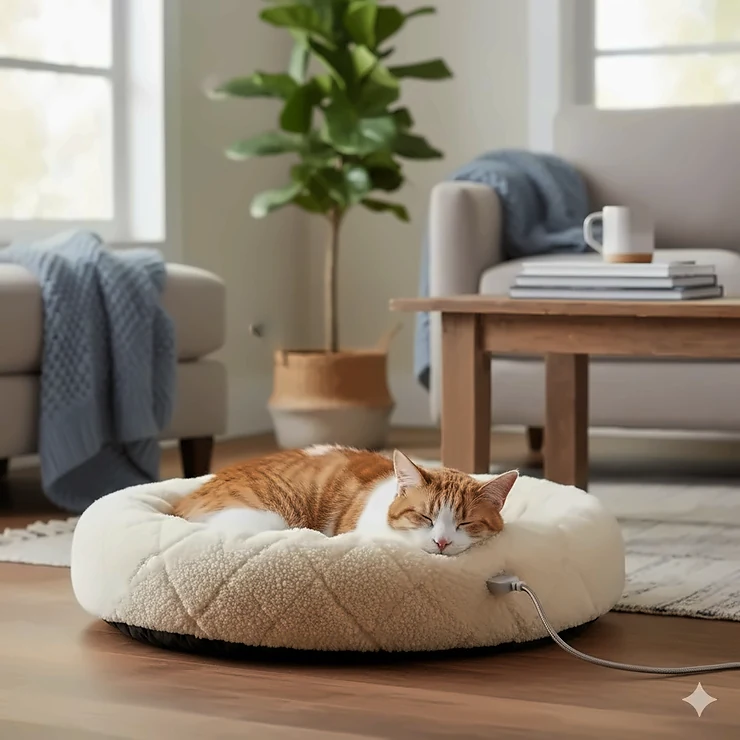
Picture this: it’s a freezing January morning, and you find your cat curled into the tightest ball imaginable on your laptop keyboard. Sound familiar? While cats are masters at finding warm spots, they’re actually quite susceptible to cold temperatures, especially senior cats, hairless breeds, and those with health conditions.
Unlike humans who maintain a comfortable body temperature around 98.6°F (37°C), cats naturally run warmer at 100.5-102.5°F (38-39°C), according to thermoregulation research. When ambient temperatures drop below their comfort zone of 68-77°F, cats struggle to maintain their ideal body temperature, leading to increased energy expenditure and potential health issues.
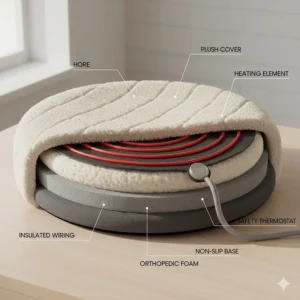
An electric cat bed solves this problem by providing consistent, thermostatically controlled warmth that mirrors your cat’s natural body temperature. These innovative beds combine comfort with safety features like auto shut-off timers, chew-resistant cords, and waterproof heating elements. Whether you’re looking for a warming cat bed for indoor comfort or a temperature regulated bed for outdoor shelters, the right choice can transform your cat’s winter experience.
In this comprehensive guide, I’ll walk you through the 7 best electric cat bed options available in 2026, covering everything from budget-friendly picks to premium models with advanced temperature control. You’ll discover which features matter most, how to choose the safest option, and exactly what to expect from each product.
Quick Comparison Table: Top Electric Cat Beds at a Glance
| Product | Size | Temperature Range | Timer Function | Price Range | Best For |
|---|---|---|---|---|---|
| K&H Thermo-Kitty Bed | Small (16″) | Auto-adjusts to body temp | No (Always on) | $35-50 | Energy efficiency |
| PETEMPO Heated Cat Bed | Small (21.7″x14.2″) | 97°F-131°F (6 levels) | 2-24 hours (5 settings) | $45-65 | Premium features |
| RIOGOO Pet Heating Pad | Multiple sizes | 95°F-135°F (6 levels) | 2-24 hours | $30-55 | Budget-conscious |
| Petace Outdoor Heated Bed | 27.5″x15.7″ | Auto-adjust preset | No | $50-70 | Outdoor/feral cats |
| MARUNDA USB Heating Blanket | 24″x12″ | 3 adjustable levels | No | $25-40 | USB-powered option |
| K&H Thermo-Kitty Deluxe | Large (20″) | Auto-adjusts to body temp | No | $55-75 | Covered cave design |
| TENECUTE Heated Cat Bed | 23.62″ | Timer & temp adjustable | Yes | $40-60 | Machine washable |
💬 Just one click – help others make better buying decisions too! 😊
Top 7 Electric Cat Beds: Expert Analysis & In-Depth Reviews
1. K&H Pet Products Thermo-Kitty Bed – The Energy-Efficient Classic
When it comes to trusted names in pet heating solutions, K&H has been warming cats for over 25 years. The K&H Pet Products Thermo-Kitty Bed remains a bestseller for good reason.
Key Specifications:
- Dual thermostat system (4-watt heating)
- MET Safety Listed (exceeds UL requirements)
- Available in Small (16″), Medium (18″), and Large (20″)
- Machine washable removable cover
This warming cat bed operates differently than most competitors. Instead of constant heat output, it warms to approximately 10-15°F above ambient temperature when unoccupied. Once your cat settles in, the internal thermostat responds to body heat, warming the surface to your cat’s normal body temperature. It’s remarkably energy-efficient, using just 4 watts of electricity.
Customer feedback consistently praises the bed’s safety and longevity, with many reporting their units lasting 3-5 years. One owner noted her senior cat with arthritis stopped seeking out heating vents after discovering this cozy heated pad.
Price: $35-50 depending on size
✅ Pros:
- Extremely low energy consumption
- Thermostatically controlled for safety
- Multiple size options
❌ Cons:
- May not feel warm to human touch when empty
- No timer function for automatic shutoff
2. PETEMPO Heated Cat Bed Indoor – Premium Temperature Control
For cat owners who want maximum control over heating, the PETEMPO Heated Cat Bed Indoor delivers professional-grade temperature regulation that rivals human heating pads.
Key Specifications:
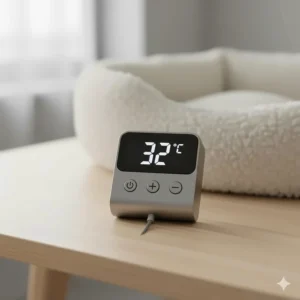
- 6 temperature settings (97°F-131°F)
- 5 timer options (2, 4, 8, 12, 24 hours)
- FCC, UL, and PSE safety certifications
- Chew-proof cotton linen construction
This temperature regulated bed stands out for its intelligent heating system with overheat protection and waterproof heating pad. The thoughtfully designed side bolster allows cats to rest their chin comfortably, protecting their cervical spine – particularly beneficial for senior cats with joint sensitivity.
One verified purchaser mentioned using it for a stray cat on their covered porch, noting the timer feature provides peace of mind when away from home. The non-slip bottom prevents sliding, even when energetic kittens jump in.
Price: $45-65
✅ Pros:
- Precise temperature customization
- Automated timer prevents overheating
- Water-resistant for accidents
❌ Cons:
- Higher price point than basic models
- Rectangular padding can reduce heat if positioned incorrectly
3. RIOGOO Pet Heating Pad – Best Value for Money
Budget-conscious cat owners will appreciate the RIOGOO Pet Heating Pad, which has earned over 10,000+ ratings since launching in 2018. This proves you don’t need to spend a fortune for quality winter cat comfort.
Key Specifications:
- 7-layer protection structure
- UL-approved heating wire
- Temperature range: 95°F-135°F
- Multiple sizes: S (17.5″x14″), M (18″x18″), L (22″x18″), XL (28″x18″), XXL (32″x20″)
RIOGOO’s fourth-generation heating technology includes auto power-off functionality with timer settings from 1-24 hours. The built-in temperature sensor prevents overheating, while the chew-resistant cord adds extra safety for curious cats. The soft polyester cover removes easily for hand washing.
Customers frequently mention purchasing multiple units for different rooms or cat houses. The generous size options accommodate everything from single kittens to multiple cats sharing space.
Price: $30-55 depending on size
✅ Pros:
- Excellent price-to-feature ratio
- Five size options for any cat
- One-year manufacturer guarantee
❌ Cons:
- Cover is hand-wash only (not machine washable)
- Some users report inconsistent heating at lowest setting
4. Petace Outdoor Heated Cat Bed – Built for the Elements
Feral cat caretakers and outdoor cat owners need something more rugged than indoor options. The Petace Outdoor Heated Cat Bed was specifically engineered for harsh weather conditions.
Key Specifications:
- Waterproof and abrasion-resistant base
- Steel-wrapped 5.6-foot power cord (27 kg pull resistance)
- Air valve for adjustable loft/comfort
- 30W or 50W options available
This cozy heated pad automatically adjusts to preset temperature once your cat settles in, ensuring consistent warmth even during the coldest winter nights. The innovative air valve allows you to customize the pad’s thickness by adjusting internal filling, providing optimal comfort for different cat preferences.
Multiple reviewers use this in outdoor cat houses and report it holding up excellently through rain, snow, and sub-zero temperatures. The steel-wrapped cord withstands scratching, chewing, and outdoor elements far better than standard cords.
Price: $50-70
✅ Pros:
- Purpose-built for outdoor durability
- Self-inflating design for extra comfort
- Cord designed for outdoor hazards
❌ Cons:
- Requires covered shelter (not fully weatherproof)
- Higher wattage increases electricity usage
5. MARUNDA USB Pet Heating Blanket – Portable Power Solution
Not every situation allows for traditional plug-in heating. The MARUNDA USB Pet Heating Blanket offers portable warmth powered by USB, making it ideal for travel, carriers, and temporary setups.
Key Specifications:
- USB-powered (75W, 5V)
- 3 adjustable temperature settings
- Chew-resistant steel cord
- Available in 12″x16″ and larger sizes
This warming cat bed heats one designated zone rather than the entire blanket surface, providing a concentrated warm spot that cats naturally gravitate toward. The constant temperature output (no cycling on/off) creates a reliable heat source that doesn’t startle cats with temperature fluctuations.
Several customers report success using this with power banks for outdoor cat shelters or during power outages. One reviewer purchased it for a 16-year-old cat who constantly sought heat registers, noting both their senior cat and younger cat now compete for the warm spot.
Price: $25-40
✅ Pros:
- USB compatibility offers portability
- Affordable entry-level option
- Constant heat output
❌ Cons:
- Only heats one small spot, not entire blanket
- High power consumption (requires substantial power bank)
6. K&H Pet Products Thermo-Kitty Deluxe – Premium Cave Design
Some cats prefer enclosed spaces that provide both warmth and security. The K&H Pet Products Thermo-Kitty Deluxe combines K&H’s proven heating technology with a covered cave design.
Key Specifications:
- Hooded cave construction
- Same 4-watt dual thermostat as standard Thermo-Kitty
- Available in Small (16″) and Large (20″)
- MET Safety Listed
This temperature regulated bed creates a microclimate that retains warmth more efficiently than open beds. The cave design appeals to cats’ natural denning instincts while the removable waterproof heating pad ensures easy cleaning. The covered structure also blocks drafts, making it exceptionally effective in cold rooms or garages.
Cat owners with anxious or shy cats particularly appreciate this design, as it provides a safe retreat that happens to be perfectly warm. The leopard print pattern adds a touch of style, though the bed is also available in solid mocha.
Price: $55-75
✅ Pros:
- Enclosed design retains heat better
- Ideal for anxious or shy cats
- Same energy-efficient heating as classic model
❌ Cons:
- Higher price due to cave construction
- May be too confining for some cats
7. TENECUTE Heated Cat Bed – Modern Convenience Features
Rounding out our list, the TENECUTE Heated Cat Bed brings modern convenience with its ultra-soft materials and complete machine washability.
Key Specifications:
- 23.62″ diameter
- Timer and temperature adjustable
- USB connectivity
- Non-slip bottom
- Fully machine washable
This cozy heated pad distinguishes itself with complete machine washability – not just the cover, but the entire bed can go in the washing machine after removing the heating element. For cats prone to accidents or hairballs, this is a significant advantage.
The soft, plush construction creates an inviting sleeping surface that cats love even when the heating is off. Multiple customers mention their cats choosing this bed over non-heated options, then enjoying the added warmth during cold snaps.
Price: $40-60
✅ Pros:
- Fully machine washable for easy maintenance
- Ultra-soft construction
- Modern feature set with timer
❌ Cons:
- Newer brand with less long-term reliability data
- USB power may limit placement options
✨ Don’t Miss These Exclusive Deals!
🔍 Take your winter cat comfort to the next level with these carefully selected products. Click on any highlighted item to check current pricing and availability. These tools will help you create authentic cozy experiences your feline will love!
Understanding How Electric Cat Beds Work
The science behind an electric cat bed is more sophisticated than you might imagine. Modern heating pads for cats utilize thermoregulation principles that mirror how cats naturally manage their body temperature.
The Thermostat Technology
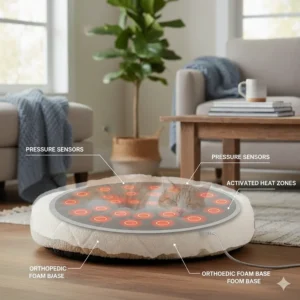
Most quality electric cat beds feature dual thermostat systems. When your cat isn’t on the bed, the heating element maintains a low temperature – typically 10-15°F above room temperature. This “pilot heat” is detectable to your cat’s sensitive thermal receptors but won’t feel warm to your hand.
Once your cat settles onto the bed, pressure-activated sensors and temperature-responsive elements kick in. The heating pad gradually warms to match your cat’s natural body temperature of 100-102°F. This creates a comfortable microclimate without the risk of overheating, which is crucial since cats can develop burns from prolonged contact with excessively hot surfaces.
Safety Features That Matter
According to pet safety standards, electrical products must include multiple fail-safes. Look for:
- MET or UL safety certification (not just “listed parts”)
- Chew-resistant cords with steel wrapping or protective coating
- Automatic shut-off after a preset time
- Overheat protection circuits
- Waterproof heating elements to prevent short circuits
The waterproof aspect deserves special attention. Cats occasionally have accidents, especially senior cats or those with urinary issues. A waterproof heating element prevents dangerous electrical failures while allowing easy cleanup.
Health Benefits of Temperature Regulated Beds for Cats
Arthritis and Joint Pain Relief
Senior cats frequently develop arthritis, which worsens in cold weather. Consistent gentle heat increases blood flow to affected joints, reducing inflammation and easing discomfort. Veterinarians often recommend warming cat bed options for cats recovering from surgery or managing chronic conditions.
A study published in the Journal of Feline Medicine noted that cats with degenerative joint disease showed increased activity levels and reduced pain indicators when provided with heated resting areas. The warmth helps maintain flexibility in stiff joints while the soft padding reduces pressure points.
Supporting Natural Thermoregulation
Cats are endothermic mammals who must maintain stable internal temperatures. According to research from the American Physiological Society, cats regulate body temperature through their hypothalamus, which acts like a biological thermostat. When environmental temperatures drop, cats expend significant energy maintaining their core temperature through increased metabolism.
An electric cat bed reduces this metabolic burden. Instead of burning calories to stay warm, your cat can conserve energy for other biological functions. This is particularly important for:
- Kittens with underdeveloped thermoregulation systems
- Senior cats with declining metabolic efficiency
- Hairless breeds like Sphynx cats who lack insulating fur
- Cats recovering from illness who need to conserve energy
Stress Reduction and Better Sleep
Cold stress triggers cortisol release, which can compromise immune function and create anxiety. By providing a consistently warm retreat, a cozy heated pad helps cats achieve deeper, more restorative sleep. Many cat owners report their anxious cats become noticeably calmer after being provided heated sleeping areas.
How to Choose the Perfect Electric Cat Bed: 5 Essential Factors
1. Size Matters: Matching Bed to Cat
Cats have distinct sleeping preferences. Some curl into tight balls, while others sprawl across every available surface. Measure your cat’s typical sleeping position, then add 3-4 inches on all sides.
Size Guidelines:
- Small (15-18″): Ideal for cats under 10 pounds or those who curl up tightly
- Medium (18-22″): Best for average cats (10-15 pounds) or multi-position sleepers
- Large (22-30″): Perfect for large breeds (16+ pounds) or cats who stretch out
- Extra Large (30″+): Designed for multiple cats sharing one bed
Remember that cats often prefer slightly snug spaces that create a sense of security. However, the bed shouldn’t be so small that it forces uncomfortable positions.
2. Power Source: Corded vs. USB Options
Traditional corded electric cat beds plug into standard outlets and typically offer more consistent heat output. They’re ideal for permanent locations like cat trees, window perches, or dedicated sleeping areas.
USB-powered options provide flexibility but require either a constant USB power source or regular power bank charging. These work well for:
- Travel carriers during cold-weather trips
- Temporary setups in rooms without convenient outlets
- Outdoor shelters where power banks are refreshed daily
Consider your specific situation. If you have multiple pets or the bed will move locations frequently, USB might offer advantages. For dedicated sleeping spots, corded models generally provide better long-term value.
3. Safety Certifications You Can Trust
Not all safety certifications are equal. Here’s what to look for:
MET Listed: Products tested by MET Laboratories meet specific safety standards. This certification indicates the entire assembled product has been evaluated, not just individual components.
UL Certified: Underwriters Laboratories certification is the gold standard for electrical safety in North America. UL testing is rigorous and comprehensive.
FCC Approved: Ensures electromagnetic interference doesn’t affect other devices or create fire hazards.
Avoid: Generic “safety tested” claims without specific certifying bodies. These vague assertions don’t guarantee meaningful safety standards.
4. Temperature Control Options
Basic models maintain a single preset temperature. Mid-range options offer 3-6 temperature levels, while premium beds provide precise degree-by-degree adjustment.
Ask yourself: Does your cat have specific health needs requiring precise temperature? Do you live in an area with dramatic temperature swings? If you answered yes to either question, invest in adjustable temperature control.
For most healthy adult cats in moderate climates, basic auto-adjusting thermostats work perfectly well. The cat’s body heat triggers the appropriate warming response without manual intervention.
5. Maintenance and Cleaning Requirements
Cat beds accumulate fur, dander, and occasional accidents. Cleaning ease directly impacts hygiene and product lifespan.
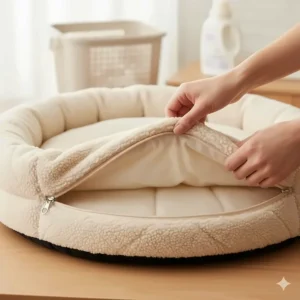
Best Option: Fully machine-washable covers that remove via zipper. Look for covers that maintain shape and softness after multiple wash cycles.
Good Option: Hand-washable covers with waterproof inner liners.
Acceptable: Spot-clean only designs with waterproof surfaces.
Avoid: Products that can’t be adequately cleaned without damaging heating elements.
Indoor vs. Outdoor Electric Cat Beds: Key Differences
Indoor Cat Beds: Comfort First
Indoor warming cat bed models prioritize plush comfort, aesthetic appeal, and quiet operation. They’re designed for climate-controlled environments where extreme weather protection isn’t necessary.
Typical Features:
- Softer, more decorative fabrics
- Quiet heating elements
- Lighter construction
- Standard electrical cords
Indoor beds excel in living rooms, bedrooms, and dedicated cat spaces. They blend with home décor while providing reliable warmth during cold snaps or for cats who simply love being toasty.
Outdoor Cat Beds: Durability and Weather Resistance
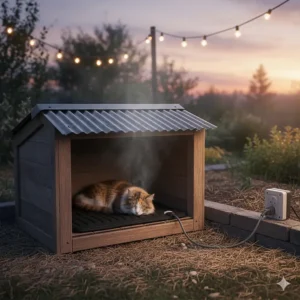
Outdoor electric cat beds must withstand moisture, temperature extremes, and rough use. They’re built for feral cat colonies, barn cats, or pet cats who spend significant time outdoors.
Essential Features:
- Waterproof or water-resistant construction
- Heavy-duty, steel-wrapped cords resistant to chewing
- Higher wattage for extreme cold
- UV-resistant materials that don’t degrade in sunlight
Critical Safety Note: Even “outdoor” beds require shelter. They’re designed for covered porches, weatherproof cat houses, or barn spaces – not direct exposure to rain and snow. Electrical components and moisture create dangerous combinations.
Dual-Purpose Solutions
Some models bridge both categories. Look for beds with:
- Removable waterproof liners (use outdoors, remove for indoor aesthetics)
- Multiple power settings (lower wattage indoors, higher outdoors)
- Neutral colors that work in any environment
These versatile options suit cats who split time between indoors and covered outdoor spaces.
Energy Efficiency: What Will It Cost to Run?
One common concern about electric cat beds is electricity consumption. Let’s break down the actual costs.
Understanding Wattage
Most cat heating pads range from 4 watts (ultra-low consumption models like K&H) to 50-75 watts (outdoor or large beds).
Cost Calculation Example:
- Average US electricity rate: $0.16 per kWh
- 4-watt bed running 24/7 for 30 days: 2.88 kWh
- Monthly cost: approximately $0.46
- Annual cost: approximately $5.50
Even larger 30-watt beds cost only about $3.50 per month to run continuously. For comparison, a typical nightlight uses 4-7 watts.
Maximizing Efficiency
Smart usage reduces costs further:
Use Timer Functions: Set heating for peak cold hours (typically midnight to 8 AM and evening hours). This can reduce consumption by 30-40%.
Proper Placement: Position beds away from drafty windows or doors. Better insulation means less work for the heating element.
Thermostat-Controlled Models: These only activate when needed, significantly reducing power consumption compared to constant-heat designs.
Seasonal Use: Store the bed during warmer months. Most cats don’t need supplemental heat when ambient temperatures exceed 70°F.
The bottom line? An electric cat bed costs less to operate than your smartphone charger, while providing immeasurable comfort for your feline friend.
Common Mistakes to Avoid When Using Electric Cat Beds
Mistake #1: Skipping the Break-In Period
Cats are notorious for rejecting new items. Don’t expect your cat to immediately embrace their new warming cat bed. Instead:
- Place the unplugged bed in your cat’s favorite spot for 2-3 days
- Sprinkle catnip or place favorite toys on it
- Let it absorb familiar scents
- Only after acceptance, plug it in at the lowest setting
One user reported their cat ignored the heated bed for two weeks, then suddenly claimed it as their exclusive territory. Patience pays off.
Mistake #2: Ignoring Cord Management
Cats and cords don’t mix well. Even “chew-resistant” cords can fail under determined feline teeth. Secure cords with cord covers or run them through protective conduits. Position the bed so cords aren’t accessible play toys.
For particularly destructive cats, consider:
- Bitter apple spray on exposed cord sections
- Cord protectors (the same ones used for phone chargers)
- Positioning the bed so the cord exits behind furniture
Mistake #3: Forgetting Regular Inspections
Like any electrical device, cat beds require periodic safety checks:
- Monthly: Inspect cord for fraying, exposed wires, or damage
- Monthly: Check heating pad for unusual smells, hot spots, or malfunctions
- Seasonally: Wash covers and clean underneath the bed
- Annually: Replace beds showing significant wear
Set calendar reminders for these checks. A five-minute inspection could prevent fires or injuries.
Mistake #4: Overheating Risks with Multiple Cats
If two or more cats pile onto a single-cat-sized bed, the combined body heat plus heating element can create excessive temperatures. Either:
- Purchase appropriately sized beds for your cat population
- Turn temperature settings lower when multiple cats share
- Provide multiple beds to distribute cats
Watch for signs of discomfort like excessive panting, restlessness, or cats abandoning the bed after short periods.
Mistake #5: Using as Primary Heat Source
Electric cat beds supplement environmental heating – they don’t replace it. Your home should maintain minimum temperatures of 60-65°F. The bed provides extra comfort, but cats still need a generally warm environment, especially senior cats or those with health conditions.
Comparing Electric Beds to Alternative Heating Options
Electric Beds vs. Self-Warming Mats
Self-warming mats use reflective material to capture and return the cat’s own body heat. They require no electricity and cost $15-30.
Advantages of Self-Warming:
- No electrical safety concerns
- Zero operating costs
- Lightweight and portable
- Machine washable
Disadvantages:
- Provides minimal warmth (5-10°F increase max)
- Ineffective in very cold environments
- Requires cat’s body heat to function
- Not suitable for senior cats who need therapeutic warmth
Winner: Electric beds for actual warmth; self-warming mats for mild temperature increases or travel.
Electric Beds vs. Microwaveable Heat Discs
Microwaveable discs like SnuggleSafe provide 10 hours of heat after microwaving. They cost $20-40.
Advantages of Microwaveable:
- No cords or electrical hazards
- Safe for outdoor use in any weather
- Lower upfront cost
- No electricity consumption
Disadvantages:
- Requires reheating every 8-10 hours
- Inconvenient for working cat owners
- Heat diminishes over time (not consistent)
- Can become too hot immediately after microwaving
Winner: Electric beds for convenience and consistent temperature; microwaveable discs for outdoor cats where electrical access is impossible.
Electric Beds vs. Standard Beds Near Radiators
Many cats naturally camp beside radiators or heating vents.
Problems with This Approach:
- Unregulated heat can cause burns
- Cats may become too hot and unable to escape
- Heating vents dry out nasal passages
- Not portable when radiators are off-limits
Winner: Electric beds provide controlled, safe warmth anywhere in your home.
Special Considerations for Senior Cats and Health Conditions
Arthritis and Joint Issues
Senior cats often develop osteoarthritis, which cold weather exacerbates. According to veterinary research, approximately 90% of cats over age 12 show radiographic evidence of arthritis, though many hide symptoms.
Optimal Bed Features for Arthritic Cats:
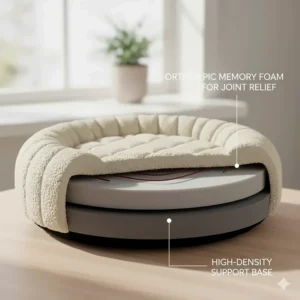
- Orthopedic foam padding (not just soft fabric)
- Lower sides for easy entry/exit
- Consistent heat rather than cycling on/off
- Positioning on the floor (not elevated perches)
The gentle heat increases blood flow to joints, reducing stiffness and pain. Many cat owners report arthritic cats showing increased mobility and playfulness after being provided therapeutic heated beds.
Post-Surgical Recovery
Cats recovering from surgery face unique challenges. Anesthesia disrupts normal thermoregulation, potentially causing hypothermia during recovery. A temperature regulated bed helps stabilize body temperature while providing soft support for healing incisions.
Recovery-Specific Guidelines:
- Keep temperature moderate (avoid high settings that increase activity)
- Choose beds with removable, washable covers for hygiene
- Position bed in quiet area away from household traffic
- Monitor cat closely for overheating signs (excessive panting, restlessness)
Consult your veterinarian about appropriate temperature settings and usage duration during recovery periods.
Hypothyroidism and Metabolic Conditions
Cats with hypothyroidism struggle to maintain body temperature due to decreased metabolic rate. These cats benefit enormously from external heat sources.
Similarly, cats with chronic kidney disease often feel cold due to decreased muscle mass and altered circulation. Providing consistent warmth improves comfort and may encourage better appetite and water intake.
Medical Considerations:
- Discuss heated bed use with your veterinarian
- Start with lower temperature settings
- Monitor for signs of dehydration (increased heat can increase thirst)
- Ensure fresh water is always available nearby
Seasonal Storage and Maintenance Tips
Proper Summer Storage
When spring arrives and your cat abandons their cozy heated pad for sunny window perches, proper storage extends the bed’s lifespan.
Storage Checklist:
- Unplug and allow to cool completely
- Remove and wash all covers according to manufacturer instructions
- Inspect cord and heating element for damage
- Wipe down waterproof surfaces with pet-safe disinfectant
- Air dry completely to prevent mold
- Wrap cord loosely (avoid tight coiling that damages internal wires)
- Store in climate-controlled area away from moisture
- Place in breathable storage bag (not airtight plastic)
Don’t: Store in damp basements, hot attics, or areas where rodents might chew cords.
Mid-Season Maintenance
Even during active use, periodic maintenance keeps the bed functioning optimally:
Weekly:
- Shake out or vacuum loose fur
- Check for unusual warmth patterns or cold spots
Monthly:
- Wash removable covers
- Inspect visible cord sections
- Test timer and temperature controls
Quarterly:
- Deep clean according to manufacturer instructions
- Check all safety certifications remain valid (not expired)
- Consider replacing if bed shows significant wear
Extending Bed Lifespan
Quality electric cat beds should last 3-5 years with proper care. Maximize longevity by:
Using Protective Layers: Place a thin blanket between your cat and the bed cover. This absorbs oils, reduces direct wear, and provides additional comfort. The blanket washes more frequently while the bed cover lasts longer.
Rotating Multiple Beds: If you have several heated beds, rotate them seasonally. This distributes wear and ensures backup options if one malfunctions.
Following Manufacturer Guidelines: Each brand has specific care instructions. K&H beds, for example, specifically warn against folding while in use. Following these guidelines prevents damage that voids warranties.
Environmental Impact and Sustainable Choices
Pet product sustainability increasingly matters to environmentally conscious cat owners. Here’s how to minimize your carbon pawprint while keeping your cat warm.
Energy Consumption Perspective
As calculated earlier, even larger electric cat beds consume minimal electricity – typically 30-50 watts maximum. For comparison:
- Standard LED bulb: 10-15 watts
- Laptop computer: 50-100 watts
- Space heater: 1500 watts
An electric cat bed uses roughly 3% of the energy of a small space heater while providing targeted warmth exactly where needed.
Eco-Friendly Product Choices
Look for:
- Manufacturers using recycled materials in bed construction
- Products with replaceable heating elements rather than disposable designs
- Companies with take-back or recycling programs for old units
- Certifications beyond basic safety (Energy Star, etc.)
K&H Products, for example, designs beds with removable heaters that can be used year-round (remove heater in summer for regular bed use). This multi-season functionality reduces waste.
Reducing Overall Environmental Impact
Smart Strategies:
- Use timer functions to heat only during peak cold periods
- Properly insulate your home to reduce overall heating needs
- Position beds in naturally warmer areas (away from exterior walls)
- Consider solar-powered options for outdoor cat shelters
- Repair rather than replace when possible
Some innovative cat shelters now incorporate solar panels to power outdoor heated pads, completely eliminating grid electricity consumption. While these systems cost more upfront ($150-300), they provide sustainable long-term solutions for feral cat caretakers.
Frequently Asked Questions About Electric Cat Beds
❓ How warm do electric cat beds get?
❓ Are electric cat beds safe to leave on all night?
❓ Can multiple cats share one electric cat bed?
❓ Do electric cat beds use a lot of electricity?
❓ Will my cat actually use an electric cat bed?
Final Verdict: Which Electric Cat Bed Should You Choose?
After analyzing dozens of products and comparing features, here’s my expert recommendation based on your specific needs:
Best Overall: K&H Pet Products Thermo-Kitty Bed The perfect balance of safety, efficiency, and reliability. Its proven track record, ultra-low energy consumption, and thermostatically controlled heating make it the gold standard for most cats.
Best Premium Option: PETEMPO Heated Cat Bed Indoor If you want maximum control with precise temperature settings and automated timers, this is worth the investment. The safety certifications and thoughtful design justify the higher price.
Best Budget Choice: RIOGOO Pet Heating Pad Excellent value without sacrificing essential features. The variety of sizes ensures proper fit, while the one-year warranty provides peace of mind.
Best for Outdoor Cats: Petace Outdoor Heated Cat Bed Purpose-built durability with steel-wrapped cords and weather-resistant construction makes this the clear choice for feral colonies or barn cats.
Most Versatile: TENECUTE Heated Cat Bed The fully machine-washable construction and modern features make this ideal for cats prone to accidents or owners who prioritize easy maintenance.
Remember, the best electric cat bed for your feline depends on your specific situation. Consider your cat’s age, health status, indoor/outdoor lifestyle, and your home environment. Any of these seven options will provide your cat with a cozy heated pad that transforms their winter experience.
Conclusion: Investing in Your Cat’s Winter Comfort
As temperatures drop and winter settles in, providing your cat with a warming cat bed isn’t just about luxury – it’s about health, comfort, and quality of life. Whether you choose a basic thermostatically controlled bed or a premium temperature regulated bed with all the bells and whistles, your cat will benefit from consistent, safe warmth.
The science is clear: cats naturally run warmer than humans and expend significant energy maintaining their body temperature in cold environments. An electric cat bed reduces this metabolic burden while providing therapeutic benefits for arthritic joints, post-surgical recovery, and general wellbeing.
I’ve walked you through the top 7 products available in 2026, explained the critical features that matter, and helped you understand what to look for in a quality heating pad for cats. Now you’re equipped to make an informed decision that keeps your feline friend cozy throughout the coldest months.
Don’t wait until your cat is visibly cold and uncomfortable. Invest in a quality electric cat bed now, and watch as your kitty discovers their new favorite spot – warm, safe, and perfectly comfortable.
Your cat may not be able to thank you in words, but their contented purrs from their new cozy heated pad will say everything you need to hear.
Recommended for You
- 7 Best Microchip Cat Feeders 2026: Stop Food Stealing Today
- Best Gravity Cat Feeders 2026: 7 Top Self-Feeding Solutions
- 7 Best Cat Bowl for Whisker Fatigue Solutions (2026)
Disclaimer: This article contains affiliate links. If you purchase products through these links, we may earn a small commission at no additional cost to you.
✨ Found this helpful? Share it with your friends! 💬🤗
