
Table of Contents
You know that panicky feeling when you realize you’re running 30 minutes late and your cat’s breakfast bowl is bone dry? I’ve been there, trust me. The meowing escalates, the guilt sets in, and you’re racing against the clock. That’s exactly why gravity cat feeders have become absolute lifesavers for cat parents everywhere in 2026.
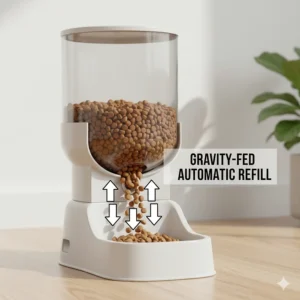
A gravity cat feeder works on a beautifully simple principle—physics does the work while you live your life. These ingenious devices use gravity to automatically refill your cat’s bowl as they eat, creating a continuous food supply that can last days or even weeks. No batteries, no programming, no electricity required. Just fill the hopper, and your feline friend has access to fresh kibble whenever hunger strikes.
According to research published in the National Institutes of Health, cats naturally prefer to eat between 8 and 16 small meals throughout a 24-hour period when allowed to choose their own feeding patterns. This makes gravity fed cat bowls an ideal solution for cats who self-regulate their eating. Whether you’re heading out for a long weekend, working irregular hours, or simply want the convenience of less frequent refills, these auto-refill cat feeders offer flexibility that traditional bowls simply can’t match.
In this comprehensive guide, I’ll walk you through the 7 best gravity cat feeders available in 2026, comparing features, capacities, and real user experiences to help you find the perfect match for your furry companion.
Quick Comparison Table
| Product | Capacity | Material | Price Range | Best For |
|---|---|---|---|---|
| ZOMISIA 2-in-1 Set | 0.8 gal each | BPA-Free Plastic | $25-$35 | Multi-angle feeding |
| PetSafe Healthy Pet | 2-4 lbs | Stainless Steel Bowl | $20-$30 | Premium quality |
| Petmate Replendish | 2-18 lbs | Microban Protected | $15-$45 | Multi-pet homes |
| Amazon Basics Set | 1 gallon each | BPA-Free Plastic | $20-$28 | Budget-friendly |
| Van Ness Auto Feeder | 1.5-10 lbs | USFDA Approved | $12-$25 | Simple reliability |
| Gardner Pet Stainless | 0.8 gal each | Stainless Steel | $30-$40 | Hygiene-focused |
| Kacoomi 2-Pack Set | 1 gal each | BPA-Free Plastic | $22-$32 | Complete solution |
💬 Just one click – help others make better buying decisions too!😊
Top 7 Gravity Cat Feeders: Expert Analysis
1. ZOMISIA Gravity Cat Feeder and Water Dispenser
The ZOMISIA Gravity Cat Feeder stands out with its innovative 180-degree rotatable design that lets you customize feeding angles for your cat’s comfort. This 2-in-1 set includes both a food feeder and water dispenser, each holding 0.8 gallons.
Key Specifications:
- Capacity: 0.8 gallons per unit
- 180-degree rotatable assembly
- Can be separated or combined
The standout feature here is versatility. You can break down the set into two separate pieces or combine them at multiple angles depending on your space and your cat’s preferences. The transparent bottles make monitoring food and water levels effortless, so you’ll never be caught off guard by an empty hopper.
Customer feedback highlights the no-electricity design as a major plus—just gravity doing its job without adding to your power bill. Users appreciate that the 0.8-gallon capacity keeps small to medium cats fed for about 7 days, making it ideal for busy professionals or weekend getaways.
✅ Pros:
- Adjustable multi-angle combinations
- Includes both food and water stations
- BPA-free, pet-safe materials
❌ Cons:
- Hand wash only (not dishwasher safe)
- May be too small for large cats or multi-cat homes
2. PetSafe Healthy Pet Food Station
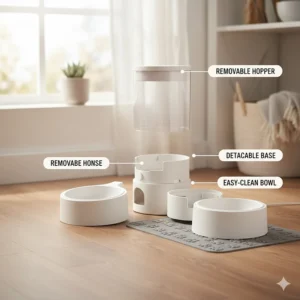
The PetSafe Healthy Pet Food Station has earned its reputation as the gold standard in self filling cat bowls. This gravity fed cat bowl features a removable stainless steel bowl—the #1 material recommended by veterinarians for pet feeding.
Key Specifications:
- Available in 2 sizes: Small (2 lbs) and Medium (4 lbs)
- Removable stainless steel bowl
- BPA-free plastic hopper
What sets PetSafe apart is build quality. The stainless steel bowl resists bacteria growth better than plastic alternatives, and it’s dishwasher safe for hassle-free cleaning. The BPA-free hopper locks securely into place, preventing those frustrating spills when curious paws get too adventurous.
Real users mention the slim, space-saving footprint that fits perfectly in kitchens and laundry rooms. Some customers note you may need to give the unit an occasional shake to keep kibble flowing smoothly, but this minor inconvenience is offset by the premium materials and reliable performance.
✅ Pros:
- Veterinarian-recommended stainless steel bowl
- Dishwasher-safe components
- Slim, modern design
❌ Cons:
- Occasional shaking needed for food flow
- Higher price point than budget options
3. Petmate Replendish Gravity Feeder
For over 50 years, Petmate has been a trusted name in pet products, and their Replendish Gravity Feeder continues that legacy. Available in multiple sizes from 2 to 18 pounds, this feeder incorporates Microban antimicrobial protection to guard against unwanted bacterial growth.
Key Specifications:
- Capacity options: 2, 5, 10, or 18 lbs
- Microban antimicrobial protection
- Made in USA
The Replendish line offers something for every household size. Got multiple cats or a large breed that eats like a horse? The 18-pound model handles multi-pet homes with ease. Living solo with one dainty eater? The 2-pound version provides perfect portion control.
Customer reviews consistently praise the wide-mouth design that makes refilling a breeze—no more kibble spilling all over your countertop. The charming pearl finish comes in various colors to complement your home décor, proving that functional can also be fashionable.
✅ Pros:
- Multiple size options for different household needs
- Antimicrobial protection for hygiene
- Wide-mouth easy-fill design
❌ Cons:
- Plastic construction (except some premium stainless models)
- Some users report cleaning between bowl pieces is difficult
4. Amazon Basics Gravity Pet Food Feeder
Sometimes the best solution is also the simplest one. The Amazon Basics Gravity Pet Food Feeder delivers exactly what you need without unnecessary bells and whistles—reliable gravity feeding at an unbeatable price point.
Key Specifications:
- 1-gallon capacity
- Often sold as 2-pack set with water dispenser
- BPA-free construction
This feeder proves you don’t need to break the bank for quality self-feeding cats solutions. The 1-gallon capacity suits most single-cat households perfectly, providing several days of continuous food supply. The clear reservoir lets you monitor food levels at a glance, and the simple design means fewer parts to clean and maintain.
Budget-conscious cat parents love the value proposition here—you get Amazon’s reliability backed by customer service and often free Prime shipping. While it may lack the premium features of higher-end models, it performs its core function flawlessly: keeping your cat fed automatically.
✅ Pros:
- Excellent value for money
- Simple, foolproof design
- Often available as food and water set
❌ Cons:
- Basic aesthetic design
- All-plastic construction
5. Van Ness Auto Feeder
The Van Ness Auto Feeder has been a staple in pet households for decades, and for good reason. This Made in USA feeder uses USFDA-approved food-safe plastic and comes in four capacity options: 1.5, 3, 6, and 10 pounds.
Key Specifications:
- Capacity range: 1.5 to 10 lbs
- USFDA approved plastic
- Made in USA with 20% recycled content
Van Ness understands that different cats have different appetites. The translucent smokey finish lets you check food levels without removing the top, and the built-in hand grips on the sides make moving the feeder effortless. One customer reported using their Van Ness feeder for over 18 years with consistent performance—talk about durability!
The eco-friendly aspect appeals to environmentally conscious pet parents. With 20% recycled content, you’re making a sustainable choice without compromising on quality or safety. The removable lid pops off easily for quick refills and thorough cleaning.
✅ Pros:
- Multiple size options for any cat
- Durable, long-lasting construction
- Eco-friendly with recycled content
❌ Cons:
- All dishwasher-safe but basic design
- Some units have thin plastic that feels less premium
6. Gardner Pet Automatic Gravity Feeder
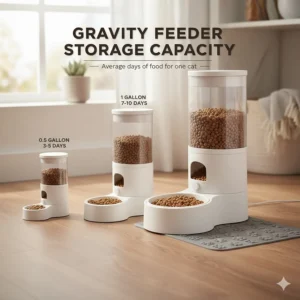
The Gardner Pet Automatic Gravity Cat Food Feeder takes hygiene seriously with its stainless steel bowl construction. This 2-in-1 set provides both food and water stations, each with a 0.8-gallon capacity.
Key Specifications:
- 0.8 gallons per unit
- Stainless steel removable bowls
- 100% BPA-free plastic hoppers
Stainless steel isn’t just a premium touch—it’s a practical choice for pet health. These bowls resist bacteria growth, don’t absorb odors, and maintain their appearance even after years of use. The non-skid base keeps the feeder stable, even when enthusiastic eaters dive in for their meal.
Users particularly appreciate the polished stainless steel process that Gardner Pet employs, typically reserved for kitchen-grade products. This attention to detail shows in the product’s longevity and ease of sanitization. For vacation cat feeder purposes, the substantial capacity ensures your cat stays fed for extended periods.
✅ Pros:
- Premium stainless steel bowls
- Rust-resistant and durable
- Non-skid base prevents spills
❌ Cons:
- Higher price point
- Hopper not dishwasher safe
7. Kacoomi Automatic Dog Cat Feeder
Rounding out our top picks, the Kacoomi Automatic Dog Cat Feeder offers a complete feeding solution with its 2-pack gravity system. Each unit holds 1 gallon, providing ample capacity for single or multiple pets.
Key Specifications:
- 1 gallon capacity per unit
- 2-pack set (food + water)
- Large capacity feeding area
What makes Kacoomi stand out is the generous feeding bowl size. Some gravity feeders have cramped bowls that force your cat into awkward positions, but Kacoomi provides plenty of room for comfortable eating. The gravity-powered design works flawlessly—as your cat empties the bowl, fresh food flows down automatically.
Customer feedback emphasizes the value in getting both food and water dispensers in one package. The large capacity means less frequent refills, particularly beneficial for free-feeding cats who prefer to eat small amounts throughout the day. The clear containers make monitoring super easy, so you’ll always know when it’s time to top up.
✅ Pros:
- Large feeding bowl area
- Complete 2-pack solution
- Excellent capacity for the price
❌ Cons:
- All-plastic construction
- May require occasional tapping to maintain flow
What Makes a Great Gravity Cat Feeder?
Choosing the right gravity feeder isn’t rocket science, but understanding key features helps you make a smart decision. Let me break down what separates exceptional feeders from mediocre ones.
Capacity Considerations 🥘
Think about your cat’s daily food intake and how often you’re comfortable refilling. A single cat eating 1/4 cup twice daily needs about 3.5 pounds per week. For weekend trips, a 4-5 pound capacity works perfectly. Planning longer vacations? Consider 10+ pound models or multiple smaller units strategically placed.
Material Quality Matters
Stainless steel bowls reign supreme for hygiene. They don’t absorb odors, resist bacterial growth, and last indefinitely. According to Wikipedia’s research on cat behavior, proper feeding station hygiene is essential since eating patterns serve as early indicators of health changes in cats.
The plastic hoppers should always be BPA-free and food-grade approved. The FDA has extensively tested and approved certain plastics like PET (polyethylene terephthalate) and polypropylene for food contact, ensuring they don’t leach harmful chemicals into your cat’s kibble. These materials are stable, corrosion-resistant, and safe for long-term food storage.
Flow Mechanism Design
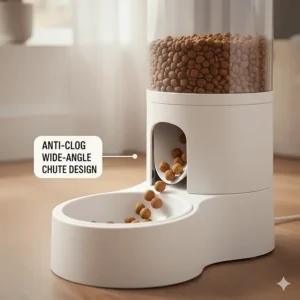
The best gravity feeders maintain consistent flow without jamming. Look for designs with wide openings between the hopper and bowl that accommodate various kibble sizes. Some feeders work perfectly with small kibble but jam with larger pieces—check reviews for compatibility with your preferred cat food brand.
Stability and Spill Prevention
Cats can be enthusiastic eaters. A feeder that tips over defeats its purpose entirely. Look for non-skid bases, weighted bottoms, or wide footprints that resist pushing and tipping. Locking mechanisms between the hopper and base prevent accidental disconnections.
Understanding Free-Feeding Cats: Is It Right for Your Feline?
The debate between scheduled feeding and free-feeding has cat parents divided, but science offers some clarity. Cornell University’s College of Veterinary Medicine explains that while free feeding may work for some cats, it can lead to overeating and inappropriate weight gain in others.
Who Benefits from Gravity Feeders?
Ideal candidates include:
- Cats who naturally self-regulate their eating
- Grazers who prefer multiple small meals throughout the day
- Households with unpredictable schedules
- Situations requiring extended time away from home
- Senior cats with specific feeding preferences
Cats who shouldn’t use gravity feeders:
- Overweight or obesity-prone cats
- Cats requiring prescription diets with strict portions
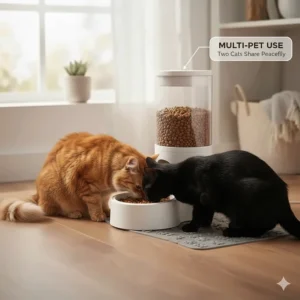
- Multi-cat homes with feeding dominance issues
- Cats with diabetes or other conditions requiring measured meals
Making It Work Safely
If you choose gravity feeding, implement these smart strategies:
Monitor Weight Regularly ⚖️ Weigh your cat monthly. A 5% weight gain signals it’s time to switch to scheduled feeding. Most household scales work fine—just weigh yourself holding your cat, then alone, and subtract.
Measure Daily Portions 📏 Don’t just keep refilling endlessly. Calculate your cat’s daily food needs, then portion that amount into the feeder. When it’s empty, wait until the next day to refill. This prevents the “bottomless bowl” effect.
Combine with Puzzle Feeders 🧩 Make half of your cat’s daily food available via gravity feeder, and put the other half in puzzle toys. This mental stimulation slows eating and adds enrichment to their day.
Gravity Feeders vs. Automatic Timed Feeders
You might wonder why choose gravity over those fancy programmable feeders with timers and smartphone apps. Both have their place, and understanding the differences helps you decide.
Gravity Feeder Advantages
Simplicity wins: No batteries to replace, no programming to learn, no Wi-Fi connectivity issues. Fill it and forget it.
Reliability: Mechanical simplicity means fewer failure points. Power outages don’t affect gravity feeders.
Cost-effective: Generally 50-70% cheaper than electronic alternatives.
Perfect for natural grazers: Cats who eat small amounts frequently throughout the day thrive with constant access.
When to Choose Timed Feeders Instead
Timed feeders make sense when you need strict portion control, have multiple cats with different dietary needs, or want meal notifications and feeding logs. They’re essential for cats requiring medication with food at specific times.
Maintaining Your Gravity Cat Feeder for Longevity
Proper maintenance keeps your feeder functioning flawlessly for years. Here’s my tried-and-true cleaning routine that takes less than 10 minutes weekly.
Weekly Quick Clean
Empty remaining food into a sealed container. Wash the bowl with hot, soapy water (or dishwasher if safe). Wipe down the hopper exterior with pet-safe cleaner. Rinse the feeding area and dry thoroughly before refilling.
Monthly Deep Clean
Disassemble completely. Soak the bowl in hot water with a splash of white vinegar for 15 minutes to eliminate any odor or residue. Use a bottle brush to clean inside the hopper—this reaches corners where kibble dust accumulates. Check the flow opening for any blockages. Sanitize stainless steel bowls in the dishwasher on high heat.
Food Freshness Tips 🍃
Replace food every 2-3 weeks, even if the feeder isn’t empty. Kibble exposed to air gradually loses freshness. Store extra food in airtight containers to prevent staleness and pest issues. Consider dating the bag when you open it so you remember when to refresh.
Setting Up Your Gravity Feeder: Step-by-Step Success
Getting started right prevents headaches later. Follow this foolproof setup process for smooth sailing from day one.
Location, Location, Location
Choose a quiet spot away from litter boxes (cats prefer not to eat near their bathroom). Avoid high-traffic areas where the feeder might get kicked or bumped. Keep it away from direct sunlight, which can affect food freshness. Place on a washable mat to catch spills and make cleanup easier.
Initial Assembly
Follow manufacturer instructions carefully—rushing this causes problems. Ensure all pieces lock securely. Test the flow mechanism before adding food by tilting and watching how kibble moves. Some feeders need a gentle shake initially to settle food properly.
Introducing Your Cat
Don’t just replace their regular bowl overnight. Place the gravity feeder next to their existing bowl for a few days. Let them investigate at their own pace. Once comfortable, transition gradually over a week. Some cats adapt immediately, while others need time to trust the new food source.
Monitoring the First Week
Watch eating patterns closely during the transition. Check food levels twice daily initially. Observe your cat’s body condition—you should feel their ribs easily but not see them. Adjust quantities if you notice weight changes. Note any behavioral changes like anxiety or obsession with the feeder.
Multi-Cat Households: Special Considerations
Managing multiple cats with gravity feeders requires strategic thinking. With the right approach, everyone gets their fair share without drama.
Preventing Food Bullying
Place multiple feeders in different rooms so timid cats can eat without confrontation. Consider feeding stations at different heights—some cats prefer elevated feeding, others like ground level. Monitor closely for signs of resource guarding or one cat monopolizing the feeder.
Individual Dietary Needs
If cats require different foods, gravity feeders become challenging. You might need separate feeding rooms or timed access to different areas. Some multi-cat homes use gravity feeders for their “free choice” cats and timed feeders for those needing portion control.
The Right Capacity Balance
For two average-sized cats, a 6-8 pound feeder typically lasts 4-5 days. Three cats? Consider 10+ pounds or multiple medium-sized units. Having backup feeders prevents territorial disputes and ensures everyone has access.
Troubleshooting Common Gravity Feeder Issues
Even the best feeders occasionally hiccup. Here’s how to solve the most common problems.
Food Won’t Flow Smoothly
Problem: Kibble jams at the opening and won’t refill the bowl.
Solutions: Check kibble size—some feeders can’t handle large pieces. Shake the feeder gently to break up any “bridges” formed by kibble. Try slightly elevating the back of the feeder (place a thin book underneath) to improve flow angle. Switch to a more uniform kibble shape if problems persist.
Excessive Spillage Around Bowl
Problem: Food scatters everywhere when your cat eats.
Solutions: Ensure the feeder sits on a level surface. Check that the bowl is properly secured. Use a placemat or feeding tray to catch overflow. Consider a feeder with higher bowl sides if your cat is an especially messy eater.
Rapid Overconsumption
Problem: Your cat empties the entire feeder within hours.
Solutions: This cat likely isn’t suited for free-feeding. Transition to scheduled meals with measured portions. If maintaining gravity feeding is important, try puzzle feeders that slow eating. Consult your vet about weight management strategies.
The Science Behind Continuous Food Supply 🔬
Understanding feline feeding behavior helps you use gravity feeders effectively. Cats evolved as solitary hunters who eat multiple small meals daily—typically 10-20 times in the wild.
Natural Grazing Behavior
Research from the NIH National Library of Medicine demonstrates that when allowed to choose their own feeding patterns, cats naturally eat between 8 and 16 meals per day. This frequent eating pattern reflects their evolutionary adaptation to consuming small prey items, each providing about 30 calories—roughly equivalent to one mouse.
This natural pattern makes gravity feeders appealing—they accommodate how cats instinctively prefer to eat. In the wild, feral cats spend considerable time hunting, with their caloric intake averaging approximately 55 kilocalories per kilogram of body weight daily. The ability to eat small, frequent meals throughout a 24-hour period is hardwired into feline feeding behavior.
Individual Variation Matters
Not every cat self-regulates successfully. Some breeds, like Siamese and Burmese, tend toward food obsession. Others, like Persians, typically eat more moderately. Age factors in too—kittens and young adults often self-regulate better than middle-aged cats who’ve become sedentary.
Monitoring for Health Changes
One significant advantage of gravity feeders is detecting illness early. Sudden increases or decreases in food consumption often signal health issues. If your normally steady grazer suddenly empties the feeder rapidly or ignores it for days, schedule a vet visit promptly.
Travel and Vacation: Using Gravity Feeders Away from Home
Planning a getaway? Gravity feeders offer peace of mind, but preparation ensures everything runs smoothly while you’re gone.
Pre-Trip Preparation
Run a “test weekend” before your actual trip. Fill the feeder and see how long food lasts without interference. This reveals whether you need a larger capacity or additional feeders. Clean everything thoroughly before leaving—you don’t want old food affecting freshness. Leave emergency contact information and feeding instructions for anyone checking on your cat.
Backup Plans
Even the best systems fail occasionally. Arrange for a friend or neighbor to check in mid-trip. Pet cameras let you monitor remotely. Consider hiring a professional pet sitter for trips longer than 4-5 days. Have backup food stored in airtight containers in case refills are needed.
Water Is Equally Important 💧
Don’t forget hydration! If using a combo food and water gravity system, ensure the water reservoir is clean and filled. Many cats drink more when owners are away due to anxiety. Multiple water stations provide redundancy if one tips or empties unexpectedly.
Environmental Impact: Choosing Sustainable Options ♻️
As conscious consumers, we can consider environmental factors when selecting pet products.
Material Considerations
Stainless steel offers the longest lifespan—potentially decades with proper care. High-quality BPA-free plastic lasts years but eventually requires replacement. Look for brands using recycled content like Van Ness (20% recycled materials) when choosing plastic options.
Longevity Equals Sustainability
The most eco-friendly feeder is one you don’t need to replace. Investing in durable construction from reputable brands reduces waste over time. Avoid cheap feeders that crack or break within months—they end up in landfills quickly.
Packaging Matters
Companies increasingly use minimal, recyclable packaging. Support brands that prioritize sustainable packaging practices. Consider purchasing from retailers offering frustration-free packaging options that reduce waste.
❓ Frequently Asked Questions
❓ How long can a gravity cat feeder keep my cat fed?
❓ Can gravity cat feeders cause weight gain?
❓ Are gravity cat feeders suitable for wet food?
❓ How often should I clean my gravity cat feeder?
❓ Will my cat overeat with a gravity cat feeder?
Conclusion: Finding Your Perfect Gravity Cat Feeder Match
After examining these top 7 gravity cat feeders, it’s clear there’s no one-size-fits-all solution. Your perfect match depends on your specific situation—household size, cat temperament, budget, and lifestyle demands.
For premium quality with veterinary-approved materials, the PetSafe Healthy Pet Food Station delivers exceptional value. Need versatility and adjustability? The ZOMISIA Gravity Cat Feeder offers unique angle customization. Budget-conscious shoppers appreciate the Amazon Basics Gravity Pet Food Feeder’s no-nonsense reliability.
Multi-cat households benefit from Petmate Replendish’s multiple capacity options, while environmentally conscious pet parents love Van Ness’s sustainable approach. The Gardner Pet and Kacoomi options round out the selection with their stainless steel hygiene focus and complete feeding solutions.
Remember, the best gravity cat feeder works seamlessly with your cat’s natural eating patterns while fitting your lifestyle. Monitor your cat’s health and happiness throughout the transition, and don’t hesitate to adjust if something isn’t working.
Your cat deserves consistent access to fresh food, and you deserve the freedom to live your life without constant feeding stress. With the right gravity feeder, everybody wins.
✨ Don’t Miss These Exclusive Deals!
🔍 Take your cat feeding routine to the next level with these carefully selected products. Click on any highlighted item above to check current pricing and availability. These feeders will help you create authentic stress-free feeding your cat will love!
Recommended for You
- 7 Best Cat Bowl for Whisker Fatigue Solutions (2026)
- 7 Best Stainless Steel Cat Bowls 2026 – Vet-Approved Guide
- 7 Best Ceramic Cat Bowls 2026
Disclaimer: This article contains affiliate links. If you purchase products through these links, we may earn a small commission at no additional cost to you.
✨ Found this helpful? Share it with your friends! 💬🤗
