
Table of Contents
✨Was this helpful? Spread the word! 🚀
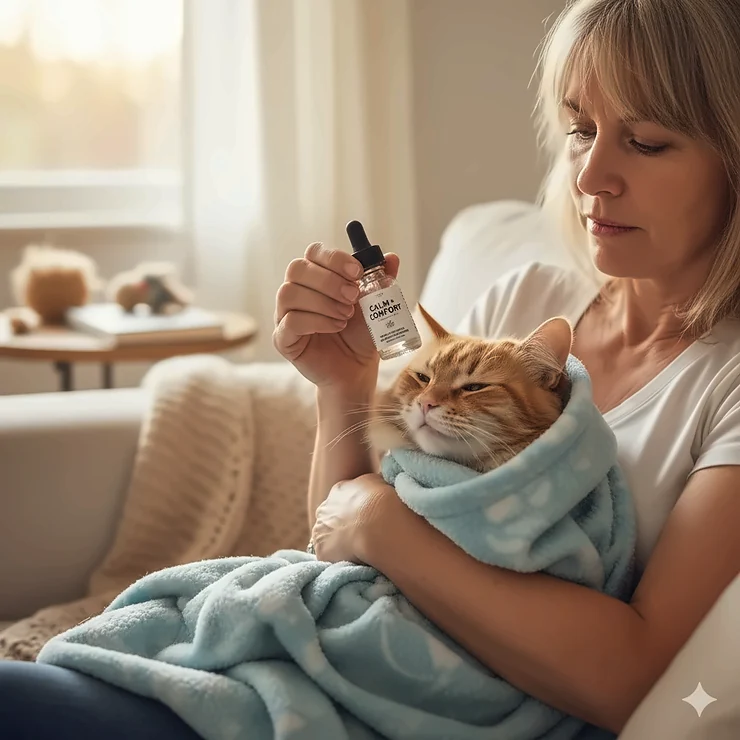
Let’s be honest—when your cat is bouncing off the walls at 3 AM or turning into a furry tornado at the vet’s office, the thought “how can I sedate my cat at home?” has probably crossed your mind. I’ve been there too, watching my once-cuddly tabby transform into a hissing stress ball before a grooming appointment.
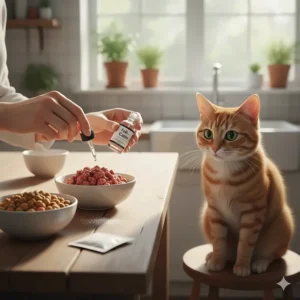
But here’s the thing: true sedation requires prescription medication and veterinary supervision. What you’re really looking for are safe, effective ways to calm your anxious cat naturally. The good news? There are proven methods to help your feline friend relax without risky drugs or dangerous home remedies.
According to veterinary behaviorists, cat anxiety affects up to 30% of domestic cats, manifesting through behaviors like excessive meowing, hiding, destructive scratching, or inappropriate elimination. Whether you’re dealing with travel stress, vet visit anxiety, or general nervousness, understanding how to sedate a cat safely—or more accurately, how to calm them naturally—can transform both your lives.
In this comprehensive guide, I’ll walk you through seven veterinarian-approved calming solutions that actually work. From pheromone diffusers to anxiety wraps, we’ll explore real products with proven results, backed by customer reviews and scientific research. You’ll learn when natural calming aids are appropriate, when to call the vet, and how to create a stress-free environment that keeps your cat relaxed and happy.
Ready to discover safe sedation methods for cats that don’t involve risky medication? Let’s dive in.
Quick Comparison Table: Top Cat Calming Products
| Product | Type | Best For | Duration | Price Range |
|---|---|---|---|---|
| FELIWAY Optimum Diffuser | Pheromone Diffuser | General anxiety, multi-cat homes | 30 days | $30-$45 |
| VetriScience Calm & Confident | Calming Chews | Travel, vet visits, grooming | 4 hours | $15-$25 |
| Comfort Zone Calming Collar | Pheromone Collar | On-the-go calming | 30 days | $10-$18 |
| ThunderShirt for Cats | Anxiety Wrap | Storms, travel, vet visits | Reusable | $25-$40 |
| FELIWAY Classic Spray | Pheromone Spray | Carrier, car, specific areas | As needed | $15-$20 |
| Rocco & Roxie Calming Treats | Supplement Chews | Separation anxiety, grooming | 4-6 hours | $18-$28 |
| NaturVet Quiet Moments | Herbal Chews | Storms, fireworks, travel | 4 hours | $12-$20 |
💬 Just one click – help others make better buying decisions too! 😊
✨ Start Your Cat’s Calming Journey Today! 🐾
These carefully selected products have helped thousands of anxious cats find peace. Click any highlighted product name to check current pricing and customer reviews. Your stressed kitty deserves natural relief that actually works!
Top 7 Products for Cat Sedation at Home: Expert Analysis
1. FELIWAY Optimum Enhanced Calming Pheromone Diffuser
If you’re serious about how to sedate a cat naturally, FELIWAY Optimum represents the gold standard in feline anxiety relief. This isn’t your basic calming product—it’s the latest innovation from the most trusted name in cat pheromones, featuring a patented new pheromone complex that outperforms previous formulations.
Key Specifications:
- Coverage: Up to 700 square feet per diffuser
- Duration: 30 days of continuous calming
- Active ingredient: Patented feline pheromone complex
Price: $30-$45 for starter kit (diffuser + refill)
How It Works: The diffuser releases synthetic analogs of cat facial pheromones—the same “happy markers” cats naturally produce when they feel safe. By continuously emitting these calming signals, FELIWAY creates an environment where cat sedation becomes unnecessary because your feline naturally relaxes.
Customer Feedback: With over 37,000 Amazon reviews averaging 4.2 stars, pet parents report noticeable improvements within 1-2 weeks. One multi-cat household owner shared: “I can always tell when it’s time to replace the refill because suddenly there are altercations again. This really does keep the peace.”
✅ Pros:
- Clinically proven 93% satisfaction rate among users
- Works for multiple stress triggers simultaneously
- Drug-free solution safe for all cats and kittens
- Covers large areas effectively
❌ Cons:
- Higher initial investment than older FELIWAY versions
- Requires electrical outlet placement
- Monthly refill costs add up
Best For: Cat owners seeking comprehensive, hands-off anxiety management for general stress, conflict between cats, or preparing for major household changes. This is my top pick for how to sedate a cat safely at home long-term.
2. VetriScience Calm & Confident Chews (formerly Composure)
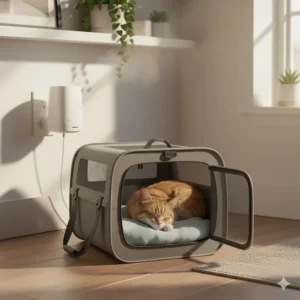
When you need fast-acting relief and wonder how do you sedate a cat for immediate situations, VetriScience Calm & Confident chews deliver clinically-tested results in just 30 minutes. These bite-sized treats are the #1 choice in veterinary clinics nationwide.
Key Specifications:
- Active ingredients: Colostrum Calming Complex, L-Theanine, Thiamine (Vitamin B1)
- Onset: Works within 30 minutes
- Duration: Effects last up to 4 hours
- Dosage: 1-2 chews per cat; safe to double or triple during high-stress events
Price: $15-$25 for 30-count package
Why They Work: The proprietary C3 Colostrum Calming Complex contains bioactive peptides that reduce stress while supporting cognitive function. L-Theanine (the same compound in green tea that calms humans) promotes serotonin production, while Thiamine supports healthy nervous system function—all without sedative effects.
Customer Reviews: Cat parents love that these aren’t true sedatives. As one reviewer noted: “My cat doesn’t get drowsy or act weird—she’s just noticeably calmer and more confident during car rides now.”
✅ Pros:
- Fast-acting formula perfect for scheduled stressful events
- No sedation or personality changes
- Delicious chicken/trout flavors most cats love
- Veterinarian formulated and NASC certified
❌ Cons:
- Some picky eaters refuse them
- Effects are temporary (need to plan ahead)
- More expensive per dose than diffusers
Best For: Situational anxiety like vet visits, grooming appointments, or travel. This is ideal when you need to know how to sedate a cat for grooming or other short-term events safely.
3. Comfort Zone Cat Calming Collar
For cats who need portable peace, the Comfort Zone Calming Collar delivers on-the-go pheromone therapy that travels with your feline everywhere they go. Think of it as a personal bubble of calm.
Key Specifications:
- Pheromone content: 4% Feline Pheromone Analog
- Duration: 30 days of continuous release
- Design: Adjustable, breakaway safety feature
- Size: One-size-fits-all for adult cats
Price: $10-$18 per collar (multi-packs available)
How It Functions: Your cat’s body heat activates the collar, continuously releasing calming pheromones that mimic natural feline facial pheromones. Unlike diffusers that work in specific rooms, this collar provides reassurance whether your cat is lounging indoors or exploring outdoors.
Real User Experience: One pet parent with two cats reported: “Within hours of putting the collar on my aggressive male, I saw a wonderful change. All hostile behaviors toward my female cat disappeared. It’s a miracle and worth every penny.”
✅ Pros:
- Provides calming wherever your cat goes
- More affordable than diffusers for single cats
- Easy to use with breakaway safety design
- Works well for indoor/outdoor cats
❌ Cons:
- Must be replaced monthly for continued effectiveness
- Some cats don’t tolerate wearing collars
- Takes 1-2 weeks for full effect
Best For: Active cats, multi-level homes where diffusers can’t cover all areas, or cats who spend time both indoors and outdoors. Great for cat sedation during extended situations.
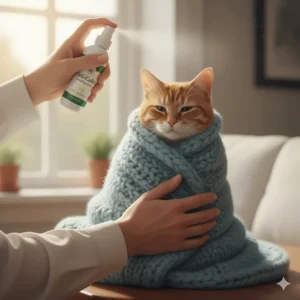
4. ThunderShirt Classic Cat Anxiety Jacket
Sometimes the best answer to how to sedate an aggressive cat or anxious feline is gentle, consistent pressure. The ThunderShirt applies the same principle used to swaddle human infants, creating a cocoon of calm through proprietary compression technology.
Key Specifications:
- Sizes: Small (under 9 lbs), Medium (9-13 lbs), Large (over 13 lbs)
- Material: Machine-washable, pet-hair resistant fabric
- Success rate: Over 80% effectiveness reported by users
Price: $25-$40 depending on size
The Science: The ThunderShirt applies gentle, constant pressure similar to a therapeutic hug. This activates the parasympathetic nervous system, triggering a calming effect without drugs or training. It’s particularly effective for cats with sensory sensitivity or those who respond well to being held snugly.
Customer Insights: Reviews are mixed but passionate. One owner shared: “My 8-pound cat with severe aggression issues calms instantly when I put this on at bedtime. He sleeps quietly all night instead of terrorizing his brother.” However, others note some cats freeze or walk oddly when first wearing it—acclimation is key.
✅ Pros:
- Drug-free, reusable solution (great long-term value)
- Works immediately once cat accepts wearing it
- Excellent for vocal, hyperactive cats
- Vet-recommended with 80%+ success rate
❌ Cons:
- Not all cats tolerate wearing clothing
- Requires proper sizing for effectiveness
- Initial acclimation period needed
- Velcro noise can startle some cats
Best For: Cats experiencing separation anxiety, storm phobia, or excessive vocalization. Also excellent for learning how to sedate a cat for travel or nail trimming when combined with other calming methods.
5. FELIWAY Classic Calming Spray
For targeted, on-the-spot feline sedative needs, FELIWAY Classic Spray offers portable pheromone power you can apply anywhere your cat needs reassurance—from carriers to car seats to new furniture.
Key Specifications:
- Size: 60ml bottle (approximately 200-250 sprays)
- Application: Direct spray on surfaces (not on cat)
- Onset: Allow 15 minutes to dry before use
- Duration: Reapply as needed
Price: $15-$20 per bottle
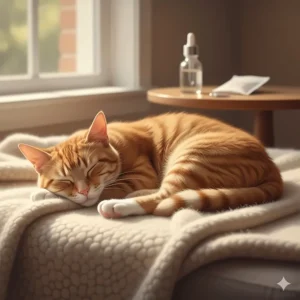
Application Strategy: Spray carriers, bedding, or travel crates 15 minutes before introducing your cat. The pheromones mimic natural calming scents, transforming scary places into safe zones. This is especially powerful for how to sedate a cat for vet visits or travel without medication.
User Testimonials: Cat owners consistently praise its effectiveness for specific situations. “I spray my cat’s carrier every time before a vet visit, and the difference is night and day. She actually walks in willingly now instead of fighting me,” one reviewer shared.
✅ Pros:
- Highly targeted application for specific problem areas
- Portable and travel-friendly
- Works quickly (within 15-20 minutes)
- More affordable than diffuser systems for occasional use
❌ Cons:
- Must plan ahead (needs drying time)
- Requires frequent reapplication
- Scent duration shorter than diffusers or collars
- Can be wasteful if overapplied
Best For: Occasional stressful events, travel, introducing cats to new spaces, or spot-treating areas where cats spray or scratch. Perfect for supplementing other calming methods.
6. Rocco & Roxie Cat Calming Treats with Melatonin
If you’re exploring what can I give my cat to sedate him naturally, Rocco & Roxie Calming Treats offer a multi-ingredient formula featuring melatonin, ashwagandha, and GABA for comprehensive stress relief that tastes like a reward.
Key Specifications:
- Key ingredients: Melatonin, organic ashwagandha root, GABA, L-tryptophan
- Texture: Multi-textured with crunchy outer layer and creamy center
- Dosage: 1 chew daily, additional as needed
- Made in: USA with globally-sourced ingredients
Price: $18-$28 for 3.7-ounce bag (approximately 60 chews)
Why It Works: This supplement combines ancient herbal wisdom (ashwagandha) with modern nutritional science. Melatonin regulates sleep cycles, GABA naturally calms neurotransmitters, and L-tryptophan converts to serotonin—creating a triple-action approach to cat anxiety that’s gentler than pharmaceutical sedation.
Customer Response: Pet parents appreciate the dual-texture appeal. “My picky cat actually begs for these! The crunchy-creamy combo keeps her interested, and I’ve definitely noticed she’s less anxious overall,” one buyer reported.
✅ Pros:
- Veterinarian-recommended daily formula
- Unique texture most cats find irresistible
- No fillers, gums, or artificial sweeteners
- Supports both immediate and long-term stress management
❌ Cons:
- Takes consistent daily use for cumulative benefits
- Some cats dislike melatonin taste
- More expensive per dose than basic calming treats
- Effects vary between individual cats
Best For: Daily anxiety management, cats with separation issues, or as a complement to environmental modifications. Great for pet parents seeking natural cat sedation through supplements.

7. NaturVet Quiet Moments Calming Aid with Melatonin
Rounding out our lineup, NaturVet Quiet Moments provides budget-friendly herbal anxiety relief that’s been trusted since 1994. This is proof you don’t need to spend a fortune to discover how to sedate a cat naturally.
Key Specifications:
- Active ingredients: L-Tryptophan, chamomile, thiamine, ginger, melatonin
- Count: 60 soft chews per container
- Recommended use: 2 chews 30 minutes before stressful events
- Formulation: Veterinarian-formulated, wheat-free
Price: $12-$20 for 60-count jar
Herbal Power: This formula harnesses time-tested botanical ingredients. Chamomile soothes nervousness, ginger settles queasy stomachs (crucial during travel), while thiamine and L-tryptophan team up to promote relaxation without sedation.
Mixed Reviews: Customer feedback is polarized. Satisfied users report: “These chews transformed car rides with my cat—she actually falls asleep instead of yowling continuously.” However, some note inconsistent effectiveness, and a few cats experienced no noticeable change.
✅ Pros:
- Most affordable option on our list
- Contains ginger for motion sickness relief
- Trusted brand with 30+ years in pet supplements
- Works well for mild to moderate anxiety
❌ Cons:
- Effectiveness varies significantly between cats
- Some cats refuse the taste
- Lower potency compared to premium brands
- Quality control complaints in some reviews
Best For: Budget-conscious cat owners dealing with occasional anxiety, or those wanting to try calming supplements before investing in premium products. Good starter option for learning what works for your cat.
🎯 Ready to Transform Your Cat’s Anxiety? 🌟
Each product above has helped countless cats find calm. Compare prices, read current reviews, and choose the perfect solution for your feline’s specific needs. Don’t let anxiety control your cat’s life—start their calming journey today!
What Is Safe Cat Sedation at Home? Understanding the Difference
Before we go further, let’s clarify something crucial: true sedation requires prescription medication from a veterinarian. When people search “how to sedate a cat at home,” they’re usually seeking safe ways to calm an anxious, aggressive, or hyperactive cat—not actual medical sedation.
Real Sedation (Veterinary Only): True feline sedatives are prescription drugs like gabapentin, acepromazine, or trazodone that depress the central nervous system. These medications:
- Require veterinary examination and prescription
- Can have serious side effects without proper dosing
- May interact dangerously with existing health conditions
- Should never be shared between pets or used without vet guidance
According to the American Association of Feline Practitioners, over-the-counter or borrowed sedatives pose serious risks including respiratory depression, cardiovascular complications, and even death.
Natural Calming (Safe at Home): What’s appropriate for at-home use includes non-sedating calming aids that reduce anxiety through natural mechanisms:
- Pheromone products (diffusers, sprays, collars)
- Nutritional supplements (L-theanine, thiamine, melatonin)
- Pressure therapy (anxiety wraps like ThunderShirt)
- Environmental modifications (safe spaces, enrichment)
These methods work by addressing the root cause of anxiety rather than chemically suppressing your cat’s nervous system. They help your cat feel naturally calm without the risks of pharmaceutical sedation.
When You Actually Need Veterinary Sedation: Contact your vet for prescription sedatives when:
- Your cat requires medical procedures (surgery, dental work, X-rays)
- Natural methods have failed and anxiety severely impacts quality of life
- Your cat poses danger to themselves or others due to extreme aggression
- Traveling long distances (flights, multi-day trips) where anxiety could be dangerous
The bottom line? If you’re wondering is it safe to sedate a cat at home with medication—the answer is no. But using vet-approved natural calming products? Absolutely.
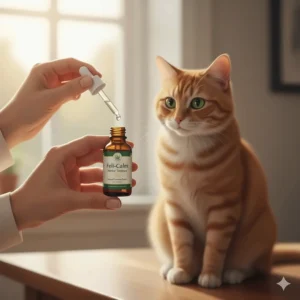
Understanding Cat Anxiety: Why Your Feline Needs Calming
Cats aren’t just being difficult when they freak out—they’re experiencing genuine anxiety that impacts their health and happiness. Understanding the root causes helps you choose the right calming approach and know when simple sedation methods for cats at home will work versus when you need veterinary intervention.
Common Triggers of Cat Anxiety
Environmental Changes: Cats are creatures of habit. Moving homes, renovations, new furniture arrangements, or even changing your work schedule can trigger stress responses. Your cat’s world revolves around predictable routines and familiar territories.
Social Stressors: Multi-cat households often experience tension and conflict. New pets (cats or dogs), visiting house guests, or changes in family dynamics (new baby, roommate leaving) disrupt established social structures.
Medical Anxiety: Vet visits, grooming appointments, and nail trimming sessions trigger fear responses in most cats. The unfamiliar smells, sounds, handling by strangers, and association with previous negative experiences create powerful anxiety.
Travel-Related Stress: Whether it’s a short car ride or a cross-country move, transportation terrifies many cats. The carrier itself becomes a fear trigger, and the motion, noise, and unfamiliar environments compound the stress.
Noise Phobias: Thunderstorms, fireworks, construction sounds, and even vacuum cleaners can send cats into panic mode. Their superior hearing makes them more sensitive to loud, sudden noises.
Separation Anxiety: Despite their independent reputation, many cats develop genuine separation anxiety when left alone for extended periods. This manifests through destructive behavior, excessive vocalization, or inappropriate elimination.
Signs Your Cat Needs Calming
Recognizing cat anxiety early helps you intervene before behaviors become entrenched. Watch for these indicators:
Physical Signs:
- Dilated pupils
- Flattened ears
- Excessive panting or drooling
- Trembling or shaking
- Tail tucking or thrashing
Behavioral Changes:
- Hiding for extended periods
- Excessive grooming (leading to bald patches)
- Loss of appetite or overeating
- Aggressive behavior toward people or other pets
- Increased vocalization (especially nighttime yowling)
Stress-Related Problems:
- Urinating or defecating outside litter box
- Destructive scratching beyond normal maintenance
- Compulsive behaviors (obsessive licking, pacing)
- Decreased interest in play or interaction
If you notice multiple signs simultaneously or behaviors persist beyond temporary stressful events, it’s time to implement calming strategies—and potentially consult your veterinarian to rule out underlying medical conditions.
How to Calm a Cat Down: Beyond Products
While the seven products above are incredibly effective, learning how to calm a cat down naturally involves creating a comprehensive anxiety-reduction environment. Here’s your action plan for holistic feline stress management.
Create Safe Spaces
Every cat needs a sanctuary—a place where they feel completely secure and can retreat when overwhelmed. This isn’t optional; it’s essential for their mental health.
What Makes an Effective Safe Space:
- Vertical options: Cat trees, wall-mounted shelves, or tops of bookcases satisfy their instinct to observe from height
- Enclosed hideaways: Covered cat beds, cardboard boxes with entry holes, or cat tunnels provide protective cocoons
- Quiet location: Away from high-traffic areas, noisy appliances, and the front door
- Familiar scents: Include unwashed clothing or bedding with your scent for comfort
Pro tip: Place multiple safe spaces throughout your home. Cats appreciate options and may prefer different spots for different moods.
Environmental Enrichment
Bored, under-stimulated cats often develop anxiety. Mental and physical enrichment channels natural hunting instincts and excess energy into appropriate outlets.
Essential Enrichment Elements:
- Interactive toys: Wand toys, laser pointers (with caution), and motorized mice provide predatory satisfaction
- Puzzle feeders: Food-dispensing toys make meals mentally engaging, slowing eating and providing entertainment
- Window perches: “Cat TV” (watching birds, squirrels, and outdoor activity) offers hours of stimulation
- Scratching posts: Multiple posts in various materials (sisal, carpet, cardboard) prevent destructive scratching
- Rotate toys: Weekly toy rotation keeps interest high without buying new items constantly
The Play Connection: Schedule two 15-minute play sessions daily—morning and evening. This mimics natural hunting patterns, burns energy, and strengthens your bond.
Establish Consistent Routines
Predictability soothes anxious cats. When life follows a rhythm, your cat knows what to expect and when, reducing anticipatory anxiety.
Routines to Implement:
- Fixed feeding times: Feed at the same times daily (cats can literally tell time through circadian rhythms)
- Consistent play schedules: Regular play sessions at predictable times
- Standardized bedtime routines: Same pre-bed activities signal wind-down time
- Litter box maintenance: Clean daily at the same time
- Predictable departures/arrivals: If possible, maintain consistent work schedules
Even if your schedule varies, create mini-routines around necessary activities. For example, if vet visits cause stress, always follow the same pre-visit pattern: carrier appears one hour before, treats given, same route taken.
Use Calming Music and Sounds
Sound therapy isn’t just for humans. Research shows specific frequencies and tempos can significantly reduce feline stress levels.
What Works:
- Cat-specific music: Compositions designed around frequencies cats use in natural communication (like purring)
- Classical music: Soft classical pieces at low volume create peaceful ambiance
- White noise: Masks sudden sounds that trigger startle responses
- Nature sounds: Gentle rain, ocean waves, or forest ambiance
What Doesn’t Work:
- Human pop or rock music (wrong frequency ranges)
- Loud volumes (cats’ hearing is much more sensitive than ours)
- Sudden changes in sound patterns
Services like Spotify and YouTube offer cat-specific playlists. Try playing them during known stress triggers or as background throughout the day.
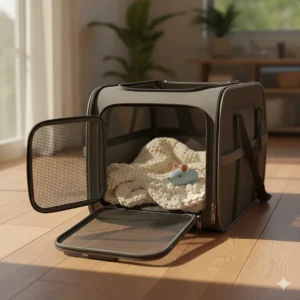
Practice Carrier Desensitization
Since travel is a major anxiety trigger, transforming the carrier from “torture device” to “safe haven” pays huge dividends for how to sedate a cat for travel naturally.
Desensitization Steps:
- Make it furniture: Leave the carrier out permanently as a regular room fixture
- Add appeal: Place soft bedding, favorite toys, and treats inside
- Feed near it: Gradually move food bowls closer to and eventually inside the carrier
- Spray with pheromones: Use FELIWAY spray inside daily
- Close the door briefly: Once cat enters willingly, gently close door for seconds, then immediately release
- Extend duration: Gradually increase door-closed time over weeks
- Add movement: Pick up carrier with cat inside for short periods
- Practice trips: Take short car rides to positive destinations (not just the vet)
This process takes weeks or months but transforms travel from traumatic to tolerable—or even pleasant.
When to Choose Natural Calming vs. Veterinary Sedation
Knowing whether your situation calls for natural calming aids or veterinary intervention is crucial for your cat’s safety and your peace of mind. Let’s break down the decision-making process.
Situations Perfect for Natural Calming
Natural methods work beautifully for:
Mild to Moderate Anxiety:
- Adjusting to new environments or routines
- Minor stress from visitors or household changes
- Everyday anxiety management in nervous cats
- Preventive care for known upcoming stressors
Situational Stress:
- Thunderstorms and fireworks
- Regular grooming appointments
- Nail trimming sessions at home
- Car rides under 1-2 hours
- Holiday gatherings with increased household activity
Chronic Low-Level Anxiety:
- Multi-cat household tension
- Mild separation anxiety
- General nervousness without specific triggers
- Recovery from past trauma (given time and patience)
When Natural Methods Suffice: If your cat can still eat, drink, use the litter box, and function relatively normally despite showing anxiety signs, natural calming products like those reviewed above are appropriate first-line interventions.
When to Call Your Veterinarian
Some situations require professional assessment and potentially prescription medication:
Medical Procedures:
- Surgeries, dental cleanings, X-rays, or other procedures requiring complete immobilization
- Examinations where movement could be dangerous
- Medical treatments the cat aggressively resists
Severe Anxiety:
- Complete inability to function (won’t eat, drink, or eliminate)
- Self-harm through excessive grooming, scratching, or other destructive behaviors
- Aggression so extreme it poses danger to humans or other pets
- Anxiety attacks lasting hours or recurring multiple times daily
Travel Emergencies:
- Airline travel (many airlines require veterinary certification)
- Multi-day road trips where constant high stress could be medically dangerous
- Moves across countries requiring extended confinement
Failed Natural Interventions: If you’ve consistently used appropriate natural calming products for 4-6 weeks without improvement, escalation to veterinary care is warranted. Your vet can:
- Rule out underlying medical conditions causing behavioral changes
- Prescribe appropriate anti-anxiety medications
- Refer you to a veterinary behaviorist for complex cases
- Adjust treatment plans based on your cat’s specific needs
Red Flag Behaviors: Seek immediate veterinary attention if your cat experiences:
- Complete refusal to eat or drink for 24+ hours
- Breathing difficulties or excessive panting
- Seizure-like activity
- Extreme lethargy or unresponsiveness
- Sudden, dramatic personality changes with no known trigger
The Bottom Line: Natural calming is for management and mild-to-moderate cases. Veterinary sedation is for medical necessity and severe anxiety affecting quality of life. When in doubt, consult your vet—it’s always better to ask than to assume.
Safe Sedation Methods: What Vets Actually Prescribe
If your veterinarian determines prescription sedation is necessary, understanding common medications helps you make informed decisions.
Common Veterinary Sedatives:
Gabapentin: The most frequently prescribed pre-visit pharmaceutical. This anti-anxiety medication calms without heavy sedation, and most cats tolerate it well. Veterinarians often prescribe it 2-3 hours before vet appointments.
Trazodone: An antidepressant with sedative properties, useful for situational anxiety like travel or storms. Effects last 6-12 hours.
Acepromazine: A tranquilizer providing stronger sedation for procedures or intense fear responses. Requires careful dosing and monitoring.
Buprenorphine: Sometimes used for its calming effects alongside pain relief, particularly for cats with pain-related anxiety.
NEVER attempt to sedate your cat with medications prescribed for other pets, human drugs, or over-the-counter sleep aids. What’s safe for you or your dog could be fatal for your cat. Cats metabolize drugs differently than other species, and many human medications are extremely toxic to felines.
How to Sedate a Cat Naturally: Step-by-Step Protocol
Ready to implement a comprehensive calming strategy? Follow this systematic approach for how to calm a cat down using natural methods before resorting to pharmaceutical intervention.
Phase 1: Assess and Prepare (Week 1)
Step 1: Identify Triggers Keep a journal for 5-7 days noting when anxiety behaviors occur, what happens before them, and how long they last. Patterns emerge quickly, revealing whether you’re dealing with specific triggers (storms, visitors) or generalized anxiety.
Step 2: Choose Your Products Based on your assessment:
- For 24/7 environmental anxiety: FELIWAY Optimum Diffuser in main living areas
- For situational events: VetriScience Calm & Confident chews 30 minutes before
- For mobile cats or multi-level homes: Comfort Zone Calming Collar
- For travel/vet visits: FELIWAY Classic Spray + ThunderShirt combination
- For daily general support: Rocco & Roxie or NaturVet Quiet Moments treats
Step 3: Establish Baseline Before implementing any interventions, note current anxiety levels and specific behaviors. This baseline helps you objectively measure improvement.
Phase 2: Environmental Modifications (Weeks 1-2)
Step 4: Create Safe Spaces Set up at least two safe retreats in different areas of your home. Include:
- Elevated perches for security
- Covered hideaways for privacy
- Familiar-scented items for comfort
- Easy escape routes (never trap a cat in enclosed spaces)
Step 5: Implement Enrichment Add interactive toys, puzzle feeders, and scratching posts. Commit to two 15-minute play sessions daily—morning and evening.
Step 6: Establish Routines Standardize feeding times, play sessions, and daily activities. Cats thrive on predictability.
Phase 3: Calming Product Introduction (Weeks 2-4)
Step 7: Start with Environmental Products If using diffusers or collars, introduce them first. These work passively without requiring your cat’s cooperation:
- Plug in FELIWAY Optimum in the room where your cat spends most time
- Or fit a Comfort Zone Collar, ensuring proper adjustment (two-finger rule between neck and collar)
Step 8: Add Supplements One week after environmental products, introduce daily calming chews:
- Give treats at the same time daily (associate with positive routine)
- For picky eaters, crush and mix with wet food
- Allow 2-3 weeks for cumulative effects to build
Step 9: Practice with Situational Aids For event-specific anxiety:
- ThunderShirt: Let your cat wear it for short periods (5-10 minutes) daily when calm, gradually increasing duration
- FELIWAY Spray: Spray carriers and travel areas 15 minutes before use, practicing regularly even without actual travel
- Situational chews: Give calming treats 30-60 minutes before predictable stress triggers
Phase 4: Monitor and Adjust (Weeks 4-8)
Step 10: Track Progress Review your anxiety journal weekly:
- Are behaviors decreasing in frequency or intensity?
- Does your cat seem more relaxed during known triggers?
- Are there unexpected improvements or setbacks?
Step 11: Fine-Tune Your Approach Based on results:
- If seeing improvement: Continue current regimen, potentially reducing dosages of supplements gradually
- If no change after 4 weeks: Add complementary products or increase frequency/dosage within safe limits
- If worsening: Discontinue current products and consult your veterinarian
Step 12: Prepare for Long-Term Management Once you find what works:
- Stock up on refills before running out (stopping suddenly can cause anxiety rebound)
- Set calendar reminders for collar/diffuser replacements
- Keep emergency supplies of fast-acting chews on hand
- Schedule regular veterinary check-ups to assess overall well-being
Special Considerations for Different Scenarios
For Vet Visits:
- Give calming chews 30-60 minutes before leaving
- Spray carrier with FELIWAY 15 minutes before putting cat inside
- Consider fitting ThunderShirt before carrier time
- Bring familiar-scented towel or toy
- Ask your vet about pre-visit gabapentin if natural methods prove insufficient
For Travel:
- Start carrier desensitization 4-8 weeks before trip
- Use pheromone spray plus collar combination
- Give calming chews at departure and every 4-6 hours for long trips
- Never sedate heavily for air travel without veterinary guidance
For Multi-Cat Households:
- Use FELIWAY MultiCat formulation instead of Optimum
- Provide separate resources (food bowls, litter boxes, perches) to reduce competition
- Give individual calming chews during conflict-prone times
- Consider separate safe spaces for each cat
Benefits vs. Traditional Pharmaceutical Sedation
| Aspect | Natural Calming Methods | Prescription Sedation |
|---|---|---|
| Safety Profile | Very safe with minimal side effects; non-toxic when used as directed | Requires veterinary oversight; potential side effects including respiratory depression, dizziness |
| Availability | Over-the-counter; no vet visit required | Prescription only; vet exam necessary |
| Onset Time | Varies: 15-30 minutes (sprays) to 2-4 weeks (diffusers/daily supplements) | 30 minutes to 2 hours depending on medication |
| Cost | $10-$45 initial investment; $10-$30 monthly maintenance | $50-$150+ including vet visit and prescriptions |
| Daily Use | Safe for continuous long-term use | Generally not recommended for daily use; most are situational |
| Side Effects | Minimal: occasional mild digestive upset with supplements | Common: sedation, lethargy, rare respiratory issues |
| Effectiveness | 70-90% effectiveness for mild-moderate anxiety | 85-95% effectiveness even for severe cases |
| Best For | Ongoing anxiety management, preventive care, mild-moderate stress | Medical procedures, severe anxiety, failed natural interventions |
| Drawbacks | May not work for extreme anxiety; requires consistency | Requires vet visits; potential medication side effects; not practical for daily use |
The clear winner for most everyday situations? Natural calming methods. They’re safer, more accessible, cost-effective for long-term use, and just as effective for the majority of anxious cats. Save pharmaceutical sedation for true medical necessity or when natural approaches have genuinely failed after proper trials.
Common Mistakes to Avoid When Calming Cats
Even with the best intentions, cat owners often make errors that undermine their calming efforts. Avoid these pitfalls:
Mistake #1: Using Human or Dog Medications
This cannot be stressed enough: Never give your cat medications designed for humans or other pets. Cats lack specific liver enzymes that metabolize many drugs, making common medications like ibuprofen, acetaminophen, and even some calming supplements toxic or fatal to felines.
What to avoid:
- Human sleep aids (diphenhydramine, melatonin supplements not formulated for cats)
- Dog calming products (often contain ingredients toxic to cats)
- Essential oils applied directly to cats (many are toxic)
- Sharing prescription medications between pets
Mistake #2: Expecting Instant Results
Natural calming products aren’t magic bullets. Pheromone diffusers typically take 1-2 weeks to show effects. Daily supplements need 2-4 weeks of consistent use to build cumulative benefits. Fast-acting chews work within 30 minutes but only last hours.
Set realistic expectations:
- Environmental products (diffusers, collars): 7-14 days
- Daily supplements: 2-4 weeks
- Situational chews: 30-60 minutes (temporary effects)
- Behavioral modification: 4-12 weeks
- Severe anxiety cases: 2-6 months with multimodal approach
Patience is critical. Many owners give up after a few days, declaring products “don’t work” when they haven’t given them adequate time.
Mistake #3: Inconsistent Application
Natural calming methods require consistency. Using a diffuser sporadically, giving supplements some days but not others, or only addressing anxiety after it’s already escalated rarely produces results.
Consistency rules:
- Don’t skip doses of daily supplements
- Replace diffuser refills before they run out
- Change collars every 30 days as directed
- Maintain environmental modifications permanently
- Practice desensitization regularly, not just before events
Mistake #4: Ignoring Underlying Medical Issues
Anxiety-like behaviors sometimes stem from medical conditions, not psychological stress. Hyperthyroidism, chronic pain, cognitive dysfunction, and urinary tract infections can all cause behavioral changes that mimic anxiety.
Red flags suggesting medical causes:
- Sudden behavioral changes in previously calm cats
- Excessive vocalization in senior cats (could be cognitive decline)
- Litter box avoidance (may indicate urinary issues)
- Changes in appetite or drinking habits
- Visible physical symptoms (limping, favoring body parts, etc.)
Always consult your veterinarian before assuming anxiety is purely behavioral, especially if symptoms appear suddenly or in older cats.
Mistake #5: Over-Reliance on Products Without Environmental Changes
Products help, but they’re not complete solutions. The best results come from combining calming aids with environmental enrichment, routine establishment, and stress reduction.
Holistic approach includes:
- Calming products (diffusers, supplements, collars)
- Environmental enrichment (toys, perches, scratching posts)
- Consistent routines and schedules
- Adequate play and exercise
- Safe spaces and hiding spots
- Minimizing known triggers when possible
Think of calming products as tools in a comprehensive anxiety-management toolkit, not standalone fixes.
Mistake #6: Using Incorrect Dosages
More isn’t always better. While many calming supplements are safe to double or triple for situational stress, some owners vastly exceed recommended amounts, thinking it will help more.
Dosing mistakes to avoid:
- Giving multiple types of supplements simultaneously without vet approval (ingredients may overlap)
- Exceeding package directions without consulting a veterinarian
- Using products formulated for dogs on cats (concentrations differ)
- Giving adult cat dosages to kittens
Always follow package directions precisely. If recommended dosages aren’t working, consult your vet before increasing—you may need a different product entirely.
Mistake #7: Forcing Interventions
Trying to force an anxious cat to wear a ThunderShirt, take a chew, or stay near a diffuser they’re avoiding often backfires, creating additional stress and negative associations.
Better approaches:
- Introduce new products gradually when cat is already calm
- Use positive reinforcement (treats, play) to create positive associations
- Never restrain an unwilling cat to apply calming products
- Respect your cat’s boundaries—if they genuinely hate something, try alternatives
Patience and gradual introduction always work better than force.
FAQ: Safe Cat Sedation at Home
❓ How fast can natural calming products work for cats?
❓ What can I give my cat to sedate him safely without a vet prescription?
❓ Can I finance my purchase of cat calming products on Amazon?
❓ How does the effectiveness of natural cat calming methods compare to prescription sedatives?
❓ What should I do if natural calming methods don't work for my anxious cat?
Conclusion: Taking the Fear Out of How to Sedate a Cat at Home
Learning how to sedate a cat at home safely really means discovering how to help your feline friend feel naturally calm and confident without risky pharmaceutical interventions. Throughout this guide, we’ve explored seven proven products—from the advanced pheromone technology of FELIWAY Optimum to the budget-friendly herbal power of NaturVet Quiet Moments—that offer real solutions for cat anxiety, stress, and fear-based behaviors.
Remember these key takeaways as you implement your cat’s calming plan:
Safety First: True sedation requires veterinary supervision and prescription medication. The natural calming methods we’ve discussed reduce anxiety through scientifically-proven mechanisms without dangerous central nervous system suppression.
Patience Pays Off: Natural calming products aren’t instant fixes. Give environmental products like diffusers 1-2 weeks to work, and allow daily supplements 2-4 weeks of consistent use before expecting full results.
Combine Approaches: The most successful anxiety management combines multiple strategies—calming products, environmental enrichment, routine consistency, and behavioral modification working together synergistically.
Know When to Escalate: Natural methods work beautifully for mild to moderate anxiety and situational stress. However, severe anxiety affecting quality of life, medical procedures, or complete inability to function requires veterinary intervention.
Individual Variation: What works for one cat may not work for another. Be prepared to experiment with different products and combinations to find your cat’s perfect calming protocol.
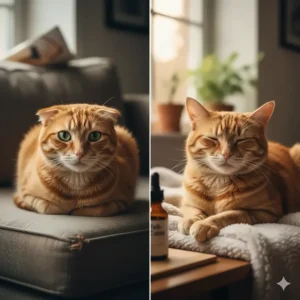
Your anxious cat doesn’t have to live in a constant state of stress. Whether you’re dealing with vet visit anxiety, travel stress, multi-cat household conflict, or generalized nervousness, the right combination of natural calming aids can transform both your lives. Start with the products that best match your specific situation, implement the environmental modifications we’ve discussed, and give your feline friend the patience and time they need to feel safe and secure.
The journey from “how to sedate a cat” to “my cat is naturally calm and happy” might take weeks or months, but the peace of mind—for both of you—is absolutely worth the effort.
🌟 Transform Your Cat’s Life Today! 🐾
Don’t let another day pass with your cat suffering from anxiety. Choose from our expertly reviewed products, check current prices and reviews, and start your cat’s journey to natural calm. Your stressed kitty deserves relief—and you deserve peaceful nights and stress-free vet visits!
Recommended for You
- Cat Sedative: 7 Best Calming Solutions for Anxious Felines in 2025
- Iron Supplements for Cats: 7 Proven Options to Fight Anemia
- 7 Best Over the Counter Ear Mite Medicine for Cats (2025 Guide)
Disclaimer: This article contains affiliate links. If you purchase products through these links, we may earn a small commission at no additional cost to you.
✨ Found this helpful? Share it with your friends! 💬🤗
