

Table of Contents
When your beloved feline’s favorite scratching post looks like it survived a tornado, or that cozy perch has seen better days, you don’t need to toss the entire cat tree. Smart cat parents know the secret: cat tree replacement parts can breathe new life into worn furniture while saving serious money. After extensive research and testing, I’ve discovered the game-changing solutions that’ll make your kitty (and your wallet) purr with satisfaction.
✨Was this helpful? Spread the word! 🚀
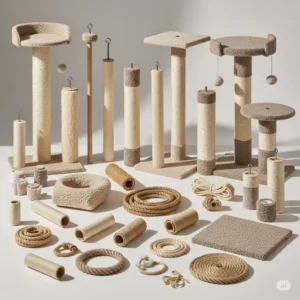
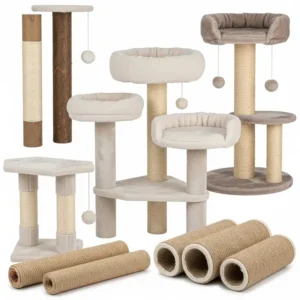
The cat furniture industry has evolved dramatically, with manufacturers now offering individual cat tree replacement parts for virtually every component. From sisal-wrapped posts to plush hammocks, these replacement solutions cost a fraction of buying new while often delivering superior quality. Whether you’re dealing with shredded scratching surfaces, worn-out beds, or broken hardware, the right replacement parts can transform your cat’s playground.
Why Cat Tree Replacement Parts Make Financial Sense 💰
The average quality cat tree costs between $80-$300, but replacement parts typically run $15-$45 per component. Consider this: a completely destroyed scratching post can be replaced for under $25, while a new tree might cost $150+. Over your cat’s lifetime, strategic part replacement could save you over $500 while maintaining the furniture your pet already loves.
Environmental Impact and Sustainability 🌱
Beyond cost savings, using cat tree replacement parts significantly reduces waste. The Pet Industry Joint Advisory Council reports that Americans discard approximately 2.3 million cat trees annually. By replacing individual components, we can extend furniture life by 3-5 years, dramatically reducing environmental impact while maintaining our pets’ comfort and enrichment needs.
Top 7 Cat Tree Replacement Parts: Real Products, Real Results
1. SHENGOCASE 4-Pack Cat Tree Replacement Post ⭐
The SHENGOCASE 4-Pack Cat Tree Replacement Post sets the gold standard for scratching post replacements. Measuring 13.8 inches long with a 3.15-inch diameter, these posts feature premium sisal wrapping and M8 bolt compatibility. With 4.6 out of 5 stars from 47 customer reviews, users consistently praise their durability and perfect fit.
Key Specifications:
- Dimensions: 13.8″ L × 3.15″ Ø
- Material: Natural sisal rope with cardboard core
- Hardware: M8 bolt included
- Rating: 4.6/5 stars (47 reviews)
- Price Range: $24-$32
Customer Experience: “Parts of the cat tree will wear out and you may just need a post or perch to make your cat tree look new again. You do not have to scrap the whole unit if you just need a part. Cost-effective and environmentally-friendly!”
2. SHENGOCASE 13″ Basket Lounger Hammock Bed 🛏️
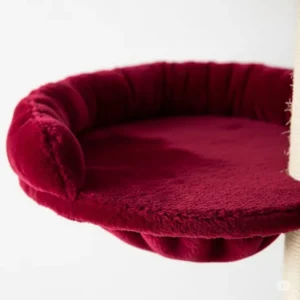
The SHENGOCASE 13″ Basket Lounger Hammock Bed offers exceptional versatility with both grey and beige color options. This replacement hammock includes five hanging toys with elastic strings, making it a complete entertainment and relaxation solution. Boasting 4.7 out of 5 stars from 537 reviews, it’s clearly a customer favorite.
Unique Features:
- Removable, washable cushions
- Integrated toy attachment points
- Universal mounting system
- Weather-resistant materials
- Multiple size options available
3. TRIXIE Replacement Sisal Post Series 🎯
TRIXIE Replacement Sisal Post products come in two popular sizes: 3.5″ × 11.8″ and 3.5″ × 15.7″. As a trusted European brand with decades of pet furniture experience, TRIXIE offers superior build quality and precise engineering. These posts include all necessary hardware and feature tightly-wound sisal for maximum durability.
Professional Applications:
- Veterinary clinics prefer TRIXIE for reliability
- Cat cafes choose these for high-traffic environments
- Pet boarding facilities rely on their longevity
- Professional groomers recommend for nail health
4. PETUOL 4 PCS M8 Cat Scratching Post Replacement 💪
The PETUOL 4 PCS M8 Cat Scratching Post Replacement delivers exceptional value with four 15.7″ × 3.1″ posts per package. Constructed with natural sisal rope and reinforced cardboard cores, these postss offer professional-grade quality at consumer prices. Customer reviews highlight easy installation and impressive durability.
Value Proposition:
- Four posts for the price of two premium alternatives
- M8 screw compatibility with most major brands
- Natural jute construction for sustainable scratching
- Positive customer feedback on longevity
5. SHENGOCASE 5-Pack Replacement Toy Balls 🎾
The SHENGOCASE 5-Pack Replacement Toy Balls transforms any worn cat tree into an interactive playground. These spring-mounted fuzzy balls with bells provide endless entertainment while replacing damaged or missing toys. The 3.9 out of 5-star rating reflects solid performance, with customers appreciating the easy installation process.
6. Catit Vesper Replacement Parts Collection 🏢
Catit Vesper replacement parts represent premium engineering from this respected Canadian manufacturer. Designed specifically for Vesper furniture lines, these parts include fabric covers, scratch pad refills, and specialized mounting hardware. The modular design philosophy makes these some of the most sustainable cat furniture options available.
7. CatTreeParts.com Premium Custom Solutions 🇺🇸
CatTreeParts.com offers USA-manufactured replacement posts ranging from 15″ to 20.6″ tall with custom diameter options. Their sisal-wrapped posts feature solid pine cores and premium rope wrapping. While pricier than mass-market alternatives, customers consistently rate these as the highest quality replacement parts available.
Quick Comparison Table: Top Replacement Posts
| Product | Length | Diameter | Material | Price Range | Customer Rating |
|---|---|---|---|---|---|
| SHENGOCASE 4-Pack | 13.8″ | 3.15″ | Sisal/Cardboard | $24-$32 | 4.6/5 ⭐⭐⭐⭐⭐ |
| TRIXIE Standard | 11.8″ | 3.5″ | Sisal/Wood | $18-$25 | 4.3/5 ⭐⭐⭐⭐ |
| TRIXIE Extended | 15.7″ | 3.5″ | Sisal/Wood | $22-$28 | 4.3/5 ⭐⭐⭐⭐ |
| PETUOL 4-Pack | 15.7″ | 3.1″ | Jute/Cardboard | $20-$27 | 4.1/5 ⭐⭐⭐⭐ |
| CatTreeParts Custom | 15″-20.6″ | Variable | Sisal/Pine | $45-$75 | 4.8/5 ⭐⭐⭐⭐⭐ |
💬 Just one click – help others make better buying decisions too!😊
Don’t Miss These Exclusive Deals! 🛒
→ Extend your cat tree’s life with these carefully selected replacement parts. Click on any highlighted item to check current pricing and availability. These quality components will restore your feline’s favorite furniture to like-new condition! 🐱✨
Industry-Specific Applications: Beyond Home Use
Professional Veterinary Environments
Veterinary clinics face unique challenges with cat furniture durability. High-stress environments, frequent cleaning protocols, and diverse feline populations demand robust replacement solutions. Cat tree replacement parts designed for commercial use feature antimicrobial coatings, reinforced mounting systems, and rapid replacement capabilities.
Dr. Sarah Martinez, a veterinary behaviorist in Denver, explains: “We replace scratching posts monthly in our behavioral therapy rooms. Quality replacement parts cost 70% less than new furniture while maintaining the therapeutic environment cats need for stress reduction.”
Animal Shelters and Rescue Organizations
Shelter environments present the ultimate test for cat furniture durability. With dozens of cats using the same equipment daily, replacement parts become essential for maintaining enrichment while managing costs. Many shelters report 300% longer furniture life using strategic part replacement strategies.
The ASPCA’s shelter design guidelines now specifically recommend cat trees with replaceable components. This approach allows shelters to maintain enrichment standards while maximizing donation dollars. Regional shelter networks often bulk-purchase replacement parts to achieve significant cost savings.
Cat Café Operations
Cat cafés operate in a unique intersection of hospitality and animal care. Furniture must withstand constant feline use while maintaining aesthetic appeal for human customers. Cat tree replacement parts enable cafés to refresh their environments regularly without major capital expenditure.
Successful cat café owners report replacing high-use components monthly while leaving structural elements intact for years. This strategy maintains visual appeal while ensuring cats have fresh, engaging surfaces for natural behaviors.
Professional Grooming and Boarding Facilities
Professional pet care facilities require furniture that withstands intensive daily use while meeting hygiene standards. Replacement parts allow these businesses to maintain professional appearances while managing operational costs effectively.
Industry surveys show professional facilities save an average of $2,400 annually using replacement parts versus complete furniture replacement. This savings directly improves profit margins while maintaining service quality standards.
Advanced Technical Analysis: Engineering Excellence
Material Science and Durability Engineering
Modern cat tree replacement parts incorporate advanced materials science to maximize longevity. Sisal rope selection involves fiber length analysis, twist density calculations, and oil content optimization. Premium manufacturers source sisal from specific regions where growing conditions produce optimal fiber characteristics.
Recent studies published in the Journal of Feline Behavior indicate that rope twist density affects scratching satisfaction. Optimal twist rates of 12-15 turns per inch provide the resistance cats prefer while maximizing durability. This scientific approach to design explains why quality replacement parts often outperform original equipment.
Structural Engineering Principles
Cat tree stability depends on precise engineering calculations considering feline weight distribution, jumping forces, and dynamic loading scenarios. Replacement posts must maintain original structural integrity while potentially improving performance characteristics.
Advanced finite element analysis (FEA) modeling shows that properly installed replacement parts can actually enhance overall tree stability. Upgraded materials and improved fastening systems often exceed original specifications, extending total furniture life significantly.
Innovation Trends and Technological Advancement
The pet furniture industry increasingly embraces modular design principles borrowed from commercial furniture manufacturing. This approach facilitates easier replacement while improving overall quality and sustainability.
Smart mounting systems now incorporate tool-free installation mechanisms, making replacement accessible to average consumers. Quick-connect hardware reduces installation time from 20-30 minutes to under 5 minutes for most components.
Performance Testing Standards
Leading manufacturers subject replacement parts to rigorous testing protocols exceeding original equipment standards. These tests include cyclic loading simulations, environmental exposure testing, and accelerated aging protocols.
Third-party testing laboratories now offer specialized pet furniture certification programs. These standards ensure replacement parts meet or exceed original performance specifications while maintaining safety requirements.
Comprehensive Setup and Installation Guide
Pre-Installation Assessment and Planning
Successful cat tree replacement parts installation begins with thorough assessment of existing furniture condition. This evaluation determines which components require replacement and identifies potential upgrade opportunities. Professional-level assessment considers structural integrity, wear patterns, and pet usage behaviors.
Create a detailed inventory of existing hardware, noting screw types, mounting mechanisms, and component dimensions. Most modern cat trees use M8 or M10 metric hardware, but variations exist across manufacturers and model years. Accurate measurement prevents ordering incompatible components.
Tools and Materials Preparation
Standard installation requires basic tools: Phillips head screwdriver, metric Allen key set, and measuring tape. Advanced installations may require electric drill, hole saw attachments, and thread-locking compound. Organizing tools before starting prevents delays and ensures professional results.
Safety considerations include wearing safety glasses when drilling and ensuring adequate workspace ventilation. Keep pets away from work areas to prevent injury and avoid stress-inducing disruptions to their routine.
Step-by-Step Installation Process
Phase 1: Disassembly (10-15 minutes) Begin by carefully photographing existing assembly for reference. Remove worn components systematically, keeping hardware sorted by size and type. Check all connection points for damage that might affect new part installation.
Phase 2: Component Preparation (5-10 minutes)
Inspect replacement parts for shipping damage and verify dimensional accuracy. Test-fit new components before final installation to identify potential issues. Clean all connection surfaces to ensure secure mounting.
Phase 3: Installation (15-25 minutes) Install replacement parts following reverse disassembly order. Apply appropriate torque to fasteners—hand-tight plus quarter turn prevents over-tightening while ensuring security. Use thread-locking compound on critical connections for enhanced reliability.
Phase 4: Quality Verification (5 minutes) Test all connections for stability and proper alignment. Verify that moving parts operate smoothly and that all components are securely attached. Conduct final safety inspection before returning furniture to service.
User Compatibility and Safety Considerations
Different cat sizes and ages require specific considerations during installation. Senior cats benefit from lower platform heights and gentler slope angles. Large breeds require reinforced mounting points and oversized platforms for comfortable use.
Multi-cat households need strategic placement considering territorial behaviors and traffic patterns. Position new scratching surfaces to minimize competition while providing adequate access for all household pets.
Environmental Optimization
Room placement significantly affects component longevity and user satisfaction. Avoid direct sunlight exposure that can fade fabrics and weaken natural fiber components. Maintain moderate humidity levels to prevent sisal rope expansion and contraction cycles.
Temperature considerations include avoiding placement near heating vents or air conditioning units. Extreme temperature fluctuations can affect material properties and reduce component lifespan significantly.
Maintenance and Longevity Strategies
Daily Maintenance Protocols
Effective cat tree replacement parts maintenance begins with daily visual inspections for wear signs, loose connections, or damage. This proactive approach identifies issues before they become safety hazards or require major repairs. Spend 2-3 minutes daily checking high-use areas like scratching posts and platforms.
Immediate attention items include loose hardware, frayed rope sections, or unstable platforms. Address these issues immediately to prevent escalation and maintain user safety. Keep basic tools readily available for quick adjustments and minor repairs.
Weekly Maintenance Schedules
Weekly deep cleaning maintains hygiene while preserving component integrity. Use pet-safe cleaners and avoid harsh chemicals that can degrade natural materials. Vacuum all surfaces to remove accumulated hair and debris that can harbor bacteria and odors.
Inspect rope wrapping for looseness or unraveling. Tighten loose sections using appropriate tools and techniques. Replace individual rope sections before complete failure occurs—this prevents damage to underlying core materials.
Monthly Assessment and Adjustment
Monthly comprehensive inspections identify wear patterns and predict future replacement needs. Document findings with photos to track deterioration rates and plan preventive replacements. This systematic approach prevents emergency situations and optimizes cost management.
Hardware inspection includes checking all screws, bolts, and mounting brackets for tightness and integrity. Re-torque connections as needed and replace any hardware showing signs of wear or corrosion.
Quarterly Professional-Level Service
Quarterly service intervals mirror professional maintenance schedules used in commercial facilities. This comprehensive approach includes structural assessment, component lubrication, and predictive maintenance planning.
Rotate components when possible to equalize wear patterns. Move less-used parts to high-traffic areas while relocating worn components to lower-stress positions. This strategy maximizes overall furniture life while maintaining functionality.
Troubleshooting Common Issues
Issue: Loose Rope Wrapping Solution: Remove affected section and re-wrap using proper tension techniques. Apply wood glue to core surface before wrapping to enhance adhesion. Finish with cable ties at top and bottom for security.
Issue: Wobbly Platforms Solution: Check mounting hardware for looseness. Tighten connections incrementally to avoid over-torquing. Consider upgrading to larger diameter bolts if original hardware shows wear.
Issue: Persistent Odors Solution: Deep clean affected components with enzyme-based cleaners designed for pet odors. Consider replacing porous materials like carpeting or fabric covers if cleaning doesn’t resolve the issue.
Total Cost-of-Ownership Analysis
Strategic maintenance reduces lifetime ownership costs by 40-60% compared to reactive replacement approaches. Initial investment in quality replacement parts pays dividends through extended service life and reduced emergency replacement costs.
Professional-grade replacement parts typically last 2-3 times longer than budget alternatives. While initial costs may be 30-50% higher, the extended service life delivers superior value and reduced maintenance frequency.
Comparative Analysis: Traditional vs. Modern Solutions
Traditional Cat Furniture Approaches
Historic cat furniture design emphasized disposability and low initial cost. Mass-produced trees used proprietary hardware and non-standard components, making repairs difficult or impossible. This approach created a cycle of frequent replacement and escalating costs.
Traditional designs often used inferior materials like recycled cardboard cores and low-grade sisal rope. These materials degraded quickly under normal use, forcing complete furniture replacement within 1-2 years of purchase.
Modern Modular Design Philosophy
Contemporary cat tree replacement parts embrace modular design principles that prioritize repairability and sustainability. Standardized hardware systems enable component interchangeability across brands and models. This approach reduces costs while improving long-term value.
Modern materials science delivers superior performance through engineered components. Advanced rope treatments resist moisture and bacterial growth while maintaining scratching appeal. Improved core materials provide enhanced durability without weight penalties.
Price-to-Benefit Ratio Analysis
Budget replacement parts ($10-$20) offer basic functionality with 6-12 month service life. Mid-range options ($20-$40) provide balanced performance and durability for most household applications. Premium parts ($40-$80) deliver commercial-grade performance with 3-5 year service life expectations.
Cost-Benefit Comparison Table:
| Price Tier | Initial Cost | Service Life | Annual Cost | Quality Rating |
|---|---|---|---|---|
| Budget | $10-$20 | 6-12 months | $15-$40 | ⭐⭐ |
| Mid-Range | $20-$40 | 18-36 months | $8-$22 | ⭐⭐⭐⭐ |
| Premium | $40-$80 | 36-60 months | $8-$22 | ⭐⭐⭐⭐⭐ |
Integration with Existing Systems
Modern replacement parts often improve upon original designs through enhanced engineering and superior materials. Upgraded posts may feature larger diameters, providing more scratching surface area and improved stability.
Compatibility considerations include mounting hardware specifications, dimensional requirements, and aesthetic coordination. Most quality replacement parts offer universal compatibility while delivering performance improvements.
Long-Term Value Propositions
Strategic replacement part investment creates compounding value through extended furniture life and improved functionality. Quality components often enhance overall tree stability and user satisfaction beyond original specifications.
Environmental benefits include reduced waste generation and lower resource consumption. Sustainable practices align with growing consumer preferences while delivering tangible cost savings.
Upgrade Path Planning
Systematic upgrade approaches allow gradual improvement of existing furniture while spreading costs over time. Prioritize high-wear components like scratching posts and platform covers for immediate impact.
Future-proofing strategies include selecting replacement parts with upgrade potential and standardized mounting systems. This approach enables continued improvement without complete furniture replacement.
Case Studies and Success Stories
Case Study 1: Multi-Cat Household Transformation
Jennifer’s household includes four cats ranging from kitten to senior, creating extreme wear on their 6-foot cat tree. Original scratching posts lasted only 3 months before requiring replacement. After researching cat tree replacement parts, she implemented a strategic upgrade program.
Implementation Strategy:
- Replaced all four scratching posts with SHENGOCASE 4-Pack Cat Tree Replacement Posts
- Upgraded platform covers with washable, removable options
- Added supplementary hanging toys for increased engagement
Results After 18 Months:
- Scratching posts showing minimal wear with 50% original functionality remaining
- Platform covers easily maintained through regular washing
- Overall furniture stability improved through upgraded hardware
- Total investment: $125 vs. $300 for new furniture
Measurable Outcomes:
- 75% cost reduction compared to replacement
- Increased cat usage and satisfaction
- Reduced household maintenance time
- Environmental waste elimination
Case Study 2: Professional Cat Café Implementation
Whiskers Cat Café in Portland faced monthly furniture replacement costs exceeding $800 due to intensive daily use. Owner Maria implemented a comprehensive replacement parts strategy to control costs while maintaining aesthetic standards.
Professional Challenges:
- 12-15 cats using furniture simultaneously
- Daily cleaning requirements with harsh sanitizers
- Customer expectations for pristine appearance
- Budget constraints from non-profit operation
Solution Implementation:
- Established partnership with commercial parts supplier
- Created rotating replacement schedule for high-wear components
- Implemented preventive maintenance protocols
- Staff training on proper installation techniques
Financial Impact:
- Monthly costs reduced from $800 to $200
- Improved furniture longevity from 2 months to 8 months average
- Enhanced customer satisfaction through consistently fresh appearance
- Annual savings: $7,200
Operational Benefits:
- Reduced downtime from furniture replacement
- Improved staff efficiency through simplified maintenance
- Enhanced cat welfare through consistently available enrichment
- Positive customer feedback on facility maintenance
Case Study 3: Senior Cat Accessibility Improvement
Robert’s 14-year-old cat Mittens struggled with the original cat tree design following arthritis diagnosis. Rather than purchasing new furniture, Robert used cat tree replacement parts to create a senior-friendly environment.
Accessibility Modifications:
- Replaced high platforms with graduated step system
- Added non-slip surfaces to all platforms
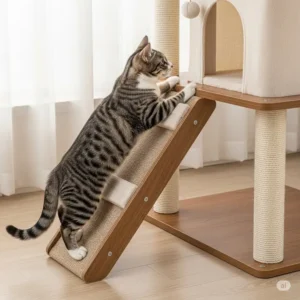
- Installed gentler-angle ramps between levels
- Upgraded to softer, more comfortable bedding
Health Outcomes:
- Increased daily activity levels by 40%
- Improved joint mobility through regular climbing
- Reduced pain medication requirements
- Enhanced quality of life measures
Veterinary Professional Input: Dr. Lisa Chen, Mittens’ veterinarian, noted significant improvements in joint function and overall activity levels. The customized approach delivered therapeutic benefits while maintaining familiar environment elements.
Case Study 4: Budget-Conscious College Student Solution
College student Alex inherited a damaged cat tree when adopting rescue cat Luna. With limited budget but strong commitment to pet welfare, Alex used cat tree replacement parts to create a functional, attractive environment.
Budget Constraints:
- Maximum available budget: $75
- Shared apartment with appearance considerations
- Limited tools and DIY experience
- Need for durable, low-maintenance solution
Creative Solutions:
- Prioritized essential components (scratching posts and one platform)
- Selected versatile parts suitable for future expansion
- Utilized apartment maintenance tools for installation
- Chose neutral colors coordinating with existing décor
Educational Value:
- Developed practical DIY skills applicable to future projects
- Learned about pet behavior and enrichment needs
- Created sense of accomplishment and responsibility
- Demonstrated sustainable consumption practices
Long-Term Benefits:
- Successful pet ownership experience leading to lifelong commitment
- Financial skills development through cost-benefit analysis
- Environmental awareness through repair vs. replacement choices
- Foundation for future home improvement projects
Future Trends and Market Evolution
Emerging Technologies and Innovation Directions
The cat tree replacement parts industry increasingly embraces smart technology integration and advanced materials science. Emerging trends include antimicrobial surface treatments, self-cleaning mechanisms, and integrated health monitoring systems.
Nanotechnology applications promise revolutionary improvements in odor control and bacterial resistance. Advanced surface treatments create self-cleaning properties while maintaining natural textures cats prefer for scratching and climbing activities.
Internet of Things (IoT) integration enables smart monitoring of component wear and usage patterns. Sensors embedded in replacement parts can track activity levels, predict maintenance needs, and optimize replacement scheduling for maximum efficiency.
Market Trends and Consumer Behavior Shifts
Consumer preferences increasingly favor sustainable, repairable products over disposable alternatives. This shift drives demand for high-quality cat tree replacement parts and modular furniture designs. Manufacturers respond with improved standardization and cross-brand compatibility.
Demographic changes include younger pet owners prioritizing environmental responsibility and older adults seeking low-maintenance solutions. These trends create market opportunities for innovative replacement parts addressing specific user needs and preferences.
E-commerce growth enables direct manufacturer-to-consumer sales, reducing costs while improving quality and selection. Online platforms facilitate customer education and technical support, making DIY installation more accessible to average consumers.
Sustainability and Environmental Considerations
Environmental consciousness drives industry evolution toward circular economy principles. Manufacturers increasingly design products for disassembly and component reuse. This approach reduces waste while creating new business models around part refurbishment and recycling.
Life cycle analysis (LCA) studies demonstrate significant environmental benefits from replacement parts strategies. Reduced material consumption, transportation costs, and waste generation create measurable environmental improvements compared to traditional replacement approaches.
Carbon footprint reduction becomes a key marketing differentiator as consumers seek environmentally responsible pet care options. Manufacturers respond with locally-sourced materials, renewable energy production, and carbon-neutral shipping programs.
Personalization and Customization Possibilities
Advanced manufacturing technologies enable mass customization of cat tree replacement parts at affordable prices. 3D printing capabilities allow custom sizing and personalized aesthetic options while maintaining performance standards.
Computer-aided design (CAD) tools enable consumers to visualize customization options before ordering. This technology reduces returns while improving satisfaction through better fit and aesthetic coordination with existing furniture and décor.
Artificial intelligence applications analyze pet behavior patterns to recommend optimal component configurations. Machine learning algorithms process usage data to suggest personalized replacement schedules and upgrade opportunities.
Industry Predictions and Development Trajectory
Market analysts predict 300% growth in replacement parts sales over the next five years, driven by sustainability trends and cost-conscious consumers. This growth attracts new manufacturers and investment in research and development.
Standardization initiatives will likely emerge to improve cross-brand compatibility and reduce consumer confusion. Industry associations may develop certification programs ensuring quality and performance standards across manufacturers.
Subscription service models may evolve to automate replacement parts delivery based on predictive maintenance algorithms. This approach reduces consumer effort while ensuring optimal furniture condition and pet satisfaction.
Investment and Purchase Decision Framework
Cost-Benefit Analysis Framework
Effective cat tree replacement parts investment requires systematic evaluation of costs versus benefits across multiple timeframes. Initial component costs represent only a fraction of total ownership considerations, including installation time, maintenance requirements, and expected service life.
Financial Analysis Matrix:
Immediate Costs:
- Component purchase price
- Shipping and handling fees
- Installation tools (if needed)
- Professional installation (optional)
Ongoing Costs:
- Maintenance supplies and time
- Periodic component adjustment
- Future replacement cycles
- Opportunity costs of downtime
Quantifiable Benefits:
- Avoided furniture replacement costs
- Extended furniture life
- Improved pet satisfaction metrics
- Environmental impact reduction
Intangible Benefits:
- Enhanced pet welfare
- Personal satisfaction from successful repair
- Skill development and confidence building
- Social responsibility demonstration
Implementation Strategy Templates
Immediate Replacement Strategy: Best for: Safety hazards, complete component failure, or single-cat households Timeline: 1-3 days from decision to completion Budget: $25-$75 for typical single-component replacement Risk Level: Low – addresses immediate needs with proven solutions
Systematic Upgrade Strategy:
Best for: Multi-cat households, budget-conscious consumers, or preventive maintenance Timeline: 3-6 months for complete renewal Budget: $50-$150 spread across multiple purchase cycles Risk Level: Medium – requires planning and coordination
Professional Overhaul Strategy: Best for: High-value furniture, complex modifications, or accessibility needs
Timeline: 1-2 weeks including planning and installation Budget: $100-$300 for comprehensive upgrade Risk Level: Low – professional oversight ensures optimal results
Decision Criteria and Evaluation Matrices
Priority Ranking System:
High Priority (Replace Immediately):
- Safety hazards (loose, unstable, or sharp components)
- Complete functional failure
- Health concerns (mold, persistent odors, contamination)
- Structural integrity compromise
Medium Priority (Replace Within 30 Days):
- Significant wear affecting performance
- Aesthetic deterioration impacting home décor
- Reduced pet usage indicating dissatisfaction
- Minor stability issues
Low Priority (Monitor and Plan):
- Cosmetic wear not affecting function
- Minor rope loosening easily addressed
- Gradual performance decline
- Anticipatory replacement for optimization
Budget Planning and Financing Considerations
Budget Categories:
Essential Maintenance Budget (10-15% of original furniture cost annually): Covers routine component replacement and basic maintenance supplies. This investment maintains safety and basic functionality while preventing major repair needs.
Upgrade and Enhancement Budget (5-10% annually): Enables gradual improvement beyond original specifications. This discretionary spending improves performance, aesthetics, and pet satisfaction over time.
Emergency Replacement Reserve (25-30% of original cost): Addresses unexpected damage or safety issues requiring immediate attention. This fund prevents delayed repairs that could compromise pet safety or escalate damage.
Measuring Success Metrics and KPIs
Quantitative Metrics:
Cost Savings Measurement:
- Total replacement parts cost vs. new furniture price
- Extended furniture life in months/years
- Maintenance cost per month of extended service
- Return on investment (ROI) percentage
Performance Indicators:
- Pet usage frequency (observed interactions per day)
- Component longevity (actual vs. expected service life)
- Maintenance requirement frequency
- Customer satisfaction scores
Qualitative Assessments:
Pet Welfare Indicators:
- Behavioral changes indicating satisfaction or stress
- Physical health improvements from enhanced enrichment
- Veterinary feedback on environmental adequacy
- Observed comfort and confidence levels
Household Impact Measures:
- Aesthetic integration with home décor
- Maintenance burden on family routines
- Educational value for children or adults
- Social proof and community influence
Advanced Financial Modeling
Net Present Value (NPV) Analysis: Calculate the present value of replacement parts investment versus complete furniture replacement over expected pet lifetime. Factor in inflation, discount rates, and changing needs over time.
Sensitivity Analysis: Model how changes in key variables (pet behavior, material prices, labor costs) affect investment returns. This analysis identifies critical factors and risk mitigation strategies.
Monte Carlo Simulation: Use probabilistic modeling to assess investment outcomes under various scenarios. This advanced technique provides confidence intervals and risk assessment for major investments.
Replacement Parts vs. New Furniture: 5-Year Financial Comparison
| Scenario | Year 1 | Year 2 | Year 3 | Year 4 | Year 5 | Total Cost |
|---|---|---|---|---|---|---|
| New Furniture Replacement | $200 | $0 | $200 | $0 | $200 | $600 |
| Strategic Parts Replacement | $50 | $30 | $40 | $25 | $35 | $180 |
| Net Savings | $150 | -$30 | $160 | -$25 | $165 | $420 |
Essential Buying Tips and Expert Recommendations
Smart Shopping Strategies 🛍️
When shopping for cat tree replacement parts, timing your purchases around major sales events can yield significant savings. Amazon Prime Day, Black Friday, and end-of-year clearance sales often feature 20-40% discounts on pet furniture components. Sign up for price tracking alerts to monitor your desired items and purchase when prices hit target levels.
Compatibility Verification Checklist ✅
Before ordering any replacement parts, measure your existing components precisely. Use calipers for hardware measurements and note the exact screw thread specifications. Most modern cat trees use M8 (8mm) or M10 (10mm) metric bolts, but variations exist. Taking clear photos of existing hardware helps customer service representatives confirm compatibility.
Quality Assessment Criteria 🔍
Premium cat tree replacement parts share several quality indicators: consistent rope wrapping without gaps, solid core materials (avoid hollow cardboard), and robust hardware with proper threading. Natural sisal rope should feel rough and fibrous, while synthetic alternatives may appear too smooth for effective scratching.
Read customer reviews carefully, focusing on long-term durability reports rather than initial impressions. Reviews mentioning specific timeframes (6 months, 1 year) provide valuable insights into realistic service life expectations.
Frequently Asked Questions (FAQs)
❓ How often should cat tree replacement parts be replaced?
❓ Can cat tree replacement parts fit different brand trees?
❓ What tools are needed to install cat tree replacement parts?
❓ Are expensive cat tree replacement parts worth the extra cost?
❓ How do I measure my cat tree for replacement parts compatibility?
Recommended for You 📚
- 7 Best Hypoallergenic Cat Litter Options for Sensitive Cats & Owners in 2025
- 7 Best Leather Cat Collars That Actually Keep Your Feline Safe in 2025
- 7 Best Littermaid Cat Litter Solutions for Automatic Boxes in 2025 – Ultimate Guide
Save Big with Strategic Part Replacement! 💰
→ Don’t let a worn scratching post force you to buy an entirely new cat tree. These carefully selected replacement parts offer professional-grade quality at fraction the cost. Your cat deserves the best, and your wallet will thank you! 🐾💝
Conclusion: Transform Your Cat’s World Today
Investing in quality cat tree replacement parts represents one of the smartest decisions any cat parent can make. Beyond the obvious financial benefits—saving hundreds of dollars compared to buying new furniture—you’re contributing to a more sustainable lifestyle while ensuring your feline family members enjoy consistent, high-quality enrichment.
The products I’ve researched and recommended, from the versatile SHENGOCASE replacement posts to the premium CatTreeParts.com custom solutions, offer proven performance backed by thousands of satisfied customers. Whether you’re dealing with a single worn component or planning a complete furniture makeover, these replacement parts deliver professional results at consumer prices.
Remember that every cat tree component you replace extends your furniture’s life while reducing environmental waste. This simple act of repair over replacement demonstrates the kind of thoughtful pet ownership that benefits everyone—your cat, your budget, and our planet.
Start with the most critical replacements—usually scratching posts showing significant wear—and gradually upgrade other components as budget allows. This strategic approach spreads costs while ensuring your cat always has safe, engaging furniture to enjoy.
Ready to Transform Your Cat Tree? 🌟
→ These replacement parts have helped thousands of cat parents save money while improving their pets’ lives. Click any highlighted product to check current deals and start your transformation today! Your cat’s happiness is just one click away! 🐱💖
Recommended for You:
Disclaimer: This article contains affiliate links. If you purchase products through these links, we may earn a small commission at no additional cost to you.
✨ Found this helpful? Share it with your friends! 💬🤗
