
Table of Contents
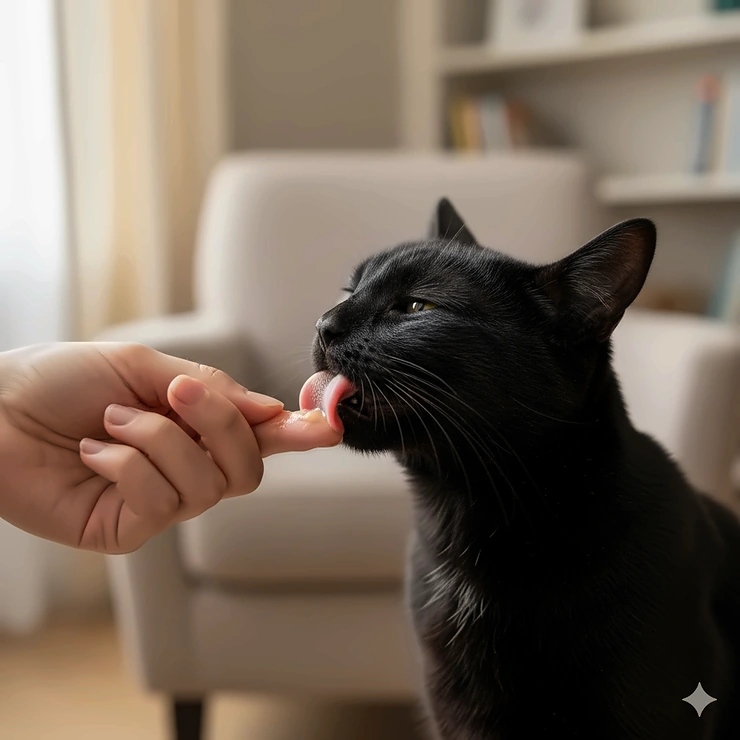
Look, I’ve been around cats long enough to know they’re basically tiny, furry food critics with an attitude. And let me tell you something about the cat lick treat phenomenon—it’s absolutely changed the game for how we bond with our feline overlords. If you haven’t discovered these squeezable tubes of pure feline joy yet, buckle up because you’re about to enter a world where your cat actually comes when called (as long as you’re holding one of these treats, obviously).

I remember the first time I introduced my tabby, Winston, to a cat lick treat. He went from being a dignified gentleman who barely acknowledged my existence to acting like I was the most important person in his universe. That’s the power we’re talking about here.
✨Was this helpful? Spread the word! 🚀
What Makes Cat Lick Treat Products So Special?
Here’s the thing about traditional crunchy treats—they’re fine, but they’re also kind of boring. The cat lick treat revolution happened because someone finally figured out that cats are obligate carnivores who naturally get hydration from their prey. Domestic cats eating mostly dry kibble? They’re basically living in a low-key state of dehydration. These lickable treats aren’t just delicious—they’re functional nutrition wrapped in an irresistible package.
The magic lies in their creamy, smooth texture that mimics the consistency of what cats would naturally consume in the wild. We’re talking about a moisture content hovering around 88-91%, which means every single lick is actually helping your cat stay hydrated. Plus, most quality options clock in at just 6-15 calories per serving, making them a guilt-free indulgence even for cats watching their waistline.
The Science Behind Lickable Treats 🔬
Research from veterinary nutritionists has shown that cats typically need about 3.5 to 4.5 ounces of water per 5 pounds of body weight daily. According to studies published by the American Association of Feline Practitioners, cats on predominantly dry food diets often fall short of this requirement, potentially leading to urinary tract issues, kidney problems, and other health complications. Cat lick treat products can bridge this hydration gap while providing entertainment and bonding opportunities.
The texture variation among brands matters more than you’d think. Some treats have a consistency similar to smooth peanut butter, while others flow like a thin gravy. This isn’t just about personal preference—the thickness affects how easily you can control the dispensing, whether you’re hand-feeding or using it as a food topper.
The 7 Best Cat Lick Treat Products You Can Buy Right Now
After extensive research and analyzing hundreds of customer reviews, I’ve narrowed down the absolute best options currently available on Amazon. Each product has been evaluated based on ingredient quality, palatability, texture, nutritional value, and overall customer satisfaction.
1. INABA Churu Lickable Purée Cat Treats 🏆
Let’s start with the gold standard—the treat that launched a thousand copycat brands. INABA Churu has achieved near-mythical status among cat parents, and honestly, the hype is justified.
Key Specifications:
- Available in 20, 40, 50, and 120-tube variety packs
- Each tube contains 0.5 ounces (14g)
- 91% moisture content
- Only 6 calories per tube
- Made with wild-caught tuna and farm-raised chicken
- Enriched with Vitamin E and Taurine
- Price range: $8-$40 depending on pack size
What sets Churu apart is the manufacturing process. These treats are produced in Thailand at facilities that follow the same quality assurance procedures as human food plants. The tuna comes with certificates of origin, and they only work with dolphin-friendly fisheries. That’s the kind of transparency I appreciate.
The texture is absolutely perfect—thick enough that you can squeeze it onto your finger without it dripping everywhere, but smooth enough that even senior cats with dental issues can easily consume it. My cats go absolutely feral for the chicken with scallop variety, but the tuna flavors are equally popular according to the 11,000+ five-star reviews on Amazon.
Pros:
✅ Highest moisture content in the category
✅ Grain-free with no preservatives or artificial colors
✅ Taurine supports heart, vision, and digestive health
✅ Perfect for medication administration
✅ Extensive flavor variety (11 flavors available)
Cons:
❌ Premium pricing compared to competitors
❌ Some cats may develop dependency (yes, it’s that good)
❌ Tubes can be difficult to tear open for some users
2. Temptations Creamy Puree Lickable Cat Treats 💰
For those watching their budget but refusing to compromise on quality, Temptations Creamy Puree delivers exceptional value. These treats have become my go-to recommendation for multi-cat households where the treat budget can balloon quickly.
Key Specifications:
- Available in 4, 16, and 24-count variety packs
- Each pouch contains 0.42 ounces (12g)
- Under 15 calories per pouch
- Made with real chicken, salmon, or tuna
- No added sugar, fillers, or artificial preservatives
- Price range: $5-$20
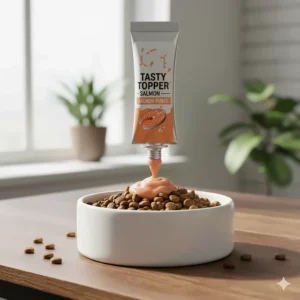
The single-serve pouches are genuinely convenient—just tear, squeeze, and watch your cat’s pupils dilate with joy. While the moisture content is slightly lower than Churu at 89%, it’s still providing significant hydration benefits. The creamy texture doesn’t require chewing, making these ideal for senior cats or those with dental concerns.
One interesting observation from customer reviews: cats seem to have strong flavor preferences with this brand. Some absolutely lose their minds for the salmon variety while completely ignoring the chicken. My advice? Start with a variety pack to discover your cat’s preference before committing to a single flavor.

3. Delectables Squeeze Up Lickable Wet Cat Treats 🎯
Hartz Delectables have carved out their niche by offering one of the thickest, creamiest textures in the market. If you’ve struggled with watery treats that create a mess, these are your solution.
Key Specifications:
- Available in 20, 32, 48, 54, and 72-tube variety packs
- Each tube contains 0.5 ounces
- Grain-free formula
- No fillers, by-products, or added preservatives
- Multiple flavor categories: seafood, non-seafood, and catnip-infused
- Price range: $12-$35
The thickness of these treats gives you much better control during feeding. You can dispense a little at a time, making one tube last through multiple feeding sessions if you’re using them as training rewards. The puree is made from real poultry and fish, and the ingredient list is refreshingly short—always a good sign.
What really impressed me is the variety of textures available across the Delectables line. Beyond the Squeeze Ups, they offer bisque, stew, savory broths, chowder, and soft pâté options. This makes it easy to find something that works for your specific cat’s preferences and needs.
4. Tiki Cat Stix Lickable Mousse Treats 🥇
Here’s where we enter premium territory. Tiki Cat Stix are all about high-quality, protein-rich ingredients that align with a cat’s natural carnivorous diet. These aren’t just treats—they’re legitimate nutritional supplements.
Key Specifications:
- Available in 6, 12, 20, and 50-count packs
- Each stick contains 0.5 ounces
- Only 9 calories per treat
- High protein content with real meat as first ingredient
- Grain-free with no carrageenan
- Variety includes chicken, tuna, salmon, duck, and combination flavors
- Price range: $5-$35
The mousse texture is silky smooth and exceptionally palatable. What sets Tiki Cat apart is their commitment to using high-quality protein sources—we’re talking real chicken broth, actual chicken meat, and whole eggs as primary ingredients. No mysterious “meat by-products” here.
These treats work brilliantly as meal toppers for picky eaters. The moisture and flavor can transform dry kibble into something your cat actually wants to eat. Several veterinary assistants have recommended these in customer reviews, particularly for cats with renal issues or those recovering from illness.
5. Catit Creamy Lickable Cat Treats 🌟
Catit Creamy treats might be the most underrated option on this list. These Canadian-made treats pack serious nutritional value while maintaining an affordable price point.
Key Specifications:
- Available in 12, 24, 36, and 72-tube assortment packs
- Natural ingredients with limited ingredient lists
- Rich in amino acids and taurine
- High meat content
- Enhanced with salmon oil (source of Omega fatty acids)
- No corn, grain, wheat, soy, or artificial additives
- Price range: $10-$45
The texture of Catit Creamy is notably thicker than most competitors, which multiple reviewers cite as a major advantage for hand-feeding. The treat maintains its shape as you dispense it, creating a tidier experience overall. My personal testing confirmed this—significantly less treat ended up on my fingers compared to more liquid formulations.
The inclusion of salmon oil deserves special mention. Omega-3 and Omega-6 fatty acids support skin and coat health, reduce inflammation, and promote brain function. For a treat that’s primarily designed for enjoyment, these additional health benefits are impressive.
6. Purrly Lickable Cat Treats with Functional Nutrition 💪
Purrly represents the newer generation of cat lick treat products that emphasize functional health benefits beyond basic nutrition. These treats are formulated with specific health goals in mind.
Key Specifications:
- Available in 18 and 30-count variety packs
- Human-grade protein sources
- Less than 6 calories per serving
- Functional formulas with targeted benefits:
- Prebiotics & dietary fiber for indoor cats
- Omega-3 & 6 for skin and coat
- L-Lysine & Astaxanthin for immunity support
- Non-GMO with no artificial additives
- Price range: $15-$28
The human-grade ingredient designation isn’t just marketing—it means the protein sources meet standards for human consumption. Purrly avoids mechanically separated or reclaimed meats, opting instead for recognizable muscle meat. This commitment to quality ingredients makes these treats suitable even for cats with sensitive stomachs or food allergies.
The functional nutrition aspect is what really differentiates Purrly. If your cat struggles with hairballs, the prebiotics and dietary fiber formulation can help. Cats with dull coats benefit from the Omega-enriched varieties. It’s basically supplement delivery disguised as a delicious treat.
7. Weruva Puddy Pops Lickable Cat Treats 🎨
The newest entry on our list, Weruva Puddy Pops brings the brand’s commitment to premium ingredients into the lickable treat category. Known for their high-quality canned foods, Weruva applies the same philosophy here.
Key Specifications:
- Made with premium cuts of meat (not by-products)
- Rich flavors including salmon, tuna, and chicken combinations
- Omega-3 enriched formulations
- Enhanced hydration formula
- Simple, clean ingredient lists
- Convenient pouch design
- Price range: $12-$25
Weruva takes a different approach to flavor—these treats taste distinctly different from other brands, likely due to their use of actual protein cuts rather than broths and purees made from lesser-quality sources. Some cats develop instant obsession, while others need time to adjust to the different flavor profile.
The aquatic varieties (salmon and tuna) are particularly Omega-3 rich, supporting everything from joint health to cognitive function. For senior cats or those with inflammatory conditions, these functional benefits extend beyond simple treat time.
Quick Comparison: Top Cat Lick Treat Products
| Product | Moisture Content | Calories/Serving | Price Range | Best For |
|---|---|---|---|---|
| INABA Churu | 91% | 6 | $8-$40 | Maximum hydration, picky eaters |
| Temptations Creamy Puree | 89% | <15 | $5-$20 | Budget-conscious multi-cat homes |
| Delectables Squeeze Up | High | 10-15 | $12-$35 | Thick texture preference, variety |
| Tiki Cat Stix | 88% | 9 | $5-$35 | High protein needs, premium quality |
| Catit Creamy | High | 10-12 | $10-$45 | Omega fatty acids, amino acids |
| Purrly | Very High | <6 | $15-$28 | Functional health benefits |
| Weruva Puddy Pops | Very High | 8-12 | $12-$25 | Premium ingredients, discerning cats |
💬 Just one click – help others make better buying decisions too!😊
🛒 Ready to Transform Treat Time? Shop These Top Picks Now! 🎁
Your cat deserves the best, and these premium cat lick treat options deliver on taste, nutrition, and quality. Click on any of the products above to check current Amazon pricing and customer reviews. Don’t miss out on the chance to strengthen your bond with your feline friend while supporting their health!
Understanding the Different Types of Cat Lick Treat Formulations
Not all lickable treats are created equal, and understanding the distinctions helps you choose the right option for your specific situation. The market has evolved considerably, with manufacturers developing specialized formulations for different needs and life stages.
Puree vs. Mousse vs. Broth Styles
The puree style (like INABA Churu) offers the smoothest consistency—think ultra-fine baby food texture. These work exceptionally well for hand-feeding and medication administration because they cling to surfaces effectively. The downside? They can be messy if your dispensing technique isn’t refined.
Mousse formulations (like Tiki Cat Stix) provide more body and structure. The texture is closer to whipped cream cheese, making them ideal for squeezing onto dry food as toppers. They hold their shape better and provide a more satisfying eating experience for cats who like to “work” for their food.
Broth-based lickable treats are the thinnest consistency, almost soup-like. While they provide excellent hydration, they’re not practical for hand-feeding unless you want to spend the next ten minutes cleaning treat residue off various surfaces. However, they excel as meal enhancers, transforming dry kibble into a more appealing wet-food experience.
Life Stage Considerations
Kittens have specific nutritional requirements, including higher calorie and protein needs to support rapid growth. Look for kitten-specific formulations like INABA Churu for Kittens, which adjusts the nutrient profile accordingly. The same treats adults enjoy are generally safe for kittens over 12 weeks, but moderation is key.
Adult cats (1-7 years) have the most flexibility with treat selection. This is when you can experiment with different flavors, textures, and brands to discover preferences. Pay attention to calorie content if your cat struggles with weight management—those 6-calorie tubes add up quickly if you’re feeding multiple treats daily.
Senior cats (7+ years) benefit enormously from lickable treats, especially as dental issues become more common. Products like INABA Churu for Senior 10+ include additional vitamin C and adjusted taurine levels to support aging bodies. The soft texture eliminates chewing requirements, making treat time accessible even for cats with significant tooth loss or gum sensitivity.
The Health Benefits: Beyond Just Delicious Treats
Let’s dig deeper into why these treats aren’t just indulgent snacks but actually serve important health functions in your cat’s overall wellness strategy.
Hydration Support and Kidney Health
Chronic dehydration is one of the most common yet overlooked health issues affecting domestic cats. The consequences are serious: increased risk of urinary crystals, bladder stones, urinary tract infections, and chronic kidney disease. According to research from the Cornell University College of Veterinary Medicine, cats consuming primarily dry food may only achieve 50% of their daily moisture requirements through drinking alone.
This is where cat lick treat products become genuinely therapeutic. A cat consuming three tubes of INABA Churu daily adds approximately 1.35 ounces of moisture to their diet—that’s about 30% of what a 10-pound cat needs. While treats shouldn’t replace proper hydration practices (fresh water availability, water fountains, etc.), they absolutely contribute to overall fluid intake.
The kidney benefits extend beyond simple hydration. Maintaining adequate fluid balance reduces the concentration of waste products in the urinary system, decreasing the likelihood of crystal formation. For cats with early-stage chronic kidney disease, moisture-rich treats can be part of a comprehensive management strategy recommended by veterinarians.
Medication Administration Made Simple
Anyone who’s tried to pill a cat knows it can feel like negotiating with a tiny, furry terrorist. The struggle often results in stress for both parties, wasted medication, and occasionally blood loss (yours, not theirs). Cat lick treat products have revolutionized medicine time for countless cat parents.
The highly palatable flavors effectively mask the taste of most oral medications. Crush pills into powder, mix with a lickable treat, and watch your cat eagerly consume something they would normally fight tooth and nail to avoid. Liquid medications can be mixed directly into the puree, making administration essentially effortless.
Veterinary professionals consistently recommend treats like INABA Churu and Tiki Cat Stix for this purpose. The thick consistency ensures medications don’t settle to the bottom, guaranteeing your cat receives the full dose. Multiple reviews on Amazon feature testimonials from cat parents who describe these treats as “lifesavers” for managing chronic conditions requiring daily medication.
Bonding and Behavioral Benefits
The psychological and emotional benefits of lickable treats deserve serious consideration. The act of hand-feeding creates a trust-building experience that strengthens the human-animal bond. For cats adopted from shelters or those with traumatic backgrounds, these positive feeding interactions can accelerate socialization and trust development.
The interactive nature of feeding lickable treats releases oxytocin—the bonding hormone—in both humans and cats. Research from Oregon State University’s College of Veterinary Medicine has demonstrated that cats form secure attachments to their caregivers similar to those observed in human infants and dogs. Regular positive interactions like treat time reinforce these attachments.
From a behavioral modification standpoint, lickable treats serve as high-value rewards for training purposes. While cats have an undeserved reputation for being untrainable, they absolutely respond to positive reinforcement. These treats work beautifully for teaching basic commands, encouraging cats to use nail scratching posts, or rewarding tolerance during grooming sessions.
Stress Reduction During Veterinary Visits
Perhaps one of the most valuable applications for cat lick treat products is stress reduction during veterinary examinations. Fear and anxiety at the vet clinic are so common there’s actually a term for it: “fear-free veterinary care” has become an entire movement within the profession.
Many veterinary clinics now stock lickable treats specifically for this purpose. Offering treats during examinations, vaccinations, or blood draws provides both distraction and positive association. Some cats become so focused on licking their treat that they barely notice needle insertion.
This application extends to home care situations too. Nail trimming, ear cleaning, and medication administration all become more manageable when paired with a delicious cat lick treat. The positive association helps prevent development of negative behaviors around these necessary care activities.
Professional Applications: How Veterinarians and Behaviorists Use These Treats
Speaking with veterinary professionals reveals some fascinating applications for lickable treats beyond typical household use. Understanding these professional perspectives can help you maximize the benefits for your own cats.
Veterinary Hospital Applications
Dr. Jennifer Chen, DVM, from a busy urban animal hospital, explains: “We keep multiple brands and flavors of lickable treats on hand. They’ve become an essential tool for fear-free handling. I can examine a cat’s teeth, listen to their heart, and even draw blood while they’re happily licking away. The stress reduction benefits both the animal and our ability to conduct thorough examinations.”
Veterinary hospitals use these treats for:
- Blood draw distraction: The intense focus on licking often eliminates the need for restraint
- Medication trials: Determining if a cat will accept medications mixed with treats before sending them home
- Post-surgical appetite stimulation: Encouraging eating after anesthesia when nausea may be present
- Chronic disease management: Supporting cats with kidney disease, diabetes, or hyperthyroidism who need extra hydration
- Weight gain in underweight cats: The calorie-dense nature helps cats struggling to maintain healthy weight
Behavioral Consultant Recommendations
Certified cat behavior consultants incorporate lickable treats into treatment plans for various behavioral issues. Emily Rodriguez, a feline behavior specialist, notes: “These treats are incredibly useful for desensitization protocols. For cats with fear of handling, we use treats to create positive associations with touch. For anxious cats, the licking behavior itself can be calming—it’s similar to how nursing kittens find comfort.”
Behavioral applications include:
- Multi-cat household introductions: Creating positive associations between cats during gradual introduction protocols
- Litter box aversion cases: Rewarding appropriate elimination behavior
- Aggression management: Redirecting focus during trigger situations
- Separation anxiety: Providing comfort and distraction during owner departures
- Noise phobias: Helping cats cope during thunderstorms or fireworks
Shelter and Rescue Operations
Animal shelters face unique challenges with traumatized, under-socialized, or feral cats. Lickable treats have become standard tools in shelter medicine and behavior programs. The treats serve multiple functions:
Socialization of feral kittens: Hand-feeding lickable treats helps feral kittens learn that human contact predicts good things. This speeds the socialization process significantly, improving adoption outcomes.
Medical treatment compliance: Shelter cats requiring daily medication for upper respiratory infections or other conditions are more likely to receive consistent treatment when medications can be easily disguised in palatable treats.
Adoption event success: Offering lickable treats during meet-and-greets helps showcase cats’ personalities and creates positive first impressions with potential adopters. A cat eagerly licking treats appears more social and adoptable than one cowering in the back of a cage.
Ingredient Deep-Dive: What You’re Actually Feeding Your Cat
Let’s get nerdy about ingredients because understanding what goes into these treats helps you make informed decisions. Not all ingredient lists are created equal, and some marketing claims deserve scrutiny.
Primary Protein Sources
Wild-caught tuna sounds premium, and it generally is. Skipjack tuna (the variety used in most quality cat treats) comes from sustainable fisheries and provides high-quality protein with complete amino acid profiles. However, tuna should be consumed in moderation due to potential mercury accumulation. This is why variety packs including multiple protein sources are preferable to tuna-only options.
Farm-raised chicken is the workhorse of the pet food industry. Quality matters enormously here. Look for treats specifying “farm-raised chicken” rather than vague terms like “poultry” or “chicken by-products.” While by-products aren’t inherently bad (they include nutrient-rich organs), their inclusion often correlates with lower-quality manufacturing standards.
Salmon provides excellent protein plus Omega-3 fatty acids (EPA and DHA), which support everything from skin health to cognitive function. Wild-caught Alaskan salmon is generally considered the gold standard, though it commands premium pricing.
Duck and turkey serve as alternative protein sources useful for cats with chicken or fish sensitivities. These proteins are less commonly used in cat food, reducing the likelihood of allergic reactions in cats with protein-specific food allergies.
Functional Ingredients to Look For
Taurine: This amino acid is absolutely essential for cats. Unlike dogs and humans, cats cannot synthesize sufficient taurine and must obtain it from diet. Taurine supports heart muscle function (preventing dilated cardiomyopathy), vision (preventing retinal degeneration), and reproductive health. Quality treats include supplemental taurine.
Vitamin E: Functions as an antioxidant, supporting immune system health and protecting cells from oxidative damage. It also helps preserve the freshness of treats by preventing fat oxidation.
Green tea extract: Provides natural antioxidants without adding caffeine (which cats should avoid). Some evidence suggests green tea catechins may support weight management and metabolic health.
Salmon oil: Rich source of EPA and DHA Omega-3 fatty acids. These essential fatty acids reduce inflammation, support skin and coat quality, and may slow cognitive decline in senior cats.
L-Lysine: An amino acid often added to treats marketed for immunity support. L-Lysine may help manage feline herpesvirus (a common cause of upper respiratory infections), though research on its effectiveness remains mixed.
Prebiotics and dietary fiber: Support digestive health by promoting beneficial gut bacteria. Particularly useful for indoor cats who may experience digestive sluggishness.
Red Flags: Ingredients to Avoid
Carrageenan: This seaweed-derived thickener has been associated with gastrointestinal inflammation in some studies. While research specific to cats is limited, many premium brands now exclude it as a precautionary measure.
Artificial colors and flavors: Completely unnecessary in cat treats since cats don’t care about visual appeal and have highly developed natural food preferences. Their presence usually indicates cost-cutting in ingredient quality.
Excessive fillers: Corn, wheat, and soy serve as cheap protein sources and texture modifiers but offer minimal nutritional value to carnivorous cats. Their presence suggests the manufacturer prioritizes cost over quality.
Added sugars: Cats lack taste receptors for sweetness and derive no benefit from sugar. Its presence in cat treats is unjustifiable and potentially harmful, contributing to obesity and dental problems.
Unspecified “meat” or “poultry”: Vague ingredient descriptions suggest inconsistent sourcing and potentially lower quality. Reputable manufacturers specify exactly which animals contribute to their products.
Advanced Feeding Strategies: Maximizing Benefits
Simply handing your cat a treat tube isn’t the only—or necessarily the best—way to utilize these products. Let’s explore advanced strategies that increase the value you get from cat lick treat products.
Strategic Meal Topping for Picky Eaters
If your cat views their regular food with disdain, lickable treats can bridge the gap. The technique matters: instead of squeezing the entire treat on top, try this approach:
- Add a small amount (1/4 tube) of lickable treat to the center of the food
- Mix thoroughly to distribute flavor throughout
- Add another small dollop on top as visual/aroma enticement
- Over several days, gradually reduce the amount used while maintaining the routine
This method prevents your cat from simply licking off the topping and abandoning the meal underneath. The goal is transitioning them to eat their regular food without needing treat enhancement.
Hydration Boosting Protocol
For cats requiring increased fluid intake (those with kidney disease, chronic constipation, or urinary issues), implement this protocol:
Morning routine: Mix one tube of lickable treat with 1-2 tablespoons of water, creating a thin soup. Most cats happily lap this up, effectively “tricking” them into consuming extra fluids.
Evening routine: Offer a regular tube as a straight treat to maintain palatability and prevent boredom with the diluted version.
Weekly rotation: Change flavors regularly to prevent the development of single-flavor fixation, which can occur when cats decide they’ll only accept one specific variety.
Training and Behavior Modification Applications
Cat lick treat products excel as training rewards because they:
- Provide immediate gratification (no chewing delay)
- Can be dispensed in tiny amounts for frequent reinforcement
- Create strong positive associations due to high palatability
Teaching basic commands: Use tiny squeezes (1/10 of a tube) as rewards for simple behaviors like “sit” or “come.” The key is immediate reward timing—within 1-2 seconds of the desired behavior.
Nail trimming desensitization: Create positive associations by:
- Show clippers → offer treat
- Touch paw while offering treat
- Hold paw while offering treat
- Press on pad (extending claws) while offering treat
- Touch clippers to nail while offering treat
- Finally, clip one nail while cat focuses on treat
This gradual progression, done over days or weeks, can transform nail trimming from wrestling match to peaceful routine.
Multi-Cat Household Management
In homes with multiple cats, lickable treats require strategic deployment to prevent conflict. Consider these approaches:
Spatial separation: Feed treats in different rooms simultaneously, reducing competition and anxiety. This is especially important in households with resource-guarding behaviors.
Individual flavor preferences: Once you’ve identified each cat’s favorite flavors, use those preferences to facilitate training or medication administration without triggering jealousy from other cats who don’t love that particular flavor.
Rotation scheduling: Rather than all cats getting treats simultaneously every day, try rotating which cats receive treats when. This reduces treat dependency and makes treat time more special.

Cost-Benefit Analysis: Are Premium Treats Worth It?
Money matters, especially when you’re spending it on what essentially amounts to cat junk food. Let’s break down the economics to help you decide where to invest your treat budget.
Per-Serving Cost Comparison
When evaluating cost, consider price per serving rather than package price:
INABA Churu (50-tube pack, ~$28): $0.56 per tube Temptations Creamy Puree (24-pack, ~$18): $0.75 per pouch Delectables Squeeze Up (72-tube pack, ~$32): $0.44 per tube Tiki Cat Stix (50-count jar, ~$35): $0.70 per stick Catit Creamy (72-tube assortment, ~$40): $0.56 per tube
The “best value” shifts depending on your priorities. If pure cost-per-serving matters most, Delectables wins. However, if you’re prioritizing maximum moisture content and lowest calories, INABA Churu justifies the slightly higher cost.
Hidden Costs and Savings
Consider these often-overlooked economic factors:
Veterinary savings: Regular use of moisture-rich treats may reduce the likelihood of expensive urinary tract issues, kidney problems, or constipation requiring veterinary intervention. A single episode of urinary blockage can easily cost $1,500-$3,000 in emergency treatment. If lickable treats reduce this risk even marginally, they pay for themselves many times over.
Medication compliance: Successfully administering medication with lickable treats prevents wasted doses and ensures treatment effectiveness. Failed medication attempts waste money and potentially worsen health conditions, requiring more expensive interventions later.
Food waste reduction: Using treats as meal toppers can convince picky eaters to consume their regular food rather than walking away, reducing the amount of expensive cat food thrown away daily.
Professional services avoided: Cats who tolerate home nail trimming, ear cleaning, and basic grooming due to treat-based desensitization save owners repeated trips to professional groomers or veterinary clinics for these services.
Bulk Buying Strategies
Subscribe and Save programs: Amazon’s subscription option typically offers 10-15% discounts on regular deliveries. For treats you know your cats love, this adds up significantly over time.
Warehouse club membership: Costco and Sam’s Club occasionally stock large quantity packs of popular brands like INABA Churu at substantial savings compared to per-unit grocery store pricing.
Multi-brand experimentation packs: Instead of committing to large quantities of untested brands, start with smaller sampler packs. The few extra dollars spent upfront prevent larger losses if your cats reject a particular brand.
Common Mistakes and How to Avoid Them
After consulting with veterinarians and analyzing hundreds of customer reviews, certain patterns of treat misuse emerge repeatedly. Here’s what to watch out for.
Overfeeding and Treat Dependency
The problem: Some cat parents feed 10+ treat tubes daily, creating several issues:
- Calorie excess leading to weight gain
- Nutritional imbalance (treats lack complete nutrition)
- Behavioral addiction where cats refuse regular food
The solution: Follow the 10% rule—treats should constitute no more than 10% of daily calorie intake. For a typical 10-pound cat consuming 200-250 calories daily, this means 20-25 calories from treats. That’s approximately 3-4 tubes of INABA Churu or 1-2 Temptations pouches.
Flavor Fixation Problems
The problem: Offering only one flavor creates cats who refuse all alternatives, which becomes problematic when that flavor is discontinued or temporarily unavailable.
The solution: Rotate through at least 3-4 different flavors regularly, even if your cat shows strong preference for one. This maintains flavor flexibility and prevents the development of single-food fixation.
Storage and Freshness Issues
The problem: Treats left in hot cars, direct sunlight, or opened tubes stored improperly lose palatability and potentially develop bacterial contamination.
The solution:
- Store unopened treats in cool, dry locations away from direct sunlight
- Refrigerate opened tubes and use within 48 hours
- Never leave treats in vehicles during summer months
- Check expiration dates before purchase and use oldest products first
Ignoring Individual Health Needs
The problem: Not all cats should consume the same treats. Cats with diabetes, kidney disease, or food allergies require special consideration.
The solution: Consult your veterinarian before introducing treats if your cat has diagnosed health conditions. Some general guidelines:
- Diabetic cats: Choose treats lowest in carbohydrates (Tiki Cat Stix are often vet-recommended for this group)
- Kidney disease cats: Select treats with moderate protein levels and discuss phosphorus content with your vet
- Food allergies: Read ingredient lists carefully and stick with limited-ingredient formulations using novel proteins
Troubleshooting: When Cats Don’t Like Lickable Treats
Wait, cats who don’t like these treats exist? Yes, surprisingly. While the vast majority of cats enthusiastically embrace lickable treats, a small percentage show indifference or outright rejection. Here’s how to troubleshoot.
Texture Preferences
Some cats have strong textural preferences. If your cat rejects smooth purees, try:
- Thicker mousse formulations like Delectables or Catit
- Chunkier styles with visible meat pieces
- Broth-style treats with more liquid consistency
The key is experimentation without forcing. Offer small samples of different textures and let your cat indicate preferences through their behavior.
Temperature Matters
Interestingly, treat temperature can dramatically affect palatability. Some cats prefer:
Room temperature: Standard serving straight from storage Slightly warmed: Microwave for 3-5 seconds (test temperature carefully) Chilled: Refrigerated treats offer refreshing coolness, particularly appealing during summer
Winston, my perpetually picky tabby, completely ignored lickable treats until I discovered he prefers them slightly chilled. Now he acts like they’re the greatest invention since the invention of napping in sunbeams.
Serving Method Alternatives
Not all cats want to eat from tubes. Try these alternatives:
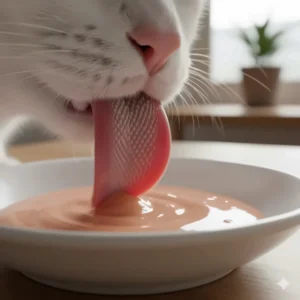
Shallow dish: Pour treat into a flat dish for cats who prefer traditional eating positions Finger feeding: Some cats love licking treats off human fingers (creates bonding moments) Food puzzle integration: Smear treats inside food puzzles for extended engagement Popsicle treats: Freeze diluted treats for hot days
When to Accept Defeat
If after trying multiple brands, flavors, temperatures, and serving methods your cat still shows zero interest, accept that lickable treats simply aren’t their thing. Some cats genuinely prefer crunchy treats, catnip, or interactive play as rewards. That’s okay—different cats, different preferences.
Future Trends in Cat Lick Treat Innovation
The pet treat industry evolves rapidly, driven by increasing pet humanization and growing awareness of feline nutritional needs. Here’s what’s emerging:
Personalized Nutrition Formulations
Several companies are developing treats tailored to individual cats’ specific health profiles, genetic predispositions, and activity levels. Imagine submitting information about your cat and receiving customized treat formulations addressing their unique needs—it’s coming sooner than you might think.
Sustainable and Ethical Sourcing
Consumer demand for environmentally responsible products drives changes in ingredient sourcing. Expect to see:
- More treats using insects as protein sources (highly sustainable, excellent nutrition)
- Certified sustainable seafood becoming standard rather than premium feature
- Plant-based alternatives for cats with severe protein allergies
Functional Treats for Specific Health Conditions
The line between treats and supplements continues blurring. We’re seeing development of:
- CBD-infused treats for anxiety and pain management (pending regulatory clarity)
- Probiotic-enhanced formulations for digestive health
- Joint support treats with glucosamine and chondroitin
- Cognitive support treats for senior cats with age-related mental decline
Technology Integration
Smart packaging and tracking systems may soon allow cat parents to:
- Monitor treat consumption patterns through connected dispensers
- Receive notifications when treats approach expiration
- Track treat-related changes in cat behavior or health through integrated apps
- Access personalized feeding recommendations based on aggregated data
Sustainability in Packaging
Environmental concerns are pushing manufacturers toward:
- Biodegradable squeeze tubes made from plant-based materials
- Refill systems reducing packaging waste
- Concentrated formulas requiring less packaging per serving
- Composatable pouches replacing traditional plastic
International Perspectives: Cat Lick Treat Culture Worldwide
The lickable treat phenomenon isn’t uniquely American—it’s global, with interesting regional variations.
Japanese Origins and Market Dominance
Japan pioneered the lickable cat treat category, with INABA Churu launching in the 1990s. Japanese cat culture emphasizes detailed observation of feline preferences and behaviors, driving innovation in texture, flavor, and presentation. Japanese brands still dominate the premium segment worldwide due to this head start and cultural emphasis on quality.
The Japanese market offers flavors rarely seen in the US: bonito flake, sea bream, and various regional fish varieties. The treats are marketed there with heavy emphasis on the bonding ritual of hand-feeding, reflecting broader Japanese cultural values around the human-animal relationship.
European Approaches
European brands like Catit (Belgium) and various British companies tend to emphasize natural ingredients and minimal processing. European Union regulations on pet food are generally stricter than US requirements, particularly regarding antibiotic residues and sourcing transparency.
European consumers show stronger preferences for organic certification and local sourcing compared to American buyers, driving somewhat different product development priorities.
Emerging Markets Adaptation
Countries like China, India, and Brazil are experiencing rapid growth in pet ownership and premiumization. Lickable treats in these markets often emphasize affordability and shelf stability over premium ingredients, reflecting different economic priorities and infrastructure challenges (reliable refrigeration isn’t universal).
However, urbanization and rising middle-class spending power in these regions suggest future demand for premium options will increase substantially.
Making Your Final Decision: A Practical Framework
With all this information, how do you actually choose? Here’s my systematic approach:
Step 1: Define Your Primary Goal
What’s your main objective?
- Hydration support: Choose highest moisture content options (INABA Churu, Catit Creamy)
- Budget consciousness: Select value options (Temptations, bulk Delectables packs)
- Health conditions: Pick specialized formulations (Purrly functional nutrition, Tiki Cat high protein)
- Medication administration: Opt for thickest textures with strong flavors (Delectables, INABA Churu)
- Bonding and training: Go for highly palatable premium options (INABA Churu, Tiki Cat Stix)
Step 2: Consider Your Cat’s Profile
Age: Kittens and seniors have different needs than adult cats Health status: Existing conditions require veterinary input on appropriate choices Size: Larger cats may require more treats to feel satisfied; factor this into cost calculations Personality: Picky eaters need premium options; food-motivated cats accept broader variety
Step 3: Start with Variety Packs
Never commit to large quantities of an untested brand. Begin with:
- Small variety packs containing multiple flavors
- Single-serving options when available
- Trial sizes to gauge acceptance before bulk purchasing
Step 4: Observe and Adjust
After introducing treats, monitor:
- Enthusiasm level (does your cat come running or show indifference?)
- Digestive response (any vomiting, diarrhea, or changes in litter box habits?)
- Behavioral changes (increased food motivation, improved bonding, or unwanted dependency?)
- Value assessment (is the price justified by the benefits you’re seeing?)
Step 5: Establish a Sustainable Routine
Create a treat regimen that’s:
- Consistent: Regular treat times help with training and routine establishment
- Moderate: Following the 10% calorie rule prevents problems
- Varied: Rotating flavors maintains interest and prevents fixation
- Purposeful: Each treat serving should serve a function beyond just “because they’re cute”
Conclusion: The Transform
ative Power of Simple Pleasures
Look, at the end of the day, we’re talking about squeezable tubes of flavored meat paste. It’s not revolutionary technology. But here’s what I’ve learned through years of cat parenting and researching these products: sometimes the simplest things have the most profound impact on quality of life.
Cat lick treat products have genuinely transformed how I interact with my cats. The daily ritual of treat time creates moments of pure, uncomplicated joy. Winston, who once barely tolerated human contact, now actively seeks me out for our evening treat session. That behavioral shift didn’t happen overnight—it was built on countless small, positive interactions centered around these treats.
Beyond the emotional benefits, the health advantages are real and measurable. My cats’ hydration improved (verified through veterinary urinalysis), their coats became noticeably softer and shinier, and medication administration went from traumatic to routine. These aren’t minor improvements—they’re meaningful enhancements to feline wellbeing.
The market offers legitimate choices for every budget, preference, and health need. Whether you choose INABA Churu, Temptations, Delectables, Tiki Cat, Catit, Purrly, or Weruva, you’re accessing a tool that can strengthen your relationship with your cat while supporting their health. The key is finding the right option for your specific situation and using it thoughtfully.
Start small, experiment with varieties, and pay attention to your cat’s responses. Trust me—once you see your typically aloof cat transform into an enthusiastic, purring ball of affection over a simple squeeze tube, you’ll understand why these treats have become a phenomenon.
🎯 Last Chance to Upgrade Your Cat’s Life! 🐱
Don’t let another day pass without experiencing the joy of seeing your cat’s face light up during treat time. Click any of the product links throughout this article to check current Amazon pricing and read thousands of verified customer reviews. Your cat will thank you (in their own, typically demanding way).

Frequently Asked Questions
❓ What makes cat lick treat different from regular crunchy treats?
❓ How many cat lick treat tubes can I give my cat daily?
❓ Can cat lick treat products help with medication administration?
❓ Are there cat lick treat options for cats with food allergies?
❓ How long do opened cat lick treat tubes stay fresh?
Recommended for You
- 7 Best Cat Freeze Dried Treats That Will Make Your Feline Go Wild in 2025
- 7 Best Dehydrated Cat Food Options for Ultimate Feline Nutrition in 2025
- 10+ Best Cat Pate Options That Will Transform Your Feline’s Mealtime in 2025
Disclaimer: This article contains affiliate links. If you purchase products through these links, we may earn a small commission at no additional cost to you.
✨ Found this helpful? Share it with your friends! 💬🤗
