
Table of Contents
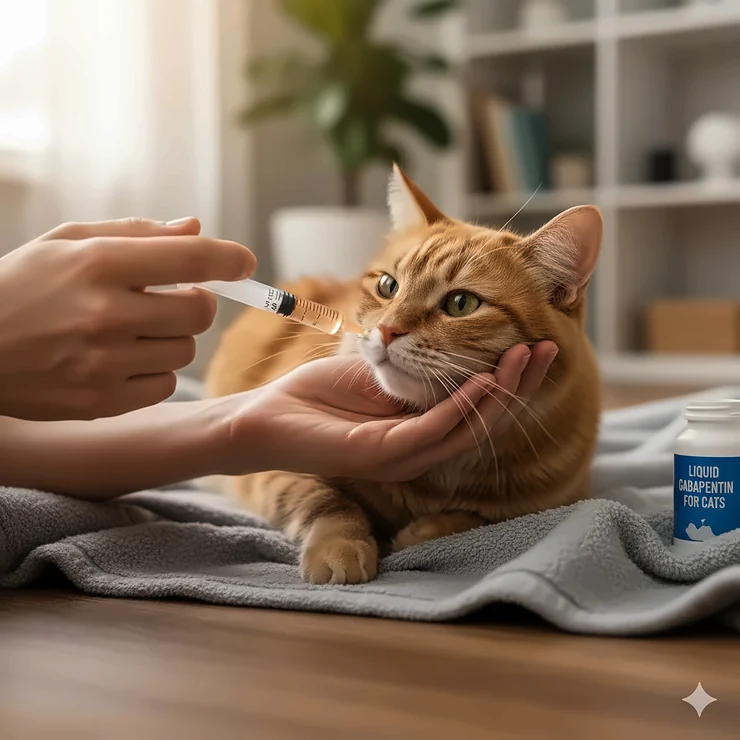
Let me tell you something—if you’ve ever tried giving your cat a pill, you know it’s basically like wrestling a furry tornado. I’ve been there, covered in scratches, watching that tiny capsule shoot across the kitchen floor for the third time. That’s precisely why liquid gabapentin for cats has become such a lifesaver for pet parents everywhere.
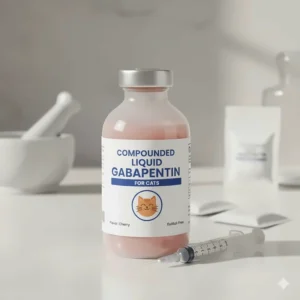
Here’s the thing: gabapentin isn’t just another medication gathering dust in your vet’s cabinet. It’s a versatile prescription that helps manage chronic pain, control seizures, and calm those anxiety-ridden vet visits that stress out both you and your feline friend. Whether you’re dealing with a senior cat battling arthritis or a nervous kitty who turns into a demon at the sight of a carrier, liquid gabapentin for cats offers a practical solution that actually works.
✨Was this helpful? Spread the word! 🚀
The liquid form eliminates the wrestling match entirely. No more hiding pills in treats only to find them spit out minutes later. No more forcing capsules down unwilling throats. Just a simple oral syringe, a measured dose, and you’re done. Many compounding pharmacies now create flavored versions—think chicken, tuna, or beef—that cats actually tolerate (and sometimes even enjoy).
In this comprehensive guide, I’ll walk you through everything you need to know about liquid gabapentin for cats. We’ll explore the top seven products available, break down dosage charts in simple terms, discuss safe administration techniques, and answer those burning questions keeping you up at night. By the end, you’ll be equipped with expert-level knowledge to make informed decisions about your cat’s health and comfort.
Quick Comparison: Top 7 Liquid Gabapentin Options ⚡
| Product Name | Concentration | Flavors Available | Price Range | Best For |
|---|---|---|---|---|
| ExpressVet Compounded Oral Liquid | 50mg/mL | Chicken, Beef, Fish | $45-75 | Daily pain management |
| Chewy Compounded Gabapentin | 50mg/mL | Chicken, Unflavored | $50-80 | Convenience & auto-ship |
| Heartland Vet Supply Suspension | 25-100mg/mL | Multiple options | $40-70 | Custom concentrations |
| Northwest Compounders Liquid | 50mg/mL | Vanilla, Fish | $55-85 | Premium quality |
| SVPMEDS Flavored Oral Liquid | 50mg/mL | Tuna, Chicken | $50-75 | Sensitive stomachs |
| Revival Animal Health Solution | 50mg/mL | Unflavored | $35-60 | Budget-friendly |
| PetScript Pharmacy Suspension | 50mg/mL | Vanilla | $48-72 | Oil-based formula |
💬 Just one click – help others make better buying decisions too! 😊
Top 7 Liquid Gabapentin for Cats: Expert Analysis 🏆
1. ExpressVet Pharmacy Compounded Gabapentin Oral Liquid
Let’s kick things off with a pharmacy that’s earned serious street cred among veterinarians. ExpressVet Pharmacy Compounded Gabapentin Oral Liquid stands out because it’s formulated specifically for pets, not adapted from human medications.
This compounded solution comes in a standard 50mg/mL concentration, which veterinarians commonly prescribe. What makes ExpressVet special? Their flavoring game is strong—cats actually don’t mind taking it, which is half the battle won. The chicken and beef options mask that medicinal taste that makes most cats recoil in horror.
Key Specifications:
- Concentration: 50mg/mL
- Available volumes: 30mL, 60mL, 90mL
- Shelf life: 60-90 days at room temperature
- Price range: $45-$75 depending on volume
Customer feedback consistently praises how well cats tolerate this formula. One reviewer mentioned her cat Yoda showed noticeably improved mobility after starting treatment, despite initially resisting the medication. The taste profile seems to be the winning factor here.
✅ Pros:
- Multiple flavor options
- Veterinarian-approved formulation
- Fast compounding (4 business days)
❌ Cons:
- Requires veterinary prescription
- Price can fluctuate
Best for: Cats requiring long-term pain management with daily dosing.
2. Chewy Compounded Gabapentin Oral Liquid
For pet parents who’ve embraced the online shopping revolution, Chewy Compounded Gabapentin Oral Liquid delivers convenience wrapped in reliability. Chewy’s pharmacy arm has become increasingly popular, and their gabapentin compounded liquid sits at 50mg/mL—the sweet spot for feline dosing.
The chicken-flavored version gets mixed reviews (some cats love it, others hate it), but the unflavored option works beautifully when mixed with wet food. What really sets Chewy apart is their prescription management system and auto-ship program, which ensures you never run out mid-treatment.
Key Specifications:
- Concentration: 50mg/mL
- Storage: Room temperature (68-77°F)
- Delivery: 3-5 business days
- Price: $50-$80 for 90mL bottle
Customer experiences vary significantly. While some rave about hassle-free delivery and easy administration, others report consistency issues with different batches having varying odors. The customer service team responds quickly to concerns, which earns them points.
✅ Pros:
- Auto-ship available (5% discount)
- Integrated prescription management
- Fast shipping
❌ Cons:
- Batch consistency concerns
- Strong odor reported by some users
Best for: Tech-savvy pet parents who value convenience and subscription options.
3. Heartland Veterinary Supply Gabapentin Oral Suspension
Heartland brings something unique to the table—flexibility. Their Gabapentin Oral Suspension allows veterinarians to customize concentrations from 25mg/mL up to 100mg/mL, which is perfect for tiny kittens or large Maine Coons requiring different dosing precision.
This oil-based suspension separates into two phases (oil on top, medication at bottom), so you’ll need to shake it thoroughly before each dose. Think of it like a homemade salad dressing—15 seconds of vigorous shaking ensures proper mixing.
Key Specifications:
- Concentrations: 25mg/mL, 50mg/mL, 75mg/mL, 100mg/mL
- Storage: Room temperature
- Ships with bottle adapter and dosing syringe
- Price: $40-$70 based on concentration
Located in Nebraska, Heartland has operated since 1981 and maintains both a licensed veterinarian and pharmacist on-site. Their price-match guarantee and free shipping over $75 make them budget-friendly without sacrificing quality.
✅ Pros:
- Custom concentration options
- Price-match guarantee
- Free shipping over $75
❌ Cons:
- Requires thorough shaking
- Oil base can stick to syringes
Best for: Cats requiring non-standard doses or owners seeking customization options.
4. Northwest Compounders Gabapentin Oral Liquid
Oregon-based Northwest Compounders Gabapentin Oral Liquid positions itself as a premium option, and honestly? They deliver on that promise. Their aqueous (water-based) solutions don’t require refrigeration despite being stored cold for flavor preservation.
The vanilla flavor has become surprisingly popular—it’s mild enough not to overwhelm sensitive feline palates while effectively masking the medication taste. Northwest ships across 38 states with free shipping on every order.
Key Specifications:
- Concentration: 50mg/mL
- Base: Aqueous (water-based)
- Delivery: 1-3 business days
- Price: $55-$85 depending on volume
One unique aspect: they provide detailed storage guidelines and stability information. If your bottle says “may refrigerate,” it’s optional. If it says “refrigerate,” they’ll walk you through what happens if it’s been left out. This transparency builds trust.
✅ Pros:
- Water-based formula (easier cleanup)
- Excellent customer education
- Free shipping nationwide
❌ Cons:
- Higher price point
- Limited state availability
Best for: Owners seeking premium quality and superior customer support.
5. SVPMEDS (Specialty Veterinary Pharmacy) Gabapentin Flavored Oral Liquid
SVPMEDS brings pharmaceutical-grade ingredients and rapid turnaround times to the table. Their Gabapentin Flavored Oral Liquid uses FDA-registered supplier materials and typically moves from compounding to shipping remarkably fast.
The tuna flavor is particularly clever—tuna juice naturally appeals to most cats, making medication time less of a battle. They follow USP <795> guidelines for compounding, which means quality control is baked into every batch.
Key Specifications:
- Concentration: 50mg/mL
- Flavors: Tuna, chicken, beef
- Compounding time: 2-3 business days
- Price: $50-$75 for standard volumes
Customer feedback emphasizes how well cats with sensitive stomachs tolerate this formulation. The tuna flavor seems particularly effective for picky eaters who’d otherwise refuse medication.
✅ Pros:
- Fast compounding turnaround
- FDA-registered ingredients
- Effective for sensitive stomachs
❌ Cons:
- Limited availability in certain states
- Prescription verification can take time
Best for: Picky eaters and cats with sensitive digestive systems.
6. Revival Animal Health Gabapentin Solution
Budget-conscious pet parents, this one’s for you. Revival Animal Health Gabapentin Solution offers unflavored gabapentin liquid at the most competitive price point without cutting corners on quality.
Yes, it’s unflavored. But here’s the genius part—that makes it incredibly versatile. Mix it with tuna juice, chicken broth, or your cat’s favorite wet food without flavor conflicts. Some cats actually prefer this approach over artificially flavored medications.
Key Specifications:
- Concentration: 50mg/mL
- Flavor: Unflavored
- Storage: Room temperature
- Price: $35-$60 (most affordable option)
One caveat: Revival doesn’t ship to several states including Alabama, Kentucky, Massachusetts, North Dakota, Tennessee, Utah, Virginia, and West Virginia. Check your state’s regulations before ordering.
✅ Pros:
- Most affordable option
- Versatile (mix with anything)
- Quality at budget price
❌ Cons:
- No flavor masking
- Limited shipping states
Best for: Budget-minded owners comfortable with DIY flavor mixing.
7. PetScript Pharmacy Gabapentin Oral Suspension
Rounding out our list is PetScript Pharmacy Gabapentin Oral Suspension, known for their oil-based vanilla-flavored formulation. This doesn’t require refrigeration, which is clutch for travel or if you’re perpetually forgetting to put things in the fridge (no judgment).
The vanilla flavor is mild and well-received, especially by cats who aren’t into fishy or meaty options. PetScript specializes in veterinary compounding, so their entire operation revolves around pet medications.
Key Specifications:
- Concentration: 50mg/mL
- Base: Oil-based suspension
- Flavor: Vanilla (most popular)
- Price: $48-$72 depending on volume
The oil base means proper shaking is essential—15 seconds minimum before each dose. Some users find this formulation easier to administer because the thicker consistency doesn’t spray as easily when cats squirm.
✅ Pros:
- No refrigeration needed
- Travel-friendly
- Mild vanilla flavor
❌ Cons:
- Requires vigorous shaking
- Oil can stick to syringes
Best for: Traveling cat owners or those seeking a non-fishy flavor option.
🛒 Ready to Help Your Cat Feel Better?
These carefully selected liquid gabapentin options offer proven solutions for managing your cat’s pain, anxiety, or seizures. Each product has been vetted by veterinarians and trusted by thousands of cat parents. Click on any highlighted product above to check current availability and pricing! ✨🐾
Understanding Liquid Gabapentin for Cats: What You Need to Know 📚
Before we dive deeper into dosing and administration, let’s establish what gabapentin actually is and why it’s become such a go-to medication in veterinary medicine.
What Is Liquid Gabapentin for Cats?
Liquid gabapentin for cats is a compounded oral solution of gabapentin—an anticonvulsant medication originally developed for humans. According to GoodRx, while gabapentin isn’t FDA-approved specifically for pets, veterinarians prescribe it “off-label” for feline use, which is completely normal and legal in veterinary medicine.
The active ingredient works by modulating calcium channels in the nervous system, essentially dampening overactive nerve signals. Think of it like turning down the volume on your cat’s pain receptors or anxiety triggers. The liquid formulation provides precise dosing flexibility, which is crucial for cats whose weight and needs vary dramatically.
How Does Liquid Gabapentin Work?
Here’s where it gets interesting. Gabapentin doesn’t just mask symptoms—it actually changes how the nervous system processes pain and fear signals. It inhibits specific neurotransmitters that carry pain messages to the brain while promoting calming neurotransmitters like GABA (gamma-aminobutyric acid).
The National Center for Biotechnology Information published pharmacokinetic studies showing that gabapentin reaches maximum blood concentration in cats within 1-2 hours after oral administration, with bioavailability around 95%. This means your cat’s body absorbs and uses nearly all the medication you give them—impressive efficiency.
Common Uses: Why Vets Prescribe It
Veterinarians reach for liquid gabapentin for cats in three primary scenarios:
1. Chronic Pain Management 🩹
Arthritis, cancer-related pain, neuropathic conditions, and post-surgical discomfort all respond well to gabapentin. According to veterinary research, gabapentin provides “satisfactory pain management with no obvious side effects” for chronic musculoskeletal conditions.
2. Seizure Control ⚡
While rarely used as a standalone anticonvulsant, gabapentin serves as excellent adjunctive therapy for cats with refractory epilepsy. It works alongside other seizure medications to provide better control.
3. Anxiety and Stress Reduction 😰
This has become one of the most popular uses. A study involving 47 cats showed that those receiving 20mg/kg of gabapentin were significantly more relaxed during transport and veterinary examinations compared to the placebo group.
Liquid Gabapentin for Cats Dosage Chart ml: Safe Dosing Guidelines 📊
Now we’re getting to the crucial stuff—the part where precision really matters. Dosing gabapentin for cats isn’t one-size-fits-all, and that’s exactly why the liquid form shines.
Standard Dosing Ranges
The appropriate dose of liquid gabapentin for cats varies based on what you’re treating and your cat’s individual characteristics. According to SingleCare, most veterinarians prescribe doses between 5-30 mg/kg (or 2.5-15 mg/lb) every 6-24 hours.
Let’s break this down by condition:
For Pain Management:
- Starting dose: 1.5-5 mg/lb (3-10 mg/kg) every 12 hours
- Maintenance dose: 5-10 mg/lb (10-20 mg/kg) twice daily
- Severe pain: Up to 50 mg total dose, three times daily
For Seizure Control:
- Initial dose: 2.5-5 mg/lb (5-10 mg/kg) every 8-12 hours
- Adjustment range: May increase to 10 mg/lb (20 mg/kg) for resistant cases
- Always used with other anticonvulsants
For Anxiety/Sedation:
- Pre-event dose: 50-200 mg per cat, 2-3 hours before stressful situations
- Standard anxiety: 20 mg/kg as single dose
- Loading dose: 8-12 hours prior, followed by second dose 2 hours before event
Practical Liquid Gabapentin for Cats Dosage Chart ml
Let’s translate this into actual milliliters you’ll measure in your syringe. Most liquid gabapentin for cats comes at 50mg/mL concentration.
| Cat Weight | For Pain (per dose) | For Seizures (per dose) | For Anxiety (single dose) |
|---|---|---|---|
| 5 lbs | 0.15-0.5 mL | 0.25-0.5 mL | 1.0-2.0 mL |
| 8 lbs | 0.24-0.8 mL | 0.4-0.8 mL | 1.6-3.2 mL |
| 10 lbs | 0.3-1.0 mL | 0.5-1.0 mL | 2.0-4.0 mL |
| 12 lbs | 0.36-1.2 mL | 0.6-1.2 mL | 2.4-4.8 mL |
| 15 lbs | 0.45-1.5 mL | 0.75-1.5 mL | 3.0-6.0 mL |
Important note: These are general guidelines only. Your veterinarian will calculate the exact dose based on your cat’s specific condition, response to medication, and concurrent health issues.
How Much Liquid Gabapentin for Cats: Calculating the Right Amount
Here’s a simple formula for calculating 1 ml liquid gabapentin for cats when your vet prescribes a specific mg dose:
Dose in mL = (Prescribed mg dose) ÷ (Concentration on bottle)
Example: Your vet prescribes 25mg for your cat, and you have 50mg/mL concentration.
25mg ÷ 50mg/mL = 0.5 mL
Always double-check your math, and when in doubt, ask your veterinarian or pharmacist to walk you through the calculation. It’s worth the extra minute to ensure accuracy.
How to Give Liquid Gabapentin for Cats: Administration Techniques 💊
You’ve got the medication, you’ve calculated the dose—now comes the moment of truth. How exactly do you get that liquid into your cat without creating a scene that requires professional cleanup?
Preparation: Set Yourself Up for Success
Before you even approach your cat:
✅ Gather everything you need: medication bottle, dosing syringe, treats, towel
✅ Shake oil-based suspensions vigorously for 15 seconds
✅ Draw up the exact dose into the syringe
✅ Have high-value treats ready (tuna, chicken, whatever your cat loves)
✅ Choose a quiet location away from other pets
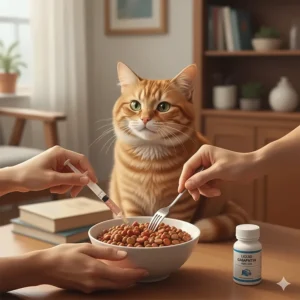
Method 1: The Sneaky Food Mix (Easiest)
For cats who aren’t suspicious, mixing liquid gabapentin for cats with food works beautifully. Here’s the technique:
- Use a small amount of wet food (1-2 tablespoons max)
- Mix the medication thoroughly
- Present it like it’s a special treat
- Stay nearby to ensure they eat everything
- Follow up with more plain food if needed
Pro tip: Unflavored versions work best for mixing because there’s no flavor conflict with the food.
Method 2: Direct Oral Syringe Administration
Sometimes you just have to go direct. According to guidelines from VCA Animal Hospitals, here’s the proper technique:
- Position your cat: Sit with your cat on your lap or elevated surface. Some cats do better wrapped in a towel “purrito” style.
- Approach from the side: Don’t come at your cat head-on—approach from the side where they can’t see the syringe as easily.
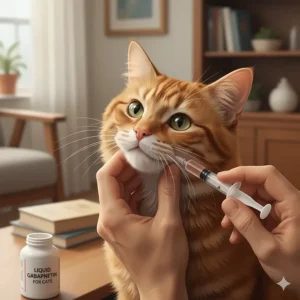
- Insert between teeth: Gently slide the syringe tip into the space between the canine teeth and premolars.
- Aim for the cheek: Direct the liquid toward the side of the mouth, not straight down the throat. You want it to pool in the cheek where they can swallow naturally.
- Go slowly: Dispense the medication gradually, allowing time for swallowing between squirts.
- Follow with water or treats: A small amount of water or immediate treat helps wash everything down and creates positive associations.
What If Your Cat Refuses?
Some cats are professional medication avoiders. If standard methods fail, try these advanced techniques:
Flavor enhancement: Mix the unflavored liquid with tuna juice or chicken broth before administering.
Temperature adjustment: Slightly warming the medication (never hot!) can make it more palatable.
Two-person approach: One person gently restrains while the other administers. Teamwork makes the dream work.
Pill pocket alternative: Some creative pet parents inject liquid gabapentin into pill pockets or soft treats, then seal them.
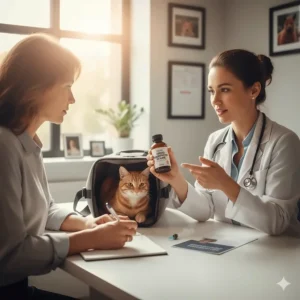
Talk to your vet: If nothing works, discuss alternative forms like transdermal gels or flavored chewables.
Timing and Consistency Matter
When you give liquid gabapentin for cats is almost as important as how much you give. According to Drugs.com, consistency in timing helps maintain steady blood levels for chronic conditions.
For daily pain management: Try to dose at the same times each day (e.g., 8 AM and 8 PM).
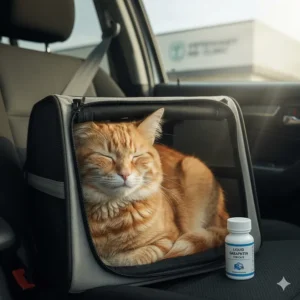
For anxiety: Give 2-3 hours before the stressful event. Some vets recommend a loading dose 8-12 hours prior plus a second dose 2 hours before.
For seizures: Follow your vet’s exact schedule, and never skip doses or stop suddenly.
Safety Profile: Side Effects and Precautions ⚠️
Let’s talk about what can go wrong—not to scare you, but to prepare you. Knowledge is power, and understanding potential side effects helps you monitor your cat appropriately.
Common Side Effects (Usually Mild)
The good news? Most cats tolerate liquid gabapentin remarkably well. The FDA hasn’t approved gabapentin for animals, but veterinary experience shows it’s one of the safer pain medications available.
Most frequently reported:
🔹 Sedation/Drowsiness
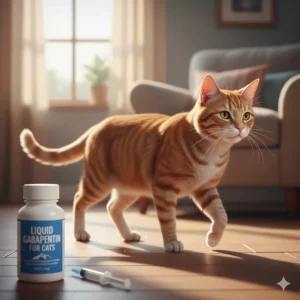
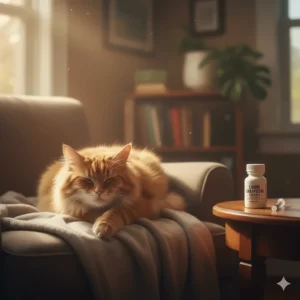
This is the number one side effect. Your cat might sleep more than usual, especially during the first few days. Think of it as your cat turning into an even more committed professional napper.
🔹 Mild Incoordination
Some cats experience temporary wobbliness, like they’ve had one too many catnip martinis. This usually improves within a few days as their body adjusts.
🔹 Decreased Appetite
Occasionally, cats eat less when starting gabapentin. This typically resolves quickly.
🔹 Gastrointestinal Upset
Vomiting or diarrhea can occur, particularly if given on an empty stomach. Try administering with a small amount of food.
Less Common But Concerning Effects
While rare, these warrant immediate veterinary attention:
❌ Severe Sedation: If your cat is unresponsive or has difficulty waking
❌ Prolonged Vomiting: More than 2-3 episodes in 24 hours
❌ Behavioral Changes: Uncharacteristic aggression or excessive vocalization
❌ Allergic Reactions: Facial swelling, difficulty breathing, or hives
Important Xylitol Warning
Here’s something critical: some commercial liquid gabapentin formulations (those made for humans) contain xylitol, an artificial sweetener. According to research published in the Journal of Veterinary Pharmacology, xylitol is toxic to dogs and potentially harmful to cats, though cats seem more resistant to its effects.
Always verify that your liquid gabapentin for cats comes from a veterinary compounding pharmacy that doesn’t include xylitol. This is why vet-specific formulations are worth the extra cost.
Drug Interactions to Watch
Gabapentin plays relatively nicely with other medications, but there are some combinations to avoid or monitor carefully:
⚠️ Antacids: Decrease gabapentin absorption. Space doses at least 2 hours apart.
⚠️ Opioid Pain Relievers: Gabapentin can enhance their effects, which might require dose adjustments.
⚠️ Other CNS Depressants: Combining with other sedatives can cause excessive drowsiness.
⚠️ Hydrocodone/Morphine: Gabapentin boosts their pain-relieving effects.
Special Considerations
Cats with Kidney Disease:
Gabapentin is primarily eliminated through the kidneys. Cats with chronic kidney disease may need dose adjustments and closer monitoring. The medication doesn’t harm kidneys but can accumulate if they’re not filtering properly.
Pregnant or Nursing Cats:
Limited safety data exists. Most veterinarians avoid prescribing gabapentin to pregnant cats unless the benefits clearly outweigh potential risks.
Senior Cats:
Elderly cats often have reduced kidney function even without diagnosed disease. Start with lower doses and monitor closely.
Storage and Handling: Keeping Medication Effective 🌡️
Proper storage ensures your liquid gabapentin for cats maintains its potency throughout the prescription period. Different formulations have different requirements, so pay attention to labels.
Temperature Requirements
Aqueous (Water-Based) Solutions:
Most require refrigeration between 36-46°F (2-8°C). However, many remain stable at room temperature for up to 7 days if accidentally left out. When in doubt, contact the compounding pharmacy.
Oil-Based Suspensions:
Typically stored at room temperature (68-77°F or 20-25°C). These shouldn’t go in the fridge unless specifically instructed.
General Rule:
If your bottle says “refrigerate,” that’s mandatory. If it says “may refrigerate,” that’s optional for flavor preservation.
Handling Best Practices
✅ Always shake suspensions thoroughly before each dose
✅ Clean syringes between doses with hot water and dish soap
✅ Keep medication in original bottle to avoid confusion
✅ Check expiration dates regularly
✅ Store out of direct sunlight and away from heat sources
✅ Keep securely closed when not in use
Shelf Life Expectations
Compounded liquid gabapentin for cats typically lasts:
- Aqueous solutions: 30-60 days refrigerated
- Oil-based suspensions: 60-90 days at room temperature
- Commercially manufactured: Check bottle for specific date
Never use expired medication. Potency decreases over time, meaning your cat might not receive the intended dose.
Disposal Guidelines
When medication expires or treatment ends, proper disposal protects the environment and prevents accidental ingestion:
🔹 Mix with kitty litter or coffee grounds in a sealed plastic bag
🔹 Drop off at police/sheriff stations with take-back programs
🔹 Attend community hazardous waste collection events
🔹 Never pour down drains or flush down toilets
Comparing Liquid vs. Other Forms of Gabapentin 🔄
Liquid gabapentin for cats isn’t the only option available, though it’s often the most practical. Let’s examine how different forms stack up.
Capsules and Tablets
Pros:
- Longer shelf life
- Lower cost typically
- Easy to store and transport
- No refrigeration needed
Cons:
- Difficult to administer to cats
- Requires precise splitting for accurate dosing
- Risk of getting stuck in throat
- Powder tastes bitter when capsules are opened
Best for: Cooperative cats who accept medication in treats or cats requiring standard 25mg, 50mg, or 100mg doses.
Compounded Liquid Solutions
Pros:
- Precise dose customization
- Easy to administer with syringe
- Can be flavored
- Works well for fractional doses
- Can mix with small amounts of food
Cons:
- Shorter shelf life
- Often requires refrigeration
- More expensive than capsules
- Needs prescription for each batch
Best for: Cats who resist pills, those requiring custom doses, or owners wanting easiest administration.
Transdermal Gels
Pros:
- No oral administration needed
- Applied to inner ear
- Good for medication-resistant cats
Cons:
- Poor bioavailability in cats (research shows <10% absorption)
- More expensive
- Can transfer to owners’ skin
- Takes longer to reach therapeutic levels
Best for: Only when other routes have completely failed. Current research suggests transdermal gabapentin has limited effectiveness in cats.
Flavored Chewables
Pros:
- Cats may eat willingly as treats
- Pre-dosed accurately
- No refrigeration needed
- Pleasant flavors
Cons:
- Limited dose flexibility
- Some cats still refuse them
- Can melt in hot weather
- More expensive than capsules
Best for: Treat-motivated cats who can’t take liquids but won’t accept pills.
Cost Comparison
| Form | Monthly Cost (Average) | Convenience Score |
|---|---|---|
| Capsules (100mg) | $15-30 | ⭐⭐ |
| Liquid Compounded | $45-85 | ⭐⭐⭐⭐⭐ |
| Transdermal Gel | $60-120 | ⭐⭐⭐ |
| Flavored Chewables | $55-95 | ⭐⭐⭐⭐ |
Real Cat Parent Experiences: What Actually Works 💬
Let’s get real for a minute. All the technical specifications in the world don’t matter if you can’t actually get the medication into your cat. Here’s what real cat parents report about using liquid gabapentin.
Success Stories
From Sarah in Portland:
“My 14-year-old Maine Coon has severe arthritis. We struggled with pills for months—he’d hold them in his cheek and spit them out when I left the room. Switching to liquid gabapentin from Northwest Compounders changed everything. The vanilla flavor isn’t his favorite, but mixed with a teaspoon of tuna water, he takes it without a fight. His mobility improved noticeably within two weeks.”
From Mike in Austin:
“Our rescue cat has major vet anxiety—we’re talking full-blown panic attacks. The vet prescribed 100mg of gabapentin before appointments. The liquid form from Chewy made it so much easier. We give it 2-3 hours before leaving home, and the difference is incredible. She actually purred during her last exam!”
Challenges and Solutions
The Taste Problem:
Multiple reviewers mention that some batches of flavored liquid gabapentin smell “rancid” or have strong chemical odors. This seems batch-dependent and varies by manufacturer. Solution: Switch pharmacies or request unflavored versions to mix yourself.
The Consistency Issue:
Oil-based suspensions separate significantly, requiring vigorous shaking. Some cats detect the medication even after mixing. Solution: Request aqueous (water-based) formulations that remain better mixed.
The Price Shock:
Compounded medications cost more than commercial drugs. One reviewer noted prices nearly doubled over a year. Solution: Compare prices across pharmacies, use auto-ship discounts, or consider good old capsules if your cat tolerates them.
When to Contact Your Veterinarian 📞
Certain situations require immediate professional guidance. Don’t hesitate to call if you observe:
🚨 Emergency Situations:
- Difficulty breathing or swelling
- Severe lethargy (unable to wake)
- Seizures in a cat not previously having seizures
- Repeated vomiting (more than 3-4 times)
- Complete loss of coordination or consciousness
📱 Non-Emergency Concerns:
- Persistent mild sedation beyond first week
- Decreased appetite lasting more than 2-3 days
- Behavioral changes like aggression or excessive vocalization
- Symptoms not improving after 7-10 days of treatment
- Questions about dose adjustments
- Suspected missed doses or accidental double-dosing
What to Expect: First Few Weeks
Understanding normal adjustment patterns helps you distinguish concerning symptoms from expected changes:
Days 1-3:
Increased sleepiness and mild wobbliness are normal as your cat’s system adjusts.
Days 4-7:
Side effects typically decrease. You should see initial therapeutic benefits for pain or anxiety.
Days 7-14:
Full therapeutic effect develops. If you’re not seeing improvements by day 10, contact your vet about possible dose adjustments.
Beyond 2 Weeks:
Your cat should be well-adjusted to the medication. Some cats develop tolerance over months and may need gradual dose increases.
Alternative and Complementary Approaches 🌿
While liquid gabapentin for cats effectively manages pain, anxiety, and seizures, it works even better as part of a comprehensive treatment plan.
Complementary Pain Management
For Arthritic Cats:
- Joint supplements (glucosamine, chondroitin)
- Omega-3 fatty acids for anti-inflammatory effects
- Heated beds to soothe stiff joints
- Low-impact exercise and gentle play
- Weight management to reduce joint stress
For Cancer-Related Pain:
- CBD oil (discuss with your vet first)
- Acupuncture showing promising results in studies
- Palliative care protocols
- Appetite stimulants if needed
Anxiety Reduction Strategies
Environmental Modifications:
- Feliway diffusers (synthetic feline pheromones)
- Vertical spaces for security
- Hiding spots and quiet zones
- Consistent routines
Behavioral Approaches:
- Positive reinforcement training
- Gradual desensitization to triggers
- Enrichment activities to reduce stress
- Background noise (calming music designed for cats)
Natural Alternatives (Use Cautiously)
Some cat owners ask about natural alternatives to gabapentin. While certain options show promise, they rarely match gabapentin’s effectiveness for moderate to severe conditions:
🌱 L-theanine: Amino acid with mild calming effects
🌱 Valerian root: Can reduce anxiety in some cats
🌱 CBD oil: Growing research support, requires veterinary guidance
🌱 Chamomile: Mild calming properties
Important: Always discuss “natural” remedies with your veterinarian. Natural doesn’t automatically mean safe, and some herbs interact with medications or are toxic to cats.
Cost-Saving Strategies for Long-Term Treatment 💰
Long-term medication costs add up quickly. Here are legitimate ways to reduce expenses without compromising your cat’s care:
Pharmacy Price Shopping
Different compounding pharmacies charge dramatically different amounts for identical formulations:
✅ Call 3-5 pharmacies for price quotes
✅ Ask about volume discounts (90-day supply)
✅ Check if your vet’s in-house pharmacy price-matches
✅ Online pharmacies often beat local prices
Prescription Savings Programs
Auto-Ship Discounts: Services like Chewy offer 5% off automatic refills.
Loyalty Programs: Many pharmacies provide points toward future purchases.
Pet Insurance: Some policies cover prescription medications. Check if yours includes pharmacy benefits.
Discount Cards: CareCard and similar services provide coupons for veterinary prescriptions, potentially saving 20-80% at participating pharmacies.
Smart Purchasing Decisions
Buy appropriate volumes: 30-day supplies cost more per mL than 90-day supplies, but don’t buy more than the shelf life allows.
Split doses carefully: If your cat needs 0.5mL of 50mg/mL concentration, a higher concentration in smaller volume might cost less overall.
Consider capsules: For cats who tolerate them, capsules cost significantly less than compounded liquids.
Frequently Asked Questions ❓
❓ Can liquid gabapentin for cats be mixed with regular food?
❓ How long does it take for 1 ml liquid gabapentin for cats to start working?
❓ What happens if I miss giving my cat a dose of liquid gabapentin?
❓ Can I stop liquid gabapentin for cats suddenly if side effects occur?
❓ How should I dispose of expired liquid gabapentin for cats?
Conclusion: Empowering Better Care for Your Feline Friend 🎯
We’ve covered substantial ground together—from understanding what liquid gabapentin for cats actually does to mastering precise dosing and administration techniques. If you’re still reading, you’re clearly committed to providing the best possible care for your cat, and that dedication matters more than you might realize.
Here’s the bottom line: liquid gabapentin for cats offers a practical, effective solution for managing chronic pain, controlling seizures, and reducing anxiety. The liquid formulation eliminates the pill-wrestling matches that stress both you and your cat, making treatment more consistent and less traumatic. Whether you choose ExpressVet’s comprehensive formulation, Chewy’s convenient auto-ship option, or a budget-friendly alternative from Revival Animal Health, you’re taking an important step toward improving your cat’s quality of life.
Remember that gabapentin works best as part of a holistic approach. Combine medication with environmental modifications, regular veterinary check-ups, and lots of patience as your cat adjusts to treatment. Monitor for side effects during the first week, maintain consistent dosing schedules, and don’t hesitate to communicate with your veterinarian about any concerns.
The most successful outcomes happen when pet parents become informed advocates for their cats’ health. You’re now equipped with expert-level knowledge about liquid gabapentin for cats dosage chart ml requirements, safe administration techniques, and what to expect throughout treatment. Trust your instincts, follow your vet’s guidance, and celebrate the small victories—whether that’s easier mobility for your arthritic senior or a stress-free vet visit for your anxious kitty.
Your cat depends on you to make informed healthcare decisions. With the information in this guide, you’re prepared to do exactly that.
🐾 Ready to Get Started?
Don’t let another day go by watching your cat struggle with pain or anxiety. Talk to your veterinarian about whether liquid gabapentin might be right for your feline companion. Check the products we’ve highlighted above to find the best option for your cat’s specific needs and your budget! 💊✨
Recommended for You 📖
- Sedatives for Cats: 7 Best Safe Options for Travel & Vet Visits 2025
- Cat Sedatives for Grooming: 7 Safe Solutions (2025)
- How to Sedate a Cat at Home: 7 Safe Calming Methods (2025 Guide)
Disclaimer: This article contains affiliate links. If you purchase products through these links, we may earn a small commission at no additional cost to you. All recommendations are based on veterinary research and real user experiences.
✨ Found this helpful? Share it with your friends! 💬🤗
