Table of Contents
Let’s get one thing out of the way: your cat did not ask for a wardrobe. Cats are the species that treats a new collar like a hostage situation. So why is a whole industry built around shirts for cats to wear? Because, for a handful of cats, a well-chosen shirt solves real problems. It keeps a bald Sphynx warm. It guards a stitched belly after a spay. It occasionally takes the edge off a thunderstorm.
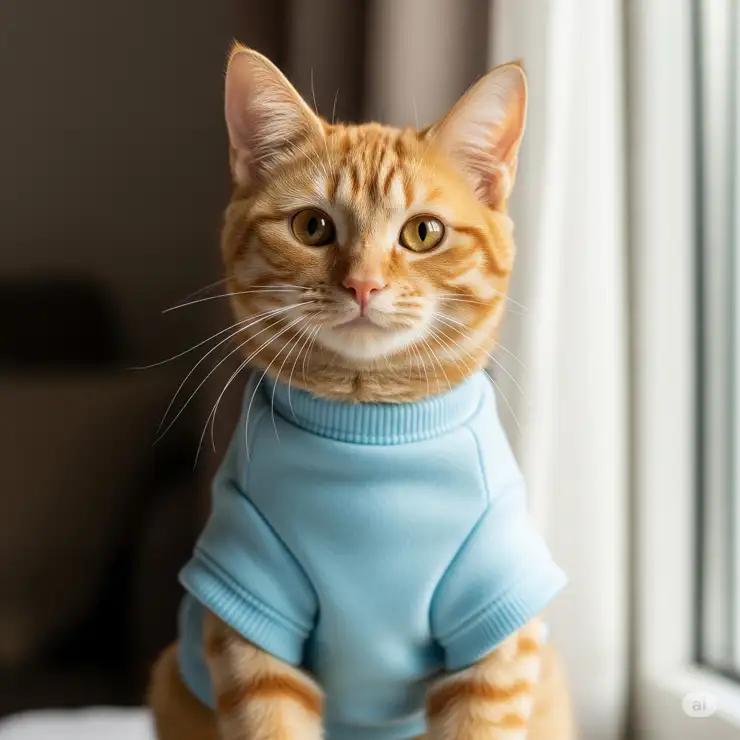
What are shirts for cats to wear? They are lightweight garments, usually cotton or stretch-knit tees, vests, or onesies, cut for a cat’s narrow torso and leg openings. Owners use them for warmth on hairless cats, wound protection after surgery, calming pressure, or simple dress-up.
Here’s the honest framing. According to veterinary-reviewed guidance from PangoVet, most cats don’t enjoy clothing, while a few don’t mind it. That is not a reason to give up. It is a reason to shop with a purpose. This guide is built from real product listings, aggregated review themes, and published veterinary commentary, not hands-on testing claims. Below you’ll find seven real options, honest pros and cons, sizing help, and a plan for introducing a shirt without a feline revolt.
Quick Comparison Table: Best Shirts for Cats to Wear in 2026
Before the deep dive, here is the fast version. Prices are approximate ranges at the time of research and can change, so check current pricing before buying.
| Product | Style | Best Known For | Approx. Price Range | Best For |
|---|---|---|---|---|
| Tealots Sleeveless Vest T-Shirt (3-Pack) | Sleeveless tee | Multi-pack value | Low-to-mid teens | Tealots: everyday wear, trying clothes cheaply |
| Chol&Vivi Cat T-Shirt (2-Pack) | Thin tee | Light, airy fabric | Under $15 | Chol&Vivi: warm climates, first-timers |
| MAQILO Waffle Knit Cat T-Shirt | Stretch knit tee | Stretchy texture | Roughly $10-$20 | MAQILO: slim or hairless cats |
| DENTRUN Hairless Cat Shirt | Long-body vest/tee | Hairless-cat cut | Roughly $10-$20 | DENTRUN: Sphynx and Devon Rex |
| CHEERTAILS Solid Cooling Sphynx Shirt | Cooling tee | Sphynx-focused design | Roughly $10-$20 | CHEERTAILS: hairless cats in warm weather |
| ThunderShirt for Cats | Pressure wrap | Calming-wrap concept | Roughly $20-$30 | ThunderShirt: anxious cats (vet-guided) |
| Suitical Recovery Suit for Cats | Recovery onesie | Cone alternative | Roughly $25-$40 | Suitical: post-surgery protection |
The table splits neatly into three jobs: casual comfort, hairless-cat warmth, and medical or calming use. If you just want a cute tee for photos, the Tealots and Chol&Vivi packs win on price. If a hairless cat is shivering on your couch, the DENTRUN and CHEERTAILS designs are aimed squarely at that body type. And if surgery is on the calendar, the Suitical is in a different category altogether, because it does a medical job rather than a fashion one.
💬 Just one click — help others make better buying decisions too!😊
Top 7 Shirts for Cats to Wear: Expert Analysis
Every pick below is a real product from real listings. Where verified review data wasn’t available, I say so instead of inventing it. Prices are ranges only, and availability can shift.
1. Tealots Sleeveless Vest T-Shirt (3-Pack) — best starter pack for testing the waters
A three-piece set matters more than it sounds. Cats are unpredictable, and the first shirt often meets a dramatic collapse onto the floor. Having spares for laundry day or a “that one didn’t work” moment is practical, not wasteful.
The sleeveless cut is the real story here. With no sleeves to fight, you only have to get a head and torso through, which is usually the easiest dressing job for a wary cat. Arm openings that don’t trap the elbows reduce the main source of panic. On paper, a vest also limits fabric bunching under the armpits, a common cause of chafing.
This model is for you if you’re curious about cat shirts but not committed to buying a premium garment for a cat who may refuse it. A well-known cat-product roundup from CatTime named it a top overall pick, though that article is older, so treat it as a directional signal rather than current proof. I could not verify a fresh pool of current reviews, so consider the multi-pack format itself the main selling point.
Pros:
- ✅ Three shirts in one pack for backup
- ✅ Sleeveless cut is easier to put on
- ✅ Budget-friendly way to test tolerance
Cons:
- ❌ Sleeveless means less warmth for cold rooms
- ❌ Sizing needs careful checking against the chart
Price range: low-to-mid teens for the set. Value verdict: strong for trial runs.
2. Chol&Vivi Cat T-Shirt (2-Pack) — thin and soft for warm homes
The brand’s listing leans on “soft and thin,” and that’s the right pitch for a lot of households. Thin fabric matters because furry cats generate their own heat. Heavy fleece on a long-haired cat is a recipe for overheating, a risk vets repeatedly flag.
Think of this as the T-shirt-and-sunny-window option. It adds a light layer without turning your cat into a radiator. For a short-haired cat who simply tolerates a layer for photos or festive moments, a thin tee is the lowest-risk choice in this lineup.
What the spec sheet won’t tell you is how fabric thinness changes your habits. With a thin tee, you’ll likely check on your cat more often and pull it off sooner, which is exactly the behavior vets encourage. The same CatTime roundup included this product among its picks, but I could not verify a large body of current customer reviews, so I’m not going to paraphrase ratings I can’t see.
Pros:
- ✅ Thin fabric reduces overheating risk
- ✅ Two-pack covers wash-day rotation
- ✅ Gentle option for first-time wearers
Cons:
- ❌ Thin material offers little real warmth
- ❌ May snag claws more easily than sturdier knits
Price range: under $15 for the pair. Value verdict: excellent entry-level value.
3. MAQILO Waffle Knit Cat T-Shirt — stretch knit that moves with the body
Waffle knit is a smart fabric choice. Those little textured squares add elasticity, so the garment gives when your cat stretches or crouches. For a cat that hates feeling “stuck,” that give is the difference between tolerating a shirt and flopping over dramatically.
The listing markets the shirt to Sphynx cats and small breeds, and it carried an Amazon’s Choice “Overall Pick” label in a search result at the time of research. That badge is a retail ranking signal, not a veterinary endorsement, so read it as “popular and well-reviewed enough to surface,” nothing more.
In practice, stretch matters most for cats with tricky proportions: long torsos, narrow chests, or the wedge-shaped bodies of hairless breeds. If your cat slips out of woven-style tees, a stretch knit holds on without cinching. Check the size chart carefully, because stretch can disguise a too-snug choice until your cat goes motionless.
Pros:
- ✅ Stretchy knit adapts to movement
- ✅ Suited to slim and hairless frames
- ✅ Popular enough to earn a retail badge
Cons:
- ❌ Waffle texture can trap hair on furry cats
- ❌ Sizing reads small for stockier cats
Price range: roughly $10-$20. Value verdict: good for slender cats.
4. DENTRUN Hairless Cat Shirt — cut for the Sphynx silhouette
DENTRUN sells several designs, including a striped vest and a dinosaur-print version that earned an Amazon’s Choice tag in one search listing. The through-line is breathable cotton aimed at hairless cats.
Why does that matter? Hairless cats lose heat faster and also pick up skin oils that transfer to furniture. A thin cotton layer helps with both. According to veterinary guidance summarized by PangoVet, hairless cats are the main group that may benefit from clothing in colder months, and the rest of the feline world mostly won’t.
The best way to think about this shirt is as a washable barrier between skin and sofa, plus a mild warmth bump. It’s not a parka. If your Sphynx is shivering at 60°F indoors, the answer is a warmer room and possibly a vet check, not just a second shirt. I could not verify specific review quotes, so I’m leaving ratings out.
Pros:
- ✅ Cut to suit hairless-cat proportions
- ✅ Breathable cotton aimed at sensitive skin
- ✅ Several designs, from plain stripes to novelty prints
Cons:
- ❌ Not warm enough for truly cold homes
- ❌ Fit varies between listings, so recheck sizing
Price range: roughly $10-$20. Value verdict: solid for hairless cats.
5. CHEERTAILS Solid Cooling Sphynx Cat Clothes — a cooling twist for hairless cats
Most cat shirts chase warmth. This one flips the script. The listing is titled “Solid Cooling” and targets hairless breeds including Cornish Rex, Devon Rex, Peterbald, and Sphynx.
The logic is easy to follow. A lightweight, breathable layer can shield bare skin from sun through a window and from dirt and oils, without trapping heat. Hairless cats are prone to sunburn, so a thin cover on a sunny windowsill is not silly. That said, “cooling” is a marketing description, and no shirt will lower your cat’s body temperature. Treat it as a light, airy layer, not a thermostat.
As an analyst, I’d pick this for a Sphynx who lives in a warm region and needs coverage more than insulation. I couldn’t verify a pool of current reviews, so I’m leaving customer sentiment out rather than guessing.
Pros:
- ✅ Designed for breeds that lack a coat
- ✅ Lightweight layer suits warmer climates
- ✅ Solid colors avoid busy-print itchiness
Cons:
- ❌ “Cooling” is a claim, not a clinical effect
- ❌ Limited warmth in cold seasons
Price range: roughly $10-$20. Value verdict: good for warm-climate hairless cats.
6. ThunderShirt for Cats — the calming-wrap idea, with a vet check
This is the odd one out. Rather than a fashion tee, ThunderShirt is built around gentle, steady pressure intended to help anxious pets feel more secure. The Amazon listing I found offers a Large size for cats over 13 pounds, so sizing is weight-based rather than chest-and-neck-based.
The honest caveat: I could not verify a current pool of reviews, and calming wraps don’t work for every cat. Some cats may freeze or panic in any snug garment. Veterinary sources also warn that restricted movement and impaired body-language signals are why many cats dislike clothing, so anxiety shirts need careful, short, supervised trials.
Who should consider it? A cat with thunderstorm or fireworks jitters, where your vet has already ruled out medical causes. Start with a few minutes at a time, pair it with treats, and remove it if your cat goes rigid or tries to hide. If the shirt makes things worse, stop.
Pros:
- ✅ Purpose-built for anxiety rather than looks
- ✅ Weight-based sizing is simple to read
- ✅ May help in predictable stress situations
Cons:
- ❌ Not every cat tolerates a snug wrap
- ❌ Costs more than a basic tee
Price range: roughly $20-$30. Value verdict: worth a cautious try for vet-guided anxiety help.
7. Suitical Recovery Suit for Cats — the cone alternative with real reviewer feedback
This is the only product here where I can share genuine review themes. The Suitical covers the whole torso, includes a rear opening so most cats can use the litter box without removing it, and is machine washable and reusable per the product description.
Reviewer sentiment on retailer pages is mixed but informative. Several owners said their cat could groom, eat, and sleep more normally than in a cone, and one reviewer said their kitten ended up grooming the suit itself. On the flip side, one reviewer reported their cat nearly licked through the suit in the first couple of days, another noticed holes in the chest area after two days, and a third found a smaller size baggy on some cats. One owner also said their vet advised combining the suit with a soft collar overnight.
That mix tells you what to do. Follow your vet’s instruction about nighttime supervision, size carefully, and inspect the fabric daily.
Pros:
- ✅ Lets cats move and groom more freely than a cone
- ✅ Rear opening supports litter box use
- ✅ Machine washable and reusable
Cons:
- ❌ Some cats chew or lick through the fabric
- ❌ Fit can be baggy or too tight depending on the cat
Price range: roughly $25-$40. Value verdict: worth it for post-surgery recovery if your vet approves.
Top 7 Specs Snapshot
| Product | Fabric Focus | Fit Style | Season | Best For |
|---|---|---|---|---|
| Tealots | Light cotton-style tee | Sleeveless | Spring/summer | Tealots: trial runs |
| Chol&Vivi | Soft, thin | Short-sleeve tee | Warm months | Chol&Vivi: warm homes |
| MAQILO | Waffle knit | Stretch tee | Year-round | MAQILO: slim cats |
| DENTRUN | Breathable cotton | Hairless cut | Cool to mild | DENTRUN: Sphynx owners |
| CHEERTAILS | Light cooling-style | Hairless cut | Warm months | CHEERTAILS: sun-exposed Sphynx |
| ThunderShirt | Pressure wrap | Weight-based | Year-round | ThunderShirt: anxiety |
| Suitical | Recovery fabric | Full-torso suit | Anytime | Suitical: post-surgery |
Read the table as a map of purposes, not a leaderboard. The Tealots and Chol&Vivi sets are about convenience, DENTRUN, CHEERTAILS, and MAQILO are about body type, and the ThunderShirt and Suitical are about health situations. If you’re comparing across categories, you’re probably comparing the wrong things.
Do Cats Actually Need Shirts? Shirts for Cats to Wear vs Going Natural
Short answer: usually no. A cat’s coat is already a finely tuned insulation system. A clinician at Purdue University’s veterinary hospital has noted that cats with fur can overheat in a sweater, and that a sweater is mainly useful for hairless cats heading into a cold environment.
Other vet-written sources add that cats groom to regulate temperature, and clothing can interfere with that process. They also point out that clothing can limit movement, which raises the risk of accidents.
So when do shirts for cats to wear make real sense?
- Hairless or very short-coated cats that get chilly or oily.
- Post-surgery recovery, where a suit can replace a cone if your vet agrees.
- Skin conditions, only if your vet recommends a barrier.
- Short, supervised moments, such as photos or holiday outfits, for cats who tolerate it.
| Situation | Shirt Useful? | Alternative |
|---|---|---|
| Fluffy cat in a warm home | Rarely | Nothing; let the coat work |
| Sphynx in a cool room | Often | Warmer room, heated bed |
| Post-spay recovery | Often, with vet approval | Cone or soft collar |
| Thunderstorm anxiety | Sometimes | Safe hiding space, vet advice |
| Just for photos | Briefly | Cat-safe props |
The table tells a consistent story: shirts earn their keep when there’s a clear job to do. If the only reason is “it looks cute,” keep wear time short and watch for stress signs.
How to Choose Shirts for Cats to Wear
Here are the seven steps, in order of importance.
- Define the job first. Warmth, wound protection, calming, or cosmetics each point to a different product. A cone-replacement suit is not the same as a party tee.
- Ask your vet if there’s a health reason. For anything medical, a vet’s call beats a product listing.
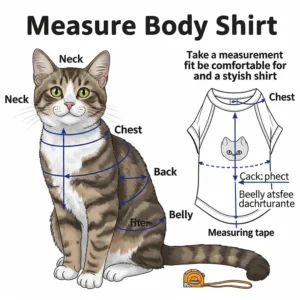
- Measure before you click. Neck, chest, and back length matter more than “small, medium, large.” Weight alone can mislead.
- Pick breathable, stretchy fabric. Thin cotton or stretch knit lowers the overheating risk compared with fleece.
- Check closures and openings. Pull-on tees need a stretchy neck. Velcro back closures are easier on wary cats.
- Confirm litter box access. Anything that bunches up around the rear can lead to accidents or stress.
- Buy a multipack for the first try. If your cat hates it, you’ve lost less money.
A good rule: if you can’t name the job in one sentence, you probably don’t need the shirt.
How to Measure Your Cat for a Shirt
Bad sizing is the quiet killer of cat clothing. Too tight and your cat goes rigid. Too loose and the shirt twists, rides up, or traps a leg.
According to Rover’s measuring guide, the three basics are neck, chest, and length. Here’s how to take each:
- Neck: Wrap a soft tape around the base of the neck where a collar sits. Slide a finger or two under the tape so you don’t measure too snug.
- Chest girth: Measure the widest part of the chest, just behind the front legs. This is the most important number for fit.
- Back length: Measure from the base of the neck to the base of the tail, stopping a little short of the tail so the garment doesn’t interfere with the litter box.
A few extra tips make this easier. Use string and a ruler if you don’t own a soft tape. Measure while your cat is calm, ideally after a meal, and keep treats nearby. If your cat falls between sizes, one cat-clothing brand recommends going up a size for comfort, and that’s sensible advice for fluffy or growing cats.
Compare your numbers to each product’s own chart. Charts vary between brands, and for some items, like the ThunderShirt, sizing is weight-based instead.
How to Get Your Cat Used to Wearing a Shirt
This is where most owners go wrong. They buy the shirt, wrestle the cat into it, and then conclude that cats hate clothes. A gradual approach works better.
Scratchpay’s guidance on cat clothing suggests starting by associating the garment with something positive, such as treats placed on it so your cat can investigate. Build on that foundation:
- Day 1-2: Let it exist. Leave the shirt on the floor near the food bowl. Sniffing is progress.
- Day 3: Drape, don’t dress. Lay the shirt lightly over your cat’s back during treats, then remove it.
- Day 4-5: Short wears. Put it on for two to three minutes while you play or feed, then take it off while your cat is still calm.
- Day 6 onward: Extend slowly. Add a few minutes at a time, always supervised.
- Stop immediately if you see freezing, flattened ears, hiding, or breathing changes.
Why the freeze-and-collapse? Cats may go limp in clothing because the sensation is unfamiliar and can limit movement and body language. That’s not drama for drama’s sake; it’s a fear response. If your cat shuts down, abandon the experiment and try again another day, or skip it entirely.
Real-World Scenarios: Three Cats, Three Shirts
Here is how the advice plays out in plausible situations. These are illustrative profiles, not testimonials.
Scenario 1: The apartment Sphynx. A one-bedroom apartment, thermostat set low in winter to save money, a hairless cat curled in a blanket. A cotton shirt like the DENTRUN or MAQILO adds a thin layer while the owner also provides a heated bed. Budget: modest. Usage: indoors, supervised, daily during cold months.
Scenario 2: The post-spay kitten. A young female cat, stitches on her belly, and a cone that makes her miserable. After checking with the vet, the owner chooses a Suitical Recovery Suit, sized carefully, with daily inspections for chewing. Budget: moderate. Usage: ten to fourteen days, closely monitored.
Scenario 3: The thunderstorm worrier. A mixed-breed adult who hides under the bed whenever storms roll in. After a vet visit rules out medical causes, the owner tries a ThunderShirt for Cats during a short, calm trial run before storm season. If the cat freezes, the experiment ends.
The common thread across all three is a defined purpose, a vet in the loop where health is involved, and a willingness to quit. Shirts for cats to wear work when the plan fits the cat, not when the cat is forced into the plan.
Problem and Solution Guide: When Your Cat and the Shirt Disagree
Here are the most common issues and fixes.
Problem 1: Your cat flops over and won’t move.
Solution: This is a freeze response. Remove the shirt, wait, and restart with the treat-based steps above. Try a lighter, sleeveless style like the Tealots vest next time.
Problem 2: The shirt keeps riding up or twisting.
Solution: Usually a sizing issue. Remeasure chest girth and back length, and compare to the chart. Stretch fabrics like the MAQILO waffle knit can sometimes help with slim cats.
Problem 3: Your cat is chewing the fabric.
Solution: Remove it. For recovery suits like the Suitical, reviewers reported chewing or licking through fabric in some cases, so check your vet’s guidance and inspect the suit daily.
Problem 4: Skin redness or irritation.
Solution: Take the shirt off and contact your vet. One pet retailer’s FAQ also advises discontinuing use if you notice skin irritation or behavior changes.
Problem 5: Litter box accidents.
Solution: Choose a shorter back length or a suit with a rear opening, and supervise the first few bathroom trips.
Features That Actually Matter (And Those That Don’t)
Marketing copy loves buzzwords. Here’s a filter.
Matter:
- Fit. Chest girth and back length beat any gimmick.
- Breathable fabric. Cotton or stretch knit keeps overheating down.
- Easy on and off. Velcro or wide necks reduce wrestling.
- Washability. Cat clothing gets oily, furry, and occasionally worse.
- Rear clearance. Nothing should interfere with the litter box.
Don’t (much):
- Cute prints. Your cat can’t see them. You can.
- Hoods and costume add-ons. These increase vision obstruction and snag risk.
- “Cooling” labels. Interesting, but not a clinical promise.
- Multipack size counts. A 12-piece set designed mostly for dogs isn’t automatically a better value for a 9-pound cat.
Notice how this reframes the earlier comparison. The Tealots and Chol&Vivi packs win on the “matter” list because they’re light and simple, while novelty items drift into the “don’t” column.
Common Mistakes When Buying Shirts for Cats to Wear
Mistake 1: Buying a dog shirt and hoping. Many listings say “for dogs and cats,” but cat torsos are narrower and more flexible. Always compare against your cat’s measurements, not the product’s marketing.
Mistake 2: Ignoring weather and coat type. A long-haired cat in a fleece sweater is a heat risk. Veterinary guidance warns that clothing can interfere with how cats cool themselves.
Mistake 3: Skipping the vet for medical use. If the goal is wound protection, get professional instructions on how long and how often to use it.
Mistake 4: Leaving the shirt on unsupervised. Clothing can snag on furniture, especially for outdoor cats, according to veterinary commentary.
Mistake 5: Going too snug. A tight shirt can restrict breathing and movement. If you can’t slip a finger under the neck edge, it’s too tight.
Mistake 6: Forcing it. Stress in cats can show up as hiding, appetite changes, or inappropriate urination. A shirt isn’t worth that.
Safety Guide: Overheating, Snags, and Supervision
Safety is the section most buying guides skip, so let’s give it proper room.
Overheating. Cats cool themselves partly by grooming, and thick or poorly ventilated clothing can get in the way. Watch for panting, restlessness, or a very warm body, and remove the shirt immediately.
Snagging. Outdoor cats and shirts do not mix. Garments can catch on branches, fences, and furniture. Keep wear time indoors and supervised.
Vision and movement. Hoods, loose sleeves, and costume add-ons can limit sight and agility. Plain and fitted beats frilly and flappy.
Hygiene. Wash shirts regularly. Damp or soiled fabric against skin is a recipe for irritation.
Collars and add-ons. If you layer a collar, make sure you can slide a finger between collar and neck, per the general veterinary advice that a collar shouldn’t be tight enough to restrict breathing.
Medical wear. For recovery suits, follow your vet’s instructions exactly. One reviewer reported their vet recommended pairing the suit with a soft collar overnight when no one could watch, which is a good reminder that supervision plans are individual.
If you ever feel unsure, take the shirt off. A cat without a shirt is never an emergency, while a cat in distress is.
Shirts for Cats to Wear for Specific Cats
Different cats, different rules.
Hairless breeds (Sphynx, Devon Rex, Cornish Rex). These are the most natural fit. Light cotton or stretch tees from brands like DENTRUN, CHEERTAILS, and MAQILO help with warmth, sun protection, and oil transfer. Keep the room warm too, because a shirt is not a substitute for a heater.
Kittens. Growing bodies change fast. A multipack like the Tealots set makes more sense than a single premium garment, and sizing up slightly can extend wear. Supervise closely, since kittens can get tangled easily.
Senior cats. Older cats may feel the cold more, but they may also have stiff joints that make dressing uncomfortable. If your senior cat resists, skip the shirt and add a heated bed.
Anxious cats. Consider a calming wrap like the ThunderShirt only with your vet’s input, and use short trials.
Fluffy, long-haired cats. Most don’t need shirts, and overheating risk is higher. If you must dress them, choose the thinnest option, such as the Chol&Vivi tee, and keep it brief.
Post-surgery cats. The Suitical Recovery Suit category exists for this, with vet guidance.
Long-Term Cost and Maintenance
Cat shirts are cheap upfront, but the real math is cost per use. A three-pack in the low-teens range spread across a winter of wear costs pennies per day. A recovery suit in the mid-range might be used for two weeks and then stored or donated, though some reviewers said they washed and passed theirs along to their vet.
| Product Type | Approx. Upfront Cost | Typical Use Period | Value Notes |
|---|---|---|---|
| Multipack tees (Tealots, Chol&Vivi) | Under $15 | Seasonal | Best cost per wear |
| Hairless-cat shirts (DENTRUN, CHEERTAILS, MAQILO) | $10-$20 | Months | Worth it for Sphynx owners |
| ThunderShirt for Cats | $20-$30 | Situational | Value depends on whether your cat tolerates it |
| Suitical Recovery Suit | $25-$40 | Days to weeks | Worth it if it replaces a cone |
The cost analysis shows that frequent-use shirts for hairless cats give the best return, while single-use medical suits only pay off if they prevent wound problems or a miserable cone experience.
Maintenance tips:
- Wash according to the label. Machine-washable items like the Suitical make repeated use simple.
- Air-dry stretchy knits to preserve elasticity.
- Rotate two or three shirts so one is always clean.
- Inspect seams and stitching before each wear. Frayed edges can catch claws.
- Retire any shirt that has holes or loose threads, since one reviewer reported holes appearing in a recovery suit within two days.
FAQ
❓ Can kittens wear t-shirts for cats?
❓ How long can a cat wear a shirt in one go?
❓ Do cat shirts help with shedding?
❓ Are human baby clothes safe for cats?
❓ What should I do if my cat tries to chew the shirt?
Conclusion
Here’s the plain truth about shirts for cats to wear: they’re a tool, not a trend. For a hairless cat shivering in winter, a post-surgery kitten who hates her cone, or a storm-spooked tabby your vet wants to help, the right garment can genuinely improve comfort. For most fluffy cats, the best shirt is the one they’re born wearing.
If you’re shopping, match the product to the job. Start with a budget multipack like the Tealots Sleeveless Vest T-Shirt or Chol&Vivi Cat T-Shirt to test tolerance. Choose a body-aware design like the DENTRUN Hairless Cat Shirt, CHEERTAILS Solid Cooling Sphynx Cat Clothes, or MAQILO Waffle Knit Cat T-Shirt for hairless or slim cats. Consider the ThunderShirt for Cats only after talking with your vet, and reach for the Suitical Recovery Suit for Cats when surgery or wound protection is the goal.
Measure carefully, introduce gradually, supervise always, and quit gracefully if your cat says no. A calm cat in a plain tee beats a panicked one in a costume every time.
✨ Ready to find the right fit? 🔍 Browse the highlighted picks above to check current pricing and availability, and choose the style that matches your cat’s real needs. Your cat will thank you, probably by ignoring you. 🐾
Recommended for You
- 7 Best Cat Bow Tie Collars That Transform Your Feline Into Royalty in 2025
- 7 Best Cat Necktie Options That’ll Make Your Feline Look Purr-fect in 2025
- 10 Best Sphynx Cat Sweater Options for Ultimate Warmth & Style in 2025
Disclaimer: This article contains affiliate links. As an Amazon Associate, I earn from qualifying purchases. If you purchase products through these links, we may earn a small commission at no additional cost to you.
✨ Found this helpful? Share it with your friends! 💬🤗
