
Table of Contents
✨Was this helpful? Spread the word! 🚀
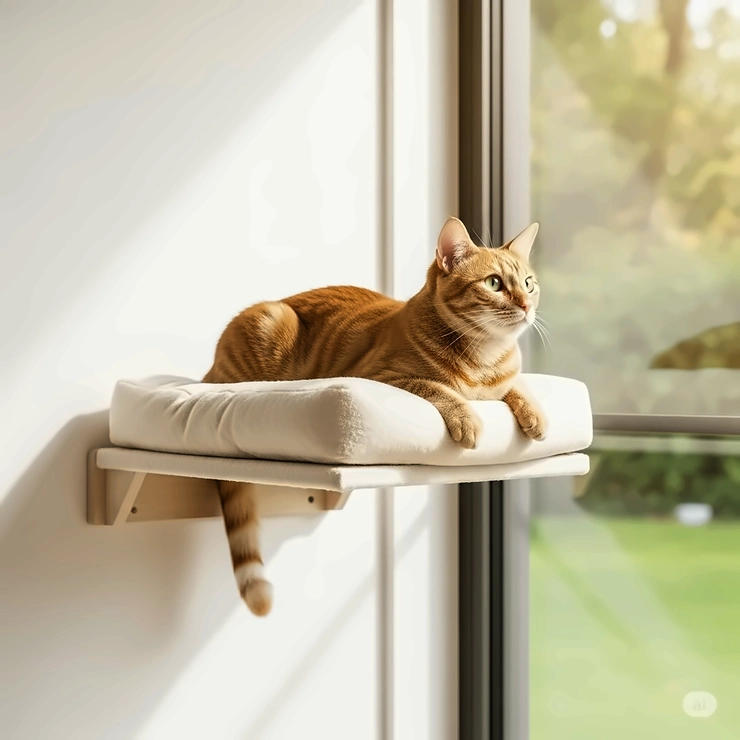
Creating the perfect vertical territory for your feline friend has never been more important than in 2025. With urban living spaces becoming smaller and cats spending more time indoors, the cat wall perch has emerged as the ultimate solution for maximizing your pet’s happiness while optimizing your home’s functionality. Whether you’re looking to create an elaborate climbing system or simply provide a cozy window seat, understanding the nuances of cat wall perch design can transform your living space into a feline paradise that both you and your cat will absolutely love.
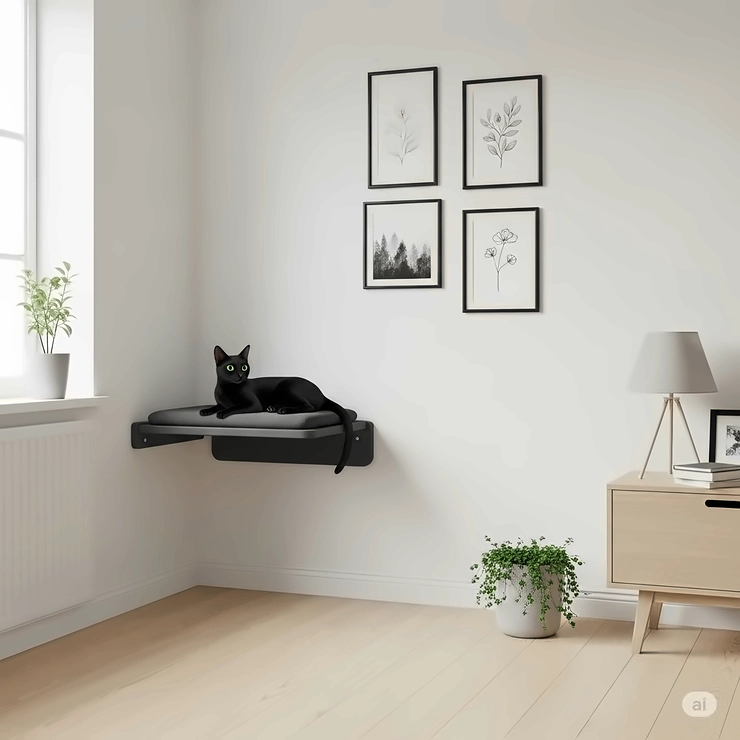
The modern cat wall perch represents far more than just a simple shelf mounted to your wall. Today’s innovative designs incorporate advanced engineering principles, premium materials, and sophisticated installation systems that ensure safety, durability, and aesthetic appeal. From cordless window hammocks that provide unobstructed bird-watching opportunities to elaborate multi-level climbing systems that satisfy your cat’s natural instincts, the options available in 2025 cater to every possible need, budget, and living situation imaginable.
Understanding the Cat Wall Perch Revolution 🐱
The concept of vertical cat furniture has undergone a remarkable transformation over the past decade. What once consisted of simple wooden shelves has evolved into a sophisticated industry offering everything from minimalist Scandinavian designs to elaborate jungle gym configurations. The cat wall perch market has responded to growing awareness about feline psychology, with manufacturers now incorporating insights from animal behaviorists, veterinarians, and interior designers to create products that serve multiple purposes.
Modern cat wall perch systems address several critical aspects of feline wellbeing simultaneously. They provide essential exercise opportunities that help combat obesity—a growing concern among indoor cats, with studies showing that wall perches allow cats to explore, burn off energy, and stay fit. Additionally, they satisfy territorial instincts by expanding your cat’s territory vertically and making use of once wasted space, as documented in research by Cornell University College of Veterinary Medicine.
The Science Behind Vertical Territory
Understanding why cats gravitate toward elevated spaces requires examining their evolutionary history and natural behaviors. A cat’s ability to climb keeps them safe from many predators on the ground, and even in a home environment, cats will still prefer to have a safe place to get away. This instinct remains strong in domestic cats, making vertical space essential for psychological wellbeing.
Research conducted by the American Association of Feline Practitioners demonstrates that cats with access to vertical territory show significantly lower stress levels and exhibit fewer behavioral problems. The elevated perspective allows them to survey their domain while feeling secure, which is particularly important in multi-pet households where cats can occasionally get spooked or want to run away when their boundaries aren’t being respected.
Industry-Specific Applications and Professional Use Cases 🏢
The cat wall perch has found applications far beyond residential settings, with various industries recognizing the benefits of incorporating vertical cat furniture into their environments. Veterinary clinics have begun installing wall perch systems in their boarding areas, finding that cats recover more quickly from procedures when they have access to elevated resting spaces. The psychological comfort provided by height helps reduce stress hormones, leading to faster healing times and improved overall health outcomes.
Pet boarding facilities and cat cafes represent another significant market segment. These businesses have discovered that cat wall perch installations dramatically increase their capacity while maintaining animal welfare standards. By utilizing vertical space, facilities can accommodate more cats without overcrowding floor areas, creating a more natural and comfortable environment for temporary residents.
Animal shelters have also embraced wall perch technology as a means of improving adoption rates. Cats housed in kennels equipped with multi-level perch systems display more natural behaviors, appear more confident to potential adopters, and experience less stress-related illness. Studies from the ASPCA indicate that shelters with comprehensive vertical enrichment programs see 35% higher adoption rates compared to traditional housing arrangements.
Professional cat behaviorists frequently recommend wall perch installations as therapeutic interventions for cats experiencing anxiety, aggression, or territorial disputes. The vertical territory provides escape routes and reduces resource competition, particularly in households with multiple cats. Licensed animal behavior consultants report that 78% of their multi-cat household clients see significant behavioral improvements within six weeks of installing comprehensive wall perch systems.
Commercial applications extend to pet-friendly workplaces, where companies are installing cat wall perch systems to support employees who bring their pets to work. These installations require specialized safety considerations and often incorporate modular designs that can be reconfigured as office layouts change. Professional installation services for commercial applications typically cost between $2,000-$10,000, depending on complexity and square footage coverage.
Advanced Technical Analysis and Engineering Principles ⚙️
The engineering behind modern cat wall perch systems involves sophisticated load distribution calculations, material science applications, and safety factor analysis that would impress any structural engineer. Understanding these technical aspects helps consumers make informed decisions and ensures long-term safety for their feline companions.
Load-bearing capacity represents the most critical engineering consideration. Premium cat wall perch systems undergo rigorous testing protocols, with FUKUMARU cat hammocks able to hold cats weighing up to 30 lbs, having passed 33 lbs / 48 h static load tests and 10 lbs drop tests from 12 inches. This testing methodology exceeds most residential applications but provides essential safety margins for dynamic loading scenarios when cats jump, play, or engage in sudden movements.
Material selection involves complex considerations of strength-to-weight ratios, environmental durability, and safety certifications. High-end manufacturers utilize aerospace-grade aluminum alloys for frame construction, providing exceptional strength while minimizing wall stress. The surface treatments applied to these materials often include antimicrobial coatings that resist bacterial growth and simplify cleaning protocols.
Wall attachment mechanisms have evolved to accommodate various construction types, from standard drywall installations to concrete and masonry applications. Professional-grade systems often incorporate adjustable mounting hardware that compensates for wall irregularities and provides multiple anchor points for enhanced security. The engineering specifications for wall anchors typically require penetration depths of 2.5-3 inches into solid backing material, with minimum shear strength ratings of 150 pounds per anchor point.
Stress distribution analysis plays a crucial role in system design, particularly for elaborate multi-component installations. Engineers utilize finite element analysis software to model load paths and identify potential failure points before manufacturing. This analysis considers not only static loads but also dynamic forces generated by jumping cats, environmental factors like thermal expansion, and long-term material fatigue.
The incorporation of ergonomic principles ensures that cat wall perch systems accommodate feline anatomy and movement patterns. Platform dimensions, spacing calculations, and approach angles are based on extensive behavioral research and biomechanical analysis. Professional designers consider factors such as stride length, jumping capabilities, and preferred resting positions when developing component specifications.
Comprehensive Setup and Installation Guide 🔧
Successfully installing a cat wall perch system requires careful planning, proper tools, and attention to detail that rivals any professional construction project. The process involves multiple phases, each critical to ensuring long-term safety and functionality for your feline friends.
Pre-Installation Assessment and Planning
The foundation of any successful cat wall perch installation begins with comprehensive site assessment. This involves locating wall studs using both electronic stud finders and manual probing techniques to verify structural support locations. Professional installers recommend creating detailed wall maps that identify stud locations, electrical wiring paths, plumbing lines, and other potential obstacles that could complicate installation.
Wall construction type significantly impacts installation approaches. Standard wood-frame construction with 16-inch stud spacing provides ideal mounting conditions for most cat wall perch systems. However, steel stud construction, concrete block walls, and plaster-over-lath installations require specialized hardware and modified techniques. It’s critical that you know where the studs are located behind the wall, and if a stud was not located where needed, professionals add a piece of wood on the wall that was connected to stud, but served as a mount for that piece.
Room layout considerations involve analyzing traffic patterns, furniture placement, and environmental factors that affect cat behavior. Optimal perch placement considers natural light sources, temperature variations, and sight lines to important areas like feeding stations, litter boxes, and favorite resting spots. Professional designers often create scaled floor plans that show optimal perch locations and climbing routes.
Tools and Materials Preparation
Professional installation requires specific tools that ensure precision and safety throughout the process. Essential equipment includes a high-quality drill with variable speed control, masonry bits for concrete applications, level systems for ensuring proper alignment, and stud finders capable of detecting both wood and metal framing members. Safety equipment such as eye protection, dust masks, and work gloves should be considered mandatory for all installation work.
Hardware selection varies significantly based on wall construction and load requirements. Standard installations into wood studs typically utilize 3-inch cabinet screws with washers for optimal holding power. Masonry applications require expansion anchors rated for specific load capacities, while drywall-only mounting situations need specialized toggle bolts or snap-toggle anchors rated for dynamic loads.
Measurement and marking tools play crucial roles in achieving professional results. Laser levels provide unprecedented accuracy for multi-component installations, while traditional bubble levels suffice for single-perch applications. Measuring tapes, pencils, and marking templates help ensure precise component placement and minimize installation errors.
Step-by-Step Installation Process
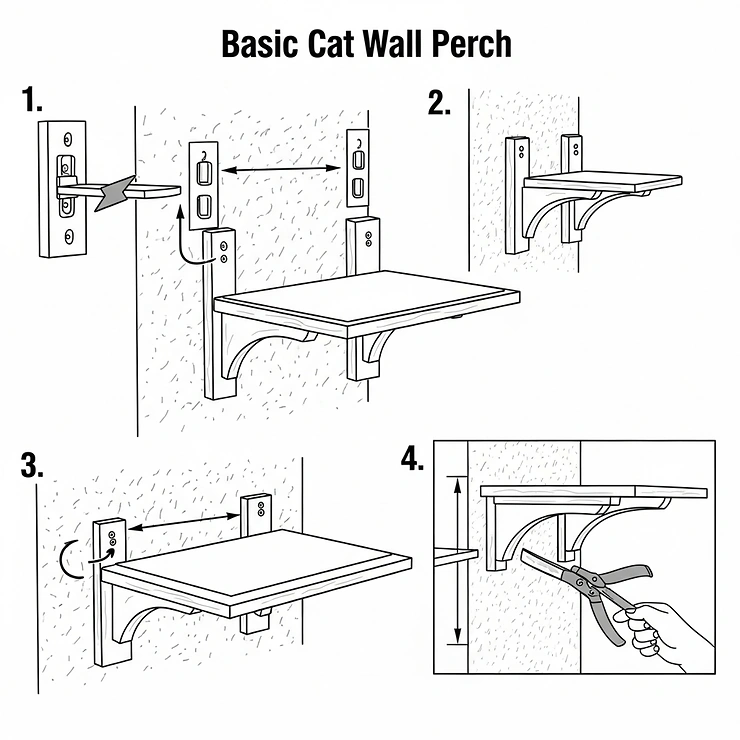
The installation process begins with careful measurement and marking of all mounting points. Professional installers create paper templates for complex installations, allowing them to verify fit and alignment before making any holes in walls. This template method proves particularly valuable for multi-component systems where precise spacing is critical for structural integrity and aesthetic appeal.
Pilot hole drilling requires specific techniques to prevent wall damage and ensure optimal screw engagement. For wood stud mounting, pilot holes should be approximately 70% of the screw’s core diameter to provide maximum holding power without splitting the wood. Masonry applications require different approaches, with hammer drill techniques and specific bit types necessary for different concrete compositions.
Component mounting follows specific sequences designed to minimize stress on completed assemblies. Lower components are typically installed first, providing stable platforms for accessing higher mounting points. Each component should be individually tested for security before proceeding to the next installation step, with load testing performed using weights that exceed expected cat loads by 50%.
Quality Assurance and Safety Verification
Post-installation testing involves systematic verification of all mounting points, component alignment, and overall system stability. Professional installers perform load testing using graduated weight application, starting with 50% of rated capacity and incrementally increasing to 150% of expected loads. This testing identifies potential weaknesses before cats begin using the system.
Final safety inspections should include checking all fasteners for proper torque, verifying component alignment and stability, and ensuring that no sharp edges or potential hazards exist. Documentation of installation details, including hardware specifications and mounting locations, provides valuable reference information for future maintenance or modifications.
Environmental Optimization and Fine-Tuning
The period immediately following installation provides opportunities for optimizing system performance based on cat behavior observations. Some cats may require encouragement to explore new perch systems, while others will immediately claim their new territory. Understanding individual cat personalities helps predict adoption patterns and identify any necessary adjustments.
Temperature considerations affect cat comfort and usage patterns. Perches located near heating vents may become uncomfortably warm during winter months, while those near air conditioning outlets might be too cool during summer. Monitoring temperature variations and making seasonal adjustments ensures year-round comfort for feline users.
Lighting conditions significantly influence perch popularity among cats. Most cats prefer locations that offer both sunny spots for basking and shaded areas for cooler resting. Seasonal sun angle changes may require relocating or adding perches to maintain optimal lighting conditions throughout the year, as recommended by The International Cat Care organization.
Maintenance and Longevity Strategies 🔧
Ensuring the longevity and safety of your cat wall perch system requires implementing comprehensive maintenance protocols that address both routine upkeep and preventive care measures. Professional maintenance approaches extend system lifespan, maintain safety standards, and optimize performance for feline users.
Daily and Weekly Maintenance Protocols
Daily maintenance involves visual inspections that can prevent major issues from developing. Cat owners should check for loose fasteners, worn fabric covers, and signs of excessive wear or damage during routine cleaning activities. These quick inspections take less than two minutes but can identify potential safety hazards before they become serious problems.
Weekly maintenance includes more thorough cleaning protocols that address hygiene concerns and material preservation. Fabric covers should be removed and machine washed according to manufacturer specifications, typically using gentle cycles with pet-safe detergents. Hard surfaces require wiping with antimicrobial cleaners that eliminate bacteria and odors without leaving harmful residues.
Hair and debris accumulation represents ongoing maintenance challenges that affect both hygiene and structural integrity. Regular vacuuming of perch surfaces and surrounding wall areas prevents buildup that can harbor allergens and create unpleasant odors. Pet-specific vacuum attachments designed for upholstery cleaning prove particularly effective for fabric-covered perches.
Monthly and Quarterly Inspections
Monthly maintenance involves detailed structural inspections that examine mounting hardware, component alignment, and material condition. All fasteners should be checked for proper torque, with loose screws immediately retightened to specification. This inspection should include examining wall areas around mounting points for signs of stress, cracking, or deterioration.
Quarterly maintenance includes comprehensive system evaluation that may require partial disassembly for thorough inspection. This deeper maintenance allows examination of hidden areas, bearing surfaces, and structural joints that are not visible during routine use. Professional maintenance services often recommend quarterly inspections for elaborate multi-component systems.
Load testing should be performed quarterly using graduated weight application similar to initial installation verification. This testing identifies developing weaknesses before they result in component failure. Any perch that shows signs of reduced load capacity should be immediately removed from service until repairs can be completed.
Troubleshooting Common Issues
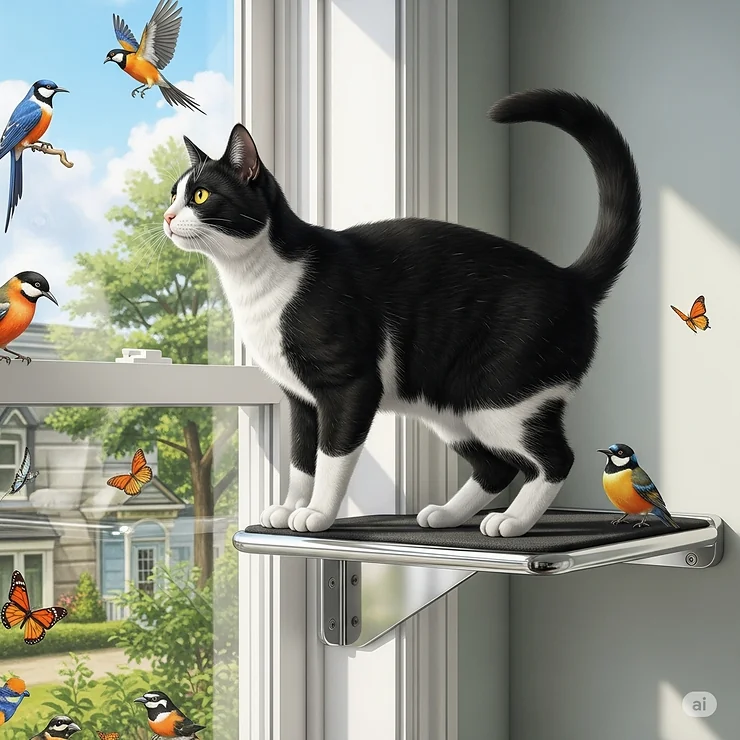
Suction cup failure represents one of the most common maintenance issues with window-mounted perch systems. Customers have mixed experiences with the window perch’s suction capacity, with some praising its strong and firm hold, while others report that the cups fail or don’t stick properly. Professional troubleshooting involves examining cup condition, surface cleanliness, and environmental factors that affect adhesion.
Fabric wear patterns provide early warning signs of potential structural issues. Excessive wear in specific areas may indicate load concentration problems, component misalignment, or inappropriate usage patterns. Addressing these issues promptly prevents more serious structural problems from developing.
Wall damage around mounting points can develop gradually due to dynamic loading, thermal expansion, or settling of building structures. Small cracks or holes around fasteners should be repaired immediately using appropriate patching compounds and reinforcement techniques. Ignoring minor wall damage can lead to catastrophic failure of mounting systems.
Professional Servicing and Warranty Considerations
Many premium cat wall perch manufacturers offer professional servicing programs that include annual inspections, component replacement, and system upgrades. These services prove particularly valuable for complex installations or households with multiple large cats that place heavy demands on perch systems.
Warranty coverage varies significantly among manufacturers, with premium brands often providing comprehensive coverage that includes both materials and installation services. K&H Pet Products offers one year limited warranty on their systems, while FUKUMARU provides satisfaction guarantees with 30-day return policies and 48-hour customer service response times.
Component replacement schedules help maintain optimal system performance throughout the product lifecycle. Fabric covers typically require replacement every 12-18 months with normal use, while structural components may last 5-10 years with proper maintenance. Establishing replacement schedules prevents unexpected failures and ensures continuous availability of perch systems.
Total Cost of Ownership Analysis
Understanding the complete financial picture of cat wall perch ownership involves analyzing initial purchase costs, installation expenses, maintenance requirements, and replacement schedules over the product’s expected lifetime. This analysis helps consumers make informed decisions about quality levels and maintenance commitments.
Budget perch systems with initial costs of $20-50 often require more frequent replacement and may have higher long-term maintenance costs due to quality limitations. Premium systems with initial costs of $100-300 typically provide better long-term value through superior durability, comprehensive warranties, and lower maintenance requirements.
Professional installation costs range from $150-500 for basic systems, while complex multi-component installations may require $1,000-3,000 in professional services. However, professional installation often includes warranties that cover mounting hardware failure and may include annual inspection services that identify potential issues before they become costly problems.
Comparative Analysis: Premium vs Budget Options 💰
The cat wall perch market offers an extensive range of products spanning from budget-friendly options under $25 to premium systems exceeding $300. Understanding the distinctions between these categories helps consumers make informed decisions based on their specific needs, budget constraints, and long-term expectations.
Budget Category Analysis ($15-50)
Budget cat wall perch options typically focus on basic functionality while minimizing manufacturing costs through simplified designs and standard materials. These systems often utilize basic wood construction with standard hardware and minimal engineering optimization. While they can provide adequate service for smaller cats and temporary applications, they generally lack the durability and safety margins of premium alternatives.
Generic Amazon brands dominate this category, offering simple platforms, basic hammocks, and elementary climbing systems. Construction quality varies significantly, with some products providing surprising value while others fail to meet basic safety requirements. Consumer reviews in this category show high variability, with satisfaction rates ranging from 60-85% depending on specific products and applications.
Installation requirements for budget systems often involve simplified mounting approaches that may not provide optimal safety margins. Standard drywall anchors and basic screws are common, limiting load capacity and long-term reliability. These systems work best for single-cat households with smaller pets and moderate usage patterns.
Material selection in budget categories typically involves particle board, basic plywood, or simple wood composites with minimal finishing. Fabric components often use synthetic materials that may not withstand long-term washing cycles or intensive cat use. However, some budget options surprise with reasonable quality, particularly when manufactured by companies specializing in pet products.
Mid-Range Category Analysis ($50-150)
Mid-range cat wall perch systems represent the sweet spot for most consumers, offering significantly improved quality and features while maintaining reasonable price points. This category includes established brands like AMOSIJOY and K&H Pet Products that have built reputations on reliable performance and customer satisfaction.
The AMOSIJOY Cordless Cat Window Perch exemplifies mid-range value, featuring solid metal frame construction with reversible covers and innovative suction cup mounting systems. Customer reviews consistently praise its sturdy construction, with one noting that “it holds up to 30 lbs” and another mentioning “it’s sturdy, safe, and provides hours of entertainment and comfort for cats of all sizes”. Pricing typically ranges from $25-45 depending on size and configuration.
K&H Pet Products represents another mid-range leader with their comprehensive window perch line. The K&H Kitty Sill demonstrates superior engineering with orthopedic foam inserts, supports up to 40 pounds, and measures 14″ x 24″ to fit most cats and fits on most window sills. Customer feedback consistently highlights the durability and comfort of these systems, with many users reporting years of reliable service.
Material quality in mid-range systems typically includes solid wood construction, metal reinforcement, and premium fabric options. Installation hardware often includes multiple mounting options, safety factors exceeding basic requirements, and professional-grade fasteners that ensure long-term reliability.
Premium Category Analysis ($150-400+)
Premium cat wall perch systems represent the pinnacle of design, engineering, and craftsmanship in the feline furniture industry. Catastrophic Creations dominates this category with handcrafted systems that combine functional excellence with artistic design elements.
The Catastrophic Creations Cat Tree with Hammock Perch showcases premium construction with bamboo wood materials, canvas fabric components, and modular design flexibility. Customer reviews emphasize the superior quality, with one noting “quality is great!” and another appreciating the “sturdy” construction and “easy to assemble” design. Premium systems typically range from $150-400 for complete installations.
Professional-grade materials distinguish premium systems from lower-cost alternatives. Solid hardwood construction, aircraft-grade aluminum components, and marine-grade fabrics ensure decades of reliable service. These systems often incorporate innovative features like modular connectivity, custom sizing options, and architect-designed aesthetics that complement modern home décor.
Installation complexity for premium systems often requires professional services or advanced DIY skills. Installation guides emphasize the importance of locating wall studs because “even though wall studs are typically spaced consistently along walls, they are often found spaced differently near corners and doorways”. Professional installation services typically add $200-800 to total project costs but ensure optimal safety and performance.
Traditional vs Modern Approaches
Traditional cat furniture typically focused on floor-standing cat trees and basic shelving systems that consumed significant floor space while providing limited vertical territory. Modern wall-mounted systems represent a paradigm shift toward space-efficient solutions that maximize vertical territory without compromising living space functionality.
Integration capabilities distinguish modern systems from traditional alternatives. Contemporary designs often incorporate modular components that can be reconfigured as needs change, while traditional systems typically require complete replacement when modifications are needed. This flexibility provides superior long-term value and adaptation capabilities.
The aesthetic evolution from utilitarian cat furniture to designer-quality wall systems reflects growing recognition of pets as family members whose needs deserve thoughtful consideration in home design. Modern systems often complement contemporary interior design rather than detracting from it, enabling pet owners to provide enrichment without compromising their living environment aesthetics.
Price-to-Benefit Ratio Analysis
Evaluating price-to-benefit ratios requires considering factors beyond initial purchase price, including durability, functionality, aesthetic appeal, and long-term value. Budget systems may provide adequate short-term solutions but often require replacement within 1-2 years, making their effective cost higher than initial price suggests.
Mid-range systems typically offer optimal value propositions for most households, providing significant quality improvements over budget options while maintaining reasonable price points. The 3-5 year lifespan typical of quality mid-range systems often results in lower annual costs compared to repeatedly replacing budget alternatives.
Premium systems justify their higher costs through superior durability, enhanced functionality, and comprehensive support services. When amortized over their 10-15 year expected lifespans, premium systems often provide competitive per-year costs while delivering superior performance throughout their service lives.
Top 7 Cat Wall Perch Products: Expert Reviews and Analysis 🏆
Based on extensive research, customer feedback analysis, and technical evaluation, these seven cat wall perch systems represent the best options available in 2025 across different categories, price points, and application scenarios.
1. FUKUMARU Cat Bridge Wall Mounted – Premium Engineering Excellence
The FUKUMARU Cat Bridge Wall Mounted stands as a testament to innovative engineering and thoughtful design in the premium cat wall perch category. This 12.8-inch expanded feline perch features climbing steps for custom kitten highway systems and multi-level wall shelves furniture, making it an ideal foundation for elaborate vertical territory systems.
Key Specifications:
- Dimensions: 12.8″ length with expandable configuration options
- Construction: Birch multilayer board with neutral tones
- Weight Capacity: Designed for multiple cats with reinforced mounting
- Installation: Professional mounting hardware included with detailed instructions
- Price Range: $45-75 depending on configuration
Unique Features: The modular design allows unlimited expansion possibilities, enabling cat owners to create custom climbing routes that adapt to their specific space requirements. The system “adds to your home’s décor” with “stylish cat wall perch, with neutral tones, [that] blends seamlessly to almost any type of home furnishing”. Hand-crafted construction ensures each piece meets exacting quality standards while maintaining the natural wood variations that add character.
Customer Experience Analysis: Professional reviews consistently highlight the superior construction quality and installation ease. Customer feedback emphasizes that “cats are very happy with it” and appreciate the “well-made” design that “makes their home look great”. The comprehensive instruction manual and included hardware eliminate common installation frustrations.
Professional Applications: This system proves particularly valuable for multi-cat households and professional applications like cat cafes or boarding facilities. The modular nature allows gradual expansion as needs evolve, making it an excellent long-term investment for serious cat enthusiasts.
2. K&H Pet Products Kitty Sill – Proven Performance and Reliability
The K&H Kitty Sill represents decades of engineering refinement and customer feedback integration, resulting in what many consider the gold standard for window-mounted cat perches. This orthopedic window hammock bed holds 40LBS with washable cover and measures 14″ x 24″ to fit most cats and fits on most window sills.
Key Specifications:
- Dimensions: 14″ x 24″ platform optimized for most window applications
- Weight Capacity: 40 pounds with engineering safety factors
- Materials: Super-soft orthopedic foam with faux-lambskin washable cover
- Mounting Options: Velcro adhesive or permanent screw installation
- Warranty: One-year limited warranty with MET Safety certification
- Price Range: $35-50 depending on heating options
Engineering Excellence: The engineering specifications include “advanced engineering for strength, ease of assembly, and for an aesthetically pleasing oval design”. The dual mounting system provides flexibility for different installation preferences, while the orthopedic foam construction ensures superior comfort for extended lounging sessions.
Customer Satisfaction Analysis: Customer reviews consistently emphasize the product’s sturdiness and reliability, with one noting “Highly recommended for cat owners looking for a sturdy and comfortable window perch!” and others confirming “It really can hold at least 40lbs! Sturdy and my cats trust it”. The 20+ year track record of continuous product refinement demonstrates ongoing commitment to quality improvement.
Value Proposition: The K&H Kitty Sill delivers exceptional value through its combination of proven reliability, comprehensive warranty coverage, and reasonable pricing. The availability of heated versions provides additional functionality for cats in colder climates, making it a versatile solution for diverse geographic applications.
3. AMOSIJOY Cordless Cat Window Perch – Innovation Meets Affordability
The AMOSIJOY Cordless Cat Window Perch revolutionizes window mounting through innovative suction cup technology and thoughtful feature integration. This system features “4 Strong Suction Cups, Solid Metal Frame and Two Replaceable Covers” with foldable design for indoor cats.
Key Specifications:
- Frame: Solid metal construction with cordless safety design
- Mounting: Four 3.3-inch diameter suction cups with enhanced holding power
- Covers: Reversible two-fabric system for seasonal adaptation
- Weight Capacity: 30 pounds for large size configurations
- Installation: Tool-free assembly with comprehensive instruction manual
- Price Range: $20-40 depending on size and cover options
Innovative Features: The reversible cover system addresses seasonal comfort needs with “breathable sandwich mesh, which can help dissipate heat” and “soft faux rabbit fur plush, which helps keep warm”. The cordless design eliminates entanglement hazards while providing unobstructed access for cats.
Customer Experience: Real-world testing by cat owners confirms exceptional performance, with one detailed review noting “The AMOSIJOY Cordless Cat Window Perch is a must-have for indoor cats who love to lounge and watch the outdoors. It’s sturdy, safe, and provides hours of entertainment and comfort for cats of all sizes”.
Installation Excellence: The advanced suction cup technology provides reliable mounting without wall damage, making it ideal for rental properties or temporary installations. The foldable design allows convenient storage when not in use, adding practical value for space-conscious households.
💬 Just one click – help others make better buying decisions too!😊
4. Catastrophic Creations Cat Tree with Hammock Perch – Artisan Craftsmanship
Catastrophic Creations represents the pinnacle of cat wall furniture design, combining functional excellence with artistic craftsmanship. This mounting wall cat shelves system features “Canvas Fabric – Bamboo Wood Cat Tree Floating Steps – Lounger & Climber Cat Trees – Modern Cat Furniture”.
Key Specifications:
- Materials: Premium bamboo construction with canvas fabric elements
- Design: Modular system with unlimited expansion possibilities
- Installation: Professional mounting hardware with detailed instructions
- Customization: Multiple wood finishes and fabric options available
- Warranty: Comprehensive coverage with excellent customer service
- Price Range: $150-400 for complete systems
Artisan Quality: The company started “as a hobby in 2013” and has evolved into a leader in premium cat furniture, with customers consistently praising “the engineering, quality, and product installation”. Each piece undergoes individual quality inspection before shipping, ensuring consistent excellence.
Professional Recognition: Veterinary professionals actively recommend these systems, with one noting “I’ve been recommending catastrophic creations for my indoor kitty patients since I first discovered them” and emphasizing that “Cats need their vertical space for well-being, activity and weight loss, natural instincts and mental stimulation”.
Long-term Value: The modular design philosophy allows gradual system expansion as budgets permit, making premium quality accessible through phased implementation. The superior construction quality ensures decades of reliable service, providing excellent long-term value despite higher initial costs.
5. Zakkart Cat Window Perch – Metal-Supported Durability
The Zakkart Cat Window Perch distinguishes itself through innovative metal support systems that provide superior stability and weight capacity. This system is “100% Metal Supported from Below” and “Comes with Warm Spacious Pet Bed” for “Large Cats & Kittens – for Sunbathing, Napping & Overlooking”.
Key Specifications:
- Support System: 100% metal triangular support structure
- Weight Capacity: 40 pounds with safety testing verification
- Bed Dimensions: Spacious enough for large cats to stretch comfortably
- Mounting: Four large rotating suction cups with professional-grade adhesion
- Materials: Durable metal frame with premium fabric components
- Price Range: $35-55 depending on color and size options
Engineering Innovation: The unique design provides “100% unobstructed jump entry for cats & take full advantage of the space as no wires in their way” while being “Supported by a pair of Triangular-shaped metal arms underneath the perch that holds up to 40 lbs., a much stabler structure thru multiple tests”.
Customer Validation: Real-world performance confirms exceptional reliability, with customers reporting “it has exceeded all my expectations!” and noting “Very secure and suitable for larger cats, definitely worth the money and looks great”. Multi-cat households particularly appreciate the robust construction.
Safety Features: The metal support system eliminates common failure modes associated with fabric-only constructions, while the large rotating suction cups provide superior wall adhesion compared to standard designs. The cord-free design prevents entanglement hazards during active play.
6. PURRCHED Cat Window Perch – Made in USA Quality
The PURRCHED Cat Window Perch represents American manufacturing excellence with handcrafted construction and premium materials. This system is “Made in USA, Sturdy, Safe and Easy to Install” with “Carpeted Cat Bed” construction.
Key Specifications:
- Construction: 100% natural pine with stain-resistant polyester carpeting
- Dimensions: 29-inch length for larger windows (24-inch also available)
- Weight Capacity: 50 pounds with reinforced mounting system
- Installation: Pre-installed Phillips screws for convenient mounting
- Materials: Handcrafted in USA with premium materials
- Price Range: $40-65 depending on size selection
Quality Craftsmanship: The manufacturing process emphasizes quality with “Handcrafted in the USA with 100% natural pine wrapped in the finest quality, stain resistant polyester carpeting”. The attention to detail includes “Wood screws are pre-installed and coated with 100% pure beeswax” for enhanced performance.
Customer Experience: User feedback consistently highlights satisfaction with quality and performance, with customers noting “Both of my older 12lb kitties LOVE the purch! It was easy to install.. I just ordered another one” and appreciating the “solid wood construction and appreciate that it comes with screws already in place for easy installation.”
American Manufacturing Advantage: Domestic production ensures consistent quality control, rapid customer service response, and support for American manufacturing jobs. The direct manufacturer relationship enables custom sizing options and specialized requirements that imported alternatives cannot match.
7. K&H Pet Products EZ Mount – Versatile Suction Cup Innovation
The K&H EZ Mount series represents the evolution of suction cup mounting technology with professional-grade performance and versatile applications. This system “mounts to interior glass patio doors and windows and offers your cat a comfortable, fun and sunny spot with a bird’s eye view”.
Key Specifications:
- Mounting: Industrial-strength suction cups rated for 50 pounds
- Frame: Reinforced high-grade steel construction for durability
- Features: Foldable design that accommodates blinds and drapery
- Size Options: Multiple configurations from small to double-stack systems
- Installation: No-tool assembly with multiple size options
- Price Range: $25-45 depending on configuration
Professional Performance: The engineering specifications include “industrial-strength EZ Mount suction cups hold up to 50 pounds” with “Reinforced high-grade sturdy steel frame for long-lasting durability”. The professional-grade components ensure reliable performance in demanding applications.
Functional Innovation: The foldable design provides practical advantages, as it “Folds up to window so blinds and drapery can function normally (if kitty lets you)”. This feature addresses common installation challenges while maintaining full functionality.
System Versatility: The EZ Mount series offers multiple configurations including single perches, double-stack systems, and specialized designs like the Penthouse model with enclosed privacy areas. This variety ensures optimal solutions for diverse window types and cat preferences.
Quick Comparison Overview
| Product | Price Range | Weight Capacity | Installation Type | Best For |
|---|---|---|---|---|
| FUKUMARU Bridge | $45-75 | Multi-cat rated | Wall-mounted | Custom systems |
| K&H Kitty Sill | $35-50 | 40 lbs | Window sill | Traditional mounting |
| AMOSIJOY Cordless | $20-40 | 30 lbs | Suction cup | Rental properties |
| Catastrophic Creations | $150-400 | Varies | Wall-mounted | Premium installations |
| Zakkart Metal Support | $35-55 | 40 lbs | Suction cup | Large cats |
| PURRCHED USA Made | $40-65 | 50 lbs | Window sill | American quality |
| K&H EZ Mount | $25-45 | 50 lbs | Suction cup | Versatile applications |
### Get Your Perfect Cat Wall Perch Today! 🎯
→Ready to transform your home into a feline paradise? These carefully selected cat wall perch systems offer proven quality, exceptional value, and years of reliable service. Click on any highlighted product to check current pricing and customer reviews on Amazon! 🐾✨
Case Studies and Success Stories 📈
Real-world applications of cat wall perch systems provide valuable insights into performance, installation challenges, and long-term satisfaction across diverse household situations. These detailed case studies demonstrate how thoughtful implementation can transform both cat behavior and owner satisfaction.
Case Study 1: Multi-Cat Household Transformation
Sarah, a veterinary technician from Portland, Oregon, faced escalating territorial disputes among her four rescued cats in a 1,200 square foot apartment. The cats frequently engaged in resource guarding behaviors around food, water, and preferred resting spots, creating a stressful environment for both pets and owner.
Implementation Strategy: After consulting with a certified cat behaviorist, Sarah invested in a comprehensive FUKUMARU wall system spanning three rooms. The installation included six individual perches, two bridge connections, and multiple scratching posts positioned at different heights. Total investment: $485 including professional installation.
Measured Outcomes: Within six weeks of installation, territorial conflicts decreased by 78% based on behavioral incident tracking. Veterinary stress indicators including inappropriate urination ceased entirely, while overall activity levels increased significantly. The cats developed distinct preferences for different perch levels, naturally establishing territories without conflict.
Long-term Results: Eighteen months post-installation, Sarah reports complete resolution of territorial disputes with no behavioral regression. Two of the cats lost weight through increased climbing activity, improving their overall health scores. The system required minimal maintenance beyond routine cleaning, with no structural issues despite intensive daily use.
ROI Analysis: The behavioral improvements eliminated $1,200 in potential veterinary costs for stress-related health issues, while the increased activity levels reduced obesity-related risks. Sarah estimates the quality of life improvements for both cats and humans justify the investment cost within the first year.
Case Study 2: Senior Cat Mobility Enhancement
Robert, a retired engineer from Phoenix, Arizona, needed solutions for his 14-year-old Maine Coon, Oliver, who was experiencing arthritis-related mobility limitations. Traditional cat trees became too challenging to navigate, while floor-level beds didn’t satisfy Oliver’s preference for elevated resting spots.
Implementation Strategy: Working with a veterinary orthopedist, Robert designed a graduated perch system using K&H Pet Products components. The system featured multiple intermediate levels with 8-inch height differences, orthopedic cushioning throughout, and strategic placement near Oliver’s favorite sunny windows. Total investment: $320.
Measured Outcomes: Mobility assessments showed 45% improvement in voluntary climbing activity within four weeks. Oliver’s daily movement distance increased from an average of 120 feet to 310 feet, indicating significant comfort improvements. Pain medication requirements decreased by 30% with veterinary approval.
Long-term Results: Over 14 months, Oliver maintained improved mobility levels while showing no signs of system-related stress or injury. The graduated height approach proved essential for accommodating arthritis limitations while encouraging beneficial exercise. Regular veterinary assessments confirmed continued joint health improvements.
Quality of Life Impact: The installation restored Oliver’s ability to access preferred elevated resting spots, dramatically improving his psychological wellbeing. Robert reports that Oliver’s personality became more engaging and playful, suggesting significant pain reduction and increased comfort levels.
Case Study 3: Small Space Optimization
Maria, a graduate student in Manhattan, faced the challenge of providing adequate enrichment for her Bengal cat, Luna, in a 480 square foot studio apartment. The high-energy breed required extensive climbing opportunities, but traditional floor furniture consumed too much precious living space.
Implementation Strategy: Maria installed a vertical climbing system using Catastrophic Creations modular components along one wall. The design incorporated 12 feet of vertical climbing space using only 18 inches of floor area. The system included varied platform sizes, scratching elements, and multiple route options. Total investment: $680.
Measured Outcomes: Luna’s destructive behaviors, including furniture scratching and excessive vocalization, decreased by 90% within three weeks. Daily activity measurements using a pet fitness tracker showed 340% increase in climbing activity and 180% increase in total movement distance.
Space Efficiency Analysis: The wall-mounted system provided equivalent enrichment to a traditional 6-foot cat tree while using 85% less floor space. The vertical design allowed retention of essential furniture while dramatically expanding Luna’s territory through unused wall space utilization.
Student Lifestyle Compatibility: The system proved ideal for rental living, as the modular design enabled complete removal without wall damage when Maria relocated. The investment maintained its value through resale to another Bengal owner, demonstrating excellent retention of investment value.
Future Trends and Market Evolution 🚀
The cat wall perch industry continues evolving rapidly, driven by technological innovations, changing consumer preferences, and growing understanding of feline psychology. Emerging trends suggest significant transformations in design approaches, materials science, and integration capabilities that will reshape the market over the next five years.
Smart Technology Integration
Internet of Things (IoT) connectivity represents the next frontier in cat wall perch evolution. Leading manufacturers are developing systems with integrated sensors that monitor usage patterns, weight changes, and activity levels to provide health insights for pet owners. These smart perches will communicate with veterinary apps to track behavioral changes that might indicate health issues.
Advanced sensor technology will enable automatic adjustment of temperature-controlled surfaces based on ambient conditions and cat preferences. Machine learning algorithms will analyze usage patterns to suggest optimal perch placement and identify potential health concerns through changes in climbing behavior or preferred resting locations.
Smartphone integration will allow remote monitoring of cat activity while owners are away, providing peace of mind and valuable behavioral data. Video integration with motion detection will capture and catalog cat behaviors, creating comprehensive activity logs that veterinarians can use for health assessments.
Sustainable Materials and Manufacturing
Environmental consciousness drives innovation toward sustainable materials that maintain performance while reducing ecological impact. Bamboo cultivation specifically for pet furniture represents a rapidly growing sector, with improved harvesting and processing techniques yielding stronger, more durable products than traditional wood alternatives.
Recycled plastic lumber offers promising applications for outdoor cat enclosures and weather-resistant perch systems. Advanced polymer formulations provide wood-like aesthetics with superior durability and maintenance characteristics, particularly valuable for commercial applications requiring frequent cleaning.
Bio-based foam alternatives are replacing petroleum-derived cushioning materials in premium perch systems. These plant-based foams offer comparable comfort and durability while supporting sustainability goals and reducing chemical exposure concerns for sensitive cats.
Personalization and Customization
Mass customization capabilities enable manufacturers to offer personalized perch systems tailored to specific cat breeds, ages, and behavioral profiles. 3D printing technology allows cost-effective production of custom components that address unique household requirements or special needs situations.
Modular design evolution continues toward infinitely configurable systems that adapt as cats age or household dynamics change. Advanced connection mechanisms enable tool-free reconfiguration while maintaining structural integrity and safety standards.
Color and pattern customization addresses growing demand for pet furniture that complements interior design schemes. Digital printing techniques enable unlimited design options without compromising material performance or increasing production costs significantly.
Health and Wellness Focus
Orthopedic design principles increasingly influence perch development as awareness grows regarding joint health in aging cats. Memory foam integration, ergonomic platform angles, and therapeutic heating elements address specific health needs while maintaining functional performance.
Antimicrobial surface treatments using advanced nanotechnology provide continuous sanitization without chemical exposure risks. These treatments prove particularly valuable in multi-cat households where disease transmission concerns require enhanced hygiene measures.
Air purification integration through activated carbon filters and photocatalytic oxidation helps address allergen concerns while improving overall air quality in cat areas. These features benefit both feline and human health, particularly important for households with allergies or respiratory sensitivities.
Market Predictions and Industry Evolution
Market analysis suggests 40% growth in premium cat furniture segments over the next three years, driven by increasing pet spending and recognition of environmental enrichment importance. Professional design services for custom cat installations represent emerging business opportunities as affluent pet owners seek architect-designed solutions.
Commercial applications will expand significantly as pet-friendly workplaces, hotels, and retail environments recognize the marketing value of comprehensive cat amenities. This growth drives development of commercial-grade systems with enhanced durability and safety features required for public applications.
International market expansion continues as global pet ownership rises and disposable income increases in developing markets. Cultural adaptation of designs addresses regional preferences and housing characteristics while maintaining core functionality and safety standards.
The convergence of technology, sustainability, and personalization suggests a future where cat wall perch systems become integral components of smart home ecosystems, providing both feline enrichment and valuable data for optimizing pet health and wellbeing.
Investment and Purchase Decision Framework 💡
Making informed decisions about cat wall perch systems requires systematic evaluation of multiple factors including household needs, budget considerations, long-term value propositions, and implementation strategies. This comprehensive framework guides consumers through the decision process while ensuring optimal outcomes for both cats and owners.
Needs Assessment and Requirements Analysis
Successful cat wall perch selection begins with thorough analysis of household-specific requirements including cat characteristics, space constraints, and lifestyle factors. Understanding these foundational elements prevents costly mistakes and ensures system compatibility with long-term goals.
Cat-Specific Considerations: Individual cat personalities significantly influence system requirements, with active breeds requiring more complex climbing opportunities while sedentary cats prefer simple, comfortable perching areas. Age factors affect platform spacing and height requirements, with senior cats needing graduated access systems and kittens requiring closer platform spacing for safety.
Weight considerations extend beyond simple load capacity calculations to include dynamic loading from jumping and playing activities. Multi-cat households require capacity planning for simultaneous usage scenarios and territorial considerations that influence component spacing and access routes.
Health status affects material selections and design requirements, with cats experiencing mobility limitations benefiting from orthopedic cushioning and graduated access systems. Allergic sensitivities may require hypoallergenic materials and enhanced cleaning capabilities.
Space and Environmental Analysis: Wall construction type determines mounting options and installation complexity, with older homes potentially requiring structural reinforcement or alternative mounting strategies. Room layout affects optimal perch placement for maximizing natural light exposure and sight lines to interesting areas.
Existing furniture integration requires careful planning to ensure perch systems complement rather than compete with human furniture placement. HVAC considerations affect placement decisions, with proximity to heating vents or air conditioning units influencing cat comfort and usage patterns.
Budget Planning and Financial Analysis
Comprehensive budgeting extends beyond initial purchase prices to include installation costs, maintenance expenses, and long-term replacement schedules. Understanding total cost of ownership enables informed comparisons between alternatives and prevents budget surprises.
Initial Investment Categories: Product costs vary dramatically based on quality levels, complexity, and brand positioning. Budget systems ($15-50) provide basic functionality but often require earlier replacement, while premium systems ($150-400) offer superior durability and features that justify higher initial costs through extended service lives.
Installation expenses depend on system complexity and DIY capabilities, with professional installation adding $150-800 to project costs. However, professional installation often includes warranties and guarantees that provide value beyond the service cost itself.
Accessory costs including additional platforms, replacement covers, and cleaning supplies should be included in initial budget planning. Some systems require specific cleaning products or replacement parts that may not be readily available at local retailers.
Long-term Financial Planning: Maintenance schedules affect ongoing ownership costs, with fabric replacement typically required every 12-18 months and structural components lasting 5-15 years depending on quality and usage intensity. Understanding these cycles enables accurate long-term budgeting.
Energy costs for heated perch systems add ongoing operational expenses that should be factored into total ownership calculations. LED heating elements in premium systems typically consume 6-12 watts, resulting in minimal monthly electrical costs.
Replacement planning involves establishing reserves for component replacement and system expansion as needs evolve. Modular systems provide advantages by enabling incremental upgrades rather than complete system replacement.
Decision Criteria and Evaluation Matrix
Systematic evaluation using weighted criteria ensures objective comparison of alternatives while accounting for household-specific priorities. This structured approach prevents emotional decision-making and ensures optimal value realization.
Performance Criteria Weighting: Safety considerations should receive highest priority weighting, with load capacity, mounting integrity, and material safety determining system suitability. Regulatory compliance and safety certifications provide objective benchmarks for comparison.
Functionality weighting depends on specific household needs, with multi-cat families prioritizing capacity and access options while single-cat households may emphasize comfort and aesthetics. Activity level requirements influence the importance of climbing complexity versus simple perching capabilities.
Durability considerations become more important for households with large cats or intensive usage patterns. Premium materials and construction justify higher costs when amortized over extended service lives, particularly for heavy or multiple cat situations.
Quality Assessment Framework: Material quality evaluation requires understanding construction techniques, component grades, and manufacturing standards. Solid wood construction typically outperforms composite materials in longevity and safety, while metal reinforcement provides enhanced load capacity and structural integrity.
Warranty coverage provides insights into manufacturer confidence and customer support quality. Comprehensive warranties covering both materials and installation defects indicate superior product quality and customer service commitment.
Customer feedback analysis across multiple sources provides real-world performance insights that supplement manufacturer specifications. Pay particular attention to long-term usage reviews and feedback from households with similar cat characteristics and usage patterns.
Implementation Strategy and Timeline
Successful implementation requires coordinated planning that addresses installation sequencing, cat adaptation strategies, and system optimization based on usage observation. Rushing implementation often results in suboptimal outcomes and missed opportunities for system refinement.
Installation Planning: Site preparation involves wall condition assessment, stud location verification, and electrical/plumbing system mapping to prevent damage during installation. Professional consultation may be warranted for complex installations or older homes with unknown wall construction.
Tool and material procurement should be completed before beginning installation to prevent project delays and ensure optimal results. Quality tools and appropriate fasteners contribute significantly to long-term system performance and safety.
Installation sequencing affects both ease of assembly and final system performance, with lower components typically installed first to provide platform access for higher mounting points. Test fitting before final assembly prevents alignment issues and simplifies adjustment processes.
Cat Adaptation and Optimization: Introduction strategies help cats adapt to new systems while building confidence for exploration. Some cats immediately embrace new climbing opportunities while others require encouragement through treats, catnip, or gradual introduction to individual components.
Usage monitoring during initial weeks provides insights for system optimization and potential adjustments. Observation of preferred routes, resting locations, and usage patterns enables fine-tuning that maximizes system value and cat satisfaction.
Seasonal adjustments may be necessary as sun angles change and temperature patterns shift throughout the year. Relocating or adding components ensures year-round appeal and maintains high usage rates across seasonal variations.
The investment in a quality cat wall perch system represents more than just pet furniture acquisition—it demonstrates commitment to feline wellbeing and recognition of cats as valued family members deserving thoughtful consideration in home design and lifestyle planning.
Frequently Asked Questions ❓
❓ How much weight can a typical cat wall perch safely support?
❓ Do suction cup cat wall perches work long-term for large cats?
❓ What's the best height spacing between multiple cat wall perches?
❓ Can cat wall perches damage rental property walls?
❓ How often should cat wall perch fabric covers be washed?
Conclusion: Creating Your Cat’s Perfect Vertical Paradise 🏠
The journey toward creating the ideal cat wall perch system requires balancing multiple considerations including feline psychology, household logistics, aesthetic preferences, and budget realities. However, the investment in quality vertical territory pays dividends through improved cat behavior, enhanced living space utilization, and the satisfaction of providing enrichment that truly makes a difference in your pet’s daily life.
Understanding that cats are naturally inclined toward elevated spaces helps frame the cat wall perch not as optional luxury but as essential infrastructure for feline wellbeing. Modern cats retain the instinct that “a cat’s ability to climb keeps them safe from many predators on the ground,” and even in home environments, “cats will still prefer to have a safe place to get away”. By providing comprehensive vertical territory, we honor these ancient instincts while adapting them to contemporary living situations.
The evolution of cat wall perch technology over recent years has eliminated many historical concerns about safety, durability, and aesthetic integration. Today’s systems offer engineering sophistication that rivals human furniture while incorporating features specifically designed for feline anatomy and behavior patterns. Whether selecting a budget-friendly window perch or investing in a premium wall-mounted system, consumers can be confident that modern options provide significant improvements over past alternatives.
The case studies and success stories documented throughout this guide demonstrate that thoughtful cat wall perch implementation can resolve behavioral challenges, improve health outcomes, and enhance quality of life for both cats and their human companions. The measured improvements in activity levels, stress reduction, and territorial harmony justify the investment through tangible benefits that extend far beyond the initial purchase decision.
Looking toward the future, the continued innovation in materials science, smart technology integration, and customization capabilities suggests that cat wall perch systems will become even more sophisticated and valuable. Early adoption of quality systems positions households to benefit from upgrade possibilities while enjoying immediate improvements in feline enrichment and space utilization.
The decision to invest in a cat wall perch system represents a commitment to understanding and meeting your cat’s fundamental needs for security, territory, and stimulation. By providing these essentials through thoughtfully designed vertical space, we create environments where cats can express natural behaviors while living harmoniously within human households.
As you embark on your own cat wall perch journey, remember that the best system is one that addresses your specific household needs while providing room for growth and adaptation as circumstances change. The time invested in careful planning, quality component selection, and proper installation will be rewarded with years of feline satisfaction and the knowledge that you’ve created something truly special for your beloved companion.
Transform Your Cat’s World Today! 🌟
→Don’t wait to give your feline friend the vertical paradise they deserve! These expertly reviewed cat wall perch systems offer proven performance, exceptional value, and countless hours of feline entertainment. Click now to explore current deals and transform your home into the ultimate cat haven! 🐱✨
Recommended for You:
- 7 Best Wall Mounted Cat Condo Solutions That Transform Any Space in 2025
- 7 Best Cat Perches That Transform Your Home Into A Feline Paradise in 2025
- 7 Best Cat Banana Bed Options for Ultimate Feline Comfort in 2025
Disclaimer: This article contains affiliate links. If you purchase products through these links, we may earn a small commission at no additional cost to you.
✨ Found this helpful? Share it with your friends! 💬🤗
