
Table of Contents
The Eternal Battle of Cats vs. Couches
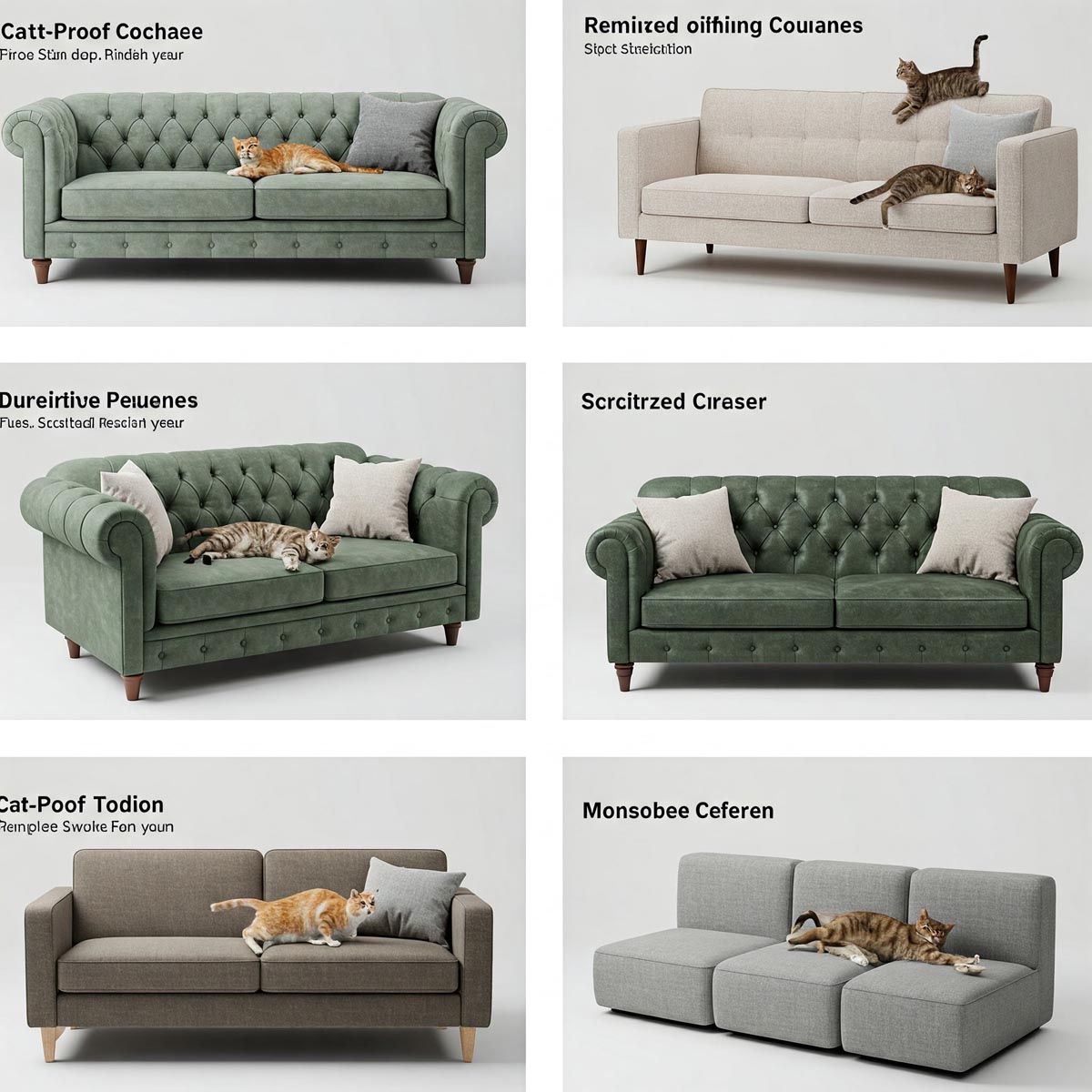
Let’s face it — you love your feline friend, but your couch? Not so much. I remember bringing home my beautiful new sectional, only to find my cat Milo had claimed it as his personal scratching post within 48 hours. The struggle between cat owners and their furniture is real, and the cat proof couch has become something of a holy grail for many of us.
According to the American Pet Products Association, nearly 45.3 million U.S. households own cats, which means millions of couches are potentially under feline attack at this very moment. Whether your furry companion is shredding your upholstery, leaving behind mountains of fur, or occasionally missing the litter box, the challenges of maintaining beautiful furniture while living with cats are numerous.
But don’t worry — creating a cat proof couch isn’t just possible; it can be done without sacrificing style or comfort for either you or your feline friend. In this comprehensive guide, we’ll explore effective strategies, innovative products, and expert advice to help you protect your beloved furniture while keeping your cats happy.
Understanding Why Cats Target Your Couch
Before we dive into solutions, it’s important to understand why your cat is so attracted to your couch in the first place. After all, addressing the root cause is often more effective than simply trying to block the behavior.
Natural Scratching Instincts ✅
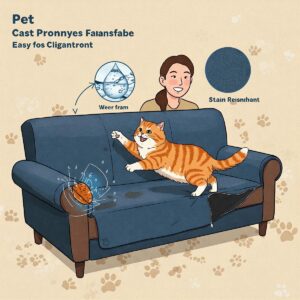
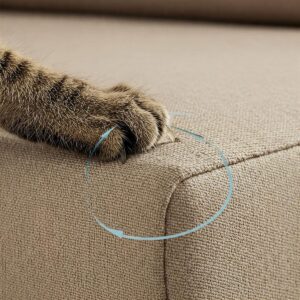
Cats scratch for multiple reasons — it helps them shed the outer layer of their claws, mark their territory with scent glands in their paws, and stretch their muscles. Unfortunately, your couch’s vertical surfaces and texture make it an ideal scratching target.
Dr. Sarah Wilson, a veterinary behaviorist at the University of California Davis School of Veterinary Medicine, explains: “Scratching is an innate behavior for cats. They’re not trying to destroy your furniture; they’re simply fulfilling a biological need.” Source: UC Davis School of Veterinary Medicine
Comfort and Security ✅
Your couch likely represents one of the most comfortable spots in your home. It’s soft, elevated, and often positioned where cats can observe their surroundings — all qualities cats naturally seek out. Additionally, your scent on the furniture provides a sense of security and belonging for your pet.
Territory Marking Behavior ✅
When cats scratch or even spray furniture, they’re often engaging in territory marking. This behavior can become more pronounced in multi-cat households or when a cat feels threatened by changes in their environment.
A study published in the Journal of Feline Medicine and Surgery found that environmental enrichment can significantly reduce unwanted marking behaviors in cats. Source: Journal of Feline Medicine and Surgery
Now that we understand the “why” behind your cat’s couch obsession, let’s explore practical solutions to create a truly cat proof couch.
15 Effective Strategies for a Cat Proof Couch
1. Choose Cat-Resistant Furniture Materials 🛋️
If you’re in the market for a new couch, selecting the right material can make a world of difference. Some fabrics naturally stand up better to cat claws and are easier to clean.
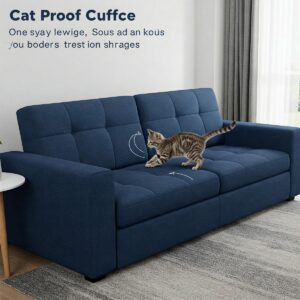
✅ Microfiber/Microsuede: This tightly woven synthetic material is one of the best choices for cat owners. It’s resistant to claws, doesn’t trap hair, and is easy to clean. The tight weave makes it difficult for cats to get their claws in, which discourages scratching.
✅ Leather/Pleather: While not completely scratch-proof, genuine leather and high-quality faux leather are surprisingly durable against cat claws. Any scratches tend to blend into the material’s patina over time. Plus, fur doesn’t cling to leather, making it easy to wipe clean.
✅ Canvas: This sturdy material can withstand quite a bit of abuse and is difficult for cats to shred.
❌ Avoid Velvet, Chenille, and Loose Weaves: These materials practically invite cats to scratch and can quickly become shredded.
One standout option is the PetProof Fabric Technology now offered by several furniture manufacturers. These specially treated fabrics resist stains, odors, and are more difficult for cats to damage with their claws.
2. Invest in Quality Scratch Protectors 🛠️
When it comes to protecting your existing couch, scratch protectors can be a game-changer. These products create a physical barrier between your cat’s claws and your precious upholstery.
The PetFusion Scratch Deterrent Tape has been a lifesaver for my couch. This clear, double-sided tape creates a sticky surface that cats find unpleasant to touch. Simply apply it to the areas your cat typically targets. The best part? It’s virtually invisible on most furniture.
For corner protection, FUKUMARU Cat Scratch Guards offer durable, transparent vinyl shields that can be secured to furniture corners with included pins. These guards protect the most commonly targeted areas without compromising your couch’s appearance.
A more comprehensive solution is the Sofa Shield Original Reversible Couch Slipcover, which covers the entire surface of your couch. Made from durable microfiber, this slipcover not only protects against scratches but also helps with fur and spills.
3. Create Attractive Scratching Alternatives 🐱
One of the most effective strategies for protecting your couch is to provide your cat with more appealing scratching options. Remember, scratching is a natural behavior that cats need to express — your goal should be to redirect it, not eliminate it.
The SmartCat Ultimate Scratching Post stands out as a favorite among cat owners. At 32 inches tall, it allows cats to stretch fully while scratching — a key feature that many shorter posts lack. Its sturdy base prevents tipping, and the fibrous sisal material satisfies cats’ scratching urges.
For cats who prefer horizontal scratching, the PetFusion Ultimate Cat Scratcher Lounge offers a curved design that doubles as a comfortable resting spot. Made from recycled cardboard, its texture is irresistible to most cats.
Position these scratching alternatives near your couch, gradually moving them to more permanent locations once your cat begins using them regularly.
4. Apply Pet-Safe Deterrent Sprays 🌿
Deterrent sprays can help make your couch less appealing to your feline friend. Look for products with natural ingredients that are safe for both your cat and your furniture.
The Emmy’s Best Pet Products Anti-Scratch Spray uses a blend of rosemary, lemongrass, and other natural oils that cats find unpleasant. I’ve found it effective when applied to targeted scratching areas, though it does require regular reapplication.
Remember to test any spray on an inconspicuous area of your couch first to ensure it doesn’t damage or discolor the fabric.
5. Use Protective Furniture Covers 🛌
Furniture covers offer comprehensive protection against scratching, shedding, and accidents. Today’s options go well beyond the plastic covers your grandmother might have used.
The Gorilla Grip Original Velvet Luxury Slip-Resistant Couch Protector combines style with function. Its soft velvet texture is comfortable for both humans and cats, while the slip-resistant backing keeps it firmly in place. It’s also machine washable, making maintenance a breeze.
For sectionals, the Easy-Going Sectional Couch Cover provides customizable protection that can be arranged to fit your specific furniture configuration.
6. Try Specialized Cat Training Techniques 🎓
With patience and consistency, many cats can learn to leave your couch alone. Positive reinforcement is key to successful training.
✅ Whenever you catch your cat using appropriate scratching surfaces, reward them immediately with treats, praise, or play.
✅ If you see your cat approaching the couch with scratching intent, gently redirect them to an appropriate scratching post.
❌ Avoid punishing your cat for scratching furniture, as this can create anxiety and may actually increase unwanted behaviors.
According to Dr. John Bradshaw, author of “Cat Sense” and renowned anthrozoologist at the University of Bristol, “Cats don’t respond well to punishment. They’re much more likely to learn through positive associations.” Source: University of Bristol School of Veterinary Sciences
7. Install Physical Barriers 🚧
Sometimes, the simplest solutions are the most effective. Physical barriers can prevent your cat from accessing your couch entirely.
Ssscat Motion-Activated Pet Deterrent uses a harmless burst of compressed air to startle cats when they approach forbidden areas. After a few experiences, most cats learn to avoid the area altogether.
For times when you’re not home, X-mat Pet Training Mat can be placed on your couch. Its flexible plastic spikes are uncomfortable for cats to walk on but won’t cause any harm.
8. Maintain Regular Claw Care ✂️
Keeping your cat’s claws properly trimmed can significantly reduce furniture damage. When claws are blunt, they’re less likely to snag and tear fabric.
The Safari Professional Nail Trimmer makes this task easier with its sharp stainless steel blades and comfortable grip. For especially squirmy cats, the EPICA Professional Pet Nail Clipper offers a safety guard to prevent over-cutting.
If trimming seems daunting, consider Soft Paws Nail Caps. These vinyl caps glue onto your cat’s claws, providing a soft barrier between sharp claws and your furniture. They last 4-6 weeks before needing replacement as the natural claw grows out.
9. Address Territorial Marking Issues 🏠
If your cat is spraying or otherwise marking your couch, this indicates a different type of problem that requires specific solutions.
First, rule out medical issues with a veterinary visit. Urinary tract infections and other conditions can cause inappropriate elimination.
For territorial marking, the Feliway Classic Diffuser releases synthetic feline facial pheromones that help create a sense of security for your cat, potentially reducing marking behaviors. Source: Cornell University College of Veterinary Medicine
10. Create Designated Cat-Friendly Zones 🌈
Sometimes, the best approach is compromise. Creating specific areas where your cat is welcome can help keep them off your main furniture.
The K&H Pet Products Window Perch gives your cat a comfortable place to observe the outside world. Placing it near a window can make it more attractive than your couch.
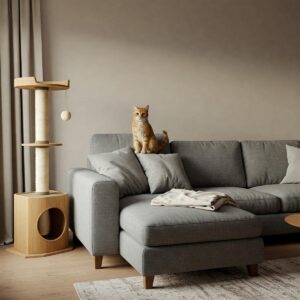
For a more substantial option, a Cat Tree with Scratching Posts provides multiple functions — scratching surfaces, climbing opportunities, and comfortable perches — all in one structure.
Product Comparison: Top Cat Proof Couch Solutions
| Product | Type | Price Range | Effectiveness | Aesthetics | Durability |
|---|---|---|---|---|---|
| PetFusion Scratch Deterrent Tape | Deterrent | $$ | ★★★★☆ | ★★★★★ (Nearly invisible) | 3-4 months before replacement |
| Sofa Shield Reversible Slipcover | Cover | $$ | ★★★★★ | ★★★☆☆ | 2+ years with proper care |
| SmartCat Ultimate Scratching Post | Alternative | $$ | ★★★★★ | ★★★☆☆ | 3+ years |
| Emmy’s Best Anti-Scratch Spray | Deterrent | $ | ★★★☆☆ | ★★★★★ (No visible impact) | Requires regular reapplication |
| Soft Paws Nail Caps | Prevention | $ | ★★★★☆ | ★★★☆☆ (Visible on cat) | 4-6 weeks per application |
11. Consider Furniture Texture Modifications 🧶
Some DIY approaches can change how your couch feels to your cat, making it less appealing as a scratching surface.
Double-sided tape, like Sticky Paws, creates an unpleasant tacky sensation that most cats avoid. Apply strips to the sides or corners of your couch where your cat typically scratches.
For a more permanent solution, consider attaching a piece of SmartyKat Sisal Cat Scratching Mat to the side of your couch. This provides an appropriate scratching surface right where your cat wants to scratch.
12. Implement Environmental Enrichment 🎮
Bored cats are more likely to engage in destructive behaviors. Providing mental and physical stimulation can reduce unwanted furniture scratching.
Interactive toys like the PetSafe Bolt Interactive Laser Cat Toy can keep your cat engaged and active. For times when you’re away, puzzle toys such as the Catit Senses 2.0 Food Tree challenge your cat mentally while dispensing treats.
A study published in the Journal of Veterinary Behavior found that environmental enrichment significantly reduced problematic behaviors in indoor cats. Source: Journal of Veterinary Behavior
13. Use Furniture-Specific Protective Products 🛡️
Several innovative products are designed specifically to protect couches from cat damage.
The Couch Defender creates an uneven surface on your couch cushions when you’re not using them, preventing cats from lounging and scratching. When you’re ready to sit, simply remove the lightweight barriers.
For protecting the underside of your couch (a common scratching target), the Furniture Defender Cat Scratch Deterrent attaches to the bottom of your couch with included fasteners, creating a barrier that keeps cats from accessing this vulnerable area.
14. Address Multi-Cat Household Dynamics 🐈🐈⬛
In homes with multiple cats, furniture scratching can intensify due to territorial behaviors. Ensuring each cat has adequate resources can help reduce competition and stress.
The rule of thumb is “n+1” — provide one more of each resource (scratching posts, beds, litter boxes, etc.) than the number of cats in your household. This reduces competition and the need to mark territory.
The Feliway MultiCat Diffuser is specifically formulated for multi-cat households, mimicking the natural pheromones that help cats feel secure in shared spaces.
15. Consult Professional Help When Needed 👨⚕️
If your cat’s furniture destruction persists despite your best efforts, it may be time to consult a professional. Certified feline behaviorists can develop customized strategies based on your specific situation.
The American College of Veterinary Behaviorists provides a directory of certified animal behavior specialists who can offer expert guidance. Source: American College of Veterinary Behaviorists
How to Choose the Right Cat Proof Couch Protection Method
With so many options available, how do you decide which cat proof couch strategy is right for your situation? Consider these factors:
Your Cat’s Specific Behavior 🐱
- Scratching: Focus on scratch guards, appropriate alternatives, and claw maintenance
- Shedding: Slipcovers and regular grooming will be most effective
- Accidents: Waterproof covers and addressing potential medical or behavioral issues
Your Aesthetic Preferences 🏠
Some protective measures are more visible than others. If maintaining your home’s appearance is important, consider:
- Clear vinyl protectors
- Carefully matched slipcovers
- Training and behavioral approaches
Your Budget 💰
Protection options exist at various price points:
- Budget-Friendly: DIY solutions, deterrent sprays, regular grooming
- Mid-Range: Quality scratching posts, partial covers, nail caps
- Investment: Full slipcovers, furniture made with pet-friendly materials, professional behavioral consultation
Your Time Commitment ⏰
Some solutions require ongoing maintenance or consistent training, while others are more “set and forget.”
Real-Life Success Stories: Cat Proof Couch Victories
I’m not alone in my quest for the perfect cat proof couch solution. Let me share some success stories from other cat owners:
Lisa from Portland tried everything to stop her three cats from destroying her new leather sectional. The game-changer for her? The combination of SmartyKat Sisal Scratching Mats strategically placed on the sides of her couch and the Feliway MultiCat Diffuser to reduce tension between her pets. “After two weeks, they completely lost interest in scratching the couch itself,” she reports.
Michael in Chicago was at his wit’s end with his Maine Coon’s furniture destruction until he invested in the SmartCat Ultimate Scratching Post. “The height was crucial,” he explains. “Once Baxter could stretch fully while scratching, he stopped using my couch completely.”
Jennifer from Austin took a comprehensive approach to protecting her heirloom sofa from her two kittens. She uses the Gorilla Grip Couch Protector when she’s not home, provides multiple PetFusion Cat Scratcher Lounges throughout her home, and maintains regular claw trimmings with the Safari Professional Nail Trimmer. “It seems like a lot, but each element plays an important role,” she says. “Now my couch looks as good as the day I inherited it.”
Choosing Cat-Friendly Furniture: Prevention Is Key
If you’re in the market for new furniture, selecting cat-friendly options from the start can save you significant headaches down the road.
Best Couch Materials for Cat Owners
- Microfiber/Ultrasuede: These tightly woven fabrics resist claws and are easy to clean.
- Full-grain leather: Though expensive, quality leather is surprisingly resistant to cat damage and develops a patina that can mask minor scratches.
- Crypton: This specially engineered fabric is stain-resistant, odor-resistant, and exceptionally durable against pet wear.
Couch Features to Look For
- Removable, washable covers: These make cleanup of hair and accidents much more manageable.
- Tightly woven fabrics: Loose weaves catch claws more easily.
- Treated fabrics: Look for stain-resistant treatments that also repel hair.
The Ashley Furniture Jarreau Sofa Chaise Sleeper features pet-friendly upholstery that resists stains and scratches while providing comfortable seating for humans. Its firm texture is less appealing to cats for scratching.
For leather lovers, the Stone & Beam Lauren Down-Filled Leather Sofa offers exceptional durability against cat claws while maintaining a stylish appearance. The full-grain leather develops a natural patina that helps conceal any minor scratches that might occur.
Avoiding Certain Materials and Designs
❌ Velvet and chenille fabrics are magnets for cat hair and damage easily ❌ Open weaves catch on claws ❌ Low-quality bonded leather peels when scratched ❌ Exposed wooden legs are attractive scratching surfaces
Understanding Your Cat’s Needs: The Key to Peaceful Coexistence
Creating a truly cat proof couch isn’t just about deterring your pet — it’s about understanding and meeting their natural needs in ways that don’t involve your furniture.
The Importance of Appropriate Scratching Surfaces
Cats need to scratch. This behavior helps them maintain healthy claws, stretch their muscles, and mark territory. The key is providing alternatives that your cat actually wants to use.
The Pioneer Pet SmartCat The Ultimate Scratching Post combines height (32 inches) with stability and the perfect scratching texture. Its simple design complements most home décor styles while giving your cat a more appealing option than your couch.
Daily Play and Stimulation
A tired cat is less likely to engage in destructive behaviors. Interactive play sessions not only strengthen your bond with your pet but also help burn energy that might otherwise be directed at your furniture.
The GoCat Da Bird Feather Toy mimics the movements of real prey, triggering your cat’s natural hunting instincts and providing excellent exercise.
Creating Cat-Friendly Spaces
Your home should include designated spaces where your cat feels comfortable and secure. Window perches, cat trees, and cozy beds placed strategically throughout your home can reduce your cat’s desire to claim your couch.
The Hepper Cat Nest Bed provides a comfortable alternative to your couch with its unique nest-like design that appeals to cats’ instinct to seek enclosed, secure spaces.
Don’t Miss These Essential Cat Proof Solutions! 🛍️
→ Ready to reclaim your furniture? Click on any of the highlighted products above to check current pricing and availability on Amazon. These tested solutions can help you create harmony between your cats and your couch while maintaining your home’s style and comfort! 🐱🛋️
Maintaining Your Cat Proof Couch: Ongoing Care Tips
Once you’ve implemented your cat proof couch strategies, consistent maintenance will help ensure long-term success.
Regular Cleaning Protocol
Cat hair can become embedded in upholstery, attracting your pet back to the same spots. Weekly vacuuming with the Bissell Pet Hair Eraser Handheld Vacuum helps remove hair before it becomes problematic.
For more thorough cleaning, the ChomChom Pet Hair Remover uses a unique roller design to lift and trap pet hair from upholstery without adhesives or electricity.
Consistent Reinforcement of Training
Continue to reward your cat for using appropriate scratching surfaces even after the initial training period. Occasional treats or praise help maintain good habits.
Routine Claw Maintenance
Establish a regular schedule for trimming your cat’s claws — ideally every 2-3 weeks. Using quality trimmers like the Epica Professional Pet Nail Clipper makes the process smoother for both you and your cat.

Monitoring and Adapting
Pay attention to changes in your cat’s behavior. If furniture scratching resumes, consider what might have changed in your home environment and adjust your strategies accordingly.
Addressing Special Situations
Kittens vs. Adult Cats
Kittens are still learning appropriate behavior and may require more consistent training and supervision. The good news? Habits established during kittenhood often persist into adulthood.
For particularly energetic kittens, the UPSKY Cat Toy Roller provides an engaging alternative to furniture play, with three levels of tracks and spinning balls that capture curious kitten attention.
Senior Cats
Older cats may suddenly begin scratching furniture due to joint pain or cognitive changes. Providing low-entry scratching surfaces like the PetFusion Jumbo Cat Scratcher Lounge can help address these age-related changes.
Multi-Pet Households
When dogs and cats share space, furniture protection becomes even more complex. The K&H Pet Products Original Pet Cot gives cats an elevated resting place away from canine housemates, potentially reducing stress-related scratching.
Grab These Cat-Friendly Solutions Today! 🏆
→ Transform your living space into a cat-friendly haven while preserving your beautiful furniture! These carefully selected products offer the perfect balance of protection and comfort. Check prices and availability by clicking on any linked product name above—your couch will thank you! 🛋️🐾
Conclusion: Living Harmoniously with Cats and Couches
Creating a cat proof couch doesn’t mean choosing between your furniture and your feline friend. With the right strategies, products, and understanding, you can protect your investments while ensuring your cat’s natural needs are met.
Remember that consistency is key. Implementing several complementary approaches often yields better results than relying on a single solution. The combination of proper scratching alternatives, protective measures, and positive reinforcement creates an environment where both you and your cat can be comfortable.
By understanding the underlying reasons for your cat’s behavior and addressing them proactively, you’re not just saving your furniture — you’re building a stronger relationship with your pet based on mutual respect and accommodation.
Whether you’re protecting a cherished family heirloom or a brand-new sectional, the strategies outlined in this guide can help you maintain beautiful, comfortable living spaces that work for everyone in your household — including those with four paws and a tail.
Don’t Wait Until Your Couch Is Destroyed! Act Now! 🚀
→ Your beautiful furniture deserves protection, and your feline friends deserve appropriate outlets for their natural behaviors. Click on any product link in this article to find the perfect solution for your home. With the right tools and strategies, peaceful coexistence is just a click away! 🏡❤️
More FAQs:
❓ What type of couch material is best to cat proof your furniture?
❓ How can I protect my couch from cat scratches without using a cover?
❓ Are there any couches that are completely cat scratch resistant?
❓ Is leather or fabric better for a cat proof couch?
❓ What should I look for when buying a cat proof couch online?
Recommended for You:
- The Ultimate Guide to Cat Ornaments: Feline-Inspired Decor for Cat Lovers in 2025
- 10 Adorable Cat on a Shirt Designs That Will Make You Purr with Joy
- Cat on a Mug – Complete Guide (2025): 7 Adorable Options You’ll Love!
Disclaimer: This article contains affiliate links. If you purchase products through these links, we may earn a small commission at no additional cost to you.
