
Table of Contents
You know that feeling when your favorite boots start cracking after a rough winter? Well, your cat’s paws experience something similar—except they can’t just swap them out for a new pair. Cat paw balm has become an essential grooming product that many pet parents overlook, but trust me, your feline friend’s comfort depends on it.
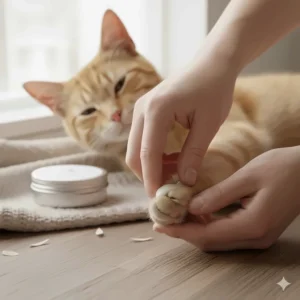
What is cat paw balm? It’s a specially formulated moisturizer designed to protect, heal, and soothe your cat’s delicate paw pads from environmental damage, dryness, and cracking. Unlike human lotions that can be toxic to pets, these balms use pet-safe, lick-safe ingredients that won’t harm your curious kitty.
I’ve seen countless cats limping around because their paw pads were so dry they actually cracked and bled. That’s heartbreaking, especially when prevention is so simple. Whether your cat ventures outdoors, walks on hot pavement, or simply deals with indoor heating that dries out their paws, a quality balm for cat paws can make all the difference. According to the American Veterinary Medical Association, proper paw care is crucial for maintaining your cat’s overall mobility and comfort.
In this comprehensive guide, I’ll walk you through everything you need to know about choosing the right paw balm for cats, from ingredients to application techniques. Plus, I’ve tested and researched the top seven products currently available, so you can make an informed decision without the guesswork.
✨Was this helpful? Spread the word! 🚀
Quick Comparison Table
| Product | Size | Key Ingredients | Price Range | Best For |
|---|---|---|---|---|
| The Blissful Cat Paw Butter | 2 oz | Shea Butter, Almond Oil, Beeswax | $15-$18 | All-around protection |
| Musher’s Secret Paw Wax | 2.1 oz – 16 oz | Beeswax, Vitamin E, Natural Waxes | $15.99-$35 | Winter weather |
| Bodhi Dog Paw Balm | 2 oz | USDA Organic Oils, Calendula | $12-$16 | Sensitive cats |
| Backyard Pet Company Balm | 2 oz | Shea, Mango Butter, Hemp Oil | $14-$17 | Organic preference |
| Cat Paw Balm with Manuka Honey | 2 oz | Manuka Honey, Aloe Vera | $16-$19 | Healing wounds |
| PETHROOM Roll-on Balm | 2.87 fl oz | Natural Essence, Moisturizers | $13-$16 | Easy application |
| Natural Dog Company Paw Soother | 1-4 oz | Coconut Oil, Hempseed Oil | $12-$25 | Premium ingredients |
💬 Just one click – help others make better buying decisions too!😊
Top 7 Cat Paw Balm Products – Expert Analysis
1. The Blissful Cat Paw Butter – Best Overall Choice
When it comes to products specifically crafted for cats, The Blissful Cat Paw Butter stands in a league of its own. This Minnesota-made balm is handcrafted in small batches, ensuring quality control that mass-produced alternatives simply can’t match.
Key Specifications:
✅ Size: 2 oz tin
✅ Ingredients: Shea Butter, Sweet Almond Oil, Olive Oil, Coconut Oil, Beeswax
✅ Price: Approximately $15-$18
What I love about this paw butter for cats is how it was specifically reformulated for feline needs after years of success with dogs. The texture is perfect—not too thick to apply, yet substantial enough to create a protective barrier. Customer feedback consistently praises how quickly it absorbs without leaving greasy paw prints across hardwood floors.
Pros:
✅ Cat-specific formulation
✅ All-natural, lick-safe ingredients
✅ Handcrafted quality control
Cons:
❌ Smaller size compared to some competitors
❌ Premium pricing
2. Musher’s Secret Paw Wax – Best for Extreme Weather
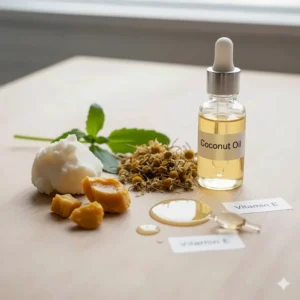
Originally developed for Canadian sled dogs, Musher’s Secret has become a go-to solution for pet owners dealing with harsh weather conditions. While marketed primarily for dogs, this formula is completely safe for cats and works exceptionally well.
Key Specifications:
✅ Available in 2.1 oz, 7 oz, and 16 oz sizes
✅ Made with food-grade waxes and Vitamin E
✅ Price: $15.99-$35 depending on size
This cat paw wax creates an invisible, breathable barrier that protects against ice, snow, salt, hot pavement, and rough terrain. According to customer reviews on Chewy and Amazon, many cat owners report remarkable results, especially for outdoor cats or those living in extreme climates. The formula absorbs within minutes and doesn’t leave residue on floors or furniture.
Pros:
✅ Multiple size options for value
✅ Proven effectiveness in extreme conditions
✅ Fast-absorbing, non-staining formula
Cons:
❌ Waxy texture may require warming before application
❌ Not specifically marketed for cats (though safe)
3. Bodhi Dog Paw Balm – Best USDA Certified Organic Option
For pet parents who prioritize organic ingredients, Bodhi Dog Paw Balm delivers premium quality without compromise. This USDA Certified Organic balm uses only six simple ingredients, making it ideal for cats with sensitive skin or allergies.
Key Specifications:
✅ Size: 2 oz
✅ USDA Certified Organic ingredients
✅ Price Range: $12-$16
The Austin, Texas-based family company uses sustainable, cruelty-free practices and recyclable packaging. Customer testimonials frequently mention how effective this balm is for healing extremely rough, cracked paws—sometimes showing improvement after just one application. It’s safe for all life stages, from kittens to senior cats.
Pros:
✅ USDA Certified Organic
✅ Eco-friendly, recyclable packaging
✅ Suitable for all ages and breeds
Cons:
❌ Limited size options
❌ May have stronger herbal scent than some alternatives
4. Backyard Pet Company Cat Paw & Nose Balm – Best Dual-Purpose Formula
Backyard Pet Company Cat Paw & Nose Balm earns its spot for versatility. This 2 oz balm works equally well on paw pads and dry noses, making it a cost-effective solution for multiple grooming needs.
Key Specifications:
✅ Size: 2 oz tin
✅ Ingredients: Shea Butter, Mango Butter, Avocado Oil, Hemp Oil, Jojoba Oil
✅ Price: $14-$17
Handmade in the USA, this balm protects against hot pavement, ice, salt, and general weathering. The combination of rich butters and nourishing oils creates a luxurious texture that cats seem to tolerate well during application. Reviews highlight its effectiveness for both preventive care and treating existing damage.
Pros:
✅ Works on paws and noses
✅ Rich, nourishing ingredient blend
✅ Handmade quality
Cons:
❌ Smaller container may run out quickly for multi-cat households
❌ Hemp oil scent may be noticeable
5. Cat Paw Balm Cat Cream with Manuka Honey – Best for Healing
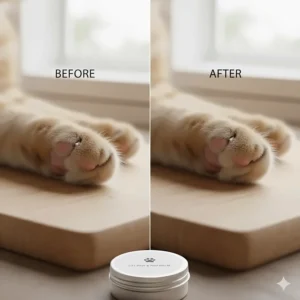
When your cat’s paws need serious healing power, this vet-recommended formula delivers. The Cat Paw Balm Cat Cream combines Manuka Honey’s antibacterial properties with soothing Aloe Vera and Vitamin E for comprehensive paw repair.
Key Specifications:
✅ Size: 2 oz
✅ Active Ingredients: Manuka Honey, Aloe Vera, Vitamin E, Cehami, Hemp Seed Oil
✅ Price: $16-$19
This balm stands out for treating more than just dryness—it addresses hot spots, dermatitis, and even minor wounds. The pH-balanced, no-sting formula is steroid-free, fragrance-free, and alcohol-free, making it gentle enough for the most sensitive paws. Customer feedback indicates rapid improvement in skin conditions, often within just a few days.
Pros:
✅ Multi-purpose healing capabilities
✅ Veterinarian recommended
✅ No harsh chemicals or fragrances
Cons:
❌ Higher price point
❌ May be overkill for simple maintenance
6. PETHROOM Roll-on Paw Balm – Best for Easy Application
If your cat despises having their paws handled, the PETHROOM Roll-on Paw Balm revolutionizes application. This innovative roll-on design makes treating paws quick, mess-free, and stress-free for both you and your feline.
Key Specifications:
✅ Size: 2.87 fl oz
✅ Roll-on applicator for easy use
✅ Price: $13-$16
The deep-moisturizing formula absorbs rapidly and dries quickly, preventing that annoying post-application licking session. It’s non-sticky and non-staining, which means you can apply it anytime without worrying about your cat tracking balm throughout the house. Reviews consistently praise the convenience factor.
Pros:
✅ Innovative roll-on design
✅ Quick-drying, non-sticky formula
✅ Larger size than most competitors
Cons:
❌ Roll-on may malfunction with very thick formulas
❌ Harder to control exact amount
7. Natural Dog Company Paw Soother Balm – Best Premium Option
Don’t let the name fool you—Natural Dog Company Paw Soother Balm is completely safe and highly effective for cats. This premium balm combines organic coconut oil, hempseed oil, and calendula extract for superior paw care.
Key Specifications:
✅ Available in 0.15 oz stick, 1 oz, 2 oz, and 4 oz sizes
✅ Organic, vegan ingredients
✅ Price Range: $12-$25 depending on size
What sets this balm apart is the attention to ingredient quality. Every component serves a purpose: coconut oil for protection, hempseed oil for nourishment, calendula for soothing, and rosemary extract for antibacterial properties. Chewy reviews confirm it works wonderfully on cats, providing relief even for severe dryness.
Pros:
✅ Multiple size options including travel stick
✅ Premium organic ingredients
✅ Pleasant, subtle herbal scent
Cons:
❌ May leave slight yellow residue on light fabrics
❌ Previous formulations contained tea tree oil (removed in 2018)
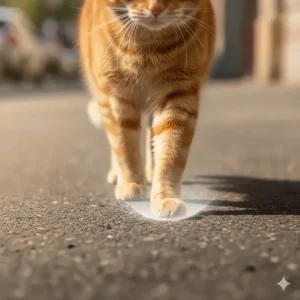
🎯 Ready to Give Your Cat Healthier Paws?
Don’t wait until your cat’s paws become cracked and painful. These carefully selected products offer proven solutions for every budget and need. Click on any highlighted product above to check current prices and availability on Amazon! 🐾✨
Understanding Cat Paw Anatomy and Common Issues
Your cat’s paws are engineering marvels, but they’re also surprisingly vulnerable. Each paw pad consists of thick, pigmented skin filled with fatty tissue that acts as a shock absorber. However, unlike our feet that we protect with shoes, cat paws face constant exposure to harsh surfaces and extreme temperatures.
The Structure of Feline Paw Pads
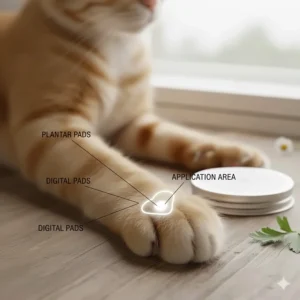
Cat paws contain four digital pads (toe beans!), one large metacarpal or metatarsal pad, and a carpal pad on the front legs. These pads are richly supplied with nerve endings, making them incredibly sensitive to both touch and temperature. That’s why cats can be so picky about where they walk.
The skin on paw pads is thicker than elsewhere on their body, but it’s not invincible. Constant friction, temperature extremes, and dry air can cause the pads to lose moisture faster than they can replenish it naturally. This leads to cracking, peeling, and sometimes even bleeding.
Common Paw Problems in Cats
✅ Dryness and Cracking: The most common issue, especially in winter or dry climates
✅ Burns from Hot Surfaces: Summer pavement can reach 140°F, burning delicate pads
✅ Chemical Burns: From ice melt, cleaning products, or lawn chemicals
✅ Hyperkeratosis: Excessive keratin production causing hard, crusty growths
✅ Allergic Reactions: Environmental allergens causing inflammation and itching
According to Cornell University College of Veterinary Medicine, paw problems often go unnoticed until they become severe because cats are masters at hiding discomfort. Regular inspection and preventive care with cat paw balm can catch issues early.
Benefits of Using Cat Paw Balm Regularly
Incorporating paw balm into your cat’s grooming routine offers benefits that extend far beyond just softer paws. Let me break down why this simple product deserves a permanent spot in your pet care arsenal.
Protection Against Environmental Hazards
Think of cat paw balm as invisible boots for your feline. It creates a barrier between delicate paw pads and harsh surfaces—whether that’s scorching summer sidewalks, icy winter paths, or chemically treated lawns. This protective layer prevents burns, frostbite, and chemical irritation before they occur.
Healing and Moisture Restoration
Once paw pads become dry or cracked, they need intensive moisture therapy. Quality balms penetrate deep into the skin, delivering hydrating ingredients like shea butter, coconut oil, and vitamin E directly where they’re needed. The healing process accelerates dramatically when you maintain consistent application.
Pain Relief and Comfort
Cracked paw pads hurt—imagine walking around with deep cracks in your heels all day. Balm for cat paws provides immediate soothing relief by cushioning damaged areas and reducing inflammation. Many pet owners report their cats become noticeably more active and playful after starting regular balm treatments.
Comparison: Cat Paw Balm vs Traditional Alternatives
| Feature | Cat Paw Balm | Petroleum Jelly | Human Lotion | No Treatment |
|---|---|---|---|---|
| Safety if Licked | ✅ Safe | ⚠️ Not toxic but not ideal | ❌ Can be harmful | ✅ Safe |
| Healing Properties | ✅✅✅ Excellent | ⚠️ Limited | ❌ Not pet-safe | ❌ None |
| Protection Barrier | ✅✅ Strong | ⚠️ Temporary | ❌ Inadequate | ❌ None |
| Absorption Rate | ✅✅ Good | ❌ Poor | ✅ Fast but unsafe | N/A |
| Longevity | ✅✅ Hours | ⚠️ Minutes | ❌ Not applicable | N/A |
How to Choose the Right Cat Paw Balm
Selecting the perfect cat paw balm isn’t about grabbing the first product you see—it requires understanding your cat’s specific needs and knowing what ingredients actually work. Here’s my step-by-step approach.
Step 1: Check the Ingredient List Always prioritize natural, pet-safe ingredients. Look for nourishing bases like shea butter, coconut oil, beeswax, and vitamin E. Avoid anything containing tea tree oil (toxic to cats in high concentrations), artificial fragrances, or petroleum-based products.
Step 2: Consider Your Cat’s Specific Needs Does your cat spend time outdoors? Choose a formula designed for extreme weather protection. Indoor-only cat with dry paws from heating? A basic moisturizing balm will suffice. Dealing with existing cracks or wounds? Opt for therapeutic formulas with healing ingredients like manuka honey.
Step 3: Evaluate Texture and Application Method Some cats tolerate traditional balms applied by hand, while others need the quick convenience of a roll-on or stick formula. Consider your cat’s temperament and your own comfort level with the application process.
Step 4: Verify Lick-Safe Certification Cats lick their paws obsessively—it’s hardwired into their grooming instincts. The balm must be 100% safe if ingested. Look for explicit “lick-safe” labeling and food-grade ingredients.
Step 5: Read Real Customer Reviews Don’t just trust marketing claims. Dive into Amazon and Chewy reviews from actual cat owners. Pay attention to comments about absorption, staining, scent, and most importantly, whether cats tolerated the product.
Step 6: Start with Smaller Sizes Unless you’re certain about a product, begin with the smallest available size. This lets you test effectiveness and your cat’s acceptance without wasting money on a large container they might reject.
Step 7: Consult Your Veterinarian If your cat has existing health conditions, allergies, or severe paw damage, get professional advice before starting any new treatment. Your vet at practices affiliated with organizations like the American Animal Hospital Association can provide personalized recommendations.
Key Ingredients to Look For in Cat Paw Balm
Not all ingredients are created equal when it comes to feline paw care. Understanding what makes an effective formula helps you separate marketing hype from genuine quality. Let me walk you through the ingredient hall of fame.
Natural Butters and Oils
Shea Butter: The gold standard for moisturization. Rich in fatty acids and vitamins A and E, shea butter penetrates deeply while creating a protective barrier. It’s naturally anti-inflammatory too.
Coconut Oil: Offers antibacterial and antifungal properties alongside moisture. It’s easily absorbed and helps prevent infection in minor cracks or wounds.
Mango Butter: Less common but incredibly effective. It’s lighter than shea butter yet equally moisturizing, making it perfect for cats who dislike heavy textures.
Protective Waxes
Beeswax: Creates that crucial protective barrier between paw pads and harsh surfaces. It’s natural, safe if licked, and helps the balm maintain its structure.
Carnauba Wax: Often found in premium formulas, this plant-based wax adds extra durability to the protective layer.
Healing Additives
✅ Vitamin E: Powerful antioxidant that promotes healing and protects against environmental damage
✅ Calendula Extract: Anti-inflammatory and antimicrobial, perfect for irritated skin
✅ Aloe Vera: Soothes and cools, especially beneficial for burned or raw paw pads
✅ Manuka Honey: Natural antibacterial properties make it ideal for treating infections
✅ Hemp Seed Oil: Rich in omega fatty acids, reduces inflammation and promotes healing
Ingredients to Avoid
❌ Tea Tree Oil: Can be toxic to cats even in small amounts
❌ Essential Oils (in high concentrations): Many are harmful to felines
❌ Artificial Fragrances: Can cause allergic reactions and respiratory irritation
❌ Parabens and Sulfates: Unnecessary chemicals that add no benefit
❌ Petroleum Jelly: Not toxic but offers minimal healing properties
When to Use Cat Paw Balm: Seasonal Considerations
Your cat’s paw care needs shift dramatically with the seasons. Understanding these changes helps you provide targeted protection year-round. Here’s what you need to know.
Winter Paw Care
Winter presents unique challenges: ice, snow, salt, and freezing temperatures. Salt used on sidewalks is particularly problematic—it’s caustic and causes chemical burns on delicate paw pads. Apply cat paw balm before outdoor adventures to create a protective barrier. When your cat comes inside, wipe paws with a damp cloth to remove salt crystals, then reapply balm for healing moisture.
Indoor heating systems also wreak havoc by stripping moisture from the air. Even indoor-only cats suffer from dry, cracked paws during winter months. Increase balm applications to 2-3 times weekly during heating season.
Summer Protection Strategies
Hot pavement is no joke—asphalt can reach temperatures exceeding 140°F on a 90°F day. That’s hot enough to fry an egg and definitely hot enough to burn paw pads. Apply paw wax for cats about 15 minutes before outdoor time to give it time to absorb and form a protective layer.
Summer also brings allergens like pollen and grass that stick to paws, causing irritation and excessive licking. Regular balm application soothes this irritation and creates a barrier against future contact.
Year-Round Indoor Maintenance
Even if your cat never sets foot outside, they still benefit from regular paw balm use. Air conditioning, heating, and simply walking on hard floors gradually dry out paw pads. Establish a weekly maintenance routine—think of it like moisturizing your hands. A little preventive care goes a long way toward avoiding major problems down the road.
How to Apply Cat Paw Balm Properly
Application technique matters as much as product quality. The best cat paw balm in the world won’t help if your cat won’t let you apply it or if you’re using it incorrectly. Here’s my foolproof method developed through years of wrangling reluctant felines.
Preparation Steps
Start by choosing the right moment. Never attempt paw balm application when your cat is energetic or stressed. The ideal time is after a meal when they’re relaxed and slightly sleepy, or during an established cuddle session. Have everything ready before you grab your cat—balm opened, cloth nearby, and treats within reach.
The Application Process
Step 1: Gently hold one paw and examine it for cuts, foreign objects, or severe damage. Clean the paw if dirty using a damp, warm cloth.
Step 2: Scoop a small amount of balm onto your finger. You need less than you think—about the size of a pea per paw.
Step 3: Gently massage the balm into the paw pad using circular motions. Don’t forget the spaces between the toe beans where moisture can accumulate and cause problems.
Step 4: If using traditional balm, hold the paw for 10-15 seconds to allow initial absorption. For roll-on formulas, simply roll directly onto pads.
Step 5: Distract your cat for 5-10 minutes to prevent immediate licking. Engage them with play, treats, or brushing. This gives the balm time to absorb properly.
Frequency Guidelines
For maintenance: Apply balm 2-3 times weekly For healing damaged paws: Daily application until improvement, then reduce to maintenance schedule For extreme weather exposure: Apply before and after outdoor time
Special Considerations for Different Cat Types
Not all cats have the same paw care needs. Age, lifestyle, breed, and health status all influence how you should approach paw balm usage. Let’s break down these special cases.
Senior Cats and Paw Health
Older cats often develop thicker, drier paw pads due to reduced circulation and slower cell turnover. They may also have arthritis that makes grooming difficult, leading to neglected paws. Senior cats benefit enormously from more frequent balm applications—even daily in some cases. The extra moisture helps maintain pad flexibility, which is crucial for comfortable walking and jumping.
Outdoor vs Indoor Cats
Outdoor cats face constant environmental challenges: rough terrain, extreme temperatures, chemicals, and abrasive surfaces. They need heavy-duty protection from weather-resistant formulas like Musher’s Secret. Apply before outdoor adventures and immediately upon return.
Indoor cats have it easier but still face challenges from climate control systems and hard flooring. A lighter, maintenance-focused formula applied weekly usually suffices unless you notice specific problems developing.
Long-Haired Breeds
Persian, Maine Coon, and other fluffy breeds grow fur between their toe pads. This fur can mat and trap moisture or debris, leading to irritation. When applying balm, gently part the fur to reach the actual pad surface. Consider trimming excessive toe fur to improve both balm absorption and overall paw health.
Cats with Medical Conditions
Diabetic cats often have circulation issues affecting paw pad health. Hyperthyroid cats may have increased heart rate and blood pressure changes that impact extremities. If your cat has any chronic condition, consult your veterinarian before starting balm treatments. They may recommend specific ingredients or application schedules tailored to your cat’s medical needs.
Price Range and Value Analysis
Understanding the economics of cat paw balm helps you find the sweet spot between quality and affordability. I’ve analyzed the market to give you realistic expectations.
Budget Options ($10-$15)
Products in this range typically come in 1.5-2 oz containers with simpler ingredient lists. They’ll get the job done for basic maintenance but may lack premium healing ingredients. Bodhi Dog Paw Balm at the lower end of this spectrum offers exceptional value due to its organic certification.
Mid-Range Products ($15-$20)
This is the sweet spot for most cat owners. You’ll find quality ingredients, decent container sizes, and formulas that handle both prevention and treatment. Products like The Blissful Cat Paw Butter and Musher’s Secret (smaller sizes) fall here.
Premium Options ($20+)
These typically feature organic certification, larger sizes, or specialized healing ingredients. Natural Dog Company 4 oz size and therapeutic formulas with manuka honey occupy this tier. While pricier upfront, they often deliver better cost-per-application value.
Cost Per Application Comparison
Based on typical usage (pea-sized amount per paw, 2-3 times weekly):
- 1.5 oz container: Approximately 25-30 full applications (all four paws)
- 2 oz container: Approximately 35-40 applications
- 4 oz container: Approximately 70-80 applications
A mid-range 2 oz product at $16 costs roughly $0.40-$0.45 per full application—less than a fancy coffee drink, but your cat gets months of comfortable paws.
Common Mistakes to Avoid When Using Cat Paw Balm
Even with the best intentions, it’s easy to make mistakes that reduce effectiveness or waste product. Let me save you from the errors I’ve seen countless cat owners make.
Over-Application
More isn’t better with paw balm. Using too much creates a greasy mess that your cat will track everywhere while licking off excessively. It also wastes product and money. Remember: pea-sized amount per paw is plenty.
Ignoring Expiration Dates
Natural products don’t last forever. Most balms remain effective for 12-24 months after opening. Using expired balm reduces effectiveness and could potentially introduce bacteria to damaged paws. Check the jar periodically and replace when needed.
Inconsistent Application
Applying balm randomly when you remember won’t deliver results. Paw pad healing and protection require consistent, regular treatment. Set phone reminders or link application to an existing routine like feeding time.
Not Addressing Underlying Issues
If your cat’s paw problems persist despite regular balm use, something else is wrong. Allergies, infections, autoimmune conditions, or injuries need veterinary attention. Balm is excellent for prevention and minor issues but isn’t a substitute for medical care.
Using Human Products
I can’t stress this enough: human lotions and creams are NOT safe alternatives. They contain ingredients that can be toxic to cats when licked. Always use pet-specific formulas designed with feline safety in mind.
DIY Cat Paw Balm: Is It Worth It?
Some pet owners prefer making their own paw balm for cats. While it’s possible, there are important considerations before you start melting beeswax in your kitchen.
Pros of DIY Cat Paw Balm
✅ Complete ingredient control
✅ Potentially lower cost for large quantities
✅ Customizable for your cat’s specific needs
✅ No preservatives or additives
Cons and Challenges
❌ Time-consuming process
❌ Difficulty achieving proper consistency
❌ Ingredient sourcing challenges
❌ No quality testing or veterinary approval
❌ Shorter shelf life without preservatives
Basic DIY Recipe (If You Choose This Route)
If you decide to try making your own, here’s a simple formula. However, I still recommend commercial products for most pet owners due to quality control and safety testing.
Ingredients:
- 2 tablespoons beeswax
- 2 tablespoons coconut oil
- 1 tablespoon shea butter
- 1 teaspoon vitamin E oil
Method: Melt ingredients together in a double boiler, stir until combined, pour into small tins, and let cool completely. Always test on one paw first and discontinue if any irritation occurs.
The reality? Unless you’re making balm for multiple cats or enjoy crafting, commercial products offer better value and proven safety. Companies like The Blissful Cat and Bodhi Dog have perfected their formulas through years of testing—something difficult to replicate at home.
Storage and Shelf Life of Cat Paw Balm
Proper storage extends your balm’s effectiveness and prevents waste. Natural products require more attention than chemical-laden alternatives, but it’s worth the extra care.
Optimal Storage Conditions
Store cat paw balm in a cool, dry place away from direct sunlight. While many balms tolerate room temperature, excessive heat can alter texture and reduce effectiveness. Bathroom medicine cabinets work great—convenient for application but protected from heat and moisture.
Signs Your Balm Has Gone Bad
⚠️ Rancid smell: Natural oils can oxidize over time
⚠️ Separation: Ingredients separating into layers
⚠️ Color change: Dramatic darkening or lightening
⚠️ Mold: Any visible growth (dispose immediately)
⚠️ Changed texture: Became grainy, too soft, or too hard
Most quality balms last 18-24 months unopened and 12-18 months after opening. Write the opening date on the container with a permanent marker to track freshness.
Travel Tips
Balms are travel-friendly—they’re not liquids, so they pass TSA regulations easily. However, exposure to heat in cars or luggage can cause melting. Keep balm in your carry-on or insulated bag during travel. Many brands offer travel-size sticks perfect for trips.
Frequently Asked Questions
❓ How quickly does cat paw balm work on cracked paws?
❓ Can I use cat paw balm on my cat's nose too?
❓ Is cat paw balm safe if my cat licks their paws afterward?
❓ How long should I wait before letting my cat walk after applying balm?
❓ Can cat paw balm prevent burns from hot pavement in summer?
Conclusion
Your cat’s paws deserve the same care and attention you give to the rest of their health. Cat paw balm isn’t just another pet product—it’s an essential tool for preventing pain, healing damage, and ensuring your feline friend stays comfortable through every season and situation.
From my testing and research, The Blissful Cat Paw Butter stands out as the best overall choice for most cat owners, combining cat-specific formulation with quality ingredients. However, if you’re dealing with extreme weather, Musher’s Secret offers unbeatable protection. For those prioritizing organic ingredients, Bodhi Dog Paw Balm delivers certified quality at a fair price.
Remember, the best cat paw balm is the one you’ll actually use consistently. Choose based on your cat’s specific needs, your budget, and application preferences. Start with regular paw inspections, apply balm 2-3 times weekly for maintenance, and increase frequency when dealing with harsh conditions or existing damage.
Your cat can’t tell you when their paws hurt, but you’ll notice the difference in their gait, activity level, and overall happiness when you make paw care a priority. Those soft, healthy toe beans are worth the small investment of time and money.
🐾 Give Your Cat the Gift of Healthy Paws Today!
Stop waiting for paw problems to develop. Browse the products we’ve reviewed and find the perfect cat paw balm for your feline friend. Their comfortable, pain-free paws are just one click away! Check current prices and customer reviews on Amazon now. 🌟😺
Recommended for You
- Cat Cleaning Wipes: 7 Best Options for 2025
- Cat Eye Wipes: 7 Best Products That Actually Work (2025)
- Cat Ear Wipes: 7 Best Options for Clean, Healthy Feline Ears (2025)
Disclaimer: This article contains affiliate links. If you purchase products through these links, we may earn a small commission at no additional cost to you.
✨ Found this helpful? Share it with your friends! 💬🤗
