
Table of Contents
You know that moment when you’re standing in the pet food aisle, completely overwhelmed by the sheer number of options? I’ve been there countless times. Choosing the right cat and kitten food isn’t just about grabbing the prettiest package or the cheapest option—it’s about understanding what your feline friend actually needs to thrive. Whether you’re a new cat parent or a seasoned pro looking to upgrade your pet’s nutrition, this comprehensive guide will walk you through everything you need to know about selecting, storing, and serving the best food for cats and kittens.
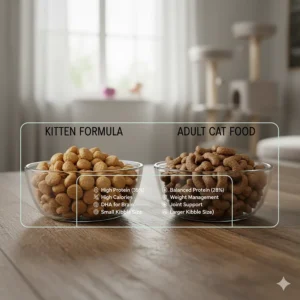
Let me share something that transformed how I approach feline nutrition: not all cat and kitten food is created equal. In fact, the differences between kitten formulas and adult cat food can significantly impact your pet’s health trajectory. Throughout this article, we’ll explore the science behind optimal feline nutrition, review top-quality products available on Amazon, and provide you with actionable strategies to ensure your furry companion gets the nutrients they deserve.
✨Was this helpful? Spread the word! 🚀
Understanding the Nutritional Needs of Cats and Kittens 🐱
Cats are obligate carnivores, which means their bodies are designed to thrive on meat-based diets. Unlike dogs or humans, felines have specific nutritional requirements that must be met through their food. When we talk about cat and kitten food, we’re really discussing two distinct nutritional profiles tailored to different life stages.
Kittens require significantly higher levels of protein, fat, and calories compared to adult cats. During their first year of life, kittens experience rapid growth—their bodies are literally building muscles, bones, and organs at an extraordinary rate. Research published by the American Association of Feline Practitioners indicates that kittens need approximately 30% protein and 9% fat in their diet, compared to adult cats who require about 26% protein and 9% fat. This might seem like a small difference, but it’s crucial for proper development.
The distinction between food for cats and food for kittens extends beyond just protein levels. Kitten formulas contain elevated amounts of DHA (docosahexaenoic acid), an omega-3 fatty acid essential for brain and eye development. They also include higher concentrations of calcium and phosphorus to support bone growth. However, feeding an adult cat exclusively kitten food can lead to obesity and nutritional imbalances, while feeding kittens adult cat food may result in developmental issues and stunted growth.
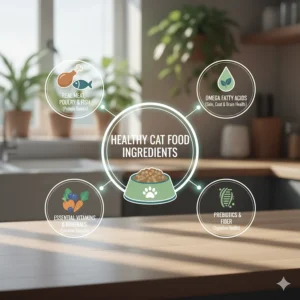
Essential nutrients that both cats and kittens require include taurine (an amino acid crucial for heart and eye health), arachidonic acid (an essential fatty acid), vitamin A, and niacin. Cats cannot synthesize these nutrients on their own, making their dietary intake absolutely critical. When evaluating cat and kitten food options, always check that these nutrients are present in adequate amounts.
The Science Behind Feline Digestion
Understanding how cats process food helps explain why certain ingredients work better than others. Cats have a shorter digestive tract compared to omnivores, optimized for processing protein and fat rather than carbohydrates. Their bodies produce limited amounts of amylase, the enzyme responsible for breaking down starches, which is why high-carbohydrate diets can cause digestive upset and weight gain in felines.
Moreover, cats have unique taste receptors—they cannot taste sweetness but are highly sensitive to amino acids found in meat. This biological adaptation makes them naturally drawn to protein-rich foods. When manufacturers create quality cat and kitten food, they leverage this natural preference while ensuring complete nutritional balance.
The feline metabolism also requires consistent protein intake to maintain muscle mass and energy levels. Unlike dogs, cats cannot adapt to lower-protein diets without losing lean body mass. This is why even adult cat food maintains relatively high protein levels compared to dog food. For kittens, this requirement intensifies as their bodies demand extra protein for growth in addition to maintenance needs.
Comparing Different Types of Cat and Kitten Food 🍽️
The market offers several formats of food for cats and kittens, each with distinct advantages and potential drawbacks. Understanding these differences empowers you to make informed decisions based on your cat’s specific needs, lifestyle, and health conditions.
Dry Food (Kibble)
Dry cat and kitten food represents the most economical and convenient option for many pet owners. Kibble typically contains around 10% moisture and can be left out for extended periods without spoiling, making it ideal for free-feeding schedules. The crunchy texture may also provide minimal dental benefits by reducing plaque buildup, though this effect is often overstated in marketing materials.
However, the low moisture content presents a significant concern. Cats evolved in desert environments and have a naturally low thirst drive, often not drinking enough water to compensate for dry food’s lack of moisture. This can contribute to urinary tract issues, kidney problems, and chronic dehydration over time. Many veterinarians recommend supplementing dry food with wet options or ensuring constant access to fresh water sources.
Premium dry cat and kitten food brands have addressed some of these concerns by improving formulations. Look for products listing real meat as the first ingredient, avoiding excessive grain fillers, and incorporating prebiotics for digestive health. The best dry kitten food will also include elevated fat and calorie content to support energetic young felines.
Wet Food (Canned)
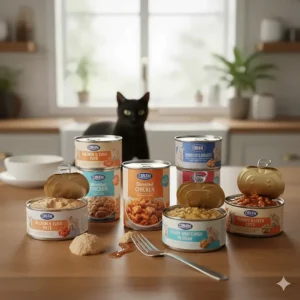
Canned cat and kitten food typically contains 75-85% moisture, closely mimicking the water content of natural prey. This high moisture level supports hydration, kidney function, and urinary tract health—particularly important for cats prone to crystal formation or urinary blockages. Wet food also tends to be more palatable, making it an excellent choice for picky eaters or cats with dental issues.
The primary drawbacks of wet food include higher cost per feeding, shorter shelf life once opened, and the potential for dental tartar buildup if used exclusively. Many cat nutritionists recommend a combination approach, incorporating both wet and dry food for cats and kittens to balance the benefits of each format.
Quality wet cat and kitten food should feature whole protein sources as primary ingredients, limited carbohydrate fillers, and no artificial colors or flavors. For kittens specifically, look for formulas with added DHA and increased calorie density to fuel their rapid growth and boundless energy.
Raw and Freeze-Dried Options
Raw and freeze-dried cat and kitten food represents a growing segment that aims to replicate ancestral diets more closely. Proponents argue these formats preserve natural enzymes and nutrients that may be degraded during traditional cooking processes. Freeze-dried options offer the nutritional benefits of raw food with improved safety and convenience.
However, raw diets carry risks including bacterial contamination (Salmonella, E. coli), nutritional imbalances if not properly formulated, and potential transmission of parasites. The American Veterinary Medical Association recommends against feeding raw meat due to these safety concerns, though many pet owners successfully navigate these challenges with commercial raw products that undergo high-pressure processing.
If you’re considering raw food for cats and kittens, consult with a veterinary nutritionist first. These specialists can evaluate your cat’s specific needs and recommend appropriate products or recipes. Never feed homemade raw diets without professional guidance, as nutritional deficiencies can develop quickly in growing kittens.
Top Product Reviews: Best Cat and Kitten Food Available on Amazon 🏆
After extensive research and analysis of customer reviews, veterinary recommendations, and nutritional profiles, I’ve identified seven exceptional products that represent the best cat and kitten food options currently available. These selections span various price points, formats, and special considerations to suit different feline needs.
1. Purina Pro Plan Complete Essentials Kitten Formula
The Purina Pro Plan Complete Essentials Kitten Formula stands out as a veterinarian-recommended option that delivers complete nutrition for growing kittens. This dry cat and kitten food features real chicken as the primary ingredient, providing 40% protein to support muscle development and immune function. The formula includes DHA from omega-rich fish oil for brain and vision development, plus antioxidants to strengthen developing immune systems.
Priced around $25-35 for an 7-pound bag, this product offers excellent value for budget-conscious cat owners without compromising quality. Customer reviews consistently praise palatability, with even finicky kittens eagerly consuming this formula. The kibble size is appropriately small for kitten mouths, and the crunchy texture appeals to their natural chewing instincts.
The Purina Pro Plan brand maintains rigorous quality control standards and employs board-certified veterinary nutritionists in formula development. Their manufacturing facilities conduct over 100,000 quality checks annually, providing peace of mind regarding safety and consistency. This product meets AAFCO (Association of American Feed Control Officials) standards for kitten growth and development.
2. Royal Canin Feline Health Nutrition Kitten Dry Food
For those seeking premium cat and kitten food backed by extensive research, the Royal Canin Feline Health Nutrition Kitten Dry Food represents the gold standard. This formula is specifically designed for kittens aged 4 months to 1 year, featuring an exclusive antioxidant complex including vitamin E to support immune system development during this critical growth phase.
The product’s unique kibble shape and texture are engineered to accommodate kitten jaw structure and encourage proper chewing. At approximately $45-55 for a 7-pound bag, Royal Canin positions itself in the premium segment, but the investment reflects sophisticated nutritional science and proven results. Veterinarians frequently recommend this brand for its consistent quality and research-backed formulations.
Customer feedback highlights noticeable improvements in coat quality, energy levels, and digestive health after switching to this cat and kitten food. The formula includes highly digestible proteins and prebiotics that promote beneficial intestinal flora, reducing litter box odors and supporting optimal nutrient absorption. Royal Canin’s commitment to palatability research ensures even selective eaters accept this food readily.
3. Hill’s Science Diet Dry Kitten Food
The Hill’s Science Diet Dry Kitten Food offers scientifically formulated nutrition from a brand trusted by veterinarians worldwide. This food for cats and kittens features high-quality protein for building lean muscles, DHA from fish oil for healthy brain and eye development, and balanced minerals for strong bones and teeth. The formula specifically supports immune health with clinically proven antioxidants.
Typically priced at $30-40 for a 7-pound bag, Hill’s Science Diet provides mid-range pricing with premium nutritional value. The brand conducts extensive feeding trials to ensure not just nutritional adequacy but also real-world palatability and digestibility. Their quality standards rival pharmaceutical-grade production, with every ingredient sourced from trusted suppliers and tested multiple times.
What distinguishes this cat and kitten food is Hill’s commitment to sustainability and transparency. They publish detailed nutritional information and ingredient sourcing practices on their website, allowing informed consumers to understand exactly what they’re feeding their pets. Customer reviews frequently mention improved stool quality and sustained energy levels in kittens consuming this formula.
4. Wellness CORE Grain-Free Kitten Formula
For pet owners seeking grain-free cat and kitten food, the Wellness CORE Grain-Free Kitten Formula delivers premium protein-focused nutrition without corn, wheat, or soy. This dry food features deboned turkey as the first ingredient, complemented by turkey meal, chicken meal, and salmon meal to provide 45% protein—among the highest protein levels in commercial kitten formulas.
Priced around $35-45 for a 5-pound bag, Wellness CORE targets consumers prioritizing natural ingredients and high protein content. The formula includes probiotics for digestive support, omega fatty acids for skin and coat health, and antioxidants for immune system development. Many cat owners report shinier coats and increased playfulness after transitioning to this food for cats and kittens.
The grain-free aspect appeals to those concerned about potential grain sensitivities, though it’s worth noting that true grain allergies in cats are relatively rare. However, the formula’s emphasis on animal protein sources aligns well with feline carnivorous biology. Customer feedback particularly praises the product’s impact on energetic kittens, with many noting sustained activity levels and healthy weight maintenance.
5. Blue Buffalo Wilderness Kitten Chicken Recipe
The Blue Buffalo Wilderness Kitten Chicken Recipe embraces a protein-rich, grain-free approach to cat and kitten food. This formula features real chicken as the #1 ingredient, supplemented with chicken meal and fish meal to deliver 40% protein. The inclusion of Blue Buffalo’s proprietary LifeSource Bits—cold-formed kibbles loaded with antioxidants, vitamins, and minerals—adds an extra nutritional dimension.
At approximately $30-40 for a 5-pound bag, Blue Buffalo Wilderness occupies the mid-to-premium price range. The brand markets itself as inspired by the diet of wild cats, emphasizing meat content while excluding chicken by-product meals, corn, wheat, and soy. Customer reviews appreciate the dual-texture kibble system, which many cats find engaging and palatable.
This food for cats and kittens includes DHA and ARA (arachidonic acid) for cognitive development and retinal health, plus taurine for heart and eye function. The formula’s high protein and moderate fat content supports lean muscle development while maintaining appropriate calorie levels for growing kittens. Some owners report that picky eaters who rejected other brands readily accept this cat and kitten food.
6. Purina Fancy Feast Kitten Wet Food Variety Pack
Transitioning to wet options, the Purina Fancy Feast Kitten Wet Food Variety Pack offers affordable, palatable nutrition for growing felines. This collection typically includes 24 3-ounce cans featuring flavors like chicken, turkey, and ocean whitefish in tender, bite-sized pieces. The high moisture content (approximately 78%) supports hydration while delivering complete nutrition for kittens up to one year old.
Priced at just $15-20 for a 24-can variety pack, Purina Fancy Feast provides exceptional value for wet cat and kitten food. The small can size minimizes waste, as most kittens will consume an entire 3-ounce serving in one sitting. Customer reviews consistently praise the product’s palatability, with many noting that their kittens eagerly anticipate mealtimes when this food is served.
The formula includes essential vitamins and minerals tailored to kitten needs, plus real seafood or poultry as primary protein sources. While not as protein-dense as some premium options, this food for cats and kittens meets AAFCO nutritional standards and provides a budget-friendly entry point into wet food feeding. Many veterinarians recommend mixing wet and dry formulas, making this an excellent complementary option to premium dry kibble.
7. Tiki Cat Born Carnivore Chicken & Egg Kitten Food
For those seeking ultra-premium wet cat and kitten food, the Tiki Cat Born Carnivore Chicken & Egg Kitten Food represents the pinnacle of quality. This grain-free, high-protein formula features shredded chicken as the first ingredient, supplemented with whole egg for additional protein and healthy fats. The recipe contains no meals, by-products, or artificial ingredients—just whole food nutrition.
At approximately $30-35 for twelve 2.8-ounce cans, Tiki Cat Born Carnivore occupies the premium price tier. However, the investment reflects exceptional ingredient quality and species-appropriate nutrition. The formula delivers 18% minimum protein on an as-fed basis (significantly higher on a dry matter basis), plus natural vitamins and minerals from whole food sources rather than synthetic supplements.
Customer reviews frequently describe this cat and kitten food as “human-grade quality,” with visible chunks of real chicken and a pleasant aroma. Many owners report that cats and kittens who previously rejected wet food enthusiastically consume this formula. The high moisture content (approximately 82%) provides excellent hydration support, particularly beneficial for kittens who may not drink sufficient water independently.
🎯 Don’t Miss These Top Picks for Your Feline Friend!
Ready to upgrade your cat’s nutrition? These carefully selected products represent the best cat and kitten food available on Amazon today. Click on any product above to check current pricing, read verified customer reviews, and take advantage of Subscribe & Save discounts. Your kitten deserves premium nutrition during their crucial growth phase—invest in their health today! 🐾✨
Quick Comparison: Top Cat and Kitten Food Products
| Product | Type | Protein % | Price Range | Best For | Special Features |
|---|---|---|---|---|---|
| Purina Pro Plan Complete Essentials | Dry | 40% | $25-35/7lb | Budget-conscious owners | DHA for brain development |
| Royal Canin Feline Health Nutrition | Dry | 34% | $45-55/7lb | Premium seekers | Custom kibble shape |
| Hill’s Science Diet | Dry | 37% | $30-40/7lb | Science-backed nutrition | Clinically proven antioxidants |
| Wellness CORE Grain-Free | Dry | 45% | $35-45/5lb | High-protein preference | Probiotic support |
| Blue Buffalo Wilderness | Dry | 40% | $30-40/5lb | Natural ingredients focus | LifeSource Bits |
| Purina Fancy Feast Variety Pack | Wet | 11% (as-fed) | $15-20/24 cans | Budget wet food option | High palatability |
| Tiki Cat Born Carnivore | Wet | 18% (as-fed) | $30-35/12 cans | Premium wet food | Whole food ingredients |
💬 Just one click – help others make better buying decisions too!😊
Feeding Guidelines: How Much Cat and Kitten Food to Serve 📏
Determining appropriate portion sizes for cat and kitten food represents one of the most common challenges pet owners face. Overfeeding contributes to obesity—a growing epidemic affecting over 60% of domestic cats according to the Association for Pet Obesity Prevention. Conversely, underfeeding kittens can result in developmental delays and weakened immune systems.
Kitten Feeding Schedule (Birth to 12 Months)
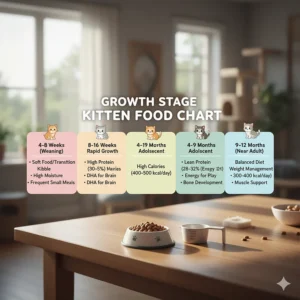
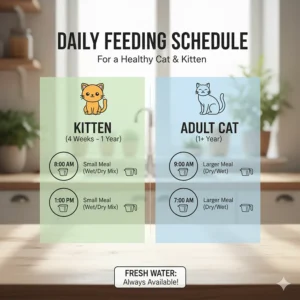
Kittens require more frequent meals than adult cats due to their smaller stomach capacity and higher energy needs. From weaning (around 4 weeks) through 12 weeks of age, kittens should receive food for cats and kittens at least four times daily. Their rapid growth demands constant nutrient availability, and their developing digestive systems handle small, frequent meals more efficiently than large, infrequent portions.
Between 3-6 months, you can gradually transition to three meals per day. Most kittens self-regulate intake during this phase, eating until satisfied then walking away. However, monitor body condition carefully—you should be able to feel ribs easily without seeing them prominently. A healthy kitten has a slight waist when viewed from above and a small belly when viewed from the side.
From 6-12 months, reduce to two meals daily, maintaining consistent feeding times to establish routine. The exact amount of cat and kitten food varies based on formula, activity level, and individual metabolism. Generally, kittens consume 2-4 times more calories per pound of body weight compared to adult cats. Always follow package guidelines as a starting point, then adjust based on body condition assessment.
Adult Cat Maintenance (12 Months and Beyond)
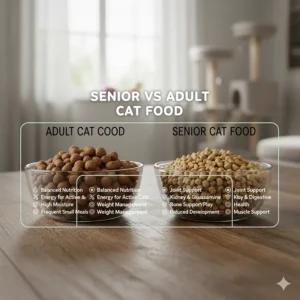
Once cats reach physical maturity around 12 months (18 months for large breeds like Maine Coons), transition to adult cat food rather than continuing kitten formulas. Adult cats typically thrive on two meals per day, though some do well with free-choice dry food supplemented by scheduled wet meals. The key is consistency and portion control rather than any specific feeding schedule.
Calculate daily caloric needs using body weight and activity level. Sedentary indoor cats require approximately 20 calories per pound of body weight, while active outdoor cats may need 30-35 calories per pound. Adjust these baseline figures based on individual factors like metabolism, age, and health conditions. Most food for cats and kittens includes feeding charts correlating weight with portion size, providing helpful starting points.
Monitor body condition monthly using both visual assessment and palpation. Obesity develops gradually, often unnoticed by owners who see their cats daily. If your cat’s ribs become difficult to feel, waist disappears, or a prominent belly develops, reduce portions by 10-15% and reassess after two weeks. Conversely, if bones become prominent or energy levels decrease, slightly increase portions.
Special Considerations for Multi-Cat Households
Feeding multiple cats presents unique challenges, particularly when combining cats and kittens requiring different nutritional profiles. Adult cat food lacks adequate nutrition for kittens, yet kittens can safely eat adult food temporarily without immediate harm (though growth may suffer with prolonged feeding).
One practical solution involves feeding all cats in the household kitten formula during the kitten’s first year, then transitioning everyone to adult food simultaneously. This approach works well for most cats, though adult cats prone to weight gain may require portion control to prevent excessive calorie intake from the higher-energy kitten food.
Alternatively, separate feeding areas allow individualized nutrition. Feed cats in different rooms with closed doors during meals, allowing 30 minutes for consumption before removing remaining food. This method requires more effort but ensures each cat receives appropriate cat and kitten food without competition or food stealing. Microchip-activated feeders represent a high-tech solution, opening only for the designated cat and preventing others from accessing the wrong formula.
The Science of Cat and Kitten Food Ingredients 🔬
Understanding what goes into quality cat and kitten food empowers consumers to make informed decisions beyond marketing claims. The ingredient list reveals much about nutritional value, though decoding label terminology requires some knowledge of pet food regulations and ingredient quality standards.
Protein Sources: The Foundation of Feline Nutrition
High-quality cat and kitten food lists specific animal proteins as the first ingredient—chicken, turkey, salmon, or beef rather than vague “meat” or “poultry.” Named protein sources indicate manufacturer transparency and typically correlate with better ingredient quality. Whole meats contain substantial water weight, so seeing additional protein meals (chicken meal, salmon meal) further down the ingredient list ensures adequate protein after moisture removal.
Protein meals represent concentrated protein sources created by rendering and removing water from animal tissues. Contrary to common misconceptions, high-quality meals provide excellent nutrition and actually contain more protein per pound than fresh meat. Look for specific meal types (chicken meal, not “poultry meal”) and avoid by-product meals, which may include lower-quality tissue types.
Plant proteins like soy or corn gluten appear in some food for cats and kittens as affordable protein boosters. However, cats utilize animal proteins more efficiently than plant sources due to their carnivorous biology. While plant proteins aren’t inherently harmful, formulas emphasizing animal protein better align with feline nutritional needs. Premium cat and kitten food derives 80-90% of protein content from animal sources.
Fat Sources: Energy and Essential Fatty Acids
Fats provide concentrated energy, deliver fat-soluble vitamins, and supply essential fatty acids that cats cannot synthesize independently. Quality cat and kitten food includes named fat sources like chicken fat, salmon oil, or flaxseed oil rather than generic “animal fat.” These specific sources ensure consistent fatty acid profiles and avoid oxidation issues common with unnamed fats.
Omega-3 and omega-6 fatty acids support skin health, coat quality, immune function, and brain development (particularly important in kitten formulas). The ratio between these fatty acids matters more than absolute amounts—optimal ratios range from 5:1 to 10:1 (omega-6 to omega-3). However, most commercial cat and kitten food contains higher omega-6 ratios, which isn’t problematic if total amounts remain balanced.
DHA (docosahexaenoic acid) deserves special mention in kitten nutrition. This long-chain omega-3 fatty acid directly supports brain and retinal development during the critical first year of life. High-quality food for cats and kittens incorporates fish oil or algae as DHA sources, with levels typically ranging from 0.05-0.15% on a dry matter basis.
Carbohydrates: Controversial but Common
Carbohydrates generate significant debate in feline nutrition circles. Cats require minimal carbohydrates for survival—their metabolism is designed to derive energy primarily from protein and fat. However, many commercial cat and kitten food formulas include carbohydrates for texture, palatability, and manufacturing efficiency, particularly in dry kibble products.
Digestible carbohydrates like rice, oats, or potatoes provide energy without inherently harming healthy cats. Problems arise when carbohydrate content exceeds 30-40% of dry matter, potentially contributing to obesity, diabetes, and digestive issues. Unfortunately, pet food labels don’t list carbohydrate percentages, requiring calculation: subtract protein, fat, fiber, moisture, and ash percentages from 100%.
Grain-free cat and kitten food has surged in popularity, often replacing grains with potatoes, peas, or tapioca. However, grain-free doesn’t necessarily mean low-carbohydrate or healthier. Some grain-free formulas contain similar or higher carbohydrate levels compared to grain-inclusive products. Focus on total carbohydrate content and ingredient quality rather than grain presence or absence.
Vitamins, Minerals, and Supplements
Complete and balanced cat and kitten food must include essential vitamins and minerals, either naturally present in ingredients or added as supplements. These micronutrients perform countless functions—vitamin A for vision, vitamin D for calcium absorption, B-complex vitamins for metabolism, and minerals like calcium, phosphorus, and magnesium for bone health and cellular functions.
Taurine deserves special attention as an essential amino acid unique to feline nutrition. Cats cannot synthesize adequate taurine from other amino acids, making dietary intake critical. Taurine deficiency causes serious health issues including dilated cardiomyopathy (heart disease) and retinal degeneration leading to blindness. Quality food for cats and kittens includes sufficient taurine (minimum 0.1% for dry food, 0.2% for wet food).
Probiotics and prebiotics increasingly appear in premium cat and kitten food formulations. These beneficial bacteria and their food sources support digestive health by promoting balanced intestinal flora. While healthy cats maintain beneficial bacteria naturally, probiotics may benefit cats experiencing digestive upset, stress, or antibiotic treatment. Look for specific probiotic strains (Lactobacillus, Bifidobacterium) rather than vague “digestive cultures.”
Industry Applications: Professional and Specialized Uses 🏥
Beyond typical household pets, cat and kitten food serves various professional contexts requiring specialized formulations and feeding protocols. Understanding these applications provides insight into the sophisticated science behind modern feline nutrition.
Veterinary Therapeutic Diets
Prescription cat and kitten food addresses specific health conditions ranging from kidney disease to food allergies. These therapeutic diets undergo extensive research and clinical trials to demonstrate efficacy in managing medical conditions. Veterinarians prescribe specialized formulas as part of comprehensive treatment plans, complementing medications and other interventions.
Common therapeutic applications include urinary health formulas that modify urine pH to prevent crystal formation, gastrointestinal diets featuring highly digestible proteins for cats with inflammatory bowel disease, and hydrolyzed protein formulas for severe food allergies. These specialized food for cats and kittens often costs 2-3 times more than conventional products but delivers measurable health improvements under veterinary supervision.
Renal diets represent one of the most prescribed therapeutic categories, designed for cats with chronic kidney disease—a condition affecting up to 30% of cats over 15 years old. These formulas restrict phosphorus and protein while maintaining palatability, a challenging balance considering cats’ preference for high-protein foods. Research demonstrates that appropriate renal diets can extend life expectancy in affected cats by months or even years.
Breeding Catteries and Show Cats
Professional cat breeders require premium cat and kitten food that supports reproduction, lactation, and optimal growth in valuable breeding lines. Breeding females have dramatically increased nutritional needs during pregnancy and nursing, often consuming 2-4 times their normal portions. High-quality kitten formulas typically meet these elevated requirements, though some breeders supplement with additional calories and nutrients.
Show cats demand exceptional coat quality, ideal body condition, and peak health—all influenced significantly by nutrition. Many professional handlers feed ultra-premium food for cats and kittens formulated specifically for coat enhancement, often supplemented with additional omega fatty acids. The competitive cat show world has generated a niche market for specialized nutrition products promising superior appearance and condition.
Breeding catteries also face practical feeding challenges with large groups of cats at various life stages. Bulk purchasing, multiple feeding stations, and careful inventory management ensure consistent nutrition while controlling costs. Many successful catteries establish relationships with specific brands, often receiving wholesale pricing in exchange for testimonials and recommendations to puppy buyers.
Animal Shelters and Rescue Organizations
Animal shelters face unique challenges providing appropriate cat and kitten food to diverse populations while managing limited budgets. Many shelters care for hundreds of cats simultaneously, including adults, kittens, pregnant females, and cats with various health conditions. Feeding costs represent one of the largest ongoing expenses for rescue operations.
Cost-effective yet nutritious cat and kitten food becomes essential in shelter environments. Many manufacturers offer bulk discounts or donation programs to qualifying rescue organizations. However, budget constraints sometimes force compromises, with shelters selecting adequate but not optimal formulas to stretch limited funding. Donations of premium cat food can significantly improve nutrition for shelter animals during their stay.
Stress affects nutritional needs in shelter cats, often suppressing appetite or causing digestive upset. Highly palatable food for cats and kittens becomes crucial in these environments, encouraging eating despite stressful conditions. Many shelters maintain supplies of multiple formulas, offering variety to entice reluctant eaters. Kitten care presents additional challenges, as orphaned kittens require specialized milk replacers and gradual transitions to solid food.
Research and Clinical Trials
Pet food manufacturers conduct extensive research using cat and kitten food to establish nutritional requirements, test palatability, and demonstrate health claims. These feeding trials involve controlled environments where researchers carefully monitor food intake, growth rates, body condition, and various health markers. Such research contributes to our understanding of optimal feline nutrition and drives industry innovation.
Academic institutions and veterinary schools also utilize standardized cat and kitten food in research studies examining various aspects of feline health, behavior, and nutrition. These investigations have revealed important information about protein requirements, taurine needs, and optimal nutrient ratios for cats at different life stages. The research benefits the entire pet food industry and ultimately improves nutrition for all cats.
Regulatory bodies like AAFCO rely on feeding trial data to establish nutritional standards for cat and kitten food. Products labeled “complete and balanced” must either meet minimum nutrient profiles or successfully complete feeding trials demonstrating adequate nutrition. This scientific approach ensures that commercial food for cats and kittens provides necessary nutrients for health maintenance or growth.
Advanced Technical Analysis: Food Processing and Quality Control ⚙️
Modern cat and kitten food production involves sophisticated manufacturing processes designed to maximize nutrition while ensuring safety and consistency. Understanding these technical aspects helps consumers appreciate quality differences between budget and premium products.
Manufacturing Methods: Extrusion vs. Other Processes
Most dry cat and kitten food is produced through extrusion, a high-temperature, high-pressure process that cooks ingredients while shaping kibble. Ingredients are ground into meal, mixed with water, then forced through die-cut molds to create specific shapes. The rapid cooking occurs at temperatures around 150-180°C (300-350°F), which kills harmful bacteria but may also degrade some heat-sensitive nutrients.
Quality manufacturers compensate for nutrient losses by adding vitamin and mineral premixes after cooking. This “nutrient fortification” ensures the finished product meets nutritional targets despite processing impacts. Premium food for cats and kittens often undergoes less intensive processing or incorporates cold-pressed ingredients to preserve more natural nutrients.
Wet cat and kitten food production follows different pathways. Ingredients are blended, filled into cans or pouches, then sealed and cooked through retort sterilization (similar to canning vegetables). This process occurs at lower temperatures for longer periods compared to dry food extrusion, potentially preserving more natural nutrients. However, the moisture content requires careful balance to prevent bacterial growth while maintaining texture and palatability.
Quality Control Standards and Testing
Reputable cat and kitten food manufacturers implement rigorous quality control protocols at every production stage. This begins with ingredient sourcing—testing raw materials for contaminants, verifying nutritional composition, and ensuring consistent quality from approved suppliers. Traceability systems track every ingredient batch through production, enabling rapid response if issues arise.
During production, manufacturers test products at multiple checkpoints. Nutritional analysis confirms that finished food for cats and kittens meets label guarantees and AAFCO standards. Microbiological testing screens for harmful bacteria like Salmonella, E. coli, and Listeria. Physical properties including kibble size, shape consistency, and moisture content undergo evaluation to ensure consistency between batches.
Premium brands conduct feeding trials and palatability studies beyond minimum regulatory requirements. These trials involve housing cats in controlled environments, monitoring food intake, measuring growth or weight maintenance, conducting veterinary examinations, and analyzing blood work. Successful trials demonstrate that the cat and kitten food not only meets nutritional standards on paper but actually supports health in living animals.
Ingredient Sourcing and Supply Chain Management
The globalized pet food industry sources ingredients from around the world, raising questions about quality consistency and safety. Premium cat and kitten food manufacturers typically establish long-term relationships with trusted suppliers, conducting regular audits and requiring stringent quality certifications. Some companies vertically integrate operations, owning facilities that produce key ingredients like chicken meal or fish oil to ensure quality control.
Transparency in sourcing has become increasingly important to informed consumers. Top brands now publish detailed information about ingredient origins, processing facilities, and quality standards. Look for companies that specify country of origin for major ingredients and maintain clear communication about any sourcing changes. This transparency indicates commitment to quality and consumer trust.
Supply chain disruptions—whether from natural disasters, pandemics, or economic factors—can impact food for cats and kittens availability and formulation consistency. Reputable manufacturers maintain contingency plans and ingredient alternatives to minimize disruptions. However, temporary formula adjustments may occur, highlighting the importance of gradual transitions when switching cat and kitten food brands or formulas.
Comprehensive Setup and Feeding Protocols 🍴
Establishing proper feeding routines for cat and kitten food involves more than simply filling a bowl. Strategic approaches to food introduction, environmental setup, and behavioral considerations significantly impact nutritional success and long-term eating habits.
Initial Food Introduction for Kittens
When bringing home a new kitten, initially maintain the same cat and kitten food they consumed at the breeder or shelter. Abrupt dietary changes stress young digestive systems, potentially causing diarrhea, vomiting, or food refusal. Request several days’ supply of their current food when adopting, allowing gradual transition if you plan to switch formulas.
If transitioning to different food for cats and kittens becomes necessary, implement a 7-10 day gradual changeover. Days 1-2: Mix 75% old food with 25% new food. Days 3-4: Blend equal parts old and new. Days 5-6: Feed 25% old food with 75% new. Days 7+: Serve 100% new food. Monitor stool consistency throughout—if digestive upset occurs, slow the transition pace.
Very young kittens (4-8 weeks) transitioning from mother’s milk or formula to solid cat and kitten food benefit from moistening dry kibble with warm water or kitten formula replacement. This creates a gruel-like consistency easier for developing jaws to manage. Gradually reduce moisture over 2-3 weeks as kittens adapt to solid textures and their teeth strengthen.
Optimal Feeding Environment Setup
Cats are creatures of habit who thrive on routine and environmental consistency. Designate specific feeding locations away from litter boxes (cats naturally avoid eating near elimination areas) and high-traffic zones where they might feel vulnerable while eating. Quiet, consistent feeding spots reduce stress and encourage healthy eating patterns.
Food and water bowl selection matters more than many realize. Stainless steel or ceramic bowls prove easiest to clean thoroughly and don’t harbor bacteria like plastic options. Shallow, wide bowls prevent “whisker fatigue”—discomfort when sensitive whiskers repeatedly touch bowl sides during eating. For cat and kitten food specifically, slightly elevated bowls (1-2 inches) can reduce neck strain, particularly beneficial for older cats or those with arthritis.
Multiple cats require thoughtful feeding station arrangements. Space bowls far enough apart to prevent competition and resource guarding. Timid cats benefit from feeding stations in quieter areas away from more assertive household members. Some cats prefer separate rooms during meals, eliminating food anxiety and ensuring each cat consumes their appropriate portion of food for cats and kittens.
Behavioral Considerations and Common Challenges
Picky eating represents one of the most common challenges with cat and kitten food. Cats develop strong food preferences, sometimes rejecting nutritious options for no apparent reason. Combat pickiness by establishing consistent meal times, removing uneaten food after 30 minutes, and avoiding excessive treats (which should comprise less than 10% of daily caloric intake). Never leave uneaten wet food out for extended periods, as it spoils quickly.
Food motivation varies significantly between cats. Some eat enthusiastically whenever food appears, while others graze slowly throughout the day. Free-choice feeding (leaving dry cat and kitten food available constantly) works for self-regulating cats but contributes to obesity in food-motivated individuals. Assess your cat’s eating style and adjust feeding protocols accordingly.
Multiple-cat households sometimes experience food aggression or stealing. The dominant cat may consume more than their share of food for cats and kittens, leading to overweight dominants and underweight subordinates. Supervised meals, separated feeding stations, or microchip-activated feeders solve these issues by ensuring each cat receives appropriate nutrition without competition stress.
Maintenance, Storage, and Long-Term Management 📦
Proper storage and handling of cat and kitten food significantly impacts nutrition, safety, and palatability. Even premium products degrade if stored incorrectly, potentially losing nutritional value or developing harmful bacteria.
Daily and Weekly Storage Protocols
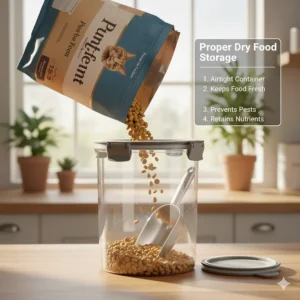
Dry cat and kitten food should remain in original packaging whenever possible, as bags incorporate oxygen barriers and packaging materials that preserve freshness. If transferring to storage containers, choose food-grade airtight options and include the package’s original label (which contains important information like production dates and nutritional analysis). Never pour new food over old—finish existing supplies first to maintain freshness.
Store food for cats and kittens in cool, dry locations away from direct sunlight and temperature extremes. Garage storage seems convenient but exposes food to temperature fluctuations and pest access. Ideal storage temperatures range from 50-80°F (10-27°C) with low humidity. Heat and moisture accelerate fat oxidation, causing rancidity that makes food unpalatable and potentially harmful.
Once opened, dry cat and kitten food maintains peak quality for 4-6 weeks when stored properly. Large bag purchases may seem economical, but food loses nutritional value and palatability over time. For households with one or two cats, smaller bags replaced frequently provide better value despite higher per-pound costs. Write opening dates on bags to track freshness.
Wet Food Handling and Refrigeration
Unopened canned cat and kitten food remains stable for years when stored in temperature-controlled environments. However, once opened, wet food for cats and kittens requires refrigeration and should be consumed within 2-3 days. Store opened cans covered in the refrigerator, either with fitted lids or transferred to airtight containers. Never leave wet food at room temperature for more than 2 hours.
Cats often prefer room-temperature food over cold food directly from the refrigerator. Slightly warming refrigerated cat and kitten food enhances aroma and palatability—30 seconds in the microwave or 15 minutes at room temperature makes significant differences. Always stir heated food thoroughly and test temperature before serving, as microwave heating can create hot spots that burn sensitive mouths.
Portion control with wet food prevents waste while ensuring freshness. If your cat consumes only half a 5.5-ounce can daily, consider purchasing smaller 3-ounce cans to minimize refrigeration time. Alternatively, invest in reusable silicone can lids designed specifically for cat food cans, maintaining better freshness than plastic wrap or foil covering.
Quarterly Evaluation and Adjustments
Every three months, conduct comprehensive assessments of your cat’s response to their current food for cats and kittens. Monitor body condition, coat quality, energy levels, stool consistency, and overall health indicators. Cats’ nutritional needs change with age, activity levels, and health status, requiring periodic formula adjustments.
Schedule annual veterinary examinations including blood work to identify developing health issues early. Some conditions manifest gradually, with subtle signs easily missed by daily observation. Veterinarians can recommend cat and kitten food modifications based on health screening results, potentially preventing serious conditions through nutritional management.
Kittens require particularly close monitoring during growth phases. Weigh kittens weekly during the first six months, ensuring steady growth without excessive weight gain. Growth rates should follow breed-standard curves—your veterinarian can provide expected weight ranges for your kitten’s age and breed. Significant deviations (either insufficient growth or excessive weight gain) warrant food for cats and kittens adjustments or further health investigation.
Troubleshooting Common Issues
Problem: Sudden food refusal – If your cat abruptly stops eating previously accepted cat and kitten food, first rule out health issues. Dental problems, infections, or gastrointestinal conditions cause food avoidance. If health checks clear, examine food freshness—rancid fats create unpleasant tastes cats quickly reject. Try opening a fresh bag or different flavor.
Problem: Excessive vomiting – Occasional vomiting occurs in healthy cats, but frequent regurgitation after meals suggests issues. Eating too quickly causes some cats to vomit undigested food for cats and kittens shortly after consumption. Slow-feeder bowls or puzzle feeders extend eating time, reducing rapid consumption. If vomiting persists, consider food allergies or sensitivities requiring formula changes.
Problem: Chronic soft stools or diarrhea – Digestive upset can result from poor-quality cat and kitten food, food allergies, too-rapid formula transitions, or underlying health conditions. Ensure gradual food changes (7-10 days minimum). If problems persist, consider limited-ingredient diets or hydrolyzed protein formulas designed for sensitive stomachs. Probiotics may help restore digestive balance.
Problem: Weight gain or obesity – Overweight cats face increased risks of diabetes, arthritis, and other health problems. Address weight issues through portion control rather than simply switching food for cats and kittens to “light” formulas. Measure portions precisely using cups or scales rather than free-feeding. Increase activity through play sessions. Gradual weight loss (1-2% body weight weekly) prevents dangerous hepatic lipidosis.
Comparative Analysis: Food Types and Formulations 📊
Understanding how different cat and kitten food options compare helps consumers make informed decisions aligned with their cats’ needs, budget constraints, and personal preferences regarding ingredients and manufacturing approaches.
Traditional vs. Grain-Free Formulations
Traditional cat and kitten food formulas incorporate grains like rice, oats, or wheat as digestible carbohydrate sources, texture enhancers, and affordable ingredients. Despite marketing suggesting otherwise, grains aren’t inherently harmful for cats. Most felines digest properly cooked grains without difficulty, and grain-inclusive formulas often provide complete nutrition at lower price points than grain-free alternatives.
Grain-free food for cats and kittens replaces grains with alternative carbohydrate sources: potatoes, sweet potatoes, peas, or tapioca. These formulas emerged responding to consumer demand for “natural” diets, though the nutritional superiority of grain-free formulas lacks scientific validation for healthy cats. In fact, some grain-free products contain equal or higher carbohydrate levels compared to grain-inclusive options.
Recent research has raised concerns about potential links between grain-free, legume-heavy diets and dilated cardiomyopathy (DCM) in dogs, though similar connections in cats remain less clear. The FDA continues investigating these potential associations. For healthy cats without diagnosed grain allergies (which are actually quite rare), grain-inclusive cat and kitten food represents a safe, often more affordable choice backed by decades of successful use.
Wet vs. Dry Food: In-Depth Comparison
| Factor | Wet Cat and Kitten Food | Dry Cat and Kitten Food |
|---|---|---|
| Moisture Content | 75-85% | 6-10% |
| Caloric Density | Lower (about 70-150 kcal per 100g) | Higher (about 300-500 kcal per 100g) |
| Hydration Support | ✅ Excellent | ❌ Minimal |
| Dental Health | Limited benefit | Slight plaque reduction |
| Convenience | Requires refrigeration, shorter shelf life | Room temperature storage, long shelf life |
| Cost per Feeding | Higher | Lower |
| Palatability | Generally higher | Variable |
| Protein Concentration | Lower (as-fed basis) | Higher (as-fed basis) |
| Feeding Precision | Easy portion control | Requires careful measuring |
| Environmental Impact | More packaging waste | Less packaging per serving |
Many veterinary nutritionists recommend combining wet and dry food for cats and kittens to balance benefits: wet food provides hydration and palatability, while dry food offers convenience and affordability. Common approaches include feeding wet food once or twice daily supplemented with measured portions of dry food available for grazing.
Price-to-Value Analysis Across Categories
Budget cat and kitten food (typically $1-2 per pound) focuses on meeting minimum nutritional standards at lowest costs. These products often emphasize grain-based fillers, use generic protein sources (“meat” rather than “chicken”), and include fewer supplements. While adequate for maintaining health in many cats, budget formulas may compromise ingredient quality, digestibility, and palatability.
Mid-range food for cats and kittens ($2-4 per pound) typically features specific protein sources, better ingredient quality, and enhanced formulations including probiotics, omega fatty acids, and quality vitamin/mineral premixes. These products often represent optimal value, balancing quality with affordability. Brands like Purina Pro Plan and Hill’s Science Diet occupy this category, offering veterinary-backed nutrition at reasonable prices.
Premium cat and kitten food ($4-8+ per pound) emphasizes top-tier ingredients, extensive research backing, specialized formulations, and often grain-free or limited-ingredient approaches. Brands like Royal Canin, Wellness CORE, and specialty formulas command premium prices reflecting ingredient sourcing, manufacturing standards, and brand positioning. These products suit consumers prioritizing maximum quality regardless of cost.
Integration with Existing Feeding Routines
Transitioning between food for cats and kittens types requires strategic planning, particularly when moving from free-choice feeding to scheduled meals or changing from exclusively dry to mixed wet/dry feeding. Success depends on gradual implementation and consistency.
When introducing wet cat and kitten food to cats accustomed to dry kibble, start by offering small amounts of wet food as meal toppers. Many cats initially reject wet food textures if unfamiliar. Mix small portions into dry food, gradually increasing wet food percentage over 2-3 weeks. Warming wet food enhances aroma, increasing acceptance by reluctant cats.
Converting from free-choice feeding to scheduled meals takes patience. Begin by establishing regular feeding times while maintaining constant food access. After your cat adapts to eating at specific times, gradually reduce free-choice availability. Eventually remove free-choice access entirely, offering food for cats and kittens only during scheduled mealtimes. This process typically requires 4-6 weeks for smooth transition without stress.
Case Studies: Real-World Feeding Success Stories 📖
Examining practical applications of cat and kitten food selection and feeding strategies provides valuable insights beyond theoretical knowledge. These examples illustrate how informed choices and consistent protocols produce measurable health improvements.
Case Study 1: Managing Food Allergies in a Rescue Kitten
Sarah adopted a 4-month-old kitten from a local shelter who exhibited chronic diarrhea despite veterinary treatment. Initial examination ruled out parasites and infections, pointing toward food sensitivity as the likely culprit. The kitten had consumed multiple food for cats and kittens brands during shelter stays, making allergen identification challenging.
Sarah’s veterinarian recommended a limited-ingredient diet featuring hydrolyzed protein, where proteins are broken into components too small to trigger allergic reactions. She selected a prescription cat and kitten food specifically formulated for food allergies, costing approximately $60 for a 7-pound bag—significantly more than conventional formulas.
Within two weeks on the therapeutic formula, the kitten’s stool quality normalized. Over the following months, Sarah gradually introduced single-ingredient wet foods as “challenge” tests to identify safe proteins. She discovered her kitten tolerated turkey and rabbit but reacted to chicken and fish. By six months, the kitten thrived on a combination of limited-ingredient cat and kitten food featuring safe proteins, maintaining healthy weight and excellent coat quality.
Key Takeaways:
- Food allergies affect 1-5% of cats, often manifesting as digestive issues rather than skin problems
- Limited-ingredient and hydrolyzed protein formulas provide diagnostic and management tools
- Systematic food trials under veterinary guidance identify safe ingredients
- Higher costs of therapeutic food for cats and kittens often prove worthwhile for resolving chronic issues
- Patience during transition periods (typically 8-12 weeks) allows proper assessment
Case Study 2: Weight Management in an Obese Adult Cat
Marcus’s 8-year-old cat weighed 18 pounds—50% above ideal body weight for her frame. The obesity developed gradually over years of free-choice feeding with dry cat and kitten food and frequent treats. His veterinarian warned that continuing weight gain risked diabetes, arthritis, and shortened lifespan.
Rather than switching to “light” or “weight management” formulas, Marcus’s vet recommended portion-controlled feeding with his cat’s current food for cats and kittens (a quality adult maintenance formula). They calculated her ideal caloric intake for gradual weight loss: approximately 200 calories daily compared to the estimated 350+ calories she’d been consuming through free-choice feeding.
Marcus measured precise portions using a kitchen scale, divided into two daily meals. He eliminated free-feeding entirely and restricted treats to 10% of daily calories. To address begging behaviors, he incorporated puzzle feeders and increased interactive play sessions. The cat initially protested loudly, but Marcus maintained consistency.
Over 14 months, she lost 5 pounds—reaching 13 pounds and ideal body condition. Her energy levels increased dramatically, arthritis symptoms improved, and blood glucose levels (previously concerning) normalized. The success required no expensive specialty cat and kitten food, just portion control and commitment to structured feeding.
Key Takeaways:
- Obesity management succeeds through portion control more than formula changes
- Gradual weight loss (0.5-1% body weight weekly) prevents dangerous hepatic lipidosis
- Eliminating free-choice feeding requires behavioral commitment but produces results
- Interactive play and environmental enrichment help manage hunger behaviors
- Regular veterinary monitoring ensures safe weight loss progress
- Quality food for cats and kittens at controlled portions outperforms low-quality “diet” formulas fed freely
Case Study 3: Multi-Cat Household with Varying Life Stages
The Rodriguez family’s household included three cats: a 6-month-old kitten requiring growth nutrition, a healthy 4-year-old adult, and a 14-year-old senior with early kidney disease. Managing three different cat and kitten food requirements seemed overwhelming initially.
After veterinary consultation, they implemented a strategic feeding protocol. The senior cat’s prescription renal diet came first—she ate in a separate bathroom with the door closed during scheduled mealtimes. This ensured she consumed her therapeutic food for cats and kittens without competition or access to inappropriate formulas.
The kitten and adult cat shared living spaces but required different nutritional profiles. The family chose a premium all-life-stages formula that met both AAFCO standards for growth and adult maintenance. They fed the adult cat measured portions twice daily in a designated area, immediately removing any uneaten food. The growing kitten received larger portions three times daily, with meal amounts adjusted monthly based on weight monitoring.
This system required discipline—feeding three cats on three different schedules—but produced excellent results. The kitten grew steadily without excess weight gain. The adult cat maintained ideal body condition. Most importantly, the senior cat’s kidney disease stabilized, with blood work showing no progression over 18 months on appropriate cat and kitten food management.
Key Takeaways:
- Multi-cat households can successfully manage varying nutritional needs
- Separate feeding areas and scheduled meals prevent inappropriate food access
- All-life-stages formulas work for healthy adults and kittens when portioned appropriately
- Therapeutic diets for medical conditions require strict feeding separation
- Consistency and commitment to feeding protocols produce measurable health benefits
- Investment in appropriate food for cats and kittens pays dividends in health outcomes
Future Trends in Cat and Kitten Food Development 🚀
The pet food industry continues evolving rapidly, driven by advancing research, changing consumer preferences, and technological innovations. Understanding emerging trends helps consumers anticipate future options and make informed decisions about cat and kitten food choices.
Personalized Nutrition and Custom Formulations
The future of food for cats and kittens increasingly points toward personalized nutrition based on individual characteristics. Several companies now offer custom-formulated products considering your cat’s age, weight, activity level, breed, and health conditions. Advanced versions incorporate DNA testing to identify genetic predispositions requiring nutritional adjustments.
These personalized cat and kitten food services typically cost 20-40% more than conventional premium products but deliver formulas optimized for individual needs. As technology advances and costs decrease, personalized nutrition may become mainstream rather than niche offerings. The approach represents the ultimate evolution from one-size-fits-all formulas to truly customized nutrition.
Artificial intelligence and machine learning algorithms increasingly guide formula development, analyzing vast datasets about feline nutrition, health outcomes, and ingredient interactions. These technologies identify optimal nutrient combinations for specific conditions more quickly than traditional research methods, accelerating innovation in food for cats and kittens.
Sustainability and Alternative Proteins
Environmental concerns drive significant innovation in cat and kitten food ingredient sourcing. Traditional animal agriculture impacts climate change, water resources, and land use—prompting industry exploration of sustainable alternatives. Insect-based proteins, cultured meat, and plant-based protein supplements represent emerging ingredient categories.
Insect proteins (typically from black soldier fly larvae or crickets) provide complete amino acid profiles with dramatically lower environmental impacts compared to conventional livestock. Several European brands already incorporate insect proteins in food for cats and kittens, with U.S. market entry expected soon. Initial research suggests cats accept insect-based formulas readily when properly formulated.
Cultured meat—animal cells grown in bioreactors without raising and slaughtering animals—represents cutting-edge protein development. While currently expensive for commercial cat and kitten food production, costs decrease as technology scales. Cultured meat offers identical nutritional profiles to conventional meat with substantially reduced environmental impacts and potential safety advantages (no pathogens or parasites).
Functional Foods and Nutraceutical Integration
The concept of cat and kitten food expanding beyond basic nutrition to actively promote health and prevent disease gains traction. Functional ingredients like glucosamine for joint health, antioxidants for immune support, and specific fiber types for gut health increasingly appear in mainstream formulas rather than solely therapeutic diets.
Probiotics and prebiotics represent early functional food integration, now common in premium food for cats and kittens. Future formulations may include omega-3 fatty acids at therapeutic levels for inflammatory conditions, targeted antioxidant blends for cognitive support in aging cats, or specialized fiber matrices promoting beneficial gut bacteria linked to overall health.
The line between conventional cat and kitten food and veterinary therapeutics continues blurring. Products marketed to healthy cats increasingly incorporate ingredients previously reserved for prescription diets, making preventive nutrition more accessible. However, this trend requires careful regulation ensuring marketing claims reflect actual benefits rather than unsupported promises.
Technology-Enhanced Feeding Solutions
Smart feeders, automated portion control, and AI-powered feeding recommendations represent the technological frontier in cat and kitten food delivery. These devices monitor eating behaviors, adjust portions based on weight changes, and alert owners to potential health issues indicated by altered eating patterns.
Some advanced systems photograph food consumption, using image recognition to calculate caloric intake precisely. Others integrate with veterinary telemedicine platforms, sharing feeding data with healthcare providers for remote monitoring. While currently premium-priced, these technologies will likely become standard features as costs decrease and consumer adoption increases.
Subscription services delivering food for cats and kittens directly to consumers dominate e-commerce pet food sales. These platforms increasingly offer personalization, automatic adjustments based on consumption patterns, and seamless formula transitions. The convenience and data collection capabilities of subscription models position them as the future of cat and kitten food distribution.
Regulatory Evolution and Transparency
Consumer demand for transparency drives regulatory changes in cat and kitten food labeling and manufacturing standards. Future regulations may require more detailed ingredient sourcing information, clearer guaranteed analysis statements, and standardized claims about formulations (organic, natural, human-grade).
The concept of “human-grade” food for cats and kittens generates significant interest but lacks official definition. Industry groups and regulators work to establish meaningful standards distinguishing marketing from substantive quality differences. Expect clearer labeling standards emerging within the next 3-5 years.
Traceability from ingredient source through manufacturing to consumer represents another evolving standard. Blockchain technology and QR code systems enable consumers to scan cat and kitten food packages and view complete supply chain information, including ingredient origins, processing dates, and quality testing results. This transparency builds consumer confidence and holds manufacturers accountable for quality claims.
Investment and Purchase Decision Framework 💰
Selecting appropriate cat and kitten food requires balancing multiple factors: nutritional requirements, budget constraints, cat preferences, and long-term health considerations. A systematic decision-making approach ensures optimal choices for your specific situation.
Cost-Benefit Analysis Framework
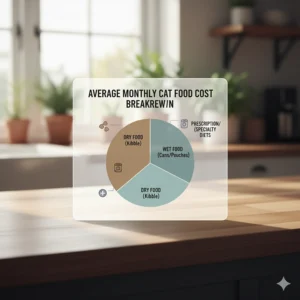
Begin by calculating monthly feeding costs across different food for cats and kittens options. A 10-pound cat consuming 200 calories daily requires approximately:
- Budget dry food ($1.50/lb): ~$15-20/month
- Mid-range dry food ($3/lb): ~$30-40/month
- Premium dry food ($5/lb): ~$50-65/month
- Budget wet food: ~$40-55/month
- Premium wet food: ~$80-120/month
- Mixed feeding (dry + wet): ~$45-85/month
Higher-quality cat and kitten food often provides better digestibility, meaning cats require smaller portions to meet nutritional needs. This partially offsets price differences—premium formulas costing 3x more don’t necessarily cost 3x more per feeding when accounting for reduced portions.
Consider long-term health implications in cost analysis. Preventive nutrition through quality food for cats and kittens may reduce veterinary expenses over your cat’s lifetime. While difficult to quantify precisely, studies suggest cats fed premium nutrition experience fewer health issues requiring costly veterinary intervention. The question becomes: pay more monthly for food or potentially much more eventually for healthcare?
Implementation Strategy and Timeline
Week 1-2: Assessment Phase
- Evaluate your cat’s current health, body condition, and eating behaviors
- Review current cat and kitten food ingredient list and nutritional analysis
- Research alternative formulas meeting identified needs
- Establish baseline measurements (weight, body condition score, energy level)
Week 3-4: Transition Planning
- Purchase trial sizes of shortlisted food for cats and kittens (if available)
- Develop gradual transition schedule (7-10 days minimum)
- Establish new feeding routine (times, portions, locations)
- Set monitoring metrics (weight, stool quality, coat condition, eating enthusiasm)
Month 2-3: Full Implementation
- Complete transition to new cat and kitten food
- Monitor response indicators weekly
- Adjust portions based on body condition changes
- Document any concerns or positive changes
Month 4-6: Optimization Phase
- Evaluate overall success of formula change
- Make minor adjustments if needed (portion sizes, feeding frequency)
- Consider specialty supplements if gaps identified
- Establish long-term purchasing schedule (Subscribe & Save, bulk buying)
Decision Criteria Evaluation Matrix
| Criterion | Weight (1-5) | Budget Option Score | Mid-Range Score | Premium Score |
|---|---|---|---|---|
| Nutritional Adequacy | 5 | 3 | 4 | 5 |
| Ingredient Quality | 4 | 2 | 4 | 5 |
| Palatability | 4 | 3 | 4 | 4 |
| Digestibility | 4 | 3 | 4 | 5 |
| Price Affordability | 3 | 5 | 3 | 1 |
| Availability | 3 | 5 | 4 | 3 |
| Brand Reputation | 3 | 2 | 4 | 5 |
| Specialization (age, health) | 4 | 2 | 4 | 5 |
| Weighted Total | – | 101 | 127 | 139 |
Use this framework customized to your priorities. If budget constraints dominate, increase the “Price Affordability” weight. For cats with health conditions, increase “Specialization” weight. This systematic approach removes emotion from food for cats and kittens decisions, focusing on objective criteria aligned with your circumstances.
Budget Planning and Financing Options
Annual feeding costs represent significant expenses—a single cat may require $300-1,500 yearly for food alone, depending on formula choices and household size. Strategic planning reduces costs without compromising nutrition:
✅ Subscribe & Save programs: Amazon and manufacturer websites offer 10-15% discounts on recurring deliveries
✅ Bulk purchasing: Buying larger bags reduces per-pound costs but only saves money if food stays fresh
✅ Manufacturer coupons: Sign up for brand newsletters and rewards programs offering regular discounts
✅ Seasonal sales: Stock up during major sales events (Prime Day, Black Friday) when cat and kitten food often sees significant discounts
✅ Generic vs. brand name: Some store brands match or exceed name-brand quality at lower prices—compare ingredient lists carefully
For households with multiple cats, bulk purchasing and mid-range food for cats and kittens often provides optimal value. Premium wet food for one meal daily supplemented with quality dry food for additional meals balances nutrition and affordability. The mixed feeding approach typically costs 30-40% less than exclusive premium wet feeding while maintaining most health benefits.
Measuring Success: Key Performance Indicators
Establish clear metrics evaluating whether your cat and kitten food choices produce desired outcomes:
Physical Health Indicators:
- Stable, healthy weight (neither gaining nor losing unless intentionally managing weight)
- Ideal body condition score (ribs easily felt, visible waist, no hanging belly)
- Shiny, healthy coat without excessive shedding or dandruff
- Good stool quality (formed, not overly hard or soft, minimal odor)
- Clear eyes and clean ears
- Healthy dental condition (though diet alone cannot prevent all dental issues)
Behavioral Indicators:
- Consistent eating patterns without food refusal or excessive begging
- Maintained or improved energy levels appropriate for age
- Normal activity levels without lethargy or hyperactivity
- Positive social interactions and playfulness
- Absence of vomiting or digestive upset
Long-Term Health Outcomes:
- Veterinary blood work within normal ranges
- Absence of diet-related health conditions (diabetes, obesity, urinary issues)
- Healthy aging with maintained muscle mass and cognitive function
- Minimal veterinary interventions for preventable conditions
Document these metrics monthly, creating a health journal tracking your cat’s response to their food for cats and kittens. Patterns emerge over 3-6 months, providing clear evidence whether your nutritional strategy succeeds or requires adjustment.
Conclusion: Making the Right Choice for Your Feline Companion 🐾
Selecting the best cat and kitten food represents one of the most important decisions affecting your pet’s health, longevity, and quality of life. As we’ve explored throughout this comprehensive guide, optimal nutrition involves far more than simply choosing the prettiest package or the cheapest option on the shelf.
The journey to finding perfect food for cats and kittens requires understanding feline biology, evaluating ingredients critically, assessing individual needs, and committing to consistent feeding protocols. Whether you choose budget-friendly options like Purina Fancy Feast, mid-range veterinary favorites like Hill’s Science Diet, or premium brands like Royal Canin or Tiki Cat Born Carnivore, success depends on matching your cat’s specific requirements with appropriate formulation.
Remember that cat and kitten food needs evolve throughout your pet’s life. The energetic kitten devouring growth formula will eventually transition to adult maintenance nutrition, potentially requiring senior formulations or therapeutic diets as health conditions emerge. Flexibility and willingness to adjust feeding strategies ensure your cat receives optimal nutrition at every life stage.
The investment in quality food for cats and kittens pays dividends through reduced veterinary costs, extended healthy years, and the simple joy of watching your feline companion thrive. While premium options cost more upfront, the long-term value—measured in your cat’s health, happiness, and longevity—far exceeds the initial expense.
I encourage you to review the product recommendations throughout this guide, considering which best aligns with your cat’s needs, your budget, and your feeding preferences. Don’t hesitate to consult your veterinarian about formula selection—they know your cat’s health history and can provide personalized recommendations complementing the general guidance provided here.
Your cat depends on you for nutritional decisions shaping their entire life. Armed with the information in this comprehensive guide, you’re now equipped to make informed choices ensuring your feline friend receives the nutrition they deserve. Whether you’re raising a rambunctious kitten or caring for a distinguished senior cat, optimal cat and kitten food selection represents a fundamental expression of love and commitment to your pet’s wellbeing.
🎉 Give Your Cat the Nutrition They Deserve Today!
Ready to transform your cat’s health through better nutrition? Click on any of the premium cat and kitten food products highlighted throughout this article to check current Amazon pricing and customer reviews. Take advantage of Subscribe & Save discounts to make premium nutrition more affordable while ensuring you never run out. Your cat’s health journey starts with a single decision—make it today! 🐱💚✨
Frequently Asked Questions About Cat and Kitten Food ❓
❓ How long should kittens eat kitten food before switching to adult?
❓ Can adult cats eat kitten food without health risks?
❓ What's the best way to transition between different cat food brands?
❓ How can I tell if my cat has a food allergy?
❓ Is grain-free cat food actually healthier than regular formulas?
Recommended for You
- Low Protein Cat Food: 7 Best Kidney-Friendly Options That Save Lives in 2025
- 7 Best Salmon Cat Food Options for Ultimate Feline Health in 2025
- 7 Best Lickables for Cats That Will Keep Your Feline Hydrated & Happy in 2025
Disclaimer: This article contains affiliate links. If you purchase products through these links, we may earn a small commission at no additional cost to you.
✨ Found this helpful? Share it with your friends! 💬🤗
