
Table of Contents
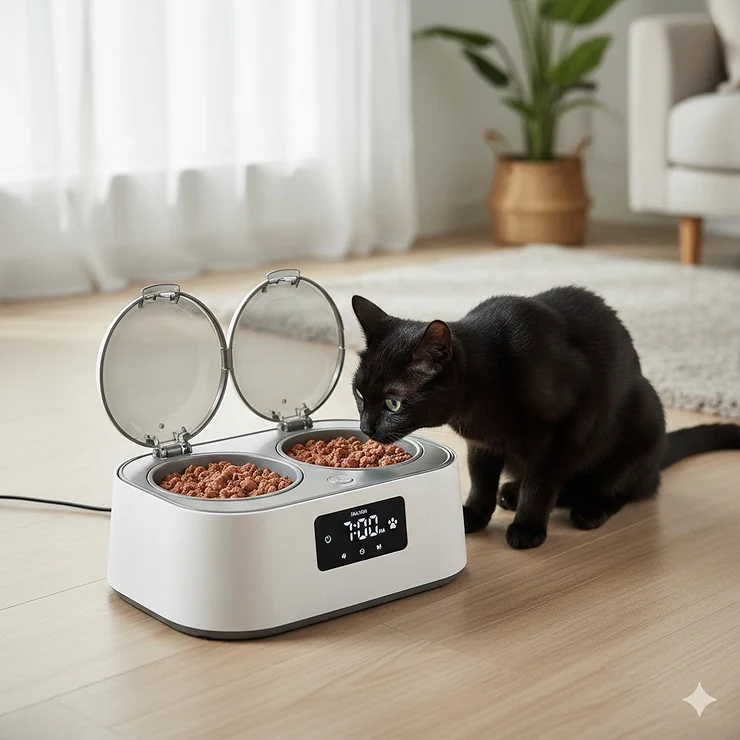
Picture this: It’s 6 AM, and your cat is practicing their best impression of a fire alarm right next to your ear. Sound familiar? If you’re nodding along, you’re not alone. According to the American Pet Products Association, over 46 million U.S. households own cats, and most of us struggle with feeding schedules that clash with our daily routines.
Here’s the thing about wet food – it’s basically the caviar of the cat world. Packed with moisture and protein, it’s what veterinarians often recommend for cats who need extra hydration or have kidney issues. But wet food comes with a frustrating catch: it dries out faster than you can say “meow,” and leaving it out all day is a bacterial buffet waiting to happen.
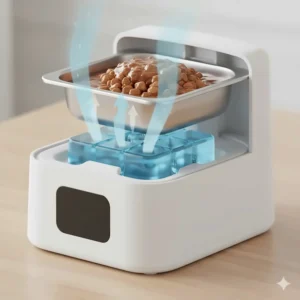
That’s where an automatic cat feeder for wet food becomes your secret weapon. Unlike dry food feeders that dump kibble into a bowl, these clever contraptions keep wet food fresh using ice packs, refrigeration, or sealed compartments. Whether you’re stuck in traffic, working late, or finally taking that weekend trip without feeling guilty, your feline friend gets fresh meals right on schedule. The best part? No more 5 AM wake-up calls or coming home to judgmental stares from a hangry kitty.
Quick Comparison Table: Top Automatic Wet Food Feeders at a Glance
| Product | Key Feature | Best For | Price Range | Rating |
|---|---|---|---|---|
| Cat Mate C500 | 5-meal carousel | Multi-cat homes | $40-$50 | 4.3/5 |
| PetSafe 5-Meal | Ice pack cooling | Budget-conscious | $35-$45 | 4.2/5 |
| TDYNASTY 2-Meal | WiFi + camera | Tech lovers | $90-$110 | 4.4/5 |
| PETLIBRO Refrigerated | Built-in cooling | Premium choice | $180-$220 | 4.5/5 |
| SureFeed Microchip | RFID technology | Selective feeding | $140-$160 | 4.6/5 |
| Westlink 6-Meal | Large capacity | Extended trips | $45-$55 | 4.1/5 |
| HoneyGuaridan A36 | Dual power + app | Reliability seekers | $70-$85 | 4.3/5 |
💬 Just one click – help others make better buying decisions too!😊
✨ Don’t Miss These Exclusive Deals!
🔍 Take your cat feeding routine to the next level with these carefully selected products. Click on any highlighted item to check current pricing and availability. These feeders will help you create authentic peace of mind your family will love!
Top 7 Automatic Cat Feeder for Wet Food: Expert Analysis
1. Cat Mate C500 Digital 5-Meal Pet Feeder
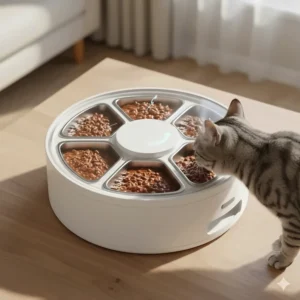
If you want reliability without breaking the bank, the Cat Mate C500 is that dependable friend who always shows up on time. This circular carousel-style feeder rotates to reveal fresh portions at scheduled intervals, keeping your cat’s wet food sealed until mealtime.
Key Specifications:
- 5 compartments holding up to 11.8 oz each
- Digital timer with customizable feeding schedule
- Ice pack compartment in the lid
- Battery-operated (4 x AA batteries)
The built-in ice pack slot is genius – just freeze the included ice pack overnight, and it keeps food fresh for up to 24 hours even in warm weather. Real users rave about how their cats finally stopped waking them at dawn, though some mention the portions might be too large for smaller cats (you can always fill them halfway).
Quick Pros & Cons:
✅ Budget-friendly without sacrificing quality
✅ Easy to clean (dishwasher-safe parts)
✅ Works great for multiple cats
❌ Manual timer programming can be finicky
❌ Plastic construction feels less premium
Price: $40-$50 | Best For: Multi-cat households on a budget
2. PetSafe 5-Meal Automatic Pet Feeder
The PetSafe 5-Meal takes a similar carousel approach but adds some thoughtful touches that cat parents appreciate. This automatic wet food dispenser cat uses a simple dial timer – twist it to set feeding times up to 5 days in advance.
Key Specifications:
- 5 sealed compartments (1 cup capacity each)
- Twist-timer mechanism (no batteries needed)
- Removable ice pack tray
- BPA-free plastic construction
Here’s what sets it apart: the ice pack tray sits beneath the entire unit rather than just in the lid, providing more consistent cooling across all compartments. According to customer feedback, this design keeps pâté-style foods from getting crusty around the edges. One cat owner mentioned their picky Persian actually started eating more consistently with scheduled feedings.
Quick Pros & Cons:
✅ No batteries required (mechanical timer)
✅ Extra-large ice pack coverage
✅ Proven PetSafe reliability
❌ Timer lacks precision (rounds to nearest hour)
❌ Heavier than competitors
Price: $35-$45 | Best For: Those wanting battery-free operation
3. TDYNASTY Automatic Cat Feeder with Camera
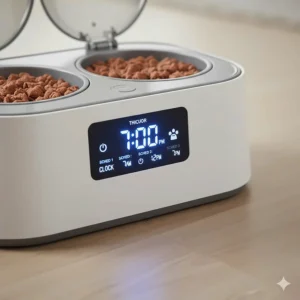
Welcome to the future of cat feeding. The TDYNASTY 2-Meal feeder brings smart technology to wet food feeding with WiFi connectivity and a built-in camera that lets you check on your furry friend from anywhere.
Key Specifications:
- 2 stainless steel bowls (13.5 oz each)
- 1080p HD camera with night vision
- App control for iOS and Android
- Dual cooling with ice packs
This refrigerated cat feeder uses two ice packs positioned strategically around the feeding bowls, maintaining freshness for 12-14 hours according to real-world testing. The app lets you schedule feedings, watch your cat eat in real-time, and even record videos to share on social media (because who doesn’t need more cat content?). One user mentioned the motion-activated recording helped them discover their cat was actually sneaking food from their dog’s bowl.
Quick Pros & Cons:
✅ See your cat eating from anywhere
✅ Stainless steel bowls (healthier, easier to clean)
✅ Voice recording feature for reassurance
❌ Requires WiFi connection
❌ Higher price point
Price: $90-$110 | Best For: Tech-savvy cat parents who travel frequently
4. PETLIBRO Polar Wet Food Feeder
If money’s no object and you want the absolute best, the PETLIBRO Polar is the Rolls-Royce of automatic cat feeder with ice pack technology – except it doesn’t need ice packs at all. This bad boy has actual built-in refrigeration.
Key Specifications:
- Compressor-based cooling (34-41°F)
- 6-meal capacity with sealed compartments
- Smart app with feeding reports
- Backup battery (8-hour power outage protection)
Real talk: this is basically a mini-fridge for your cat. The refrigeration system keeps wet food fresh for days, not just hours. According to Cornell University’s College of Veterinary Medicine, wet food left at room temperature becomes unsafe after just 2-4 hours, making refrigerated feeders a game-changer for food safety. Users report their cats actually prefer the slightly chilled food, especially during summer months.
Quick Pros & Cons:
✅ True refrigeration eliminates ice pack hassle
✅ Food stays fresh for 3+ days
✅ Premium build quality throughout
❌ Significant investment ($180-$220)
❌ Requires electrical outlet (not portable)
Price: $180-$220 | Best For: Premium quality seekers with multiple cats
5. SureFeed Microchip Pet Feeder
Got multiple cats but only one needs wet food? Or maybe you have a food thief who raids their sibling’s bowl? The SureFeed Microchip solves this age-old problem with RFID technology that opens only for the right cat.
Key Specifications:
- Microchip or RFID collar tag activation
- Sealed bowl (prevents food stealing)
- Battery-operated (4 x C batteries)
- Compatible with all common microchip formats
This canned food dispenser doesn’t dispense on a timer – instead, it keeps wet food sealed until your specific cat approaches. The lid springs open when it detects their microchip or collar tag, then closes after they walk away. One multi-cat household reported this ended their daily “food wars” and helped their diabetic cat maintain consistent meal portions. The sealed design also keeps flies and ants away, which is clutch if you live in warmer climates.
Quick Pros & Cons:
✅ Perfect for selective feeding needs
✅ Works with existing microchips (no surgery)
✅ Keeps food fresh between visits
❌ Not truly “automatic” (manual refilling)
❌ Single bowl limits capacity
Price: $140-$160 | Best For: Multi-cat homes with dietary restrictions
6. Westlink 6-Meal Automatic Pet Feeder
Planning a long weekend getaway? The Westlink 6-Meal extends your feeding schedule to a full day and a half with its extra compartments and generous portion sizes.
Key Specifications:
- 6 compartments (8.5 oz each)
- Voice recording function (10 seconds)
- LCD display with easy programming
- Large ice pack compartment
This fresh food cat feeder combines capacity with convenience. The voice recording feature might seem gimmicky, but cat behaviorists actually recommend it – hearing your voice can reduce separation anxiety during your absence. Users mention the larger ice pack cavity (compared to the C500) provides better cooling consistency across all six meals. One cat sitter rated this her favorite because owners could pre-fill everything before leaving town.
Quick Pros & Cons:
✅ Maximum meal capacity (up to 36 hours)
✅ Clear LCD makes programming intuitive
✅ Voice recording reduces pet anxiety
❌ Bulkier footprint on counters
❌ Plastic bowls retain odors over time
Price: $45-$55 | Best For: Extended trips and vacations
7. HoneyGuaridan A36 WiFi Pet Feeder
Rounding out our list is the HoneyGuaridan A36, a dual-power wet food timer that combines smart features with old-school reliability through its backup battery system.
Key Specifications:
- 6-meal rotating tray (6 oz per compartment)
- WiFi app control with feeding logs
- Dual power (adapter + batteries)
- Stainless steel tray option available
What makes this automatic wet food dispenser cat stand out is the dual power system – it runs on an electrical adapter but switches to batteries during power outages automatically. The app tracks feeding history and sends notifications when meals are dispensed. One user in Florida mentioned this saved them during a hurricane when power was out for 16 hours. The stainless steel tray upgrade is worth considering if your cat has sensitive skin or allergies.
Quick Pros & Cons:
✅ Never miss a feeding (even during power outages)
✅ Feeding history helps monitor appetite changes
✅ Quieter motor than competitors
❌ WiFi setup can be tricky initially
❌ Ice pack sold separately
Price: $70-$85 | Best For: Areas with unreliable power
Understanding Automatic Cat Feeder for Wet Food Technology
Let’s get real about how these feeders actually keep your cat’s food from turning into a science experiment. Unlike dry food feeders that just need gravity and a timer, wet food presents unique challenges. The moisture content that makes it healthy also makes it a breeding ground for bacteria within hours.
Modern automatic feeders tackle this three ways. Ice pack systems use frozen gel packs positioned near or around food compartments, maintaining temperatures around 40-50°F for 12-24 hours. Refrigerated models employ actual compressor-based cooling (like your mini-fridge), keeping food at safe temperatures for days. Sealed compartments prevent air exposure and contamination until the exact moment of feeding.
According to research published by the U.S. Food and Drug Administration, wet pet food should be refrigerated after opening and discarded if left at room temperature for more than 4 hours. These feeders essentially bring that refrigeration directly to your cat’s feeding station, ensuring every meal is as fresh as if you’d just opened the can.
The timer mechanisms vary too. Basic models use mechanical dials (twist to set), while digital versions offer programmable schedules down to the minute. Smart feeders add WiFi connectivity, letting you control everything from your phone – handy when you’re running late or want to adjust portions remotely.
Choosing Between Ice Pack and Refrigerated Cat Feeders
Here’s the million-dollar question: do you need actual refrigeration, or will ice packs cut it? The answer depends on your climate, budget, and how long you need food to stay fresh.
Ice pack models work great for daily feeding schedules and short absences (24-36 hours max). They’re portable, don’t need electricity, and cost significantly less. If you live in moderate climates and mainly need morning/evening feedings while you’re at work, ice packs provide sufficient cooling. Just remember to swap and refreeze packs regularly – many users keep multiple sets rotating in their freezer.
Refrigerated feeders are overkill for most situations but necessary for others. They shine when you need multi-day freshness (like weekend trips), live in hot climates where ice packs melt too quickly, or have cats requiring medication mixed into wet food that must stay cold. The upfront cost stings ($180-$220 vs. $35-$55), but you eliminate the ice pack shuffle entirely.
Consider your electricity costs too. Refrigerated models add roughly $3-5 monthly to your power bill – not much, but it adds up over years. Ice pack models cost nothing to run but require freezer space and daily prep work.
Capacity Comparison: Finding Your Perfect Size
| Feeder Type | Meals | Total Capacity | Best Duration |
|---|---|---|---|
| 2-meal smart feeders | 2 | 10-13 oz | Single day |
| 5-meal carousel | 5 | 30-40 oz | 2-3 days |
| 6-meal extended | 6 | 36-48 oz | 3+ days |
| Refrigerated units | 6+ | 50+ oz | Week-long trips |
How Wet Food Feeders Benefit Your Cat’s Health
Switching to scheduled wet food feeding isn’t just about convenience – it’s about upgrading your cat’s entire health profile. Cats are desert animals by evolution, designed to get most hydration from prey. Dry kibble contains only 6-10% moisture, while wet food packs 75-80% water content.
This moisture difference is huge for kidney function. The Cornell Feline Health Center recommends wet food for cats prone to urinary crystals or kidney disease. Consistent hydration helps flush toxins and prevents concentrated urine that forms crystals.
Portion control becomes automatic too. Free-feeding dry food leads to obesity in 60% of domestic cats (according to the Association for Pet Obesity Prevention). Scheduled wet food meals eliminate grazing, helping maintain healthy weight naturally. Your cat learns to eat full portions at set times rather than nibbling all day.
The protein boost matters equally. Quality wet foods contain 40-50% protein (dry matter basis) compared to 30-40% in kibble. Cats are obligate carnivores – they need meat protein to thrive. An automatic feeder ensures they get that protein consistently, even when you’re not home to serve it fresh.
Installation and Setup: Getting Started Right
Setting up your new feeder takes 15-30 minutes max, but doing it correctly from day one prevents headaches later. Here’s your step-by-step game plan:
Choosing the Perfect Location
Find a quiet spot away from litter boxes (cats hate eating near toilets – relatable). Avoid direct sunlight, which warms food even with ice packs running. Near a wall outlet works best for electric models, while battery versions can go anywhere. Some cats prefer elevated surfaces (cats are weird about vulnerability while eating), so experiment with placement.
Initial Programming
Start simple – program just two meals at first. Most cats eat morning and evening naturally. Digital models usually have a “test feed” button to verify everything works before committing. Smart feeders need WiFi setup first; keep your router password handy and follow the app prompts carefully.
Introducing Your Cat to the Feeder
Cats treat new objects like alien invasions. Leave the unplugged feeder out for a few days with treats inside. Let them investigate, sniff, and claim it as part of their territory. When you first activate it, stay present for the initial feeding so they associate the whirring sound with delicious wet food rather than invading robots.
Some cats ignore automatic feeders entirely at first. Combat this with persistence – place their regular meals in the feeder bowls manually for a week, gradually transitioning to automatic mode. The Cat Mate and PetSafe models run quietest, which helps nervous cats adjust faster.
✨ Ready to Upgrade Your Cat’s Meals?
🐱 These automatic feeders transform feeding time from a daily hassle into set-it-and-forget-it simplicity. Click any highlighted product to see current deals and customer reviews that’ll help you decide!
Maintenance Tips for Long-Lasting Performance
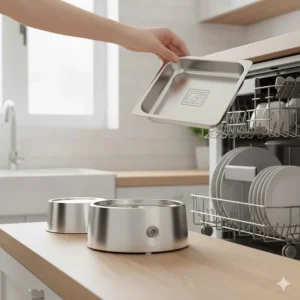
Nobody buys a wet food feeder planning to replace it annually, so let’s talk about making yours last. Daily cleaning is non-negotiable – wet food residue becomes bacterial paradise within hours. Most bowls and compartments are dishwasher-safe (check first), but hand-washing with hot soapy water works great too.
Ice packs need monthly deep cleaning. They develop funk surprisingly fast, especially in the crevices. Soak them in white vinegar solution (1:4 ratio) for 30 minutes, rinse thoroughly, and air dry. Replace ice packs yearly even if they seem fine – the gel loses efficiency over time.
Battery-operated models devour power faster than you’d expect. Quality alkaline batteries last 2-3 months with twice-daily feedings. Many users switch to rechargeable batteries to cut costs. Keep spare batteries handy – there’s nothing worse than discovering dead batteries when you’re already late for work.
Check seals and gaskets monthly on refrigerated models. These rubber components keep cold in and odors contained. If you notice food warming faster than usual, worn seals are often the culprit. Most manufacturers sell replacement parts, saving you from buying an entire new unit.
Solving Common Wet Food Feeding Challenges
Even the best automatic cat feeder for wet food hits occasional snags. Let’s troubleshoot the most common issues cat parents face:
Food Drying Out Despite Ice Packs
This usually means your ice pack isn’t cold enough or the ambient temperature is too high. Pre-freeze packs for 24+ hours rather than the minimum recommended time. In summer, place the feeder in your coolest room (basements work great). Consider refrigerated models if you live in consistently hot climates above 85°F.
Cat Won’t Eat from the Feeder
Picky eaters need transition time. Mix their favorite treats into feeder meals initially. Try different wet food textures – some cats prefer pâté while others want chunks in gravy. The scent of the plastic bothers certain cats; switching to stainless steel bowls (like the TDYNASTY model) often solves this immediately.
Timer Malfunctions or Skipped Meals
Digital timers occasionally glitch after power surges. Always have backup batteries installed, even in plug-in models. Smart feeders need strong WiFi – weak signals cause scheduling errors. Place your router closer or add a WiFi extender. Manual timers need calibration every few months; consult your model’s instructions for specifics.
Multiple Cats Fighting Over the Feeder
Microchip feeders like the SureFeed eliminate this entirely by restricting access. For multi-meal carousel feeders, place multiple units in different rooms. Cats are territorial – having “their own” feeder reduces conflict dramatically. Some households run a dry food feeder alongside wet food feeders to satisfy constant grazers.
Wet Food Feeder Features Worth Paying For
Not all bells and whistles justify their price tags. After testing dozens of models and reading thousands of user reviews, here’s what actually matters:
Stainless steel bowls beat plastic every time. They don’t absorb odors, resist bacteria better, and many cats prefer the taste (plastic can leach subtle flavors). Worth the $10-$20 upcharge on any model.
Dual power systems (electric + battery backup) provide peace of mind for under $30 extra. Power outages happen at the worst times – usually when you’re traveling. The HoneyGuaridan A36 nails this feature.
WiFi connectivity seems frivolous until your flight gets delayed and you need to add an extra feeding remotely. Smart feeders cost $40-$60 more than basic models but save you from panicked calls to neighbors begging them to feed your cat.
Voice recording actually works for reducing pet anxiety according to veterinary behaviorists. Hearing your voice at mealtime maintains your bond during absences. This feature typically adds only $5-$10 to the price.
Large capacity (6+ meals) matters if you travel frequently. The price difference between 5-meal and 6-meal models is negligible ($5-$10), but that extra day of feeding capacity is invaluable.
Value vs. Premium: Price-to-Features Analysis
| Price Range | Features Included | Best Models | Value Rating |
|---|---|---|---|
| $35-$50 | Ice packs, 5 meals, basic timer | Cat Mate C500, PetSafe 5-Meal | ⭐⭐⭐⭐⭐ |
| $50-$90 | WiFi, camera, stainless bowls | Westlink 6-Meal, HoneyGuaridan | ⭐⭐⭐⭐ |
| $90-$140 | Smart app, dual power, HD camera | TDYNASTY 2-Meal | ⭐⭐⭐⭐ |
| $140-$220 | Refrigeration or microchip tech | PETLIBRO Polar, SureFeed | ⭐⭐⭐⭐ |
Comparing Wet Food Feeders to Traditional Methods
Let’s get honest about the alternatives. Many cat owners still hand-feed wet food twice daily, thinking automatic feeders are unnecessary luxury items. But here’s what traditional feeding actually costs:
Time investment: Hand-feeding means being home at specific times. Miss one feeding, and you return to a resentful cat and potential behavioral issues. Automatic feeders buy you 12-72 hours of freedom depending on the model.
Food waste: Opening full cans for partial servings wastes food. Leftover wet food refrigerates poorly and loses appeal. Feeders portion exactly what your cat needs, reducing waste by 20-30% according to user reports.
Inconsistency: We’re human – we forget, oversleep, or misjudge portions. Cats thrive on routine. Consistent feeding times and portions improve digestion and reduce stress-related behaviors like excessive meowing or destructive scratching.
Travel flexibility: Traditional feeding chains you to home or requires pet sitters ($25-$35 daily in most cities). A $45 automatic feeder pays for itself in two days of avoided sitting fees.
The initial cost seems steep until you calculate the yearly savings in wasted food, sitter fees, and veterinary bills from better hydration and weight management.
Smart Features That Actually Make a Difference
The pet tech industry loves cramming unnecessary features into products. Let’s separate genuine innovations from marketing fluff:
Feeding notifications (useful) – knowing exactly when your cat ate helps spot appetite changes early. Sudden decreases often indicate illness before other symptoms appear.
Portion tracking (very useful) – logging how much your cat consumes helps veterinarians diagnose issues and adjust medications. The TDYNASTY and PETLIBRO apps excel here.
Live camera feeds (situational) – genuinely helpful for anxious owners or monitoring sick/elderly cats. Less valuable for healthy young cats who mostly nap when you’re gone.
Motion alerts (mixed value) – sounds great until you get 47 notifications about your cat walking past the feeder. Most users disable this feature within days.
Integration with smart homes (future-forward) – Alexa/Google Home compatibility means voice-controlled feeding schedules. Currently buggy but improving rapidly with firmware updates.
Feeding reports and charts (surprisingly valuable) – visual data on eating patterns helps identify trends. One user discovered their cat ate less on sunny days (turned out they were hunting more outside those days).
Environmental and Sustainability Considerations
Wet food creates more waste than kibble – that’s just reality. Aluminum cans, plastic packaging, and food spoilage add up environmentally. Automatic feeders actually help reduce this impact in several ways.
Precise portion control means less food waste. Instead of dumping half-eaten cans, feeders dispense exact amounts your cat will consume. Sealed compartments extend shelf life after opening, further reducing spoilage.
Refrigerated models let you buy larger economy cans rather than single-serving packets. Larger containers use less packaging per ounce and cost less overall. The PETLIBRO Polar pays for its higher price partially through reduced packaging waste.
Many newer feeders use recyclable plastics and come with replaceable parts rather than planned obsolescence. The Cat Mate C500 has parts available for purchase, extending its usable life to 5+ years instead of the industry average 2-3 years.
Consider electricity usage for refrigerated models. Compressor-based units draw 40-60 watts continuously. That’s roughly equivalent to keeping a small aquarium running – not huge, but worth factoring into your carbon footprint.
Special Dietary Needs and Medical Considerations
Some cats need wet food for medical reasons beyond preference. If your cat falls into these categories, automatic feeders become medical devices rather than conveniences:
Kidney disease – Consistent hydration from scheduled wet food helps manage chronic kidney disease, the leading cause of death in older cats. Refrigerated feeders ensure medication mixed into food stays fresh and potent.
Diabetes – Diabetic cats need precise meal timing coordinated with insulin shots. Automatic feeders provide exact portions at exact times, making glucose management dramatically easier. Several users report better HbA1c levels after switching to scheduled feeding.
Hyperthyroidism – These cats need specialized prescription wet food that loses potency when exposed to air. Sealed compartments keep medication-laced food effective until consumption.
Food allergies – The SureFeed microchip feeder prevents allergic cats from accessing trigger foods in multi-cat households. This single feature can eliminate thousands in veterinary bills from allergic reactions.
Post-surgery recovery – Cats recovering from dental work or surgery need soft, easily digestible food. Automatic feeders maintain consistent nutrition during recovery when owners might be distracted by care duties.
Always consult your veterinarian before major feeding changes, especially for cats with medical conditions. They may recommend specific feeder features based on your cat’s unique needs.

FAQ: Your Wet Food Feeder Questions Answered
❓ How long can wet cat food stay fresh in an automatic feeder with ice packs?
❓ Can I use an automatic cat feeder for wet food with multiple cats?
❓ Do automatic wet food dispensers work during power outages?
❓ What's the difference between automatic cat feeder with ice pack and refrigerated models?
❓ Can canned food dispensers handle different wet food textures like pâté versus chunks?
Conclusion: Finding Your Perfect Automatic Cat Feeder for Wet Food
After diving deep into features, prices, and real-world performance, here’s the bottom line: the right feeder depends entirely on your specific situation. No single model dominates every category.
For most cat owners working normal hours, the Cat Mate C500 ($40-$50) delivers unbeatable value. It’s reliable, affordable, and proven across millions of households. The ice pack cooling handles daily feeding schedules perfectly, and the five-meal capacity covers long workdays plus overtime.
Budget tighter? The PetSafe 5-Meal ($35-$45) costs even less while maintaining quality standards. The mechanical timer never needs batteries, perfect for eco-conscious households.
Tech enthusiasts and frequent travelers should seriously consider the TDYNASTY 2-Meal ($90-$110). The WiFi camera combo isn’t just cool – it’s practical for monitoring appetite changes and adjusting portions remotely. Worth every extra dollar if you travel monthly or more.
For multi-cat households with different dietary needs, nothing beats the SureFeed Microchip ($140-$160). Yes, it’s pricey, but ending food theft and ensuring each cat eats their prescribed diet justifies the investment immediately.
And if you want the absolute best regardless of cost, the PETLIBRO Polar ($180-$220) with actual refrigeration eliminates every wet food feeding challenge. It’s the only feeder you’ll need for the next decade.
Whatever you choose, your cat deserves fresh, properly stored wet food. These feeders aren’t luxuries – they’re health investments that pay dividends in happier, healthier cats and stress-free owners. Pick one that fits your budget and lifestyle, then enjoy the freedom of automated feeding done right.
Recommended for You
- 7 Best Automatic Cat Feeders in 2026: Smart Solutions That Work
- 7 Best Plant-Based Cat Litters 2026 | Natural & Eco-Friendly
- 7 Best Cat Grooming Hammock Products That Make Nail Trimming Effortless in 2026
Disclaimer: This article contains affiliate links. If you purchase products through these links, we may earn a small commission at no additional cost to you.
✨ Found this helpful? Share it with your friends! 💬🤗
