
Table of Contents
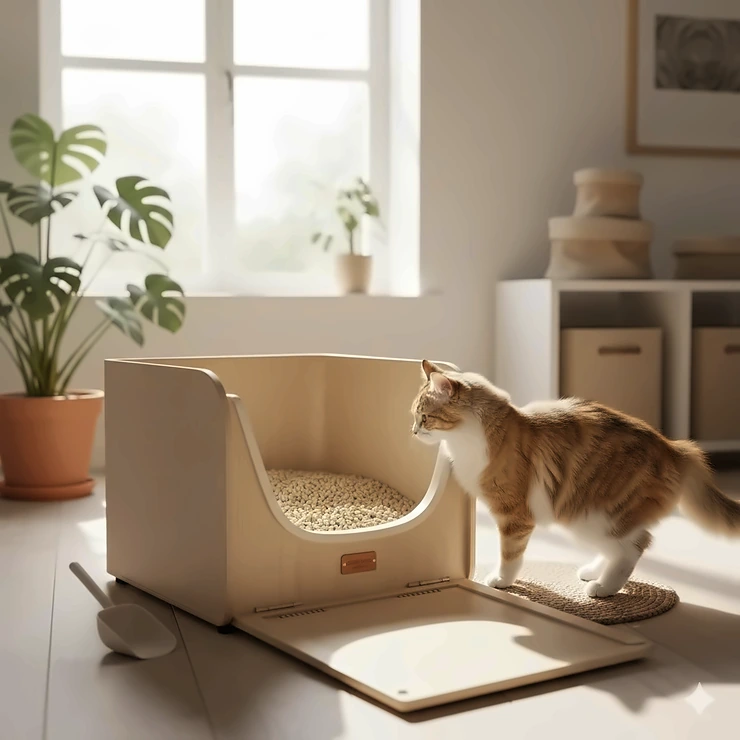
You’re scooping your cat’s litter box for the hundredth time this month, and suddenly it hits you: where does all this clay litter actually come from? If you’ve ever wondered whether there’s a better way to handle your feline friend’s bathroom needs, you’re in the right place.
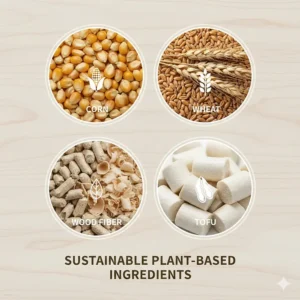
Plant-based cat litter has revolutionized the pet care industry, offering eco-conscious cat parents a sustainable alternative to traditional clay litters. Made from renewable materials like corn, wheat, grass seed, wood, and even tofu, these natural options deliver impressive odor control and clumping ability without the environmental guilt. According to studies, strip mining for clay-based litter causes significant habitat destruction and contributes approximately 50 tons of CO2 emissions annually per production facility.
The shift toward natural cat litter isn’t just about saving the planet—it’s about creating a healthier home environment for both you and your cat. Traditional clay litters contain silica dust that can irritate respiratory systems, while plant-based alternatives offer 99% dust-free formulas that are gentler on sensitive paws and noses. Whether you’re dealing with allergies, seeking better odor control, or simply want to reduce your carbon footprint, there’s a plant-based solution tailored to your needs.
In this comprehensive guide, we’ll explore seven top-performing plant-based cat litters available on Amazon in 2026, covering everything from tofu cat litter to grass-based cat litter and beyond. You’ll discover which formula works best for multi-cat households, kittens with sensitive paws, and budget-conscious pet parents looking for maximum value.
Quick Comparison Table
| Product | Material | Weight | Price Range | Key Feature | Rating |
|---|---|---|---|---|---|
| FUKUMARU Tofu Litter | Pea & Corn Fiber | 18 lbs | $30-36 | Ultra-absorbent, flushable | ⭐⭐⭐⭐⭐ |
| SmartCat Grass Litter | 100% Grass Seed | 5-20 lbs | $10-40 | Biodegradable, soft texture | ⭐⭐⭐⭐½ |
| World’s Best Corn Litter | Whole-Kernel Corn | 15-32 lbs | $20-45 | 2x longer-lasting | ⭐⭐⭐⭐⭐ |
| ökocat Wood Clumping | Reclaimed Wood Fiber | 12-19 lbs | $16-21 | Stops odor naturally | ⭐⭐⭐⭐½ |
| Almo Nature Cassava Litter | Cassava Root | 10 lbs | $18-21 | Compostable, non-toxic | ⭐⭐⭐⭐ |
| I AM TOFU Charcoal | Soybean & Corn Starch | 10 lbs | $27-30 | Water-soluble, 99% dust-free | ⭐⭐⭐⭐ |
| LitterLux Tofu Litter | Natural Tofu | 11 lbs | $20-24 | Low tracking, fast clumping | ⭐⭐⭐⭐ |
💬 Just one click – help others make better buying decisions too! 😊
Top 7 Plant-Based Cat Litters: Expert Analysis
1. FUKUMARU Tofu Cat Litter – Best Overall for Natural Performance
The FUKUMARU Tofu Cat Litter stands out as our top pick for plant-based litter enthusiasts seeking uncompromising performance. Made from 100% natural pea and corn fibers, this FUKUMARU formula delivers 2-second absorption and 3-second clumping that rivals any traditional clay litter. The bright white formula lets you spot health changes instantly—a feature that veterinarians consistently praise.
Specifications:
- Weight: 18 lbs (three 6-lb bags)
- Material: Pea fiber and corn starch
- Absorption rate: 400% of its weight
What sets FUKUMARU apart is its gentle 2mm pellet design that won’t stick between paws, significantly reducing tracking throughout your home. Customer feedback highlights the anti-stick feature that makes scooping a breeze, with clumps lifting cleanly without crumbling. The unscented formula provides natural odor control that works best in moderate climates, though users in hot, humid areas might want to consider their White Tea Blend variant for enhanced performance.
✅ 99.9% dust-free formula protects sensitive noses
✅ Fully flushable and biodegradable
✅ Lightweight—half the weight of clay litter
❌ May need more frequent changes in humid climates
❌ Premium pricing compared to clay alternatives
Price: $30.42 with Subscribe & Save (regularly $35.79)
2. SmartCat All Natural Grass Litter – Best for Soft Paws
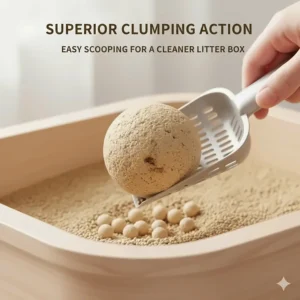
Cat behaviorist Betsy Lipscomb didn’t just create another litter—she revolutionized the category with SmartCat All Natural Grass Litter. This SmartCat formula harnesses 100% USA-farmed grass seed to deliver clumping power that genuinely outperforms clay, all while maintaining a soft, sand-like texture that cats instinctively love.
Specifications:
- Weight: Available in 5, 10, and 20 lb bags
- Material: 100% non-GMO sorghum grass seed
- Dust-free rating: 99%
The magic lies in the high starch content of grass seed, which creates rock-hard clumps through natural processes rather than artificial binders. SmartCat works exceptionally well for introducing kittens to the litter box or transitioning picky cats from clay, thanks to its familiar texture. Users consistently report that one 20 lb bag lasts approximately 4-6 weeks for a single cat—impressive longevity for a natural product.
However, the lightweight nature does come with increased tracking potential. Pioneer Pet recommends using a litter mat and daily shaking to minimize this issue. Some users report a subtle natural grass scent that dissipates quickly, though it’s never overpowering like artificial fragrances.
✅ Made from renewable, USA-farmed grasses
✅ Completely chemical-free and fragrance-free
✅ Exceptional clumping prevents waste
❌ Higher tracking compared to heavier litters
❌ Premium price point ($2.99 per pound)
Price: $9.99-$39.99 depending on bag size
3. World’s Best Cat Litter Multiple Cat – Best for Multi-Cat Homes
When you’re managing multiple feline personalities, World’s Best Cat Litter Multiple Cat formula delivers the heavy-duty performance that busy cat households demand. This World’s Best corn-based litter harnesses patented compression technology that transforms whole-kernel corn into super-absorbent granules with enhanced odor-fighting power.
Specifications:
- Weight: 15, 28, or 32 lb bags
- Material: Whole-kernel corn with natural plant additives
- Performance: 2x longer-lasting than leading brands
The Multiple Cat formula incorporates proprietary plant-based ingredients specifically designed to combat the intensified odors that come with housing two or more cats. Customer reviews from multi-cat households praise the litter’s ability to maintain freshness for extended periods, with clumps that lift away cleanly without sticking to pan sides or bottoms.
World’s Best earned its reputation through rigorous testing confirming it’s both flushable and septic-safe—a convenience factor that simplifies daily maintenance. The 99% dust-free formula means you can pour and scoop without creating clouds of particles that aggravate allergies or asthma. At just 28 pounds for the large bag, it’s significantly lighter than an equivalent volume of clay litter, saving your back during litter box changes.
✅ Tested flushable and septic-system safe
✅ Made from renewable, USA-grown corn
✅ No harmful chemicals or artificial perfumes
❌ Some cats may initially reject corn-based texture
❌ Can develop odor if not scooped daily in humid conditions
Price: $20-$45 depending on bag size
4. ökocat Original Wood Clumping – Best for European Engineering
German innovation meets American sustainability with ökocat Original Wood Clumping litter, a next-generation formula that transforms reclaimed wood fiber into exceptional odor-fighting performance. The ökocat brand name literally means “eco cat” in German, reflecting their commitment to creating cleaner, healthier homes through sustainable materials.
Specifications:
- Weight: 12.6, 13.2, or 18.8 lb bags
- Material: Precision-cut softwood fiber (never cedar)
- Longevity: Lasts 4-7 weeks with regular scooping
What makes ökocat truly innovative is how the wood fiber naturally prevents enzymes from bonding with liquid and waste—stopping ammonia and odor before they even form. This isn’t masking smells with fragrances; it’s eliminating the biochemical process that creates odors in the first place. The precision-cut fiber absorbs moisture on contact, forming solid clumps without synthetic chemical binders.
Users appreciate that ökocat comes in 100% recyclable paper packaging that’s easier to carry and pour than plastic bags. The litter itself is compostable and can be flushed in well-maintained plumbing systems (though California residents should note state guidelines discouraging this practice to protect marine life). The natural wood scent is subtle and pleasant, reminiscent of a forest walk rather than artificial pine cleaner.
✅ Made from sustainably sourced wood fiber
✅ 99% dust-free for healthier air quality
✅ Biodegradable and compostable
❌ Slightly higher price per pound
❌ May not be ideal for cats allergic to wood products
Price: $15.69-$21.99 depending on size
5. Almo Nature Plant-Based Cassava Litter – Best Budget-Friendly Option
Don’t let the affordable price fool you—Almo Nature Plant-Based Cassava Litter delivers premium performance that punches well above its weight class. This Almo Nature formula utilizes cassava root, a sustainable tropical plant that creates soft, absorbent pellets gentle enough for sensitive paws yet tough enough for serious odor control.
Specifications:
- Weight: 10 lbs
- Material: 100% cassava root fibers
- Features: Biodegradable, compostable, additive-free
The cassava-based pellets form thin, tight clumps that trap odors on the surface rather than letting them seep throughout the entire litter box. This surface-clumping technology means the remaining litter stays cleaner and dryer between complete changes. Almo Nature markets this as ideal for elderly cats whose waste tends to have stronger odors, and customer feedback confirms excellent odor neutralization.
Being completely additive-free, Almo Nature works well for cats and families with sensitivities to chemicals or fragrances. The bright white color provides excellent health monitoring capabilities, similar to more expensive alternatives. While the 10 lb bag is smaller than some competitors, its exceptional absorbency means it lasts approximately 3-4 weeks for one cat—comparable value to heavier clay litters.
✅ Excellent price-to-performance ratio
✅ Safe for kittens and senior cats
✅ Low-dust formula reduces allergens
❌ Smaller bag size requires more frequent purchases
❌ May track slightly more than larger pellet formats
Price: $18.01 with Subscribe & Save (regularly $21.19)
6. I AM TOFU Tofu Cat Litter Charcoal – Best for Odor Elimination
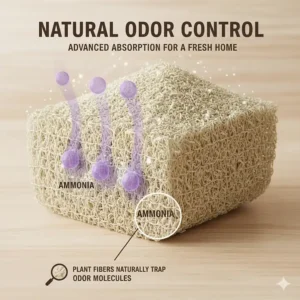
When odor control is your absolute priority, I AM TOFU Tofu Cat Litter Charcoal brings activated charcoal’s legendary absorption power to plant-based litter. This I AM TOFU formula combines 100% soybean fiber with charcoal’s natural odor-neutralizing properties, creating a powerhouse solution for multi-cat homes or smaller living spaces.
Specifications:
- Weight: 10 lbs
- Material: Soybean fiber with activated charcoal
- Processing: High-temperature sterilization at 896°F
The high-temperature processing ensures I AM TOFU is exceptionally clean and safe, while the water-soluble formula dissolves instantly upon contact with water—making it genuinely flushable in well-maintained systems. The charcoal variant provides enhanced odor control compared to regular tofu litters, with customers reporting that even in studio apartments, litter box odors remain undetectable.
One unique aspect of I AM TOFU is the natural clumping formula that works without synthetic binders. Clumps form within minutes and lift away cleanly without sticking to the box bottom. The 99% dust-free formula keeps air quality pristine, while the lightweight nature (a 10 lb bag feels like carrying 3-4 lbs of clay) makes it accessible for those with mobility concerns.
✅ Water-soluble and safe for flushing
✅ Can be used as compost after use
✅ 400% absorption capacity
❌ Requires gradual transition from clay litter
❌ Shorter lifespan in extremely humid environments
Price: $26.99 with Subscribe & Save (regularly $29.99)
7. LitterLux Tofu Cat Litter – Best for Low Tracking
If you’re tired of finding litter pellets in every corner of your home, LitterLux Tofu Cat Litter delivers industry-leading low-tracking performance that keeps your floors cleaner. This LitterLux tofu-based formula features specially designed pellets that don’t stick to paws or scatter when cats exit the box, addressing one of the most common complaints about lightweight litters.
Specifications:
- Weight: 11 lbs (two 5.5 lb bags)
- Material: Organic bean powder, guar gum, edible starch
- Clumping speed: 3 seconds
The LitterLux formula combines fast-clumping action with superior neutralizing properties that eliminate odors rather than masking them with fragrances. The 99.99% dust-free formulation makes it an excellent choice for cats and people with allergies or respiratory sensitivities. Customer feedback consistently highlights how little litter escapes the box, even with vigorous diggers.
Being fully soluble in water, LitterLux clumps can be flushed safely (in reasonable quantities) or composted in non-food garden areas. The dual-bag packaging makes storage convenient while maintaining freshness. Users report that the litter maintains its clumping integrity throughout its lifespan, with no crumbling or breakdown that creates dusty residue.
✅ Excellent low-tracking design
✅ Natural bean fragrance masks odors organically
✅ Flushable and biodegradable
❌ Not compatible with robot litter boxes
❌ Requires consistent 6-inch depth for optimal performance
Price: $20.39 with Subscribe & Save (regularly $23.99)
Understanding Plant-Based Cat Litter Materials
What Makes Plant-Based Litter Different?
Plant-based cat litter represents a fundamental shift from traditional mining-dependent products to renewable agricultural materials. Unlike clay litter, which requires destructive strip mining that removes topsoil and destroys habitats, natural cat litter utilizes byproducts from food production or sustainably farmed crops. This distinction matters more than many cat owners realize.
Traditional clay litter—specifically sodium bentonite—comes from open-pit mining operations that have permanent environmental consequences. According to Earth.Org’s research on pet environmental impact, strip mining for cat litter destroys ecosystems, causes soil erosion, and pollutes water sources. The U.S. Environmental Protection Agency has noted that pet waste management, including litter disposal, contributes significantly to urban runoff pollution.
Plant-based alternatives sidestep these issues entirely. Materials like corn, wheat, grass seed, and soybean are renewable resources that regenerate annually. Wood-based litters often utilize reclaimed lumber industry byproducts that would otherwise become waste. Even tofu cat litter typically comes from food-grade soybean residue, giving new life to materials that served their primary purpose in human food production.
Types of Plant-Based Cat Litter
Corn-Based Cat Litter
Corn litter harnesses the natural absorbency of whole-kernel corn, compressed into granules that trap liquid and odor effectively. Brands like World’s Best Cat Litter use patented processes to maximize corn’s starch content for superior clumping. The renewable nature of corn farming means this resource regenerates annually, unlike mined clay deposits.
Grass-Based Cat Litter
Grass seed cat litter, exemplified by SmartCat, utilizes sorghum or other grass varieties farmed specifically for their high starch content. The soft texture appeals to cats while providing excellent clumping through natural binding properties. This represents one of the most biodegradable options available.
Tofu Cat Litter
Derived from soybean processing, tofu cat litter has gained massive popularity for its combination of performance and sustainability. Brands like FUKUMARU and I AM TOFU create pellets from food-grade soy residue, offering exceptional absorbency while remaining fully biodegradable and often flushable.
Wood-Based Cat Litter
Wood fiber litters like ökocat use precision-cut reclaimed wood that naturally prevents odor-causing enzyme formation. Pine, spruce, and fir varieties offer natural freshness without cedar’s potentially irritating oils. The wood pellet format creates minimal dust while delivering long-lasting performance.
Cassava-Based Cat Litter
Cassava root, a tropical plant similar to tapioca, creates soft pellets perfect for sensitive paws. Almo Nature demonstrates how this underutilized plant material can match or exceed clay litter performance while remaining completely compostable.
Environmental Benefits of Plant-Based Litter
Reducing Carbon Footprint
The production and disposal of traditional clay litter generates approximately 50 tons of CO2 annually per manufacturing facility, according to sustainability research. This includes emissions from heavy mining equipment, kilning processes that dry the clay, and transportation of the dense product. Plant-based alternatives dramatically reduce these numbers through lighter weight, renewable sourcing, and biodegradable disposal options.
A study referenced by Citizen Sustainable found that switching from clay to plant-based litter could reduce a cat owner’s carbon footprint by up to 60% over a year. The weight difference alone matters—transporting 28 pounds of corn litter versus 45 pounds of clay litter for equivalent absorbency reduces fuel consumption and emissions across the entire supply chain.
Biodegradability and Composting
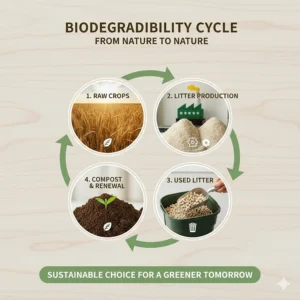
Clay litter persists in landfills indefinitely because it’s essentially rock that won’t decompose. In contrast, plant-based materials break down naturally, returning nutrients to the soil rather than creating permanent waste deposits. Many grass-based cat litter and tofu cat litter products can be composted in non-food gardens, though you should never use cat waste compost on edible plants due to potential pathogen concerns.
Water Conservation
Clay mining operations require significant water usage for processing and dust control. Plant-based agricultural sourcing generally uses existing farming infrastructure with established water management practices. Additionally, the biodegradable nature of natural cat litter means it won’t contribute to water pollution when properly disposed of, unlike clay litter that can release silica dust and additives into groundwater.
Health Benefits for Cats and Humans
Dust-Free Advantages
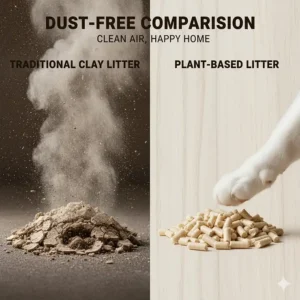
Silica dust from clay litter poses respiratory risks to both cats and humans, particularly those with asthma or allergies. When you pour or scoop clay litter, clouds of microscopic particles become airborne and remain suspended in your home’s air for hours. These particles lodge in lungs and can trigger inflammatory responses.
Plant-based alternatives typically achieve 99% dust-free performance through screening processes that remove fine particles. Wood, corn, and grass litters naturally produce minimal dust compared to powdered clay. This translates to cleaner air, reduced respiratory irritation, and lower risk of developing sensitivity issues over time.
Chemical-Free Formulations
Traditional litters often contain additives for odor control, clumping enhancement, or fragrancing—chemicals that cats contact directly through their paws and potentially ingest during grooming. Natural cat litter relies on the inherent properties of plant materials for odor control and clumping, eliminating synthetic chemical exposure.
For households with young children, elderly family members, or immunocompromised individuals, this chemical-free approach provides peace of mind. You’re not introducing unnecessary substances into your home environment, and accidental ingestion (by curious toddlers or cats) poses minimal risk.
Sensitive Paw Protection
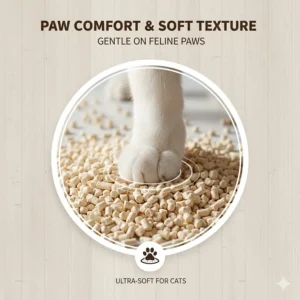
Clay litter’s harsh texture can irritate delicate paw pads, particularly for kittens, senior cats with thinning skin, or breeds like Sphynx cats with minimal fur protection. Plant-based options offer varied textures—from SmartCat’s soft, sand-like grass seed to ökocat’s smooth wood pellets—allowing you to match your cat’s sensitivity level.
How to Choose the Right Plant-Based Cat Litter
1. Assess Your Cat’s Preferences
Cats are notoriously particular about litter texture and scent. Start by considering your current litter’s characteristics. If your cat uses fine-grain clay, grass-based cat litter offers a similar soft texture that eases transitions. For cats accustomed to larger pellets, wood or tofu cat litter might feel more familiar. Some cats refuse scented litters entirely, making unscented corn or cassava options your best bet.
2. Consider Your Living Space
Apartment dwellers need to prioritize odor control and tracking reduction. I AM TOFU with charcoal or World’s Best Multi-Cat formula excel in small spaces where litter box odors concentrate quickly. If you have the luxury of a dedicated laundry room or basement for litter boxes, odor control becomes less critical, and you can focus on factors like biodegradability or price.
3. Evaluate Your Budget
Plant-based litters typically cost more upfront than basic clay, but longevity often evens the score. A 28-pound bag of World’s Best might cost $35 versus $10 for clay, but it lasts 2x longer, reducing your effective cost. Budget-conscious buyers should calculate price per week of use rather than price per pound.
4. Think About Disposal Methods
Do you want to flush clumps for convenience? Choose tofu-based or corn-based litters tested for septic safety. Planning to compost? Grass seed and wood varieties break down quickly in compost bins. Limited to trash disposal? Any plant-based option beats clay for reducing landfill impact.
5. Test Multiple Brands
Cats often have strong opinions about litter changes. Purchase small bags of 2-3 different plant-based types and introduce them gradually by mixing with current litter. Monitor your cat’s usage patterns, willingness to cover waste, and any elimination outside the box—signs they’re rejecting the new litter.
6. Factor in Special Needs
Kittens benefit from fine-textured grass litter that won’t be accidentally ingested. Senior cats with arthritis need lightweight options they can dig through easily. Multi-cat households require maximum odor control and fast clumping. Match the product to your specific situation rather than defaulting to “most popular.”
7. Read Beyond Marketing Claims
“Natural” doesn’t automatically mean superior. Examine actual materials lists, clumping mechanisms, and dust ratings. Look for third-party testing verification for claims like “flushable” or “compostable.” Customer reviews reveal real-world performance that marketing materials gloss over.
Transitioning Your Cat to Plant-Based Litter
Making the switch from traditional clay to natural cat litter requires patience and strategy. Cats are creatures of habit, and sudden changes to their bathroom setup can trigger stress or litter box avoidance. Follow this proven transition protocol that veterinarians and behaviorists recommend:
Week 1: Initial Introduction
Start with a clean litter box containing 75% of your current litter and 25% of the new plant-based option. Place boxes in their usual locations and observe your cat’s reaction. Some cats dive right in, while others may sniff suspiciously before using the box tentatively.
Week 2: Gradual Increase
If your cat used the box normally during week one, shift to a 50/50 mixture. This halfway point often represents the trickiest phase—enough new litter to change texture and scent, but not enough for confident adjustment. Watch for signs of distress like circling without eliminating or vocalizing near the box.
Week 3: Majority Transition
Move to 75% plant-based litter and 25% traditional. By this stage, most cats have accepted the new texture and smell as normal. You might notice improved odor control or reduced tracking as the benefits of natural cat litter become apparent.
Week 4: Complete Switch
Use 100% plant-based litter and remove all traces of clay. Thoroughly clean the box with mild soap and water to eliminate lingering scents from the old litter. This fresh start helps solidify the transition.
Troubleshooting Rejection:
If your cat refuses to use the box at any stage, slow down. Return to a higher percentage of familiar litter and extend each phase by 3-5 days. Some cats require 6-8 weeks for complete adjustment. Never punish avoidance behavior—it indicates stress, not defiance.
Plant-Based Litter Maintenance Tips
Daily Scooping Best Practices
Successful plant-based litter management hinges on consistent daily maintenance. Natural materials clump differently than clay, requiring slight technique adjustments. Use a slotted scoop with appropriately sized holes—too large and you’ll lose expensive litter with clumps; too small and you’ll strain unnecessarily.
Scoop at least once daily, preferably at the same time so your cat knows when the box will be freshest. Many plant-based clumps are flushable, but never flush multiple clumps simultaneously. One at a time prevents plumbing issues and ensures proper breakdown in septic systems.
Optimal Depth Maintenance
Most plant-based litters perform best at 2-3 inches depth, but specific requirements vary. LitterLux specifies 6 inches for maximum effectiveness, while World’s Best works well with just 2 inches. Insufficient depth prevents proper clumping and allows urine to reach the box bottom, creating stuck-on messes. Too much depth wastes product and makes digging difficult for some cats.
Odor Control Strategies
Even the best natural cat litter benefits from supplementary odor management. Position litter boxes away from HVAC vents that circulate smells throughout your home. Consider air purifiers with activated carbon filters near litter areas. Many cat owners successfully use baking soda sprinkled lightly under or mixed into litter for additional neutralization.
Avoid scented sprays or additives marketed for litter boxes—these often overwhelm cats’ sensitive noses and trigger avoidance behaviors. Plant-based litters’ natural materials provide sufficient odor control when maintained properly.
Complete Changes and Deep Cleaning
Unlike clay litter that requires weekly dumping, many plant-based options last 3-4 weeks before needing complete replacement. ökocat advertises up to 7 weeks longevity with one cat and regular scooping. Monitor your litter’s performance rather than changing on a fixed schedule.
When you do replace all litter, thoroughly wash the box with unscented dish soap and warm water. Vinegar solutions work well for removing odor buildup and urine scale. Dry completely before refilling—moisture reduces clumping effectiveness in all plant-based varieties.
Seasonal Adjustments
Humidity dramatically affects natural cat litter performance. Summer moisture can slow clump formation and accelerate odor development in grass-based or corn-based formulas. Combat this by increasing scoop frequency to twice daily and possibly reducing litter depth to improve airflow. Air conditioning helps enormously.
Winter’s dry air enhances clumping and odor control, allowing you to stretch litter changes slightly longer. However, static electricity can cause wood or corn pellets to cling to fur and track more. Anti-static spray on litter mats helps contain this seasonal annoyance.
Common Concerns About Plant-Based Litter
“Will It Control Odor as Well as Clay?”
This represents the most frequent question from skeptical cat owners, and the answer is: yes, often better. The mechanism differs from clay’s absorption-and-seal approach, but plant-based materials excel at odor control through different pathways.
Corn and wheat litters absorb moisture so rapidly that odor-causing bacteria have less time to proliferate. Wood fiber actively prevents enzyme formation that creates ammonia smell in the first place. Tofu cat litter’s water-soluble clumps trap waste in tight, sealed packages that release minimal odor.
Customer reviews consistently report that after adjusting to proper maintenance schedules (which may differ from clay litter routines), plant-based options meet or exceed clay’s odor control. The Environmental Protection Agency research confirms that proper plant-based litter management produces no more odor than traditional alternatives.
“Is It Really More Expensive?”
Initial sticker shock is real—a bag of World’s Best costs 2-3 times more than generic clay. However, cost-per-use calculations tell a different story. Plant-based litters’ superior absorbency means you need less volume per litter box. A 15-pound bag of corn litter often outlasts a 35-pound clay container.
Additionally, you’re paying for avoided environmental and health costs. Reduced veterinary bills from respiratory issues, longer-lasting performance that requires fewer purchases, and peace of mind about sustainability all factor into true value assessment.
“Can My Cat Actually Flush This Litter?”
Technically, many plant-based litters are flushable—they break down in water and pass through properly maintained plumbing. Practically, several factors complicate this convenience. California discourages all litter flushing due to Toxoplasma gondii parasites that harm marine mammals. Septic systems may struggle with any litter volume beyond small clumps.
Test your specific plumbing before committing to flush-based disposal. Flush one clump and observe how quickly it dissolves and drains. Slow drainage or incomplete breakdown indicates your system isn’t ideal for flushable litter, regardless of product claims.
“Will It Track Everywhere?”
Tracking concerns are legitimate, especially with lightweight grass-based cat litter or tofu cat litter. However, tracking issues aren’t universal across plant-based types. Larger wood pellets like ökocat track considerably less than fine corn granules. Design features matter too—LitterLux specifically engineered low-tracking pellets that resist paw adhesion.
Placement of high-quality litter mats makes the biggest difference. Deep-grooved or textured mats catch wayward pellets before cats disperse them throughout your home. Regular mat cleaning prevents buildup that reduces effectiveness.
“Is Plant-Based Litter Safe if My Cat Eats It?”
Accidental ingestion poses minimal risk with properly formulated plant-based litters. Materials like corn, wheat, and soybean are already food-grade ingredients—though you obviously shouldn’t encourage litter consumption. Wood fiber passes through digestive systems without harm in small quantities.
Kittens exploring their environment may deliberately taste litter. Plant-based options are exponentially safer than clay or silica gel during this experimental phase. If consumption exceeds occasional tiny amounts, consult your veterinarian to rule out pica or nutritional deficiencies.
Maximizing Value from Your Plant-Based Litter
Multi-Cat Household Strategies
Running multiple litter boxes with natural cat litter requires systematic approaches to control costs. Follow the “one box per cat plus one extra” rule, but consider using different plant-based varieties in each location. For example, use premium FUKUMARU in your main living area where odor control is critical, and budget-friendly Almo Nature in a basement box where air circulation is better.
Establish a strict scooping schedule—twice daily for households with 3+ cats. Missed scoop sessions disproportionately affect natural cat litter performance compared to clay. The extra few minutes daily prevents premature complete changes that waste product.
Storage and Shelf Life
Proper storage extends plant-based litter effectiveness significantly. Moisture is the enemy of grass-based cat litter and corn-based varieties. Transfer litter from paper bags into airtight plastic containers with tight-fitting lids. A 5-gallon bucket with a gamma seal lid works perfectly and stacks efficiently.
Store containers in climate-controlled areas away from humidity sources like washing machines or water heaters. Garages and basements often have fluctuating moisture levels that compromise litter quality. Most plant-based litters maintain effectiveness for 12-18 months when stored properly.
Bulk Buying Considerations
Amazon Subscribe & Save discounts reduce plant-based litter costs by 10-15%, bringing prices closer to clay parity. Calculate your monthly usage accurately before committing—running out means emergency trips for overpriced pet store litter, negating savings. Order one bag less than you estimate and adjust as needed.
Some brands offer multi-pack options at better per-unit pricing. FUKUMARU’s 18-pound three-pack and LitterLux’s dual-bag format provide economies of scale. However, verify your storage capacity can accommodate bulk quantities without compromising freshness through prolonged exposure.
Frequently Asked Questions
❓ What is the best plant-based cat litter for odor control?
❓ Can you flush plant-based cat litter down the toilet?
❓ How often should I completely change plant-based cat litter?
❓ Is grass-based cat litter better than tofu cat litter?
❓ Does plant-based cat litter attract bugs or rodents?
Conclusion: Making the Switch to Plant-Based Cat Litter
Transitioning to plant-based cat litter represents more than just changing products—it’s embracing a more sustainable, health-conscious approach to pet care that benefits your cat, your family, and the planet simultaneously. The seven options we’ve explored demonstrate that you no longer need to compromise performance for environmental responsibility.
Whether you choose FUKUMARU’s exceptional tofu cat litter performance, SmartCat’s soft grass-based cat litter texture, World’s Best’s time-tested corn formula, or any of our featured alternatives, you’re making a choice that matters. You’re refusing to support destructive strip mining. You’re eliminating silica dust exposure. You’re choosing renewable resources that biodegrade naturally rather than persisting in landfills for centuries.
The initial adjustment period—both for your cat and your routine—pays dividends through superior odor control, reduced tracking, lighter weight handling, and the satisfaction of sustainable living. As more cat owners make this switch, we collectively reduce the pet industry’s carbon footprint while demonstrating that eco-friendly choices don’t require sacrificing quality or convenience.
Start with a small bag of whichever plant-based variety appeals most to your situation. Give your cat time to adjust through gradual transition. Monitor performance honestly against your specific needs. Most importantly, celebrate taking action that protects the environment while providing your cat with a cleaner, healthier litter box experience.
The future of cat litter is plant-based, and that future is available right now on Amazon, ready to ship to your door and transform your approach to this daily necessity.
Recommended for You
- 7 Best Cat Grooming Hammock Products That Make Nail Trimming Effortless in 2026
- 7 Best Cat Hammock For Large Cats That Hold 66 Lbs (2026)
- 7 Best Cat Hammocks 2026: Transform Your Feline’s Comfort
Disclaimer: This article contains affiliate links. If you purchase products through these links, we may earn a small commission at no additional cost to you.
✨ Found this helpful? Share it with your friends! 💬🤗
