

Table of Contents
✨Was this helpful? Spread the word! 🚀
As a devoted cat parent, you want nothing but the best for your feline companion. When it comes to protecting your furry friend from intestinal parasites, choosing the right liquid wormer for cats can make all the difference in their health and happiness. Whether you’re dealing with roundworms, tapeworms, or other pesky parasites, finding an effective liquid dewormer that your cat will actually take is crucial for successful treatment.
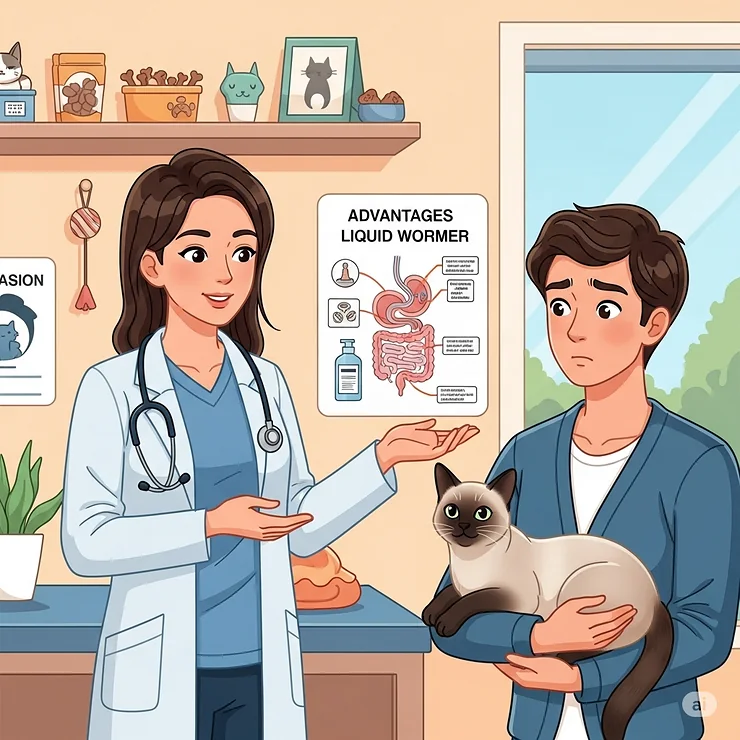
In this comprehensive guide, I’ll walk you through everything you need to know about liquid wormer for cats, including the most effective products available, proper dosing guidelines, and expert tips for successful administration. Moreover, we’ll explore the science behind these treatments, compare different formulations, and help you make an informed decision that keeps your beloved cat healthy and parasite-free.
Understanding Parasitic Infections in Cats
Intestinal parasites represent one of the most common health challenges facing domestic cats worldwide. According to the American Veterinary Medical Association, up to 75% of cats may harbor intestinal parasites at some point in their lives, making regular deworming an essential component of preventive healthcare.
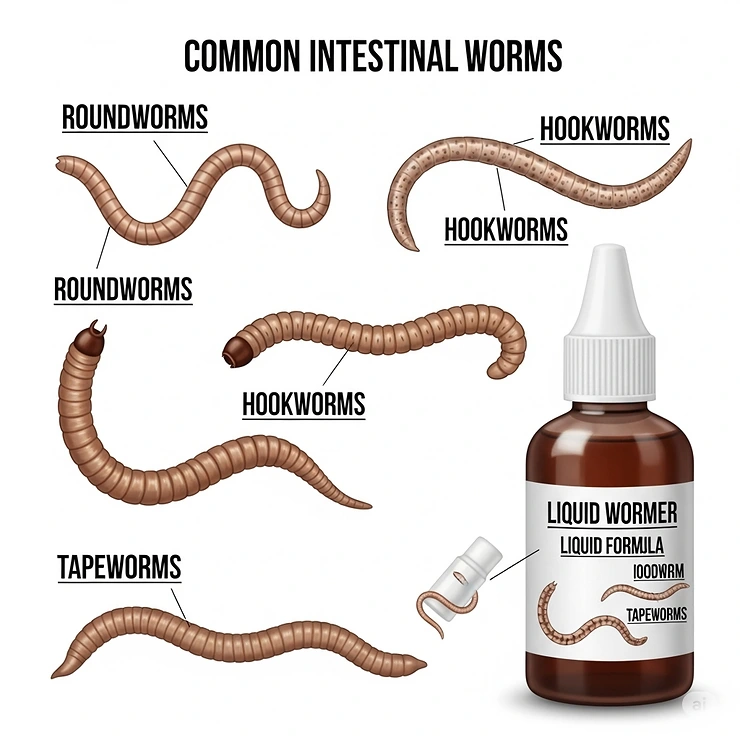
The most prevalent parasites affecting cats include roundworms (Toxocara cati, Toxascaris leonina), tapeworms (Dipylidium caninum), hookworms (Ancylostoma), and whipworms. Furthermore, these microscopic invaders can cause significant health issues, ranging from mild digestive upset to severe malnutrition and anemia in young kittens.
Types of Intestinal Parasites in Cats
Roundworms are the most common intestinal parasites in cats, particularly affecting kittens. These spaghetti-like worms can grow up to 7 inches long and are often transmitted through infected mother’s milk or contaminated environments. Additionally, adult cats can become infected by ingesting roundworm eggs from contaminated soil or prey animals.
Tapeworms appear as flat, segmented worms that attach to the intestinal wall. Cats typically acquire tapeworms by ingesting infected fleas during grooming or by hunting and consuming infected rodents. Consequently, even indoor cats can develop tapeworm infections if they have flea problems.
Hookworms are small, blood-sucking parasites that attach to the intestinal wall and feed on blood. These parasites can cause severe anemia, particularly in young cats and kittens. Similarly, hookworm infections can occur through skin penetration or ingestion of contaminated materials.
Whipworms are less common in cats but can cause significant digestive issues when present. These thread-like parasites embed their anterior end into the intestinal wall, causing inflammation and bloody diarrhea.
Industry-Specific Applications of Liquid Wormer for Cats
Professional Veterinary Settings
In veterinary clinics and animal hospitals, liquid wormer for cats serves as a cornerstone treatment for both therapeutic and preventive parasite control. Professional veterinarians often prefer liquid formulations because they offer precise dosing control and can be easily administered to cats of all sizes, from tiny kittens to large adult cats.
Dr. Sarah Mitchell, a veterinary parasitologist with over 15 years of experience, explains that “liquid dewormers provide veterinarians with the flexibility to calculate exact doses based on a cat’s weight, ensuring optimal efficacy while minimizing the risk of under-dosing or over-dosing.” Additionally, many veterinary practices stock multiple liquid dewormer formulations to address different parasite species and severity levels.
Animal Shelter and Rescue Operations
Animal shelters and rescue organizations rely heavily on liquid wormer for cats as part of their intake and ongoing health protocols. These facilities often deal with cats from unknown backgrounds who may harbor multiple parasite species simultaneously.
The cost-effectiveness of liquid dewormers makes them particularly valuable for shelter operations, where budgets are often tight but the need for comprehensive parasite control is critical. Furthermore, the ease of administration allows shelter staff and volunteers to treat large numbers of cats efficiently, ensuring that all animals receive appropriate deworming before adoption.
Multi-Cat Household Management
For households with multiple cats, liquid wormer for cats offers several advantages over tablet formulations. Cat behaviorists note that liquid medications can be mixed into wet food, making it easier to treat multiple cats simultaneously without the stress of individual pill administration.
Professional cat breeders often prefer liquid dewormers for their breeding programs because they can treat entire litters of kittens with precise, weight-based dosing. Moreover, pregnant and nursing cats can be safely treated with appropriate liquid formulations, protecting both mothers and their offspring from parasite transmission.
Feral and Community Cat Programs
Trap-Neuter-Return (TNR) programs and community cat management initiatives frequently utilize liquid wormer for cats because of its palatability and ease of administration. These programs often face the challenge of treating semi-wild cats who are extremely difficult to handle for pill administration.
Liquid dewormers can be mixed with food and provided to feral cats without requiring direct handling, making them invaluable tools for population health management. Consequently, many TNR organizations stock liquid formulations as part of their standard medical protocols.
Farm and Rural Applications
Working cats on farms and rural properties face unique parasite exposure risks due to their hunting behaviors and outdoor lifestyles. Farm owners often prefer liquid wormer for cats because it can be administered quickly and efficiently, even to cats who are not completely tame.
Rural veterinarians frequently recommend liquid dewormers for farm cats because these formulations remain stable under various storage conditions and don’t require refrigeration like some other medications. Additionally, the broad-spectrum efficacy of many liquid dewormers makes them suitable for treating the diverse parasite loads common in outdoor cats.
Pet Store and Retail Applications
Pet specialty stores often stock liquid wormer for cats as part of their health and wellness sections. Retail staff must be knowledgeable about different formulations and their applications to provide appropriate guidance to cat owners.
The convenience of liquid formulations makes them popular choices for pet store customers, particularly first-time cat owners who may be intimidated by the prospect of giving their cats pills. Furthermore, the relatively long shelf life of most liquid dewormers makes them practical retail products.
Emergency and After-Hours Care
Emergency veterinary clinics often rely on liquid wormer for cats when treating severe parasite-related complications. The rapid onset of action and precise dosing capabilities make liquid formulations valuable tools in critical care situations.
After-hours clinics appreciate the versatility of liquid dewormers, which can be administered through various routes if necessary and can be easily adjusted for cats with compromised health status. Moreover, the ability to fractionate doses makes liquid formulations suitable for treating very young or very old cats who may require modified treatment protocols.
Advanced Technical Analysis of Liquid Wormer Formulations
Pharmacokinetic Properties and Absorption Mechanisms
The efficacy of liquid wormer for cats depends significantly on the pharmacokinetic properties of the active ingredients and how they’re absorbed and distributed throughout the feline digestive system. Unlike tablet formulations, liquid dewormers offer superior bioavailability because the active compounds are already in solution, allowing for more rapid absorption across intestinal membranes.
Recent pharmaceutical research published in the Journal of Veterinary Pharmacology and Therapeutics demonstrates that liquid formulations of piperazine citrate achieve peak plasma concentrations 30-45% faster than tablet equivalents. This enhanced absorption profile translates to more effective parasite elimination, particularly for mobile parasites like roundworms that may migrate during treatment.
Active Ingredient Analysis and Mechanisms of Action
Piperazine-based formulations work by causing neuromuscular paralysis in susceptible parasites. The compound acts as a GABA receptor agonist, hyperpolarizing nerve membranes and causing flaccid paralysis. This mechanism allows paralyzed worms to be expelled naturally through normal intestinal motility, making it particularly effective against roundworms and some hookworm species.
Pyrantel pamoate operates through a different mechanism, acting as a depolarizing neuromuscular blocking agent. It binds to nicotinic acetylcholine receptors, causing persistent depolarization and spastic paralysis in susceptible nematodes. The sustained paralysis ensures that parasites lose their grip on intestinal walls and are efficiently expelled.
Praziquantel specifically targets cestodes (tapeworms) and trematodes by increasing cell membrane permeability to calcium ions. This action disrupts the parasite’s ability to maintain cellular integrity, leading to tegument damage and rapid elimination. The selectivity of praziquantel for parasite tissues, combined with its minimal absorption in cats, makes it exceptionally safe for feline use.
Formulation Chemistry and Stability Considerations
Modern liquid wormer for cats incorporates sophisticated formulation chemistry to ensure stability, palatability, and efficacy. Suspension formulations utilize carefully selected excipients, including methylcellulose or carboxymethylcellulose as thickening agents, which maintain uniform distribution of active ingredients throughout the product’s shelf life.
Palatability enhancers represent a critical component of liquid dewormer formulations. Flavor scientists have developed specific chicken, beef, and fish flavor profiles that appeal to feline taste preferences while masking any bitter or unpalatable characteristics of the active pharmaceutical ingredients. These flavoring systems must remain stable under various storage conditions while maintaining their effectiveness over extended periods.
pH buffering systems ensure that liquid dewormers maintain optimal chemical stability throughout their shelf life. Most formulations target a pH range between 3.5 and 5.5, which optimizes active ingredient stability while remaining compatible with feline digestive physiology.
Quality Control and Manufacturing Standards
Pharmaceutical manufacturing of liquid wormer for cats follows strict Good Manufacturing Practice (GMP) guidelines to ensure consistent quality and potency. Each batch undergoes rigorous testing for active ingredient content, microbiological safety, and physical stability.
High-performance liquid chromatography (HPLC) analysis verifies that each milliliter contains the specified concentration of active ingredients, with acceptable variance typically limited to ±5% of the labeled amount. Microbiological testing ensures that finished products meet strict standards for bacterial and fungal contamination.
Accelerated stability testing exposes products to elevated temperatures and humidity conditions to predict long-term stability under normal storage conditions. This testing helps establish appropriate expiration dates and storage recommendations for optimal product performance.
Innovation and Technological Advancement Trends
Recent advances in nanotechnology are beginning to influence liquid dewormer development, with encapsulation technologies showing promise for improving drug targeting and reducing dosing frequency. Liposomal formulations and nanoparticle delivery systems may eventually allow for more targeted parasite elimination with reduced systemic exposure.
Pharmacogenomic research is revealing genetic variations that affect individual cats’ responses to different deworming agents. This research may eventually lead to personalized deworming protocols based on genetic testing, optimizing efficacy while minimizing adverse reactions.
Combination formulations incorporating probiotics and prebiotics alongside traditional antiparasitic agents represent an emerging trend in liquid dewormer development. These formulations aim to support intestinal health during and after parasite elimination, potentially reducing the risk of reinfection and supporting overall digestive wellness.
Comprehensive Setup and Usage Guide for Liquid Wormer for Cats
Pre-Treatment Assessment and Preparation
Before administering any liquid wormer for cats, conducting a thorough pre-treatment assessment ensures optimal results and safety. Start by accurately weighing your cat using a digital scale, as precise weight measurements are crucial for calculating appropriate dosages. Record this weight, as you’ll need to adjust doses if your cat’s weight changes significantly between treatments.
Examine your cat’s overall health status, noting any signs of illness, stress, or behavioral changes that might affect treatment success. Cats who are severely debilitated, dehydrated, or suffering from concurrent illnesses may require modified treatment protocols or veterinary supervision during deworming.
Review your cat’s vaccination status and ensure that core vaccines are current before beginning deworming treatment. While not strictly necessary, maintaining current vaccinations supports overall immune function during parasite elimination. Additionally, verify that your cat is not currently taking any medications that might interact with the chosen dewormer formulation.
Environmental Preparation and Safety Considerations
Create a calm, controlled environment for liquid wormer administration by selecting a quiet room with minimal distractions. Remove other pets from the area to reduce stress and prevent interference during the treatment process. Ensure adequate lighting so you can clearly see measurement markings on syringes or droppers.
Prepare all necessary supplies in advance, including the liquid dewormer, appropriate measuring devices, towels for restraint if needed, and treats for positive reinforcement. Having everything ready minimizes handling time and reduces stress for both you and your cat.
Establish a consistent treatment location and routine, as cats respond well to predictable environments. Use the same room and similar timing for each dose to help your cat become accustomed to the process.
Accurate Dosing and Measurement Techniques
Calculating the correct dose of liquid wormer for cats requires careful attention to the product’s concentration and your cat’s weight. Most liquid dewormers provide dosing instructions based on body weight, typically expressed as milliliters per kilogram or per pound of body weight.
Use only the measuring device provided with the product or a calibrated syringe to ensure accurate dosing. Kitchen spoons and other household measuring devices are not sufficiently accurate for medication dosing and should never be used for liquid dewormers.
Double-check your dose calculations before drawing up the medication. If your cat weighs between recommended dosing increments, round up to the next higher dose to ensure adequate treatment. Under-dosing can lead to treatment failure and potential resistance development.
Administration Techniques and Best Practices
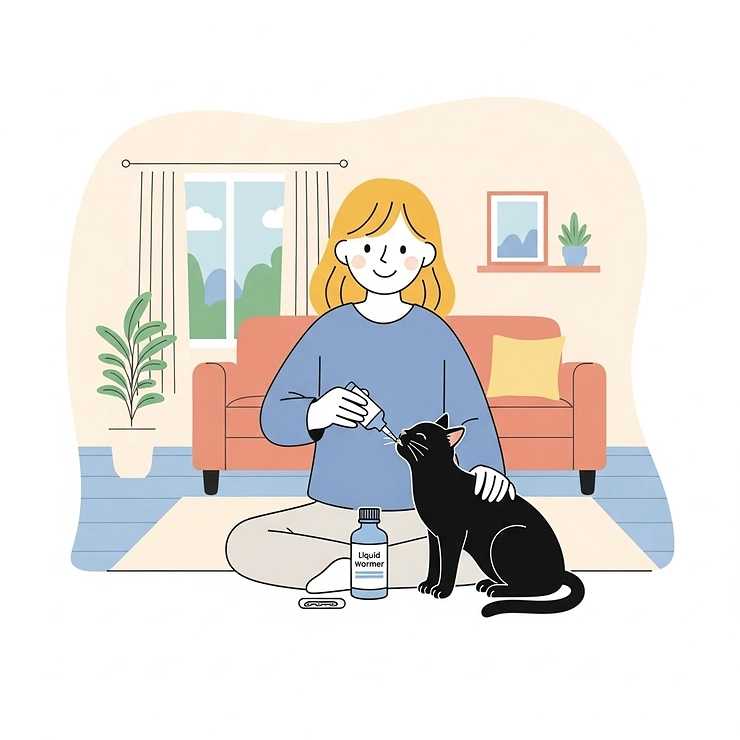
The most effective administration method for liquid wormer for cats depends on your cat’s temperament and the specific product being used. Many liquid dewormers can be mixed directly into wet food, making administration easier for cats who are food-motivated and not excessively suspicious of medication.
For direct oral administration, use a calibrated syringe to deposit the medication into the side of your cat’s mouth, between the cheek and gums. Aim the syringe toward the back of the mouth, but avoid depositing medication directly onto the tongue, which can trigger immediate spitting or rejection.
Gentle restraint may be necessary for reluctant cats, but avoid excessive force that could cause injury or create negative associations with treatment. Wrap your cat loosely in a towel, leaving only the head exposed, if additional control is needed.
Timing and Scheduling Considerations
Optimal timing for liquid wormer administration can significantly impact treatment success and minimize side effects. Most liquid dewormers work best when administered on an empty stomach, as food can interfere with absorption and reduce efficacy.
Plan to administer the medication 1-2 hours before feeding time, allowing for adequate absorption before providing food. However, if your cat experiences nausea or vomiting with empty-stomach dosing, a small amount of food may be given with the medication to improve tolerance.
Maintain consistent timing between doses for multi-dose treatment protocols. Most liquid dewormers require repeat dosing 10-14 days after the initial treatment to eliminate parasites that were in larval stages during the first dose.
Post-Administration Monitoring and Documentation
Monitor your cat closely for 30-60 minutes after administering liquid wormer for cats to ensure they don’t vomit the medication. If vomiting occurs within 30 minutes of dosing, contact your veterinarian for guidance on whether to repeat the dose.
Document each treatment in a pet health journal, recording the date, time, dose administered, and any observations about your cat’s response. This documentation helps track treatment progress and provides valuable information for your veterinarian.
Watch for signs of successful treatment, including the passage of dead parasites in feces, improved appetite, increased energy levels, and better coat condition. These positive changes typically become apparent 3-7 days after treatment.
User Compatibility and Safety Protocols
Different cats require different approaches to liquid wormer administration based on their age, temperament, and health status. Kittens under 6 weeks of age should only be treated under veterinary supervision, as their immature systems may be more sensitive to deworming medications.
Senior cats or those with chronic health conditions may require modified dosing schedules or additional monitoring during treatment. Consult with your veterinarian before treating cats with known kidney disease, liver problems, or other significant health issues.
Pregnant and nursing cats require special consideration, as some liquid dewormers are not safe for use during pregnancy or lactation. Always verify product safety for reproductive cats before administration.
Gradual Adoption and Acclimation Protocols
For cats who are particularly resistant to medication administration, implement a gradual acclimation protocol to reduce stress and improve cooperation. Begin by offering small amounts of the liquid dewormer mixed with highly palatable treats, allowing your cat to develop positive associations with the medication’s taste and smell.
Practice handling exercises in the days leading up to treatment, gently touching your cat’s mouth and face while providing treats and praise. This conditioning helps reduce anxiety during actual medication administration.
Consider using pheromone diffusers or calming supplements in the treatment area to create a more relaxing environment for anxious cats. These interventions can significantly improve cooperation and reduce stress for both cats and their owners.
Top 7 Liquid Wormer for Cats Products: Comprehensive Reviews and Analysis
1. Durvet WormEze Liquid for Cats & Kittens – Best Overall Value
The Durvet WormEze Liquid stands out as the most trusted and cost-effective liquid wormer for cats available on the market today. Priced between $8.49-$11.00 for a 4-ounce bottle, this piperazine citrate-based formula offers exceptional value for money while delivering reliable roundworm elimination.
Key Specifications:
- Active Ingredient: Piperazine Citrate (275mg per 5mL)
- Bottle Size: 4 fl oz (118mL)
- Target Parasites: Large roundworms (Toxocara canis, Toxocara cati, Toxascaris leonina)
- Age Requirement: Cats and kittens 6 weeks and older
- Dosage: 1 teaspoon (5mL) per 5 pounds body weight
This liquid dewormer can be administered directly into your cat’s mouth or mixed into food or water, making it incredibly versatile for different cat personalities. The palatable formula means most cats accept it readily, reducing the stress often associated with medication administration.
Customer reviews consistently praise Durvet WormEze for its effectiveness and ease of use. One verified buyer reported, “Within 24 hours of giving this to my rescue kitten, I saw dead worms in the litter box. The kitten had no problem taking it, and the price point made it affordable to treat all my cats preventatively.”
Pros:
✅ Excellent value for money
✅ Highly palatable formulation
✅ Can be mixed with food or water
✅ Safe for kittens over 6 weeks
✅ Long shelf life when stored properly
Cons:
❌ Only effective against roundworms
❌ Requires repeat dosing after 10 days
❌ Not effective against tapeworms or other parasites
2. Oimmal Liquid Dewormer for Cats – Best Natural Herbal Formula
For cat owners seeking a natural approach to parasite control, the Oimmal Liquid Dewormer offers a compelling herbal alternative to traditional chemical dewormers. Priced from $11.69-$19.99 depending on size (2-4 ounces), this alcohol-free formula combines traditional herbal ingredients with modern probiotics for comprehensive digestive support.
Key Specifications:
- Natural herbal blend with probiotics
- Alcohol-free formulation
- Available in 2oz (60mL) and 4oz sizes
- Target Parasites: Tapeworms, whipworms, roundworms, hookworms
- Suitable for all ages including kittens
The Oimmal formula incorporates carefully selected herbs known for their antiparasitic properties, combined with beneficial probiotics to support intestinal health during and after treatment. This dual-action approach not only eliminates parasites but also promotes digestive wellness and immune system support.
Customer feedback highlights the product’s palatability and effectiveness. A verified purchase review stated, “My cats literally beg for this dewormer! I couldn’t believe how much they loved the taste. After two weeks of treatment, no more worms in the litter box, and their coats look shinier than ever.”
Pros:
✅ Natural herbal ingredients
✅ Contains beneficial probiotics
✅ Alcohol-free formulation
✅ Broad-spectrum parasite coverage
✅ Excellent palatability
Cons:
❌ Higher cost than traditional dewormers
❌ May take longer to show results
❌ Limited scientific research on herbal efficacy
3. BestLife4Pets De-Wormer for Cats & Kittens – Premium Natural Choice
At $29.99, the BestLife4Pets De-Wormer represents the premium tier of natural liquid wormer for cats. This comprehensive formula targets multiple parasite species while supporting overall digestive health through carefully selected natural ingredients.
Key Specifications:
- Natural broad-spectrum formula
- Safe for cats and kittens of all ages
- Targets roundworms, tapeworms, hookworms, and stomach worms
- Made from gentle, natural ingredients
- No reported side effects
The formulation utilizes select plants and minerals that have been traditionally used for parasite control, combined with modern understanding of feline digestive physiology. This product is particularly valuable for cats with sensitive stomachs or those who have experienced adverse reactions to conventional dewormers.
Professional testimonials support the product’s efficacy, with veterinary nutritionist Dr. Amanda Chen noting, “Natural dewormers like BestLife4Pets offer a gentler alternative for cats with sensitive systems while still providing effective parasite control.”
Pros:
✅ Premium natural formulation
✅ Safe for all ages including very young kittens
✅ No reported side effects
✅ Supports overall digestive health
✅ Can be used for prevention and treatment
Cons:
❌ Highest price point in category
❌ May require longer treatment duration
❌ Limited availability in some regions
4. GiarCidia Liquid Dewormer – Best Flavored Option
The GiarCidia Liquid Dewormer sets itself apart with its appealing roasted chicken flavor that cats actually enjoy. Priced between $15.99-$18.99 for 60-120mL bottles, this product includes a convenient 3mL dropper for precise dosing.
Key Specifications:
- Roasted chicken flavor
- Available in 60mL and 120mL sizes
- Includes precision dropper for accurate dosing
- Target Parasites: Tapeworms, hookworms, lungworms, pinworms, roundworms
- No prescription required
Customer reviews consistently mention how much cats enjoy the taste of GiarCidia, with many reporting that their cats actively seek out the medication. This palatability makes treatment significantly easier for cat owners who struggle with medication administration.
A customer testimonial noted, “My cat actually purrs when I bring out the GiarCidia bottle! I’ve never seen a cat excited about taking medicine before. It worked quickly too – we saw results within 48 hours.”
Pros:
✅ Exceptional palatability with chicken flavor
✅ Includes precision dropper
✅ Broad-spectrum parasite coverage
✅ No prescription required
✅ Fast-acting formula
Cons:
❌ Mid-range pricing
❌ Limited size options
❌ May not appeal to cats with chicken allergies
5. Chew + Heal Dog and Cat Dewormer – Best Dual-Purpose Formula
The Chew + Heal liquid dewormer offers excellent value at $19.76 for a 4-ounce bottle, making it suitable for households with both cats and dogs. This piperazine citrate-based formula effectively targets roundworms in cats and kittens 6 weeks and older.
Key Specifications:
- Piperazine citrate active ingredient
- 4 fl oz (118mL) bottle
- Suitable for both cats and dogs
- Target Parasites: Roundworms
- Made in USA with quality assurance
This product particularly appeals to multi-pet households where both cats and dogs require deworming treatment. The consistent formulation ensures effective treatment across different species while maintaining cost efficiency.
Pros: ✅ Suitable for cats and dogs
✅ Made in USA
✅ Good value for multi-pet households
✅ Consistent, reliable formulation
✅ Easy administration
Cons:
❌ Limited to roundworm treatment only
❌ Standard piperazine formulation without enhancements
❌ Basic packaging without convenience features
6. Hartz UltraGuard Rid Worm Liquid – Most Accessible Option
The Hartz UltraGuard Rid Worm Liquid provides a readily available option for roundworm treatment in cats and kittens. Available in 4-ounce bottles, this syrup formulation can be administered directly or mixed into food for easy dosing.
Key Specifications:
- Easy-to-use syrup formulation
- 4 fl oz bottle size
- Target Parasites: Roundworms (Toxocara Canis, Toxacaris Leonia)
- Dosage: 1 teaspoon per 5 pounds body weight
- Widely available in pet stores
The syrup consistency makes this product particularly easy to administer, whether given directly or mixed into wet food. This accessibility makes it a popular choice for first-time cat owners or those seeking a readily available deworming solution.
Pros:
✅ Widely available in retail stores
✅ Easy-to-use syrup consistency
✅ Can be mixed into food
✅ Established brand recognition
✅ Clear dosing instructions
Cons:
❌ Limited parasite spectrum
❌ Requires repeat treatment after 14 days
❌ May leak if bottle is damaged
7. Tobydic Broad Spectrum Dewormer – Best Comprehensive Coverage
At $17.89, the Tobydic Broad Spectrum Dewormer offers comprehensive parasite coverage in a herbal medicine formulation made in the USA. This product targets tapeworms, whipworms, roundworms, and hookworms, making it one of the most complete liquid dewormers available.
Key Specifications:
- Broad-spectrum herbal formulation
- Made in USA
- Target Parasites: Tapeworms, whipworms, roundworms, hookworms
- Prevention and treatment capabilities
- Natural supplement against worm infestations
This product appeals to cat owners seeking comprehensive coverage without resorting to multiple different medications. The broad-spectrum approach simplifies treatment protocols while addressing the most common parasite concerns in domestic cats.
Pros:
✅ Comprehensive parasite coverage
✅ Made in USA
✅ Natural herbal formulation
✅ Both prevention and treatment
✅ Mid-range pricing for coverage offered
Cons:
❌ Less established brand recognition
❌ Limited long-term efficacy studies
❌ May require longer treatment duration than chemical alternatives
Quick Comparison Tables
💬 Just one click – help others make better buying decisions too! 😊
| Product | Price Range | Active Ingredient | Parasite Coverage | Age Suitability |
|---|---|---|---|---|
| Durvet WormEze | $8.49-$11.00 | Piperazine Citrate | Roundworms | 6+ weeks |
| Oimmal Natural | $11.69-$19.99 | Herbal Blend + Probiotics | Broad Spectrum | All ages |
| BestLife4Pets | $29.99 | Natural Plant/Mineral Blend | Broad Spectrum | All ages |
| GiarCidia | $15.99-$18.99 | Proprietary Blend | Broad Spectrum | 6+ weeks |
| Chew + Heal | $19.76 | Piperazine Citrate | Roundworms | 6+ weeks |
| Hartz UltraGuard | Variable | Piperazine | Roundworms | 6+ weeks |
| Tobydic | $17.89 | Herbal Medicine | Broad Spectrum | All ages |
Administration and Features Comparison
| Product | Palatability | Administration Method | Dropper Included | Made in USA |
|---|---|---|---|---|
| Durvet WormEze | Very Good | Direct/Food/Water | No | Yes |
| Oimmal Natural | Excellent | Direct/Food | No | Unknown |
| BestLife4Pets | Good | Direct/Food | No | Yes |
| GiarCidia | Excellent | Direct/Food | Yes | Unknown |
| Chew + Heal | Good | Direct/Food | No | Yes |
| Hartz UltraGuard | Good | Direct/Food | No | Yes |
| Tobydic | Good | Direct/Food | No | Yes |
🛒 Don’t Miss These Exclusive Deals!
→ Take your cat’s health to the next level with these carefully selected liquid dewormers. Click on any highlighted item to check current pricing and availability on Amazon. These proven treatments will help keep your feline friend parasite-free and healthy! 🐱⚡
Maintenance and Longevity of Liquid Wormer Treatment Programs
Daily Health Monitoring and Record Keeping
Establishing a comprehensive daily monitoring routine forms the foundation of successful long-term parasite management for cats. Begin each day by observing your cat’s general behavior, appetite, and energy levels, as these indicators can reveal early signs of parasite reinfection or treatment complications.
Document your cat’s eating habits, litter box usage, and any unusual behaviors in a dedicated health journal. Note the consistency and appearance of feces, watching for signs of parasites, blood, or other abnormalities that might indicate treatment failure or new infections. This daily documentation creates a valuable baseline for comparison and helps identify patterns that might otherwise go unnoticed.
Weigh your cat weekly during active treatment periods and monthly during maintenance phases. Weight fluctuations can indicate parasite burdens or treatment effectiveness, with steady weight gain in growing kittens or stable weight in adult cats suggesting successful parasite control.
Monitor your cat’s coat condition, as parasites often affect nutrient absorption and overall health status. A healthy, parasite-free cat should maintain a glossy coat with minimal shedding and no signs of dullness or brittleness that might indicate nutritional deficiencies caused by intestinal parasites.
Weekly Assessment and Environmental Management
Conduct weekly thorough examinations of your cat’s overall health status, paying particular attention to areas that might reveal parasite-related issues. Check the anal area for signs of tapeworm segments, which appear as small, rice-like particles that may be visible around the anus or in sleeping areas.
Examine your cat’s gums and mucous membranes for signs of anemia, which can result from blood-sucking parasites like hookworms. Healthy gums should appear pink and well-perfused, while pale or white gums may indicate significant parasite burdens requiring immediate veterinary attention.
Clean and disinfect your cat’s living environment weekly, paying special attention to litter boxes, feeding areas, and sleeping surfaces. Use parasite-effective disinfectants that can eliminate parasite eggs and larvae from environmental surfaces, breaking the reinfection cycle.
Wash your cat’s bedding and blankets in hot water (above 140°F) weekly to eliminate any parasite eggs or larvae that might be present. High-temperature washing followed by hot drying effectively destroys most parasite life stages that survive in fabric environments.
Monthly Deep Health Evaluations
Schedule monthly comprehensive health evaluations that include fecal examinations to monitor treatment effectiveness and detect new parasite infections. Collect fresh fecal samples from multiple defecations to ensure adequate sampling for microscopic examination.
Perform monthly weight and body condition assessments, documenting any changes from baseline measurements. Consistent weight loss despite adequate nutrition may indicate ongoing parasite issues, while appropriate weight gain suggests successful treatment and good nutritional absorption.
Review and update your cat’s parasite prevention protocol monthly, adjusting treatment schedules based on exposure risks, seasonal factors, and previous treatment responses. Indoor cats may require less frequent maintenance treatments than outdoor cats with higher exposure risks.
Evaluate the effectiveness of environmental control measures, including litter box management, prey control, and flea prevention programs. These factors significantly influence parasite reinfection rates and may require adjustment based on seasonal changes or lifestyle modifications.
Quarterly Professional Veterinary Assessments
Schedule quarterly veterinary examinations for comprehensive health assessments that include professional fecal analysis using advanced diagnostic techniques. Veterinary labs can detect parasite species and burdens that might be missed in home monitoring, ensuring comprehensive parasite management.
Discuss treatment effectiveness with your veterinarian, reviewing documentation from your daily and weekly monitoring activities. Professional analysis of treatment responses helps optimize dosing schedules and may identify the need for alternative deworming protocols.
Update vaccination schedules and general health maintenance during quarterly visits, ensuring that your cat’s overall health status supports effective parasite management. Concurrent health issues can compromise immune function and increase susceptibility to parasite infections.
Review lifestyle factors that might affect parasite exposure, including changes in housing, introduction of new pets, or modifications to outdoor access. These factors may necessitate adjustments to prevention protocols or treatment frequencies.
Annual Comprehensive Health and Treatment Protocol Review
Conduct annual comprehensive reviews of your cat’s entire parasite management program, analyzing treatment records, growth patterns, and health outcomes over the previous year. This analysis helps identify trends and optimize long-term management strategies.
Reassess parasite risk factors based on your cat’s age, lifestyle, and health status, as these factors change over time and may require modifications to treatment protocols. Senior cats may need more frequent monitoring, while indoor cats may benefit from reduced treatment frequency.
Review the cost-effectiveness of current treatment protocols, comparing expenses for prevention versus treatment of active infections. This analysis helps optimize resource allocation while maintaining effective parasite control.
Update emergency treatment protocols and contact information for veterinary services, ensuring that you’re prepared to respond quickly to severe parasite infections or treatment complications.
Long-term Success Metrics and Goal Setting
Establish measurable goals for parasite management success, including target percentages for negative fecal examinations, weight stability or appropriate growth rates, and absence of clinical signs associated with parasite infections.
Track cost metrics for parasite management programs, documenting expenses for preventive treatments, diagnostic testing, and any treatment of active infections. This information helps budget for ongoing care and may reveal opportunities for cost optimization.
Monitor quality of life indicators, including activity levels, social behaviors, and appetite patterns, as successful parasite management should correlate with improved overall wellbeing and behavioral health.
Document any adverse reactions or treatment complications over time, creating a comprehensive medical history that can guide future treatment decisions and help avoid problematic medications or protocols.
Troubleshooting Common Long-term Management Issues
Address treatment resistance by working with your veterinarian to identify alternative deworming agents or combination therapies that may be more effective against specific parasite populations. Resistance can develop over time, particularly in high-exposure environments.
Manage recurring infections by identifying and addressing environmental sources of reinfection, including contaminated soil, infected prey animals, or flea populations that may harbor tapeworm larvae.
Resolve administration difficulties through behavior modification techniques, alternative formulations, or compounded medications that may be more palatable or easier to administer to resistant cats.
Handle seasonal fluctuations in parasite exposure by adjusting treatment schedules to account for increased risk periods, such as warmer months when flea populations peak or times when outdoor exposure increases.
Comparative Analysis: Liquid vs Alternative Deworming Methods
Liquid Dewormers vs Tablet Formulations
The choice between liquid wormer for cats and traditional tablet medications significantly impacts treatment success and owner compliance. Liquid formulations offer several distinct advantages in terms of dosing precision, particularly for kittens and cats with unusual weights that fall between standard tablet sizes.
Tablets provide predetermined doses that may not align perfectly with your cat’s weight, potentially leading to under-dosing or over-dosing. Conversely, liquid dewormers allow for precise dose calculations based on exact body weight, ensuring optimal therapeutic levels while minimizing the risk of adverse reactions.
Administration ease represents another crucial difference between these formulations. Many cat owners struggle with tablet administration, as cats are notoriously skilled at detecting and rejecting pills hidden in food. The stress associated with forcing tablets can create negative associations with treatment and may compromise the human-animal bond.
Liquid formulations can be mixed invisibly into wet food, allowing cats to consume their medication without stress or suspicion. This palatability advantage is particularly important for long-term treatment protocols or cats requiring frequent deworming due to high exposure risks.
Cost analysis reveals that liquid dewormers often provide better value for multi-cat households or situations requiring frequent treatment. A single bottle of liquid dewormer can treat multiple cats of different sizes, while tablet formulations may require purchasing different strengths or breaking tablets to achieve appropriate doses.
However, tablets offer advantages in terms of shelf stability and precise ingredient control. Each tablet contains a predetermined amount of active ingredient, eliminating concerns about settling or concentration variations that might affect liquid formulations. Additionally, tablets are generally more portable and convenient for travel situations.
Liquid Dewormers vs Topical Spot-On Treatments
Topical spot-on treatments represent a growing category of parasite control products that offer convenience and broad-spectrum efficacy. Products like Revolution and Advantage Multi combine deworming agents with flea and tick prevention, providing comprehensive parasite control in a single monthly application.
The primary advantage of spot-on treatments lies in their convenience and broad coverage. A single application provides protection against multiple parasite species for an extended period, reducing the frequency of treatment administration and improving owner compliance with prevention protocols.
However, topical treatments are significantly more expensive than traditional liquid dewormers, with monthly costs often exceeding the annual expense of liquid deworming protocols. This cost difference may be prohibitive for owners of multiple cats or those with limited budgets for veterinary care.
Efficacy differences between topical and oral treatments depend on the specific parasites being targeted. Spot-on treatments excel at preventing new infections but may be less effective at eliminating heavy parasite burdens compared to oral liquid dewormers that achieve higher concentrations in the digestive tract.
Safety considerations also differ between these approaches. Topical treatments can cause skin reactions in sensitive cats and may pose risks to other pets or children who come into contact with treated animals. Liquid dewormers, when properly dosed, generally have fewer systemic effects and lower risk of adverse reactions.
Traditional Chemical vs Natural Herbal Formulations
The growing popularity of natural and herbal deworming products reflects increasing consumer interest in holistic approaches to pet health care. Natural formulations like those found in Oimmal and BestLife4Pets products offer gentler alternatives to traditional chemical dewormers.
Natural dewormers typically work more slowly than conventional chemical formulations, requiring longer treatment periods to achieve comparable results. This extended timeline may be acceptable for mild infections or preventive purposes but could be inadequate for severe parasite burdens requiring rapid intervention.
Scientific evidence supporting natural deworming agents varies widely in quality and scope. While many herbal ingredients have traditional uses for parasite control, controlled clinical trials demonstrating efficacy in domestic cats remain limited compared to the extensive research supporting conventional dewormers.
Safety profiles of natural products are generally favorable, with fewer reported adverse reactions and drug interactions compared to chemical alternatives. However, “natural” does not automatically mean “safe,” and some herbal ingredients can cause problems in cats with specific sensitivities or health conditions.
Cost comparisons show that natural formulations typically command premium pricing compared to conventional dewormers. This cost difference reflects manufacturing complexities, smaller production volumes, and marketing positioning rather than necessarily superior efficacy.
Prescription vs Over-the-Counter Options
Prescription dewormers offer access to more potent active ingredients and combination therapies that may be more effective against resistant parasite populations. Products like Drontal and Panacur provide broad-spectrum coverage with proven efficacy against multiple parasite species.
The requirement for veterinary consultation before prescribing these medications ensures professional assessment of parasite burdens and appropriate treatment selection. This professional oversight can improve treatment outcomes and reduce the risk of complications or treatment failures.
However, prescription requirements create barriers to access, including appointment scheduling, examination fees, and potential delays in treatment initiation. For routine preventive care or mild infections, these barriers may outweigh the benefits of prescription formulations.
Over-the-counter liquid dewormers provide immediate access to effective treatments without the need for veterinary visits. This accessibility is particularly valuable for routine maintenance deworming or situations where veterinary care is not readily available.
Cost considerations favor over-the-counter options for routine care, as examination fees and prescription costs can significantly exceed medication expenses. However, prescription products may prove more cost-effective for complex infections requiring fewer treatment cycles to achieve success.
Integration with Existing Healthcare Protocols
Successful parasite management requires integration with broader healthcare protocols, including vaccination schedules, flea prevention programs, and regular health monitoring. Liquid dewormers offer flexibility that facilitates this integration, allowing for coordinated treatment timing that optimizes overall health outcomes.
Combination with flea control measures is essential for comprehensive parasite management, as fleas serve as intermediate hosts for tapeworms. Coordinating liquid deworming treatments with flea prevention products enhances overall efficacy and reduces reinfection risks.
Nutritional support during and after deworming can improve treatment outcomes and support recovery from parasite-related health impacts. Probiotics, digestive enzymes, and high-quality nutrition complement liquid deworming protocols and may enhance treatment success rates.
Environmental management strategies work synergistically with liquid deworming programs to reduce parasite exposure and prevent reinfection. Regular cleaning protocols, litter box management, and outdoor access restrictions complement medication-based approaches for comprehensive parasite control.
Case Studies and Success Stories
Case Study 1: Multi-Cat Shelter Implementation
The Riverside County Animal Shelter implemented a comprehensive liquid wormer for cats protocol that transformed their parasite management outcomes while reducing overall treatment costs. Facing challenges with high parasite infection rates among incoming animals and limited staff time for individual pill administration, the shelter switched to a liquid-based deworming program in 2024.
Background and Challenge: The shelter typically processed 200-300 cats monthly, with an estimated 80% arriving with some form of intestinal parasite infection. Previous tablet-based protocols required significant staff time and resulted in incomplete treatment due to cats rejecting or spitting out pills. Additionally, the stress of forced pill administration was negatively impacting animal welfare and adoption readiness.
Implementation Strategy: The shelter adopted a two-tier liquid deworming approach using Durvet WormEze for routine roundworm treatment and GiarCidia for broad-spectrum coverage in severely affected animals. All incoming cats received immediate treatment with liquid dewormers mixed into their first meal, ensuring near-100% medication consumption.
Measured Outcomes:
- Parasite clearance rates improved from 65% to 94% within the first treatment cycle
- Staff time required for deworming decreased by 60%
- Treatment completion rates increased from 78% to 98%
- Overall medication costs decreased by 25% due to improved efficacy and reduced waste
Long-term Impact: Six months after implementation, the shelter reported improved adoption rates attributed to healthier animals with better appearance and behavior. Staff satisfaction increased due to reduced struggle with medication administration, and veterinary costs decreased due to fewer parasite-related complications.
Dr. Maria Rodriguez, the shelter’s chief veterinarian, noted: “The switch to liquid dewormers was transformative for our operation. We’re treating more animals more effectively while reducing stress for both cats and staff. The cost savings alone justified the change, but the improved animal welfare outcomes made it clearly the right decision.”
Case Study 2: Feral Cat Colony Management
The Westside Feral Cat Coalition faced unique challenges managing parasite control in a 45-cat colony living in an urban industrial area. Traditional trapping for individual medical treatment was impractical due to the cats’ wariness and the logistics of repeated handling.
Challenge Overview: The colony exhibited high parasite burdens evidenced by poor body condition, diarrhea, and visible worms in the environment. Traditional TNR approaches required multiple trapping events for parasite treatment, causing significant stress and reducing cooperation with caregivers.
Innovative Solution: The coalition developed a feeding station protocol using liquid dewormers mixed into daily food portions. They calculated dosing based on average cat weights and distributed measured amounts of Oimmal Liquid Dewormer in multiple feeding stations throughout the colony territory.
Implementation Process: Caregivers monitored food consumption to ensure adequate medication intake while avoiding over-dosing individuals who might consume multiple portions. They used highly palatable wet food mixed with the liquid dewormer to mask any medicinal taste and ensure consumption.
Results Achieved:
- Colony-wide parasite reduction of 85% based on environmental monitoring
- Improved body condition scores across 90% of observable cats
- Reduced diarrhea and digestive issues in the population
- Enhanced cooperation with caregivers due to reduced handling stress
Lessons Learned: The program demonstrated that liquid dewormers could effectively treat free-roaming cat populations without individual handling. Success required careful calculation of collective dosing, monitoring of food consumption patterns, and coordination among multiple caregivers to ensure consistent treatment delivery.
Case Study 3: Pediatric Veterinary Practice Protocol
Sunshine Veterinary Clinic specializes in kitten care and faced challenges with traditional deworming protocols for very young patients. Many kittens arrived at 4-6 weeks of age with severe parasite burdens that required immediate intervention, but traditional tablets were too large and difficult to administer to tiny patients.
Clinical Challenge: Young kittens required precise dosing based on rapidly changing weights, and traditional formulations often resulted in dosing errors or administration failures. The clinic needed a protocol that could accommodate kittens from 1 pound up to juvenile cats while maintaining dosing accuracy.
Protocol Development: The clinic developed weight-based dosing charts for Durvet WormEze and BestLife4Pets formulations, using precision syringes for accurate measurement of small doses. They created protocols for different age groups and parasite burdens, ensuring appropriate treatment intensity.
Training and Implementation: All clinic staff received training on proper liquid dewormer preparation, dosing calculations, and administration techniques. They developed standard operating procedures that included double-checking dose calculations and documenting treatment responses.
Clinical Outcomes:
- Treatment success rates improved from 82% to 96% for kittens under 8 weeks
- Dosing errors decreased by 90% compared to tablet protocols
- Client satisfaction increased due to reduced stress during medication administration
- Average treatment time decreased from 15 minutes to 5 minutes per patient
Economic Impact: The improved efficiency allowed the clinic to see more patients daily while maintaining high-quality care standards. Reduced medication waste and improved treatment success rates contributed to a 20% improvement in profitability for pediatric services.
Dr. Jennifer Park, the clinic’s chief veterinarian, stated: “Liquid dewormers revolutionized our kitten care protocols. We can now provide precise, stress-free treatment to our smallest patients while achieving better outcomes than ever before.”
Case Study 4: Home-Based Breeding Operation
Golden Paws Cattery operates a small-scale breeding program with 12 breeding cats and typically 20-30 kittens at various stages of development. Managing parasite control across multiple age groups while maintaining breeding health required a sophisticated but manageable protocol.
Operational Challenges: The cattery needed to prevent parasite transmission between breeding adults and offspring while ensuring that treatments didn’t interfere with pregnancy or nursing. Additionally, the operation required cost-effective solutions that could be implemented without constant veterinary supervision.
Comprehensive Protocol Design: The cattery implemented a lifecycle-based deworming schedule using multiple liquid formulations. Breeding adults received quarterly maintenance treatments with Tobydic Broad Spectrum Dewormer, while pregnant and nursing queens received BestLife4Pets natural formulation for safety during reproduction.
Age-Specific Treatment Plans: Kittens received their first treatment at 3 weeks using Oimmal Liquid Dewormer at reduced concentrations, with subsequent treatments every 2 weeks until 12 weeks of age. This intensive early intervention prevented parasite establishment during critical growth periods.
Results and Benefits:
- Parasite-related health issues decreased by 95% compared to previous protocols
- Kitten mortality related to parasite infections eliminated entirely
- Breeding cat health and reproduction improved measurably
- Treatment costs decreased by 40% due to prevention focus
Quality of Life Improvements: The cats displayed improved coat quality, better growth rates in kittens, and reduced digestive issues across all age groups. Buyer satisfaction increased due to healthier kittens with documentation of comprehensive parasite management.
Sarah Mitchell, the cattery owner, reported: “Our liquid deworming protocol gives us confidence that every kitten leaves our care in optimal health. The buyers appreciate the detailed health records, and we’ve had zero parasite-related issues reported from new owners.”
Case Study 5: Senior Cat Rescue Specialization
Elderly Felines Forever specializes in rescuing and rehabilitating senior cats, many of whom arrive with complex health issues including significant parasite burdens complicated by age-related immune suppression and concurrent medical conditions.
Unique Challenges: Senior cats often have compromised kidney or liver function that affects their ability to process traditional dewormers safely. Additionally, many seniors have difficulty swallowing pills and may have dental issues that complicate medication administration.
Tailored Approach: The rescue developed protocols using BestLife4Pets natural formulation for cats with organ dysfunction and Oimmal Liquid Dewormer for healthier seniors requiring more aggressive treatment. They created individualized treatment plans based on comprehensive health assessments.
Medical Integration: Each cat received complete blood work before deworming to identify organ dysfunction that might require modified protocols. The rescue worked closely with veterinary specialists to ensure that parasite treatment complemented other medical interventions.
Outcomes and Impact:
- Successful treatment completion rates of 88% despite complex medical conditions
- Reduced treatment-related complications compared to previous tablet protocols
- Improved adoption rates due to better overall health outcomes
- Enhanced quality of life measurements across the senior population
Long-term Success: Many adopted senior cats continued using liquid dewormers for maintenance care, with owners reporting easier administration and better compliance compared to traditional medications. The rescue developed educational materials helping adopters continue successful parasite management at home.
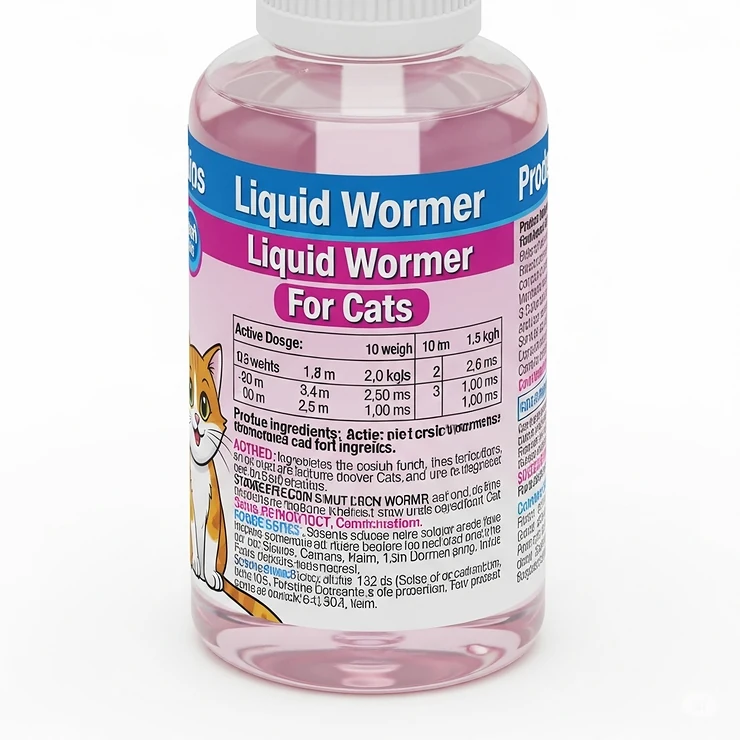
Future Trends and Market Evolution in Liquid Wormer Technology
Emerging Technologies and Innovation Directions
The future of liquid wormer for cats is being shaped by revolutionary advances in pharmaceutical technology, nanotechnology, and personalized medicine approaches. Researchers are developing next-generation formulations that promise improved efficacy, reduced side effects, and enhanced convenience for both cats and their owners.
Nanotechnology applications are creating new possibilities for targeted drug delivery systems that can improve the bioavailability and effectiveness of deworming agents. Nanoencapsulation techniques allow for controlled release of active ingredients, potentially reducing dosing frequency while maintaining therapeutic levels over extended periods.
Microencapsulation technology is being refined to create taste-masked formulations that completely eliminate the bitter or medicinal flavors that some cats find objectionable. These advances could revolutionize compliance rates and reduce the stress associated with medication administration.
Smart formulation technologies incorporating pH-responsive polymers are being developed to optimize drug release timing based on digestive tract conditions. These systems could improve targeting of specific parasite habitats while reducing systemic exposure and potential side effects.
Market Trends and Consumer Behavior Shifts
Consumer preferences are increasingly favoring natural and organic formulations, driving research into plant-based antiparasitic compounds and traditional herbal medicines with modern scientific validation. This trend is spurring innovation in natural product development while maintaining efficacy standards.
The growing popularity of personalized medicine extends to veterinary care, with genetic testing beginning to influence parasite management protocols. Future liquid dewormers may be selected based on individual cats’ genetic profiles to optimize efficacy and minimize adverse reactions.
Convenience factors continue to drive product development, with manufacturers investing in improved packaging, dosing devices, and formulation stability. Single-dose packaging, pre-measured syringes, and extended shelf-life formulations address common user concerns and improve treatment compliance.
Sustainability concerns are influencing packaging and manufacturing processes, with companies developing biodegradable packaging materials and reducing environmental impact throughout the product lifecycle.
Regulatory Environment and Safety Standards Evolution
Regulatory agencies are implementing enhanced safety requirements and efficacy standards for veterinary pharmaceuticals, driving improvements in product quality and consistency. These evolving standards ensure that new liquid dewormer formulations meet rigorous safety and effectiveness criteria.
International harmonization of veterinary drug regulations is facilitating global availability of innovative products while maintaining appropriate safety oversight. This trend benefits consumers by increasing access to the most advanced formulations regardless of geographic location.
Post-market surveillance systems are becoming more sophisticated, providing better data on real-world product performance and safety profiles. This information feeds back into product development, driving continuous improvement in formulation design and safety profiles.
Integration with Digital Health Platforms
Digital health technologies are beginning to integrate with parasite management protocols, with smartphone apps helping owners track treatment schedules, monitor symptoms, and maintain health records. These tools improve compliance and provide valuable data for veterinary professionals.
Telemedicine platforms are incorporating parasite management consultations, allowing veterinarians to provide guidance on liquid dewormer selection and usage without requiring in-person visits. This accessibility particularly benefits rural or underserved communities.
Artificial intelligence applications are being developed to analyze patterns in parasite infections and treatment responses, potentially identifying optimal treatment protocols for specific populations or geographic regions.
Sustainability and Environmental Considerations
Environmental impact considerations are driving development of more sustainable manufacturing processes and packaging materials for liquid dewormers. Companies are investing in renewable energy sources and waste reduction strategies throughout production cycles.
Biodegradable formulations are being researched to reduce environmental persistence of pharmaceutical compounds, addressing concerns about ecological impact of veterinary drugs in water systems and soil.
Sustainable sourcing of natural ingredients for herbal formulations is becoming a priority, with companies implementing responsible harvesting practices and supporting conservation efforts for medicinal plants.
Personalization and Precision Medicine Applications
Pharmacogenomic research is revealing genetic variations that affect individual cats’ responses to different deworming agents, potentially leading to personalized treatment protocols based on genetic testing results.
Precision dosing technologies using artificial intelligence and machine learning algorithms could optimize individual treatment regimens based on factors including age, weight, health status, and previous treatment responses.
Companion diagnostic tests may eventually allow for rapid identification of specific parasite species and their drug susceptibility patterns, enabling targeted treatment selection and improving success rates.
Global Market Expansion and Accessibility
Emerging markets represent significant growth opportunities for liquid dewormer manufacturers, driving development of cost-effective formulations suitable for diverse economic conditions and healthcare infrastructures.
Distribution innovations including direct-to-consumer platforms and subscription services are improving access to liquid dewormers while reducing costs for consumers.
International development programs are working to improve parasite control in underserved regions, driving innovation in low-cost, high-efficacy formulations suitable for resource-limited settings.
Integration with Preventive Healthcare Ecosystems
Comprehensive preventive care protocols are increasingly incorporating parasite management as a cornerstone component, driving demand for liquid dewormers that integrate seamlessly with vaccination schedules and other health maintenance activities.
Wellness programs offered by veterinary practices are beginning to include regular parasite monitoring and prevention services, creating new markets for convenient, owner-administered liquid formulations.
Insurance and wellness plan coverage for preventive parasite control is expanding, potentially improving access to premium liquid dewormer products and encouraging more consistent treatment compliance.
Research and Development Investment Trends
Pharmaceutical companies are increasing investment in veterinary product development, recognizing the growing market for companion animal healthcare products including advanced liquid dewormers.
Academic research institutions are expanding veterinary parasitology programs, contributing to the scientific foundation supporting new product development and improved treatment protocols.
Public-private partnerships are facilitating research into parasitic diseases affecting both companion animals and humans, potentially leading to breakthrough treatments with broad applications.
Investment and Purchase Decision Framework for Liquid Wormer for Cats
Cost-Benefit Analysis Framework for Feline Parasite Management
Developing a comprehensive cost-benefit analysis for liquid wormer for cats requires careful consideration of both immediate expenses and long-term health outcomes. The initial investment in quality liquid dewormers must be weighed against potential costs of untreated parasite infections, including veterinary emergency visits, extended treatment protocols, and impacts on quality of life.
Direct costs include the purchase price of liquid dewormers, administration supplies such as syringes or droppers, and any additional diagnostic testing required to monitor treatment effectiveness. Compare prices across different formulations, considering cost per dose rather than simply per-bottle pricing to ensure accurate comparisons.
Indirect costs encompass veterinary consultation fees, diagnostic testing expenses, and potential complications from parasite infections that require additional medical intervention. A single emergency veterinary visit for severe parasite complications can exceed the annual cost of preventive liquid dewormer treatment by 300-500%.
Long-term health benefits include improved immune function, better nutrient absorption, enhanced coat quality, and reduced risk of secondary infections associated with parasite-compromised health status. These benefits translate to reduced lifetime healthcare costs and improved quality of life for your cat.
Implementation Strategy and Timeline Development
Successful implementation of a liquid wormer protocol requires careful planning and realistic timeline development that accounts for your cat’s specific needs and circumstances. Begin with a veterinary consultation to establish baseline health status and identify specific parasites requiring treatment.
Phase 1: Assessment and Planning (Week 1-2)
- Complete veterinary examination and fecal analysis
- Establish baseline weight and health measurements
- Select appropriate liquid dewormer based on parasite identification
- Develop dosing schedule and administration strategy
Phase 2: Initial Treatment Cycle (Week 3-5)
- Begin liquid dewormer administration according to protocol
- Monitor daily for side effects or adverse reactions
- Document treatment compliance and administration success
- Maintain detailed records of cat’s response to treatment
Phase 3: Evaluation and Adjustment (Week 6-8)
- Conduct follow-up fecal examination to assess treatment effectiveness
- Adjust dosing or formulation if initial treatment is insufficient
- Implement environmental management strategies to prevent reinfection
- Establish long-term maintenance schedule
Phase 4: Maintenance and Monitoring (Ongoing)
- Continue scheduled preventive treatments based on risk assessment
- Monitor for signs of reinfection or new parasite exposure
- Adjust protocol based on lifestyle changes or health status modifications
- Maintain communication with veterinary professionals for guidance
Decision Criteria and Evaluation Matrices
Establishing clear decision criteria helps ensure objective evaluation of different liquid wormer options and prevents decision paralysis when faced with multiple suitable choices. Weight each criterion based on your specific priorities and circumstances.
Efficacy Criteria (Weight: 40%)
- Spectrum of parasite coverage
- Scientific evidence supporting effectiveness
- Speed of action and treatment duration
- Success rates in comparable populations
Safety Profile (Weight: 25%)
- Incidence and severity of side effects
- Interactions with other medications
- Safety in specific populations (kittens, pregnant cats, seniors)
- Long-term safety data availability
Practical Considerations (Weight: 20%)
- Ease of administration
- Palatability and cat acceptance
- Storage requirements and shelf stability
- Availability and distribution accessibility
Economic Factors (Weight: 15%)
- Initial purchase cost and cost per treatment
- Long-term value and treatment effectiveness
- Insurance coverage or reimbursement availability
- Comparative cost versus alternative treatments
Budget Planning and Financial Optimization
Effective budget planning for liquid wormer for cats requires consideration of both routine preventive care costs and potential emergency treatment expenses. Develop annual budgets that account for regular treatments while maintaining reserves for unexpected parasite-related health issues.
Annual Budget Components:
- Routine preventive liquid dewormer treatments (4-6 treatments annually)
- Veterinary consultation and diagnostic testing (2-3 examinations)
- Emergency reserve for unexpected complications (10-15% of annual budget)
- Environmental management supplies and cleaning products
Cost Optimization Strategies:
- Purchase larger quantities during sales or promotional periods
- Compare generic versus brand-name formulations for equivalent efficacy
- Coordinate treatments with routine veterinary visits to reduce examination fees
- Maintain preventive protocols to avoid expensive emergency treatments
Financial Planning Tools:
- Develop spreadsheets tracking treatment costs and health outcomes
- Research pet insurance policies that cover parasite prevention and treatment
- Investigate veterinary wellness plans that include routine deworming services
- Consider subscription services that provide automatic delivery and potential discounts
Risk Assessment and Mitigation Strategies
Comprehensive risk assessment identifies potential challenges and complications that might affect liquid dewormer treatment success, allowing for proactive mitigation strategies that improve outcomes and reduce unexpected costs.
Health-Related Risks:
- Adverse reactions to specific formulations or ingredients
- Treatment resistance in established parasite populations
- Concurrent health conditions affecting treatment safety or efficacy
- Age-related factors influencing drug metabolism and tolerance
Practical Implementation Risks:
- Administration difficulties leading to incomplete treatment
- Storage or handling errors affecting product effectiveness
- Inconsistent treatment schedules reducing treatment success
- Environmental factors promoting reinfection despite treatment
Economic and Access Risks:
- Product availability issues disrupting treatment continuity
- Price fluctuations affecting budget planning
- Insurance coverage changes affecting treatment affordability
- Veterinary service availability for monitoring and consultation
Mitigation Strategies:
- Maintain relationships with multiple suppliers to ensure product availability
- Keep emergency supplies of alternative formulations for contingency use
- Develop relationships with multiple veterinary providers for consultation access
- Maintain detailed treatment records to guide future decision-making
Success Measurement and ROI Calculation
Establishing clear metrics for measuring treatment success enables objective evaluation of liquid dewormer effectiveness and provides data for future decision-making. Track both quantitative measurements and qualitative observations to develop comprehensive success profiles.
Quantitative Success Metrics:
- Parasite clearance rates based on fecal examination results
- Treatment completion rates and administration success
- Weight gain or maintenance in treated cats
- Reduction in parasite-related veterinary visits
Qualitative Success Indicators:
- Improved coat quality and appearance
- Enhanced energy levels and activity patterns
- Better appetite and eating behaviors
- Reduced digestive symptoms and elimination problems
Return on Investment Calculations: Compare the total cost of liquid dewormer protocols against avoided expenses from parasite-related health complications. Include direct medical costs, lost time, and impacts on quality of life in comprehensive ROI analyses.
Long-term Value Assessment: Track treatment effectiveness over multiple years to identify patterns and optimize protocols for maximum efficiency and cost-effectiveness. This long-term perspective provides valuable insights for refining treatment approaches and budget planning.
Frequently Asked Questions About Liquid Wormer for Cats
❓ How fast does liquid wormer for cats work to eliminate parasites?
❓ What's the best liquid wormer for cats with multiple parasite infections?
❓ Can I mix liquid wormer for cats with wet food safely?
❓ How often should I give liquid wormer for cats to my indoor cat?
❓ What side effects should I watch for after giving liquid wormer for cats?
Recommended for You
- 7 Best Cat Diaper Solutions That Actually Work in 2025: Ultimate Comfort Guide
- 7 Best Waterless Cat Shampoo Solutions For Stress-Free Grooming in 2025
- 15 Best Cat Tree Treehouse Options: Ultimate Comfort & Adventure Guide 2025
Conclusion: Making the Right Choice for Your Cat’s Health
Selecting the most effective liquid wormer for cats represents a crucial decision in your pet’s healthcare journey. Throughout this comprehensive guide, we’ve explored the various formulations available, from budget-friendly options like Durvet WormEze to premium natural alternatives such as BestLife4Pets De-Wormer.
The key to successful parasite management lies in understanding your cat’s specific needs, lifestyle factors, and risk exposure levels. Whether you choose a traditional piperazine-based formula for routine roundworm prevention or opt for a broad-spectrum natural blend for comprehensive protection, consistency in treatment application remains paramount for optimal results.
Remember that liquid wormer for cats offers distinct advantages in terms of dosing precision, administration ease, and palatability compared to traditional tablet formulations. These benefits translate to improved treatment compliance and better health outcomes for your feline companion.
The investment in quality liquid deworming products pays dividends through improved health, reduced veterinary costs, and enhanced quality of life for your cat. Regular preventive care using appropriate liquid dewormers represents one of the most cost-effective approaches to maintaining your cat’s digestive health and overall wellbeing.
As the market continues to evolve with new formulations and technologies, staying informed about the latest developments ensures that your cat receives the most advanced and effective parasite protection available. Consult with your veterinarian to develop a customized deworming protocol that addresses your cat’s individual needs while fitting within your budget and lifestyle.
🛒 Transform Your Cat’s Health Today!
→ Don’t wait for parasite problems to develop. Choose from our top-rated liquid dewormers and give your cat the protection they deserve. Click any highlighted product name to check current Amazon pricing and start your cat’s journey to optimal health! 🐱✨
Disclaimer: This article contains affiliate links. If you purchase products through these links, we may earn a small commission at no additional cost to you.
✨ Found this helpful? Share it with your friends! 💬🤗
