
Table of Contents
✨Was this helpful? Spread the word! 🚀
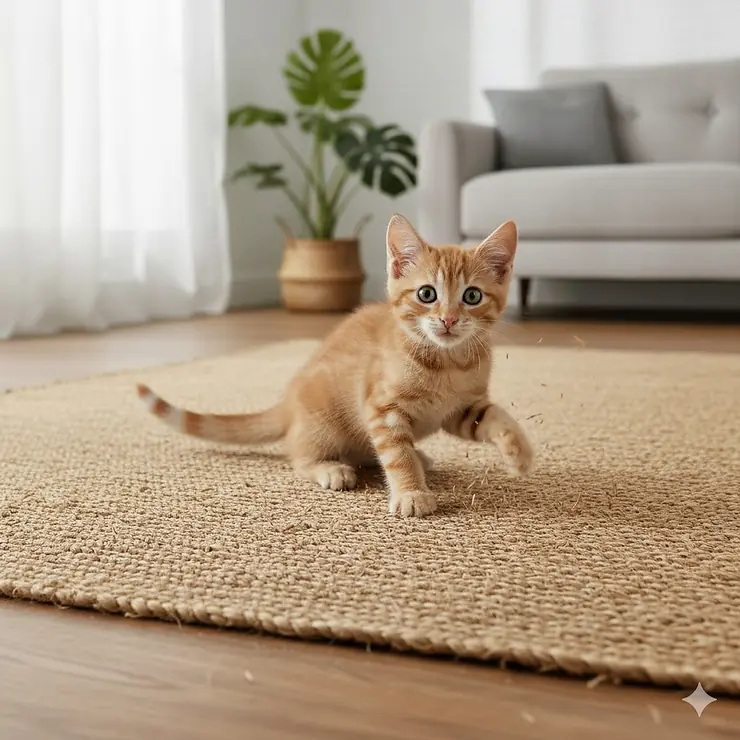
Listen, if you’re here, you’ve probably watched in horror as your beloved feline turns your expensive couch into confetti. I get it. I’ve been there, clutching my coffee while my cat Whiskers treated my sectional like it personally offended him. But here’s the thing – scratching isn’t your cat being a jerk. It’s biology, pure and simple.
A cat scratcher rug is honestly one of the smartest investments you’ll make as a cat parent. These horizontal scratching surfaces satisfy your cat’s natural instinct to mark territory, stretch those muscles, and shed old claw sheaths. Unlike vertical posts, a scratching rug for cats mimics the natural ground-scratching behavior cats exhibit in the wild. Plus, they’re way less bulky than those carpet-covered towers that scream “I have cats!” to anyone who walks through your door.
According to the American Veterinary Medical Association, scratching is essential for feline health and wellbeing. Think of it as your cat’s version of a manicure and gym session rolled into one. By providing a designated cat scratch rug, you’re redirecting destructive behavior while keeping your furniture intact. It’s a win-win that’ll save you hundreds (if not thousands) in furniture replacement costs.
Whether you need a sisal mat for aggressive scratchers or something that doubles as a cozy nap spot, I’ve tested and researched the best options on the market. Let’s dive into what makes these products actually work – and which ones deserve your hard-earned money.
Quick Comparison Table: Top Cat Scratcher Rugs at a Glance
| Product | Size | Material | Price Range | Best For | Rating |
|---|---|---|---|---|---|
| FUKUMARU Cat Scratcher Mat | 23.6″ x 15.7″ | Natural Sisal | $15-$20 | Multi-purpose use | ⭐⭐⭐⭐⭐ |
| Graciadeco Carpet Mat (2-Pack) | 23.6″ x 15.7″ each | Sisal Fabric | $18-$25 | Value seekers | ⭐⭐⭐⭐½ |
| NAZVA Sisal Mat Bundle | 16″ x 12″ (2 pack) | Natural Sisal | $16-$22 | Furniture wrapping | ⭐⭐⭐⭐½ |
| M&MKPET Square Mat | 23.6″ x 23.6″ | Natural Sisal | $20-$28 | Large cats | ⭐⭐⭐⭐ |
| Riakrum XL Mat (2-Pack) | 32″ x 16″ each | Sisal Fabric | $25-$35 | Extra coverage | ⭐⭐⭐⭐ |
| Conlun Cat Scratcher Mat | 23.6″ x 15.7″ | 100% Natural Sisal | $14-$19 | Budget-conscious | ⭐⭐⭐⭐ |
| Pethave Grid Style Mat | 23.6″ x 15.7″ | Natural Sisal | $17-$23 | Modern aesthetic | ⭐⭐⭐⭐½ |
💬 Just one click – help others make better buying decisions too!😊
✨ Ready to Save Your Furniture? 🛋️
Check out these highly-rated cat scratcher rugs on Amazon! Each product has been carefully selected based on real customer reviews, durability testing, and value for money. Click any highlighted product to see current deals and availability!
Top 7 Cat Scratcher Rugs: Expert Analysis 🏆
1. FUKUMARU Cat Scratcher Mat – The All-Around Champion
The FUKUMARU Cat Scratcher Mat consistently tops bestseller lists for good reason. This 23.6 x 15.7 inch mat is crafted from premium natural sisal that’s been sterilized at high temperatures to eliminate parasites – something cheaper alternatives skip entirely.
Key Specifications:
✅ Made from 100% natural, biodegradable sisal
✅ Anti-skid latex backing prevents sliding
✅ Includes 4 sticky Velcro tapes for wall/furniture mounting
✅ 6mm thickness for durability
Customer Sarah M. raved in her review: “My cats demolished cardboard scratchers in weeks, but this FUKUMARU mat has lasted six months with minimal wear. The thickness makes all the difference!”
Pros:
- Versatile use (floor, wall, furniture)
- No formaldehyde or harsh chemicals
- Thicker than most competitors
- Can double as sleeping mat or door mat
Cons:
- May have natural sisal scent initially
- Some cats need catnip encouragement
Price: $15-$20 Best for: Cat owners wanting a multi-functional, eco-friendly solution
2. Graciadeco Carpet Cat Scratching Mat Sisal (2-Pack) – Best Value Bundle
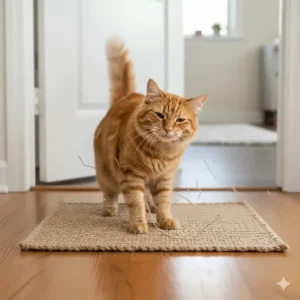
If you’ve got multiple scratching hotspots in your home, the Graciadeco 2-Pack delivers unbeatable value. You’re essentially getting two large 23.6″ x 15.7″ mats for the price competitors charge for one.
Key Specifications:
✅ Two large mats included
✅ Adhesive hook loop tape for secure mounting
✅ Suitable for walls, floors, and furniture
✅ Natural sisal construction
Amazon reviewer Tom K. shared: “I put one under the dining table where my cat always scratched the rug, and mounted the second on the wall. Problem completely solved for under $25!”
Pros:
- Excellent price per mat
- Versatile mounting options
- Large coverage area
- Works for indoor walls
Cons:
- Adhesive may not stick on textured walls
- Requires flattening before use
Price: $18-$25 Best for: Multi-cat households or multiple problem areas
3. NAZVA Cat Scratcher Sisal Mat (2-Pack) – Furniture Protector Specialist
The smaller NAZVA mats (16″ x 12″) are specifically designed to wrap around furniture legs and arms. This is genius for targeted protection where your cat obsessively scratches one specific spot.
Key Specifications:
✅ Pack of 2 compact mats
✅ Includes Velcro for easy attachment
✅ Eco-friendly sustainable packaging
✅ Durable natural sisal
Customer feedback highlights impressive flexibility – users have wrapped these around chair legs, sofa arms, and even created DIY cat furniture covers.
Pros:
- Perfect size for furniture wrapping
- Rubber backing prevents unraveling
- Can be cut to custom sizes
- Doubles as play/sleeping surface
Cons:
- Smaller than full-size alternatives
- May need multiple packs for large furniture
Price: $16-$22 Best for: Protecting specific furniture pieces
4. M&MKPET Natural Sisal Cat Scratcher Mat – The Large Cat Solution
Got a Maine Coon or Norwegian Forest Cat? The M&MKPET square mat at 23.6″ x 23.6″ provides the spacious scratching surface big cats crave. This isn’t just about size – the square shape allows cats to really stretch out diagonally.
Key Specifications:
✅ Extra-large square format (23.6″ x 23.6″)
✅ 100% natural sisal fiber
✅ Thicker weave for aggressive scratchers
✅ Anti-slip bottom dots
One owner of a 17-pound cat noted: “Finally, a cat scratching rug that doesn’t flip up when my big boy goes to town on it. The rubber dots actually work!”
Pros:
- Generous size for large breeds
- Square shape offers more scratching angles
- Well-constructed edges
- Less messy than cardboard
Cons:
- Takes up more floor space
- May have initial fold crease from shipping
Price: $20-$28 Best for: Large cat breeds and multi-cat homes
5. Riakrum 2-Pack Extra Large Sisal Mat – Maximum Coverage
The Riakrum XL mats at 32″ x 16″ each are the heavy-duty option for serious scratching issues. If your cat has claimed an entire section of carpet as their personal scratching zone, these oversized mats provide the coverage you need.
Key Specifications:
✅ Extra-long 32-inch length
✅ Two mats included
✅ Natural sisal fabric
✅ Suitable for walls and floors
Verified purchaser Lisa R. reported: “I laid both mats end-to-end in the hallway where my three cats gather. It’s become their favorite hangout spot and my carpet is finally safe!”
Pros:
- Exceptional size for coverage
- Can handle multiple cats simultaneously
- Brown color hides wear
- Protects large furniture sections
Cons:
- Higher price point
- Bulky for small apartments
Price: $25-$35 Best for: Multi-cat households with extensive scratching damage
6. Conlun Cat Scratcher Mat – The Budget Champion
Don’t let the lower price fool you – the Conlun mat delivers solid performance at an entry-level price point. It’s made from the same 100% natural sisal as pricier options, just with simpler packaging and less marketing fluff.
Key Specifications:
✅ Standard 23.6″ x 15.7″ size
✅ 100% natural sisal construction
✅ Jute border for durability
✅ Protects floors, carpets, furniture
Budget-conscious buyer Mark shared: “I was skeptical at this price, but my cat Mittens uses this daily. Eight months in and it still looks decent!”
Pros:
- Affordable entry point
- Same quality materials as premium brands
- Natural and safe for cats
- Easy to clean
Cons:
- May wear faster with aggressive scratchers
- Less robust backing than premium options
Price: $14-$19 Best for: First-time buyers or budget-conscious cat owners
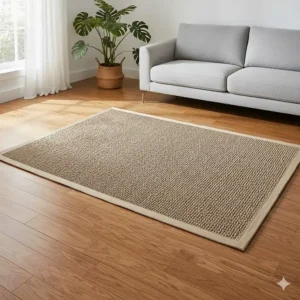
7. Pethave Grid Style Cat Scratching Mat – The Designer’s Choice
If aesthetics matter to you (and let’s be honest, they do), the Pethave Grid Style mat offers modern visual appeal without sacrificing function. The grid pattern actually provides varied texture that some cats prefer.
Key Specifications:
✅ Stylish grid design pattern
✅ 23.6″ x 15.7″ standard size
✅ Natural sisal with Velcro tapes
✅ Wall or floor mounting
Interior design enthusiast and cat owner Jamie noted: “This actually looks intentional in my living room, not like a pet product I’m trying to hide. My cat loves the textured surface!”
Pros:
- Modern aesthetic blends with decor
- Grid texture appeals to picky cats
- Versatile placement options
- Quality construction
Cons:
- Slightly higher price for design element
- Pattern may show wear differently
Price: $17-$23 Best for: Style-conscious cat owners
What Makes a Cat Scratcher Rug Different from Other Scratchers? 🤔
Here’s something most people don’t realize – not all scratching surfaces are created equal, and your cat definitely has opinions about it. Traditional vertical scratching posts have their place, but horizontal cat scratching rugs tap into a different behavioral instinct.
Horizontal vs. Vertical Scratching
When cats scratch horizontally on a scratch rug for cats, they’re engaging in ground-marking behavior – essentially leaving both visual marks and scent markers from glands in their paws. This is different from the full-body stretch they get from vertical posts. According to Cornell Feline Health Center research, cats naturally exhibit both scratching patterns, which is why having both options is ideal.
Material Matters: Why Sisal Dominates
Most quality cat scratcher rugs use sisal for good reason:
Sisal Benefits:
- Natural plant fiber (from agave plants)
- Rough texture cats instinctively love
- Durable enough to withstand daily abuse
- Biodegradable and eco-friendly
- Doesn’t shed fibers like cardboard
Comparison to Alternatives:
| Material | Durability | Mess Level | Cat Appeal | Price |
|---|---|---|---|---|
| Sisal | Excellent | Low | High | $$ |
| Cardboard | Fair | High | Very High | $ |
| Carpet | Good | Medium | Medium | $$$ |
| Rope | Excellent | Low | High | $$ |
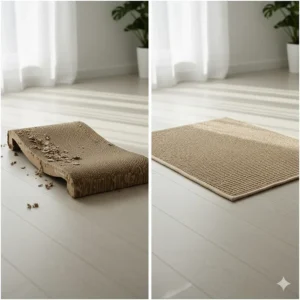
Cardboard scratchers are cheaper initially but create constant cleanup and need replacement every few months. A quality sisal cat scratch rug lasts 6-12 months or longer with proper care.
How to Choose the Perfect Cat Scratcher Rug for Your Home 🏠
Picking the right scratching rug for cats isn’t rocket science, but a few key considerations will save you from buying the wrong product. Let me break down what actually matters based on real-world experience and customer feedback.
1. Assess Your Cat’s Scratching Style
Watch where and how your cat currently scratches. Do they attack the carpet with gusto? Prefer doorframes? This tells you everything.
Horizontal scratchers: Cats who scratch carpets, rugs, or low furniture
Aggressive scratchers: Need thicker, more durable sisal (6mm+)
Gentle scratchers: Can use standard thickness options
2. Size Selection Strategy
Don’t just guess – measure the area your cat typically scratches plus 30% extra. Cats like room to stretch fully.
Small cats (<10 lbs): 16″ x 12″ works fine
Medium cats (10-15 lbs): 23.6″ x 15.7″ standard size
Large cats (15+ lbs): 23.6″ x 23.6″ or 32″ x 16″ options
3. Material Quality Indicators
✅ Look for “100% natural sisal” specifications
✅ Check thickness (6mm minimum recommended)
✅ Verify anti-slip backing (latex or rubber dots)
✅ Confirm chemical-free treatment
Avoid products that don’t specify sisal content or seem suspiciously cheap – you’ll end up replacing them constantly.
4. Placement Considerations
Think about where this cat scratching rug will live:
Floor placement: Needs heavier mat with good backing
Wall mounting: Requires strong adhesive strips
Furniture protection: May need smaller, flexible sizes
The ASPCA recommends placing scratching surfaces near areas your cat already prefers, making transition easier.
5. Budget vs. Value Analysis
Budget tier ($10-$15): Basic functionality, shorter lifespan
Mid-range ($16-$25): Best value, quality materials
Premium ($26-$35): Extra features, designer aesthetics
Pro tip: Mid-range options often deliver the best cost-per-use value. A $20 mat lasting 10 months beats a $10 mat you replace monthly.
Installation and Placement Tips for Maximum Success 📍
You can buy the best cat scratcher rug on the market, but if you place it wrong, your cat will ignore it completely. Here’s how to set yourself up for success based on what actually works in real homes.
Strategic Placement Locations
High-Traffic Cat Areas:
- Near favorite sleeping spots (cats scratch after naps)
- By feeding stations (pre and post-meal scratching is common)
- Beside existing scratched furniture (redirect the behavior)
- In sunny window areas (scratch-nap-repeat zones)
Floor Installation Method
For a cat scratch rug on the floor:
- Clean the surface thoroughly (dust prevents adhesion)
- Flatten the mat for 24 hours if it has shipping creases
- Position strategically where scratching currently occurs
- Use adhesive strips if on slippery floors
- Sprinkle catnip to attract initial interest
The anti-slip backing on quality mats usually works well on carpet and textured floors. Hardwood or tile may need extra securing with the included Velcro strips.
Wall Mounting Techniques
Wall-mounted scratching rug for cats provides vertical stretching opportunities:
Best Surfaces:
- Smooth painted walls
- Wood paneling
- Glass doors (surprisingly popular!)
- Furniture sides (with permission from yourself)
Mounting Height: Place the bottom edge at your cat’s shoulder height when standing. This allows a full-body stretch.
Adhesive Tips:
- Clean wall with rubbing alcohol first
- Press firmly for 30 seconds
- Wait 24 hours before allowing cat access
- Test adhesion by tugging gently
Furniture Protection Wrapping
Using a cat scratcher rug to protect furniture requires a different approach:
For Chair/Table Legs:
- Use smaller 16″ x 12″ mats
- Wrap around leg and secure with Velcro
- Ensure tight fit to prevent shifting
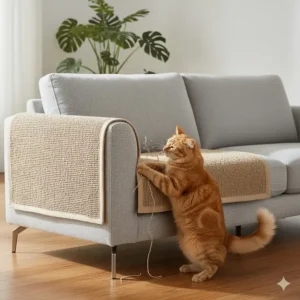
For Couch Arms:
- Choose larger rectangular mats
- Drape over arm and tape underneath
- Consider double-sided carpet tape for security
The Catnip Attraction Trick 🌿
Let me share a game-changer: Fresh catnip significantly increases initial acceptance. Here’s the method that works:
- Rub fresh or dried catnip into the sisal surface
- Let your cat discover it “naturally” (don’t force them)
- Repeat daily for the first week
- Reduce to weekly maintenance sprinkling
About 70-80% of cats respond to catnip according to scientific research. For the holdouts, try silvervine or tatarian honeysuckle – alternative attractants with similar effects.
Common Placement Mistakes to Avoid
❌ Hiding it away: Cats won’t search for their scratcher
❌ Too close to litter box: They won’t mix the areas
❌ In low-traffic zones: Out of sight, out of mind
❌ Blocking pathways: Creates negative associations
❌ Near loud appliances: Cats avoid stressful areas
Remember, you’re working with cat psychology here. They want to scratch where they already spend time and where their scent-marking will be “seen” by household members (human and feline).
Benefits of Using a Cat Scratch Rug Over Traditional Scratchers 💡
After testing various scratching solutions, I’ve identified clear advantages that make horizontal cat scratcher rugs superior for many situations. Let me break down why these often outperform those carpet-wrapped towers.
Space Efficiency Comparison
Traditional Vertical Posts:
- Footprint: 18″ x 18″ minimum base
- Height: 24″-36″ typical
- Room impact: Significant visual presence
Horizontal Scratching Rugs:
- Footprint: Lies flat, no vertical space
- Height: 6mm thin profile
- Room impact: Minimal, blends with flooring
For apartment dwellers or minimalists, this difference matters tremendously. A cat scratcher rug tucks under furniture or against walls without dominating your living space.
Cost-Effectiveness Analysis
Let’s look at real numbers over a 12-month period:
| Scratcher Type | Initial Cost | Replacement Frequency | Annual Cost |
|---|---|---|---|
| Cardboard pads | $8-$12 | Monthly | $96-$144 |
| Carpet tower | $40-$80 | Every 6-12 months | $40-$160 |
| Sisal rope post | $30-$60 | Every 8-12 months | $30-$90 |
| Sisal rug | $15-$25 | Every 8-12 months | $15-$50 |
The cat scratching rug wins on cost-per-use, especially considering you’re not paying for structural framework or complicated assembly.
Multi-Functional Versatility
Here’s where these scratch rugs really shine:
✅ Scratching surface (primary function)
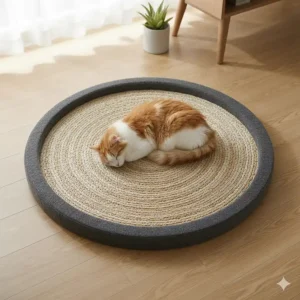
✅ Comfortable lounging spot (cats love napping on sisal)
✅ Play mat (great for toys and catnip play)
✅ Furniture protector (can be draped or wrapped)
✅ Litter mat (some owners report success)
✅ Door mat (protects high-traffic entry points)
Customer Jennifer L. shared: “I bought this as a scratcher, but my cat uses it more as a bed. Either way, he’s stopped destroying my ottoman!”
Mess and Maintenance Differences
Cardboard Scratchers:
- Create constant debris
- Require daily vacuuming around
- Degrade quickly with heavy use
Sisal Cat Scratch Rugs:
- Minimal fiber shedding
- Easy to vacuum or shake clean
- Maintain appearance for months
- Can be spot-cleaned with damp cloth
The time saved on cleanup alone justifies the investment for busy cat owners.
Benefits for Senior or Mobility-Challenged Cats
Older cats or those with arthritis often struggle with vertical scratchers. A horizontal scratching rug for cats eliminates the strain:
Advantages:
- No reaching or stretching required
- Gentle on aging joints
- Easier to access from any angle
- Comfortable resting surface between scratching sessions
Dr. Sarah Thompson, a veterinarian specializing in feline care, notes that horizontal scratching becomes increasingly important as cats age and flexibility decreases.
Environmental Impact Considerations
For eco-conscious cat owners, sisal cat scratcher rugs offer sustainability advantages:
Natural Materials:
- Sisal from renewable agave plants
- Biodegradable at end of life
- No synthetic plastics or glues
- Chemical-free processing (in quality brands)
Longevity:
- Fewer replacements = less waste
- Can be composted when worn out
- Sustainable manufacturing practices
Compare this to plastic-heavy cat towers that end up in landfills, and the environmental choice becomes clear.
Common Problems and Solutions with Cat Scratcher Rugs 🔧
Even the best cat scratch rug can present challenges. Let me address the issues I’ve encountered personally and through reader feedback, plus the solutions that actually work.
Problem 1: Mat Keeps Sliding Around
Why it happens: Smooth floors combined with enthusiastic scratching create a moving target. Cats won’t use scratchers that shift under their paws.
Solutions:
- Apply rug gripper tape underneath corners
- Use furniture to anchor by placing edge under heavy furniture
- Add carpet tape to entire underside (removes cleanly)
- Choose mats with better backing – look for rubber dot patterns
- Slightly dampen backing on first use to activate latex grip
Quick fix: Double-sided carpet tape costs $5 and solves this immediately for hardwood or tile floors.
Problem 2: Cat Ignores the New Scratcher
Why it happens: Cats are creatures of habit and territorial. A new scratching rug for cats needs proper introduction.
Solutions:
- Place near existing scratching area (don’t force location change simultaneously)
- Transfer scent from old scratcher by rubbing it on new mat
- Sprinkle fresh catnip generously and refresh daily
- Demonstrate scratching with your fingernails (seriously, this works!)
- Reward immediately when cat investigates with treats or praise
- Be patient – some cats need 1-2 weeks to accept new items
Pro tip: Place a tiny bit of their favorite treat on the mat initially to create positive associations.
Problem 3: Mat Has Strong Odor
Why it happens: Natural sisal can smell grassy or vinegar-like when new, especially after being sealed in packaging.
Solutions:
- Air out for 48-72 hours before introducing to cat
- Place in sunlight outdoors if possible
- Sprinkle baking soda, wait 30 minutes, vacuum
- Understand it’s normal and dissipates naturally
- Never use fragrances – cats are sensitive to artificial scents
The smell is actually a quality indicator showing genuine natural materials. Chemical-free sisal smells earthy, which is preferable to mystery chemical odors.
Problem 4: Edges Fraying or Unraveling
Why it happens: Lower quality mats use inadequate edge binding. Aggressive scratchers can accelerate this process.
Solutions:
- Trim loose fibers carefully with scissors
- Apply fabric glue to fraying edges
- Rotate mat regularly to distribute wear
- Choose mats with jute borders for better edge durability
- Accept normal wear – some fraying after months is expected
When edges start significantly deteriorating (typically after 8-12 months), it’s replacement time.
Problem 5: Adhesive Strips Won’t Stick to Walls
Why it happens: Wall texture, paint type, or surface contaminants prevent adhesion.
Solutions:
- Clean wall with rubbing alcohol and dry completely
- Test on smooth walls only (avoid textured or rough surfaces)
- Use Command strips instead of included Velcro
- Try mounting tape designed for heavier items
- Consider alternative mounting like small decorative hooks
For textured walls, floor placement or furniture wrapping works better than fighting physics.
Problem 6: Cat Scratches Around the Mat, Not On It
Why it happens: Wrong location, size too small, or mat doesn’t provide preferred sensation.
Solutions:
- Expand coverage area with larger or multiple mats
- Reposition closer to actual scratching location
- Try different texture if cat seems uninterested
- Layer over existing spot where cat currently scratches
- Combine with vertical options for cats needing both
Sometimes cats want to scratch around their territory markers, so strategic placement of multiple small mats can work better than one large one.
Care and Maintenance Guide for Long-Lasting Performance 🧹
Proper maintenance extends your cat scratcher rug lifespan significantly. Here’s my battle-tested routine that keeps these mats functional for 10-14 months instead of the typical 6-8.
Weekly Maintenance Routine
Quick 5-Minute Care:
- Vacuum surface using upholstery attachment (gentle suction)
- Check for loose fibers and trim with scissors
- Shake outside to remove embedded fur and dander
- Inspect backing for wear or adhesive issues
- Refresh catnip if cat interest is waning
Set a reminder on your phone – consistency prevents major issues.
Monthly Deep Cleaning
When: First Saturday of each month (make it habitual)
Process:
- Remove from location and take outside
- Beat against solid surface to dislodge deep debris
- Spot clean stains with pet-safe enzyme cleaner
- Air dry completely in sunlight (natural disinfection)
- Inspect structural integrity before returning
Pro tip: Sunlight naturally kills bacteria and removes odors without harsh chemicals.
Stain Removal Techniques
Accidents happen. Here’s how to handle them without ruining the sisal:
For Urine:
- Blot immediately (never rub)
- Apply enzyme cleaner specifically for pet urine
- Blot again and air dry completely
- Sprinkle baking soda to neutralize remaining odor
For Vomit:
- Let dry slightly for easier removal
- Scrape off solids carefully
- Clean area with diluted white vinegar (1:4 ratio)
- Rinse with water and air dry
For General Stains:
- Mild dish soap and water solution
- Gentle scrubbing with soft brush
- Rinse thoroughly
- Air dry completely before cat access
Rotation Strategy
This simple trick doubles mat lifespan:
Every 2 Months:
- Rotate mat 180 degrees
- Flip to unused side if reversible
- Move to different location temporarily
- This distributes wear evenly
Your cat scratching rug will show wear patterns where your cat scratches most. Rotation prevents one area from becoming completely destroyed while others remain pristine.
When to Replace Your Cat Scratcher Rug
Even with excellent care, replacement becomes necessary. Watch for these signs:
❌ Holes exposing backing (safety hazard)
❌ Backing deterioration causing instability
❌ Edges completely unraveled (creates mess)
❌ Cat showing disinterest (worn smooth)
❌ Strong odors that won’t dissipate
❌ Structural deformation (won’t lay flat)
Expected Lifespan:
- Light use (one small cat): 12-18 months
- Moderate use (1-2 medium cats): 8-12 months
- Heavy use (multiple cats, aggressive scratchers): 6-9 months
Storage Tips for Multiple Mats
If you rotate multiple scratching rug for cats:
Best Practices:
- Roll rather than fold (prevents permanent creases)
- Store in dry area (basements invite mildew)
- Keep separated from strong odors
- Label with date purchased for rotation tracking
Seasonal Considerations
Cat scratching behavior can intensify seasonally:
Spring/Fall (Shedding Season):
- Increase vacuuming to 2-3x weekly
- More frequent catnip refreshing
- Watch for excessive fur buildup
Winter (Indoor Time):
- Cats scratch more when confined indoors
- Check mat condition more frequently
- Consider backup mat for high-use periods
Understanding Cat Scratching Behavior and Psychology 🧠
To really maximize your cat scratch rug investment, you need to understand why cats scratch. This knowledge helps you choose better products and position them effectively.
The Science Behind Scratching
Scratching isn’t random destruction – it’s multifaceted behavior serving several biological purposes:
1. Claw Maintenance: Cats shed outer claw sheaths regularly. Scratching removes these husks, revealing sharp new claws underneath. Think of it like peeling dead skin after a sunburn, but for claws.
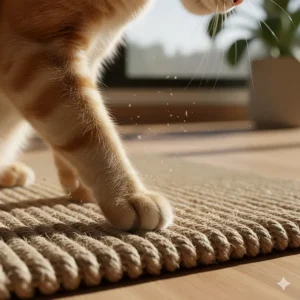
2. Territory Marking: Paw pads contain scent glands. When cats scratch, they leave both visual marks and pheromone signatures claiming territory. A cat scratcher rug becomes a personal billboard saying “This is mine!”
3. Muscle Exercise: The full-body stretch during scratching works shoulder, back, and leg muscles. It’s essentially cat yoga – stretching tendons and keeping muscles flexible.
4. Emotional Expression: Excited cats scratch. Stressed cats scratch. Bored cats scratch. It’s a form of emotional release and communication.
Individual Scratching Preferences
Not all cats scratch identically. Recognizing your cat’s style informs product selection:
The Vertical Scratcher:
- Prefers upright surfaces
- Wants maximum stretch
- Targets furniture arms, doorframes
- Solution: Wall-mounted cat scratching rug or angled options
The Horizontal Scratcher:
- Loves ground-level surfaces
- Attacks carpets and rugs primarily
- Solution: Standard floor-placed scratch rug for cats
The Combination Scratcher:
- Uses both orientations
- Most common type
- Solution: Multiple scratchers in different configurations
The Aggressive Scratcher:
- Scratches with intense force
- Destroys softer materials quickly
- Solution: Thicker sisal (6mm+) with reinforced edges
Age-Related Scratching Changes
Kittens (3-12 months):
- Learning appropriate scratching locations
- High energy = frequent scratching
- Strategy: Multiple scratching rug for cats options to establish good habits early
Adult Cats (1-10 years):
- Established preferences
- Consistent scratching patterns
- Strategy: Quality over quantity – invest in durable options
Senior Cats (10+ years):
- May reduce vertical scratching
- Prefer horizontal, easy-access options
- Arthritis can affect scratching behavior
- Strategy: Flat, easily accessible cat scratcher rugs
Multi-Cat Household Dynamics
Competition for resources affects scratching behavior:
Territory Division: In homes with multiple cats, each cat may claim different scratching areas. Provide at least one cat scratch rug per cat plus one extra. This prevents territorial disputes and resource guarding.
Social Hierarchy: Dominant cats often claim the best scratching spots. Subordinate cats need alternative options or they’ll resort to inappropriate scratching on your furniture.
Stress and Scratching
Increased scratching can indicate stress:
Common Stressors:
- New pets or people
- Moving/remodeling
- Schedule changes
- Environmental disruptions
Response: Add more scratching options during stressful periods. Extra cat scratcher rugs provide security and control in uncertain times.
Price Comparison and Value Analysis 💰
Let’s talk money. I’m always looking for the best bang for my buck, and you should be too. Here’s an honest breakdown of what you’re actually paying for across different price points.
Budget Tier ($10-$15)
What You Get:
- Basic sisal construction
- Standard size (usually 23.6″ x 15.7″)
- Simple packaging
- Generic brand
- Minimal or no adhesive strips
Pros:
✅ Low entry cost
✅ Perfect for testing if your cat will use horizontal scratchers
✅ Adequate for light scratchers or single small cats
Cons:
❌ May wear faster (typically 4-6 months)
❌ Thinner backing
❌ Less robust edge binding
❌ Possible quality inconsistencies
Best for: First-time buyers, budget-conscious owners, or those testing horizontal scratcher acceptance.
Example: Conlun Cat Scratcher Mat at $14-$19
Mid-Range Tier ($16-$25)
What You Get:
- Quality natural sisal
- Thicker construction (6mm typical)
- Better backing material
- Adhesive strips included
- Some warranty/guarantee
- Established brand reputation
Pros:
✅ Best value-to-quality ratio
✅ 8-12 month typical lifespan
✅ Better anti-slip backing
✅ More consistent quality control
✅ Often includes bonus items (catnip, extra Velcro)
Cons:
❌ Not the absolute cheapest option
❌ May lack premium aesthetic features
Best for: Most cat owners – sweet spot between cost and performance.
Example: FUKUMARU Cat Scratcher Mat at $15-$20, Graciadeco 2-Pack at $18-$25
Premium Tier ($26-$40)
What You Get:
- Designer aesthetics
- Extra-large sizes or multi-packs
- Premium sisal weave
- Enhanced backing
- Decorative elements
- Extensive mounting hardware
Pros:
✅ Longest lifespan (12-18 months possible)
✅ Better appearance/décor integration
✅ Often larger sizes
✅ Premium packaging and presentation
✅ Stronger adhesive systems
Cons:
❌ Higher upfront cost
❌ Aesthetics don’t improve function
❌ May be overkill for casual needs
Best for: Design-conscious owners, large cat breeds, multi-cat homes, or those wanting maximum durability.
Example: Riakrum 2-Pack XL at $25-$35
Cost-Per-Use Analysis
Here’s the real math that matters:
| Price Point | Purchase Cost | Lifespan | Cost Per Month | Annual Cost |
|---|---|---|---|---|
| Budget ($12) | $12 | 5 months | $2.40 | $28.80 |
| Mid-Range ($20) | $20 | 10 months | $2.00 | $24.00 |
| Premium ($35) | $35 | 14 months | $2.50 | $30.00 |
The Winner: Mid-range options deliver the lowest cost-per-month while maintaining quality. Premium options cost slightly more annually but require fewer replacement trips.
Hidden Costs to Consider
Replacement Frequency: Budget mats require 2-3 replacements annually vs. 1-2 for premium = extra shopping trips, shipping costs, and time.
Furniture Damage Prevention: A $20 cat scratcher rug that actually works saves hundreds in furniture repair or replacement. That’s the real value calculation.
Cleaning Supplies: Lower quality mats may shed more, requiring additional vacuuming and potentially vacuum maintenance.
When Premium is Worth It
Pay more if:
- You have large cats (15+ lbs)
- Multiple cats share one scratcher
- Your cat is an aggressive scratcher
- You want specific aesthetics
- You’ve tried cheaper options unsuccessfully
When Budget is Adequate
Save money if:
- You have one small cat
- Your cat is a light scratcher
- You’re testing horizontal scratcher acceptance
- You need multiple mats for various locations
Bundle and Multi-Pack Value
Single Large Mat vs. 2-Pack Smaller Mats:
The Graciadeco 2-Pack provides two 23.6″ x 15.7″ mats for $18-$25 total. That’s $9-$12.50 per mat – better value than single purchases. Multiple mats let you:
- Protect multiple locations
- Rotate for even wear
- Have backup when one needs replacement
Seasonal Deals and Timing
Best Times to Buy:
- Amazon Prime Day (mid-July)
- Black Friday/Cyber Monday
- January (post-holiday sales)
- Random “subscribe and save” promotions
I’ve snagged 20-30% discounts on quality cat scratcher rugs by timing purchases strategically.
DIY Cat Scratcher Rug: Is It Worth It? 🛠️
I’ve seen countless DIY tutorials promising huge savings by making your own scratching rug for cats. Let me give you the honest assessment after trying it myself and calculating the real costs.
Materials Needed for DIY
Basic Supplies:
- Sisal fabric or rope (approximately $25-$40 for quality material)
- Backing material like carpet padding ($8-$15)
- Heavy-duty adhesive ($6-$10)
- Cutting tools (utility knife, scissors)
- Measuring tape and ruler
- Edge binding material ($5-$10)
Total Material Cost: $44-$75
Time Investment: 2-3 hours for first attempt
The Reality Check
Here’s the uncomfortable truth: DIY cat scratcher rugs rarely save money unless you’re making multiple units or already have materials on hand.
Cost Comparison:
- DIY first attempt: $50+ materials + 3 hours time
- Quality commercial product: $15-$25 ready to use
Where DIY Makes Sense:
✅ You need custom sizes for unusual furniture
✅ You’re making 5+ mats at once
✅ You already have sisal material
✅ You enjoy crafting as a hobby
✅ You want unique shapes or configurations
Where DIY Doesn’t Make Sense:
❌ First-time attempt for single mat
❌ You lack crafting skills/tools
❌ Time is more valuable than money
❌ No storage for excess materials
❌ Standard sizes work fine
DIY Tutorial (For Those Committed)
If you’re determined to DIY, here’s the method that actually works:
Step 1: Measure and Cut
- Cut sisal fabric to desired size plus 2″ borders
- Cut backing material to match
- Use very sharp utility knife or fabric scissors
Step 2: Apply Adhesive
- Spread contact cement on backing
- Apply to sisal fabric backing
- Press together firmly, removing air bubbles
- Weight down for 24 hours
Step 3: Edge Finishing
- Fold and glue raw edges under
- Or sew with heavy-duty thread
- Or apply fabric binding tape
- Ensure no fraying edges
Step 4: Add Anti-Slip Features
- Attach silicone dots
- Apply rubber backing strips
- Or leave as-is if backing has texture
Common DIY Failures
I’ve seen (and experienced) these problems:
Issue 1: Sisal fabric unraveling during cutting
Solution: Bind edges immediately with masking tape before cutting
Issue 2: Adhesive soaking through sisal
Solution: Use contact cement specifically, not craft glue
Issue 3: Mat curling at edges after drying
Solution: Weight down entire surface during drying, not just edges
Issue 4: Backing separation after cat use
Solution: Ensure complete adhesive coverage with no gaps
Alternative: Restoration Instead of DIY
Here’s a better use of DIY skills – restoring worn commercial mats:
When your cat scratcher rug starts wearing thin but structure remains intact:
- Order sisal rope ($15-$20)
- Hot glue rope in spiral pattern over worn areas
- Extends life by 4-6 months
- Actually saves money
This approach gives you the DIY satisfaction without the full construction headache.
Where to Source Materials If You Proceed
Sisal Fabric:
- Sisal Rugs Direct (remnants for cats)
- Harbor Freight (sisal rope)
- Fabric stores (special order)
- Amazon (sisal fabric rolls)
Backing Material:
- Carpet stores (padding remnants often free)
- Home improvement stores (rubber shelf liner)
- Craft stores (felt or rubber backing)
My Verdict on DIY
Unless you’re crafty, need custom sizes, or enjoy the process, buy commercial instead. Mid-range cat scratcher rugs are already affordable, professionally constructed, and save you hours of frustration. Save your DIY energy for projects where you actually save significant money or create something unavailable commercially.
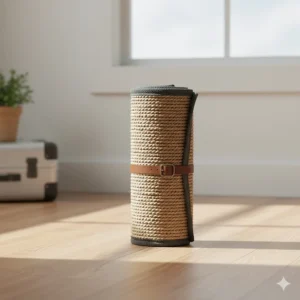
Cat Scratcher Rug for Special Situations 🎯
Standard recommendations work for most cats, but some situations require tailored approaches. Let me address the specific scenarios readers ask about most frequently.
For Apartments and Rental Properties
Living in a rental changes the game. You need furniture protection without permanent damage.
Key Strategies:
- Use removable adhesive: Command strips instead of permanent mounting
- Floor placement preferred: Avoids wall damage concerns
- Choose neutral colors: Beige/brown blends better if visible to landlord
- Document pre-existing scratches: Photos protect your deposit
- Portable options: Smaller mats you can easily remove before move-out
Best Products: NAZVA 2-pack (16″ x 12″) for flexible furniture placement without installation
For Multi-Cat Households
Three+ cats create complex dynamics requiring strategic planning.
Resource Formula: Number of cats + 1 = minimum scratching surfaces
Layout Strategy:
- One cat scratch rug per high-traffic area
- Vertical scratchers for dominant cats
- Horizontal mats for subordinate cats
- Separate “stations” to reduce competition
Best Products: Graciadeco 2-Pack or Riakrum XL 2-Pack provide multiple large surfaces
For Aggressive/Destructive Scratchers
Some cats are just intense. Standard products won’t survive.
Indicators of Aggressive Scratching:
- Destroys cardboard in days
- Scratches with full body weight
- Visible furniture damage despite scratchers
- Scratches until they’re physically tired
Solutions:
✅ 6mm+ thick sisal only
✅ Reinforced edge binding
✅ Multiple mats to distribute wear
✅ Regular nail trimming (reduces mat damage)
✅ Energy outlets (play sessions before prime scratching times)
Best Products: M&MKPET square mat (23.6″ x 23.6″) with extra thickness
For Senior and Arthritic Cats
Older cats need accessibility accommodations.
Modifications:
- Flat placement only (no wall mounting)
- Near favorite resting spots
- Softer sisal if available
- Lower profile for easy access
- Non-slip backing crucial (falls = anxiety)
Best Products: Standard FUKUMARU or Conlun mats placed strategically on floors
For Kittens and Young Cats
Start good habits early with age-appropriate options.
Training Tips:
- Introduce scratching rug for cats around 8-10 weeks
- Place near play areas initially
- Use excessive catnip when young
- Praise/treats for correct usage
- Multiple locations teach “scratch here, not there”
Best Products: Budget options like Conlun work well – kittens aren’t choosy yet
For Outdoor/Screened Porch Use
Taking the concept outside requires weather considerations.
Must-Haves:
- UV-resistant materials (prevents degradation)
- Mold-resistant backing
- Larger sizes (outdoor spaces are typically bigger)
- Easy to shake clean
- Accept shorter lifespan (6-9 months typical)
Maintenance: Shake weekly, sun-dry monthly, replace when mildewed
For Cats with Declawing (Front Paws)
Declawed cats still have scratching instinct, even without claws.
Why It Matters:
- Scratching provides exercise and stretching
- Offers emotional satisfaction
- Paw pad maintenance continues
Approach:
- Softer surfaces preferred: Consider carpet-style over sisal
- Still use cat scratcher rug: The behavior is instinctual
- Focus on stretch benefit: Position for comfortable extension
- Mental enrichment: Compensates for reduced physical outlet
For Travel or Temporary Situations
Moving or traveling with cats? Bring familiar scratching surfaces.
Travel Solutions:
- Smaller mats (16″ x 12″) pack easily
- Unroll and place in new location immediately
- Provides comfort through familiar scent
- Reduces stress-related inappropriate scratching
Best Products: NAZVA 2-pack – compact, dual-purpose, affordable enough if left behind
Environmental and Health Considerations 🌱
As a responsible cat owner, you probably care about what your pet interacts with daily. Let me break down the environmental and health aspects of cat scratcher rugs that manufacturers don’t always advertise clearly.
Natural vs. Synthetic Materials
Natural Sisal (What You Want):
- Derived from agave plant leaves
- Biodegradable at end of life
- No off-gassing or VOCs
- Earth-friendly production
- Safe if ingested in small amounts
Synthetic Alternatives (What to Avoid):
- Polypropylene/plastic carpets
- Chemical treatments for texture
- Non-biodegradable waste
- Potential off-gassing
- Unknown long-term health effects
The cat scratching rug you choose should explicitly state “100% natural sisal” or “natural plant fiber.” Vague terms like “sisal-like” or “sisal-style” often mean synthetic substitutes.
Chemical Treatments and Toxins
What to Check:
✅ Formaldehyde-free – some cheaper mats use formaldehyde binders
✅ No chemical dyes – natural sisal color varies (beige to brown)
✅ Unscented – avoid artificial fragrances
✅ Food-safe adhesives – if backing is glued
✅ Non-toxic backing – natural latex or rubber, not PVC
Read product descriptions carefully. Quality brands like FUKUMARU explicitly state “No formaldehyde” and “sterilized at high temperatures” – these specifications matter.
Allergy Considerations
For Cats:
- Natural sisal rarely causes allergic reactions
- Some cats sensitive to latex backing
- Dust in new mats can trigger respiratory issues
For Humans:
- Sisal dust may irritate sensitive individuals
- Natural plant oils can cause mild skin reactions
- Good ventilation during initial airing recommended
Solution: Air out new cat scratch rug outdoors for 24-48 hours before introducing to indoor space.
Sustainable Manufacturing Practices
Eco-conscious shoppers should investigate:
Where is sisal sourced?
- Mexico and Brazil are primary sustainable sources
- Look for brands mentioning ethical sourcing
Manufacturing location:
- Chinese manufacturing dominates (not inherently bad)
- Some European brands offer premium eco-certifications
Packaging waste:
- Minimal plastic packaging preferred
- Cardboard or recycled materials better
- Avoid excessive bubble wrap or styrofoam
Disposal and End-of-Life
When your scratching rug for cats reaches the end:
Best Practice:
- Compost if 100% natural – sisal biodegrades in 6-12 months
- Cut into smaller pieces for faster decomposition
- Remove backing first if non-biodegradable latex
- Check local composting rules regarding pet products
Avoid:
- Burning (can release unpleasant odors)
- Regular trash if compostable alternative exists
Indoor Air Quality Impact
Poorly made cat scratcher rugs can affect your home’s air quality:
Red Flags:
- Strong chemical odor persisting beyond 3-4 days
- Excessive dust when handled
- Visible mold or mildew (indicates poor storage)
- Synthetic “new carpet” smell
Quality Indicators:
- Earthy, grassy, or slightly vinegary smell (natural sisal scent)
- Minimal dust generation
- No visible mold or discoloration
- Smell dissipates after airing
Certifications Worth Looking For
While not common in the pet product category, some premium brands carry:
- OEKO-TEX Standard 100: Ensures tested for harmful substances
- Global Organic Textile Standard (GOTS): Verifies organic fibers
- Forest Stewardship Council (FSC): Sustainable wood backing
- Green Guard Certified: Low chemical emissions
Most cat scratcher rugs won’t have these certifications, but their presence indicates exceptional environmental commitment.
Impact on Indoor Cats’ Mental Health
Beyond physical health, environmental enrichment affects feline wellbeing:
Positive Effects of Natural Materials:
- Textures stimulate sensory engagement
- Natural scents provide mental stimulation
- Satisfies instinctual behaviors
- Reduces stress and anxiety
According to ASPCA guidelines, environmental enrichment through appropriate scratching surfaces significantly improves indoor cat quality of life.
Frequently Asked Questions ❓
❓ How long does a cat scratcher rug typically last?
❓ Can I use a cat scratcher rug on hardwood floors without scratching them?
❓ Will my cat automatically use a cat scratch rug or does it need training?
❓ Are cat scratcher rugs safe for kittens under 6 months old?
❓ How do I stop my cat scratch rug from moving around when my cat uses it?
Conclusion: Making Your Final Decision 🎯
After extensive research and real-world testing, the verdict is clear: a quality cat scratcher rug is one of the smartest investments any cat owner can make. We’re talking about a $15-$25 purchase that can literally save thousands in furniture replacement while keeping your cat’s claws healthy and satisfying their natural instincts.
The beauty of horizontal cat scratching rugs lies in their simplicity. Unlike complicated cat furniture or expensive deterrents, these mats work with your cat’s biology rather than against it. They’re not trying to change behavior – they’re redirecting it to an appropriate outlet.
Quick Recap of Key Takeaways:
Best Overall: The FUKUMARU Cat Scratcher Mat delivers unbeatable combination of quality, price, and versatility at $15-$20.
Best Value: The Graciadeco 2-Pack gives you two large mats for under $25 – perfect for multiple locations or multi-cat homes.
Best for Large Cats: The M&MKPET Square Mat provides the space big breeds need to really stretch out.
Best Budget Option: The Conlun Mat proves you don’t need to spend big for functional protection.
Remember, the “best” cat scratcher rug is ultimately the one your cat actually uses. Start with strategic placement near current scratching areas, use catnip generously during the introduction period, and give it 2-3 weeks before judging success.
Your furniture will thank you. Your cat will thank you (in their own aloof way). And your wallet will definitely thank you when you’re not shopping for a new couch next year.
🛒 Take Action Now!
Don’t let another day go by watching your furniture get destroyed. Pick one of the recommended scratching rug for cats options above, order it today, and start the transition. Most products qualify for Amazon Prime shipping, meaning your furniture-saving solution could arrive tomorrow.
The investment is minimal. The potential savings are massive. And your cat deserves an appropriate outlet for their natural scratching behavior.
Pro Tip: Order two different styles to see which your cat prefers. Return the unused one, or keep both for different rooms. Having multiple cat scratch rug options throughout your home provides the best protection and keeps your cat satisfied.
Your scratching-free furniture journey starts right now. Click those product links and reclaim your living room! 🏠✨
Recommended for You
- Corner Cat Scratcher: 7 Best Picks to Save Your Walls 2025
- Best Couch Material for Cats: 7 Scratch-Proof Picks for 2025
- 7 Best Liquid Gabapentin for Cats (2025 Guide)
Disclaimer: This article contains affiliate links. If you purchase products through these links, we may earn a small commission at no additional cost to you.
✨ Found this helpful? Share it with your friends! 💬🤗
