
Table of Contents
Cats spend a huge slice of their day grooming, so when one of them starts to smell, it feels almost insulting. Your cat has one job. Yet here you are, sniffing the couch cushion like a detective.
Here is the quick answer first. A deodorizing cat shampoo for smelly cats is a cat-safe, pH-friendly cleanser that lifts oils, dander, and trapped odor molecules from the coat and skin instead of merely perfuming over them. The best ones pair a gentle, soap-free base with odor-neutralizing ingredients such as baking soda, rosemary, or skin-balancing compounds, and they rinse out cleanly so no residue irritates your cat later.
The catch is that “smelly” can mean very different things. A dusty, litter-scented coat is a grooming problem. A musty, greasy, or rotten smell that survives a bath can be a veterinary-flagged sign of a skin condition rather than a shampoo problem. Sorting out which one you’re dealing with saves you money, time, and a lot of wet-cat drama.
This guide covers seven real products across budget, mid-range, and premium tiers, plus the analysis most listings skip: what the ingredients actually do, when to skip the shampoo and call your vet, how to bathe a reluctant cat, and how to handle litter box odor on fur. Every product comes with honest commentary built from its specs and the review themes visible at the time of research. Where reviews were thin, you’ll be told so plainly.
Quick Comparison: 7 Best Deodorizing Cat Shampoo for Smelly Cats
| Product | Odor Approach | Scent Style | Best For |
|---|---|---|---|
| Hepper Deep Clean Pet Shampoo for Smelly Pets | Deep-cleaning, soap-free, pH-balanced | Long-lasting fresh | Overall everyday odor |
| TropiClean Berry & Coconut Deep Cleaning Cat Shampoo | Deep-cleaning, odor-eliminating | Berry and coconut | Messy cats and sanitary mishaps |
| Arm & Hammer 2-in-1 Deodorizing & Dander Reducing Cat Shampoo | Baking soda plus dander control | Lavender chamomile | Dander-heavy, budget buyers |
| Earthbath Deodorizing Rosemary Dog & Cat Shampoo | Rosemary oil, soap-free | Natural rosemary | Scent-sensitive households |
| Petkin 4-in-1 Vanilla Coconut Shampoo & Conditioner | Cleanse, deodorize, detangle | Sweet vanilla | Large, cheap bottle for frequent washers |
| Douxo S3 SEB Odor-Control Cat Shampoo | Skin-barrier support for greasy skin | Mild | Oily, flaky, seborrhea-prone cats |
| Vetnique Labs Dermabliss Medicated Chlorhexidine Shampoo | Antibacterial and antifungal | Medicated | Vet-guided infection support |
Looking at the table, the Hepper Deep Clean Pet Shampoo for Smelly Pets and the TropiClean Berry & Coconut Deep Cleaning Cat Shampoo are the straightforward picks for a cat that just needs a reset. The Douxo S3 SEB Odor-Control Cat Shampoo and the Vetnique Labs Dermabliss Medicated Chlorhexidine Shampoo sit in a different category entirely, because they target skin conditions rather than everyday funk. Budget shoppers will find the Arm & Hammer 2-in-1 Deodorizing & Dander Reducing Cat Shampoo and Petkin 4-in-1 Vanilla Coconut Shampoo & Conditioner the easiest on the wallet.
💬 Just one click — help others make better buying decisions too!😊
Top 7 Deodorizing Cat Shampoo for Smelly Cats: Expert Analysis
Prices below are ranges, not live quotes, and they shift constantly, so check current price before you buy. Review commentary reflects the themes visible in public reviews and roundups at the time of research, not hands-on testing.
1. Hepper Deep Clean Pet Shampoo for Smelly Pets — best all-rounder for stubborn odor
This one is built around a single promise: deep cleaning for pets that have gone past “a little ripe.” Roundups describe it as soap-free, pH-balanced, and free of parabens, sulfates, DEA, dyes, and alcohol.
Those specs matter in practice. A soap-free, pH-balanced base is less likely to strip your cat’s skin oils, which is what you want when the goal is a nicer smell without triggering dryness and dandruff afterward. Sold in a small size and a larger bottle of around 16.9 fluid ounces, it suits both a single-cat home and a multi-cat household.
Based on the spec comparison, this is the safest first purchase for a cat with ordinary, non-medical odor: outdoor-adventure funk, a sour coat, or stale-litter cling. It is a cleaner, not a treatment, so it won’t fix an underlying skin issue.
Reviewers in the roundups consistently say the scent is pleasant and the coat feels soft and clean afterward. Detailed ingredient lists vary by source, so read the bottle if you are watching for a specific allergen.
Pros:
- ✅ Soap-free, pH-balanced formula protects skin oils
- ✅ Free of parabens, sulfates, and dyes
- ✅ Two bottle sizes suit different households
Cons:
- ❌ Not a treatment for infections or seborrhea
- ❌ Labeled for pets generally, not cats only
Price range: roughly $10-$20, depending on size. Verdict: strong value for everyday deodorizing.
2. TropiClean Berry & Coconut Deep Cleaning Cat Shampoo — best for messy, sticky situations
A cat-specific deep cleaner in a 12-fluid-ounce bottle, this shampoo promises a rich lather that lifts debris, handles strong odor, and helps reduce matting. Its formula is derived from natural ingredients such as berries, coconut, and aloe.
What does that mean for you? Lather matters more than it sounds. A shampoo that foams well spreads through dense fur with less scrubbing, which means less time with an unhappy, soaking cat. The “reduces matting” claim is useful for long-haired cats whose back ends collect trouble.
On paper, this suits cats with grooming limitations. One reviewer on a major pet retailer’s page described bathing an elderly amputee cat who sometimes gets soiled and said his fur never looked better. Others noted it smells good and rinses easily. One shopper said they might try waterless products or wipes instead, which is fair feedback for cats that despise baths.
If you are wondering about sweet scents, this is firmly in fresh-scent cat shampoo territory, so scent-sensitive households should sniff-test first.
Pros:
- ✅ Cat-specific formula with rich lather
- ✅ Rinses out easily, per reviewers
- ✅ Helps reduce matting on longer coats
Cons:
- ❌ Sweet berry-coconut scent isn’t for everyone
- ❌ Smaller 12-ounce bottle empties faster
Price range: roughly $10-$20. Verdict: a smart pick for cats that get genuinely dirty.
3. Arm & Hammer 2-in-1 Deodorizing & Dander Reducing Shampoo for Cats — best budget baking-soda option
This formula leans on the brand’s signature baking soda, which is marketed as neutralizing odor rather than masking it. It adds a dander-reducing angle plus a lavender-chamomile scent, in a 20-ounce bottle.
Here is the useful interpretation: some cat odor travels on dander and flaky skin, so a shampoo that tackles both can feel like it works harder than a pure fragrance product. People sensitive to cat dander may also appreciate the reduction claim, though a bath is a temporary help, not a cure for allergies.
What the listing won’t tell you is the full ingredient picture. One retailer’s ingredient listing shows conventional surfactants such as sodium laureth sulfate and a preservative, so sensitive-skinned cats may do better with a soap-free, sulfate-free alternative. Always verify on your own bottle.
Detailed customer-review sentiment wasn’t verifiable in the sources reviewed, so treat this as a spec-and-reputation pick rather than a proven crowd favorite.
Pros:
- ✅ Baking-soda odor control at a very low price
- ✅ Targets dander as well as smell
- ✅ Cat-specific, large 20-ounce bottle
Cons:
- ❌ Sulfate-based surfactants in some listings
- ❌ Lavender scent may feel strong to some cats
Price range: under $10 to low teens. Verdict: excellent value if your cat’s skin tolerates it.
4. Earthbath Deodorizing Rosemary Dog & Cat Shampoo — best natural rosemary scent
Soap-free and coconut-based, this shampoo uses rosemary oil to neutralize odor. It is labeled for cats and dogs over six weeks of age and comes in a 16-fluid-ounce bottle.
Soap-free matters if your cat gets topical flea treatment, because the brand states it won’t wash those treatments off. That detail is the kind of thing a buyer rarely thinks about until the flea spot-on stops working after bath day.
The rosemary approach also appeals to people who dislike candy-sweet perfumes. The brand’s listed ingredients are simple: purified water, plant-derived and coconut-based cleansers, aloe, vitamins, glycerin, rosemary oil, and a preservative.
Review sentiment is genuinely mixed, which is worth knowing. Plenty of shoppers describe a fresh groomer-style scent and happy pets. A few said the rosemary scent was barely there, and one compared it to a medicated flea shampoo. Scent is personal, so don’t buy this expecting a bouquet.
Pros:
- ✅ Soap-free base won’t wash off spot-on flea treatments
- ✅ Simple, rosemary-forward ingredient list
- ✅ Usable from six weeks of age
Cons:
- ❌ Scent strength divides reviewers
- ❌ Dog-and-cat formula, not cat-only
Price range: roughly $12-$20. Verdict: a solid, gentle pick if you want a subtle scent.
5. Petkin 4-in-1 Vanilla Coconut Scent Dog & Cat Shampoo & Conditioner — most bottle for the money
A shampoo and conditioner in one, this formula claims to cleanse, soothe, detangle, and deodorize. It lists organic oat extract and vitamin E, a paraben-free formula, and a vanilla-coconut scent. It is described as safe for cats, dogs, puppies, and kittens, and sells in big bottles up to 32 fluid ounces.
The practical upside is volume. Cats that need frequent baths for medical or grooming reasons, such as overweight cats that can’t reach everything, burn through shampoo. One reviewer with exactly that situation said the product worked fantastically for regular bathing.
The trade-off is that a combined shampoo-and-conditioner is a general-purpose tool, not a specialist odor fighter. If your cat’s smell has a medical flavor, this won’t be the answer.
Reviewers on a major retailer’s page offered generally positive, if brief, feedback. Note that other Petkin products, such as the germ-removal variant, drew an itch complaint from at least one shopper, so watch your cat’s skin after the first wash regardless of which formula you pick.
Pros:
- ✅ Large bottle lowers cost per bath
- ✅ Conditioning step helps with detangling
- ✅ Paraben-free with oat extract
Cons:
- ❌ General-purpose, not a specialist deodorizer
- ❌ Sweet vanilla scent can be heavy
Price range: under $15. Verdict: great budget value for frequent baths.
6. Douxo S3 SEB Odor-Control Seboregulating Dog & Cat Shampoo — best for greasy, flaky skin
This is a skin-care shampoo wearing an odor-control label. It is aimed at excess sebum, oily buildup, and flaky skin, and developed with veterinary dermatologists. The line uses Ophytrium, a natural-origin ingredient marketed to soothe and strengthen the skin barrier.
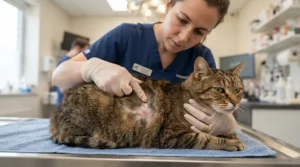
Think of it as the tool for a specific problem: the greasy, waxy, slightly rancid coat. Seborrhea in cats commonly brings odor, particularly when bacteria or yeast join the party, and a seboregulating shampoo is built for that scenario.
One honest caution: retailers list this product’s active ingredients inconsistently, so read the label on the bottle in your hands. It should also be used with a vet’s blessing if your cat’s skin looks inflamed.
Review sentiment is split. Some shoppers call it great, while another said their dogs still smelled and wondered about consistency. That is a reminder that no shampoo fixes an unmanaged underlying cause.
Pros:
- ✅ Targets oily, flaky, odor-prone skin
- ✅ Developed with veterinary dermatologists
- ✅ Suitable for cats and dogs
Cons:
- ❌ Pricier than everyday deodorizers
- ❌ Overkill for ordinary coat funk
Price range: around $25-$35. Verdict: worth it only when skin is the real issue.
7. Vetnique Labs Dermabliss Medicated Anti-Bacterial & Anti-Fungal Chlorhexidine Shampoo — best vet-guided medicated option
This is the heavy hitter. It is formulated with 2 percent chlorhexidine and 1 percent ketoconazole to help combat bacteria, yeast, and fungal skin infections, in a 16-fluid-ounce bottle. The retailer states no prescription is required.
That “no prescription” detail is exactly why you should slow down. Medicated shampoos are for diagnosed problems. If your cat’s odor comes from a skin infection, this class of product can be part of a plan, but a vet should confirm what you’re treating and how often to use it.
Reviews describe itch relief in some dogs and cats, though one shopper reported relief that lasted only a day. Expect variable results.
Treat this as a second-step product, not a first purchase for routine smell.
Pros:
- ✅ Targets bacterial, yeast, and fungal skin issues
- ✅ Available without a prescription
- ✅ Made for both cats and dogs
Cons:
- ❌ Not meant for routine deodorizing
- ❌ Results vary, per reviewers
Price range: roughly $20-$30. Verdict: valuable when guided by your vet, wasteful otherwise.
| Product | Key Spec | Approx. Price Range | Review Sentiment | Best For |
|---|---|---|---|---|
| Hepper Deep Clean Pet Shampoo for Smelly Pets | Soap-free, pH-balanced | $10-$20 | Positive on scent and softness | Everyday odor |
| TropiClean Berry & Coconut Deep Cleaning Cat Shampoo | 12 oz, rich lather | $10-$20 | Positive, easy rinse | Messy cats |
| Arm & Hammer 2-in-1 Cat Shampoo | Baking soda, 20 oz | Under $10 to low teens | Not verified | Budget, dander |
| Earthbath Rosemary Shampoo | Soap-free, 16 oz | $12-$20 | Mixed on scent strength | Subtle scent |
| Petkin 4-in-1 Vanilla Coconut | Up to 32 oz | Under $15 | Generally positive | Frequent baths |
| Douxo S3 SEB Shampoo | Skin-barrier support | $25-$35 | Split | Greasy skin |
| Vetnique Dermabliss Medicated Shampoo | Medicated, 16 oz | $20-$30 | Variable | Vet-guided care |
Reading across the rows, everyday buyers get the best value from the Hepper Deep Clean Pet Shampoo for Smelly Pets, while the Petkin 4-in-1 Vanilla Coconut Shampoo & Conditioner wins on cost per wash. Skin-focused buyers should treat the Douxo S3 SEB Odor-Control Cat Shampoo and Vetnique Dermabliss Medicated Shampoo as specialist tools, not upgrades.
✨ Don’t Miss These Top Picks!
🔍 Take your cat’s bath routine to the next level with these carefully selected shampoos. Click any highlighted product name to check current pricing and availability, and give your cat a coat you’ll actually want to cuddle!
How to Choose Cat Shampoo for Odor Control
If you only read one section, make it this one. The right cat shampoo for odor control depends on what is causing the smell, not on the scent printed on the bottle.
- Identify the smell type first. Dusty or litter-like odor points to a grooming issue; musty, greasy, or rotten odor that returns right after a bath points toward skin or health, as covered below.
- Pick a cat-safe formula. Choose shampoos labeled for cats. Dog-only products can contain ingredients that are unsafe for felines.
- Prefer soap-free and pH-friendly bases. Vets generally recommend gentle, pH-neutral cleansers without harsh sulfates or artificial dyes, as one UK veterinary guide notes.
- Check the odor-neutralizing ingredients. Baking soda, rosemary, and skin-balancing agents work differently; match them to your cat’s problem.
- Match scent to sensitivity. Strong fragrance can bother cats and people, so sensitive households should lean subtle.
- Consider your cat’s tolerance. A formula that rinses easily saves stress; leftover residue can irritate skin.
- Plan the frequency. Bathing too often dries skin, so choose a product you can use sparingly and supplement with wipes.
Applied honestly, this checklist weeds out half the market before you ever open a product page.
Odor-Neutralizing Ingredients: What Works and What’s Hype
The phrase “odor-neutralizing ingredients” appears on nearly every bottle, but the ingredients behind it do very different jobs.
Baking soda is the household classic. It is marketed as neutralizing rather than masking odors, and it pairs well with dander control. Its main limit is that it works on the coat’s surface; it won’t touch odor produced by the skin itself.
Rosemary oil appears in the Earthbath formula as an odor neutralizer with a fresh, herbal scent. It appeals to people avoiding candy-sweet perfumes, though scent strength varies by reviewer.
Skin-barrier and sebum-regulating ingredients, such as the Ophytrium found in the Douxo line, don’t deodorize so much as correct the greasy, flaky conditions that generate smell in the first place. That distinction matters enormously for oily cats.
Antimicrobial actives like chlorhexidine and ketoconazole address bacterial and fungal overgrowth. They are medicine, not fragrance, and belong in a vet-guided plan.
Moisturizers and conditioners such as aloe, oat extract, and glycerin don’t neutralize anything. They protect against the dryness that frequent washing can cause.
One practical test: if the label promises “long-lasting scent” but lists no cleansing or neutralizing agents beyond fragrance, you may be buying perfume with a soapy side hustle.
When Smell Signals a Skin Problem
This is the section that can save you from months of pointless shampooing.
Veterinary sources describe foul skin odor as relatively uncommon in cats, and note a key clue: if the smell comes from a skin condition, it generally doesn’t go away after a bath. Odor can also seem to come from the whole cat while actually originating from a single spot, such as bad teeth, feces stuck near the rear end, infected anal glands, or the ears.
Common skin-related causes include bacterial infections and yeast overgrowth. Yeast often announces itself with a musty smell, and conditions like allergies or flea allergy dermatitis can set the stage for secondary infection. Seborrhea, an oil-production disorder, frequently brings greasy skin, dandruff, and odor, especially when bacteria or yeast join in.
Watch for these red flags:
- ✅ Smell returns within a day or two of bathing
- ✅ Redness, heat, scabs, or sores
- ✅ Excessive scratching or licking
- ✅ Greasy, waxy fur or heavy dandruff
- ✅ Sudden change in odor
If you see any of these, book a vet visit before buying another bottle. A deodorizing cat shampoo for smelly cats is perfect for ordinary odor; it is the wrong tool for diagnosis.
Litter Box Odor on Fur: Why It Happens and How to Fix It
Few things are more humbling than realizing the smell you’ve been blaming on the litter box is actually riding around on your cat. Litter box odor on fur usually comes from three culprits: urine or feces contact, soiled fur around the rear, and a cat that can’t groom effectively.
Fur near the back end is the hot zone. Veterinary guidance notes that feces stuck in the fur around the anus can create a smell that seems to affect the whole coat. Long-haired cats collect trouble faster, which is why a sanitary trim and regular brushing help.
Some cats can’t reach everything. Veterinary resources point to obesity and painful conditions such as arthritis as reasons cats groom less effectively, which lets odor and oil build up.
The fix is layered:
- Keep the box scooped and the litter fresh so there’s less to pick up.
- Wipe the rear area with cat-safe wipes between baths.
- Trim long fur around the rear if your cat is a frequent collector.
- Use a neutralizing shampoo for smelly cat fur, such as the TropiClean Berry & Coconut Deep Cleaning Cat Shampoo, when a full bath is needed.
If litter box odor on fur keeps returning, look at the cause, not the cat: litter type, box size, and any mobility issue worth raising with your vet.
Neutralizing Shampoo for Smelly Cat Fur: A Step-by-Step Bath Guide
Technique makes as much difference as the bottle. The right neutralizing shampoo for smelly cat fur works best when the bath itself is calm, quick, and thorough.
Before the bath: Brush out loose fur and mats first. Set up a quiet space and gather everything you need within reach: shampoo, a cup or sprayer, towels, treats, and a non-slip mat.
During the bath: Veterinary guidance recommends keeping the cat’s feet supported and avoiding water in the eyes, nose, and ears. Wet the coat with comfortably warm water, dilute or apply shampoo as the label directs, and massage gently. Some experts suggest a second lather for deeper cleaning, while a third helps with a particularly dirty cat.
Rinse like you mean it. Leftover shampoo irritates skin, so rinse until the water runs clear, then rinse again.
Dry carefully. Wrap your cat in a towel and keep them warm until fully dry.
After the bath: Offer treats and let them settle. If your cat becomes stressed or aggressive, stop. A veterinary-backed bathing guide makes the same point: a bath isn’t always necessary, and a calm cat beats a spotless one.
Fresh-Scent Cat Shampoo: Fragrance vs. True Deodorizing
A fresh-scent cat shampoo smells lovely in the bottle, but the nose test can mislead. Fragrance tells you what the product smells like; deodorizing tells you what it does to the smell already on your cat.
Berry-coconut, vanilla-coconut, and lavender-chamomile formulas are fragrance-forward. The scent will dominate the bathroom, and many people find it pleasant, but a cat’s nose is far more sensitive than yours. A subtle rosemary scent may suit sensitive households better than a sugary one.
How do you spot a product that does both jobs? Look for a real cleansing base plus a named neutralizing ingredient such as baking soda or rosemary oil. Be wary of long-lasting-scent claims without anything behind them.
A few practical tips:
- Test a small amount first if your cat has sensitive skin.
- Skip heavy fragrance if anyone in the home is scent-sensitive.
- Use scent as a tie-breaker, never the main reason to buy.
The best fresh-scent cat shampoo is one that leaves your cat clean and comfortable, with a smell that fades gently instead of shouting.

Problem → Solution Guide for Smelly Cats
Five common situations, with the most sensible next step for each.
Problem 1: The coat smells sour or dusty.
Solution: A cleaner such as the Hepper Deep Clean Pet Shampoo for Smelly Pets handles ordinary coat funk.
Problem 2: The smell returns within days.
Solution: Stop shampooing and see your vet, because persistent odor can signal skin disease.
Problem 3: Greasy, flaky fur.
Solution: Ask your vet about a seboregulating shampoo like the Douxo S3 SEB Odor-Control Cat Shampoo.
Problem 4: A soiled rear end.
Solution: Trim, wipe, and use a lather-rich shampoo like the TropiClean Berry & Coconut Deep Cleaning Cat Shampoo.
Problem 5: Dander plus odor.
Solution: A baking-soda formula such as the Arm & Hammer 2-in-1 Deodorizing & Dander Reducing Cat Shampoo targets both at a low price.
Match the product to the problem and you’ll skip most of the trial and error.
Real-World Scenarios: Which Shampoo for Which Cat?
Scenario A: The indoor couch cat in a small apartment.
Budget is tight, bathing is occasional, and odor is mild. The Petkin 4-in-1 Vanilla Coconut Shampoo & Conditioner offers a large bottle and gentle conditioning, so a few baths a year cost very little.
Scenario B: The senior cat who can’t groom properly.
Arthritis or weight limits grooming, so odor builds up. The TropiClean Berry & Coconut Deep Cleaning Cat Shampoo has a rich lather suited to deeper cleans, paired with gentle wipes between baths and a vet check for pain.
Scenario C: The scent-sensitive household.
Someone in the home dislikes sweet perfume. The Earthbath Deodorizing Rosemary Dog & Cat Shampoo offers a quieter, herbal option, and its soap-free base won’t wash off spot-on flea treatments.
Scenario D: The oily, flaky cat with a recurring smell.
Here the problem is skin, not scent. A vet visit comes first, then possibly the Douxo S3 SEB Odor-Control Cat Shampoo or, if an infection is confirmed, the Vetnique Labs Dermabliss Medicated Chlorhexidine Shampoo under guidance.
Notice that three of the four scenarios involve a vet or a gentler routine rather than a stronger shampoo.
Cat Shampoo vs. Alternatives: Wipes, Waterless Sprays, and Brushing
A full bath isn’t always the best tool. Veterinary sources point out that cats often need bathing only in certain circumstances, and that bathing too often can dry out skin.
| Option | Best For | Main Limit |
|---|---|---|
| Deodorizing cat shampoo | Deep odor, heavy dirt | Stressful, can dry skin if overused |
| Cat-safe wipes | Rear-end cleanups, spot odor | Surface cleaning only |
| Waterless shampoo | Water-averse cats | Less thorough than a bath |
| Regular brushing | Prevention, dander control | Won’t remove set-in odor |
The table shows why many households combine tools: brush weekly, wipe as needed, and save the bath for when it counts. Water-averse cats are better served by waterless products and wipes, with a proper bath reserved for serious messes.
In short, a deodorizing cat shampoo for smelly cats is the heavy-duty option, not the daily one.
Safety Guide: What Never Goes on a Cat
Safety rules are simple, and ignoring them is where most mistakes happen.
Never use dog-only shampoo. Veterinary guidance warns against using dog shampoo on cats, since some products, such as certain flea shampoos, contain ingredients like permethrin that are toxic to cats. Human shampoo is also best avoided.
Check the age label. Some products specify minimum ages, such as six or twelve weeks, so read the bottle for kittens.
Mind the frequency. Guidance varies, and one UK charity states that cats usually don’t need bathing unless a vet recommends it. A veterinary-backed explainer also suggests asking your vet how often to wash. Other sources suggest a gap of around four to six weeks between baths for most cats.
Watch for reactions. If your cat becomes itchy, red, or lethargic after a bath, rinse again and call your vet.
Medicated products need guidance. Chlorhexidine and antifungal shampoos should be used under veterinary direction.
When in doubt, a cat-specific, vet-approved formula beats a cheaper shortcut every time.
FAQ
❓ Does deodorizing cat shampoo for smelly cats remove odor or just mask it?
❓ How often can I use cat shampoo for odor control?
❓ Is a fresh-scent cat shampoo safe for sensitive cats?
❓ Will neutralizing shampoo for smelly cat fur work on urine smell?
❓ Why does my cat still smell after a bath?
Conclusion
A smelly cat isn’t a character flaw, but it is a clue. Most of the time the clue says “wash me properly, then keep my coat and litter habits tidy.” Sometimes it says something more serious, and the smartest move is to recognize the difference.
For everyday odor, the Hepper Deep Clean Pet Shampoo for Smelly Pets and the TropiClean Berry & Coconut Deep Cleaning Cat Shampoo are the cleanest bets, while the Arm & Hammer 2-in-1 Deodorizing & Dander Reducing Cat Shampoo and Petkin 4-in-1 Vanilla Coconut Shampoo & Conditioner keep costs low. Scent-sensitive homes should look at the Earthbath Deodorizing Rosemary Dog & Cat Shampoo. When skin is the problem, the Douxo S3 SEB Odor-Control Cat Shampoo and the Vetnique Labs Dermabliss Medicated Chlorhexidine Shampoo are tools for use alongside veterinary advice.
Choose the right deodorizing cat shampoo for smelly cats, rinse thoroughly, bathe sparingly, and let persistent smells send you to your vet instead of your shopping cart.
🐾 Ready to give your cat a fresh start? Check current prices on your favorite pick and make bath day a little less dramatic!
Recommended for You
- No-Rinse Foam Shampoo For Senior Cats: 7 Best Gentle Picks 2026
- Cat Conditioner For Long-Haired Cats Prone To Matting: 7 Best (2026)
- Flea Shampoo For Outdoor Cats: 7 Best Safe Picks In 2026
Disclaimer: This article contains affiliate links. As an Amazon Associate, I earn from qualifying purchases. If you purchase products through these links, we may earn a small commission at no additional cost to you.
✨ Found this helpful? Share it with your friends! 💬🤗
