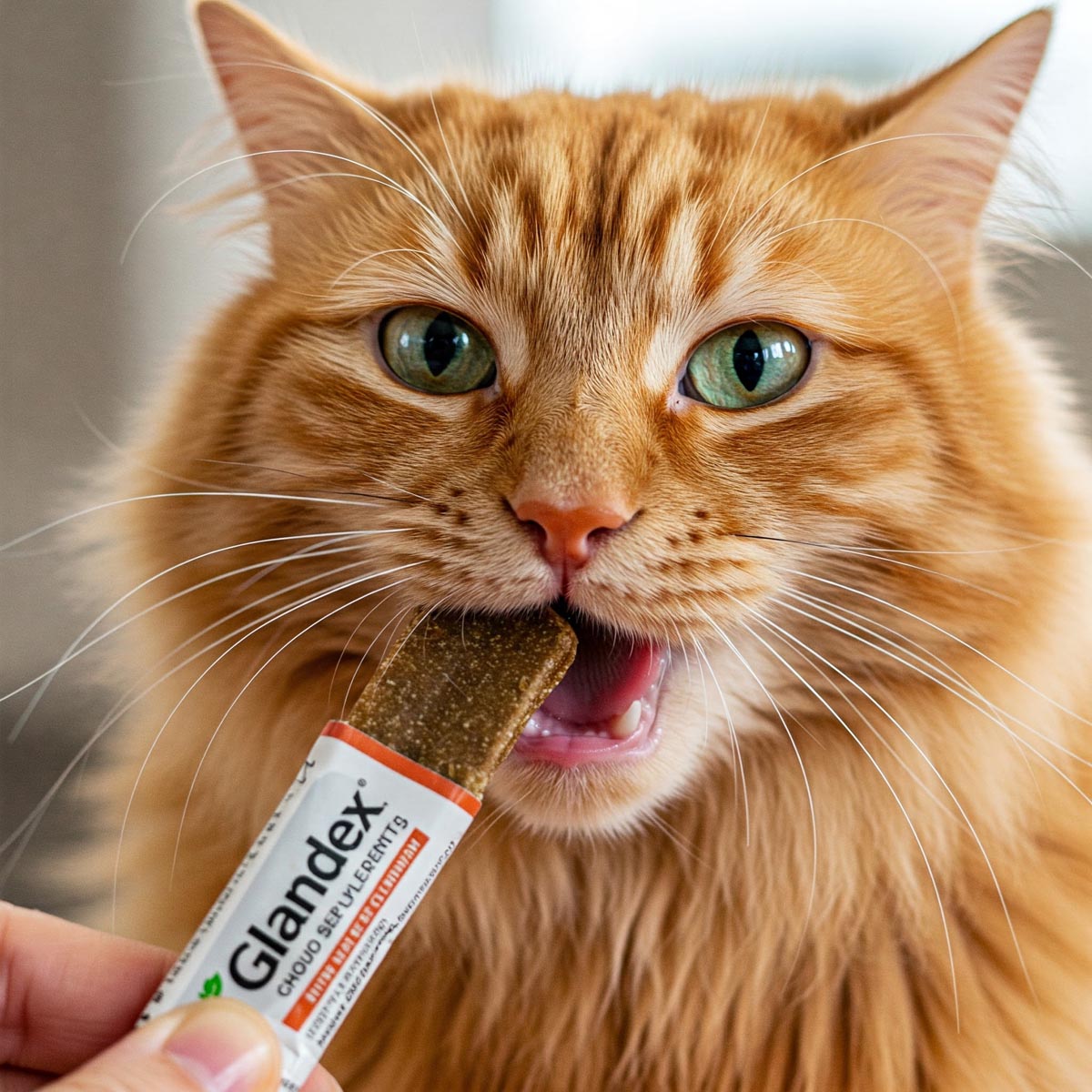
Are you noticing your feline friend scooting across the floor, excessively licking their rear end, or detecting an unpleasant fishy odor? If so, your cat might be experiencing anal gland issues. As a cat parent, witnessing your beloved pet in discomfort is truly heartbreaking. Fortunately, there’s a potential solution gaining popularity among veterinarians and pet owners alike: Glandex for cats.
While Glandex is widely recognized for canine anal gland support, many cat owners are now turning to this supplement for their feline companions as well. But does it really work for cats? What should you know before trying it? And most importantly, is it safe for your precious pet?
In this comprehensive guide, we’ll explore everything you need to know about glandex for cats – from understanding anal gland issues in felines to how this supplement works, proper dosage guidelines, and the best product options available today. Whether you’re dealing with a persistent problem or simply want to take preventative measures, this article will equip you with the knowledge to make informed decisions about your cat’s anal gland health.
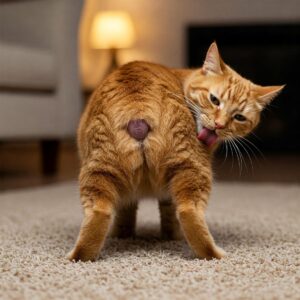
Table of Contents
Understanding Cat Anal Gland Problems
Before diving into potential solutions, it’s essential to understand what anal gland issues actually are and why they occur in our feline friends. ✅
What Are Anal Glands in Cats?
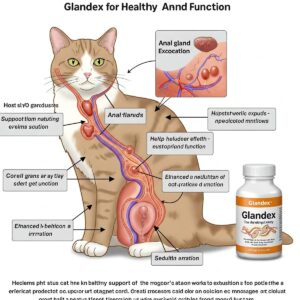
Cats have two small anal sacs (commonly called anal glands) located on either side of their anus at approximately the 4 and 8 o’clock positions. These glands contain specialized scent-marking fluid that’s naturally expressed when cats defecate. The secretion has a distinctive, pungent odor that plays a role in territorial marking and communication between cats.
In healthy cats, these glands empty naturally during bowel movements as the stool passes through the rectum. However, various factors can disrupt this normal process, leading to problems that range from mildly uncomfortable to potentially serious.
Common Anal Gland Issues in Cats
Several conditions can affect your cat’s anal glands:
🔹 Impaction: When the glands don’t empty properly, the fluid becomes thick and unable to pass through the small ducts. This leads to uncomfortable buildup.
🔹 Infection: Bacteria can multiply in impacted anal glands, causing infection and inflammation, which is painful for your cat.
🔹 Abscess: In severe cases, infected anal glands can develop into abscesses – painful, pus-filled pockets that may rupture if left untreated.
🔹 Anal Sac Disease: A general term for ongoing problems with the anal glands, which may become chronic without proper treatment.
Signs Your Cat Might Have Anal Gland Problems
Watch for these common symptoms that might indicate your cat is experiencing anal gland issues:
✅ Scooting or dragging their bottom across the floor
✅ Excessive licking or biting at the anal area
✅ Visible discomfort when sitting
✅ Foul, fishy odor from the rear end
✅ Swelling or redness around the anus
✅ Changes in litter box behavior (straining or avoiding)
✅ Blood or pus in the stool or around the anal area
✅ General signs of pain or discomfort
If you notice any of these symptoms, it’s important to consult with your veterinarian, as anal gland issues can cause significant discomfort and worsen if left untreated.
Risk Factors for Anal Gland Problems in Cats
Several factors can increase the likelihood of your cat developing anal gland issues:
🔹 Obesity: Excess weight can prevent proper anal gland expression during defecation.
🔹 Diet: Poor-quality diets or those lacking sufficient fiber may lead to softer stools that don’t create enough pressure to naturally express the glands.
🔹 Allergies: Food or environmental allergies can contribute to inflammation in the area.
🔹 Anatomical issues: Some cats may have naturally narrower ducts, making expression more difficult.
🔹 Chronic diarrhea or constipation: Either condition can interfere with the natural emptying of the glands.
Now that we understand the problem, let’s explore how glandex for cats might help address these issues.
What is Glandex and How Does It Work for Cats?
Understanding Glandex
Glandex is a veterinarian-formulated supplement originally developed for dogs but now increasingly used for cats with anal gland issues. It’s designed as a comprehensive approach to anal gland health, focusing on both symptom relief and addressing the underlying causes of anal gland problems.
The supplement works through a multi-faceted approach that combines several beneficial ingredients to support healthy anal gland function. Unlike traditional treatments that only provide temporary relief through manual expression, Glandex aims to reduce the frequency of anal gland issues through ongoing nutritional support.
Key Ingredients in Glandex for Cats
What makes Glandex effective is its specialized blend of ingredients:
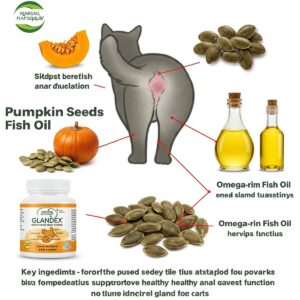
🔹 Fiber Blend: High-quality fiber sources help create firmer stools that naturally express the anal glands during defecation. This typically includes psyllium husk powder, a gentle yet effective natural fiber.
🔹 Omega Fatty Acids: Anti-inflammatory omega-3 and omega-6 fatty acids help reduce inflammation and support healthy skin and coat. These often come from sources like fish oil.
🔹 Probiotics: Beneficial bacteria support digestive health and proper stool formation, which can indirectly improve anal gland function.
🔹 Anti-inflammatory Ingredients: Natural anti-inflammatory compounds like quercetin help reduce irritation and discomfort in the anal area.
🔹 Digestive Enzymes: These help break down food properly, supporting overall digestive health and stool quality.
How Glandex Benefits Cats with Anal Gland Issues
When used correctly, glandex for cats may provide several important benefits:
✅ Promotes firmer, bulkier stools that naturally express the anal glands
✅ Reduces inflammation in the anal gland area
✅ Supports overall digestive health
✅ May decrease the frequency of manual expressions needed
✅ Can help prevent recurrence of anal gland issues
✅ Improves comfort and quality of life for affected cats
According to a study published in the Journal of Veterinary Medical Science, fiber supplementation can significantly improve stool consistency in domestic cats, which may indirectly benefit anal gland health by promoting natural expression during defecation.
Is Glandex Safe for Cats?
One of the most common concerns pet parents have is whether products designed primarily for dogs can be safely used for cats. This is a valid concern, as cats have unique physiological needs and sensitivities.
Safety Profile of Glandex for Felines
The good news is that glandex for cats is generally considered safe when used as directed. The main ingredients – fiber, omega fatty acids, and probiotics – are all beneficial components that can be safely incorporated into a cat’s regimen with proper dosing.
However, there are some important considerations:
🔹 Dosage Adjustments: Cats require significantly lower doses than dogs due to their smaller size. Never use the dog dosage for your cat.
🔹 Individual Sensitivities: Some cats may have allergies or sensitivities to specific ingredients in the formula.
🔹 Medical Conditions: Cats with certain pre-existing conditions may need adjusted dosages or alternative treatments.
According to the Cornell University College of Veterinary Medicine, any supplement should be introduced gradually into a cat’s routine to monitor for adverse reactions.
Potential Side Effects
While glandex for cats is generally well-tolerated, some cats may experience:
❌ Temporary digestive upset when first starting the supplement
❌ Changes in stool consistency (typically temporary)
❌ Decreased appetite if they dislike the taste
If you notice any of these side effects persisting beyond a few days, it’s advisable to consult with your veterinarian.
Veterinary Guidance is Essential
Before starting your cat on Glandex or any supplement, consultation with a veterinarian is crucial. Your vet can:
✅ Confirm that anal gland issues are indeed the problem
✅ Rule out other conditions with similar symptoms
✅ Provide guidance on appropriate dosage for your specific cat
✅ Monitor progress and adjust treatment as needed
Dr. Jessica Vogelsang, a respected veterinarian and author, emphasizes in her VetStreet article that “supplements can be valuable additions to treatment plans for anal gland issues, but they should be part of a comprehensive approach developed with your veterinarian.”
How to Use Glandex for Cats: Dosage and Administration
Proper Dosage Guidelines
Determining the right amount of glandex for cats is crucial for safety and effectiveness. As mentioned earlier, cats require much lower doses than dogs. Here’s a general guideline:
🔹 Small cats (under 8 lbs): Approximately ¼ of the smallest dog dose 🔹 Medium cats (8-12 lbs): About ⅓ of the smallest dog dose 🔹 Large cats (over 12 lbs): Up to ½ of the smallest dog dose
However, these are just general guidelines. Your veterinarian may recommend a different dosage based on your cat’s specific condition, age, weight, and overall health status.
Administration Methods
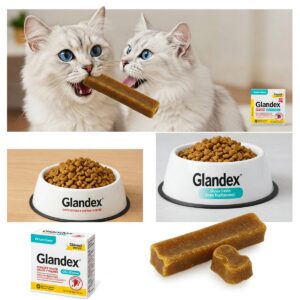
Getting cats to take supplements can sometimes be challenging. Fortunately, glandex for cats comes in different formulations:
✅ Powder form: Can be mixed into wet food
✅ Chews: Flavored options that some cats may accept as treats
✅ Soft chews: Easier for older cats to consume
For picky eaters, here are some helpful tips:
🔹 Mix the powder thoroughly into strong-smelling wet food
🔹 Start with a smaller amount and gradually increase
🔹 Try mixing with a small amount of tuna water or cat-safe broth
🔹 Use a pill pocket or other treat designed to hide supplements
Consistency is Key
For optimal results, glandex for cats should be administered consistently as part of a daily routine. One-time or occasional use is unlikely to provide significant benefits. Most cats will need:
🔹 Initial period: 4-6 weeks of consistent use to see noticeable improvements
🔹 Maintenance: Continued regular use to prevent recurrence
Monitoring Progress
While using glandex for cats, it’s important to monitor your cat for:
✅ Improvement in symptoms
✅ Changes in stool consistency
✅ Overall comfort level
✅ Any potential side effects
Keeping a simple journal of your observations can be helpful for your veterinarian to assess the effectiveness of the treatment.
Top Glandex Products for Cats in 2025
After thorough research and consultation with veterinary sources, here are the top glandex for cats products currently available on the market:
Comparison Table: Top Glandex Products for Cats
| Product | Form | Key Ingredients | Best For | Price Range |
|---|---|---|---|---|
| Glandex Soft Chews for Cats | Soft Chews | Pumpkin, Fiber, Probiotics | Picky eaters, Seniors | $25-$35 |
| Glandex Powder for Cats | Powder | Psyllium, Omega 3-6-9, Enzymes | Value, Flexibility | $30-$40 |
| Glandex Feline Complete | Powder | Enhanced Fiber Blend, Quercetin | Severe cases | $35-$45 |
| Glandex Mini Chews | Small Chews | Fiber Blend, Pumpkin | Small cats | $20-$30 |
| Glandex Anti-Inflammatory Formula | Powder | Quercetin, Fish Oil, Fiber | Cats with inflammation | $35-$45 |
1. Glandex Soft Chews for Cats
The Glandex Soft Chews for Cats offer a convenient way to support your cat’s anal gland health. These palatable soft chews are specifically formulated for feline taste preferences and dietary needs.
Key features:
- Fish and chicken flavor that appeals to most cats
- Easy to administer – can be given as a treat
- Proprietary fiber blend supports natural anal gland expression
- Includes omega fatty acids for skin health
- Smaller size appropriate for cats
One cat owner reports: “After three weeks of giving Glandex Soft Chews to my 12-year-old cat, the scooting behavior completely stopped. I’m amazed at the difference it’s made.”
2. Glandex Powder for Cats
For maximum flexibility in administration, Glandex Powder for Cats provides an excellent option that can be easily mixed into wet food.
Key features:
- Highly concentrated formula
- Precise dosing capability
- Blend of soluble and insoluble fibers
- Includes digestive enzymes and probiotics
- Unflavored option available for particularly picky cats
This powder form provides excellent value, as one container typically lasts longer than the equivalent chews, especially for smaller cats.
3. Glandex Feline Complete
For cats with persistent or severe anal gland issues, Glandex Feline Complete offers a comprehensive approach with additional anti-inflammatory ingredients.
Key features:
- Enhanced fiber matrix for optimal stool formation
- Higher levels of anti-inflammatory compounds
- Additional digestive support ingredients
- Formulated specifically for cats with chronic issues
- Veterinarian recommended for difficult cases
This premium formula may be especially beneficial for cats that haven’t responded well to standard formulations.
Transform Your Cat’s Comfort Today! 🐱
→ Don’t let your feline friend suffer from uncomfortable anal gland issues any longer. Click on any of these proven products to see current pricing and start your cat’s journey to relief. With fast shipping and excellent reviews, these solutions could be making a difference for your pet in just days!
Complementary Approaches to Support Anal Gland Health
While glandex for cats can be extremely helpful, a comprehensive approach to anal gland health includes several other supportive measures:
Dietary Considerations
🔹 Appropriate Fiber Balance: Work with your veterinarian to ensure your cat’s diet contains the right amount and type of fiber. Too little fiber can lead to soft stools that don’t express the glands properly, but too much can cause other digestive issues.
🔹 High-Quality Protein: Feeding premium protein sources can reduce inflammation and support overall digestive health.
🔹 Adequate Hydration: Ensuring your cat stays well-hydrated helps maintain proper stool consistency. Consider a cat water fountain to encourage drinking, such as the PetSafe Drinkwell Platinum Cat Water Fountain.
🔹 Consider a Limited Ingredient Diet: Some cats benefit from simplified diets that reduce potential allergens or irritants. The Blue Buffalo Basics Limited Ingredient Diet is highly rated for sensitive cats.
According to the American College of Veterinary Nutrition, dietary management plays a crucial role in managing many chronic conditions in cats, including anal gland disorders.
Weight Management
Obesity can significantly contribute to anal gland problems by:
- Preventing proper posture during defecation
- Creating excess fatty tissue around the anal area
- Contributing to overall inflammation
If your cat is overweight, a gradual, veterinarian-supervised weight loss plan may help improve anal gland function. The PetSafe SlimCat Interactive Toy and Food Dispenser can help control portions while providing enrichment.
Regular Exercise
Encouraging physical activity helps maintain healthy muscle tone throughout the body, including the muscles involved in defecation. Regular play sessions with interactive toys can help keep your cat active and support overall digestive health.
Regular Monitoring
Learn to recognize the early signs of anal gland issues in your cat:
- Increased attention to the anal area
- Subtle changes in litter box behavior
- Mild scooting or unusual posturing
Early intervention often leads to easier resolution of problems. The Glandex Anal Gland Care Wipes can be useful for keeping the area clean and monitoring for changes.
Potential Challenges and Solutions When Using Glandex for Cats
Challenge: Resistance to Taking the Supplement
Many cat owners struggle with getting their feline friends to accept new supplements.
Solutions:
- Try different formulations (powder vs. chews)
- Mix powder thoroughly into strongly flavored wet food
- Use a small amount initially and gradually increase
- Try freezing a small amount of wet food mixed with the supplement for a different texture
- Ask your veterinarian about compound pharmacy options for extremely picky cats
Challenge: Initial Digestive Adjustment
Some cats may experience temporary digestive changes when starting glandex for cats.
Solutions:
- Start with a lower dose and gradually increase
- Ensure plenty of fresh water is available
- Temporarily add a probiotic if recommended by your vet
- Be patient – adjustment typically occurs within 1-2 weeks
Challenge: Not Seeing Immediate Results
Anal gland supplements like Glandex typically work gradually over time.
Solutions:
- Commit to at least 4-6 weeks of consistent use before assessing effectiveness
- Keep a journal of symptoms to track subtle improvements
- Continue other supportive measures while waiting for the supplement to take effect
- Consult with your veterinarian if no improvement is seen after 6 weeks
Challenge: Determining if Manual Expression is Still Needed
Some cat owners wonder if glandex for cats eliminates the need for manual expression.
Solutions:
- Work with your veterinarian to determine an appropriate check-up schedule
- Learn to recognize when your cat is still having issues despite supplementation
- Understand that some cats may still need occasional professional expression even with supplements
Ready to Say Goodbye to Anal Gland Problems? 🐈
→ Your cat deserves relief from uncomfortable anal gland issues. The products featured above have helped thousands of cats live more comfortable lives. Click now to see which option best fits your cat’s needs and take advantage of current Amazon deals before they expire!
Frequently Asked Questions About Glandex for Cats
How long does it take to see results from Glandex?
Most cat owners report seeing improvements within 3-4 weeks of consistent use, though some cats may show changes sooner or later. For chronic or severe cases, it may take up to 6-8 weeks to see significant improvement. Consistency is crucial for effectiveness.
Can Glandex replace the need for manual anal gland expression?
While glandex for cats can reduce the frequency of needed manual expressions for many cats, it may not eliminate the need entirely, especially for cats with anatomical issues or chronic conditions. The goal is to reduce frequency and severity of problems, not necessarily eliminate all professional care.
Is Glandex only for cats with existing anal gland problems?
Although glandex for cats is primarily marketed for cats with existing issues, some veterinarians recommend it as a preventative measure for cats with a history of anal gland problems or those with risk factors like obesity or dietary sensitivities.
Can kittens take Glandex?
Glandex is generally recommended for adult cats. If you have a kitten with anal gland issues, consult with your veterinarian for age-appropriate solutions. Very young kittens may need different approaches to address anal gland problems.
How is Glandex different from just adding pumpkin to my cat’s diet?
While plain canned pumpkin does provide fiber, glandex for cats contains a specialized blend of ingredients specifically formulated to address multiple aspects of anal gland health, including inflammation, digestive support, and proper stool formation. It’s a more comprehensive approach than fiber alone.
Can Glandex be used alongside prescription medications?
In most cases, glandex for cats can be safely used alongside other medications, but always check with your veterinarian first. Some medications may interact with supplements, or dosages may need adjustment when used in combination.
What if my cat has allergies? Is Glandex hypoallergenic?
Different formulations of glandex for cats have different ingredient profiles. If your cat has known allergies, carefully review the ingredient list and consult with your veterinarian. Some versions may be more suitable than others for cats with specific sensitivities.
Conclusion: Is Glandex Right for Your Cat?
After exploring the various aspects of glandex for cats, it’s clear that this supplement offers a promising approach to feline anal gland health. With its specialized formula designed to address multiple factors contributing to anal gland issues, Glandex provides a comprehensive solution that goes beyond simple fiber supplementation.
For many cat owners, the benefits of improved comfort, reduced veterinary visits for manual expressions, and better overall quality of life for their feline companions make Glandex worth considering. The various formulations available also make it accessible for cats with different preferences and needs.
However, it’s important to remember that glandex for cats works best as part of a holistic approach to your cat’s health. Proper diet, weight management, adequate hydration, and regular veterinary care all play essential roles in managing and preventing anal gland issues.
Before starting any supplement regimen, including Glandex, consultation with your veterinarian is essential. They can help determine if Glandex is appropriate for your cat’s specific situation, recommend the proper dosage, and monitor progress to ensure optimal results.
By combining the targeted support of Glandex with good overall care practices, you can help your feline friend find relief from the discomfort of anal gland issues and enjoy a happier, more comfortable life.
H3: Don’t Wait Until Your Cat Is Uncomfortable Again! 🐾
→ Take action now to support your cat’s anal gland health with one of our recommended Glandex products. Your furry friend will thank you for the relief, and you’ll appreciate fewer vet visits and a happier, more comfortable companion. Click on any product link to check current pricing and availability!
More FAQs:
❓ What does Glandex do for cats?
❓ Is Glandex safe for daily use in cats?
❓ How long does it take for Glandex to work in cats?
❓ Can I use Glandex for my cat without a vet’s prescription?
❓ Where can I buy Glandex for cats online?
Recommended for You:
- 15 Purr-fectly Adorable Cat Tee Designs That Every Feline Lover Needs in 2025
- 15 Stunning Cat Ring Designs: Purrfect Jewelry for Feline Lovers in 2025
- TY Toys Muffin Cat Beanie Balls: The Ultimate Collector’s Guide for 2025
Disclaimer: This article contains affiliate links. If you purchase products through these links, we may earn a small commission at no additional cost to you.
