
Table of Contents
✨Was this helpful? Spread the word! 🚀
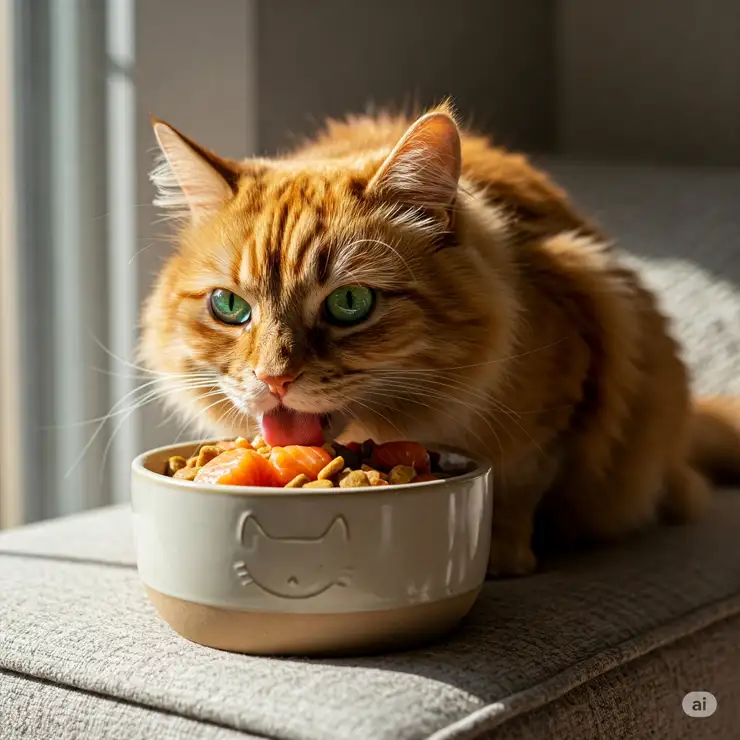
Are you concerned about what’s really in your cat’s food bowl? As pet parents become increasingly aware of nutrition quality, small batch cat food has emerged as a game-changer in feline nutrition. This artisanal approach to pet food production prioritizes quality over quantity, offering your furry companion meals that rival human-grade cuisine.
In today’s market flooded with mass-produced options, small batch cat food stands out as a beacon of hope for cats with sensitive stomachs, allergies, or those simply deserving of the very best nutrition possible. Unlike conventional manufacturing that prioritizes shelf-life and cost-efficiency, small batch producers focus on nutritional integrity and ingredient quality.
What Exactly Is Small Batch Cat Food? 🐱
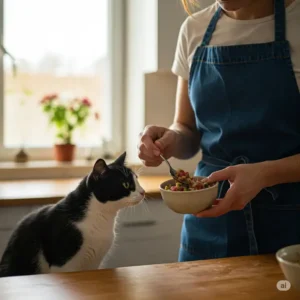
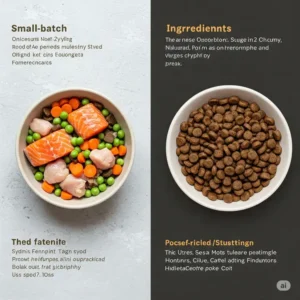
Small batch cat food refers to pet food produced in limited quantities with careful attention to ingredient sourcing, quality control, and nutritional optimization. Unlike mass-produced commercial options manufactured on enormous production lines, small batch cat food is crafted in smaller facilities where quality supersedes quantity.
The term “small batch” isn’t just marketing jargon – it represents a fundamental difference in production philosophy. These products are typically made in quantities ranging from a few hundred to a few thousand units per production run, allowing for more rigorous oversight and quality assurance.
Key characteristics that define true small batch cat food include:
- 🔍 Meticulous ingredient sourcing from trusted suppliers
- 🌿 Higher percentages of fresh, whole-food ingredients
- 🚫 Minimal processing to preserve nutritional integrity
- ✅ Strict quality control measures for each production batch
- 🏷️ Transparent labeling and ingredient disclosure
- 🛠️ Often handcrafted or produced using smaller-scale equipment
When you purchase small batch cat food, you’re not just buying another bag of kibble or can of wet food – you’re investing in a product created with a craftsman’s mindset rather than an industrial one.
Why Small Batch Cat Food Is Worth Considering 🌟
The benefits of feeding your feline friend small batch cat food extend far beyond marketing claims. Let’s explore the substantial advantages that have caused many veterinarians and feline nutritionists to recommend these specialized products.
Superior Ingredient Quality
Small batch cat food producers typically source human-grade ingredients that would be acceptable for your own dinner table. This commitment to quality begins at the ingredient level:
- Premium animal proteins from ethically-raised sources
- Vegetables and fruits grown without harmful pesticides
- Limited or no use of fillers, by-products, or artificial additives
- Ingredients selected for bioavailability and digestibility
According to a study published in the Journal of Feline Medicine and Surgery, high-quality protein sources in cat food can significantly impact kidney function and overall health in adult cats.
Enhanced Nutritional Profile
Beyond ingredient quality, small batch cat food often features nutritional formulations designed to mimic a cat’s natural diet:
- Higher protein percentages that align with cats’ carnivorous needs
- Balanced omega fatty acid profiles for skin and coat health
- Appropriate moisture content, especially in wet food varieties
- Functional ingredients that support specific health concerns
The Cornell University College of Veterinary Medicine emphasizes that cats require a meat-based diet rich in animal proteins – a standard that quality small batch foods typically meet or exceed.
Rigorous Quality Control
With smaller production runs comes greater oversight:
- Every batch can be monitored more thoroughly
- Quicker detection and resolution of quality issues
- Less time between production and delivery (fresher product)
- Lower risk of contamination or nutritional degradation
This attention to detail translates to consistency you can trust, batch after batch.
Specialized Formulations
Many small batch producers create foods designed for specific health conditions or dietary requirements:
- Limited ingredient diets for allergy-prone cats
- Grain-free options for sensitive digestive systems
- Novel protein sources for cats with food intolerances
- Therapeutic formulations for managing specific health conditions
Environmental and Ethical Considerations
Beyond your cat’s health, small batch cat food often reflects stronger ethical and environmental commitments:
- Reduced carbon footprint from smaller-scale production
- More sustainable packaging choices
- Support for local economies and independent businesses
- Ethical ingredient sourcing and animal welfare standards
How Small Batch Cat Food Is Made: The Craft Behind the Can 🏭
Understanding the production process helps explain why small batch cat food commands premium pricing and delivers superior results. Let’s peek behind the curtain at how these specialized foods come to life.
Ingredient Sourcing and Selection
The journey begins with meticulous ingredient sourcing:
- Partnership with trusted farms and protein suppliers
- Selection of seasonal, fresh ingredients when possible
- Rigorous testing for contaminants and nutritional content
- Prioritization of whole-food ingredients over processed alternatives
Many small batch companies personally visit their suppliers and establish direct relationships to ensure consistent quality. As noted by the American Veterinary Medical Association, ingredient quality directly impacts the nutritional value and safety of pet foods.
Small-Scale Production Facilities
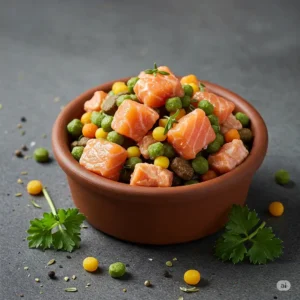
The production environment for small batch cat food differs dramatically from conventional pet food factories:
- Smaller, more specialized equipment
- Lower volume production runs
- More human oversight and less automation
- Cleaner facilities with stricter sanitation protocols
These production environments more closely resemble commercial kitchens than industrial factories.
The Cooking Process
Cooking methods for small batch cat food prioritize nutrient preservation:
- Lower-temperature, slower cooking processes
- Minimal extrusion and processing
- Gentle mixing techniques to maintain ingredient integrity
- Careful monitoring of temperature and cooking duration
Research from Tufts University’s Cummings School of Veterinary Medicine confirms that cooking methods significantly impact the bioavailability of nutrients in pet foods.
Quality Assurance Testing
Before packaging, small batch foods undergo rigorous testing:
- Nutritional analysis to confirm formulation targets
- Microbiological testing for pathogen detection
- Sensory evaluation for consistency and palatability
- Shelf-life testing under various storage conditions
Many premium producers go beyond regulatory requirements, implementing additional testing protocols to ensure exceptional quality.
Limited Batch Coding and Tracking
A hallmark of true small batch production is comprehensive traceability:
- Individual batch coding on every package
- Complete production records for each batch
- Ability to track specific ingredients to their source
- Faster recall capability if issues ever arise
This level of traceability provides peace of mind and demonstrates the producer’s confidence in their process.
Common Ingredients in Premium Small Batch Cat Food 🍗
The ingredient list tells much of the story when evaluating small batch cat food quality. Here are ingredients commonly found in superior formulations:
Protein Sources
The foundation of any quality cat food is high-quality protein:
- Named meat sources (chicken, turkey, beef) rather than generic “meat meal”
- Whole muscle meat rather than by-products alone
- Organ meats (liver, heart) for enhanced nutrient profiles
- Novel proteins (rabbit, venison, duck) for sensitive cats
According to the National Research Council’s nutrient requirements for cats, felines require higher protein levels than many other domestic animals, making protein quality particularly significant.
Fats and Oils
Quality fats provide essential fatty acids and enhance palatability:
- Named animal fats (chicken fat, salmon oil)
- Cold-pressed plant oils (flaxseed, olive)
- Marine-sourced omega-3 fatty acids
- Balanced omega-3 to omega-6 ratios
Carbohydrate Sources
While cats require minimal carbohydrates, those included should be nutritious:
- Whole grains if used (brown rice, oats)
- Grain-free alternatives (sweet potatoes, peas, lentils)
- Low-glycemic options to prevent blood sugar spikes
- Fiber sources for digestive health
Fruits and Vegetables
Small batch foods often include produce for micronutrients:
- Antioxidant-rich berries (blueberries, cranberries)
- Leafy greens for vitamins and minerals
- Pumpkin and squash for fiber and nutrients
- Carefully selected fruits for natural flavor and nutrients
Functional Ingredients
Beyond basic nutrition, many small batch foods include:
- Probiotics for gut health
- Glucosamine and chondroitin for joint support
- Natural preservatives (mixed tocopherols, rosemary extract)
- Taurine supplementation for heart and eye health
What’s Notably Absent
Equally important is what quality small batch cat food doesn’t contain:
- Artificial colors and flavors
- Chemical preservatives (BHA, BHT, ethoxyquin)
- Anonymous meat by-products
- Excessive fillers and low-quality grains
- Rendered animal fats of questionable origin
Small Batch Cat Food vs. Commercial Options: A Comparison 📊
To truly understand the value proposition of small batch cat food, let’s compare it to mass-produced commercial alternatives across several key dimensions:
| Feature | Small Batch Cat Food | Commercial Mass-Produced Cat Food |
|---|---|---|
| Ingredient Quality | Human-grade, whole-food ingredients | Feed-grade ingredients, more by-products |
| Protein Content | Higher percentages of named meat proteins | Often lower protein percentages with meat meals |
| Processing Methods | Minimal processing, lower temperatures | High-heat extrusion, more intensive processing |
| Preservatives | Natural preservatives (vitamin E, rosemary extract) | Often chemical preservatives (BHA, BHT) |
| Production Volume | Small runs with batch-specific quality control | Massive production runs with automated testing |
| Traceability | Complete batch tracking to source ingredients | Limited traceability beyond regulatory requirements |
| Nutritional Customization | Specialized formulas for specific needs | Broader, one-size-fits-all formulations |
| Price Point | Higher ($2-$5+ per day depending on size) | Lower ($0.50-$2 per day) |
| Shelf Life | Generally shorter (3-12 months) | Longer (1-2+ years) |
| Availability | Limited retail distribution, often direct-to-consumer | Widely available through mass retail channels |
💬 Just one click – help others make better buying decisions too!😊
Top Small Batch Cat Food Brands Available on Amazon in 2025 🏆
After extensive research and consideration of nutritional profiles, production methods, and customer satisfaction, here are our top recommendations for small batch cat food products currently available on Amazon:
1. The Honest Kitchen Dehydrated Grain-Free Cat Food
This human-grade dehydrated formula exemplifies small batch production values. Made in a human food facility, this minimally processed cat food lets you add water to create a moisture-rich meal that mimics raw feeding with the convenience and safety of cooked food.
Key features:
- 100% human-grade ingredients
- Made in small batches in a human food facility
- Dehydrated to preserve nutrients
- Free from by-products, fillers, and preservatives
- Higher price point justified by exceptional quality
Average customer rating: 4.7/5 stars from over 1,200 reviews
2. Open Farm Wild-Caught Salmon & Ancient Grains
Open Farm’s commitment to ethical sourcing and transparent supply chains makes their small batch kibble stand out. Each bag is fully traceable back to the source of all ingredients.
Key features:
- Ocean Wise certified sustainable wild-caught salmon
- Ancient grains instead of fillers
- Produced in small batches for quality control
- QR code on package for complete traceability
- Humanely raised animal ingredients
Average customer rating: 4.6/5 stars from over 900 reviews
3. Tiki Cat Born Carnivore Grain-Free Dry Food
This small batch dry food boasts one of the highest protein percentages available in kibble form, making it biologically appropriate for your obligate carnivore.
Key features:
- 44% protein content from named meat sources
- Small batch processing for quality control
- Grain-free with low carbohydrate content
- Supplemented with pumpkin for digestive health
- No rendered meat meals or by-products
Average customer rating: 4.8/5 stars from over 2,000 reviews
4. Stella & Chewy’s Freeze-Dried Raw Dinner Morsels
Stella & Chewy’s pioneered the freeze-dried raw category, and their small batch production ensures consistent quality in this minimally processed food option.
Key features:
- Cage-free poultry or grass-fed meats
- 95% meat, organs, and bone
- Cold-pressed to preserve nutrients
- Probiotic supplementation (10 million CFU per gram)
- Enhanced with taurine and tocopherols
Average customer rating: 4.5/5 stars from over 1,500 reviews
5. Ziwi Peak Air-Dried Cat Food
This New Zealand-based company produces air-dried food in small batches, creating a nutrient-dense product with exceptional ingredient quality.
Key features:
- Ethical free-range, grass-fed meats
- Air-drying process preserves nutrients without refrigeration
- Single-source protein options for allergic cats
- Limited ingredient formulations
- Complete organ meat inclusions (heart, liver, kidney)
Average customer rating: 4.7/5 stars from over 1,100 reviews
How to Choose the Right Small Batch Cat Food for Your Feline 🔍
With numerous options available, selecting the ideal small batch cat food requires consideration of your cat’s specific needs:
1. Age and Life Stage Considerations
Nutritional requirements vary throughout your cat’s life:
- Kittens need higher protein and calories for growth
- Adult cats benefit from maintenance formulas with balanced nutrition
- Senior cats may need joint support and moderate protein levels
- Pregnant or nursing cats require increased calories and nutrients
The American Association of Feline Practitioners provides guidelines for life-stage nutrition that can help inform your decision.
2. Health Considerations
Your cat’s health status should influence your selection:
- Weight management needs (higher protein, lower carb options)
- Dental issues (appropriate kibble texture or wet food)
- Kidney concerns (controlled phosphorus levels)
- Diabetes (low carbohydrate formulations)
- Food sensitivities (limited ingredient or novel protein diets)
Always consult your veterinarian before making dietary changes for cats with existing health conditions.
3. Food Format Preferences
Consider which form of food works best for your household:
- Wet food: Higher moisture content supports urinary health
- Dry food: Convenient storage and typically more economical
- Freeze-dried: Nutrient preservation with shelf-stable convenience
- Dehydrated: Space-efficient with customizable moisture content
- Frozen raw: Minimal processing but requires proper handling
Many cat nutritionists recommend feeding a combination of formats for both variety and balanced benefits.
4. Ingredient Quality Assessment
Learn to evaluate ingredient lists critically:
- First 5 ingredients should include named animal proteins
- Limited or no use of fillers and by-products
- Recognizable, whole-food ingredients
- Appropriate fat sources (named animal fats or quality oils)
- Purposeful inclusion of any fruits or vegetables
5. Company Transparency
The most trustworthy small batch producers offer:
- Clear sourcing information for major ingredients
- Detailed nutritional analysis beyond regulatory requirements
- Access to customer service for specific questions
- Published quality control procedures
- Third-party testing or certifications
Transitioning Your Cat to Small Batch Food 🔄
Introducing any new food requires patience and strategy. Here’s how to successfully transition your cat to a small batch diet:
Gradual Introduction
Most veterinarians recommend a 7-10 day transition period:
- Days 1-3: 75% current food, 25% new food
- Days 4-6: 50% current food, 50% new food
- Days 7-9: 25% current food, 75% new food
- Day 10+: 100% new food
This gradual approach minimizes digestive upset and reduces the likelihood of food rejection.
Monitoring During Transition
Watch for these indicators of how your cat is adapting:
- Stool quality and consistency
- Energy levels and behavior
- Coat appearance and shedding patterns
- Water consumption
- Any signs of digestive discomfort
Troubleshooting Tips
If your cat resists the change:
- Try warming wet food slightly to enhance aroma
- Mix in a small amount of nutritional yeast (B-vitamin rich and appealing to cats)
- Feed at regular times when hunger is strongest
- Remove old food completely during transition periods
- Consider a different formula or brand if resistance persists
Patience Pays Off
Remember that cats are notorious for being suspicious of dietary changes. Persistence with a proper transition protocol usually succeeds, even with finicky eaters.
Storage and Handling of Small Batch Cat Food 🧊
Proper storage is crucial to maintain the quality of small batch cat food, which often lacks the heavy preservatives found in conventional products:
Dry and Dehydrated Foods
- Store in original packaging or airtight containers
- Keep in cool, dry location away from direct sunlight
- Use within 6-8 weeks of opening for optimal freshness
- Consider vacuum-sealed containers for extended freshness
- Monitor for any signs of rancidity (off odors, oil residue)
Wet Foods
- Refrigerate opened cans or packages promptly
- Use refrigerated wet food within 2-3 days
- Consider divided containers for partially used portions
- Never leave wet food out for more than 4 hours
- Store unopened cans according to manufacturer guidelines
Freeze-Dried and Raw Options
- Maintain the cold chain for frozen products
- Thaw raw foods in refrigerator, never at room temperature
- Handle raw foods with proper food safety protocols
- Store freeze-dried products in cool, dry locations
- Use within manufacturer timeframes after opening
The Cost Consideration: Is Small Batch Cat Food Worth the Investment? 💰
There’s no denying that small batch cat food typically costs more than mass-produced alternatives. Let’s analyze this investment:
Understanding the Price Difference
Several factors contribute to the higher cost:
- Superior ingredient quality (human-grade vs. feed-grade)
- Lower production volume (fewer economies of scale)
- More labor-intensive production methods
- Higher quality control standards
- Often smaller, independent companies with higher overhead percentages
Calculating the True Cost
Consider these factors when assessing the financial impact:
- Daily feeding cost comparison (not just package price)
- Potential reduction in veterinary bills from improved nutrition
- Improved quality of life and potentially extended lifespan
- Higher food efficiency (often need to feed less volume)
- Reduced food waste if palatability is higher
Budget-Friendly Approaches
If you’re interested in small batch quality but concerned about cost:
- Mix small batch food with high-quality commercial options
- Use small batch as toppers or mixers with more affordable bases
- Subscribe to auto-ship programs for discounted pricing
- Purchase in larger quantities when possible
- Focus on wet food for maximizing hydration while using quality dry food as supplementary nutrition
Making an Informed Decision
Ultimately, the value proposition depends on your priorities and budget. Many pet parents find that the investment in quality nutrition pays dividends in their cat’s health and vitality.
How to Find Legitimately Small Batch Products 🕵️♀️
With the popularity of the “small batch” label, some marketing can be misleading. Here’s how to identify truly small batch products:
Indicators of Authentic Small Batch Production
Look for these signs of genuine small batch credentials:
- Specific production facility information
- Batch numbers or production dates on packaging
- Detailed sourcing information for key ingredients
- Company size and production capacity information
- Direct relationships with ingredient suppliers
- Limited distribution channels
Red Flags to Watch For
Be cautious of products that:
- Use “small batch” terminology without substantiation
- Are produced by major multinational pet food corporations
- Have very wide distribution in big-box stores nationwide
- Feature vague sourcing information
- Cannot provide specific information about production methods
Research Beyond the Package
Do your homework by:
- Visiting company websites for production information
- Contacting customer service with specific questions
- Checking for third-party certifications
- Reading independent reviews from verified purchasers
- Consulting with holistic veterinarians or pet nutritionists
Complementary Approaches to Feline Nutrition 🥦
Small batch cat food works best as part of a holistic approach to feline health:
Hydration Strategies
Cats evolved to get most moisture from their food:
- Consider moisture-rich food formats (wet, raw, rehydrated)
- Maintain fresh water sources throughout your home
- Consider pet fountains for running water appeal
- Monitor water intake, especially for kibble-fed cats
- Add water to dry food when appropriate
Rotational Feeding
Many nutritionists recommend rotating proteins and brands:
- Exposes cats to varied nutrient profiles
- Reduces risk of developing food sensitivities
- Prevents nutritional imbalances from single-formula feeding
- Creates more interesting mealtime experiences
- Allows you to observe which foods produce optimal results
Enrichment Feeding
Consider how you feed, not just what you feed:
- Puzzle feeders for mental stimulation
- Foraging toys that mimic natural hunting behaviors
- Multiple small meals rather than one or two large ones
- Elevated feeding stations for comfortable posture
- Separate feeding locations for multi-cat households
Supplements and Toppers
Consider appropriate additions to enhance nutrition:
- Omega-3 supplements for inflammation management
- Probiotics for digestive and immune health
- Digestive enzymes for improved nutrient absorption
- Bone broth for added moisture and nutrients
- Fresh additions (small amounts of cooked eggs, meat, etc.)
Always consult your veterinarian before adding supplements to ensure they’re appropriate for your cat’s specific health profile.
Are You Ready to Try Small Batch Cat Food? Here’s How to Start! 🚀
Making the switch to small batch cat food is a big step toward optimizing your cat’s nutrition. Here’s a simple action plan to get started:
- Assess your cat’s current health status and nutritional needs
- Research brands that align with your priorities and budget
- Select a starter option that seems most likely to appeal to your cat
- Purchase a small quantity initially to test acceptance
- Follow the transition protocol outlined earlier
- Monitor results closely during the first month
- Adjust as needed based on your observations
Every cat is unique, so remain flexible and observant during this process. The perfect nutritional match might require some experimentation.
FAQs About Small Batch Cat Food
❓ What makes small batch cat food different from regular commercial brands?
❓ How much more expensive is small batch cat food compared to regular cat food?
❓ Can small batch cat food help with my cat's allergies or sensitive stomach?
❓ How long does small batch cat food typically stay fresh after opening?
❓ Are there any risks associated with feeding small batch cat food?
Conclusion: Is Small Batch Cat Food Right for Your Feline? 🏁
The decision to feed small batch cat food ultimately depends on your values, budget, and your cat’s specific needs. Here’s a summary of key considerations:
Small batch cat food offers superior ingredient quality, higher nutritional standards, and more transparent production practices than mass-market alternatives. For cats with health challenges, sensitive digestive systems, or owners particularly concerned about ingredient sourcing, these products represent a meaningful upgrade from conventional options.
However, the premium price point and potentially limited availability require commitment and planning. Not every cat needs small batch food to thrive, and many cats live long, healthy lives on high-quality commercial diets that don’t meet “small batch” criteria.
The ideal approach may be a balanced one – incorporating small batch products as your budget allows while focusing on overall nutritional fundamentals: high-quality protein, appropriate moisture content, and formulations appropriate to your cat’s life stage and health status.
Ready to Elevate Your Cat’s Diet? Act Now! 🌟
After learning about the benefits of small batch cat food, why not try one of our recommended products? Your cat deserves nutrition that supports their carnivorous nature and unique health needs. Click on any of the highlighted products above to check current pricing and availability on Amazon!

Recommended for You:
- 10 Best Special Kitty Cat Food Options For Ultimate Feline Health in 2025
- 10 Best Rachel Ray Cat Food Options for Feline Health and Happiness in 2025
- Purina HA Wet Cat Food Reviews: Comparing All Product Lines from Budget to Premium
Disclaimer: This article contains affiliate links. If you purchase products through these links, we may earn a small commission at no additional cost to you.
✨ Found this helpful? Share it with your friends! 💬🤗
