
Table of Contents
✨Was this helpful? Spread the word! 🚀
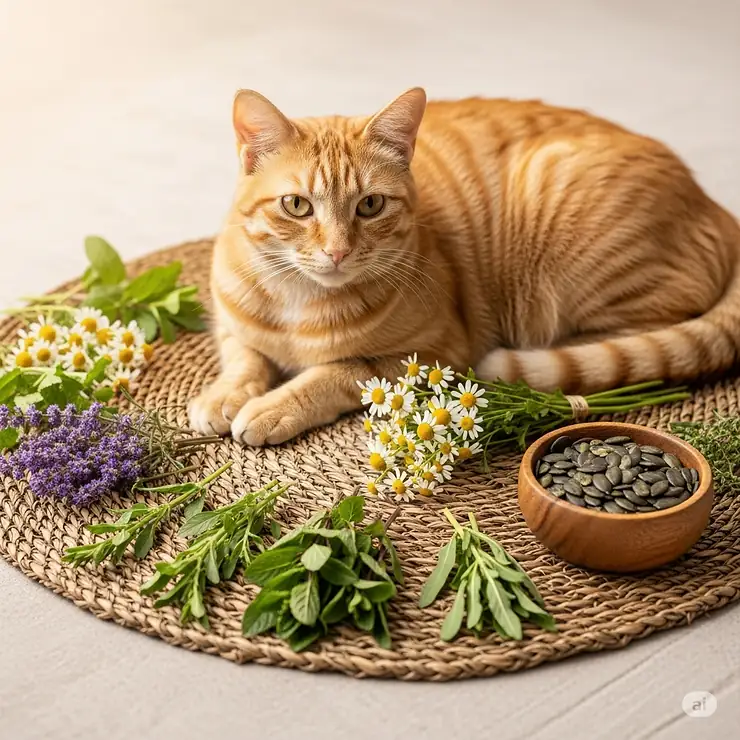
When it comes to keeping your feline friend healthy and parasite-free, many cat owners are turning toward natural solutions that offer effective protection without harsh chemicals. A natural dewormer for cats represents a gentler approach to maintaining your pet’s digestive health while supporting their immune system naturally. With growing concerns about chemical exposure and side effects from traditional treatments, more pet parents are seeking organic and holistic alternatives that provide peace of mind alongside proven results.

Understanding how parasites affect cats and exploring the world of natural deworming solutions can help you make informed decisions about your cat’s health. Furthermore, natural dewormers often support overall wellness rather than simply targeting parasites, making them an attractive option for health-conscious pet owners. 🐱
The market for natural cat health products has expanded significantly, offering numerous options that combine traditional herbal wisdom with modern safety standards. However, navigating this landscape requires careful consideration of ingredients, effectiveness, and safety profiles to ensure you’re providing the best care for your beloved companion.
Understanding Cat Parasites and the Need for Natural Solutions
Common Intestinal Parasites in Cats
Cats can be affected by various intestinal parasites that pose significant health risks if left untreated. Roundworms and hookworms are among the most common types of parasitic worms found in cats, living and growing inside the intestine where they develop from eggs into larvae and eventually mature into adult worms. These parasites can cause serious health complications, particularly in young kittens and immunocompromised cats.
Tapeworms represent another major concern for cat owners, typically transmitted through fleas or infected prey animals. Toxocariasis, also known as roundworm infection, can spread from animals to humans, making proper treatment essential for both pet and family health. Additionally, hookworms attach to the intestinal wall and can cause blood loss, leading to anemia and other serious complications.
The lifecycle of these parasites makes prevention and treatment challenging, as many can survive in the environment for extended periods. Moreover, some parasites like Giardia and coccidia are protozoans that require different treatment approaches than traditional worms, highlighting the complexity of feline parasite management.
Why Natural Dewormers Are Gaining Popularity
The shift toward natural deworming solutions stems from several compelling factors that resonate with modern pet owners. Traditional chemical dewormers, while effective, can sometimes cause adverse reactions including vomiting, diarrhea, and digestive upset. Consequently, many cat owners prefer gentler alternatives that work with their pet’s natural healing processes rather than overwhelming their system.
Natural dewormers typically contain herbs and plant-based compounds that have been used for centuries in traditional medicine. These ingredients often provide multiple benefits beyond parasite control, supporting digestive health, immune function, and overall wellness. Furthermore, natural solutions tend to have fewer contraindications and can be safer for long-term use as preventive measures.
The American Veterinary Medical Association acknowledges that all aspects of veterinary medicine, including complementary and alternative approaches, should be held to the same standards, emphasizing the importance of evidence-based decision making. This recognition has led to increased research and development in natural pet health products, resulting in more effective and safer formulations.
The Science Behind Natural Deworming Ingredients
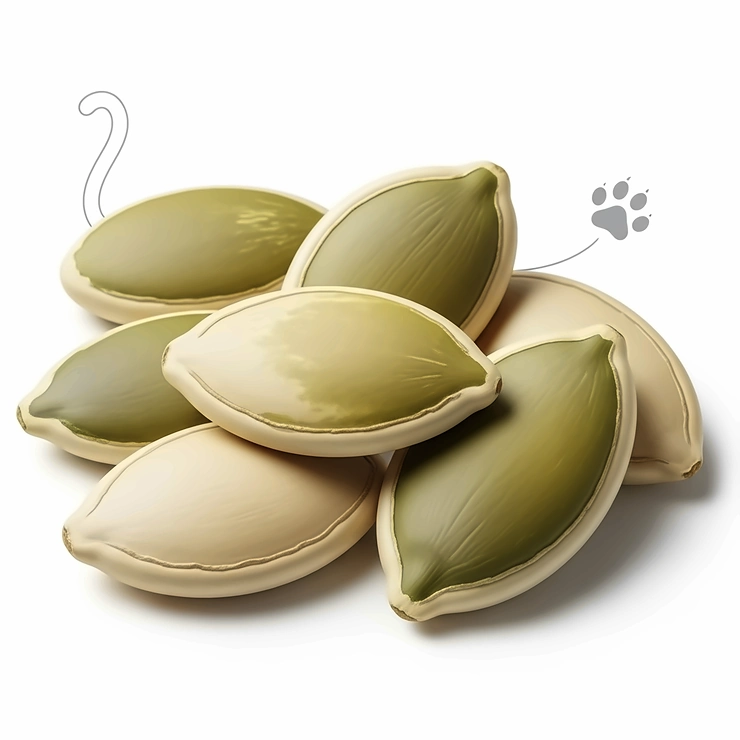
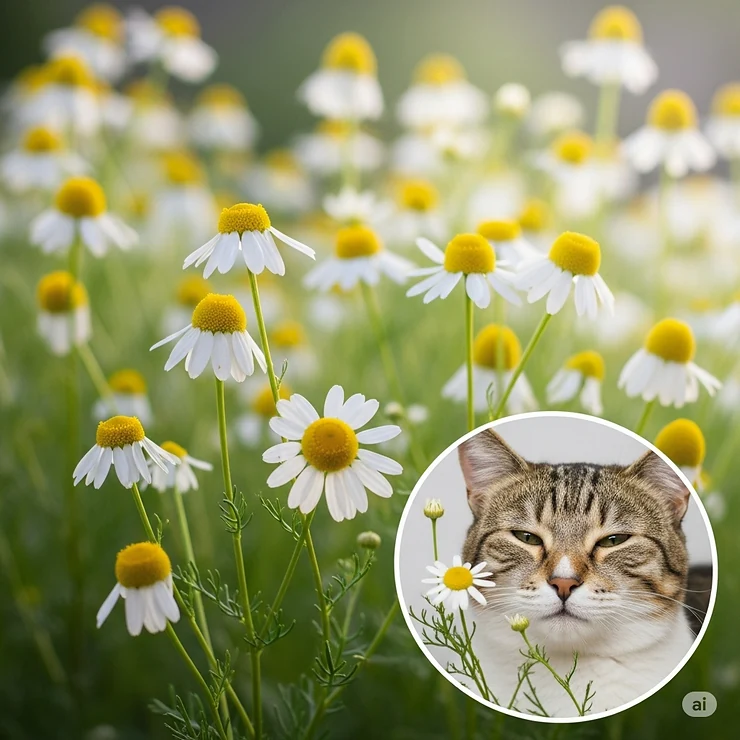
Natural deworming ingredients work through various mechanisms that either directly affect parasites or support the body’s natural defenses against them. Pumpkin seeds, for example, contain cucurbitacin, a compound that can paralyze certain parasites and aid in their elimination. Similarly, wormwood and black walnut hull contain natural compounds that create an inhospitable environment for parasites.
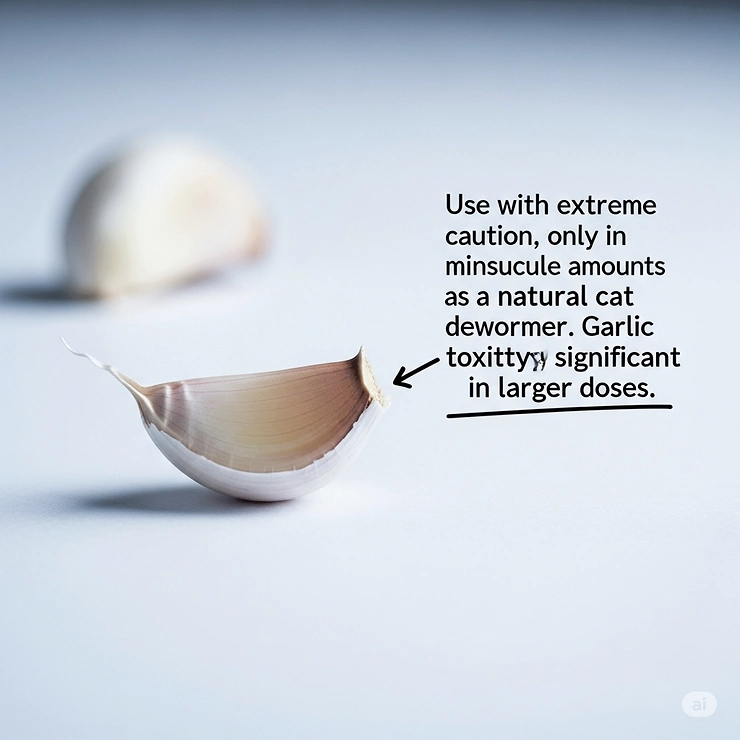
However, it’s important to understand that natural doesn’t automatically mean harmless. Many herbal ingredients can be toxic in high doses or when used inappropriately. Therefore, choosing products from reputable manufacturers who understand proper dosing and formulation is crucial for safety and effectiveness.
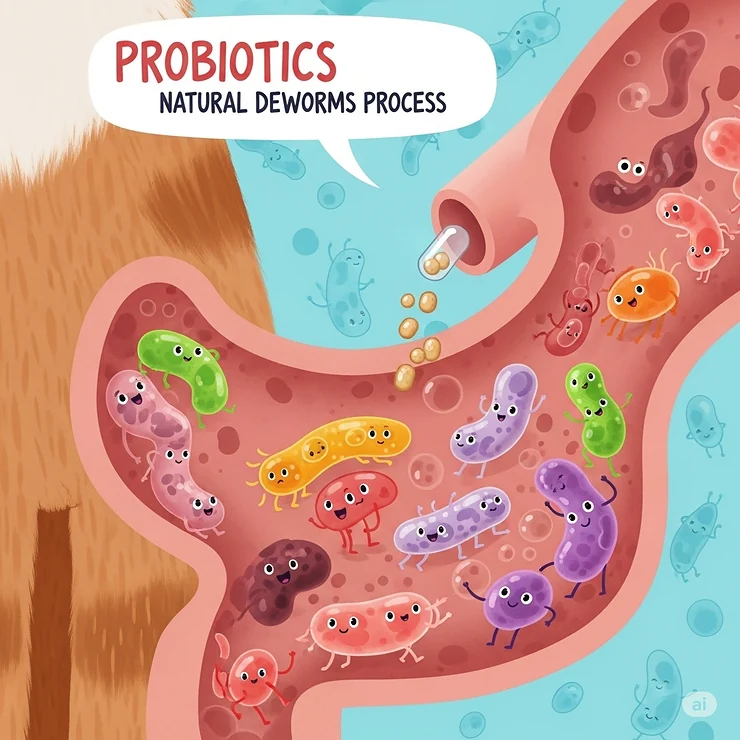
Research into natural antiparasitic compounds continues to reveal promising mechanisms of action. Some herbs work by stimulating digestive juices that help expel parasites, while others support immune function to help the body naturally eliminate invaders. Additionally, certain natural ingredients help maintain healthy gut flora, creating an environment less favorable to parasitic colonization.
Top 7 Natural Dewormer Products for Cats
1. HomeoPet WRM Clear – Premium Homeopathic Solution
HomeoPet WRM Clear represents one of the most trusted names in natural cat deworming, offering a comprehensive homeopathic approach to parasite management. This FDA-registered liquid formula targets hookworms, roundworms, tapeworms, and whipworms using a carefully balanced blend of natural ingredients.
Key Specifications:
- Volume: 15ml bottle (approximately 450 drops)
- Price Range: $18-25
- Active Ingredients: Arsenicum Album, Chenopodium Anthelminticum, Cucurbita Pepo, Filix Mas, and others
- Dosage: 5 drops for kittens, 10 drops for adult cats, 3 times daily for 14 days
- Manufacturer: HomeoPet LLC (USA)
The formula works by supporting the cat’s natural immune system rather than directly killing parasites. HomeoPet WRM Clear does not kill worms directly but helps the animal’s own immune system remove them from the body, while also aiding in recovery from worm effects and detoxifying from conventional treatments. This gentle approach makes it suitable for cats of all ages, including sensitive individuals who may not tolerate traditional medications well.
Pros:
✅ Safe for long-term use
✅ No known side effects
✅ Easy liquid administration
✅ Made in FDA-registered facility
✅ Can be used alongside other treatments
Cons:
❌ Results may take longer than chemical alternatives
❌ Requires consistent administration
❌ Not effective for severe infestations
Customer reviews consistently praise HomeoPet WRM Clear for its gentle effectiveness and ease of use. Many users report successful elimination of parasites within 2-4 weeks of consistent use, with particularly positive results when used as a preventive measure.
2. BestLife4Pets De-Wormer for Cats & Kittens – Complete Natural Supplement
BestLife4Pets De-Wormer for Cats & Kittens offers a comprehensive natural approach to parasite prevention and treatment. This supplement combines traditional herbal wisdom with modern formulation techniques to create an effective, safe deworming solution suitable for cats of all ages.
Key Specifications:
- Format: Natural supplement pills
- Price: $29.99 per bottle
- Treatment Duration: 30-60 day supply (depending on cat size)
- Target Parasites: Broad spectrum including roundworms, hookworms, tapeworms
- Manufacturing: Made in USA with quality assurance testing
The formula emphasizes supporting digestive health while creating an environment unfavorable to parasites. The supplement approach allows for easy integration into daily feeding routines, making it convenient for busy pet owners who want consistent parasite protection.
Pros:
✅ Convenient pill format
✅ Broad spectrum effectiveness
✅ Supports overall digestive health
✅ Good value for extended treatment
✅ Quality manufacturing standards
Cons:
❌ Some cats may resist pills
❌ Takes time to see full effects
❌ May require breaking pills for smaller cats
Users appreciate the convenience of BestLife4Pets De-Wormer and its gentle action. Many report improved digestion and coat quality alongside parasite elimination, suggesting broader health benefits beyond deworming.
3. Tobydic Broad Spectrum Dewormer – Herbal Medicine Formula
Tobydic Broad Spectrum Dewormer provides an herbal medicine approach to cat deworming, utilizing time-tested plant compounds known for their antiparasitic properties. This USA-made formula targets multiple parasite types while supporting overall feline health.
Key Specifications:
- Price: $17.89
- Format: Liquid herbal medicine
- Target Parasites: Tapeworm, whipworm, roundworm, and hookworm
- Ingredients: Proprietary herbal blend including traditional antiparasitic plants
- Usage: Prevention and treatment applications
The herbal approach of Tobydic Broad Spectrum Dewormer reflects centuries of traditional use of specific plants for parasite control. The liquid format allows for flexible dosing and easy administration, either directly or mixed with food.
Pros:
✅ Affordable pricing
✅ Traditional herbal wisdom
✅ Liquid format for easy dosing
✅ Made in USA
✅ Suitable for prevention and treatment
Cons:
❌ Strong herbal taste may deter some cats
❌ Limited detailed ingredient information
❌ May require longer treatment periods
Customer feedback highlights the cost-effectiveness of Tobydic and its gentle action. Many users combine it with dietary improvements for enhanced results, appreciating its natural approach to parasite management.
4. Prana Pets Intestinal Defense – Premium Herbal Liquid
Prana Pets Intestinal Defense stands out as a premium herbal liquid supplement designed specifically for supporting digestive health while addressing parasitic concerns. This veterinarian-formulated product combines multiple herbs known for their antiparasitic and digestive support properties.
Key Specifications:
- Format: Liquid herbal supplement (2oz bottle)
- Key Ingredients: Pumpkin seed, Wormwood, Anise seed, Black walnut hull, Cloves
- Dosage: 3-8 drops depending on cat size, 3-5 times daily
- Treatment Duration: Minimum one month for initial treatment
- Manufacturing: FDA-inspected, cGMP-compliant facility in USA
Prana Pets Intestinal Defense contains key ingredients known for their antiparasitic properties, including pumpkin seed, wormwood herb, anise seed, and cloves, which work synergistically to eliminate worms and support overall health. The carefully balanced formula addresses not just parasites but overall digestive wellness.
Pros:
✅ Veterinarian-formulated
✅ Premium organic ingredients
✅ Comprehensive digestive support
✅ Excellent safety profile
✅ Strong customer satisfaction
Cons:
❌ Higher price point
❌ Requires frequent daily dosing
❌ Not suitable for cats under 6 months
Users consistently report positive results with Prana Pets Intestinal Defense, particularly appreciating its comprehensive approach to digestive health and the noticeable improvement in their cats’ overall wellness alongside parasite elimination.
5. NaturPet Intesti Care – Diatomaceous Earth Formula
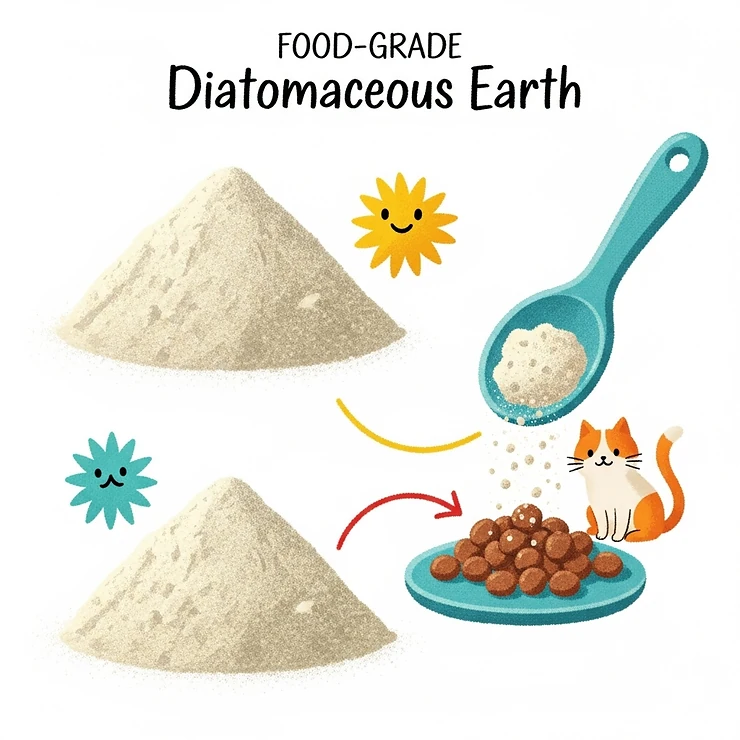
NaturPet Intesti Care offers a unique approach to natural deworming by incorporating food-grade diatomaceous earth as a primary ingredient. This powder formula provides mechanical action against parasites while supporting intestinal health through additional natural ingredients.
Key Specifications:
- Format: Powder (165g container)
- Primary Ingredient: Food-grade diatomaceous earth
- Additional Ingredients: Slippery elm, pumpkin seed powder
- Application: Mixed with food daily
- Coverage: 3-month supply for average-sized cats
Diatomaceous earth works through mechanical action, with its microscopic sharp edges potentially damaging parasite exoskeletons and supporting their elimination. The formula includes digestive-soothing ingredients like slippery elm to ensure comfort during treatment.
Pros:
✅ Natural mechanical action
✅ Long-lasting supply
✅ Includes digestive soothers
✅ Easy powder application
✅ Good value for extended use
Cons:
❌ Messy powder format
❌ May be less effective against certain parasites
❌ Requires consistent daily use
Customer experiences with NaturPet Intesti Care vary, with many reporting success when used consistently over extended periods. The powder format works well for cats who readily eat supplemented food but can be challenging for picky eaters.
6. Natura Petz Organics Toxin Avenger – Complete Detox Support
Natura Petz Organics Toxin Avenger takes a comprehensive approach to cat health by combining detoxification support with antiparasitic properties. This supplement addresses the broader picture of toxin elimination while supporting the body’s natural defenses against parasites.
Key Specifications:
- Format: Capsule supplement (90 count)
- Target: Parasites, toxins, and digestive support
- Ingredients: Organic herbs and detoxifying compounds
- Treatment Approach: Holistic detoxification and cleansing
- Duration: 2-3 month supply depending on cat size
The holistic approach of Natura Petz Organics addresses not just parasites but overall toxin burden that may compromise immune function and create favorable conditions for parasitic infections. This comprehensive strategy appeals to owners seeking complete wellness support.
Pros:
✅ Comprehensive detox approach
✅ Organic ingredient sourcing
✅ Supports overall wellness
✅ Quality manufacturing standards
✅ Long-term health benefits
Cons:
❌ Higher cost investment
❌ Complex multi-ingredient formula
❌ May not be suitable for all cats
Users of Natura Petz Organics Toxin Avenger often report improvements in overall energy and coat quality alongside parasite control, suggesting broader health benefits from the comprehensive formulation.
7. Natural Broad Spectrum Dewormers – Budget-Friendly Options
Several manufacturers offer generic natural broad spectrum dewormers that provide effective parasite control at budget-friendly prices. These products typically range from $15.99 to $19.99 and offer similar ingredient profiles to premium brands.
Key Features:
- Price Range: $15.99-$19.99
- Format: Usually liquid or powder
- Ingredients: Common natural antiparasitic herbs
- Availability: Widely available through major retailers
- Target: Multiple parasite types
These budget options often provide good value for cat owners seeking natural solutions without premium pricing. While they may lack some of the specialized formulation or quality assurances of premium brands, many offer effective results when used consistently.
Pros:
✅ Affordable pricing
✅ Wide availability
✅ Basic effectiveness
✅ Good for trial use
✅ Multiple brand options
Cons:
❌ Variable quality control
❌ Limited ingredient information
❌ Fewer customer support resources
Don’t Miss These Exclusive Deals! 🛒
Take your cat’s health to the next level with these carefully selected natural deworming products. Click on any highlighted item to check current pricing and availability. These natural solutions will help you maintain your feline’s digestive health safely and effectively! ⭐
Industry-Specific Applications and Professional Use Cases
Veterinary Clinic Integration of Natural Dewormers
Progressive veterinary practices increasingly incorporate natural deworming options into their treatment protocols, recognizing that many pet owners prefer gentler alternatives when appropriate. Integrative veterinary medicine clinics often use natural dewormers as adjunct therapy alongside conventional treatments, particularly for maintenance and prevention.
The American Veterinary Medical Association states that complementary and alternative veterinary medicine encompasses preventive, diagnostic, and therapeutic practices that may diverge from routinely taught veterinary medicine but should still meet the same safety and efficacy standards. This standardization helps ensure that natural products used in professional settings maintain quality and safety.
Veterinary professionals who incorporate natural dewormers typically do so after thorough evaluation of the client’s needs, the cat’s health status, and the severity of any existing parasitic infections. They often recommend natural products for young kittens where chemical dewormers might be too harsh, for cats with sensitive digestive systems, or as preventive measures in low-risk environments.
Furthermore, many clinics report that clients appreciate having natural options available, leading to improved compliance with deworming protocols. The educational component of natural deworming often results in better overall parasite prevention practices, as owners become more engaged in understanding their pet’s health needs.
Breeding Facility and Cattery Applications
Professional cat breeders and cattery operators face unique challenges in maintaining parasite-free environments while ensuring the health of breeding cats and kittens. Natural dewormers play an important role in these settings, particularly for pregnant and nursing queens where chemical treatments may pose risks to developing offspring.
Breeding facilities often implement natural deworming protocols as part of their routine health management, using gentle formulations that support overall health without compromising reproductive function. The stress-reduction benefits of natural approaches also appeal to breeders who understand that stress can compromise immune function and increase susceptibility to parasites.
Many successful catteries incorporate natural dewormers into their quarantine protocols for new cats, using them alongside conventional testing to ensure comprehensive protection. The gentler nature of natural products allows for extended use without concerns about chemical accumulation or resistance development.
Additionally, breeding facilities often find that natural deworming programs improve overall kitten health and development, as many natural products provide nutritional support alongside parasite prevention. This holistic approach appeals to breed registries and cat fancy organizations that emphasize health and welfare standards.
Shelter and Rescue Organization Usage
Animal shelters and rescue organizations represent another important application area for natural dewormers, particularly given the high parasite loads often seen in rescued cats and the need for cost-effective treatment options. Natural products can provide gentle support for stressed and immunocompromised animals while conventional treatments address acute infections.
Rescue organizations often use natural dewormers as part of their foster care protocols, providing adopters with gentle products that can be safely used by inexperienced cat owners. The educational value of natural products helps new pet owners understand parasite prevention and overall feline health management.
The cost-effectiveness of natural prevention programs appeals to resource-limited organizations, as preventing severe infestations costs less than treating established parasitic diseases. Many shelters report improved overall health outcomes when natural dewormers are incorporated into their standard care protocols.
Furthermore, the positive public perception of natural health approaches helps rescue organizations appeal to adopters who prefer holistic pet care, potentially increasing adoption rates and improving long-term outcomes for rescued cats.
Multi-Cat Household Management
Households with multiple cats face unique challenges in parasite management, as transmission between cats can occur rapidly and maintaining individual treatment protocols can be complex. Natural dewormers offer advantages in these situations due to their safety for extended use and ability to be administered to multiple cats simultaneously.
Multi-cat households often benefit from using natural dewormers as maintenance therapy, creating an environment less favorable to parasitic establishment while supporting overall feline health. The gentle nature of natural products allows for household-wide treatment without concerns about drug interactions or cumulative toxicity.
Professional cat sitters and pet care services increasingly recommend natural deworming products to their multi-cat clients, appreciating the simplified administration and reduced risk of adverse reactions. These professionals often find that natural products fit better into their care protocols and provide peace of mind for both caregivers and pet owners.
The cost-effectiveness of treating multiple cats with natural products also appeals to households managing several felines, as the gentler formulations often allow for shared use and bulk purchasing advantages.
Advanced Technical Analysis of Natural Deworming Mechanisms
Phytochemical Mechanisms of Action
The effectiveness of natural dewormers relies on complex phytochemical interactions that affect parasites through multiple pathways. Cucurbitacin, found in pumpkin seeds, acts as a natural vermifuge by interfering with parasite muscle function and potentially affecting their reproductive cycles. Research has shown that cucurbitacin causes reproductive changes in certain parasites, though safety and efficacy studies specifically in cats remain limited.
Wormwood contains artemisinin compounds that have demonstrated antiparasitic properties in various studies. These compounds appear to work by generating reactive oxygen species that damage parasite cellular structures, while also potentially interfering with parasite digestive processes. The mechanism involves iron-catalyzed reactions that create oxidative stress specifically toxic to parasites.
Black walnut hull contains juglone and other quinones that exhibit antimicrobial and antiparasitic properties. These compounds work by interfering with cellular respiration in parasites and may also affect their ability to maintain osmotic balance. The selective toxicity toward parasites while sparing host cells appears related to differences in cellular protective mechanisms.
Essential oils from herbs like cloves and anise contain compounds such as eugenol and anethole that demonstrate antiparasitic activity through membrane disruption and neurotoxic effects on parasites. These compounds can penetrate parasite protective barriers and disrupt normal physiological functions.
Bioavailability and Absorption Considerations
The effectiveness of natural dewormers depends heavily on proper formulation to ensure adequate bioavailability of active compounds. Many phytochemicals have poor water solubility, requiring specialized extraction methods or formulation techniques to achieve therapeutic concentrations in the digestive tract.
Liquid formulations often provide better bioavailability than powdered forms, as the extraction process can concentrate active compounds and improve their solubility. However, stability concerns may limit shelf life and require careful storage conditions to maintain potency.
The timing of administration relative to feeding affects absorption of many natural compounds. Some work better on an empty stomach to maximize contact with parasites, while others require food to improve absorption or reduce gastrointestinal irritation.
Feline digestive physiology also influences the effectiveness of natural dewormers. Cats have relatively short digestive transit times and acidic stomach environments that may affect the stability and activation of certain plant compounds. Formulations must account for these factors to ensure adequate exposure time and proper compound release.
Synergistic Interactions and Combination Therapy
Many effective natural dewormers utilize carefully balanced combinations of ingredients that work synergistically to enhance overall effectiveness while minimizing potential side effects. The concept of synergy in herbal medicine suggests that whole plant extracts or thoughtfully combined formulations may be more effective than isolated compounds.
For example, combining digestive stimulants like ginger with antiparasitic herbs can improve the overall effectiveness by enhancing digestive motility and improving the distribution of active compounds throughout the intestinal tract. Similarly, adding immune-supporting herbs can help the cat’s natural defenses work more effectively against parasites.
Some combinations work by attacking parasites through multiple mechanisms simultaneously, making it more difficult for parasites to develop resistance or adapt to the treatment. This multi-modal approach represents a significant advantage of well-formulated natural products over single-compound treatments.
However, combination formulations also require careful consideration of potential interactions between compounds. Some plant compounds can inhibit or enhance the absorption of others, requiring expert formulation to ensure optimal balance and effectiveness.
Quality Control and Standardization Challenges
Natural deworming products face unique challenges in maintaining consistent quality and potency due to the variable nature of plant-based ingredients. Factors such as growing conditions, harvest timing, processing methods, and storage conditions all affect the final concentration of active compounds.
Standardization methods for natural products often focus on marker compounds that may or may not represent the full spectrum of active ingredients. This limitation makes it challenging to ensure consistent therapeutic effects across different batches or manufacturers.
Advanced analytical techniques such as HPLC (High-Performance Liquid Chromatography) and mass spectrometry are increasingly used to verify ingredient identity and concentration. However, these testing methods require specialized equipment and expertise that may not be available to all manufacturers.
The lack of standardized testing protocols for natural pet products also complicates quality assurance efforts. While human natural products have established pharmacopoeial standards, similar standards for pet products are still developing, leading to variable quality in the marketplace.
Comprehensive Setup and Usage Guidelines
Initial Assessment and Preparation Protocols
Before starting any natural deworming program, conducting a thorough assessment of your cat’s current health status and risk factors provides the foundation for successful treatment. This evaluation should include consideration of age, weight, lifestyle factors, previous parasite history, and any current health conditions that might affect treatment selection.
Environmental assessment plays a crucial role in determining the appropriate deworming approach. Indoor cats have different risk profiles than outdoor cats, and multi-pet households require different strategies than single-cat homes. Understanding these factors helps select the most appropriate products and dosing schedules.
Establishing baseline health parameters through veterinary examination, including fecal testing when indicated, provides important information for monitoring treatment progress. Some natural dewormers work gradually, making baseline documentation essential for recognizing improvement over time.
Preparation also involves gathering necessary supplies, including proper measuring tools for liquid products, pill splitters for tablets if needed, and preferred food for mixing products when appropriate. Having everything ready before starting treatment ensures consistent administration and better outcomes.
Age-Specific Administration Guidelines
Kittens require special consideration when using natural dewormers, as their developing systems may respond differently to herbal ingredients. Most natural products are not recommended for kittens under 6 months of age without veterinary supervision, though some gentle formulations may be appropriate for older kittens.
Kitten Protocol (6-12 months):
- Start with quarter doses to assess tolerance
- Monitor closely for any digestive upset
- Use gentlest formulations available
- Combine with supportive nutrition
- Frequent small doses often work better than larger single doses
Adult Cat Protocol (1-7 years):
- Follow standard manufacturer dosing guidelines
- Adjust for individual cat size and sensitivity
- Monitor for effectiveness and side effects
- Consider seasonal adjustments for outdoor cats
- Maintain consistent administration schedule
Senior Cat Protocol (7+ years):
- Start with reduced doses due to potentially slower metabolism
- Monitor kidney and liver function if using long-term
- Consider underlying health conditions that might affect treatment
- Use gentler formulations when possible
- Coordinate with veterinary care for chronic conditions
Environmental Optimization and Support Measures
Creating an environment that supports natural deworming success involves addressing factors beyond just product administration. Stress reduction plays a significant role in immune function and parasite resistance, making environmental enrichment an important component of holistic parasite management.
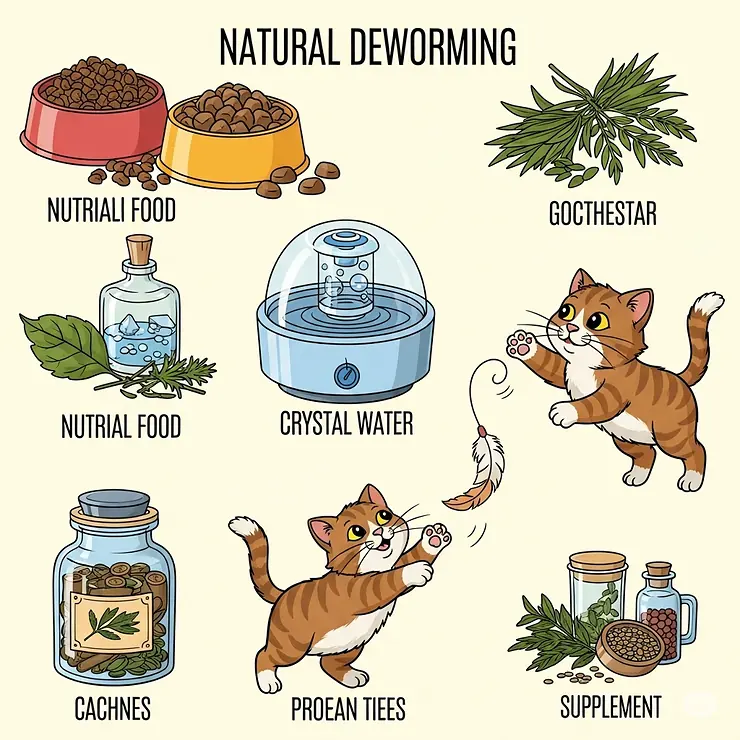
Dietary optimization supports the effectiveness of natural dewormers by providing the nutrients necessary for immune function and digestive health. High-quality protein supports tissue repair and immune response, while appropriate fiber levels support healthy digestive transit and elimination.
Hygiene protocols become particularly important when using natural dewormers, as these products may take longer to achieve complete parasite elimination than conventional treatments. Regular litter box cleaning, environmental sanitization, and proper handwashing help prevent reinfection during treatment.
Environmental modifications such as controlling access to potential parasite sources, managing flea populations, and limiting exposure to contaminated areas support the overall success of natural deworming programs. These measures work synergistically with natural products to create comprehensive protection.
Monitoring and Adjustment Protocols
Effective use of natural dewormers requires systematic monitoring to assess progress and adjust treatment as needed. Unlike conventional treatments that often show rapid results, natural products may require several weeks to demonstrate full effectiveness, making patient monitoring essential.
Weekly Monitoring Checklist:
✅ Appetite and energy levels
✅ Digestive function and stool quality
✅ Coat condition and overall appearance
✅ Behavioral changes or stress indicators
✅ Product tolerance and acceptance
Monthly Assessment Points:
✅ Weight stability or improvement
✅ Overall health and vitality
✅ Parasite load reduction (if visible)
✅ Need for dosage adjustments
✅ Consideration of veterinary follow-up
Documenting observations in a treatment log helps identify patterns and provides valuable information for adjusting protocols. Many cat owners find that systematic tracking helps them recognize subtle improvements that might otherwise be missed.
Response to natural dewormers can vary significantly between individual cats, requiring flexibility in treatment approaches. Some cats may need longer treatment periods, while others may require product changes to achieve optimal results.
Seasonal and Lifestyle Adaptations
Natural deworming protocols often benefit from seasonal adjustments that account for changing parasite risks and environmental conditions. Spring and summer months typically bring increased exposure to parasites through greater outdoor activity and higher environmental parasite loads.
Spring Protocol Intensification:
- Increase dosing frequency during peak parasite seasons
- Add immune-supporting supplements
- Implement enhanced environmental hygiene measures
- Consider preventive treatments before peak exposure periods
Winter Maintenance Programs:
- Reduce to maintenance dosing for indoor cats
- Focus on immune support and general health
- Address increased stress from environmental changes
- Prepare for spring intensification protocols
Lifestyle factors such as outdoor access, contact with other animals, and geographic location influence the optimal deworming approach. Cats with high exposure risks may need year-round intensive protocols, while low-risk indoor cats may benefit from seasonal prevention programs.
Travel and boarding situations require special consideration, as stress and exposure to new environments can increase parasite susceptibility. Many cat owners increase natural deworming support before and after these events to provide additional protection during vulnerable periods.
Maintenance and Long-term Management Strategies
Daily, Weekly, and Monthly Maintenance Schedules
Successful long-term parasite prevention requires establishing consistent maintenance routines that fit seamlessly into daily cat care activities. Daily maintenance typically involves product administration according to manufacturer guidelines, along with basic hygiene measures that support overall effectiveness.
Daily Maintenance Routine:
- Administer natural dewormer at consistent times
- Monitor food and water intake
- Maintain clean litter box conditions
- Observe for any changes in behavior or health
- Document administration in treatment log
Weekly Maintenance Tasks:
✅ Deep clean litter boxes and surrounding areas
✅ Assess overall health and product effectiveness
✅ Adjust environmental factors as needed
✅ Review and restock product supplies
✅ Evaluate need for protocol adjustments
Monthly Assessment Protocol:
✅ Comprehensive health evaluation
✅ Weight monitoring and documentation
✅ Environmental risk assessment
✅ Product effectiveness review
✅ Planning for upcoming seasonal changes
Long-term success depends on adapting maintenance schedules to individual cat needs and lifestyle factors. Some cats may require more intensive monitoring during certain seasons or life stages, while others may benefit from simplified maintenance protocols.
Troubleshooting Common Implementation Challenges
Even well-planned natural deworming programs can encounter obstacles that require creative problem-solving approaches. Identifying and addressing these challenges early prevents treatment interruptions and maintains program effectiveness.
Product Acceptance Issues: Many cats resist new flavors or textures, making product acceptance a common challenge. Solutions include gradually introducing products by mixing small amounts with favorite foods, using flavoring agents to mask herbal tastes, or switching to alternative formulations that may be more palatable.
Inconsistent Administration: Busy schedules can lead to missed doses that compromise treatment effectiveness. Setting phone alarms, using pill organizers adapted for pet medications, or linking administration to existing daily routines helps maintain consistency.
Slow Response Times: Natural products often work more gradually than conventional treatments, leading to owner concern about effectiveness. Setting realistic expectations, maintaining detailed monitoring logs, and focusing on overall health improvements rather than just parasite elimination helps maintain treatment commitment.
Multi-Pet Coordination: Households with multiple pets face challenges in ensuring all animals receive appropriate treatment while preventing cross-contamination. Color-coded feeding stations, staggered feeding times, and individual monitoring systems help manage complex multi-pet protocols.
Cost-Effectiveness Analysis and Budget Planning
Natural deworming programs require careful budget planning to ensure long-term sustainability while maximizing health benefits. Understanding the total cost of ownership, including products, monitoring, and potential veterinary support, helps create realistic budget expectations.
Initial Investment Costs:
- Primary deworming products ($20-50 per month)
- Monitoring supplies and tools ($10-25 one-time)
- Baseline veterinary evaluation ($50-150)
- Environmental hygiene improvements ($25-75)
Ongoing Monthly Expenses:
- Maintenance product costs ($15-35)
- Enhanced nutrition support ($10-25)
- Environmental maintenance supplies ($5-15)
- Periodic monitoring and assessment ($5-20)
Bulk purchasing often provides cost savings for long-term natural deworming programs, particularly for multi-cat households. Many manufacturers offer subscription programs or bulk discounts that can significantly reduce per-dose costs over time.
Comparing costs with conventional deworming approaches reveals that natural programs may have higher ongoing costs but potentially lower crisis intervention expenses. The preventive nature of natural approaches often reduces the need for expensive emergency treatments related to severe parasitic infestations.
Professional Veterinary Integration and Support
Successful long-term natural deworming programs benefit from professional veterinary support, even when using over-the-counter natural products. Regular veterinary check-ups provide professional assessment of program effectiveness and help identify any issues requiring conventional intervention.
Recommended Veterinary Schedule:
- Initial consultation before starting natural programs
- 3-month progress evaluation during first year
- Semi-annual check-ups for ongoing monitoring
- Annual comprehensive health assessments
- Emergency consultation for any concerning changes
Many veterinarians appreciate clients who take proactive approaches to parasite prevention and are willing to support natural programs when implemented responsibly. Open communication about natural product use helps ensure comprehensive health care coordination.
Professional monitoring becomes particularly important for cats with pre-existing health conditions or those at high risk for parasitic complications. Veterinary support provides safety nets that enhance the success of natural approaches while maintaining appropriate medical oversight.
Comparative Analysis with Alternative Solutions
Traditional Chemical Dewormers vs. Natural Alternatives
The choice between traditional chemical dewormers and natural alternatives involves weighing multiple factors including effectiveness, safety, cost, and philosophical preferences. Traditional chemical dewormers typically provide rapid, reliable elimination of established parasitic infections but may carry risks of side effects and environmental concerns.
Chemical Dewormer Advantages:
✅ Rapid parasite elimination (often within 24-48 hours)
✅ Proven effectiveness against severe infestations
✅ Standardized dosing protocols
✅ Extensive research backing
✅ Professional veterinary familiarity
Chemical Dewormer Disadvantages:
❌ Potential side effects and toxicity concerns
❌ Environmental impact considerations
❌ Possible resistance development over time
❌ Limited support for overall health
❌ Cost of repeated treatments
Natural alternatives offer a gentler approach that supports overall health while addressing parasitic concerns, though they may require longer treatment periods and may not be suitable for severe infestations requiring immediate intervention.
Natural Alternative Advantages:
✅ Gentle action with minimal side effects
✅ Support for overall digestive and immune health
✅ Environmental safety considerations
✅ Lower risk of resistance development
✅ Suitable for long-term prevention programs
Natural Alternative Disadvantages:
❌ Slower action requiring patience
❌ Variable effectiveness between individuals
❌ Limited research on some ingredients
❌ Potential for delayed treatment of serious infections
❌ Requires more intensive monitoring
Integrated Approaches and Combination Strategies
Many successful parasite management programs combine natural and conventional approaches strategically, using each method’s strengths while minimizing weaknesses. Integrated approaches might use conventional treatments for initial parasite elimination followed by natural products for long-term prevention.
Sequential Integration Model:
- Initial conventional treatment for established infections
- Transition period with both approaches
- Long-term natural maintenance protocol
- Conventional intervention for breakthrough infections
- Return to natural maintenance
Complementary Integration Model:
- Natural products for routine prevention
- Conventional products for seasonal intensification
- Professional monitoring for both approaches
- Emergency conventional protocols when needed
- Enhanced nutrition and environmental support
This integrated approach appeals to cat owners who want the security of conventional medicine’s rapid effectiveness while preferring natural approaches for routine care. Many veterinarians support integrated approaches when implemented with proper monitoring and communication.
Cost-Benefit Analysis Across Treatment Modalities
Long-term cost-benefit analysis reveals complex relationships between different deworming approaches that extend beyond simple product costs. Natural approaches may have higher ongoing costs but potentially lower crisis intervention expenses and broader health benefits.
Annual Cost Comparison (Average Indoor Cat):
| Treatment Approach | Product Costs | Veterinary Costs | Crisis Interventions | Total Annual Cost |
|---|---|---|---|---|
| Conventional Only | $60-120 | $150-300 | $200-500 | $410-920 |
| Natural Only | $180-420 | $100-250 | $100-300 | $380-970 |
| Integrated Approach | $120-280 | $200-350 | $150-350 | $470-980 |
The cost analysis shows that well-implemented natural programs can be cost-competitive with conventional approaches while potentially providing broader health benefits. However, individual results vary significantly based on cat health, lifestyle factors, and program implementation quality.
Hidden costs often affect the overall economics of different approaches. Natural programs may reduce veterinary intervention costs but require more owner time and attention. Conventional programs may have lower monitoring costs but higher potential costs from side effects or treatment failures.
Environmental and Sustainability Considerations
Environmental impact considerations increasingly influence pet care decisions, with many owners seeking approaches that minimize ecological footprint while maintaining pet health. Natural dewormers generally have lower environmental impact than synthetic chemicals, though production and packaging factors also matter.
Chemical dewormers can persist in the environment through waste products, potentially affecting soil and water quality. Some synthetic compounds may also impact beneficial insects and other wildlife when pets eliminate them into outdoor environments.
Natural products typically biodegrade more readily and pose fewer risks to environmental health. However, sustainable sourcing of herbal ingredients requires consideration of cultivation practices and potential impacts on wild plant populations.
Packaging and shipping considerations also affect the environmental footprint of different approaches. Concentrated products requiring smaller packages may have environmental advantages regardless of whether they’re natural or synthetic.
Long-term Health Outcome Comparisons
Evaluating long-term health outcomes requires considering factors beyond immediate parasite elimination, including overall health support, immune system function, and quality of life measures. Natural approaches often provide broader health benefits that may not be immediately apparent but contribute to long-term wellness.
Conventional Treatment Outcomes:
- Rapid parasite elimination
- Potential short-term digestive upset
- Possible impacts on beneficial gut bacteria
- Limited additional health benefits
- Standard monitoring requirements
Natural Treatment Outcomes:
- Gradual parasite reduction
- Support for digestive health and immune function
- Potential improvements in coat quality and energy
- Broader wellness benefits
- Increased owner engagement in pet health
Long-term studies specifically comparing natural and conventional deworming approaches in cats remain limited, making definitive outcome comparisons challenging. However, anecdotal reports and preliminary research suggest that well-implemented natural programs may provide health benefits extending beyond parasite control.
Case Studies and Success Stories
Multi-Cat Household Transformation
Sarah, a cat rescue volunteer, manages a household with eight cats of various ages and health statuses. Her experience illustrates the potential of natural deworming programs in complex multi-pet environments.
Initial Situation: Sarah’s household included three senior cats with sensitive digestive systems, two young adults with outdoor access, and three formerly feral cats with unknown health histories. Previous attempts with conventional dewormers resulted in digestive upset in several cats, making consistent treatment difficult.
Implementation Strategy: After consulting with a holistic veterinarian, Sarah implemented a comprehensive natural deworming program using Prana Pets Intestinal Defense as the primary product, supplemented with dietary improvements and enhanced environmental hygiene measures.
Results After Six Months:
- Complete elimination of visible parasites in all cats
- Improved coat quality and energy levels across the household
- Reduced digestive issues compared to previous chemical treatments
- Simplified administration process suitable for multiple cats
- Cost reduction compared to individual conventional treatments
Key Success Factors:
✅ Professional veterinary consultation before starting
✅ Consistent product administration across all cats
✅ Enhanced nutrition and environmental hygiene
✅ Systematic monitoring and documentation
✅ Flexibility to adjust protocols based on individual responses
Sarah’s experience demonstrates that natural deworming programs can be particularly valuable in multi-cat households where individual sensitivities and complex dynamics make conventional treatments challenging.
Senior Cat Wellness Recovery
Dr. Martinez, a retired veterinarian, faced a challenging situation with his 14-year-old cat, Max, who developed chronic digestive issues and recurring parasitic infections following a stressful relocation.
Clinical Background: Max exhibited symptoms including intermittent diarrhea, weight loss, and lethargy. Conventional deworming treatments provided temporary relief but resulted in digestive upset that seemed to worsen his overall condition.
Natural Treatment Protocol: Dr. Martinez developed a comprehensive protocol using HomeoPet WRM Clear combined with immune-supporting supplements and stress-reduction measures. The program emphasized supporting Max’s natural healing processes rather than aggressive parasite elimination.
Six-Month Outcome:
- Stable weight maintenance and improved energy levels
- Resolution of chronic digestive issues
- No recurrence of parasitic infections
- Improved quality of life and reduced stress indicators
- Successful long-term maintenance without side effects
Critical Learning Points:
✅ Gentle approaches can be more effective for compromised systems
✅ Stress reduction plays a crucial role in parasite prevention
✅ Supporting natural immune function enhances treatment effectiveness
✅ Professional expertise helps optimize natural protocols
✅ Patient monitoring allows for fine-tuning treatment approaches
Max’s case illustrates how natural approaches can be particularly beneficial for senior cats or those with compromised health status who may not tolerate conventional treatments well.
Breeding Cattery Prevention Program
Mountain View Cattery, a professional Maine Coon breeding operation, implemented a comprehensive natural parasite prevention program to maintain the health of their breeding cats and kittens while avoiding chemical exposures that might affect reproduction.
Facility Background: The cattery houses 25 breeding cats and produces 40-60 kittens annually. Previous parasite management relied on conventional treatments that occasionally interfered with breeding programs and caused concern about chemical exposure to pregnant queens.
Program Implementation: The cattery developed a year-round prevention program using BestLife4Pets De-Wormer for maintenance, with seasonal intensification using Tobydic Broad Spectrum Dewormer. The program included enhanced nutrition, environmental management, and systematic monitoring protocols.
Annual Results:
- 95% reduction in parasitic infections across the cattery
- Improved kitten health and development outcomes
- Elimination of treatment-related breeding disruptions
- Reduced veterinary intervention costs
- Enhanced reputation among cat fancy community
Program Components:
✅ Year-round natural deworming protocols
✅ Seasonal risk assessment and treatment intensification
✅ Enhanced nutrition and environmental hygiene
✅ Systematic health monitoring and documentation
✅ Professional veterinary oversight and support
The cattery’s success demonstrates how natural approaches can be integrated into professional breeding operations to maintain high health standards while supporting reproductive goals.
💬 Just one click – help others make better buying decisions too! 😊
Future Trends and Market Evolution
Emerging Technologies in Natural Pet Health
The natural pet health industry continues to evolve rapidly, driven by advancing technology and increasing consumer demand for safer, more effective products. Nanotechnology applications are beginning to appear in natural supplements, potentially improving the bioavailability and effectiveness of traditional herbal ingredients.
Precision fermentation techniques are being applied to produce specific bioactive compounds found in herbs, potentially allowing for more consistent potency and purity than traditional plant extraction methods. These technologies may address some of the standardization challenges that currently limit natural product effectiveness.
Advanced extraction methods such as supercritical CO2 extraction and ultrasonic processing are improving the quality and consistency of natural ingredients while preserving sensitive compounds that might be damaged by traditional processing methods.
Microencapsulation technologies are being developed to protect sensitive natural compounds during storage and improve their targeted delivery within the digestive system. These advances may significantly improve the effectiveness of natural dewormers while reducing required doses.
Regulatory Landscape and Standardization Developments
The regulatory environment for natural pet products continues to evolve, with increasing emphasis on safety testing and quality assurance. The National Animal Supplement Council (NASC) has established voluntary guidelines that many manufacturers now follow to ensure product quality and safety.
State-level regulations are becoming more standardized, with many states adopting similar requirements for natural pet product registration and quality control. This trend toward standardization should improve product consistency and consumer confidence over time.
International harmonization efforts are beginning to align standards between countries, potentially improving access to high-quality natural products while maintaining safety standards. This development could lead to increased availability of innovative products developed in other markets.
Professional veterinary acceptance of natural products continues to grow as research evidence accumulates and quality standards improve. This trend suggests that integration between conventional and natural approaches will likely increase in the coming years.
Research and Development Innovations
Scientific research into natural antiparasitic compounds is accelerating, with universities and private companies investigating both traditional remedies and novel plant compounds for their effectiveness against various parasites.
Gut microbiome research is revealing how natural products may work not just against parasites but also by supporting beneficial bacteria that help resist parasitic colonization. This understanding is leading to development of products that combine antiparasitic herbs with probiotics and prebiotics.
Pharmacokinetic studies of natural compounds in cats are improving understanding of optimal dosing and administration methods. This research is essential for developing more effective natural products that work reliably across different individual cats.
Combination therapy research is exploring how natural and conventional treatments can be optimally combined to maximize effectiveness while minimizing side effects. These studies may lead to new integrated treatment protocols that become standard practice.
Market Personalization and Customization Trends
Consumer demand for personalized pet health solutions is driving development of customized natural deworming products tailored to individual cat needs. Some companies now offer products formulated based on cat age, weight, lifestyle, and health status.
Genetic testing for cats is beginning to reveal individual variations in drug metabolism that may affect response to natural products. This information could eventually allow for truly personalized treatment protocols optimized for each cat’s genetic makeup.
Subscription services are emerging that provide customized natural health products based on ongoing monitoring and assessment. These services often include professional consultation and adjust product selection based on changing needs and seasonal factors.
Digital health monitoring tools are being developed that can track cat health parameters and provide recommendations for natural product selection and dosing. These tools may eventually allow for real-time optimization of natural deworming protocols.
Sustainability and Ethical Sourcing Evolution
Consumer awareness of sustainability issues is driving demand for ethically sourced natural ingredients and environmentally responsible packaging. Companies are increasingly emphasizing sustainable cultivation practices and fair trade sourcing for herbal ingredients.
Carbon footprint considerations are influencing product development, with companies seeking to minimize environmental impact through local sourcing, reduced packaging, and efficient manufacturing processes.
Wild harvesting concerns are leading to increased cultivation of traditionally wild-harvested herbs, ensuring sustainable supply while potentially improving quality control and consistency.
Transparency in sourcing and manufacturing is becoming a competitive advantage, with companies providing detailed information about ingredient origins, processing methods, and quality control measures.
Investment and Purchase Decision Framework
Comprehensive Cost-Benefit Evaluation Matrix
Making informed decisions about natural deworming products requires systematic evaluation of multiple factors beyond simple product costs. A comprehensive framework considers effectiveness, safety, convenience, long-term health benefits, and total cost of ownership.
Primary Evaluation Criteria:
| Factor | Weight | Natural Products | Conventional Products |
|---|---|---|---|
| Immediate Effectiveness | 25% | Moderate | High |
| Safety Profile | 20% | High | Moderate |
| Long-term Health Support | 15% | High | Low |
| Convenience of Use | 15% | Moderate | High |
| Cost Effectiveness | 15% | Moderate | High |
| Environmental Impact | 10% | High | Low |
This evaluation matrix helps quantify decision factors that might otherwise be considered only subjectively. Weighting factors can be adjusted based on individual priorities and circumstances.
Secondary Considerations:
✅ Veterinary support and acceptance
✅ Product availability and reliability
✅ Company reputation and customer service
✅ Integration with existing health protocols
✅ Scalability for multiple pets
Risk Assessment and Mitigation Strategies
Implementing natural deworming programs involves specific risks that can be mitigated through careful planning and monitoring. Understanding these risks and developing appropriate mitigation strategies increases the likelihood of successful outcomes.
Primary Risk Categories:
- Delayed Treatment of Serious Infections: Mitigated through professional veterinary consultation and monitoring
- Product Quality Variability: Addressed by selecting reputable manufacturers with quality certifications
- Individual Response Variations: Managed through systematic monitoring and protocol adjustments
- Inadequate Effectiveness: Prevented through realistic expectation setting and backup planning
Risk Mitigation Protocol:
- Initial veterinary consultation to assess cat health and risk factors
- Selection of quality products from reputable manufacturers
- Implementation of systematic monitoring procedures
- Development of escalation protocols for concerning symptoms
- Maintenance of communication with veterinary professionals
Successful risk mitigation requires balancing proactive prevention with responsive adjustment when issues arise. Most risks associated with natural deworming products are manageable with appropriate planning and professional support.
Budget Planning and Financial Optimization
Natural deworming programs require thoughtful budget planning to ensure long-term sustainability while maximizing health benefits. Understanding both obvious and hidden costs helps create realistic financial expectations and identify optimization opportunities.
Budget Categories and Planning Ranges:
Initial Setup Costs:
- Product selection and trial (1-3 months): $30-100
- Veterinary consultation and baseline testing: $100-300
- Monitoring supplies and tools: $25-75
- Environmental improvement measures: $50-150
Monthly Ongoing Costs:
- Primary deworming products: $15-50
- Supportive supplements and nutrition: $10-30
- Monitoring and record-keeping supplies: $5-15
- Periodic veterinary monitoring: $15-50 (amortized)
Optimization Strategies:
✅ Bulk purchasing for long-term savings
✅ Subscription services with discounts
✅ Multi-pet household efficiencies
✅ Seasonal adjustment to reduce unnecessary costs
✅ Integration with existing health spending
Financial optimization often involves finding the right balance between product quality and cost effectiveness. Premium products may provide better value through improved effectiveness and reduced need for additional interventions.
Implementation Timeline and Milestone Planning
Successful natural deworming programs benefit from structured implementation timelines that allow for gradual introduction, systematic monitoring, and protocol refinement. A phased approach reduces risks while building confidence in the chosen approach.
Phase 1: Assessment and Preparation (Weeks 1-2)
- Veterinary consultation and health assessment
- Product research and selection
- Baseline monitoring establishment
- Environmental preparation and hygiene optimization
Phase 2: Initial Implementation (Weeks 3-6)
- Gradual product introduction
- Daily monitoring and documentation
- Protocol adjustment based on initial response
- Problem-solving and optimization
Phase 3: Effectiveness Evaluation (Weeks 7-12)
- Assessment of initial results and progress
- Professional veterinary follow-up
- Protocol refinement and optimization
- Long-term planning development
Phase 4: Long-term Maintenance (Month 4+)
- Transition to maintenance protocols
- Seasonal adjustments and planning
- Ongoing monitoring and optimization
- Annual review and assessment
Key Milestones:
✅ Successful product acceptance and tolerance
✅ Initial signs of effectiveness and improvement
✅ Professional veterinary approval of progress
✅ Establishment of sustainable routine
✅ Demonstration of long-term benefits
Success Metrics and Performance Indicators
Measuring the success of natural deworming programs requires establishing clear metrics that capture both immediate parasite control and broader health improvements. Comprehensive assessment considers multiple dimensions of feline health and wellbeing.
Primary Success Indicators:
- Parasite Load Reduction: Visible elimination of parasites and improvement in fecal testing results
- Digestive Health Improvement: Normalized bowel movements, reduced digestive upset, improved appetite
- Overall Health Enhancement: Improved energy levels, better coat quality, stable weight maintenance
- Long-term Stability: Sustained improvements without parasite recurrence
Measurement Tools and Schedules:
✅ Weekly health observation logs
✅ Monthly weight and condition assessments
✅ Quarterly veterinary evaluations
✅ Semi-annual comprehensive health reviews
✅ Annual cost-benefit analysis
Successful programs typically show gradual but consistent improvement across multiple indicators rather than dramatic changes in single metrics. The holistic nature of natural approaches means that benefits often extend beyond simple parasite elimination to include broader health improvements.
Documentation of progress provides valuable information for protocol optimization and helps justify the investment in natural approaches. Many cat owners find that systematic tracking reveals benefits they might otherwise overlook.
Product Comparison Tables
Comprehensive Natural Dewormer Comparison
| Product Name | Format | Price Range | Key Ingredients | Target Parasites | Age Suitability |
|---|---|---|---|---|---|
| HomeoPet WRM Clear | Liquid | $18-25 | Homeopathic blend | All major types | 6+ months |
| BestLife4Pets De-Wormer | Pills | $29.99 | Natural herbs | Broad spectrum | All ages |
| Tobydic Broad Spectrum | Liquid | $17.89 | Herbal medicine | Multiple types | Adult cats |
| Prana Pets Intestinal Defense | Liquid | $25-35 | Premium herbs | All major types | 6+ months |
| NaturPet Intesti Care | Powder | $20-30 | Diatomaceous earth | Broad spectrum | All ages |
| Natura Petz Toxin Avenger | Capsules | $30-40 | Organic detox blend | Parasites + toxins | Adult cats |
| Generic Natural Dewormers | Various | $15-20 | Basic herb blends | Common parasites | Varies |
Effectiveness and Safety Profile Matrix
| Product Category | Effectiveness Speed | Safety Rating | Side Effect Risk | Long-term Use |
|---|---|---|---|---|
| Homeopathic (HomeoPet) | Gradual (2-4 weeks) | Excellent | Minimal | Very Safe |
| Herbal Supplements | Moderate (1-3 weeks) | Good | Low | Generally Safe |
| Diatomaceous Earth | Variable (2-6 weeks) | Good | Low-Moderate | Safe |
| Combination Products | Moderate (1-4 weeks) | Good | Low | Generally Safe |
Cost-Effectiveness Analysis by Household Type
| Household Type | Best Value Option | Monthly Cost Range | Annual Investment |
|---|---|---|---|
| Single Indoor Cat | HomeoPet WRM Clear | $15-25 | $180-300 |
| Multiple Indoor Cats | Tobydic Broad Spectrum | $25-45 | $300-540 |
| Outdoor/High Risk Cats | Prana Pets Intestinal Defense | $30-50 | $360-600 |
| Senior/Sensitive Cats | HomeoPet WRM Clear | $20-30 | $240-360 |
| Budget-Conscious Owners | Generic Natural Products | $15-25 | $180-300 |
Don’t Miss These Exclusive Deals! 🎯
Transform your cat’s health with these carefully selected natural deworming solutions. Click on any highlighted product to check current pricing and availability on Amazon. These natural alternatives will help you maintain your feline’s wellness safely and effectively! 🐾✨
Frequently Asked Questions
❓ How long does a natural dewormer for cats take to show results?
❓ Can I use natural dewormer for cats alongside conventional medications?
❓ What's the safest natural dewormer for cats under 6 months old?
❓ How much does natural dewormer for cats cost compared to prescription treatments?
❓ Can indoor cats benefit from natural dewormer for cats products?
Recommended for You
- 7 Best Liquid Wormer for Cats Options That Actually Work in 2025
- 7 Best Cat Diaper Solutions That Actually Work in 2025: Ultimate Comfort Guide
- 7 Best Waterless Cat Shampoo Solutions For Stress-Free Grooming in 2025
Disclaimer: This article contains affiliate links. If you purchase products through these links, we may earn a small commission at no additional cost to you.
✨ Found this helpful? Share it with your friends! 💬🤗
