
Table of Contents
Picture this. You’re scratching your Maine Coon behind the elbow when your fingers snag on something that feels like a felted pebble. Congratulations, you’ve found a mat. And if you own a fluffy cat, it won’t be the last one.
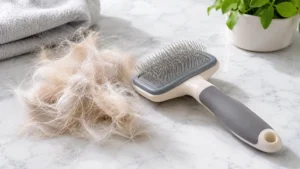
Choosing a slicker brush for long-haired cats with mats is less about shopping and more about strategy. The wrong tool tugs, scrapes, or glides over the surface while tangles quietly tighten underneath. The right one catches loose undercoat before it knots, and it works with a gentle touch that keeps your cat on your lap instead of under the sofa.
Here’s why it matters. According to PetMD’s guidance on matting in dogs and cats, mats can trap moisture, dirt, and debris against the skin, which sets up irritation and even infection. Tight, extensive mats may need a veterinary exam, and sedation is sometimes needed to remove them safely. Prevention is the easy way out.
This guide skips the spec-sheet recitation. Based on real product specifications and aggregated reviewer sentiment gathered in late 2026, we sorted seven genuine tools into a practical system: slicker brushes for daily maintenance, plus dematting tools for the knots that already exist. Along the way you’ll get bristle-type breakdowns, a step-by-step brushing technique for mats, and a no-nonsense guide to avoiding skin irritation. Prices below are ranges only, so check current listings before you buy.
Quick Comparison Table: 7 Tools at a Glance
| Product | Type | Standout Trait | Price Range | Best For |
|---|---|---|---|---|
| Safari Self-Cleaning Slicker Brush for Cats | Self-cleaning slicker | Beaded pin tips | Under $20 | Safari Self-Cleaning Slicker Brush for Cats suits sensitive-skinned cats |
| Hertzko Self-Cleaning Slicker Brush | Self-cleaning slicker | Sizes and skin-sensitivity options | Roughly $15-$30 by size | Hertzko Self-Cleaning Slicker Brush suits daily upkeep |
| Aumuca Self Cleaning Slicker Brush | Self-cleaning slicker | Soft-tipped bristles | Budget tier | Aumuca Self Cleaning Slicker Brush suits gentle surface work |
| FURminator Adjustable deMatter | Dematting tool | Adjustable blade angle | Mid-range | FURminator Adjustable deMatter suits thick undercoat and older cats |
| Hertzko Double-Sided Dematting Comb | Dematting rake | Two tooth spacings | Budget tier | Hertzko Double-Sided Dematting Comb suits mats that already formed |
| GoPets Dematting Comb | Dematting comb | Sharp-toothed, two-sided | Mid-range | GoPets Dematting Comb suits owners who want a pro-style tool |
| Master Grooming Tools Ergonomic Dematting Comb, 9 Blade | Dematting comb | Ergonomic grip | Around $10-$15 | Master Grooming Tools Ergonomic Dematting Comb, 9 Blade suits small, loose mats |
Notice the pattern. The top three are maintenance tools, designed to stop trouble before it starts. The bottom four are the rescue squad. The Safari Self-Cleaning Slicker Brush for Cats and the Hertzko Self-Cleaning Slicker Brush share the same cleaning button concept, but they differ in pin finish and size options, which matters for sensitive cats. For existing knots, the Hertzko Double-Sided Dematting Comb and the FURminator Adjustable deMatter take very different approaches, so read their sections before choosing.
💬 Just one click — help others make better buying decisions too!😊
What Is a Slicker Brush for Long-Haired Cats with Mats?
A slicker brush for long-haired cats with mats is a grooming brush with a flat or slightly curved head packed with fine, bent wire pins. It lifts loose undercoat, loosens small tangles, and helps prevent new mats from forming. It isn’t designed to cut through tight, established mats, which need a dematting tool or a professional.
That definition hides a useful detail: slicker brushes are preventive first and corrective second. Reviewers and grooming guides keep landing on the same advice. Use the slicker on a regular schedule, and keep a separate mat-splitting tool on hand for the occasional stubborn knot. Think of the slicker as a daily toothbrush and the dematting comb as the dentist’s pick.
Why long-haired cats need this at all? Their coat is simply more real estate to tangle. Friction zones like the armpits, behind the ears, the belly, and the britches mat first, and a cat’s tongue can’t always reach them. Cats that are older, arthritic, or overweight often groom less thoroughly, so mats appear faster. The slicker brush becomes your stand-in tongue.
Top 7 Slicker Brush and Dematting Tools: Expert Analysis
1. Safari Self-Cleaning Slicker Brush for Cats — beaded pins for sensitive skin
The standout feature here is the pin finish: small beads cap the tips, which takes the edge off a tool that is otherwise basically a hairbrush made of tiny hooks.
The brush also has a ventilation hole that lets the head flex to your cat’s body, which means it hugs curves like ribs and shoulders instead of skating over them. A push button retracts the pins and releases collected fur in one motion. On paper, that combination favors cats who flinch at the usual bristle prickle.
Based on the specs, this is the sensible first brush for a long-haired cat that hasn’t been groomed much. Because the pins are gentler, you can brush consistently rather than abandoning sessions halfway. One owner review notes that the tines felt too sharp at first, though the cat ended up loving the tool. Another says the self-cleaning feature raised the price noticeably but still felt worth it.
Pros:
- ✅ Beaded pin tips are gentler on skin
- ✅ Flexible head follows body contours
- ✅ Push button cleans fur effortlessly
Cons:
- ❌ Won’t break through tight, established mats
- ❌ May pull on very thick coats
Price range: under $20. Verdict: excellent value as a daily maintenance brush, especially for cats new to grooming.
2. Hertzko Self-Cleaning Slicker Brush — most options for different cats
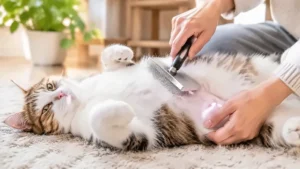
What sets this one apart is choice. It comes in small and large sizes, regular or sensitive-skin versions, and push-button or slide-button cleaning, with prices running roughly $15-$30 depending on configuration.
A cat-sized head, reported at roughly 3.5 by 7.5 inches by one reviewer, covers a long-haired back quickly without being unwieldy. The ergonomic handle matters more than it sounds: a 15-minute session with a cramped hand quickly becomes a 5-minute session. One reviewer described their cat recognizing the click of the bristles retracting as the signal that grooming time was starting.
Here’s the honest analysis. This is a maintenance tool, not a mat remover. A hands-on review of a Persian-mix cat found that a small mat simply wouldn’t yield to the slicker without causing discomfort, which fits how slicker pins are designed. Pair it with a dematting comb for existing knots. Multiple review roundups rank it highly for everyday use on cats of varying coat types, and reviewers praise the cleaning step in particular.
Pros:
- ✅ Multiple sizes and sensitivity versions
- ✅ Ergonomic handle reduces hand fatigue
- ✅ Retractable pins make cleanup instant
Cons:
- ❌ Not a true mat-removal tool
- ❌ Larger heads feel clumsy on small cats
Price range: roughly $15-$30 by size. Verdict: the most flexible choice for households with different cats.
3. Aumuca Self Cleaning Slicker Brush — soft-tipped bristles in 8 color combos
This is the brush for owners who want a gentler slicker experience. Soft-tipped bristles reduce the scratchy feel, and the color options (eight combinations reported) make it easy to keep one brush per cat.
In practice, soft tips mean you can work the coat without worrying about skin scraping, which makes it a good choice for cats who tolerate brushing for only a few minutes. A roundup that tested it on both short- and long-haired cats found it collected a similar amount of hair to a typical slicker on shorthairs, but it noticed some pulling on longhairs.
That pulling is a clue. Long, dense coats snag on any slicker if you start at the top and drag. Brush in thin layers, and the issue shrinks. Reviewers generally describe the cleaning button as convenient and the grip as comfortable.
Pros:
- ✅ Soft-tipped bristles feel gentle on skin
- ✅ Self-cleaning button saves time
- ✅ Comfortable handle in many colors
Cons:
- ❌ Can pull on thick long-haired coats
- ❌ Not intended for existing mats
Price range: budget tier. Verdict: a solid second brush or a gentle starter option.
4. FURminator Adjustable deMatter — adjustable blades for different coat lengths
The headline here is adjustability: you can set the cutting edges to suit your cat’s hair length, using a release button and a locking slide.
That matters because a one-size blade angle is a gamble on a cat with mixed coat lengths. On a long-haired cat, you can tilt the tool to slide between mat and skin more shallowly. Reviewers on a major pet retailer’s page describe an older cat whose mats were handled without much fuss, with the owner noting that the tool eased out loose undercoat without obvious distress.
Take that with perspective. Any blade-style tool needs patience, short strokes, and a hand holding the base of the mat to reduce pulling. It rewards slow work. Used carelessly, it will tug.
Pros:
- ✅ Adjustable blade settings for coat length
- ✅ Handles undercoat as well as mats
- ✅ Reviewers praise it for older cats
Cons:
- ❌ Needs slow, careful technique
- ❌ Pricier than basic dematting combs
Price range: mid-range. Verdict: worth it when mats are a recurring problem, especially for senior cats.
5. Hertzko Double-Sided Dematting Comb — two tooth spacings in one tool
This rake-style comb has two sides with different tooth spacing, so one tool covers both stubborn knots and finer tangles.
You use the wider side first to break up the bulk of the mat, then switch to the finer side to smooth. A reviewer who tried several tools reported that a slicker with rounded tips collected some fur but not much, a big steel comb got stuck on tangles, and only this dematting comb actually worked. The same reviewer advises following up with a steel comb and not rushing.
There is a durability caveat. Another reviewer noted that serrated edges on this style of tool can’t be sharpened, so it will eventually dull and pull. Treat it as a consumable, and replace it when it starts tugging.
Pros:
- ✅ Two tooth spacings handle varied mats
- ✅ Works on undercoat and tangles
- ✅ Affordable for a specialty tool
Cons:
- ❌ Edges can dull and pull over time
- ❌ Easy to rush and tug
Price range: budget tier. Verdict: a smart add-on to any slicker for the rescue job.
6. GoPets Dematting Comb — pro-style double-sided teeth
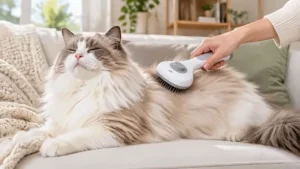
Marketed as a premium option for long-haired cats, this double-sided comb uses sharp teeth to clear different tangles and mats. It is meant to be used by people who groom regularly, not by someone who tries it once a year.
Be candid about the limits here. Review data for this specific tool is thinner than for the better-known options, and the sharpness that makes it effective also raises the stakes for skin contact. If your cat wriggles or your technique is rusty, that edge can bite.
In other words, this is for confident owners. If you’ve groomed a cat before and understand how to keep the tool parallel to the skin, it offers a pro feel. If you’re nervous, start with the Hertzko Double-Sided Dematting Comb or consider a groomer.
Pros:
- ✅ Double-sided design covers varied tangles
- ✅ Sharp teeth cut through stubborn mats
- ✅ Built for long-haired coats
Cons:
- ❌ Sharpness raises risk for wriggly cats
- ❌ Less reviewer data available
Price range: mid-range. Verdict: good for experienced groomers, but not a beginner’s first buy.
7. Master Grooming Tools Ergonomic Dematting Comb, 9 Blade — comfy grip for small mats
The standout is ergonomics. With nine blades and a handle shaped to reduce wrist strain, this is built for owners who groom in short bursts.
Reviewer sentiment splits. One buyer reports that it bothers their cat less than other dematting combs, and another planned to use it on inner-leg mats. A critical review states the mats didn’t break down at all. That fits the physics: a nine-blade comb is best for loose tangles, not tight, felted knots.
Treat it as a first-pass tool. It handles surface-level tangles in friction zones, and it is cheap enough that you can try it without much risk. For severe mats, move to a heavier-duty option or a groomer.
Pros:
- ✅ Ergonomic handle cuts wrist fatigue
- ✅ Gentle on loose tangles
- ✅ Low entry price
Cons:
- ❌ Struggles with tight, felted mats
- ❌ Mixed reviewer results
Price range: around $10-$15. Verdict: a cheap trial tool, not a miracle worker.
Brushing Technique for Mats: A Step-by-Step Practical Guide
Even the best tool fails if the technique is off. Here’s the sequence that grooming and veterinary guides keep returning to.
Step 1: Pick the moment. Brush when your cat is already sleepy, like after dinner. Sessions of five minutes beat a 20-minute wrestling match.
Step 2: Check the skin first. Part the fur at each mat and look for redness, scabs, or wounds. If skin looks irritated, stop and call your vet.
Step 3: Start with a comb or slicker on the topcoat. Work in thin layers, never a deep drag from the top. Holding the hair at its base with one hand acts like a brake and cuts down on pulling.
Step 4: Isolate the mat. Hold the base of the mat close to the skin and use short strokes from the outer edge inward. Don’t try to rip it free in one pass.
Step 5: Use a dematting tool only on mats you can see clearly. Keep the tool angled away from the skin, and let your fingers act as a shield.
Step 6: Finish with the slicker. Once the mat is loose, a slicker brush clears the remaining fluff.
Step 7: Reward immediately. Treats and a quick play session teach your cat that brushing ends well.
Two firm rules apply. First, don’t bathe a matted cat, because water tightens mats. Second, don’t use scissors. Veterinary sources consistently warn that skin sits closer to the mat than you think, and accidental cuts are common.
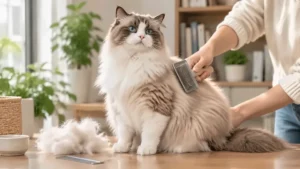
Real-World Scenarios: Matching Tools to Your Cat
Seeing how the tools fit real households makes the choice easier. Here are three profiles, each with a budget, environment, and use frequency.
The apartment Maine Coon (budget-conscious, daily brushing). A thick triple coat and a busy owner point toward the Hertzko Self-Cleaning Slicker Brush for daily upkeep and the Hertzko Double-Sided Dematting Comb for the occasional knot. Under $50 total. Brush a few minutes every evening, focusing on friction zones like armpits and britches. VCA Animal Hospitals explains that areas of heavy movement or places the cat can’t reach are where mats tend to form, which tells you where to aim.
The senior Persian (sensitive skin, three sessions a week). Older cats often have thinner, more fragile skin and groom less. The Safari Self-Cleaning Slicker Brush for Cats with its beaded tips is a gentle starter. For leftover knots, the FURminator Adjustable deMatter gives more control than a fixed comb. Keep sessions short and watch body language closely.
The multi-cat household (mixed coats, tight budget). The Aumuca Self Cleaning Slicker Brush in different colors lets each cat have a dedicated brush, which also reduces the chance of cross-contamination if one cat gets skin trouble. Add one Master Grooming Tools Ergonomic Dematting Comb, 9 Blade as a shared rescue tool.
Avoiding Skin Irritation: Problems and Solutions
Skin irritation is the number one reason brushing sessions go wrong. Here are the five most common problems and what to do about each.
Problem 1: Brush rash from pressing too hard. Slicker pins are fine and sharp. Use light, feather-like strokes and let the pins glide. If you see redness, skip a day.
Problem 2: Pulling on tangles. Always support the hair at its base. Brushing without that anchor yanks the skin with each stroke.
Problem 3: Dull or bent pins. Check the pins regularly. Bent wire scratches more than it brushes. Replace the brush if pins look uneven.
Problem 4: Sharp dematting tools on skin. Keep blades parallel to the skin, and never use them on a mat you can’t see clearly. With tools like the GoPets Dematting Comb, assume it can cut skin, because it can.
Problem 5: Ignoring early warning signs. Hot, red, flaky, or sore-looking skin under a mat needs a vet, not another round of brushing. Veterinary sources note that even after mats are removed, sores can remain.
The same principle runs through all five: when in doubt, back off. A cat that associates the brush with pain will resist for months.
Slicker Bristle Types Explained
Not all slicker pins are created equal. Understanding the differences helps you buy once instead of three times.
Fine, closely spaced wires. These work best on long, silky coats like Persians and Ragdolls, where tangles are fine and need delicate catching. The tradeoff is that they can feel scratchier.
Medium-density wires. The sweet spot for most standard long-haired domestic cats. They balance coverage and comfort.
Wider-spaced wires. Faster for daily maintenance but they can miss finer tangles.
Beaded or ball-tipped pins. Small caps on the tips, like those on the Safari Self-Cleaning Slicker Brush for Cats, reduce the chance of scraping. Cats with sensitive skin generally tolerate them better.
Soft-tipped bristles. The Aumuca Self Cleaning Slicker Brush uses these. They are friendlier but may skip over denser undercoat.
Sensitive-skin versions. The Hertzko Self-Cleaning Slicker Brush offers a sensitive option, which is helpful if your cat reacts to standard pins.
One more detail: some long-haired cats, such as Turkish Angoras and many Birmans, carry little undercoat. For them, deep rakes remove almost nothing, and a light slicker is the better choice.
How to Choose a Slicker Brush for Long-Haired Cats with Mats
Here are six steps, with the reasoning behind each.
- Identify your cat’s coat type. Fine, silky coats need closely spaced pins. Dense, woolly coats need a sturdier head.
- Check skin sensitivity. If your cat flinches, choose beaded or soft-tipped pins first.
- Match head size to cat size. An oversized head feels clumsy on a kitten or small adult.
- Prioritize self-cleaning. It saves time and keeps you brushing consistently.
- Plan for existing mats. Buy a separate dematting tool, because a slicker won’t cut through tight knots.
- Set a routine. The ASPCA’s grooming guidance emphasizes regular brushing as part of basic cat care, and long-haired cats typically need more frequent sessions than short-haired ones.
Self-Cleaning Slicker Brush for Cats vs Traditional Alternatives
| Tool Type | Mat Prevention | Mat Removal | Skin Irritation Risk | Best For |
|---|---|---|---|---|
| Self-cleaning slicker (Hertzko Self-Cleaning Slicker Brush) | Excellent | Poor | Low-moderate | Daily maintenance |
| Traditional slicker | Excellent | Poor | Moderate | Owners who don’t mind manual cleaning |
| Pin brush | Good | Poor | Low | Finishing and sensitive cats |
| Dematting comb (Hertzko Double-Sided Dematting Comb) | Fair | Good | Moderate-high | Existing mats |
| Steel comb | Good | Fair | Low | Detail work |
Looking at the table, a self-cleaning slicker brush for cats is the best daily tool, but it lacks mat-removal power. The self-cleaning feature doesn’t improve brushing itself; it simply removes the friction of stopping to pick out fur, so you actually finish the session. Pair it with a dematting tool, and you’ve covered both prevention and rescue.
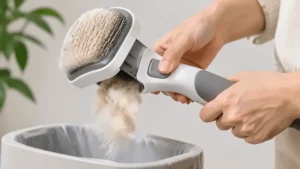
Dematting Brush for Cats vs Cat Mat Remover Tool
The terms get tossed around interchangeably, but they describe different jobs.
A dematting brush for cats is usually a brush-like or rake-style tool with a handle and a wider head. It loosens mats and removes undercoat in sweeping strokes. The FURminator Adjustable deMatter is a good example because its blades adjust to coat length.
A cat mat remover tool is typically a comb or splitter with sharp or serrated teeth, designed to slice a mat into smaller sections. The Hertzko Double-Sided Dematting Comb and the GoPets Dematting Comb fit here.
Which should you reach for? If the mat is loose and sits on the topcoat, a dematting brush or the Master Grooming Tools Ergonomic Dematting Comb, 9 Blade may do. If the mat is tight and near the skin, a cat mat remover tool offers more cutting power, but also more risk. And if the mat is flush with the skin, skip the DIY approach entirely. Veterinary sources recommend professional help for severe mats, and some cats need sedation.
Features That Actually Matter (And Those That Don’t)
What matters:
- Pin finish. Beaded or soft tips genuinely change how a cat tolerates the brush.
- Head flexibility. A head that follows body contours reduces missed spots.
- Handle shape. Comfort keeps sessions consistent.
- Self-cleaning. It’s a convenience that pays off in routine.
What doesn’t:
- Fancy colors. Pretty, but irrelevant to performance. The exception is multi-cat homes where color-coding helps.
- Bold shedding claims. Statements about huge percentage reductions should be taken with caution, since results depend heavily on consistency.
- Ultra-long handles. More leverage can mean more pulling.
A good test is simple: does this feature make brushing gentler, faster, or more regular? If not, ignore it.
Common Mistakes When Buying and Using a Slicker Brush
Mistake 1: Expecting a slicker to dissolve mats. It prevents them, but it doesn’t cut through existing ones.
Mistake 2: Buying a giant head for a small cat. Awkward and uncomfortable.
Mistake 3: Brushing the surface only. Long coats mat near the skin. Layer the fur and work from the bottom up.
Mistake 4: Skipping the pin check. Bent pins irritate.
Mistake 5: Forcing a session. Forced grooming creates fear, and fear makes every later session harder.
Mistake 6: Using scissors. This is the classic injury source. Clippers or a professional are safer.
Mistake 7: Wetting mats before removal. Water tightens them.
Long-Term Cost and Maintenance
Here is the total cost of ownership view. A self-cleaning slicker brush for cats in the under-$20 to $30 range, plus a budget dematting comb in the $10-$15 range, covers most households for well under $50. Compared with repeated groomer visits for shaving out mats, a two-tool kit pays for itself quickly.
Maintenance is easy. After each session, retract the pins and clear the fur. Every few weeks, wipe the head with a damp cloth, let it dry, and check for bent pins. Dematting combs should be inspected for dullness. Since the serrated edges on tools like the Hertzko Double-Sided Dematting Comb can’t be sharpened, plan to replace them when they start pulling.
| Tier | Products | Price Range | Best For |
|---|---|---|---|
| Budget | Aumuca Self Cleaning Slicker Brush, Master Grooming Tools Ergonomic Dematting Comb, 9 Blade | Roughly $10-$25 | Starter kits, multi-cat homes |
| Mid-range | Safari Self-Cleaning Slicker Brush for Cats, Hertzko Self-Cleaning Slicker Brush, Hertzko Double-Sided Dematting Comb | Roughly $15-$30 | Most long-haired cats |
| Premium | FURminator Adjustable deMatter, GoPets Dematting Comb | Higher mid-range | Recurring mats, experienced groomers |
Reading the table, the best value sits in the middle tier: a self-cleaning slicker plus a dematting comb. Premium tools make sense when mats recur or your cat’s coat is unusually dense. Budget picks are fine, as long as you accept the trade-off in durability.
✨ Don’t Miss These Exclusive Deals!
🔍 Take your grooming routine to the next level with these carefully selected tools. Click on any highlighted product name to check current pricing and availability. A well-chosen slicker brush and a reliable dematting comb will help you keep your cat comfortable and mat-free!
Safety, Hairballs, and When to Call the Vet
Brushing isn’t only cosmetic. The MSD Veterinary Manual explains that swallowed hair can clump into hairballs, that long-haired breeds are at greater risk, and that frequent brushing helps limit how much hair a cat swallows. Regular sessions with a slicker brush are a small investment against a messy, and occasionally serious, problem.
Know your limits, too. Call a veterinarian or groomer if you see any of the following:
- Mats tight against the skin or covering large areas
- Red, sore, or broken skin beneath a mat
- Signs of fleas or other parasites
- Your cat showing pain or aggression when you try to brush
- A sudden change in grooming habits, since mats can signal dental pain, arthritis, or other health problems
When a cat stops grooming herself, the mats are often the symptom, not the problem. A vet visit can uncover the cause.
FAQ: Slicker Brush for Long-Haired Cats with Mats
❓ Can a slicker brush remove existing mats on a long-haired cat?
❓ How often should I brush a long-haired cat to prevent mats?
❓ Is a self-cleaning slicker brush for cats worth the extra cost?
❓ Are slicker brushes safe for cats with sensitive skin?
❓ Should I use a dematting brush for cats or a cat mat remover tool first?
Conclusion
Here’s the short version. A slicker brush for long-haired cats with mats is your daily defense, not your rescue tool. Pick a gentle, self-cleaning option like the Safari Self-Cleaning Slicker Brush for Cats, the Hertzko Self-Cleaning Slicker Brush, or the Aumuca Self Cleaning Slicker Brush, and use it in short, regular sessions. Add a dematting tool, such as the Hertzko Double-Sided Dematting Comb or the FURminator Adjustable deMatter, for the knots that slip through.
The real secret isn’t the brush. It’s the routine. Short, calm sessions, light strokes, and a treat at the end turn grooming from a battle into a habit. Respect the limits, too: tight mats close to the skin, sore patches, or sudden grooming changes belong to your vet or groomer.
Build your two-tool kit, start small, and let your cat set the pace. Mats are much easier to prevent than to fix.
Recommended for You
- Deshedding Tool For Short-Haired Cats: 7 Best Picks (2026)
- Cat Grooming Kits: 7 Best Picks For 2026 (Ultimate Guide)
- Soft Wipes For Kittens: 7 Safest Picks For Tiny Skin In 2026
Disclaimer: This article contains affiliate links. As an Amazon Associate, I earn from qualifying purchases. If you purchase products through these links, we may earn a small commission at no additional cost to you.
✨ Found this helpful? Share it with your friends! 💬🤗
