
Table of Contents
✨Was this helpful? Spread the word! 🚀
Let me tell you something that might surprise you. Your cat’s ears are like tiny, delicate ecosystems that need regular maintenance, but here’s the catch—most cat parents completely overlook ear care until something goes wrong. I’ve been there, watching my tabby shake her head incessantly before realizing her ears were crying out for attention.
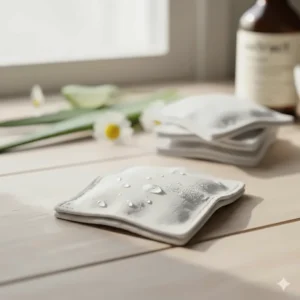
Cat ear wipes have revolutionized feline ear care, transforming what used to be a wrestling match into a quick, gentle cleaning routine. These pre-moistened pads are specifically formulated to remove dirt, wax buildup, and debris while soothing your cat’s sensitive ear canal. Unlike harsh solutions that require cotton balls and coordination worthy of a surgeon, ear wipes for cats offer convenience without compromising effectiveness.
According to the American Veterinary Medical Association, ear infections are among the top five reasons cats visit veterinarians annually. Regular cleaning with quality wipes can prevent many of these issues before they start. Whether you’re dealing with routine maintenance or addressing early signs of irritation, choosing the right product makes all the difference. Throughout this guide, I’ll walk you through everything you need to know about selecting, using, and maximizing the benefits of these essential grooming tools for your feline friend.
Quick Comparison Table
| Product Name | Count | Key Feature | Price Range | Rating |
|---|---|---|---|---|
| Pet MD Advanced Otic Wipes | 100 | Veterinary formula with aloe | $12-15 | 4.5/5 |
| Zymox Advanced Enzymatic | 100 | LP3 enzyme system | $18-22 | 4.6/5 |
| Earth Rated Vet-Developed | 70 | Hypoallergenic, wild oat scent | $14-16 | 4.5/5 |
| Veterinary Formula Clinical | 100 | Clinical strength therapy | $13-17 | 4.4/5 |
| Curaseb Treatment Wipes | 100 | Infection treatment formula | $16-19 | 4.5/5 |
| HICC PET Finger Wipes | 50 | CocoPlex coconut technology | $15-19 | 4.3/5 |
| Pet MD Aloe & Eucalyptus | 100 | Natural ingredients | $11-14 | 4.4/5 |
💬 Just one click – help others make better buying decisions too!😊
Top 7 Cat Ear Wipes: Expert Analysis
1. Pet MD Cat and Dog Ear Cleaner Wipes – Advanced Otic Veterinary Formula
Pet MD Cat and Dog Ear Cleaner Wipes deliver professional-grade cleaning with an advanced otic veterinary formula that’s been trusted by pet parents since 2002. Each jar contains 100 disposable wipes measuring 2.25 inches in diameter, making them perfectly sized for feline ears.
Key Specifications:
- Contains chloroxylenol and salicylic acid for antimicrobial action
- Infused with aloe vera for soothing properties
- Cucumber melon scent for pleasant cleaning experience
- pH-balanced formula safe for daily use
Price Range: $12-15 per 100-count jar
Customer Feedback: Pet owners consistently praise these wipes for their effectiveness against ear mites and yeast infections. One customer reported clearing persistent ear issues after veterinary treatments failed, highlighting the product’s powerful yet gentle formula.
Pros:
✅ Veterinary-grade formula effectively treats and prevents infections
✅ Large 100-count jar offers excellent value
✅ Non-irritating formula suitable for sensitive cats
Cons:
❌ Strong medicinal scent may bother some cats
❌ Wipes can be thin compared to premium alternatives
2. Zymox Advanced Enzymatic Ear Wipes for Dogs and Cats
The Zymox Advanced Enzymatic Ear Wipes harness the power of the patented LP3 enzyme system, combining lactoperoxidase, lactoferrin, and lysozyme to provide superior cleaning without harsh chemicals. This premium option has revolutionized ear care since Zymox entered the market over 25 years ago.
Key Specifications:
- 100 pre-moistened, hypoallergenic wipes per jar
- LP3 enzyme technology for natural antimicrobial action
- Enriched with aloe vera and menthyl lactate
- Textured design for better grip and cleaning efficacy
- Fragrance-free and dye-free formula
Price Range: $18-22 per 100-count jar
Customer Feedback: Users rave about the enzymatic formula’s effectiveness on chronic ear problems. Multiple reviewers mentioned their cockapoos and pugs experiencing complete resolution of recurring infections after switching to Zymox wipes.
Pros:
✅ Patented LP3 enzyme system works naturally without antibiotics
✅ Dermatologist-tested and hypoallergenic
✅ Veterinarian recommended for over two decades
Cons:
❌ Higher price point than standard wipes
❌ May take several days of consistent use for visible results
3. Earth Rated Vet-Developed Pet Ear Wipes
Earth Rated Vet-Developed Pet Ear Wipes bring environmental consciousness to ear care with FSC-certified materials and Leaping Bunny certification. These extra-large 5″x5″ wipes were developed in consultation with AVMA/AAVD member veterinarians.
Key Specifications:
- 70 hypoallergenic wipes per package
- Wild oat scent naturally addresses odors
- Formulated with aloe vera and chamomile
- FSC-certified viscose fibers (C198176)
- B Corp certified company
Price Range: $14-16 per 70-count package
Customer Feedback: Pet parents appreciate the generous wipe size and eco-friendly credentials. The wild oat fragrance receives consistent compliments for being pleasant without overwhelming sensitive feline noses.
Pros:
✅ Extra-large size handles one or both ears with single wipe
✅ Environmentally responsible materials and certifications
✅ Gentle enough for daily use on sensitive cats
Cons:
❌ Fewer wipes per package compared to competitors
❌ Wild oat scent may not appeal to all users
4. Veterinary Formula Clinical Care Ear Therapy Wipes
The Veterinary Formula Clinical Care Ear Therapy Wipes offer clinical-strength cleaning with a therapeutic approach to ear health. This product targets fungal and bacterial concerns with ketoconazole and salicylic acid while incorporating lactic acid to control moisture.
Key Specifications:
- 100 textured, round cleaning pads
- Contains ketoconazole for fungal infections
- Salicylic acid targets bacterial concerns
- Lactic acid reduces excessive ear canal moisture
- Alcohol-free, non-irritating formula
Price Range: $13-17 per 100-count container
Customer Feedback: Reviewers highlight the wipes’ effectiveness against persistent ear infections and swimmer’s ear. Pet owners appreciate the daily-use formula that helps prevent issues before they develop into serious infections requiring veterinary intervention.
Pros:
✅ Clinical-strength formula treats existing infections
✅ Lactic acid prevents moisture-related issues
✅ Suitable for cats over 12 weeks old
Cons:
❌ Medicinal scent may be off-putting
❌ Not suitable for perforated eardrums

5. Curaseb Cat & Dog Ear Infection Treatment Wipes
Curaseb Cat & Dog Ear Infection Treatment Wipes specifically target ear infections with a powerful vet-formulated blend. Made in the USA in federally regulated facilities, these wipes focus on treating and preventing unwanted microbial visitors.
Key Specifications:
- 100 infection-fighting wipes per jar
- Cucumber melon scent for deodorizing
- Formulated to acidify ear canal
- Alcohol-free, non-irritating formula
- Works synergistically with Curaseb Ear Flush
Price Range: $16-19 per 100-count jar
Customer Feedback: Users report significant improvement in chronic ear conditions when using these wipes consistently. The cucumber melon scent effectively neutralizes unpleasant ear odors while providing therapeutic benefits.
Pros:
✅ Specifically formulated for infection treatment
✅ Acidifies ear canal to prevent future issues
✅ Made in USA with quality control standards
Cons:
❌ May be too strong for mild cleaning needs
❌ Best results require pairing with ear flush solution
6. HICC PET Dog Ear Wipes Finger
The HICC PET Dog Ear Wipes Finger introduce innovative CocoPlex Coconut Oil Fermentation Technology in a unique finger-wipe design. These 5″ x 1.9″ wipes fit comfortably over fingers for precise control during cleaning.
Key Specifications:
- 50 biodegradable plant fiber wipes
- CocoPlex fermented coconut oil technology
- Double-sided texture (pearl cotton and smooth sides)
- Contains colloidal oatmeal, witch hazel, white willow bark
- Fresh coconut fragrance
Price Range: $15-19 per 50-count package
Customer Feedback: Cat owners appreciate the finger-wipe design for better control, though some note the larger size works better for dogs than cats. The coconut scent receives positive reviews for effectively neutralizing ear odors.
Pros:
✅ Finger design offers superior control and reach
✅ CocoPlex technology nourishes while cleaning
✅ Double-sided texture for versatile cleaning
Cons:
❌ Size may be too large for smaller cats
❌ Fewer wipes per package increases cost per use
7. Pet MD Ear Wipes with Aloe Vera and Eucalyptus
The Pet MD Ear Wipes with Aloe Vera and Eucalyptus provide fast, convenient ear maintenance with natural ingredients. This budget-friendly option focuses on routine cleaning rather than infection treatment, making it ideal for preventive care.
Key Specifications:
- 100 soothing, non-irritating wipes
- Aloe vera for skin conditioning
- Eucalyptus oil for natural freshness
- Made in USA in FDA-regulated facilities
- Safe for cats over 12 weeks old
Price Range: $11-14 per 100-count jar
Customer Feedback: Reviewers consistently mention the pleasant eucalyptus scent and gentle formula. Pet parents particularly appreciate this product for maintaining ear cleanliness between veterinary cleanings.
Pros:
✅ Budget-friendly without sacrificing quality
✅ Natural aloe vera and eucalyptus ingredients
✅ Gentle enough for frequent use
Cons:
❌ Not formulated for active infections
❌ Eucalyptus scent may be strong for sensitive cats
🎯 Ready to Transform Your Cat’s Ear Care Routine? ✨
Check out these expertly selected cat ear wipes and give your feline friend the comfort they deserve. Each product has been carefully reviewed for safety, effectiveness, and value. Click any highlighted product name to see current Amazon pricing and customer reviews! 🐱💚
Understanding Cat Ear Anatomy and Health
Your cat’s ears are architectural marvels—vertical canals that make a 90-degree turn before reaching the eardrum. This L-shaped configuration, while excellent for hearing, creates the perfect environment for wax buildup and debris accumulation. Understanding this unique structure helps explain why specialized cleaning products like wipes for cat ears prove more effective than generic cleaning methods.
The feline ear canal consists of three main sections: the outer ear (pinna), the ear canal itself, and the inner ear structures. Unlike human ears that produce minimal wax, cats naturally generate cerumen to protect against foreign particles. However, excess wax combined with dirt creates a sticky mixture that traps bacteria and yeast, according to research published by Cornell University College of Veterinary Medicine.
Common Ear Problems in Cats
Several conditions frequently affect feline ears, making regular cleaning essential. Otitis externa, inflammation of the outer ear canal, ranks as the most common ear ailment in cats. Ear mites (Otodectes cynotis) affect up to 50% of cats at some point in their lives, particularly younger felines and outdoor cats. These microscopic parasites cause intense itching and produce dark, coffee-ground-like debris.
Yeast infections, typically caused by Malassezia species, thrive in warm, moist ear environments. Bacterial infections often develop as secondary complications when the ear’s natural defenses become compromised. Allergies—both food-related and environmental—can trigger chronic ear inflammation that requires ongoing management. Regular use of quality ear cleaning wipes helps prevent these issues by maintaining optimal ear hygiene and pH balance.
How Cat Ear Wipes Work: The Science Behind Clean Ears
Cat ear wipes function through a combination of physical and chemical mechanisms. The physical action of wiping removes visible debris, excess wax, and dead skin cells from the outer ear canal. Meanwhile, the solution soaking each wipe delivers active ingredients that address specific ear health concerns.
Most formulations include surfactants that break down oily substances and help lift dirt from the ear’s surface. Antimicrobial agents like chloroxylenol, salicylic acid, or enzymatic systems target bacteria and yeast before they proliferate. Soothing ingredients such as aloe vera, chamomile, or colloidal oatmeal calm inflamed tissue and provide immediate comfort.
The Enzymatic Advantage
Products featuring enzymatic technology, particularly those with LP3 enzyme systems, represent a breakthrough in ear care. These natural proteins work by breaking down the cell walls of harmful microorganisms without damaging healthy tissue. Unlike antibiotics that can contribute to bacterial resistance, enzymes maintain their effectiveness with regular use. The lactoperoxidase, lactoferrin, and lysozyme in advanced formulations create an inhospitable environment for pathogens while supporting the ear’s natural defensive mechanisms.
pH-balancing ingredients help maintain the ear canal’s slightly acidic environment (around 6.0-7.0), which naturally inhibits microbial growth. This acidification proves particularly important after swimming or bathing when water exposure can alter the ear’s delicate pH balance.
Choosing the Right Cat Ear Wipes: Essential Factors
Selecting appropriate wipes for your cat involves evaluating several critical factors beyond just price and brand recognition. First, consider your cat’s specific needs—is this for routine maintenance or addressing an existing condition? Cats with chronic ear issues benefit from therapeutic formulations containing antimicrobial ingredients, while healthy cats do well with gentle maintenance wipes.
Ingredient quality matters tremendously. Look for products featuring natural soothers like aloe vera or chamomile rather than harsh chemicals or alcohol. Hypoallergenic formulations prove essential for cats with sensitive skin or known allergies. Check that the product explicitly states it’s designed for cats, as some dog-specific formulas may be too strong for feline ears.
Material and Design Considerations
Wipe material impacts both effectiveness and your cat’s comfort. Textured wipes provide better cleaning action but should still feel soft against delicate ear tissue. Size matters too—wipes between 2 and 5 inches square work well for most cats, though larger breeds may benefit from bigger options.
The container design affects product longevity. Resealable packaging prevents wipes from drying out between uses. Some pet parents prefer finger-style wipes that slip over fingers for better control, while others find traditional flat wipes easier to manipulate around uncooperative felines.
Scent presents another consideration. While fragrance-free options work well for scent-sensitive cats, mild natural scents like coconut or oat can help mask odors without overwhelming your cat’s keen sense of smell. However, strong artificial fragrances may deter cats from tolerating the cleaning process.
Step-by-Step Guide: How to Use Cat Ear Wipes Safely
Using ear wipes correctly maximizes their effectiveness while ensuring your cat’s safety and comfort. Start by choosing a quiet time when your cat feels relaxed—after a meal or play session often works well. Gather your supplies: the wipes, treats for rewards, and perhaps a towel for restraining if necessary.
Begin by examining your cat’s ears under good lighting. Look for redness, swelling, discharge, or unusual odors that might indicate a problem requiring veterinary attention. Never use wipes on ears with suspected infections without consulting your veterinarian first, as some conditions worsen with improper cleaning.
The Proper Technique
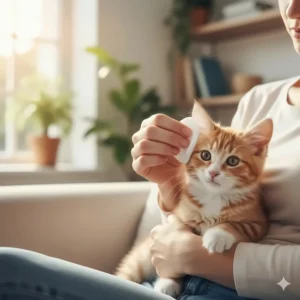
Gently hold your cat’s head steady with one hand while lifting the ear flap with the other. Take a single wipe and wrap it around your index finger for better control. Insert your finger into the outer ear canal—only as far as you can see—and gently wipe in a circular motion, working outward. Never push the wipe deep into the ear canal, as this risks damaging the eardrum or compacting debris.
Clean all visible surfaces of the ear flap and the outer portion of the canal. Use a fresh wipe for each ear to avoid cross-contamination. Most cats tolerate this process better if you work quickly and confidently. Offer treats and praise throughout the process to create positive associations with ear cleaning.
After cleaning, allow your cat to shake their head—this natural response helps dislodge any remaining debris. You might notice small amounts of loosened wax or dirt expelled during shaking. This is normal and indicates the cleaning was effective. Reward your cat with treats and affection immediately after completing the process.
Frequency and Maintenance Schedule
Establishing an appropriate cleaning schedule depends on your cat’s individual needs and ear health status. Most veterinarians recommend checking your cat’s ears weekly, though cleaning frequency varies. Cats with healthy ears typically need cleaning once or twice monthly for maintenance. However, cats prone to wax buildup or ear issues may require weekly cleaning, while others with pristine ears might only need attention every few weeks.
Several factors influence cleaning frequency. Cats with folded ears (like Scottish Folds) or heavy ear furnishings require more frequent attention due to reduced airflow. Indoor cats generally need less cleaning than outdoor cats exposed to dirt and debris. Age also plays a role—senior cats often produce more wax and benefit from increased cleaning frequency.
Signs It’s Time to Clean
Between scheduled cleanings, watch for indicators that your cat needs ear attention. Visible wax buildup, especially if dark or crusty, signals it’s time for cleaning. Odor emanating from the ears suggests bacterial or yeast activity requiring immediate attention. If your cat scratches their ears excessively, shakes their head frequently, or shows sensitivity when you touch their ears, examine them carefully and clean if appropriate.
However, be cautious not to over-clean. Excessive cleaning strips away protective wax and can irritate delicate ear tissue, potentially creating problems rather than preventing them. If you’re using wipes more than twice weekly for routine maintenance, you’re likely overcleaning. Consult your veterinarian to determine the optimal schedule for your cat’s situation.
Cat Ear Wipes vs Traditional Cleaning Methods
| Method | Convenience | Effectiveness | Cost | Safety |
|---|---|---|---|---|
| Pre-moistened wipes | ⭐⭐⭐⭐⭐ | ⭐⭐⭐⭐ | Medium | ⭐⭐⭐⭐⭐ |
| Liquid cleanser + cotton | ⭐⭐ | ⭐⭐⭐⭐⭐ | Low | ⭐⭐⭐ |
| Spray solutions | ⭐⭐⭐ | ⭐⭐⭐ | Medium | ⭐⭐⭐⭐ |
| Professional vet cleaning | ⭐ | ⭐⭐⭐⭐⭐ | High | ⭐⭐⭐⭐⭐ |
Cat ear wipes offer distinct advantages over traditional ear cleaning methods. Compared to liquid cleansers that require cotton balls or pads, pre-moistened wipes eliminate measuring and mess. You won’t spill solution on your floor or have to chase your cat while holding a bottle and cotton balls. The all-in-one convenience means you’re more likely to maintain a consistent cleaning schedule.
Traditional liquid solutions often contain higher concentrations of active ingredients, making them more effective for severe buildup or infections. However, they also pose greater risks if used incorrectly—pouring solution too forcefully can damage the eardrum, and cotton swabs can push debris deeper into the canal. According to guidelines from the American Association of Feline Practitioners, wipes provide a safer option for at-home maintenance by limiting how deep you can reach into the ear canal.
Spray solutions offer an alternative middle ground but can startle cats and create more mess than wipes. The misting action may frighten sound-sensitive felines, making the cleaning process more stressful for both cat and owner. Professional veterinary cleanings, while thorough and safe, aren’t practical or cost-effective for routine maintenance.
Special Considerations for Different Cat Breeds
Certain cat breeds require extra attention to ear health due to their unique physical characteristics. Persian and Himalayan cats, with their flat faces and altered skull structure, often experience increased wax production and narrower ear canals. These breeds benefit from more frequent cleaning and may need softer wipes to accommodate their sensitive ears.
Scottish Fold cats face specific challenges due to their characteristic folded ears. The cartilage mutation that creates their distinctive appearance also reduces air circulation within the ear canal, creating an ideal environment for bacterial and yeast growth. Owners of Scottish Folds should inspect and clean ears weekly, watching carefully for early signs of infection.
Hairless and Large-Eared Breeds
Sphynx and other hairless breeds produce more ear wax than their furred counterparts, lacking the hair that typically helps control oil production. These cats require cleaning at least weekly, and their exposed skin may be more sensitive to certain ingredients. Choose hypoallergenic, fragrance-free options for hairless breeds.
Large-eared breeds like Siamese, Abyssinians, and Cornish Rex cats have prominent, open ear structures that collect more environmental debris. While their ears generally have better airflow than folded types, the increased exposure to dust and dirt means they benefit from regular wipe-downs. The good news? These breeds’ accessible ear structure makes cleaning easier for pet parents.
Maine Coons and other breeds with heavy ear furnishings (long hair inside the ear) face their own challenges. The fur traps moisture and debris, sometimes requiring gentle trimming around the ear canal opening. Use wipes carefully in these breeds to avoid pulling on ear hair, which can be uncomfortable.
Recognizing When to See a Veterinarian
While regular cleaning with quality wipes prevents many ear problems, certain situations require professional veterinary care. Understanding the difference between normal maintenance needs and medical emergencies protects your cat’s health and hearing. Never hesitate to consult your veterinarian if you’re uncertain about your cat’s ear condition.
Seek immediate veterinary attention if you notice foul-smelling discharge—particularly if it’s thick, yellow, or bloody. This often indicates infection requiring prescription medication. Similarly, severe redness, swelling, or heat radiating from the ear suggests inflammation that won’t respond to cleaning alone. If your cat displays signs of ear pain—crying when you touch the ear, head tilting, loss of balance, or unusual aggression when approached—schedule a veterinary visit promptly.
Warning Signs of Serious Conditions
Black or dark brown crusty discharge resembling coffee grounds strongly suggests ear mites. While some over-the-counter treatments exist, veterinary diagnosis ensures proper treatment and rules out other conditions with similar symptoms. Persistent head shaking or scratching despite regular cleaning may indicate allergies, polyps, or other underlying issues requiring medical intervention.
Sudden hearing loss or changes in your cat’s response to sounds warrant immediate evaluation. While age-related hearing decline occurs gradually, sudden changes can signal infections, tumors, or other serious conditions. According to the U.S. National Library of Medicine, chronic ear problems left untreated can lead to permanent hearing damage or spread to the middle and inner ear.
If you’ve been using wipes regularly but notice no improvement—or if conditions worsen—stop cleaning and consult your veterinarian. Some situations require prescription medications, and continued cleaning may interfere with proper diagnosis. Your veterinarian can perform otoscopic examination to view the ear canal completely and may recommend culture and sensitivity testing to identify specific pathogens.
Ingredients to Look For (And Avoid)
Understanding ingredient labels helps you select the safest, most effective ear wipes for your cat. Beneficial ingredients include aloe vera, which soothes irritated tissue and promotes healing. Natural antimicrobials like witch hazel provide gentle cleaning action without harsh chemicals. Salicylic acid, when present in appropriate concentrations, helps break down wax and has mild antibacterial properties.
Enzymatic ingredients (lactoperoxidase, lactoferrin, lysozyme) offer powerful antimicrobial action through natural mechanisms that don’t promote bacterial resistance. Colloidal oatmeal soothes inflamed skin and reduces itching, making it excellent for cats with allergies. Chamomile and other botanical extracts provide anti-inflammatory benefits while remaining gentle on delicate tissue.
Ingredients to Avoid
Steer clear of wipes containing alcohol, which dries and irritates sensitive ear tissue. While alcohol effectively kills bacteria, it causes stinging and discomfort that makes future cleanings more difficult. Harsh detergents or strong surfactants can strip away too much natural wax, paradoxically leading to increased wax production as the ear attempts to compensate.
Artificial fragrances and dyes serve no therapeutic purpose and may trigger allergic reactions in sensitive cats. Essential oils, while natural, can be too concentrated for feline use—cats lack certain liver enzymes that metabolize these compounds, making them potentially toxic. Tea tree oil, in particular, should be avoided in cat products despite its popularity in human ear care.
Hydrogen peroxide appears in some ear products but isn’t ideal for routine use. While it bubbles satisfyingly, indicating debris removal, it can damage healthy tissue with repeated use. Chlorhexidine, a common antiseptic, works well at appropriate concentrations but can be irritating if the formula is too strong. Always check that products are specifically labeled safe for cats, as some dog-formulated products contain ingredients unsuitable for felines.
Cost Analysis: Finding Value in Cat Ear Care
| Price Range | Wipes Per Dollar | Typical Count | Best For |
|---|---|---|---|
| Budget ($0.10-0.14/wipe) | 7-10 wipes | 100 count | Routine maintenance |
| Mid-Range ($0.15-0.20/wipe) | 5-7 wipes | 50-100 count | Regular cleaning needs |
| Premium ($0.18-0.25/wipe) | 4-5 wipes | 70-100 count | Therapeutic cleaning |
Understanding cost-per-use helps you evaluate true value beyond shelf price. Budget options like Pet MD Aloe & Eucalyptus wipes cost approximately $0.11-0.14 per wipe, making them economical for multi-cat households or frequent use. However, thinner wipes may require using two per ear, effectively doubling the cost.
Mid-range products typically offer better material quality and more sophisticated formulations. At $0.15-0.18 per wipe, these options provide good balance between cost and effectiveness. Premium products like Zymox Advanced Enzymatic wipes command higher prices ($0.18-0.22 per wipe) due to patented technologies and veterinary-grade formulations. For cats with chronic ear issues, this investment often proves worthwhile through reduced veterinary visits.
Calculate your expected usage to determine the most economical option. If you’re cleaning two cat ears twice monthly, a 100-count jar provides approximately one year of use. At this frequency, even premium wipes cost only $20-25 annually per cat—far less than treating a single ear infection. Buying in bulk or watching for sales can reduce costs significantly without sacrificing quality.
Storage and Longevity Tips
Proper storage extends your wipes’ usable life and maintains their effectiveness. Always reseal containers immediately after removing a wipe to prevent moisture evaporation. Most manufacturers recommend using opened packages within 12 months, though unopened products typically remain effective for 2-3 years when stored properly.
Keep wipes at room temperature away from direct sunlight and heat sources, which can degrade active ingredients and dry out the solution. Bathroom storage seems convenient but temperature fluctuations from showers can affect product quality. Instead, store wipes in a cool, dry cabinet or closet. Refrigeration isn’t necessary and may make the solution uncomfortably cold for your cat.
Maximizing Product Lifespan
If wipes begin drying out before you’ve used the entire package, try adding a few drops of sterile saline solution to the container. Close it tightly and flip it upside down for several hours to redistribute moisture. However, don’t add water or other solutions, as this dilutes the formula and may introduce contaminants.
Check expiration dates when purchasing and rotate stock if you buy multiple packages. Expired wipes lose effectiveness as active ingredients break down, though they remain safe to use for basic cleaning. Watch for signs of contamination—if wipes develop unusual colors, odors, or visible mold, discard the package immediately even if it hasn’t expired.
Environmental Impact and Eco-Friendly Options
Pet care products contribute to environmental waste, but eco-conscious choices minimize your carbon pawprint. Biodegradable wipes break down naturally instead of persisting in landfills for years. Look for products made from plant-based materials like bamboo, cotton, or FSC-certified wood pulp rather than synthetic materials.
Several brands now offer compostable packaging alongside biodegradable wipes. Earth Rated products exemplify this approach with FSC-certified materials and B Corp certification, indicating commitment to environmental and social responsibility. While these options may cost slightly more, the environmental benefits often justify the premium.
Making Sustainable Choices
Consider frequency of use when evaluating environmental impact. Premium wipes that work effectively with a single wipe per ear create less waste than cheaper options requiring multiple wipes for adequate cleaning. Some brands offer refill packages with minimal packaging, reducing plastic waste from multiple containers.
Proper disposal matters too. While biodegradable wipes break down more easily, they still shouldn’t be flushed—even if packaging claims otherwise. Cat ear wipes contain organic material that can attract pests if composted improperly, so dispose of them in regular trash. If you’re passionate about environmental impact, research brands’ overall sustainability practices beyond just product composition.
Training Your Cat to Accept Ear Cleaning
Successfully cleaning your cat’s ears depends as much on technique as on product quality. Start desensitization early if possible—kittens adapt more readily than adults to grooming routines. However, older cats can learn tolerance through patience and positive reinforcement.
Begin by simply touching your cat’s ears during cuddle sessions without attempting to clean. Offer treats and praise when they remain calm. Gradually progress to gently lifting the ear flap and looking inside, always rewarding cooperation. This foundation-building may take days or weeks, but it creates positive associations essential for lifelong ear care.
Progressive Desensitization Techniques
Once your cat tolerates ear handling, introduce the wipes. Let your cat sniff an unused wipe to familiarize themselves with the scent. Reward calm behavior. Next, very gently touch the outer ear with a wipe without actually cleaning. Immediately offer a high-value treat—something your cat loves but rarely receives.
When your cat accepts this, progress to quick, gentle wipes of the outer ear area. Keep initial sessions brief—even 30 seconds of cooperation deserves celebration. Gradually increase the thoroughness of cleaning as your cat’s tolerance builds. Some cats never enjoy ear cleaning but learn to accept it, especially when treats reliably follow.
For resistant cats, consider timing cleanings strategically. Some tolerate handling better when sleepy or after vigorous play. Wrapping your cat in a towel (burrito-style) can provide security while preventing scratching, though this technique requires practice to avoid distressing your cat. Never punish or yell at a cat who resists—this only makes future attempts more difficult.

Frequently Asked Questions
❓ How often should I use cat ear wipes on my cat?
❓ Can cat ear wipes treat ear mites effectively?
❓ Are dog ear wipes safe to use on cats?
❓ What's the difference between regular wipes and enzymatic ear wipes for cats?
❓ Can I make homemade cat ear wipes to save money?
Conclusion: Investing in Your Cat’s Ear Health
Quality cat ear wipes represent one of the simplest yet most impactful investments in your feline companion’s health. Whether you choose budget-friendly Pet MD options for routine maintenance or premium Zymox enzymatic formulas for therapeutic needs, consistent ear care prevents costly veterinary interventions and keeps your cat comfortable. Remember that the best product is the one you’ll actually use consistently—even a good ear wipe provides no benefit sitting unused in a cabinet.
Starting an ear care routine may feel challenging initially, especially with resistant cats. However, patience and positive reinforcement typically yield results within weeks. The few minutes spent cleaning ears monthly pale in comparison to the hours and expense of treating ear infections. Your cat may never love ear cleaning, but they’ll benefit immensely from your diligent attention to this often-overlooked aspect of feline health care.
🎉 Give Your Cat the Gift of Clean, Healthy Ears Today! 🐾
Don’t wait for ear problems to develop—preventive care is always easier than treatment. Browse our top-rated cat ear wipe recommendations and transform your cat’s ear health routine. Your feline friend will thank you with purrs, headbutts, and maybe even tolerance of the cleaning process! Click any product name to see current prices and place your order today. 💝
Recommended for You
- Grooming Gloves for Cats: 7 Best Picks 2025
- Cat Grooming Products: 7 Best Tools Your Cat Needs in 2025
- Cat Grooming Kit: 7 Best Options That Actually Work (2025)
Disclaimer: This article contains affiliate links. If you purchase products through these links, we may earn a small commission at no additional cost to you.
✨ Found this helpful? Share it with your friends! 💬🤗
