
Table of Contents
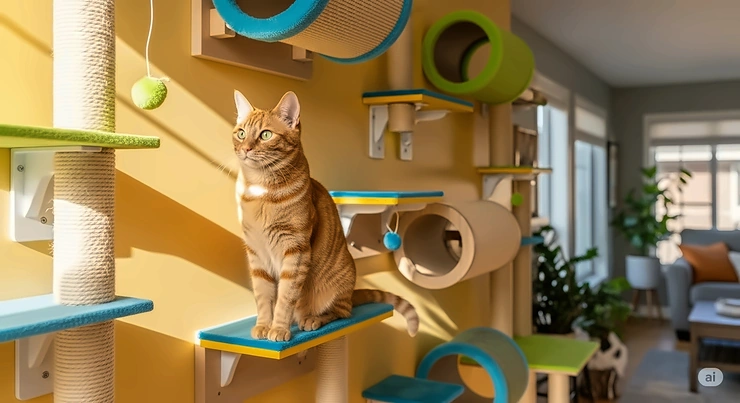
Have you ever wondered why your cat gravitates toward the highest bookshelf or perches on top of your refrigerator? Creating a dedicated cat wall isn’t just about indulging your feline’s quirky behavior – it’s about understanding their fundamental need for vertical territory and giving them the ultimate playground right inside your home.
✨Was this helpful? Spread the word! 🚀
Whether you’re dealing with a cramped apartment or simply want to maximize your living space, cat wall systems offer the perfect solution. These innovative installations transform unused wall space into climbing adventures while keeping your floors clear and your cats mentally stimulated.
Understanding Your Cat’s Climbing Psychology
Cats aren’t just being dramatic when they scale your curtains or leap onto high surfaces. According to Dr. Carlo Siracusa from the University of Pennsylvania School of Veterinary Medicine, “Cats’ bodies are made to climb and use vertical spaces as much as horizontal spaces.” This behavior stems from their wild ancestors who used elevated positions for both hunting and protection.
Research from Cornell University College of Veterinary Medicine reveals that cats seek elevated spots because it gives them a strategic vantage point. Dr. Brian Collins explains that cats want to get up high because it allows them to spot prey while staying safe from larger predators – behaviors that remain hardwired even in our domestic companions.
Moreover, studies show that when cats feel stressed or anxious, they naturally seek elevated retreats where they can observe their environment without feeling vulnerable. This instinctual behavior makes a well-designed cat wall system essential for your pet’s psychological well-being. For those considering traditional alternatives, our comprehensive guide on floor to ceiling cat tree for large cats explores how vertical solutions compare across different installation types.
Industry-Specific Applications of Cat Wall Systems
Veterinary and Animal Care Facilities
Professional animal care environments increasingly incorporate wall mounted cat furniture to maximize cage-free space while reducing stress-related behaviors. Veterinary behaviorists report significant improvements in feline anxiety levels when vertical territory is available during extended stays.
Animal shelters across the country have begun installing modular cat wall systems that can accommodate multiple cats simultaneously. These installations help reduce territorial disputes by providing enough vertical space for hierarchical positioning without physical confrontation.
Multi-Cat Household Management
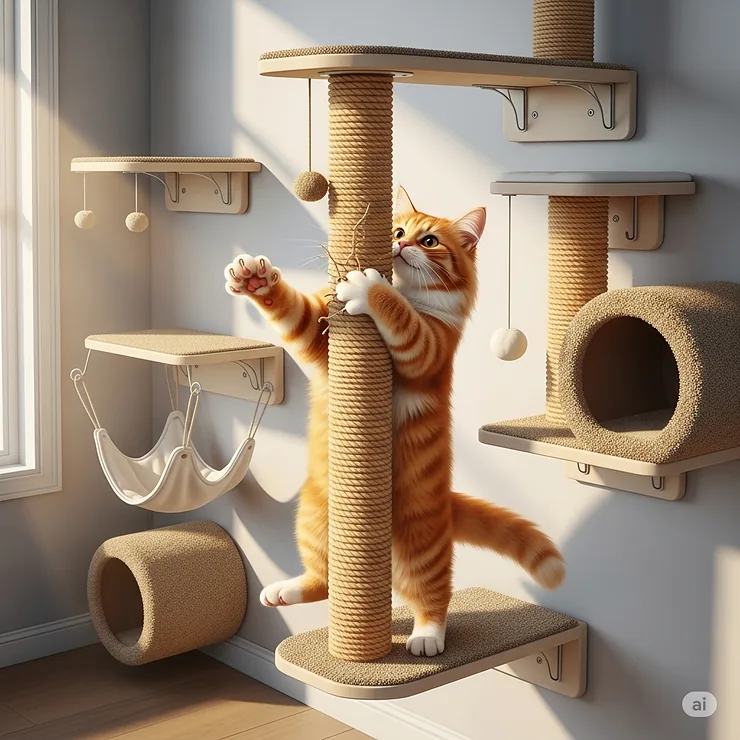
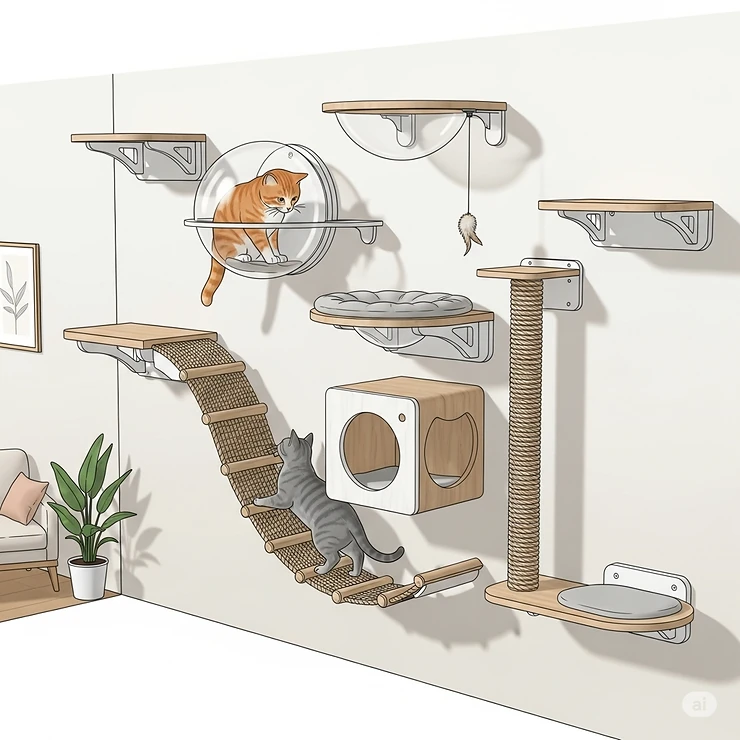
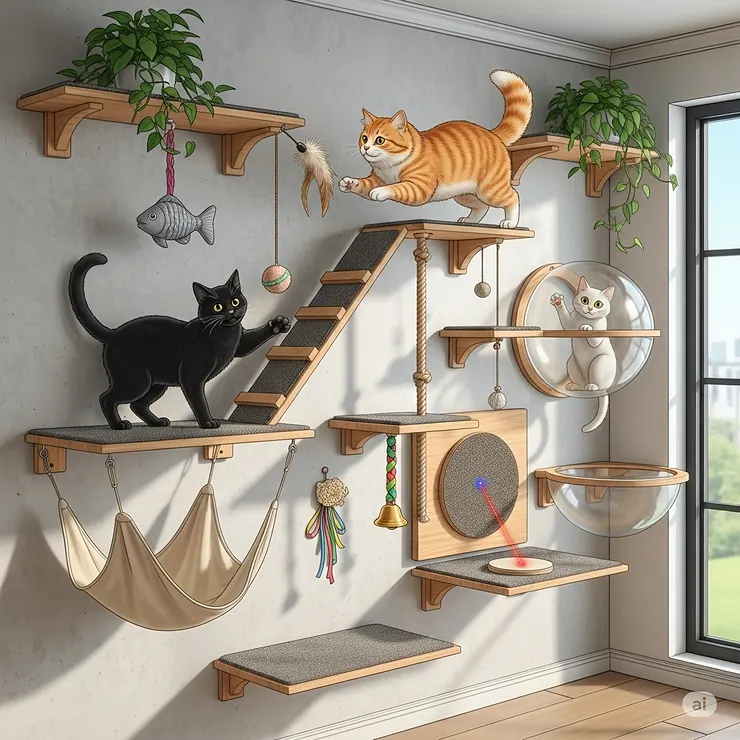
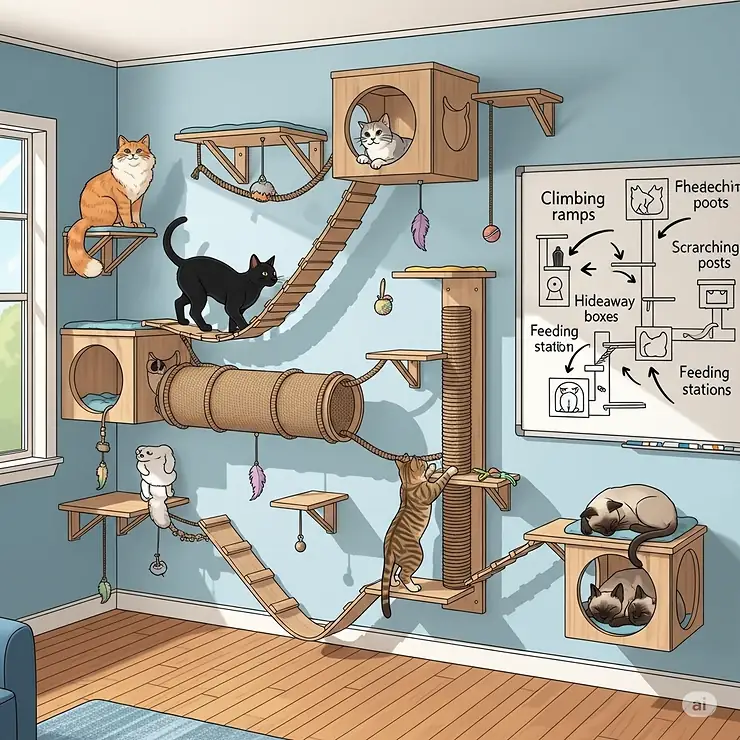
For households with multiple cats, wall mounted cat tree systems serve as crucial territorial management tools. Behaviorists recommend installing cat climbing shelves at different heights to allow dominant cats to claim higher positions while providing escape routes for more submissive felines.
Professional pet behavior consultants often recommend comprehensive wall cat tree installations as primary solutions for inter-cat aggression. These systems create separate traffic patterns that reduce forced interactions while still allowing social cats to engage when desired. If you’re also interested in big cat tree solutions that accommodate multiple large felines, check out our comprehensive guide on sizing considerations for multi-cat households.
Small Space Living Solutions
Urban apartment dwellers have embraced wall mounted cat furniture as game-changing space-saving solutions. Interior designers now regularly incorporate cat wall perch systems into small living spaces, creating functional vertical environments that don’t compromise floor space needed for human activities.
Professional organizers frequently recommend wall hanging cat tree installations for studio apartments and tiny homes where traditional floor-standing cat furniture simply isn’t practical. These solutions provide essential environmental enrichment without sacrificing valuable square footage. To dive deeper into small cat condo options that maximize functionality in minimal space, we’ve covered this extensively in another article focused on micro-living solutions.
Advanced Technical Analysis of Cat Wall Engineering
Structural Engineering Principles
Modern wall mounted cat condo systems utilize advanced engineering principles to ensure safety under dynamic loading conditions. The physics of cat movement creates unique stress patterns that require specialized mounting hardware and weight distribution calculations.
Professional-grade cat wall accessories employ cantilever beam principles to maximize platform extension while maintaining structural integrity. Engineers calculate load paths and stress concentrations to ensure installations can safely handle the impact forces generated by jumping cats weighing up to 20+ pounds.
Material Science Innovations
Contemporary cat wall shelves for large cats incorporate cutting-edge materials like engineered plywood composites and high-strength mounting hardware. These materials provide superior durability compared to traditional particle board constructions while maintaining lightweight characteristics essential for wall mounting.
Advanced sisal fiber treatments used in wall mounted cat tower scratching surfaces now include antimicrobial coatings and UV-resistant fibers that maintain texture and appearance even under heavy use. These innovations significantly extend product lifespan and reduce replacement frequencies. Speaking of wall mounted scratching post technology, this connects beautifully with our detailed analysis of different scratching surface materials and their longevity characteristics.
Installation Technology Advances
Modern wall mounted cat perch systems feature precision-engineered mounting brackets that distribute loads across multiple wall studs. Professional-grade installations now utilize aircraft-cable safety systems and redundant mounting points to exceed residential safety standards.
Innovative leveling systems built into premium cat wall furniture set components ensure perfectly horizontal platforms regardless of wall irregularities. These systems eliminate the need for complex shimming while guaranteeing stable installations that won’t develop unwanted tilts over time.
Top Cat Wall Products Available Now
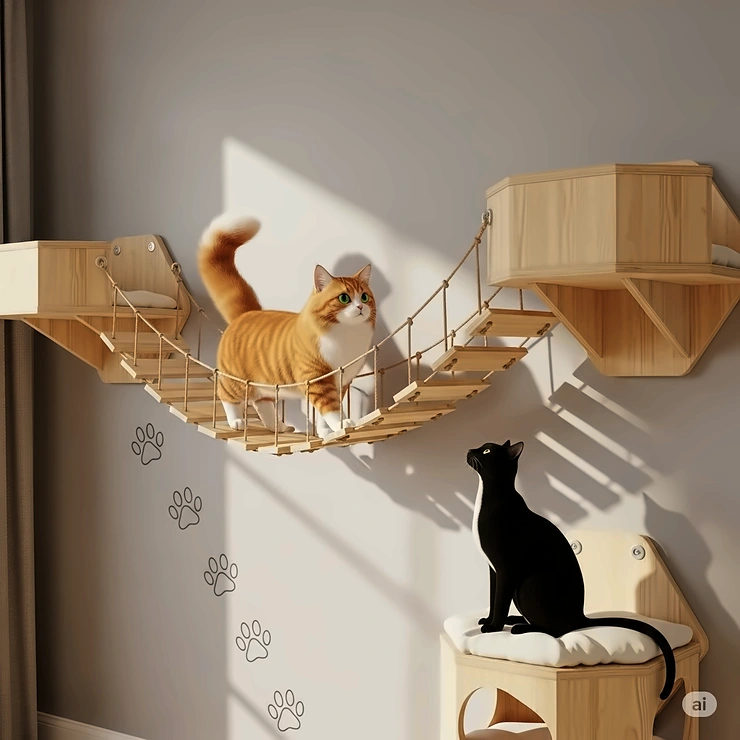
FUKUMARU Cat Wall Shelves, 4-in-1 Set – $89.99
This comprehensive FUKUMARU Cat Wall Shelves system includes everything needed to create a complete climbing environment. The set features solid rubber wood construction with multiple platforms, scratching posts, and a comfortable sleeping area. Customer reviews consistently praise its stability and ease of installation, with many noting their large cats feel completely secure using the system.
The FUKUMARU system stands out for its modular design that allows custom configurations based on available wall space. Installation hardware includes specialized brackets designed for standard 16-inch drywall construction, making setup straightforward even for DIY beginners.
Holim Modern Cat Wall Shelves for Large Cats – $69.99
The Holim Modern Cat Wall Shelves system combines functionality with contemporary aesthetics. This black-finished set includes a cat condo, multiple shelves, and climbing platforms specifically engineered for larger cat breeds. The thick plywood construction ensures durability under heavy use.
Holim products feature sleek, modern designs that complement contemporary home décor while providing essential vertical territory. The system’s modular nature allows for easy expansion as needs change or additional cats join the household.
PETKABOO Cat Wall Shelves and Perches – $158.72
The PETKABOO Cat Wall Shelves represent premium pine wooden construction with comprehensive climbing elements. This extensive system includes condos, scratching posts, ladders, and platforms that create a complete wall-based cat highway system.
PETKABOO sets are particularly noted for their DIY customization potential, allowing owners to paint or stain components to match existing décor. The natural pine construction provides exceptional durability while maintaining the authentic wood aesthetic many homeowners prefer.
🛒 Transform Your Home Today! 🏡
→ Ready to create the ultimate cat paradise? Check out these top-rated cat wall systems and give your feline the vertical adventure they crave! Click on any highlighted product to see current pricing and customer reviews. ⭐
Wall Mounted Cat Shelves by Pryde Pets – $39.99
The Wall Mounted Cat Shelves by Pryde Pets offer an eco-friendly solution made from 100% sustainable PET felt. This 4-piece set provides essential climbing surfaces while supporting environmental sustainability efforts.
Pryde Pets focuses on sustainable manufacturing processes, making their products ideal for environmentally conscious cat owners. The felt construction provides excellent traction and comfort while being completely recyclable at end of life.
COOLEX Cat Wall Shelves 3-Step System – $49.99
The COOLEX Cat Wall Shelves feature a space-efficient 3-step design perfect for smaller wall spaces. The system includes scratching posts, hammock bed, and plush covers for maximum comfort and functionality.
COOLEX systems are specifically designed for apartments and smaller homes where space efficiency is paramount. Despite the compact design, the system provides all essential elements for healthy vertical activity.
LIORCE Cat Wall Shelf Wave Design – $43.99
The LIORCE Cat Wall Shelf features an innovative wave-shaped design that provides comfortable resting positions while adding artistic elements to home décor. The unique lotus leaf-inspired curves accommodate natural cat resting postures.
LIORCE products emphasize ergonomic design principles that support natural cat behaviors while creating visually appealing installations. The wave pattern provides multiple comfortable positions for cats of different sizes.
Comprehensive Setup and Installation Guide
Pre-Installation Planning Phase
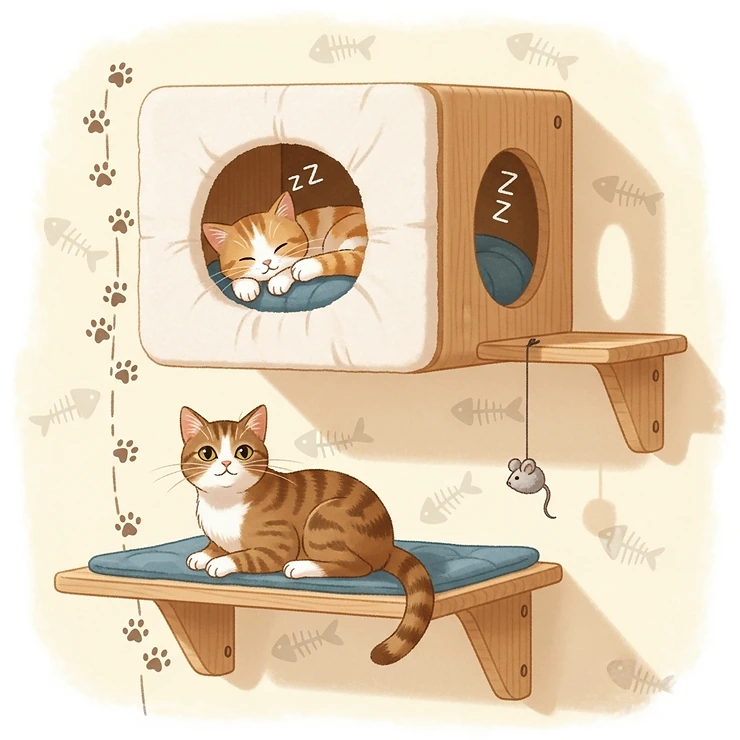
Creating successful cat wall installations requires careful planning that considers both structural requirements and feline behavioral needs. Start by mapping wall stud locations using a reliable stud finder, as proper mounting is essential for safety under dynamic loading conditions.
Measure your cats’ jumping capabilities by observing their natural movement patterns around existing furniture. Most healthy adult cats can comfortably jump 18-24 inches horizontally and 12-18 inches vertically, but individual capabilities vary based on age, size, and physical condition.
Create scaled drawings of your proposed installation, including all component locations, mounting points, and traffic flow patterns. This planning phase helps identify potential conflicts and ensures optimal spacing for safe navigation between elements.
Professional Installation Techniques
Wall mounted cat tower installations require precise execution to ensure long-term safety and stability. Begin by marking all mounting points with a level to ensure platforms will be perfectly horizontal when installed.
Drill pilot holes slightly smaller than mounting screws to prevent wall damage while ensuring secure connections. For installations in standard drywall, use heavy-duty wall anchors rated for dynamic loading conditions, not just static weight ratings.
Install components in ascending order, testing each level’s stability before proceeding to higher elements. This progressive approach allows you to identify and correct any issues before completing the full installation.
Safety Verification Procedures
After installation completion, perform comprehensive safety testing before allowing cats to use the system. Apply gentle downward pressure to each platform to verify secure mounting and absence of movement or flexing.
Test all connections by applying light lateral forces that simulate cat movement patterns. Pay particular attention to extended platforms or cantilelevered elements that experience greater stress during use.
Document your installation with photographs and keep all mounting hardware specifications for future reference. This documentation proves invaluable for maintenance planning and potential system expansions.
Maintenance and Longevity Strategies
Daily Maintenance Routines
Successful wall hanging cat tree systems require consistent daily attention to maintain optimal condition and safety. Inspect all platforms for accumulated fur, debris, or signs of wear that could affect traction or comfort.
Clean scratching surfaces regularly using vacuum attachments to remove embedded fur and debris that can reduce scratching effectiveness. Replace worn sisal rope or fabric covers before they become completely unusable to maintain continuous availability of appropriate scratching outlets.
Check for loose mounting hardware by gently testing each connection point during daily cleaning routines. Early detection of loosening hardware prevents more serious structural issues that could compromise safety.
Weekly Deep Cleaning Protocols
Perform comprehensive weekly cleaning using pet-safe cleaners that won’t leave harmful residues on surfaces your cats contact regularly. Remove all fabric elements for washing according to manufacturer specifications.
Inspect wood surfaces for signs of damage, including scratches, chips, or moisture damage that could weaken structural integrity over time. Address minor damage immediately using appropriate wood fillers and refinishing techniques.
Vacuum all crevices and hard-to-reach areas where hair and debris accumulate. Use compressed air to clear debris from mounting hardware and connection points that standard cleaning tools cannot reach effectively.
Quarterly Professional Assessments
Schedule quarterly comprehensive inspections to assess overall system integrity and identify potential issues before they become safety hazards. Check all mounting points for any signs of wall damage or anchor loosening.
Evaluate wear patterns on all surfaces to predict replacement needs and budget for necessary components. Heavy-use areas typically require attention first, particularly scratching surfaces and high-traffic platforms.
Document system condition with photographs to track changes over time and identify trends that might indicate needed modifications or component upgrades for improved longevity.
Long-Term Component Replacement Planning
Plan for systematic component replacement based on expected service life and observed wear patterns. Scratching surfaces typically require replacement every 12-18 months under normal use conditions.
Maintain spare mounting hardware and replacement components to enable quick repairs when needed. Having components readily available prevents extended system downtime that forces cats to seek alternative climbing surfaces.
Budget approximately 15-20% of original system cost annually for maintenance and replacement components. This investment ensures continuous system availability and prevents deferred maintenance from compromising safety.
Comparative Analysis: Cat Wall vs Traditional Solutions
Space Efficiency Comparison
Traditional floor-standing cat tree take up valuable floor space that becomes unavailable for other purposes, while cat wall perch systems utilize vertical wall space that typically goes unused. This difference becomes particularly significant in smaller living spaces where every square foot matters.
Floor-based systems also create cleaning challenges around and underneath structures, whereas wall mounted cat bed installations allow unrestricted access for cleaning underneath. This accessibility advantage significantly reduces maintenance time and effort over the system’s lifetime.
Wall-mounted systems can extend higher than typical ceiling heights allow for traditional towers, providing greater vertical territory within the same room footprint. This expanded range better satisfies cats’ natural desires for elevated positions while maintaining floor space availability.
Cost-Benefit Analysis Over Time
Initial investment in wall mounted cat furniture systems typically runs 20-30% higher than equivalent floor-standing alternatives due to specialized mounting hardware and installation requirements. However, long-term costs favor wall-mounted systems due to superior durability and reduced replacement frequency.
Wall-mounted installations experience less wear from repeated assembly/disassembly cycles that plague floor-standing units during moves or deep cleaning. This stability advantage translates to extended service life and reduced long-term ownership costs.
Insurance considerations may favor wall-mounted systems in households with large or particularly active cats, as properly installed wall systems present lower tipping risks compared to tall floor-standing structures that could cause property damage or injury.
Performance Metrics Comparison
Cat Wall vs Traditional Cat Trees Comparison
| Feature | Cat Wall Systems | Traditional Cat Trees | Advantage |
|---|---|---|---|
| Floor Space Used | Zero | 4-9 sq ft | Cat Wall ✅ |
| Height Potential | Up to ceiling | Limited by base stability | Cat Wall ✅ |
| Customization | Unlimited modular options | Fixed configuration | Cat Wall ✅ |
| Cleaning Access | Complete underneath access | Obstructed cleaning | Cat Wall ✅ |
| Stability | Anchored to wall studs | Dependent on base weight | Cat Wall ✅ |
| Initial Cost | $50-200 | $30-150 | Traditional ⚖️ |
| Installation Time | 2-4 hours | 30 minutes | Traditional ⚖️ |
| Portability | Permanent installation | Easily moved | Traditional ⚖️ |
Case Studies and Success Stories
Urban Apartment Transformation
Sarah, a Manhattan resident with two Maine Coon cats, faced significant challenges providing adequate vertical territory in her 450-square-foot studio apartment. Traditional cat trees consumed precious floor space while providing insufficient climbing opportunities for her large cats.
After installing a comprehensive wall cat condo system featuring 8 platforms, 3 scratching posts, and 2 enclosed rest areas, Sarah observed dramatic behavioral improvements. Her cats’ destructive scratching of furniture ceased entirely, and both showed increased activity levels and improved muscle tone.
The installation cost $340 initially but eliminated the need for multiple floor-standing pieces that would have cost approximately $280 while consuming 12 square feet of floor space. Sarah reports the investment paid for itself within six months through eliminated furniture replacement costs.
Multi-Cat Household Harmony
The Johnson family struggled with territorial disputes between their four cats in a three-bedroom home. Traditional cat furniture created competition bottlenecks where cats encountered each other involuntarily, leading to stress-related behaviors including inappropriate elimination.
Installation of wall mounted cat shelves for large cats created multiple traffic patterns that allowed cats to navigate shared spaces without forced interactions. The system included parallel climbing routes and multiple access/escape points that accommodated different personality types.
Within three months of installation, veterinary visits for stress-related conditions decreased by 75%, and litter box issues resolved completely. The family documented cost savings of over $800 annually in reduced veterinary expenses and eliminated furniture replacement needs. While exploring this topic, don’t overlook cat hammock installations – they’re equally important for creating comfortable resting spots that complement climbing systems.
Senior Cat Accessibility Success
When 14-year-old Whiskers developed arthritis, traditional jumping to high perches became impossible, leading to depression and decreased activity. His owner, retired teacher Margaret, needed solutions that provided access to favorite elevated positions without requiring painful jumping.
A custom cat wall furniture set featuring graduated platform heights with maximum 8-inch vertical jumps restored Whiskers’ access to windowsill perches and high observation points. Carpeted surfaces provided superior traction for aging paw pads. For more detailed information about carpeted cat tower options specifically designed for senior cats, you might want to explore our age-appropriate furniture selection guide.
Margaret reports that Whiskers regained interest in daily activities and returned to his normal social behaviors within weeks of installation. The veterinarian noted improved muscle tone and flexibility during subsequent checkups, attributing improvements directly to resumed climbing activity.
Wall Cat Tree Price Comparison Guide
| Product Category | Budget Range | Mid-Range | Premium | Features |
|---|---|---|---|---|
| Single Shelf Systems | $25-45 | $45-75 | $75-120 | Basic platform, mounting hardware |
| 3-Piece Starter Sets | $45-70 | $70-110 | $110-180 | Multiple platforms, basic scratching |
| Complete Wall Systems | $80-130 | $130-220 | $220-350+ | Full climbing gym, multiple features |
| Premium Modular | $150-250 | $250-400 | $400-600+ | Professional grade, custom options |
💬 Just one click – help others make better buying decisions too! 😊
Future Trends and Market Evolution
Smart Technology Integration
The pet furniture industry increasingly incorporates smart technology into wall mounted cat climbing systems. Emerging products feature integrated sensors that monitor activity levels, providing health insights through smartphone applications.
Advanced systems now include automated feeders and water dispensers integrated into wall mounted cat condo platforms, creating comprehensive care stations that maximize convenience while maintaining space efficiency.
Voice-activated controls for automated toys and comfort features represent the next evolution in interactive cat wall environments. These systems respond to both owner commands and programmed activity schedules that maintain engagement even during owner absences.
Sustainable Material Innovations
Environmental consciousness drives innovation in cat wall accessories manufacturing, with increasing emphasis on renewable and recyclable materials. Bamboo-based platforms and recycled plastic mounting hardware reduce environmental impact while maintaining superior performance characteristics.
Biodegradable replacement components for scratching surfaces and comfort materials address long-term sustainability concerns while reducing ongoing ownership costs. These innovations align with consumer preferences for environmentally responsible pet products.
Local manufacturing initiatives reduce transportation environmental impacts while supporting regional economies. Several premium manufacturers now offer locally-sourced wood components that reduce carbon footprints while supporting sustainable forestry practices. This naturally leads us to consider washable cat tree components, which we discuss in detail in our eco-friendly pet furniture maintenance guide.
Customization and Personalization Trends
Mass customization technology enables personalized wall hanging cat perch systems tailored to specific cats’ needs and home décor requirements. Digital design tools allow virtual system planning before purchase, reducing installation complications and improving satisfaction.
3D printing technology enables custom-designed connection hardware and specialized components for unique installation requirements. This capability particularly benefits households with unusual wall configurations or specific architectural challenges.
Color matching services now provide painted components that precisely match existing interior design elements, ensuring seamless integration with home décor while maintaining full functionality for feline occupants.
Investment Decision Framework for Cat Wall Systems
Initial Cost Considerations
Budget planning for comprehensive cat wall installations should account for both immediate product costs and installation requirements. Professional installation services typically add 30-50% to total project costs but ensure optimal safety and longevity.
DIY installations require tool investments that may exceed professional installation costs for households lacking appropriate equipment. Consider tool rental or borrowing arrangements to minimize total project expenses while maintaining installation quality.
Factor potential wall repair costs into budgets, particularly for installations in older homes where wall conditions may require reinforcement or modification. Professional assessments help identify these requirements before project commitment.
Return on Investment Analysis
Calculate potential savings from eliminated furniture replacement costs, reduced veterinary expenses related to behavioral issues, and improved property appeal for future resale considerations. These benefits often justify premium system investments.
Document baseline behavioral issues and associated costs before installation to accurately measure improvement benefits. This documentation provides objective data for evaluating investment success and planning future enhancements.
Consider insurance implications and potential liability reductions associated with properly installed systems versus furniture that could tip or cause injury. Some insurance providers offer discounts for homes with professional pet safety installations.
Long-Term Value Projections
Premium systems typically provide 10-15 years of service life with appropriate maintenance, compared to 3-5 years for budget alternatives. Calculate annualized costs when comparing options to identify true value propositions.
Modular systems offer superior long-term value through expandability and component replacement options that extend useful life beyond initial configurations. This flexibility accommodates changing needs as cats age or household compositions change.
Property value considerations may favor high-quality installations that appeal to future buyers, particularly in markets with significant pet-owning populations. Well-designed systems can become selling points rather than complications during property transfers. For those curious about black cat furniture aesthetics and how they integrate with modern home design, we have a dedicated resource covering color coordination in pet-friendly interiors.
Professional Installation vs DIY Guidelines
Skill Assessment Requirements
Evaluate your technical capabilities honestly before committing to DIY installation of wall mounted cat tower systems. Required skills include accurate measuring, level installation, proper anchoring techniques, and safety verification procedures.
Tool requirements include professional-grade stud finders, levels, drill bits suitable for various wall materials, and mounting hardware appropriate for your specific wall construction. Inadequate tools compromise installation quality and safety.
Consider complexity factors including system size, wall material challenges, and electrical or plumbing proximity that might require professional expertise. Complex installations benefit from professional assessment even if DIY execution proceeds.
Professional Service Benefits
Professional installers bring specialized experience with various wall materials and construction techniques that ensure optimal installations regardless of home construction details. This expertise prevents common DIY mistakes that compromise safety.
Warranty coverage often extends to installation quality when professional services are utilized, providing additional protection for your investment. DIY installations typically void manufacturer warranties related to mounting and structural issues.
Time efficiency strongly favors professional installation for complex systems, with typical completion times of 2-3 hours versus 6-12 hours for equivalent DIY efforts. Consider opportunity costs when comparing installation options.
🎯 Create Your Cat’s Dream Playground Today! 🐱
→ Transform those boring walls into the ultimate feline adventure zone! Your cat deserves a space that satisfies their natural climbing instincts while keeping your home organized. Click on any highlighted product above to start building their perfect vertical paradise! 🏰
Conclusion
Creating the perfect cat wall transforms more than just your living space – it revolutionizes your cat’s entire world. From providing essential vertical territory that satisfies deep-rooted instincts to maximizing your home’s functionality, these systems offer unparalleled benefits for both cats and their humans.
The investment in a quality wall mounted cat furniture system pays dividends through improved feline behavior, reduced furniture damage, enhanced space utilization, and the pure joy of watching your cats confidently navigate their custom climbing paradise. Whether you choose a simple shelf system or an elaborate modular installation, you’re investing in your cat’s physical health, mental well-being, and overall quality of life.
Remember that every cat is unique, and the perfect system combines thoughtful planning with quality products that match your specific situation. Take time to observe your cats’ natural behaviors, assess your space constraints, and choose components that will provide years of safe, engaging vertical adventure.
The transformation awaits – give your feline companions the elevated lifestyle they instinctively crave while reclaiming your floor space and protecting your furniture. Your cats will thank you with purrs of contentment from their new high-altitude kingdom.
FAQs
❓ How much weight can a cat wall safely support?
❓ What's the best spacing between cat wall shelves?
❓ Can I install cat wall furniture in rental properties?
❓ How do I clean wall mounted cat scratching posts?
❓ Which cat wall brands offer the longest warranties?
Recommended for You:
- 7 Best Cat Proof Curtains That Actually Work – Ultimate 2025 Guide
- 7 Best Fishing Toy for Cats That Drive Felines Wild in 2025
- 7 Best Water Toys for Cats: Ultimate Interactive Guide for Happy Hydrated Felines 2025
Disclaimer: This article contains affiliate links. If you purchase products through these links, we may earn a small commission at no additional cost to you.
✨ Found this helpful? Share it with your friends! 💬🤗
